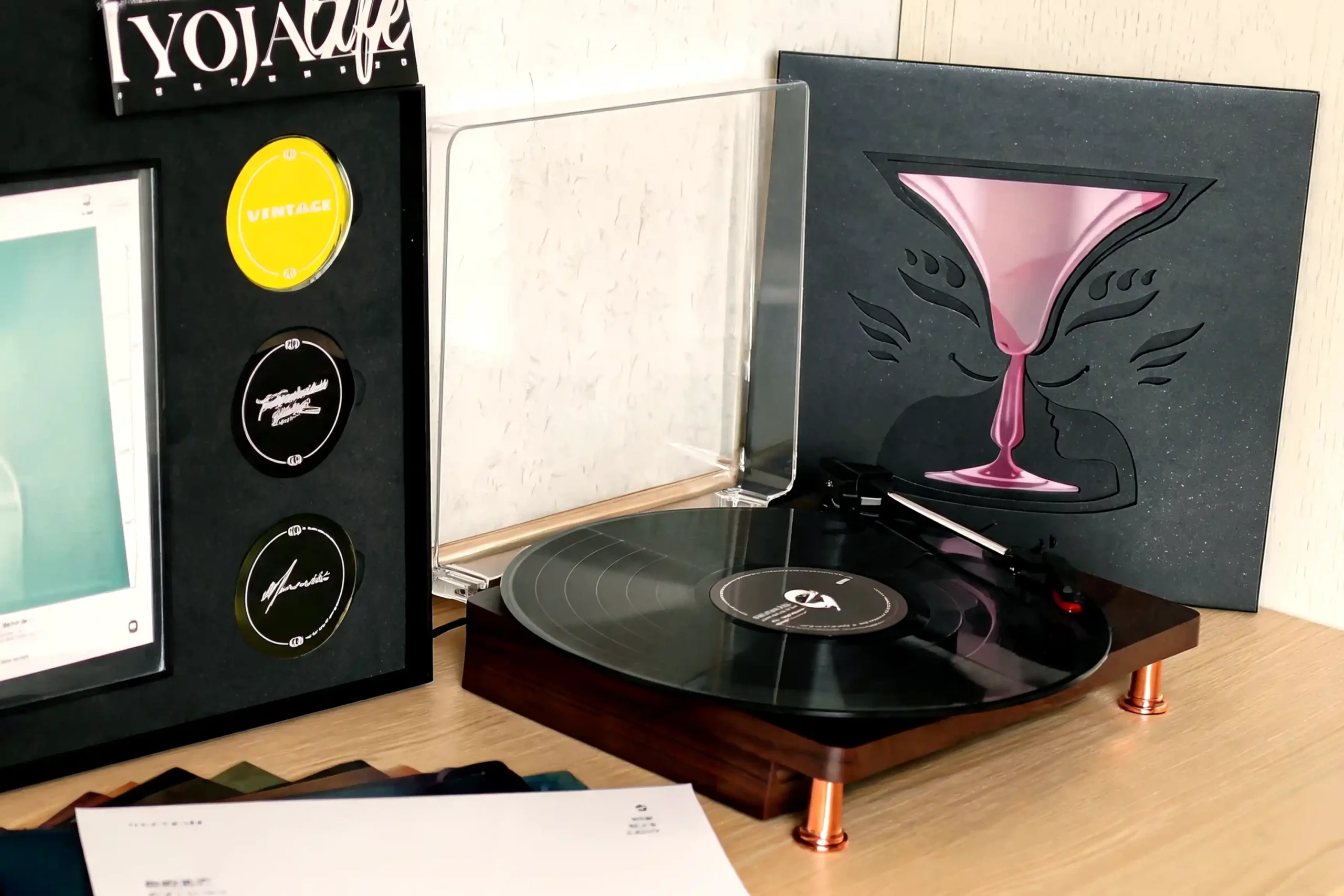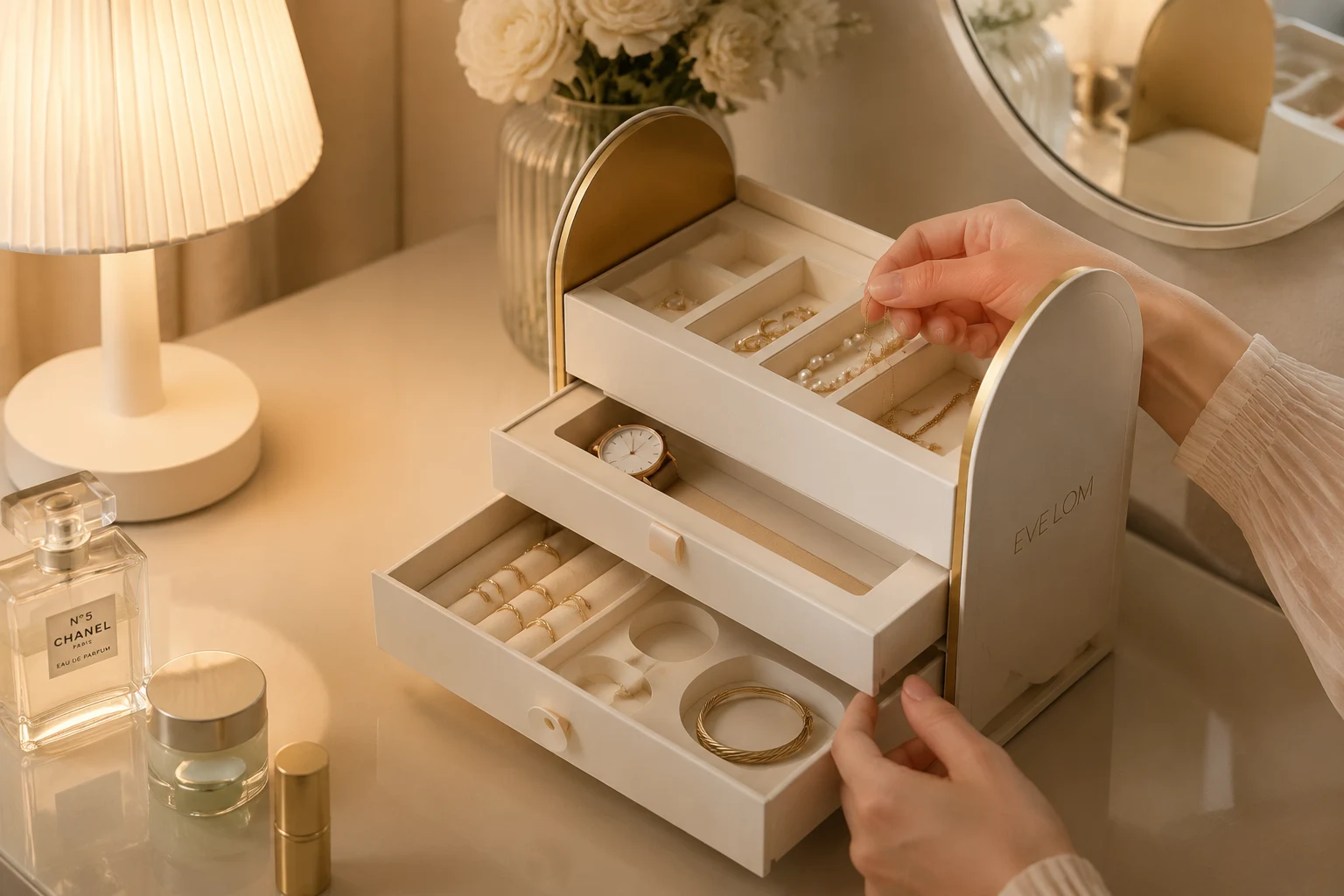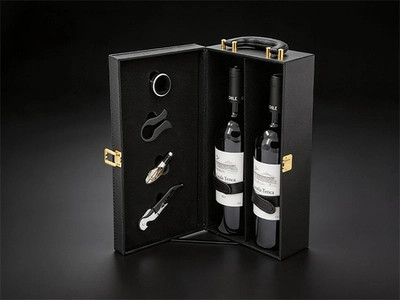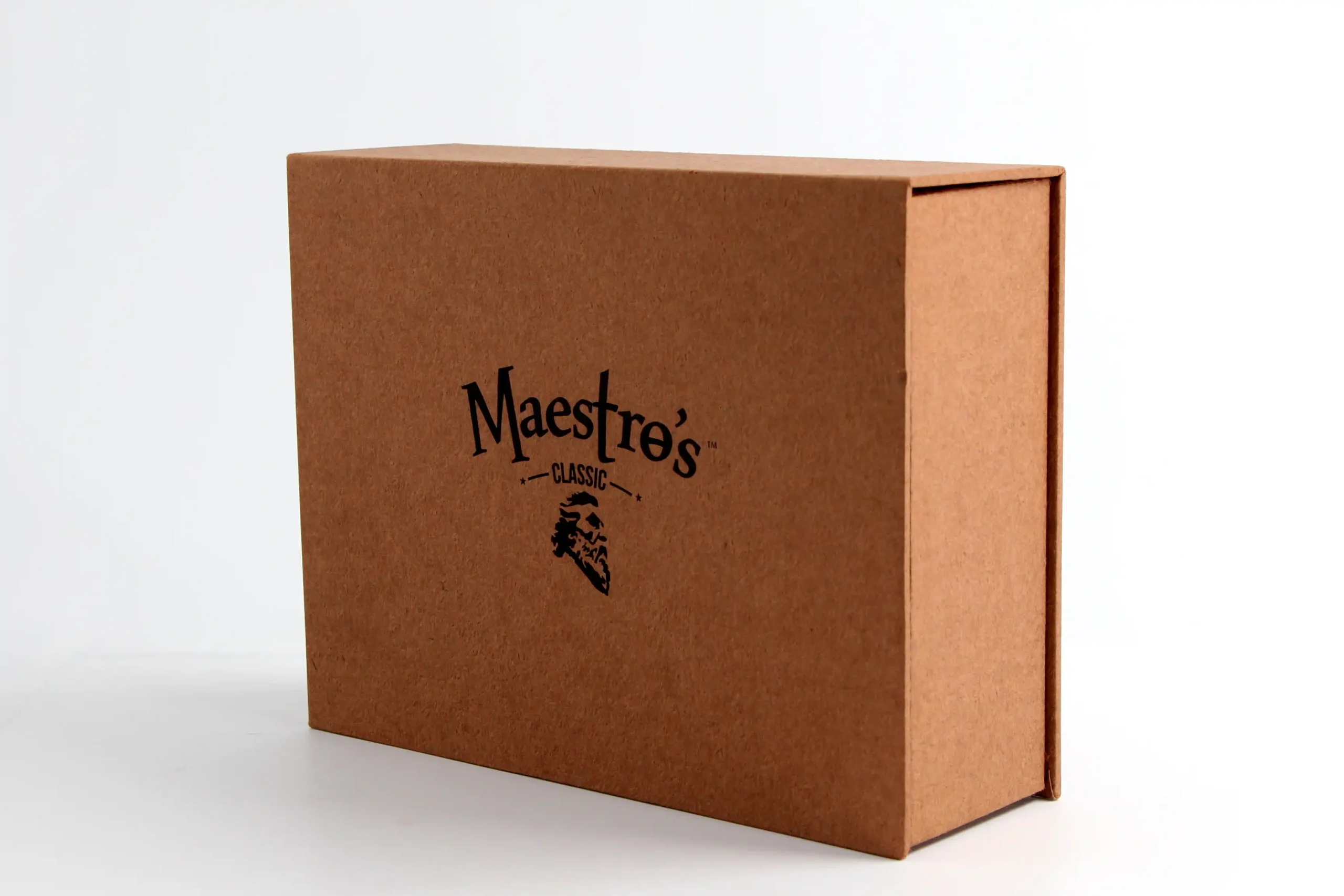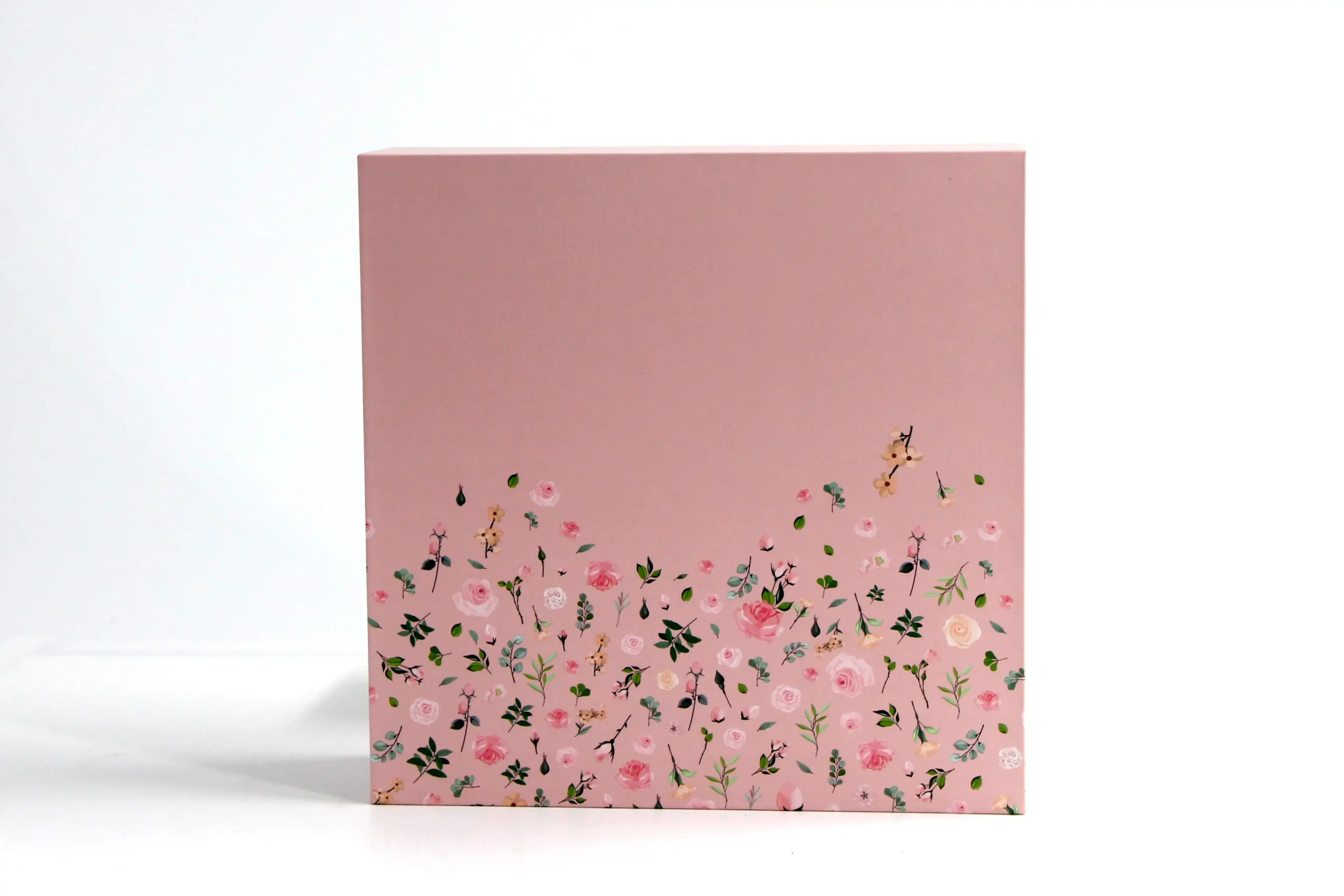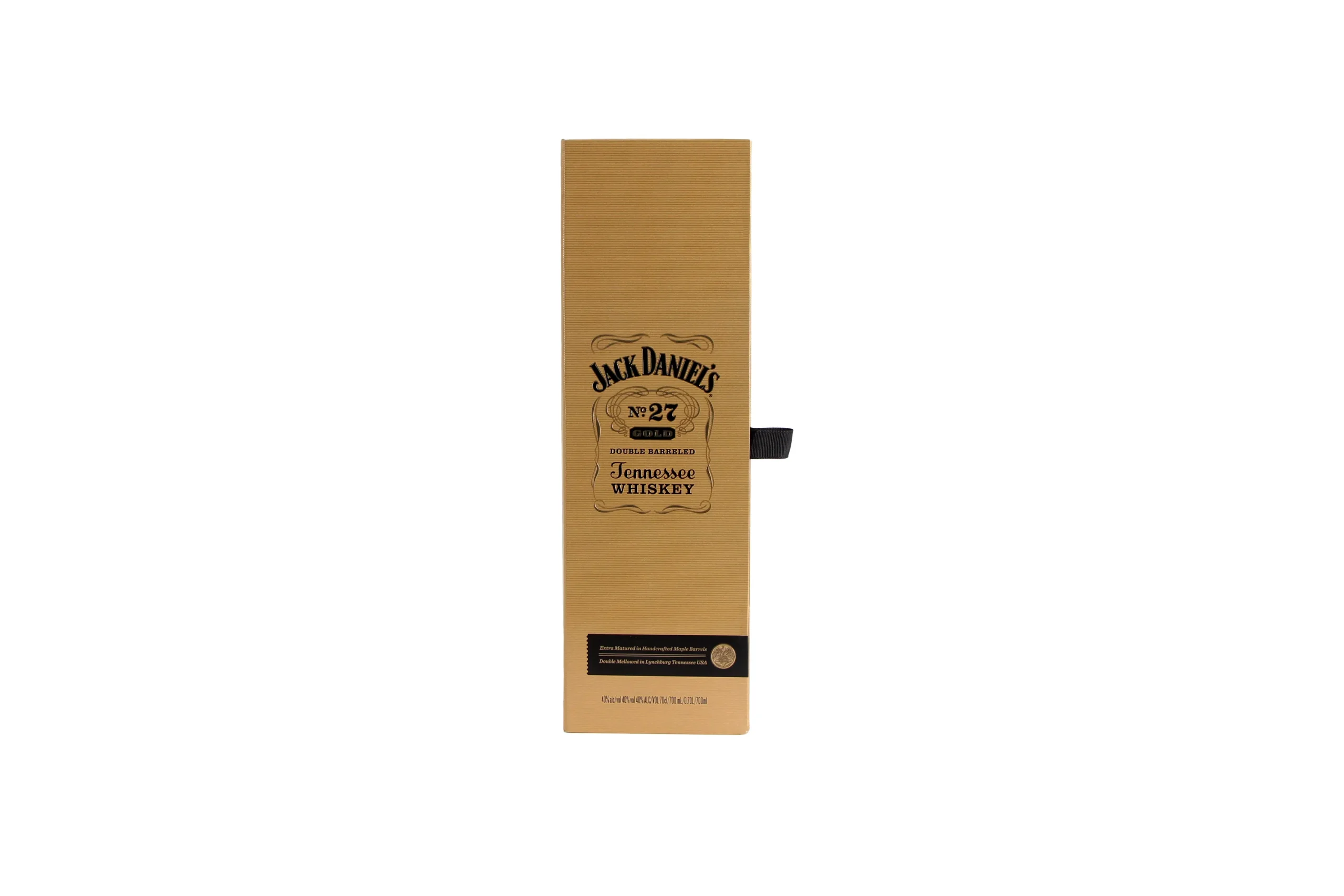
“Gift box manufacturer” covers a wider range of structures, materials, and buyer requirements than the phrase suggests. A box built for a fragile wine bottle, a box built for a fragrance’s glass bottle, and a box built for a corporate onboarding kit are solving genuinely different engineering problems, even though all three might reasonably be called a gift box. This page works as a starting point — a general overview of what changes between categories, with links through to a deeper guide for each one.
If you already know which category applies to your product, jump straight to the relevant guide below. If you’re comparing categories or sourcing across more than one product line, this overview covers what’s actually different between them.
What Every Gift Box Manufacturer Has in Common
Regardless of category, most capable gift box manufacturer relationships share a few baseline expectations: a physical sample within roughly 7 days of design confirmation, a minimum order quantity starting around 1,000 units for fully custom structures, and a certification stack — FSC on request, PPWR compliance, ISO 9001, ISO 14001, and SEDEX audit standing — available as documentation rather than a verbal claim.
Packaging intended for parcel or freight transit is commonly validated against protocols like the ISTA 3A general simulation series, maintained by the International Safe Transit Association. A gift box manufacturer that can point to testing against a recognized protocol, rather than relying on visual inspection alone, is generally further along in formalizing its quality process.
Category Guides
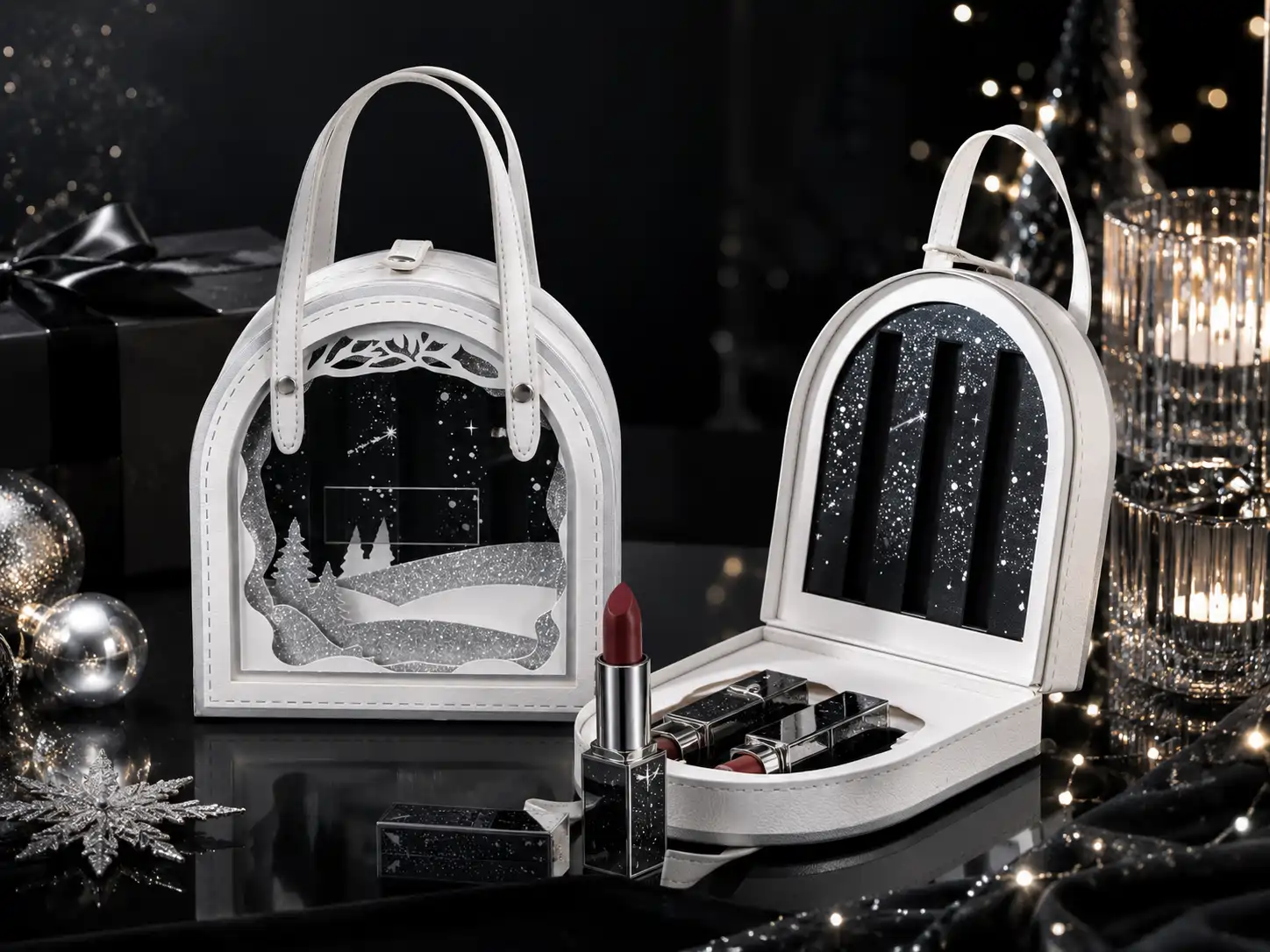
Cosmetics. Structural variety is the defining challenge — bottles, compacts, and palettes each need different insert tooling. See our full guide to choosing a cosmetic box manufacturer.
Perfume. Bottle-shape fit and drop-test performance matter more here than in most categories, given how fragile and irregular fragrance bottles tend to be. See our guide to choosing a perfume box manufacturer.
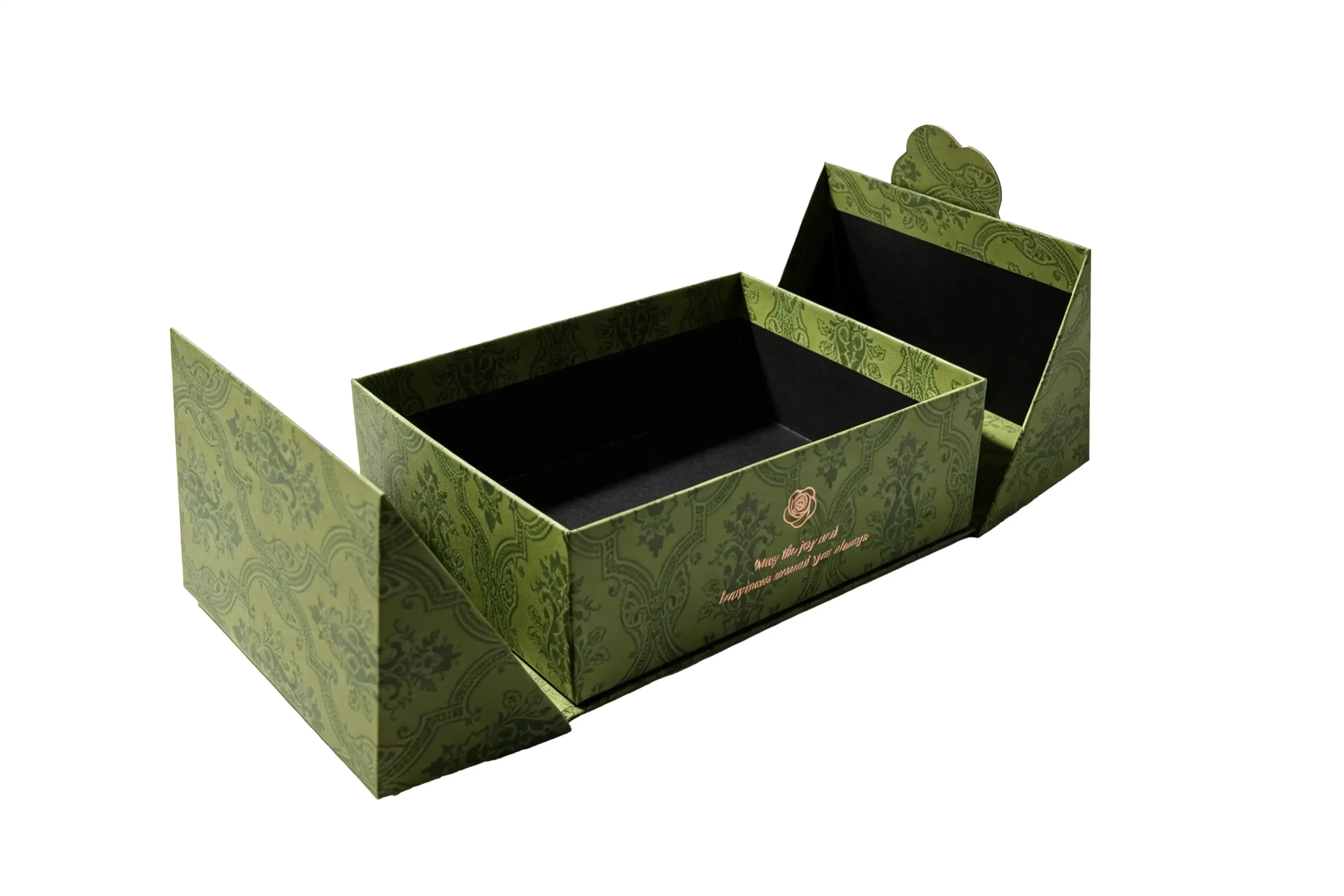
Wine and spirits. Bottle weight and breakage risk during freight shipping drive most structural decisions in this category. See our guide to choosing a wine box manufacturer.
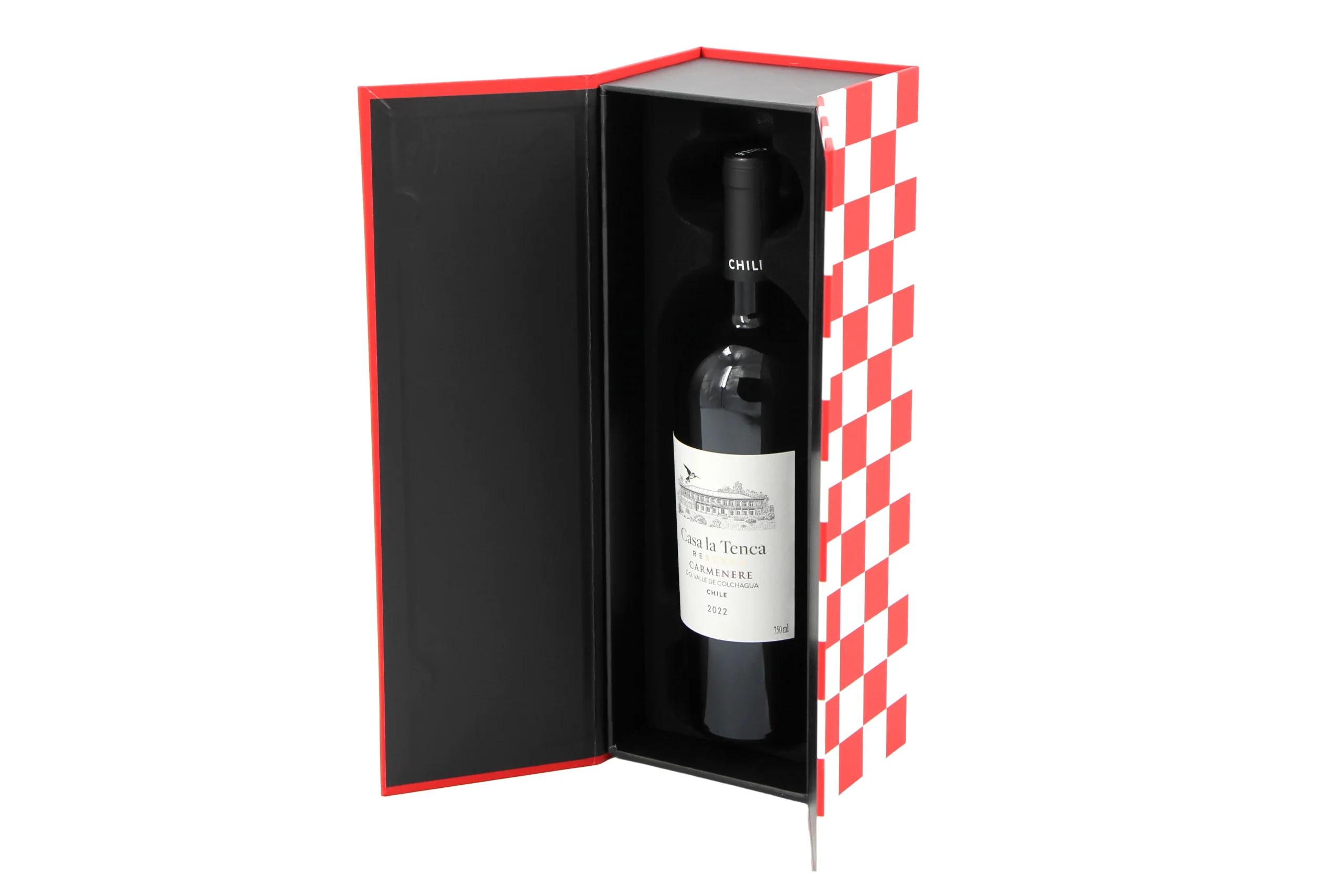
Chocolate and confectionery. Food-contact material certification for the tray or insert is the requirement that separates this category from general gift packaging. See our guide to choosing a chocolate box manufacturer.
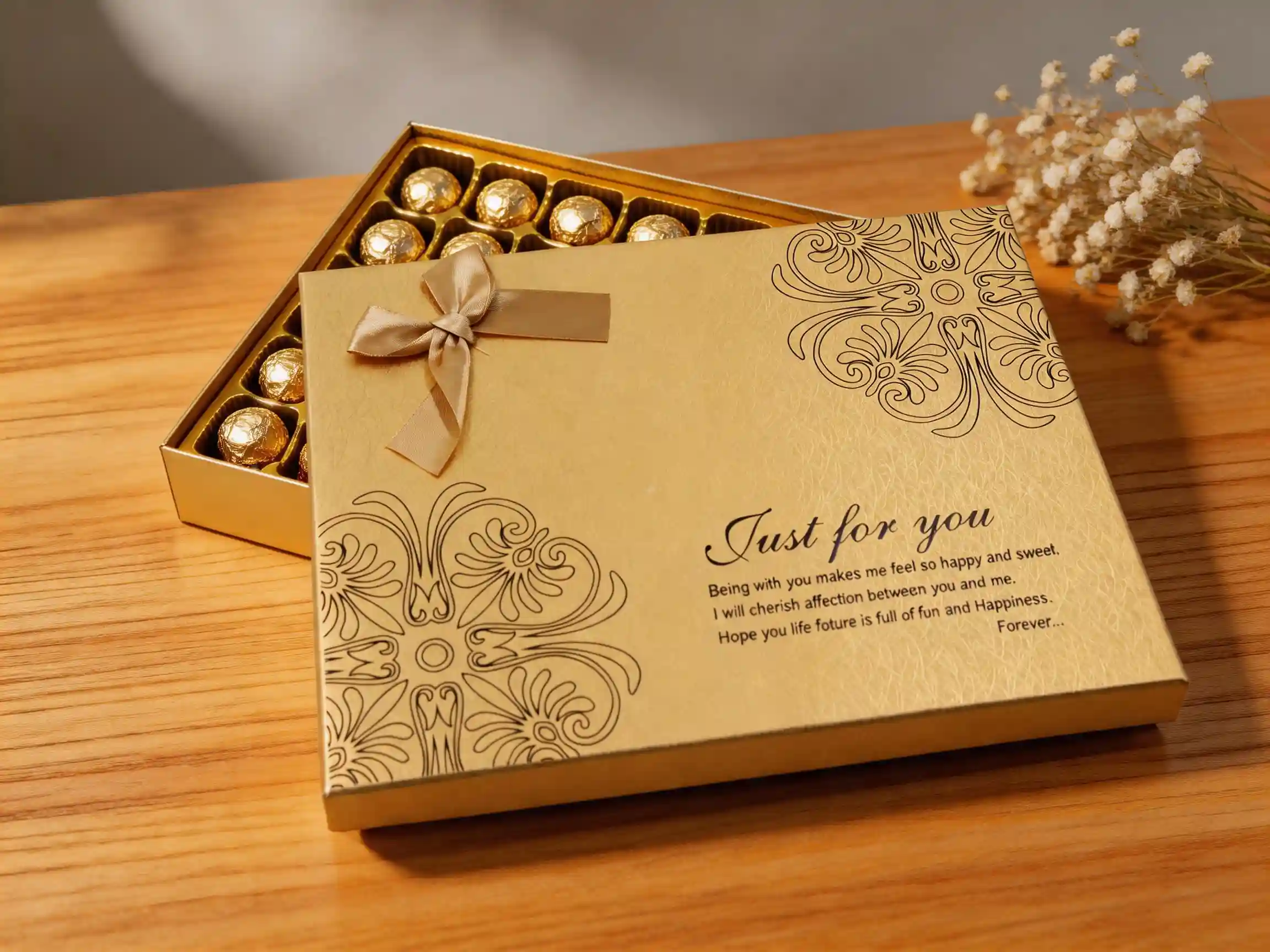
Corporate gifting. Fixed delivery dates and print consistency across large runs matter more here than any single structural feature. See our guide to choosing a corporate gift box manufacturer.
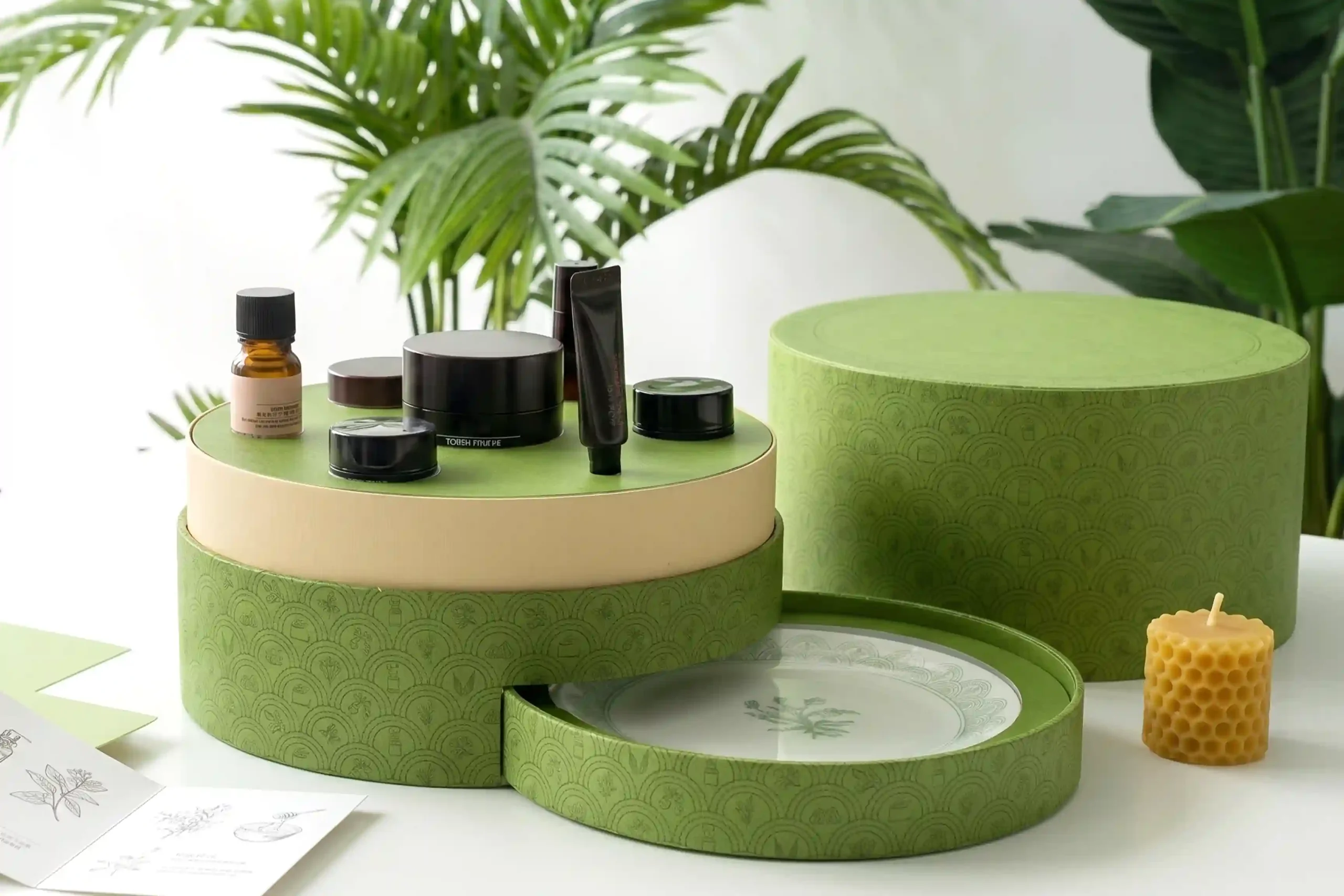
Jewelry. Small-scale insert tolerances and in-store hinge feel matter more than freight-transit performance for this category. See our guide to choosing a jewelry box manufacturer.
Premium and luxury structures. For buyers specifically prioritizing heavier board, specialty materials, and layered finishing regardless of product category, see our guides to choosing a premium rigid box manufacturer and a premium gift box manufacturer.
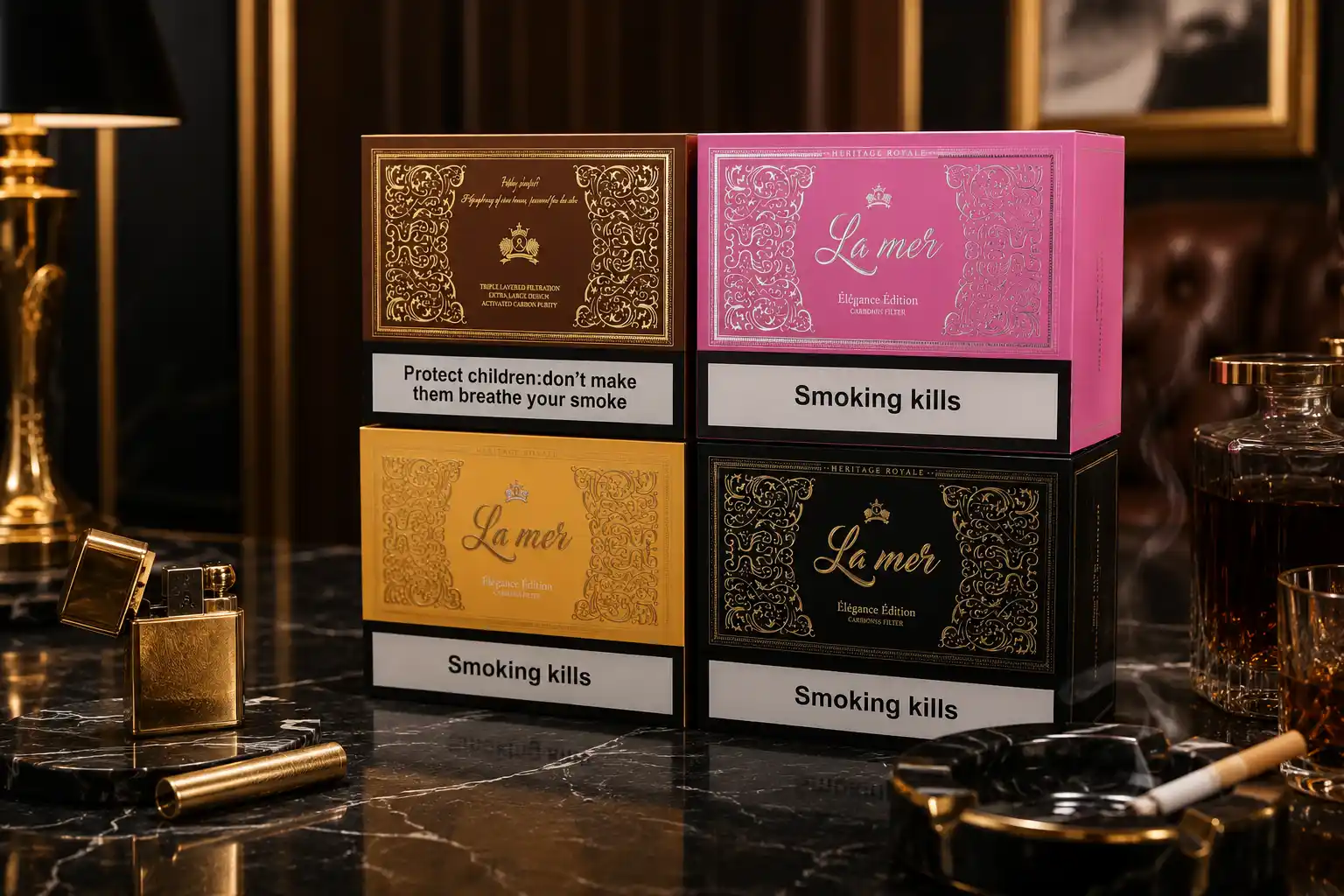
Cigars and specialty tobacco. Humidity-sensitive interior materials and multi-market labeling compliance set this category apart. See our guide to choosing a cigar box manufacturer.
How to Narrow Down a Gift Box Manufacturer Shortlist
Start with structure before finish. A gift box manufacturer’s finishing options — foil stamping, embossing, spot UV — are broadly similar across categories, but the underlying structure needs to match your product’s actual physical requirements: a fragile glass bottle, a food-contact tray, a small jewelry insert, or a large multi-piece corporate set. Getting the structural category right first makes every other conversation about finish, cost, and lead time much more straightforward.
To see finished examples before you compare suppliers, browse our custom gift boxes.
From there, the questions worth asking a gift box manufacturer stay fairly consistent across categories: has this exact structure or a close variant been produced before, what is the realistic sample lead time, which certifications can be provided as documentation rather than claimed verbally, and is production run in-house or subcontracted without direct quality oversight.
Materials and Certifications Across Categories
Most gift box manufacturer structures share a common material base — coated or specialty paper wrapped over greyboard, typically in the 1,000-1,800 gsm range depending on the category and product weight. What changes between categories is the interior treatment: food-contact pulp or blister for confectionery, fitted EVA foam for fragrance and cosmetics, cedar-lined panels for cigars, or fabric and velvet linings for jewelry.
FSC chain-of-custody certification is available on request across all of these categories — see FSC International for how chain-of-custody documentation works — alongside PPWR compliance and the ISO 9001, ISO 14001, and SEDEX certifications most major retail buyers now expect regardless of product category.
When a Hybrid or Cross-Category Product Doesn’t Fit Neatly
Some products don’t map cleanly onto a single category — a cosmetics-and-tableware collaboration set, a wine-and-chocolate gift bundle, or a corporate gift that includes a small jewelry item all combine requirements from more than one guide above. In these cases, a gift box manufacturer with cross-category experience can typically combine the relevant structural elements — a food-contact tray alongside a fitted foam cavity, for instance — into one structure rather than requiring two separate boxes.
It’s worth being explicit about every product type going into the same box when briefing a gift box manufacturer on a hybrid set, since a structure optimized for one product type alone may not adequately protect or present the others.
Cost Ranges Across Categories
Unit cost for a custom gift box varies significantly by category, structure complexity, and finishing — a simple lid-and-base chocolate box and a multi-component fabric-wrapped fragrance set at the same order quantity can differ by several dollars per unit. As a general pattern across the categories covered here, simpler single-material structures (standard chocolate or corporate boxes) tend to sit at the lower end of the cost range, while multi-component or fabric-wrapped premium structures (luxury cosmetics, collaboration gift sets, premium rigid boxes) sit at the higher end.
A gift box manufacturer should be able to break down a quote by component — outer shell, interior tray or lining, finishing steps — rather than presenting only a single bottom-line unit price, which makes it easier to identify where cost-saving adjustments are actually available if budget is a constraint.
Working With Topvisio Across Categories
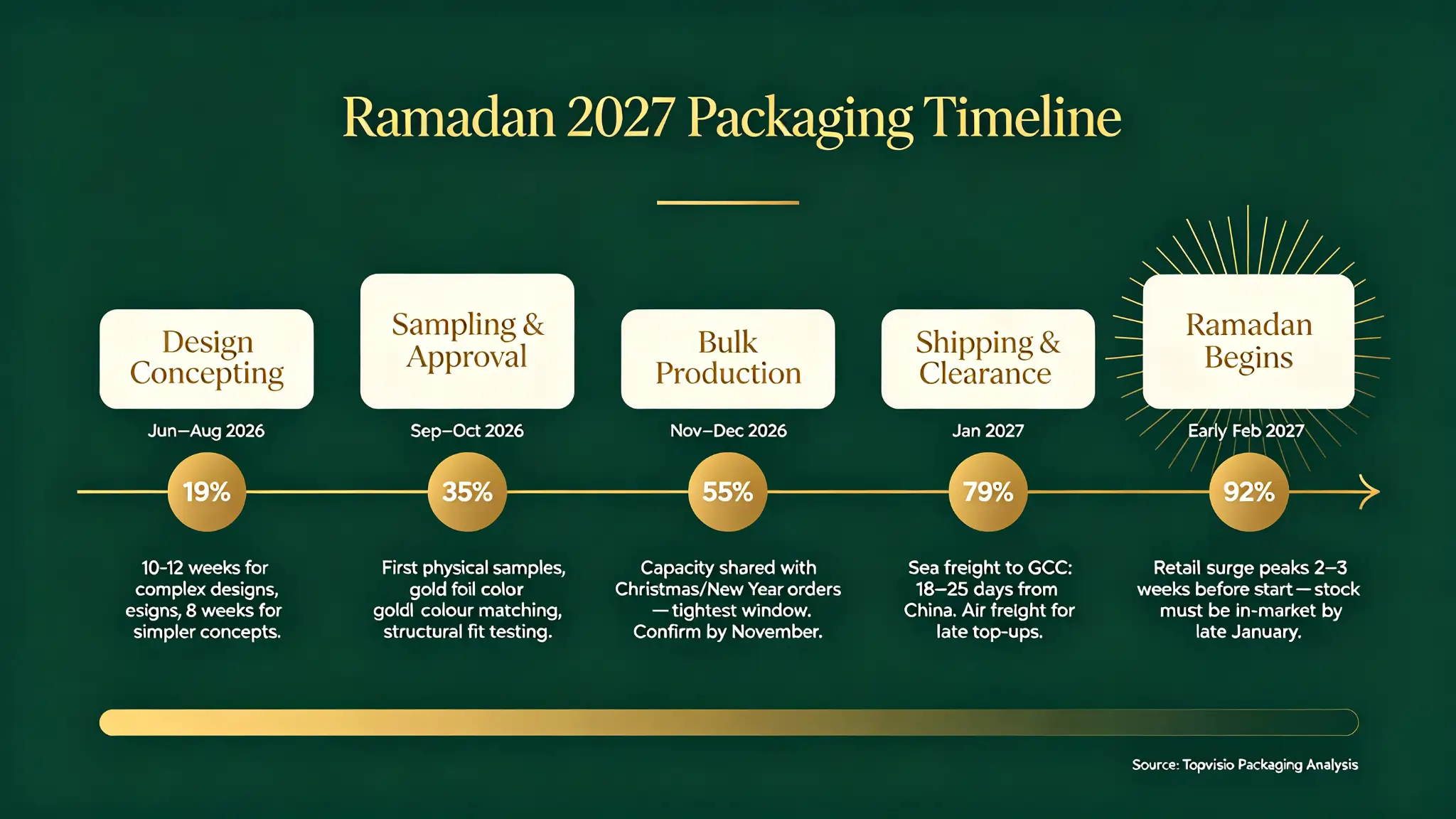
Topvisio Packaging runs 14+ automated production lines alongside dedicated hand-assembly stations covering all of the categories above, with FSC certification available on request alongside PPWR compliance, ISO 9001, ISO 14001, and SEDEX audit standing. Buyers sourcing across more than one product category can typically work with a single account contact rather than separate relationships per category. You can read more on our About Us page, browse our full product range, or check FSC-certified packaging options for available material grades.
Buyers early in the sourcing process are welcome to describe the product and occasion rather than a specific structure, and let a gift box manufacturer with cross-category experience recommend which of the guides above best fits — this is often faster than trying to self-classify a genuinely hybrid product before a first conversation.
Frequently Asked Questions
Do I need a different gift box manufacturer for each product category?
Not necessarily. Many manufacturers, including Topvisio, cover multiple categories under one account relationship, though it’s worth confirming that the specific structural experience — food-contact materials, bottle-fitting, small-format inserts — exists for each category you need.
What’s a reasonable sample lead time to expect from a gift box manufacturer?
7 days after design confirmation is standard across most categories, though multi-component structures may take slightly longer for a full sample set.
What is the typical minimum order quantity across gift box categories?
MOQs for fully custom structures typically start around 1,000 units across most categories, with some multi-component or niche categories carrying higher minimums given the tooling involved.
Is FSC certification available across all gift box categories?
Yes. Most manufacturers, including Topvisio, can offer FSC-certified paper and greyboard on request across cosmetics, perfume, wine, chocolate, corporate, jewelry, and specialty categories.
How do I choose the right category guide if my product doesn’t fit neatly into one?
Start with the guide closest to your product’s physical requirements — fragile glass, food contact, small-format inserts — and treat the others as reference points. A manufacturer with cross-category experience can usually advise on hybrid requirements directly.
Request a Custom Gift Box Sample
Share your product dimensions, category, target market, quantity, and reference images. Our gift box manufacturer team will recommend the structure, materials, inserts, and finishes, with a real-material sample normally ready within 7 days.