If you’re new to what rigid boxes actually are structurally, our guide on what a rigid box is covers the basics — greyboard core, wrapped outer paper, permanent non-collapsible structure. This guide picks up from there and focuses specifically on choosing a premium rigid box manufacturer once you already know rigid is the right category for your product.
At the premium end of the category, the margin for error narrows. A premium rigid box manufacturer isn’t just producing a structurally sound box — the finish, the fit, and the consistency across a production run all have to hold up to close inspection from a buyer who is often paying a premium price specifically because the packaging looks and feels like it belongs to a luxury product.
What ‘Premium’ Actually Means in Production Terms
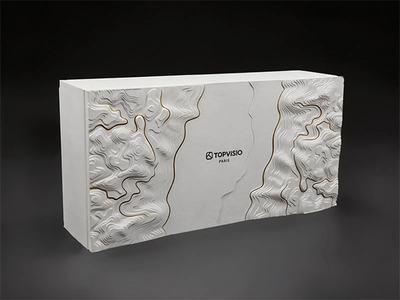
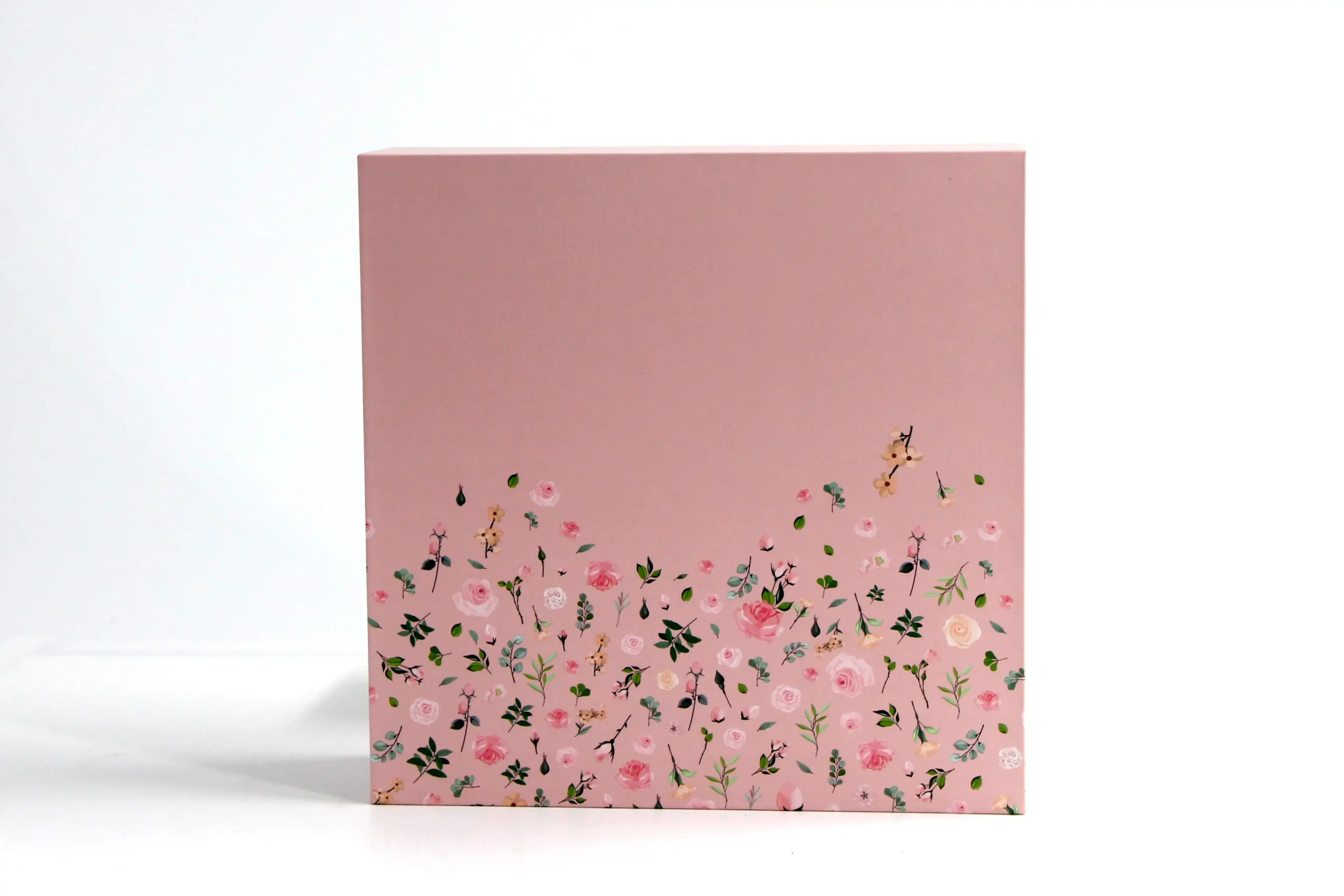
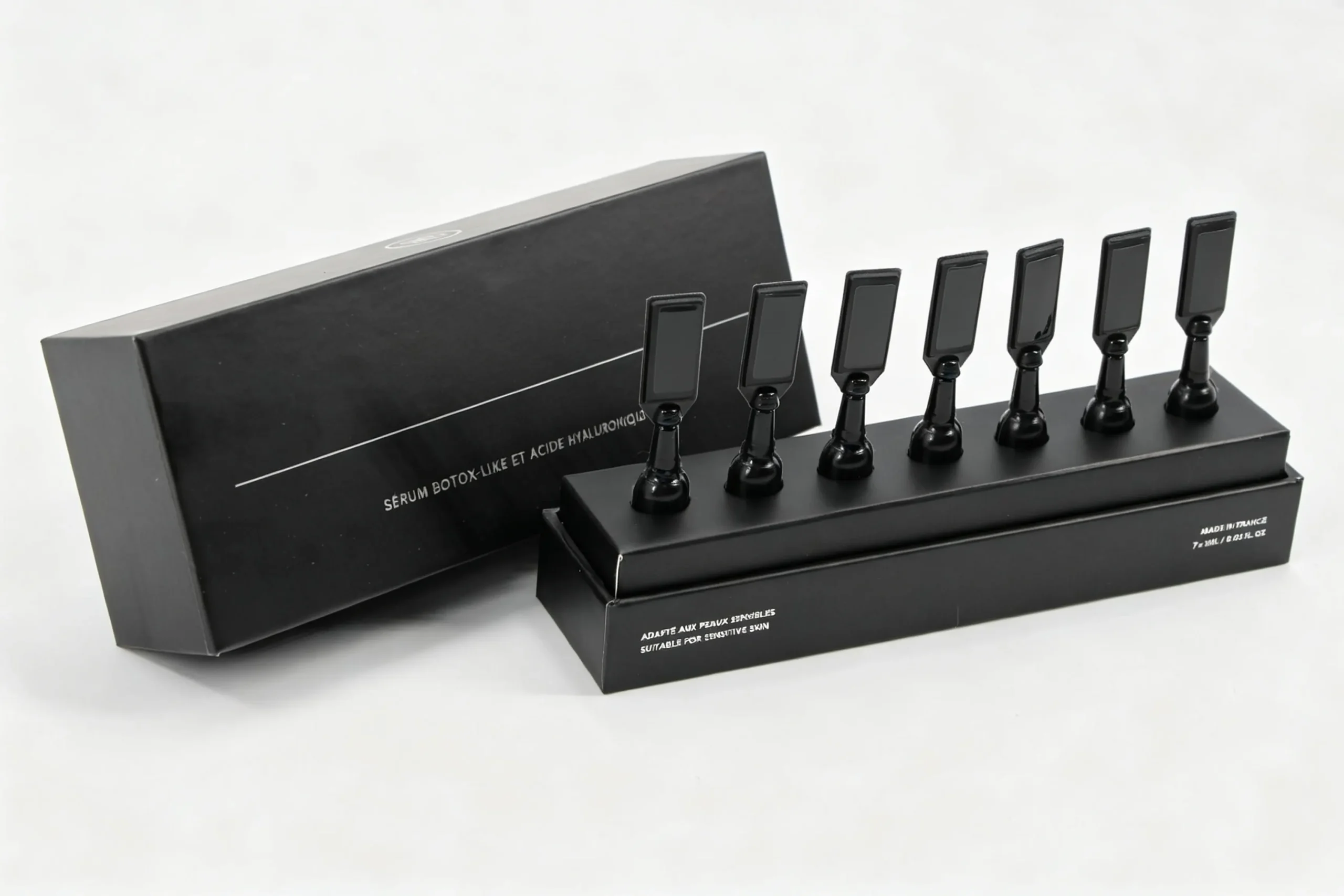
A premium rigid box manufacturer typically works with heavier greyboard — often 1,400 gsm and above — combined with specialty papers like textured, pearlescent, or fabric-wrapped exteriors rather than standard coated stock. Finishing tends to layer multiple processes on a single panel: foil stamping combined with embossing, or spot UV over a debossed logo, rather than a single finishing step alone.
Consistency matters as much as any individual finish. A premium rigid box manufacturer running a 5,000-unit order needs corner alignment, foil registration, and panel color to stay uniform across the full run — a level of quality control that separates a specialist rigid box producer from a general printer running occasional rigid jobs.
Common Premium Rigid Box Structures
Most premium rigid box manufacturer catalogs are built around a handful of recurring formats at the higher end of the category.
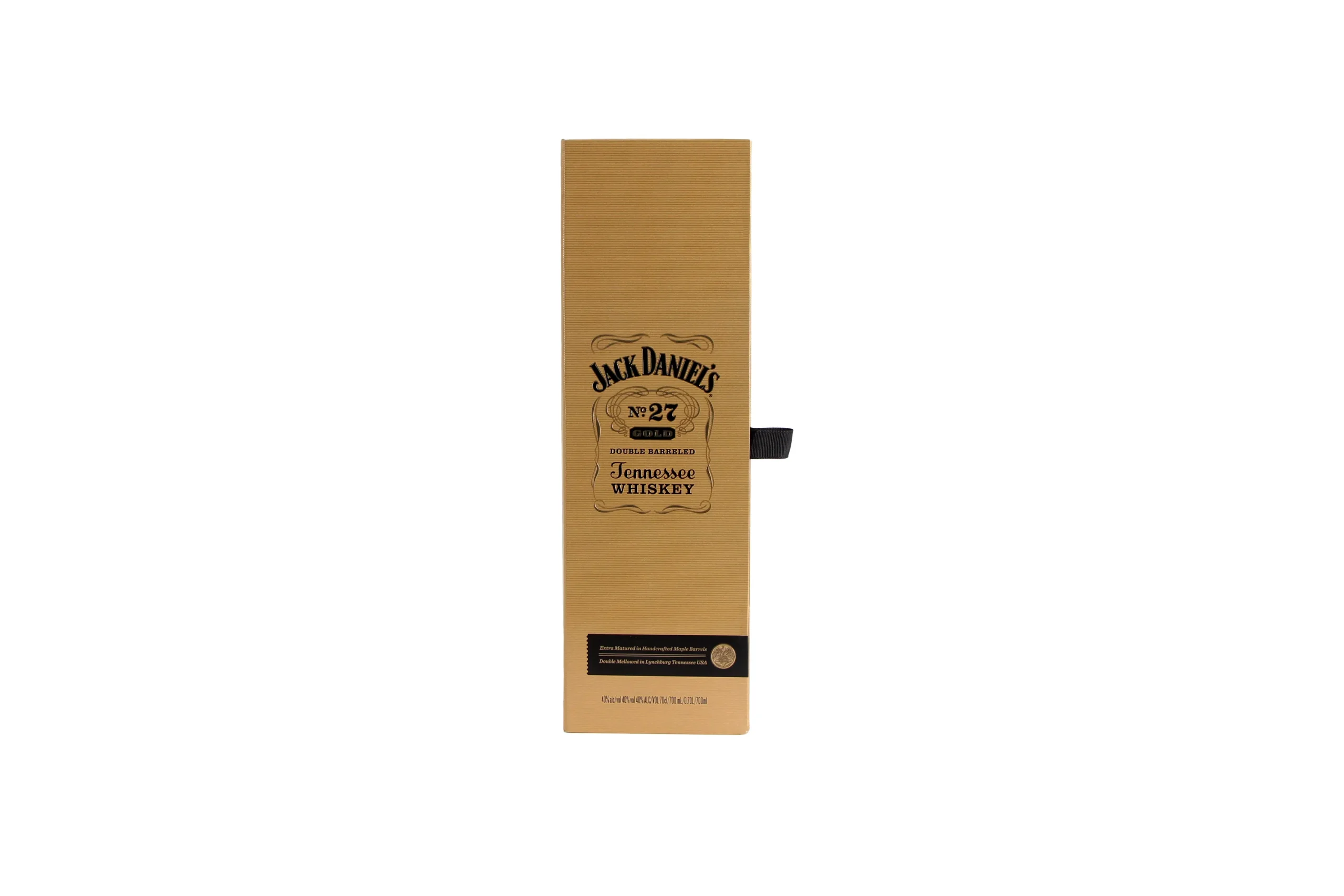
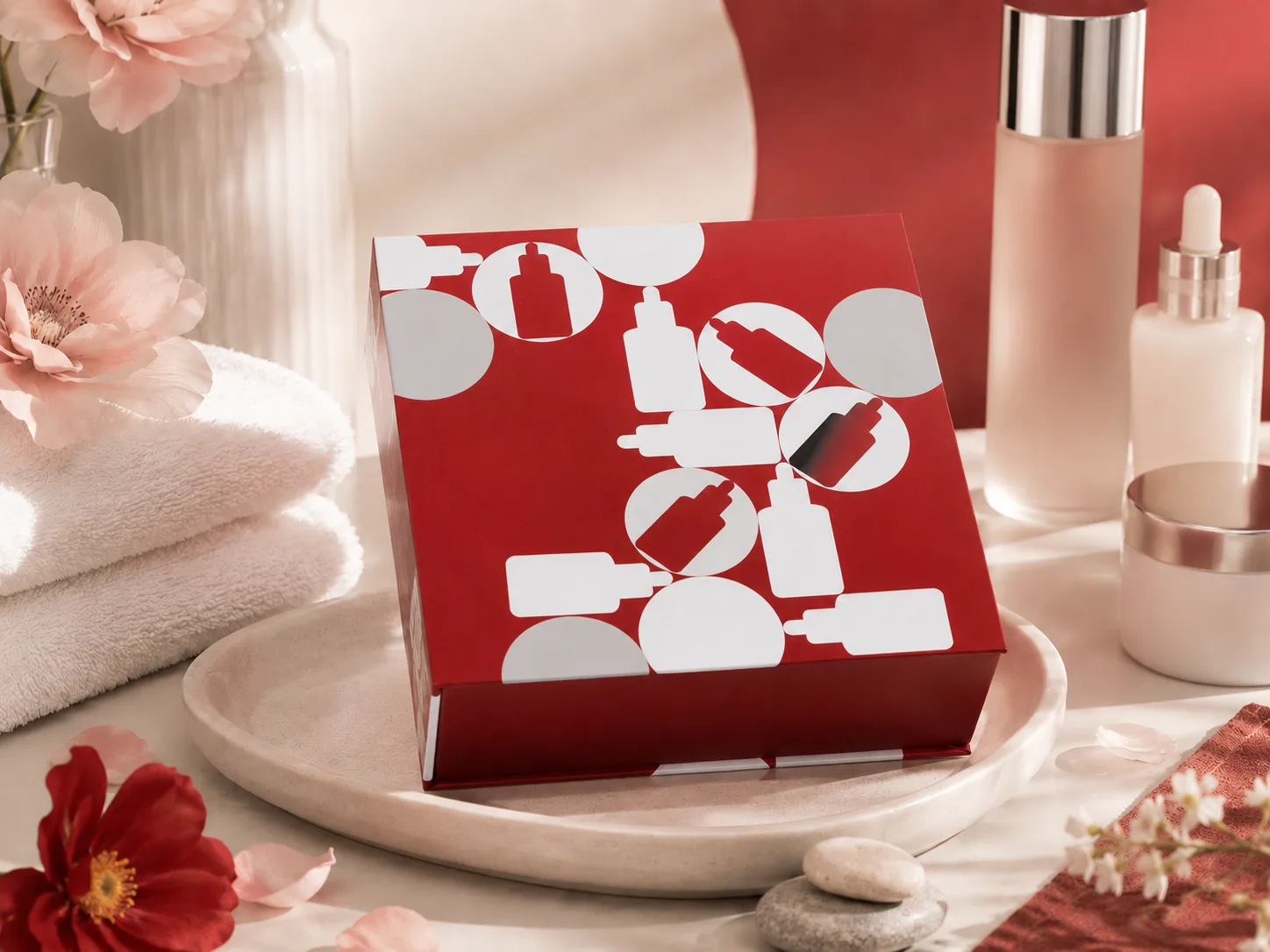
Magnetic closure boxes. A flip-top or drawer structure held shut with embedded magnets, standard across premium cosmetics, fragrance, and spirits packaging. See our magnetic box line for reference.
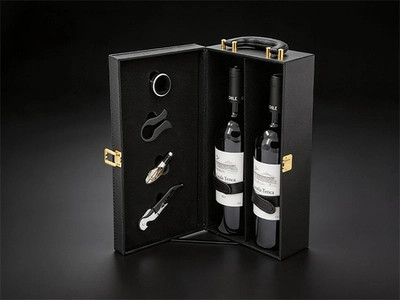
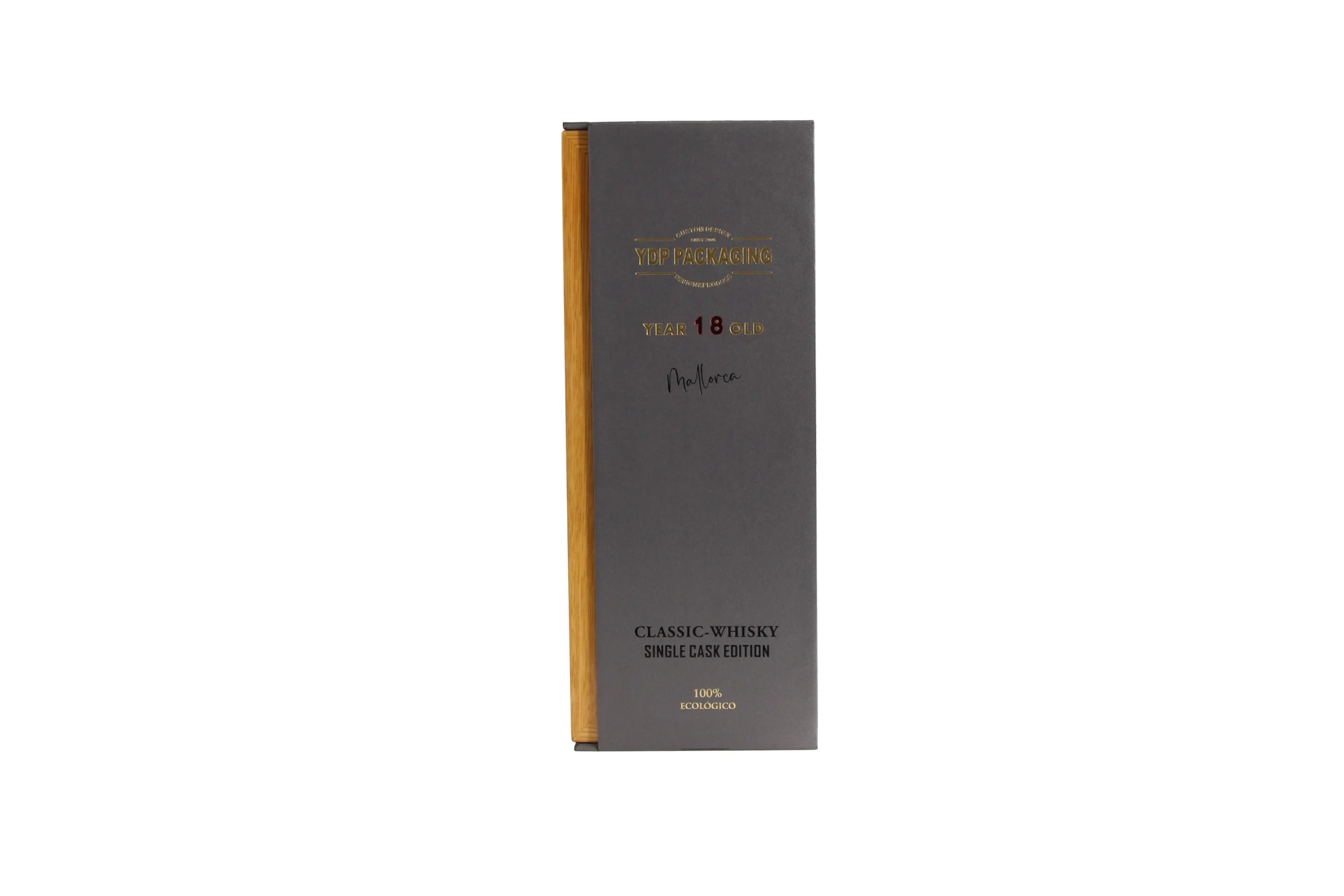
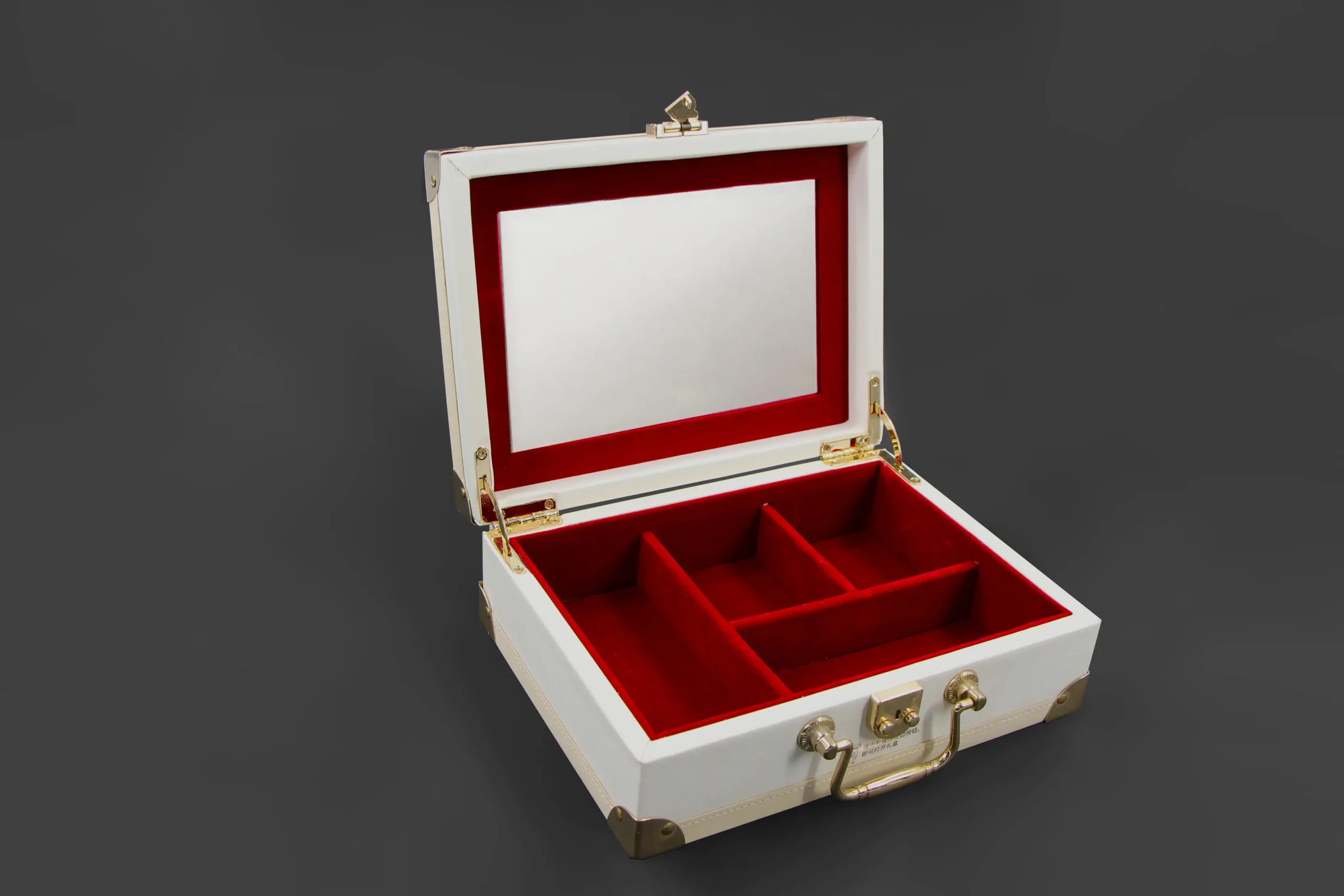
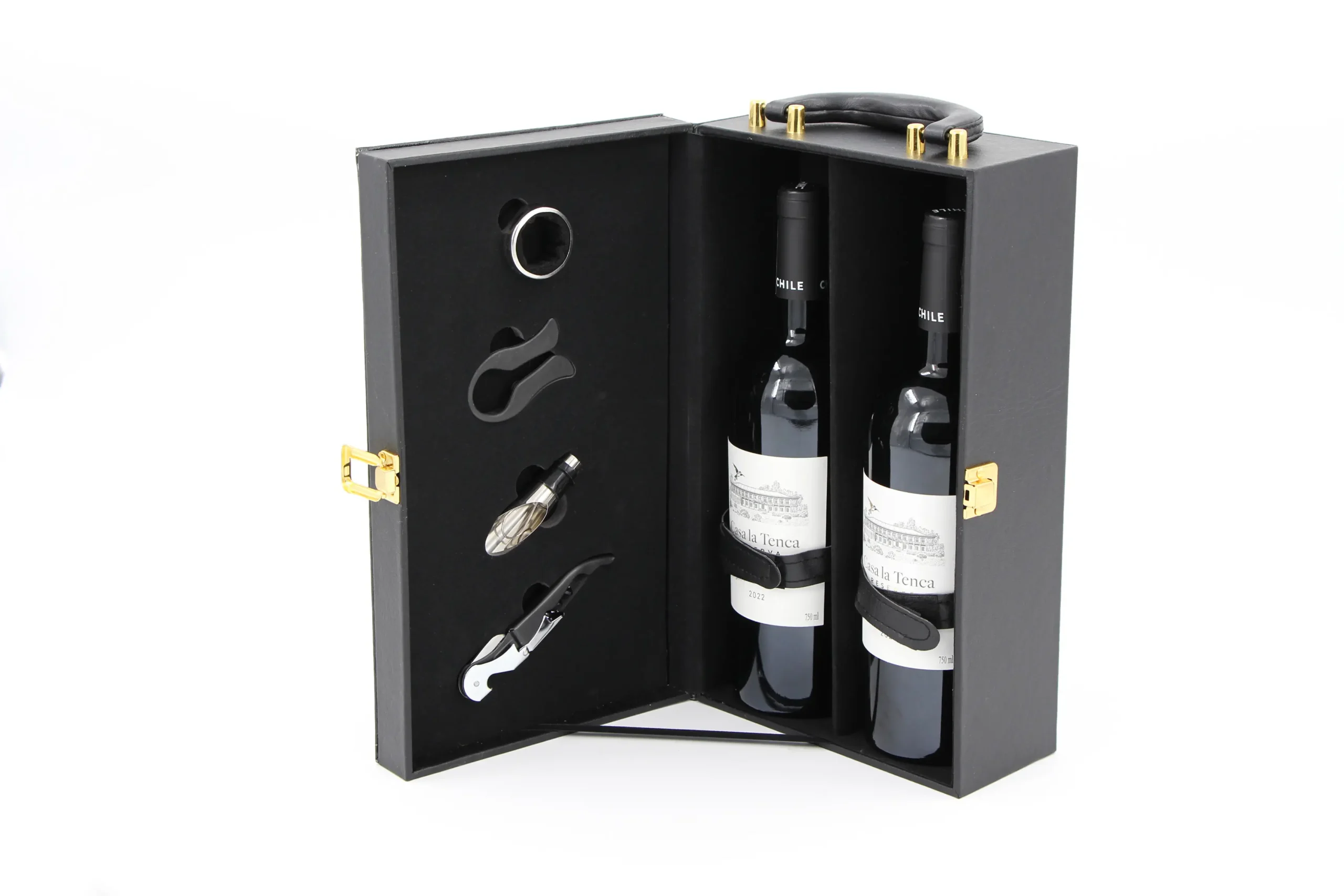
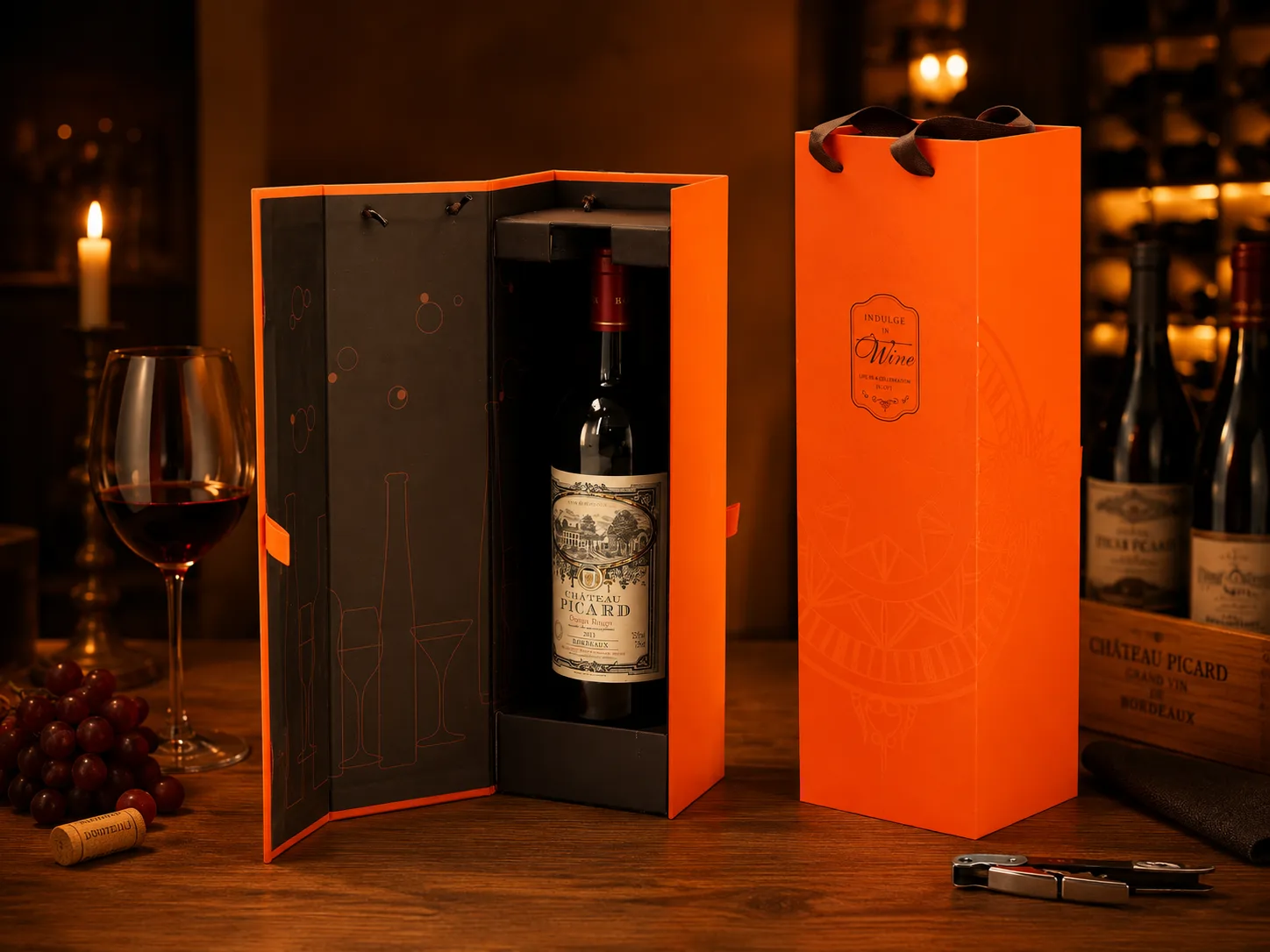
Fabric and leather-wrap boxes. Structures finished in PU leather or textile wraps rather than printed paper, for the highest end of gifting and spirits packaging. Our luxury wine box and luxury cosmetic packaging lines are built around this treatment.
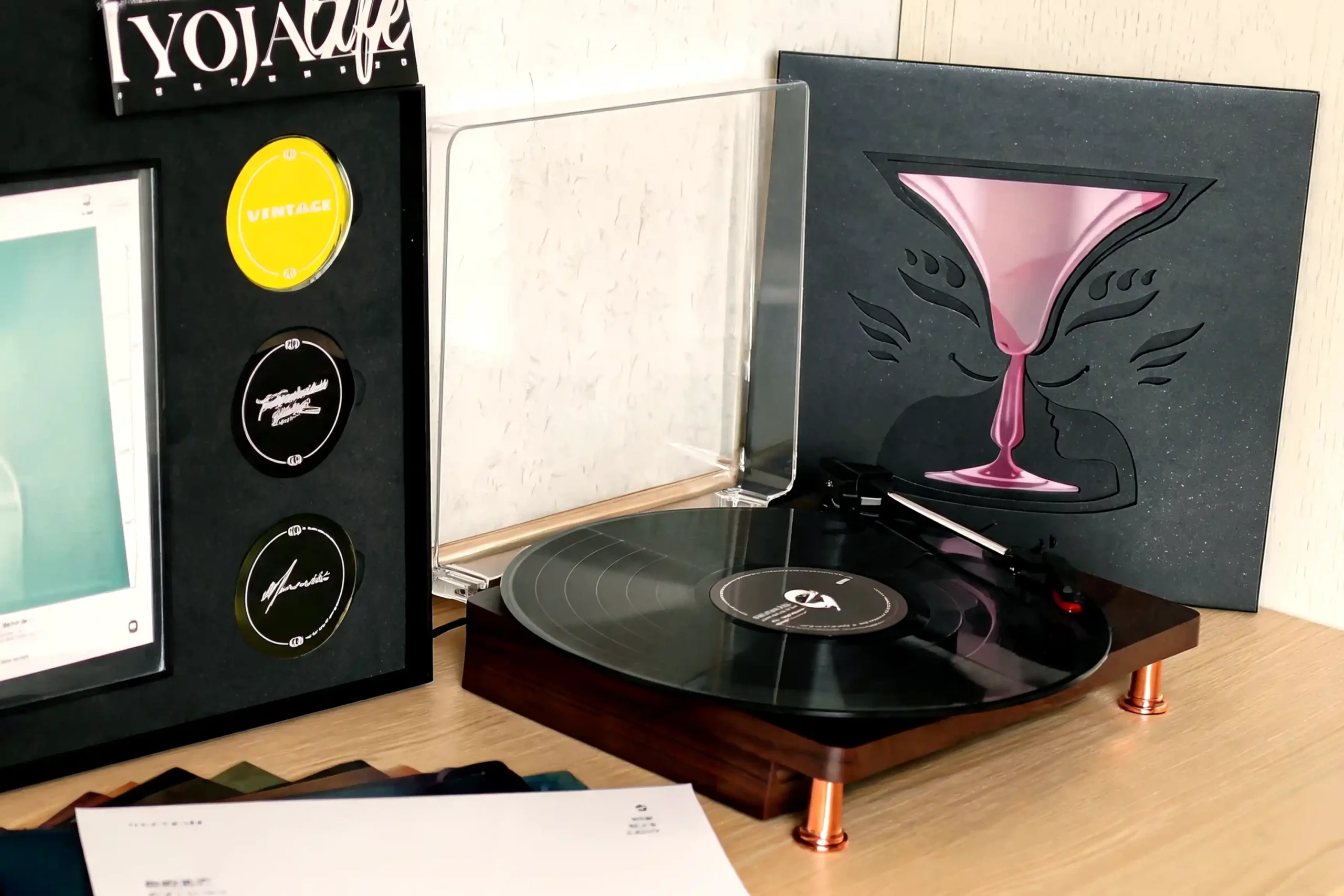
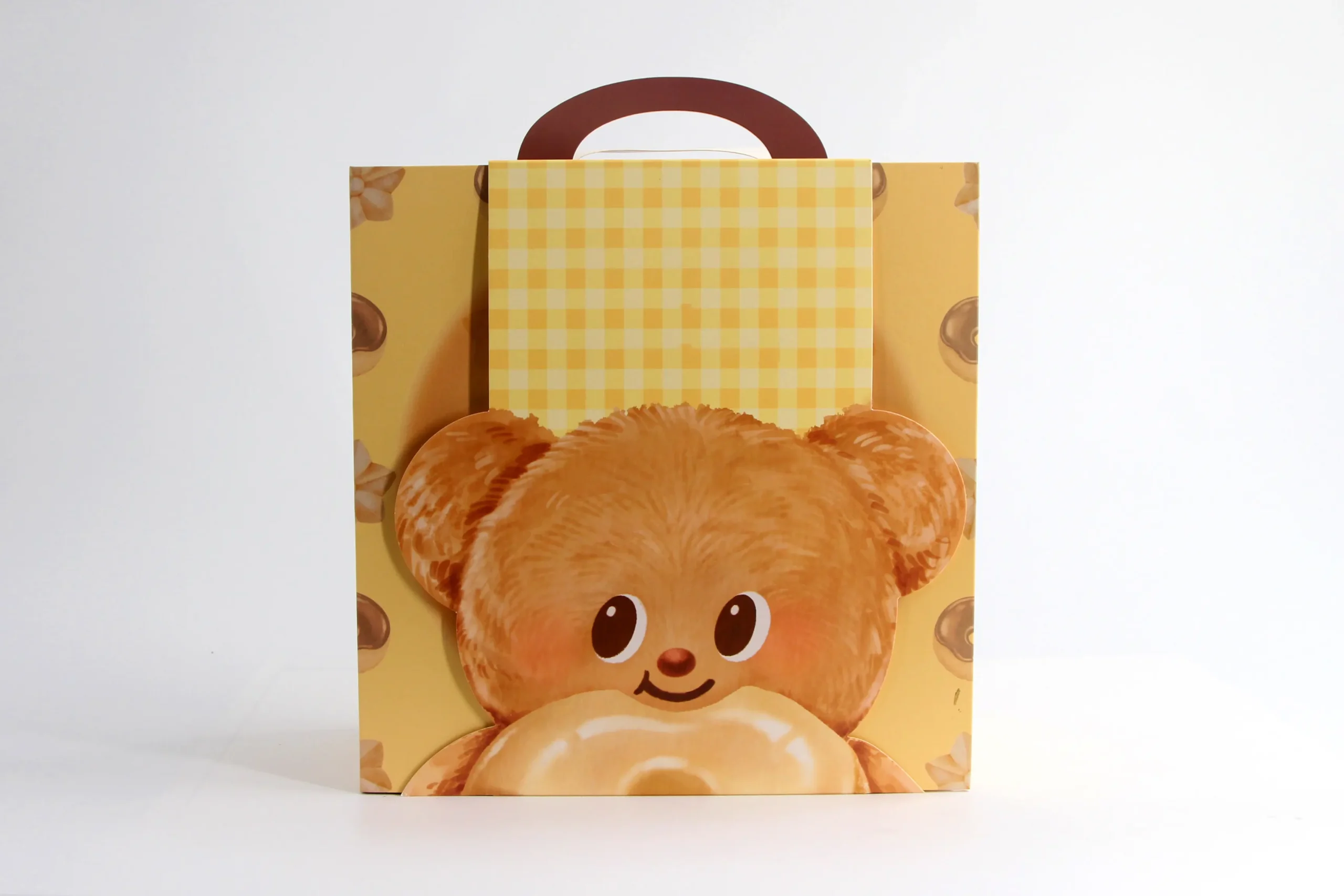
Bespoke multi-component sets. Larger structures combining several separately molded components — sleeves, trays, dividers — assembled by hand rather than on a fully automated line. Our bespoke boxes and IP-collaboration gift box structures show what this looks like at the more complex end.
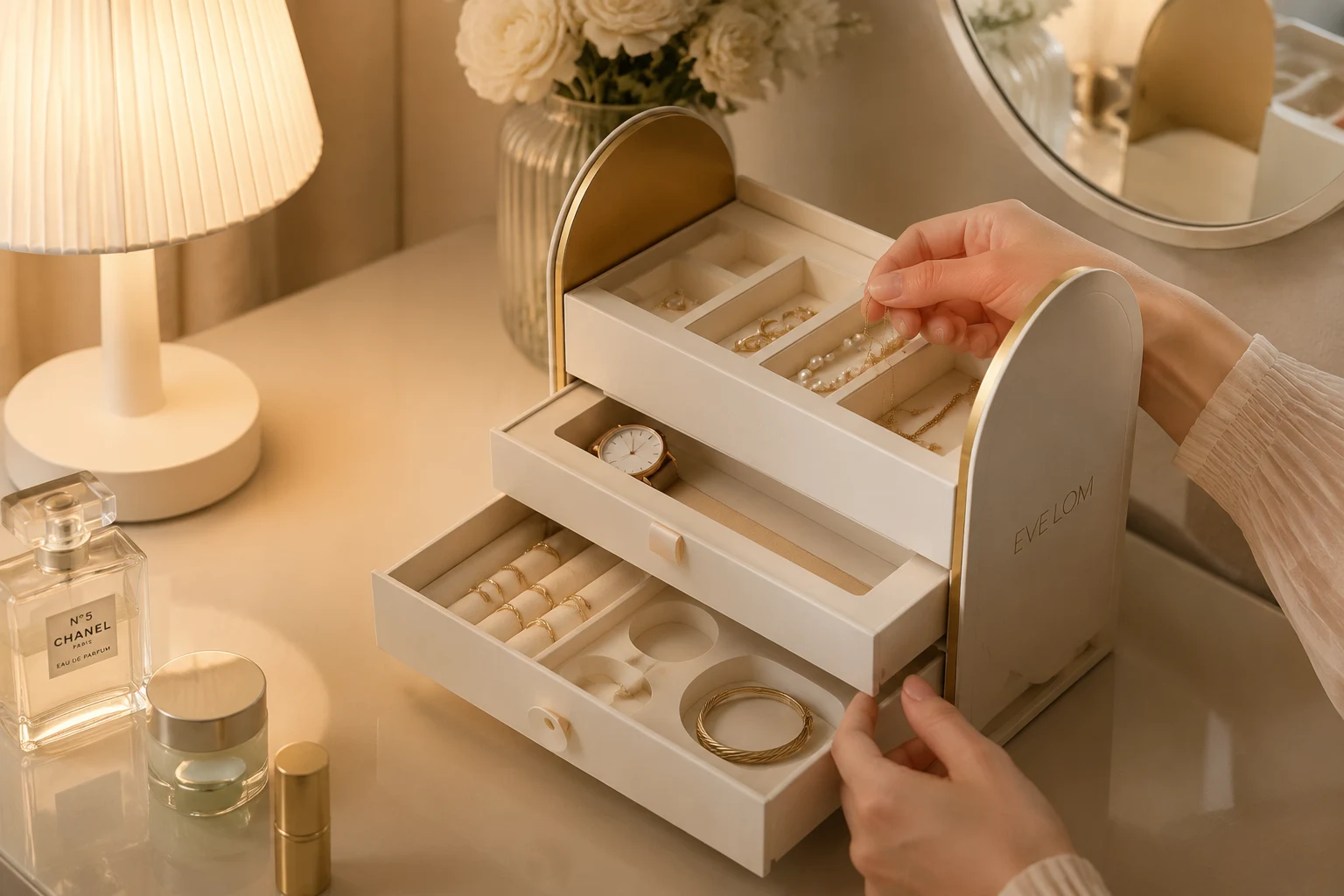
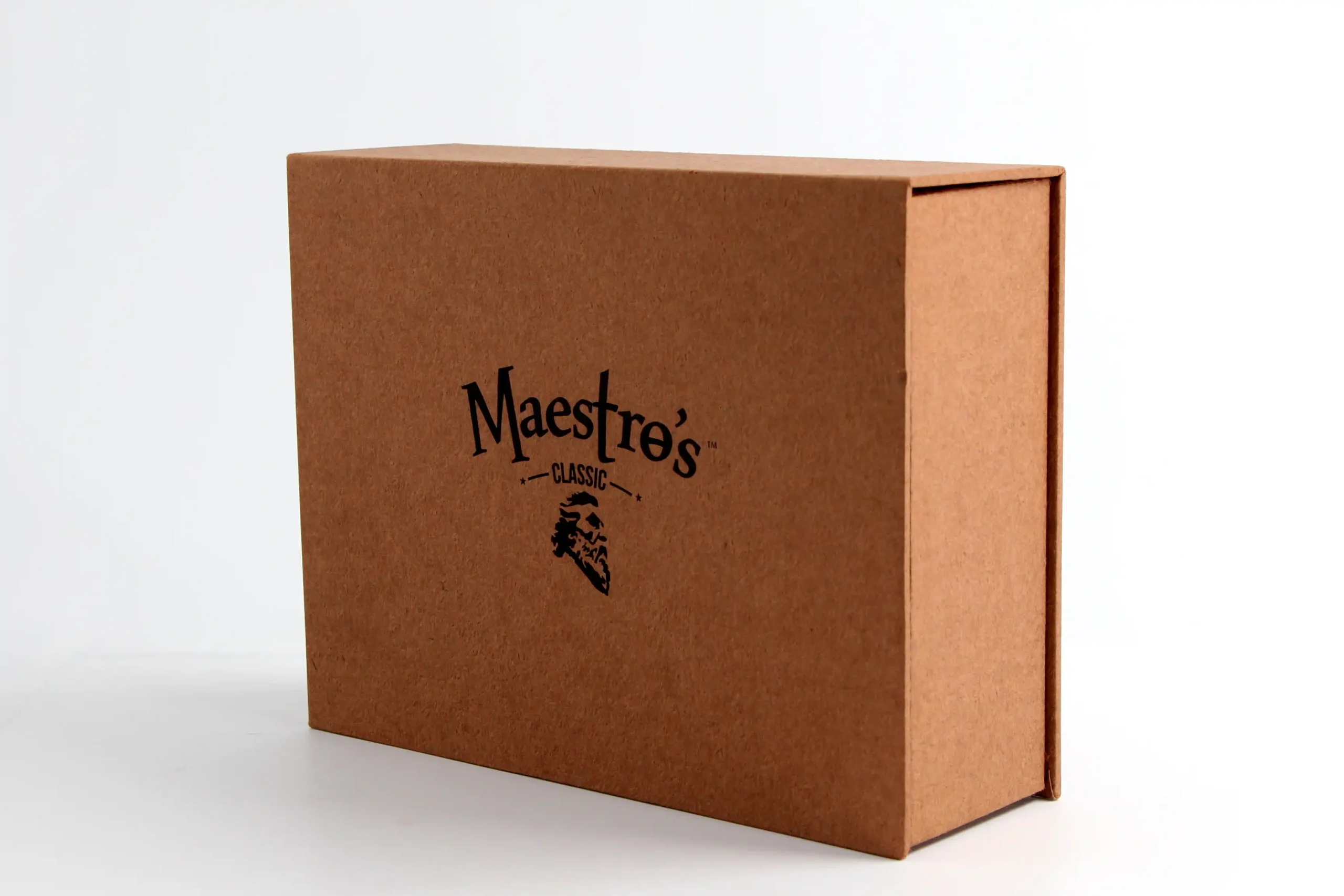
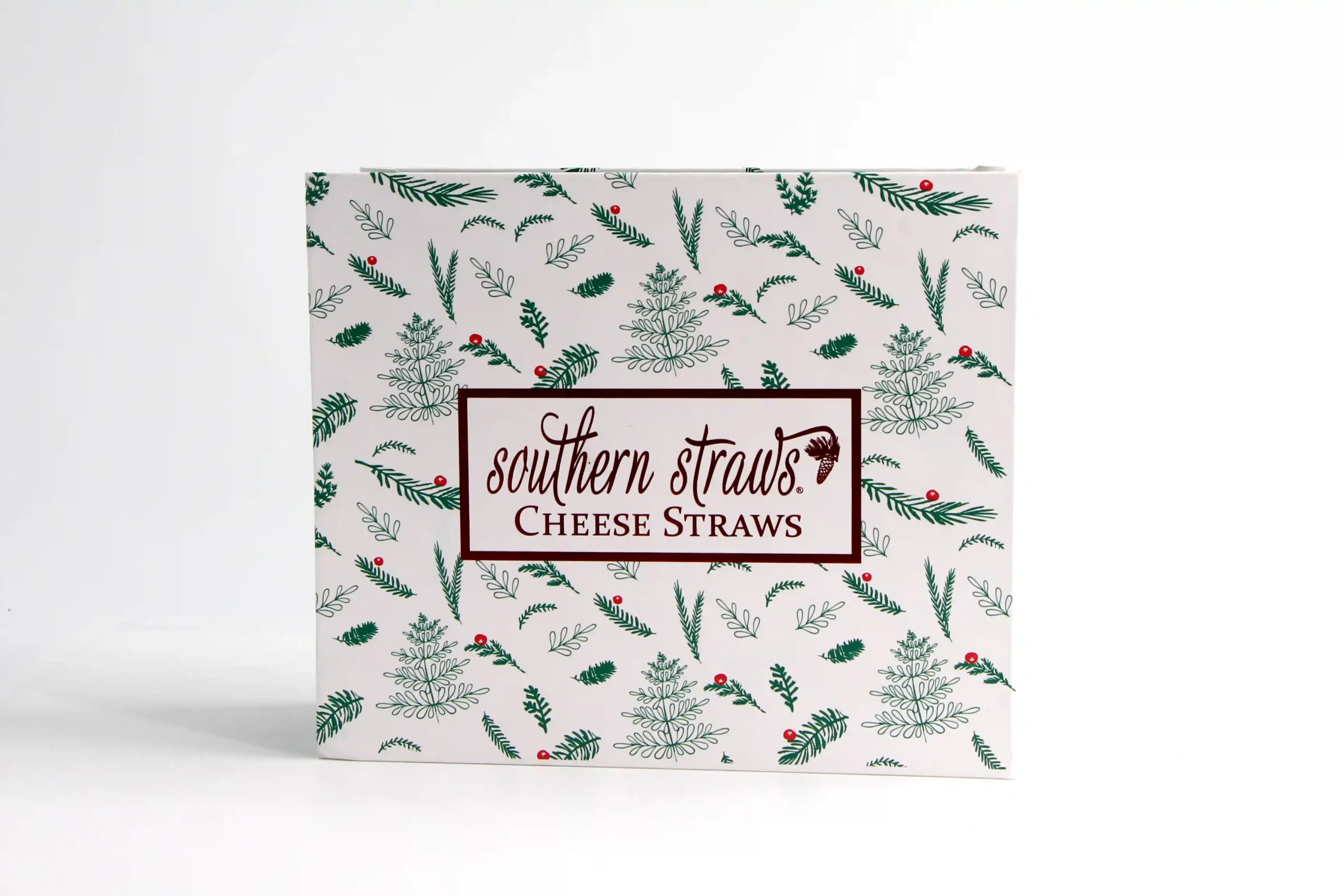
Single-item rigid gift boxes. A simple, high-finish structure built around one product — a bottle, a piece of jewelry, a tech accessory — where the box itself does most of the visual work. Our rigid gift box line covers this range.
Materials and Finishing Options
Beyond standard coated paper, a premium rigid box manufacturer typically offers pearlescent and metallic finishes, pebble-grain or linen-textured specialty papers, and fabric or PU leather wraps for the highest positioning tier. Finishing options include hot stamping in gold, silver, copper, or holographic foil, embossing and debossing, spot and 3D UV, and soft-touch or silk lamination — often combined rather than used individually.
For buyers weighing specialty material choices against sustainability commitments, the Sustainable Packaging Coalition publishes independent guidance on material trade-offs worth reviewing alongside a manufacturer’s own recommendations.
Certifications Worth Asking About
A premium rigid box manufacturer selling into the EU or working with major retail buyers should be able to provide specific certification documentation. FSC chain-of-custody certification matters whenever sourcing claims appear on the box — see FSC International for how chain-of-custody documentation works. PPWR compliance and ISO 9001, ISO 14001, and SEDEX audit standing round out the certification stack most major retail buyers now expect on file before onboarding a new supplier.
Production Timelines and MOQs
A reasonable range to expect from a capable premium rigid box manufacturer is a physical sample for 7 days of design confirmation, and bulk production of 30 to 45 days for orders up to 10,000 units, longer for more complex multi-component structures. Minimum order quantities for fully custom structures typically start around 1,000 units, with fabric-wrap or multi-piece structures sometimes carrying higher minimums given the tooling and assembly labor involved.
Buyers testing a new finish combination — a fabric wrap paired with foil stamping, for instance — should budget extra sample rounds specifically for that combination, since some finishing processes interact differently on textured or fabric surfaces than they do on standard coated paper.
Questions Worth Asking Before You Order
A few questions tend to separate a premium rigid box manufacturer worth working with from one that will cause quality problems at scale. Can they show a physical sample of a comparable finish combination, not just a rendering? What is the realistic sample lead time? Which certifications can be provided as documentation? And is production run in-house on equipment suited to premium finishing, or subcontracted to a general printer without the same equipment?
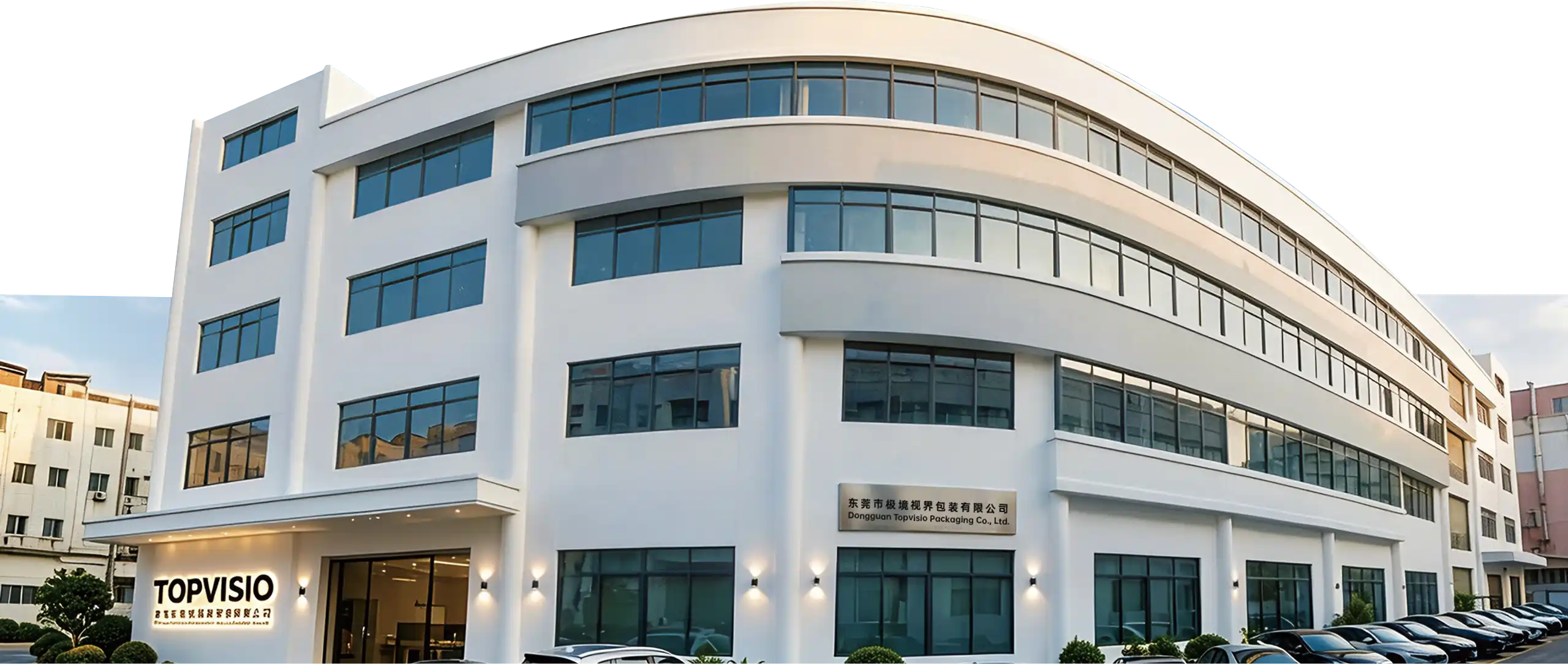
Topvisio Packaging runs 14+ automated rigid box lines on Heidelberg and KBA presses, with dedicated hand-assembly stations for fabric-wrap and multi-component premium structures, and FSC certification available on request alongside PPWR compliance, ISO 9001, ISO 14001, and SEDEX audit standing. You can read more on our About Us page, browse our full product range, or check FSC-certified packaging options for available material grades.
Packaging and Shipping the Finished Boxes
Fabric-wrap and multi-component premium boxes generally need more careful outbound packing than standard rigid structures, since a leather-look wrap or a foil panel can show handling marks more easily than a matte-laminated coated paper surface. A premium rigid box manufacturer should be able to explain how finished units are protected in transit to your facility, not just how the box itself performs once your product is inside.
Brands ordering across multiple regions should ask whether a premium rigid box manufacturer can coordinate packing lists and compliance documentation across shipment batches, which reduces coordination overhead when a launch date is fixed across more than one market.
Sampling Multiple Finish Options Before Committing
Because premium finishing choices interact with each other — foil over emboss reads differently than foil alone, and a textured paper takes spot UV differently than a smooth coated stock — it’s worth requesting more than one finish variant in the initial sample round rather than committing to a single combination based on a rendering. A premium rigid box manufacturer with an in-house design team can usually turn around two or three finish variants in the same sample window as a single option.
This is particularly worth doing for a first order with a new premium rigid box manufacturer relationship, where you don’t yet have a track record of how their specific equipment handles a given finish combination.
Single Point of Accountability
Many companies presenting themselves as a premium rigid box manufacturer are actually trading companies that outsource production to one or more subcontracted factories without owning the quality control process directly. This matters more at the premium end of the category than elsewhere, since a print-color or foil-registration problem on a high-visibility launch is harder to fix quickly through a chain of intermediaries than through a single, direct point of contact.
Asking specifically whether the factory quoting your project is the factory that will physically produce it — rather than a broker relationship — is a reasonable and increasingly common question in premium packaging sourcing conversations.
Buyers finalizing a launch on a tight timeline are welcome to request expedited sampling for a subset of finish options rather than waiting for a full multi-variant round, though this typically narrows the field faster rather than eliminating sample rounds entirely.
Frequently Asked Questions
What’s the difference between a rigid box manufacturer and a premium rigid box manufacturer?
A premium rigid box manufacturer typically works with heavier board, specialty and fabric-wrap materials, and layered finishing processes, with tighter consistency requirements across a production run than a standard rigid box order requires.
How long does it take to get a sample from a premium rigid box manufacturer?
A reasonable expectation is 7 days after design confirmation. New finish combinations on specialty or fabric materials may take longer for the first full sample.
What is the minimum order quantity for a premium rigid box?
MOQs for fully custom structures typically start around 1,000 units, with fabric-wrap or multi-component structures sometimes carrying higher minimums given the tooling involved.
Is FSC certification available for premium rigid boxes?
Yes. Most premium rigid box manufacturers can offer FSC-certified paper and greyboard on request even when it isn’t the default material for a given structure.
How do I know if a supplier actually manufactures the box in-house?
Ask directly whether the company quoting the project owns the factory that will produce it, and request to see the actual production facility or a documented factory audit rather than relying on a sales conversation alone.
Request a Custom Sample
Share your product dimensions, quantity, target market, and reference images. Our premium rigid box manufacturer team will recommend the structure, materials, inserts, and finishes, with a real-material sample normally ready within 7 days.