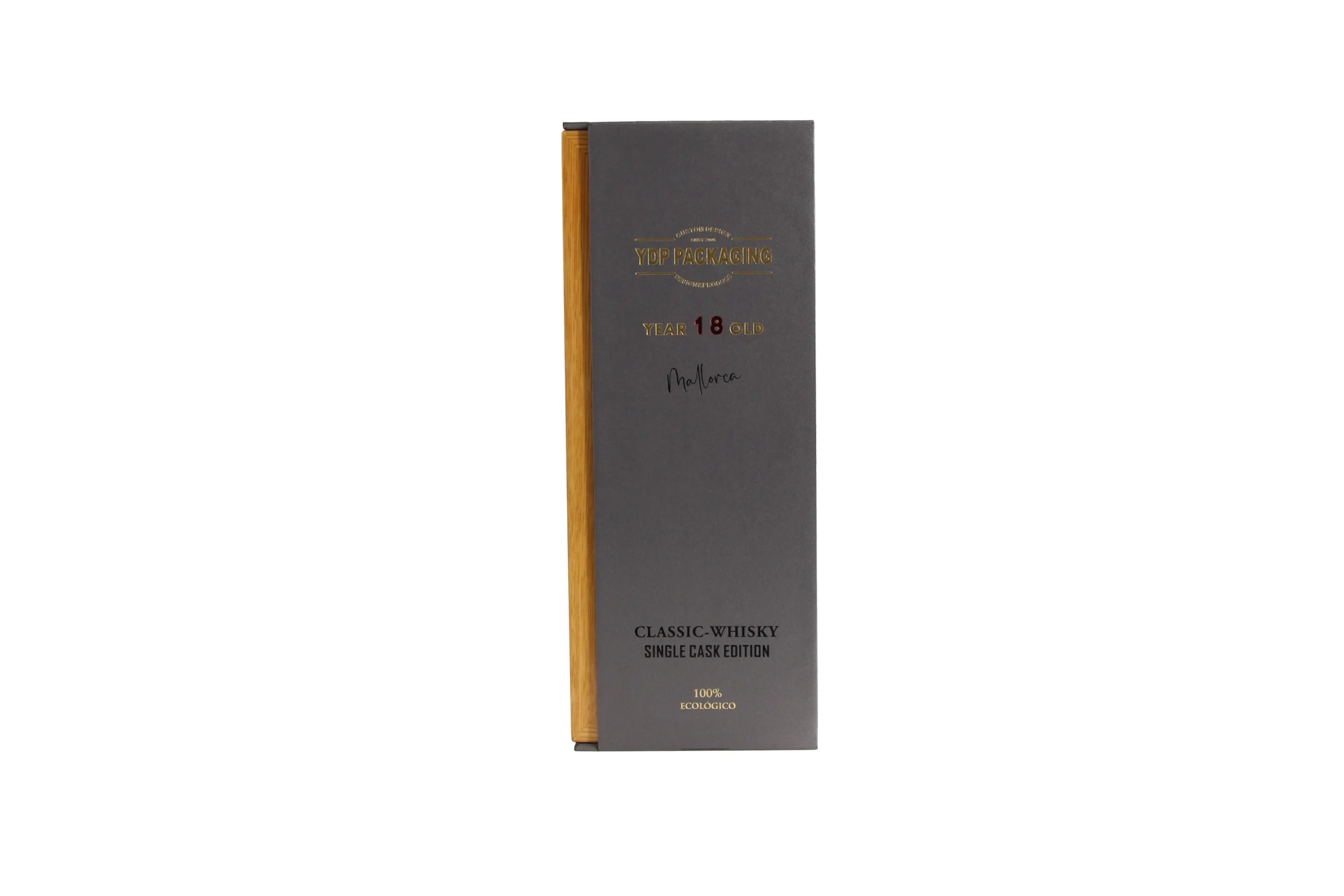
The same box printed with the same artwork can read as premium or cheap depending entirely on what happens after the ink dries. Packaging finish — the lamination, foil, and coating applied over a printed surface — is where that final impression gets decided, and it’s usually the smallest line item on a quote relative to how much it actually influences perceived value.
This guide compares the four packaging finish options used most often on custom boxes: matte lamination, gloss lamination, foil stamping, and UV screen printing, weighing visual impact against cost and production complexity.
Matte Lamination: The Understated Premium Look
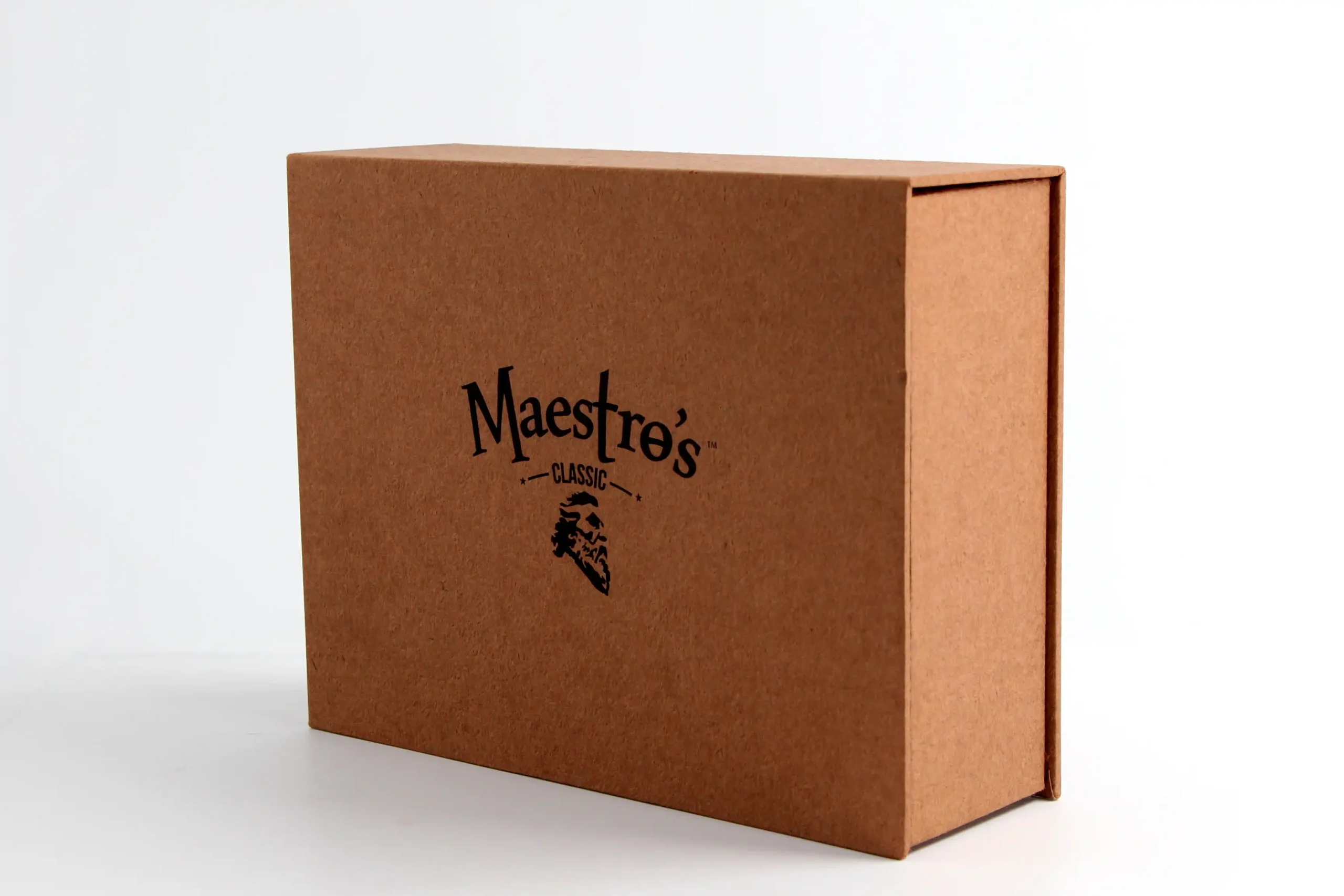
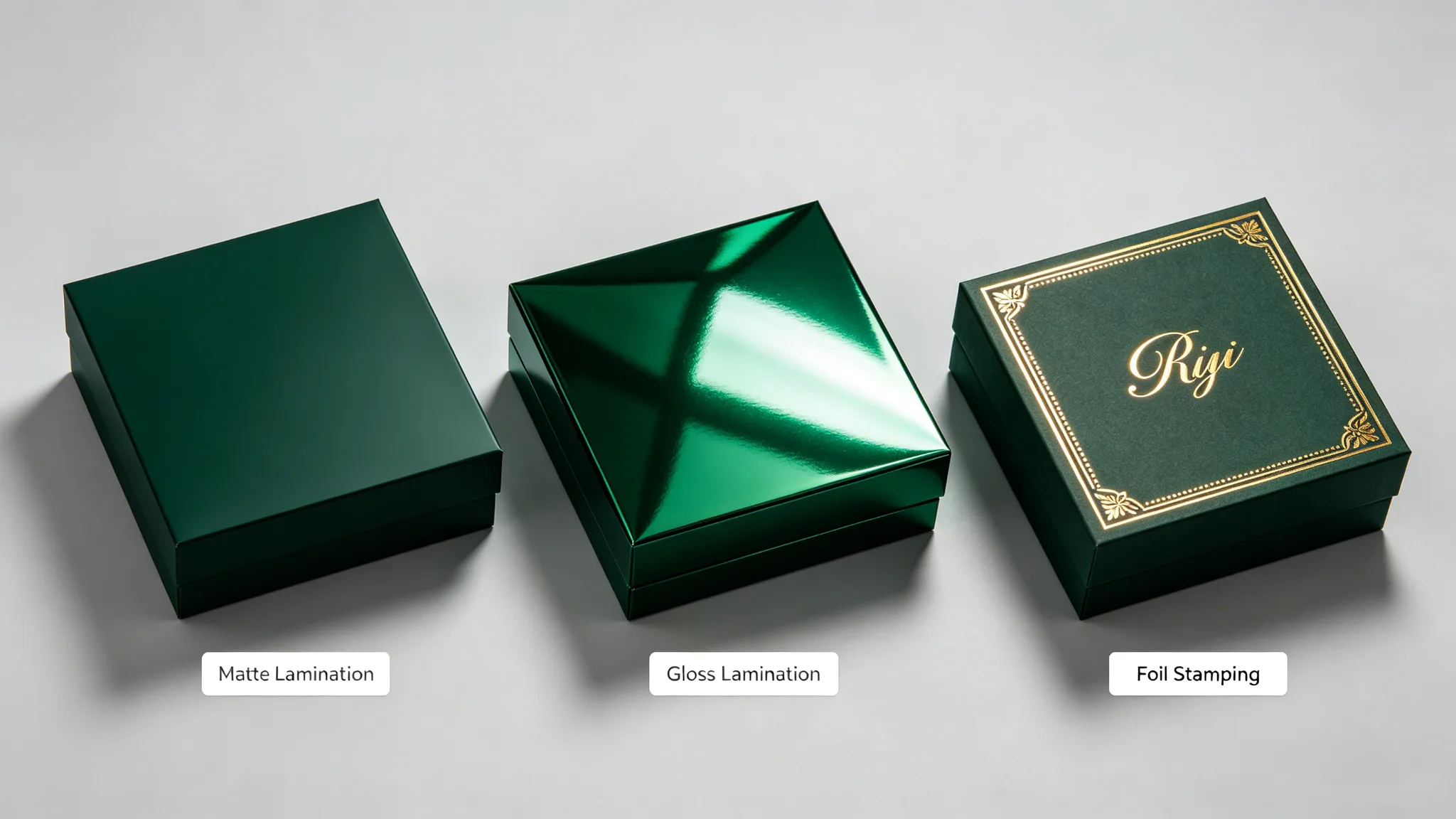
Matte lamination is the default packaging finish for brands aiming at restrained, high-end presentation. It diffuses light rather than reflecting it, which reads as sophisticated rather than flashy, and it tends to hide minor surface imperfections better than gloss does. The trade-off is durability against scuffing: matte surfaces show scratches and light abrasion more visibly than gloss because there’s no reflective layer to mask small surface disruptions.
Gloss Lamination: Where It Works, Where It Shows Fingerprints
Gloss lamination reflects light and intensifies color saturation, making it a strong choice for boxes that need to pop under retail lighting or in photography, such as magnetic gift boxes designed for shelf presence. It’s also more scratch-resistant than matte in raw terms, but it has its own visible weakness: gloss surfaces show fingerprints and smudges far more obviously than matte, which becomes a real issue on boxes that get handled repeatedly before purchase, like retail display units. This packaging finish tends to work best on boxes that are handled once, at the moment of gifting, rather than browsed and touched by many hands beforehand.
Embossed Foil vs Flat Foil: Cost and Registration Complexity
Foil stamping adds metallic or colored film to a design, and it comes in two forms with meaningfully different production demands.
Why Registration Gets Harder with Embossing
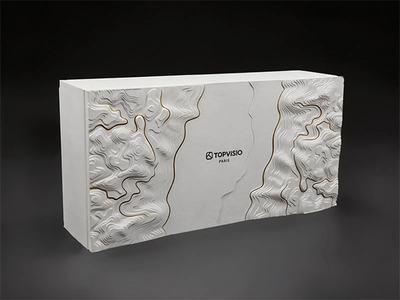
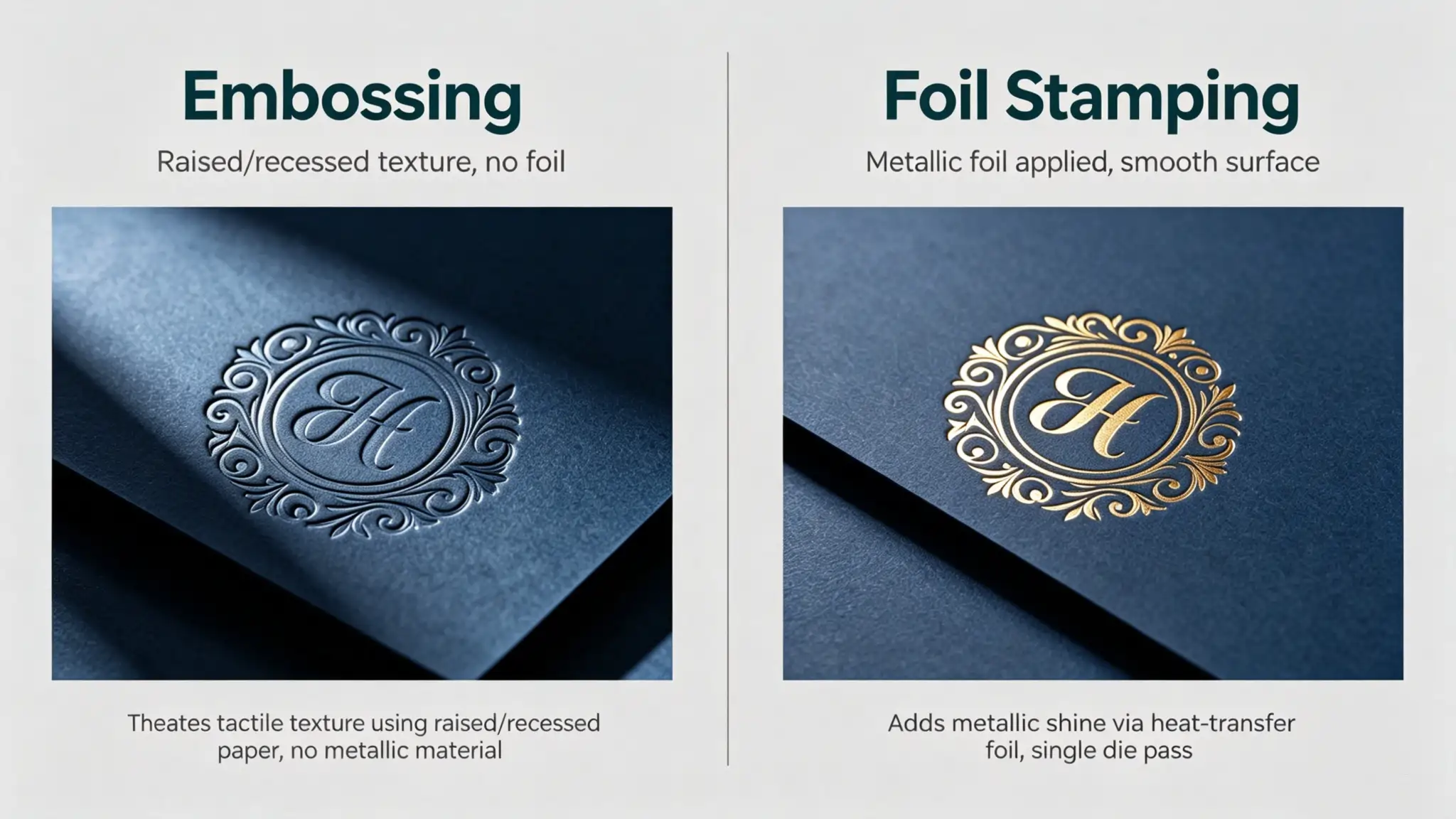
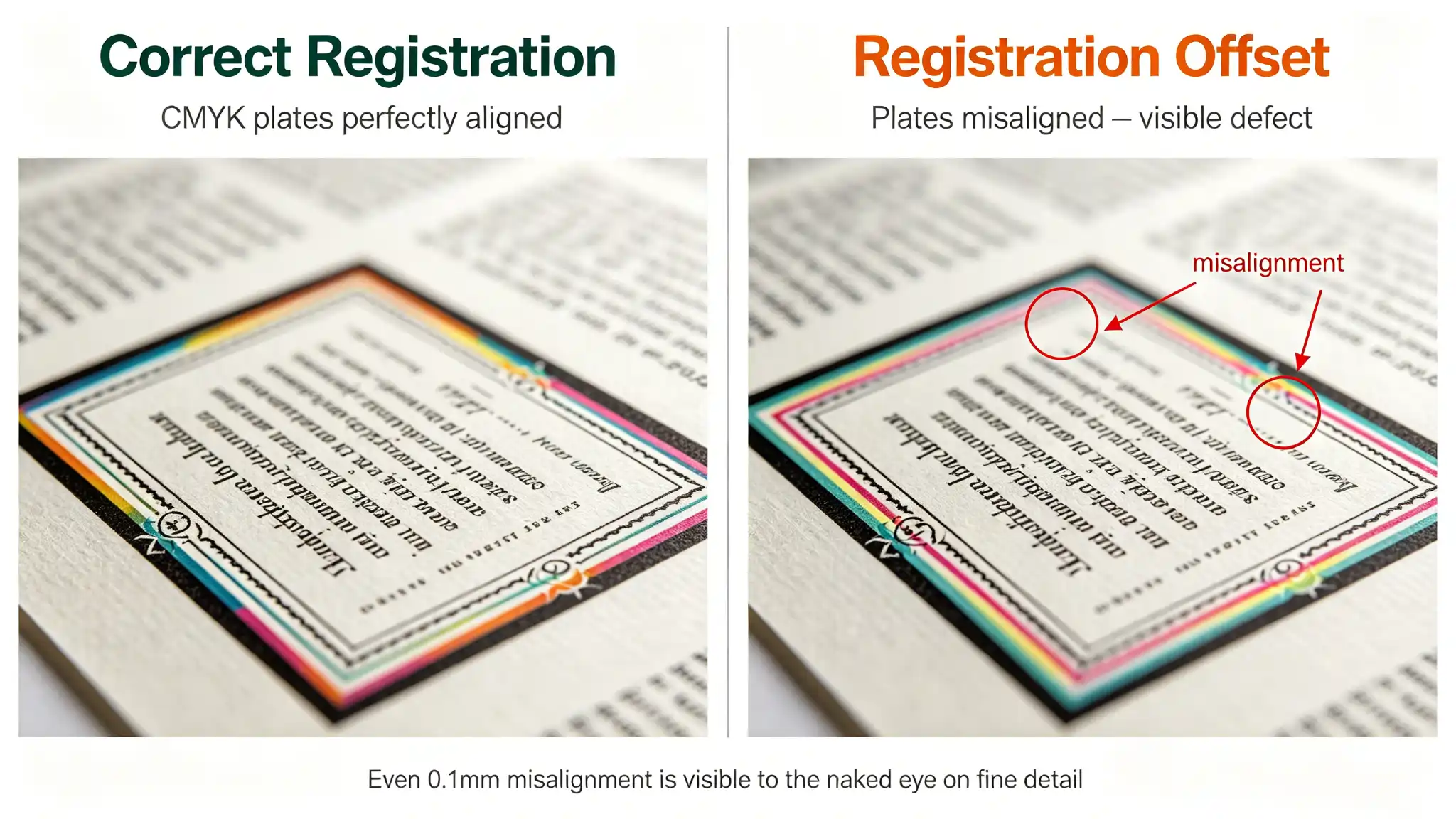
Flat foil applies a metallic film to a flat printed surface with a single die pass. Embossed foil combines the foil application with a raised or recessed texture, requiring two dies — one for the foil and one for the emboss — aligned to match exactly. Even a small registration error between the two, a fraction of a millimeter, is visible on a finished box because the eye catches misalignment between color and texture immediately. This is why embossed foil costs meaningfully more than flat foil and why it’s worth asking a supplier for their registration tolerance before committing to a design with fine detail.
Intentional Matte/Gloss Contrast: Exterior vs Interior
One packaging finish technique that reads as more expensive than its actual cost is deliberately mismatching the exterior and interior finish — a matte outer shell opening to reveal a gloss interior, or the reverse. This contrast creates a small moment of surprise during unboxing that a single uniform finish can’t produce, and it costs little more than applying two standard finishes instead of one. It’s one of the more efficient ways to add a premium touch without adding an entirely new technique to the production process.
UV Screen Printing: When It’s Worth the Extra Step
UV screen printing applies a raised, glossy coating over specific design elements rather than the whole surface, creating a tactile and visual contrast against the surrounding packaging finish. It’s most effective used sparingly — on a logo, a border, a single graphic element — rather than across large areas, both because the cost scales with coverage and because the contrast effect weakens if there’s nothing plain surrounding it to contrast against.
Cost Comparison Across Finish Types
Finish | Relative Cost | Best For |
Matte lamination | Baseline | Restrained, high-end look; hides fingerprints |
Gloss lamination | Baseline + small premium | Color pop, once-handled boxes |
Flat foil | Moderate | Metallic accent, single die pass |
Embossed foil | Higher | Textured metallic detail, tight registration needed |
UV screen printing | Moderate, scales with coverage | Small tactile accents, logos, borders |
Costs are relative and vary by supplier and volume; use this as a starting comparison rather than a fixed quote.
Quality Control: What to Check Before a Packaging Finish Goes to Production
A finish that looks correct on a proof doesn’t guarantee it performs the same way across a full production run.
Fingerprint and Scratch Testing
For gloss lamination in particular, request a handled sample, not just a fresh one, to see how visible fingerprints and light scratching actually become under normal handling. Abrasion resistance can be verified using a method like ASTM D4060 Taber abrasion testing if durability is a real concern for your product category.
Foil Registration Tolerance
For embossed foil designs, ask your supplier what registration tolerance they hold in production, not just on a hand-finished sample. Adhesion of foil to the substrate can also be verified using a tape adhesion method before committing to a full run.
What to Know Before You Request a Quote
A few production basics apply across all four packaging finish options covered here.
Minimum Order Quantity
1,000 units per SKU is standard across our product range.
[H3] Sample Lead Time
7 days from confirmed spec to sample in hand.
Production Lead Time
30 to 45 days, depending on material complexity and finish.
Sourcing Note
Color consistency for printed packaging finish elements generally follows process control parameters defined under ISO 12647, which is worth referencing if exact brand color matching across print runs is a priority.
FAQ
Which packaging finish is most durable?
Gloss lamination generally resists scratching better than matte in raw terms, but shows fingerprints more visibly. Neither is universally more durable — the right choice depends on how the box will actually be handled before purchase.
Why does embossed foil cost more than flat foil?
Embossed foil requires two aligned dies — one for the foil and one for the emboss — and even small registration errors are visible on the finished box. That precision requirement adds cost that flat foil, using a single die, doesn’t carry.
Is matte or gloss lamination better for retail display boxes?
Matte tends to perform better for boxes handled repeatedly before purchase, since gloss shows fingerprints more visibly under that kind of handling. Gloss works well for boxes handled once, at the point of gifting.
What does UV screen printing add that lamination doesn’t?
UV screen printing creates a raised, tactile contrast against the surrounding surface, most effective applied to a small design element rather than a large area, where the contrast effect is strongest.
What’s the minimum order quantity for a custom packaging finish?
1,000 units per SKU is standard. Sampling takes about 7 days, full production 30 to 45 days after that.
Where can I learn more about packaging materials beyond packaging finish?
See our Packaging Materials Guide for the full picture across structural, surface, functional, and finish materials.