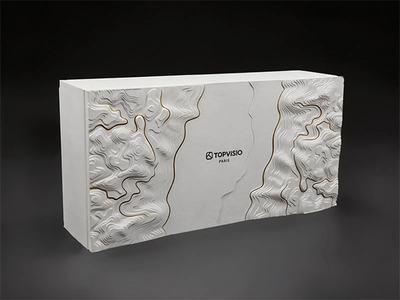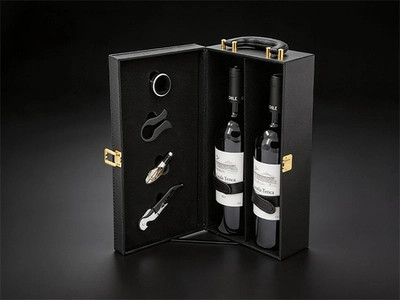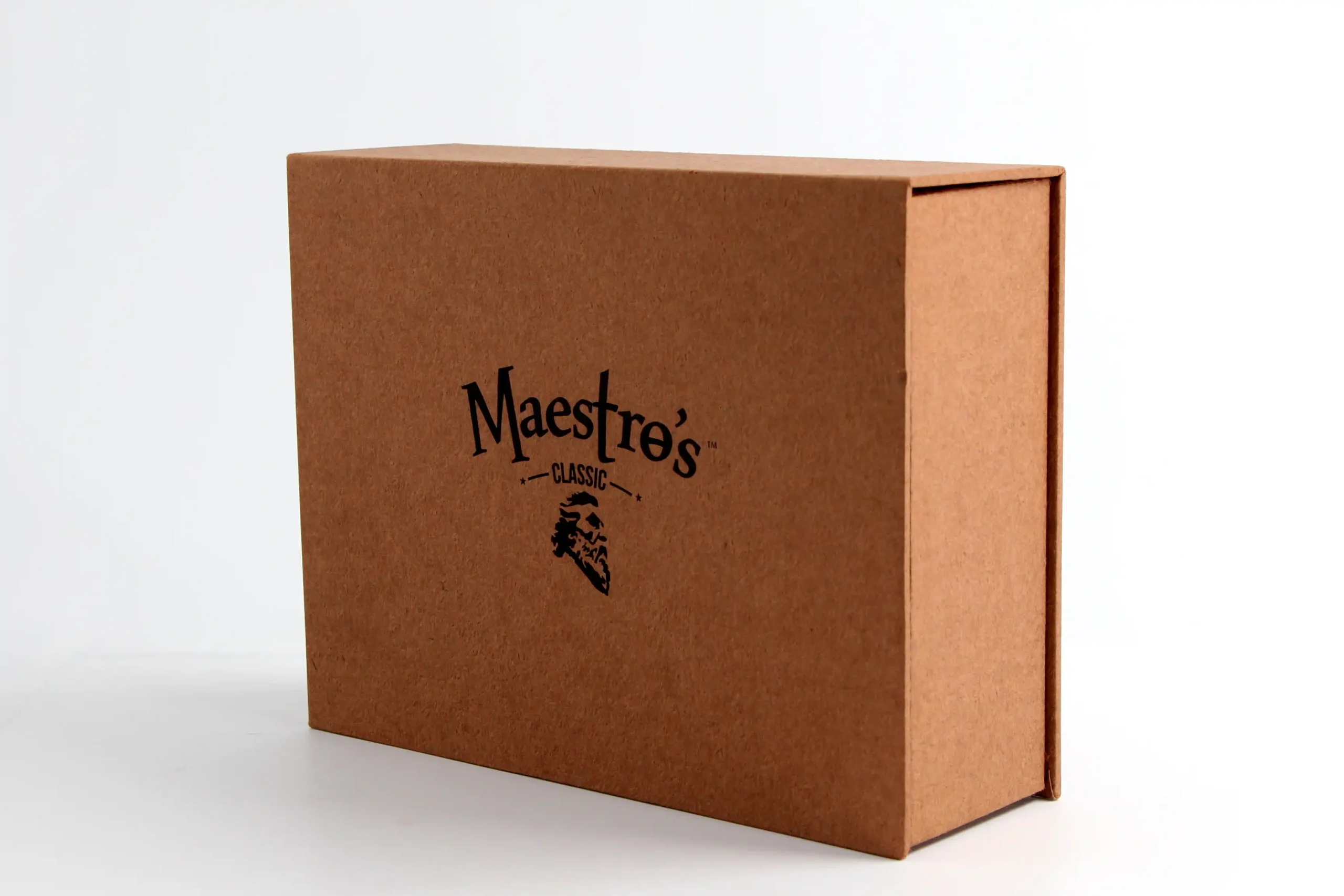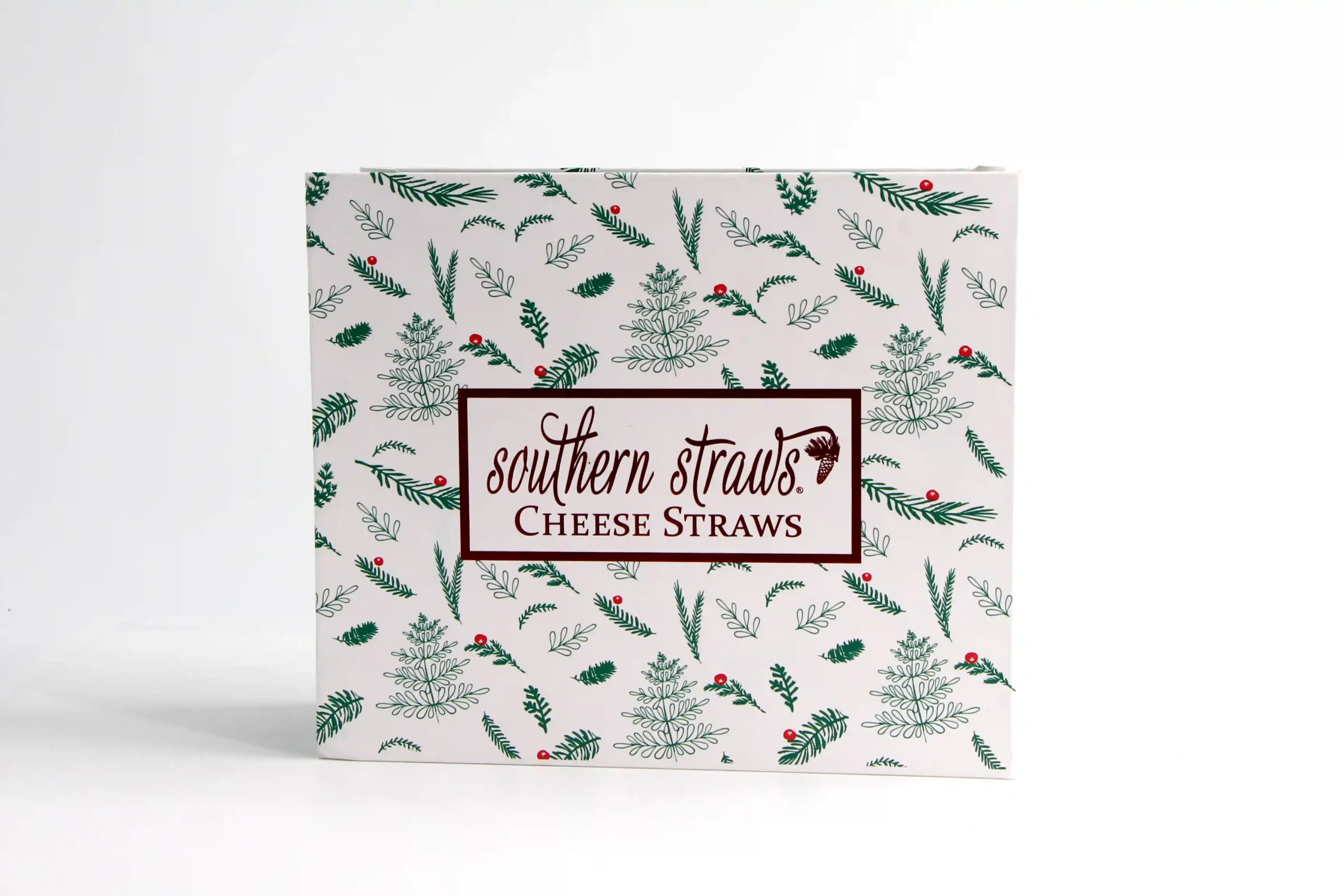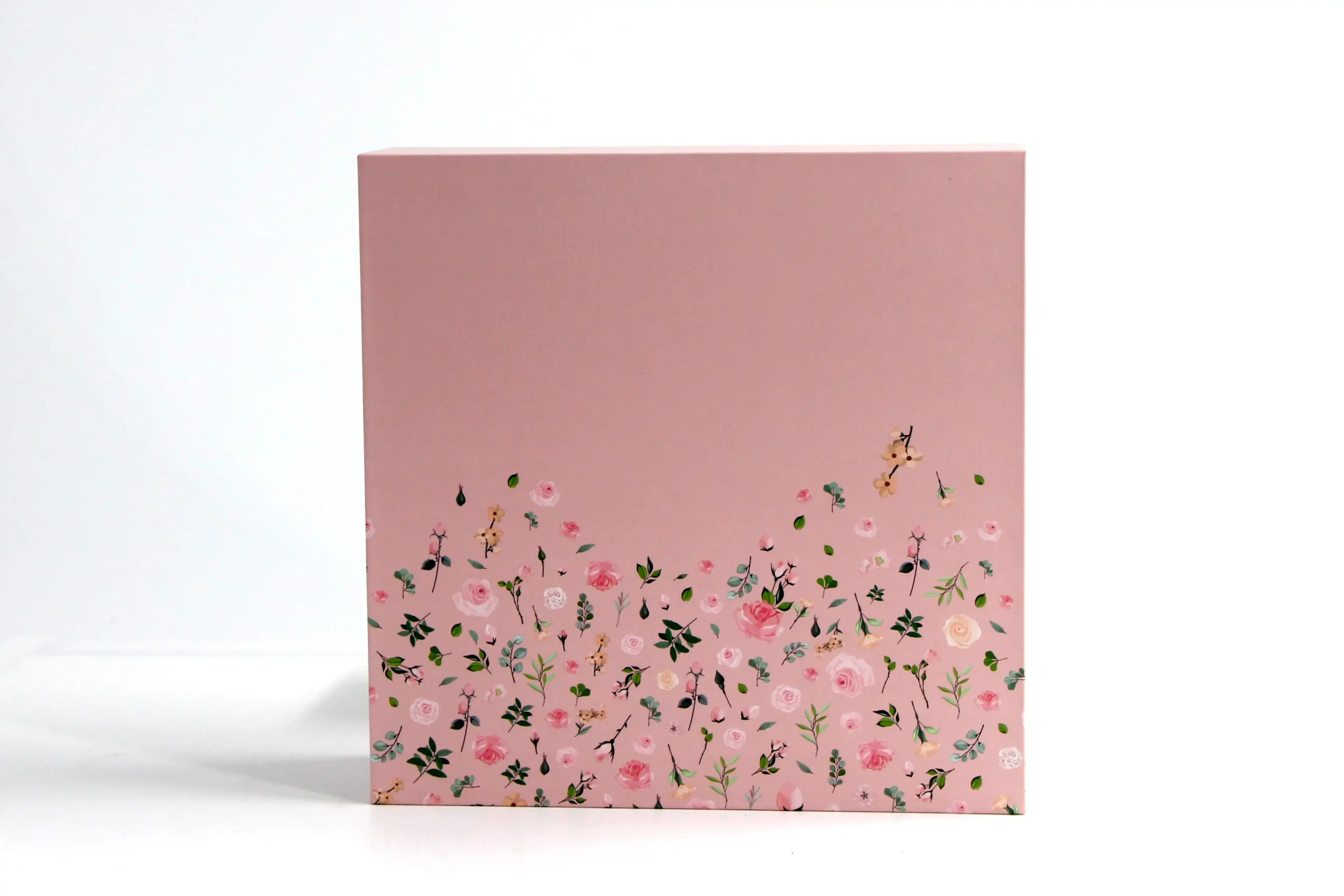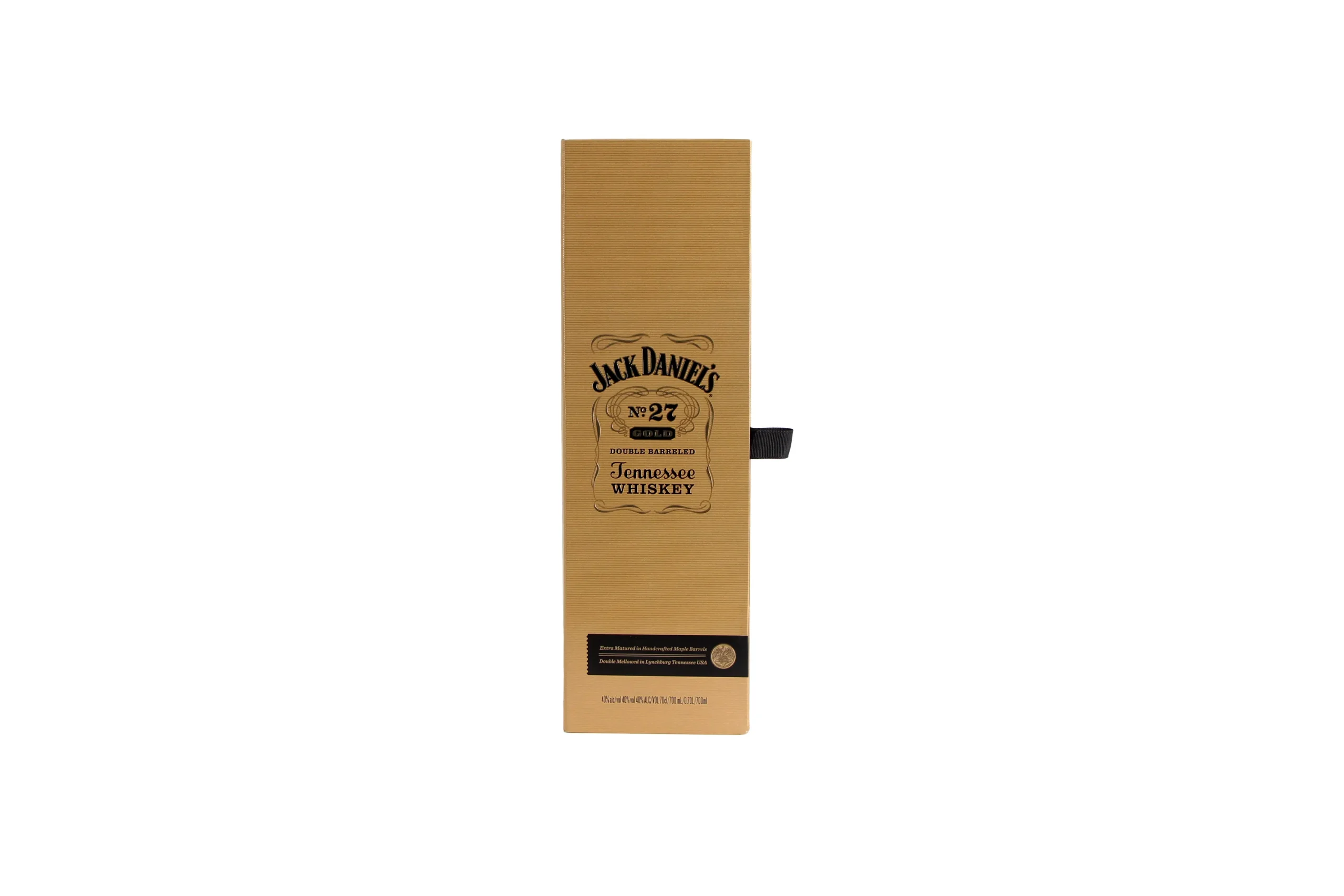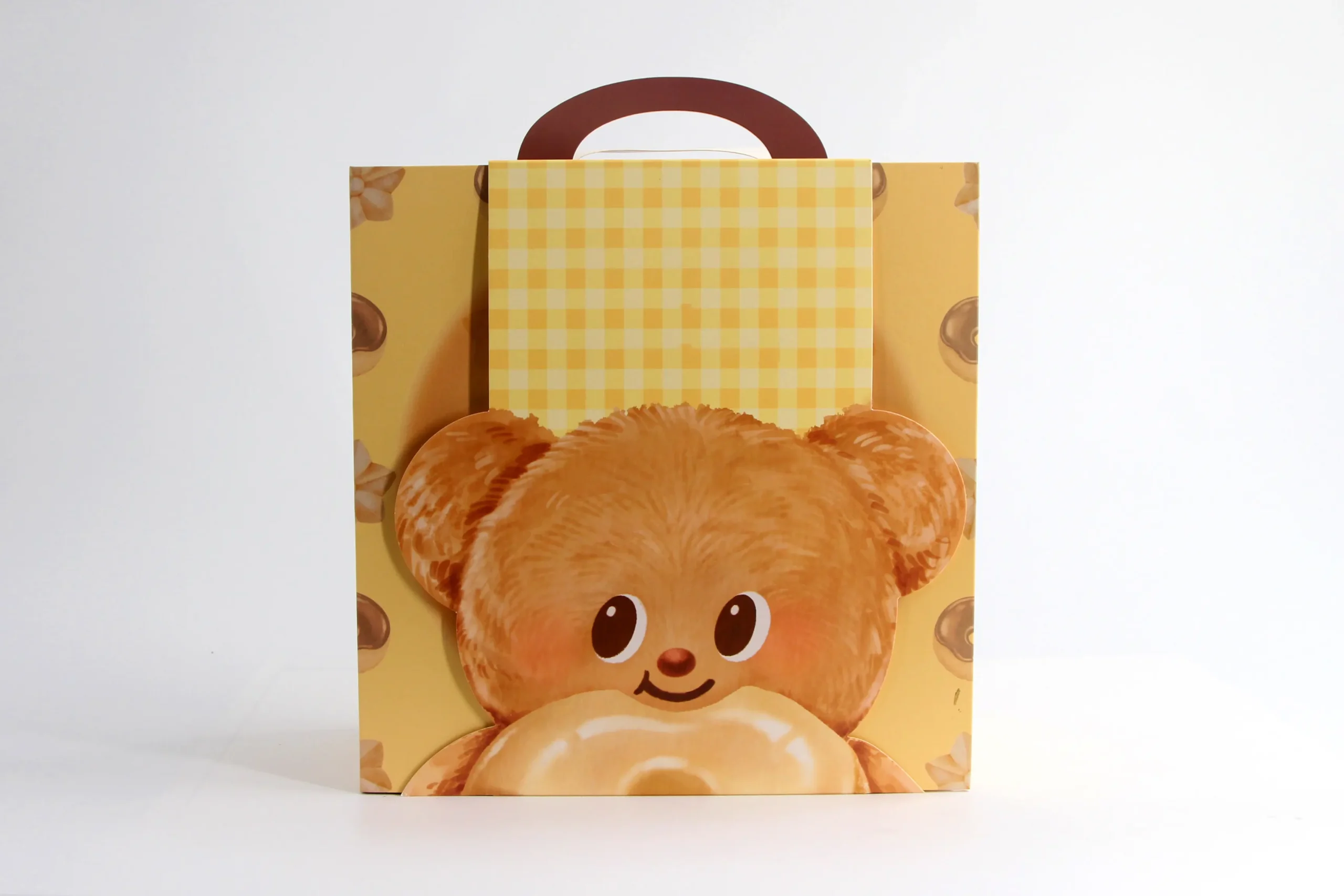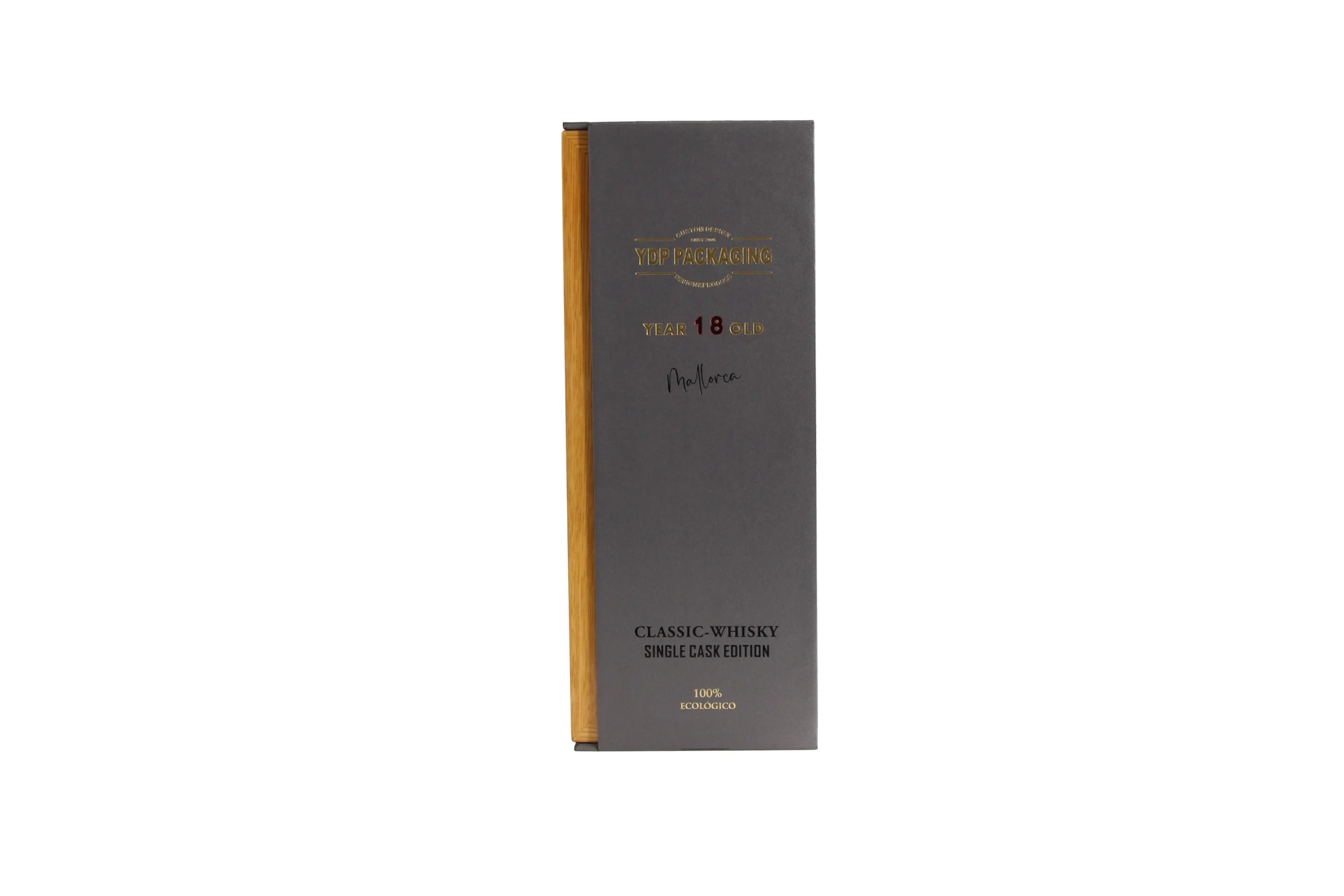
Look closely at a gold logo on a premium box and you might be looking at two passes of foil, not one, stamped in the same spot, seconds apart on the production line. It sounds redundant until you see the two versions side by side: the single-pass version looks flat under certain light, the double-pass version holds its shine and depth from every angle. Luxury box finishing at this level isn’t about using more techniques — it’s about knowing exactly which ones need to be repeated and why.
This guide covers how foil stamping and embossing actually get applied on the production floor as part of luxury box finishing, drawing on real cases from our data, including two products that use double-pass foil specifically to solve a problem single-pass foil can’t.
Why Foil Runs After Lamination, Never Before
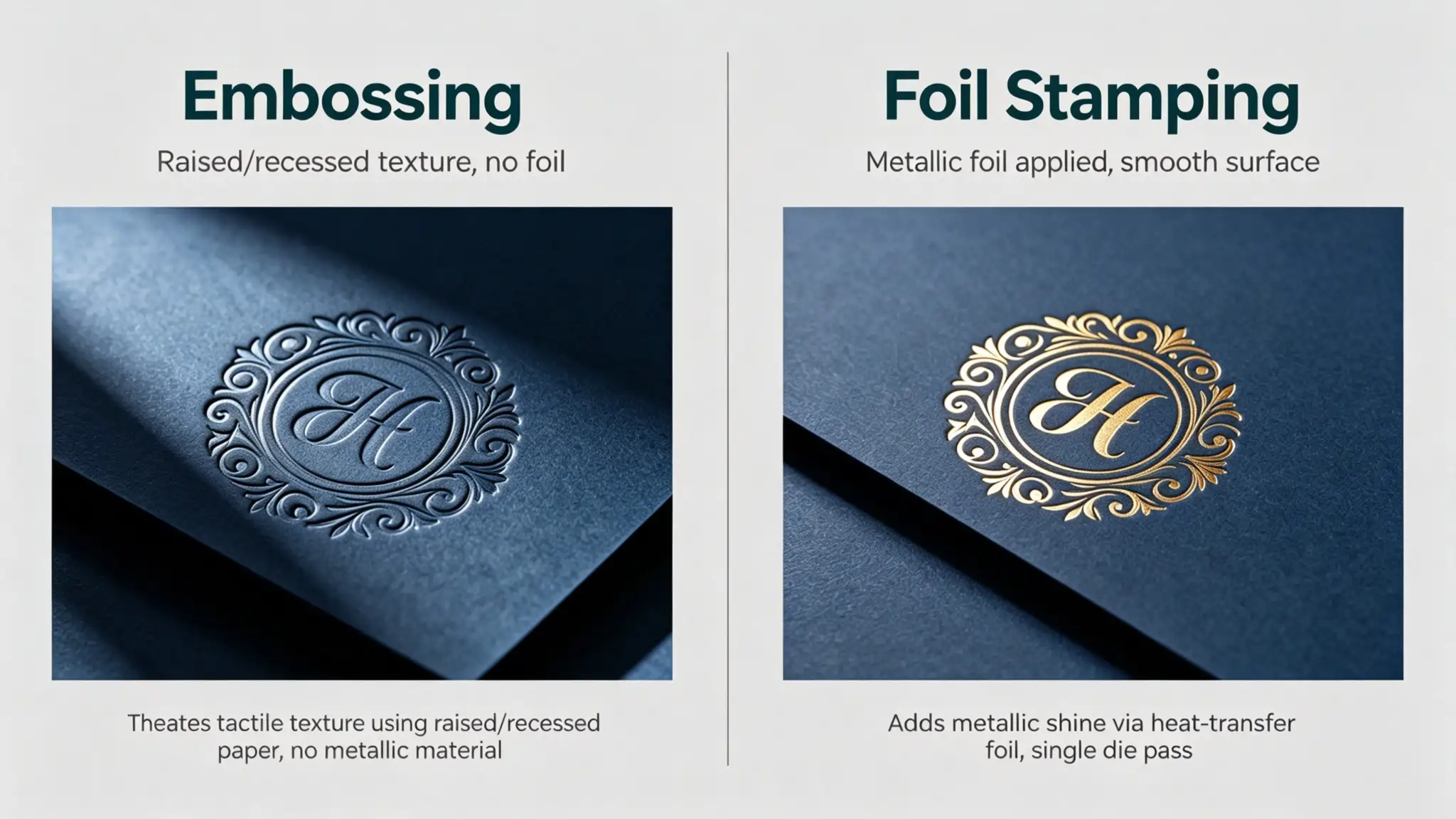
Foil stamping uses heat and pressure to transfer metallic film onto a surface, and that surface has to be fully cured before the foil die makes contact. Running foil before lamination is complete risks distorting the laminate underneath or getting inconsistent adhesion as the surface continues to settle. This is a fixed sequencing rule in luxury box finishing, not a preference — foil is one of the last steps applied, after printing, coating, and lamination are all fully set.
Single-Pass Foil vs Double-Pass Foil
Most foil applications in our data use a single pass — one die, one contact, one finished mark. But a meaningful number of premium products use two passes of foil on the exact same design element, and the reason isn’t decoration for its own sake.
What the Second Pass Actually Fixes
Two real cases in our data illustrate this clearly. A Chinese New Year collaboration release uses embossed foil applied twice on the same logo, paired with a separate glitter screen-print element. A second seasonal collaboration release, built around a plum blossom design, uses the identical double-pass foil technique without the added glitter layer. In both cases, the second pass exists to deepen metallic saturation and correct for the slight unevenness a single pass leaves on an embossed, non-flat surface — foil applied to a raised or textured area doesn’t always transfer evenly in one contact, and a second pass fills in what the first one missed. This is luxury box finishing solving a specific physical problem, not adding a technique for its own sake.
Embossing Registration: Aligning Two Dies to the Same Point
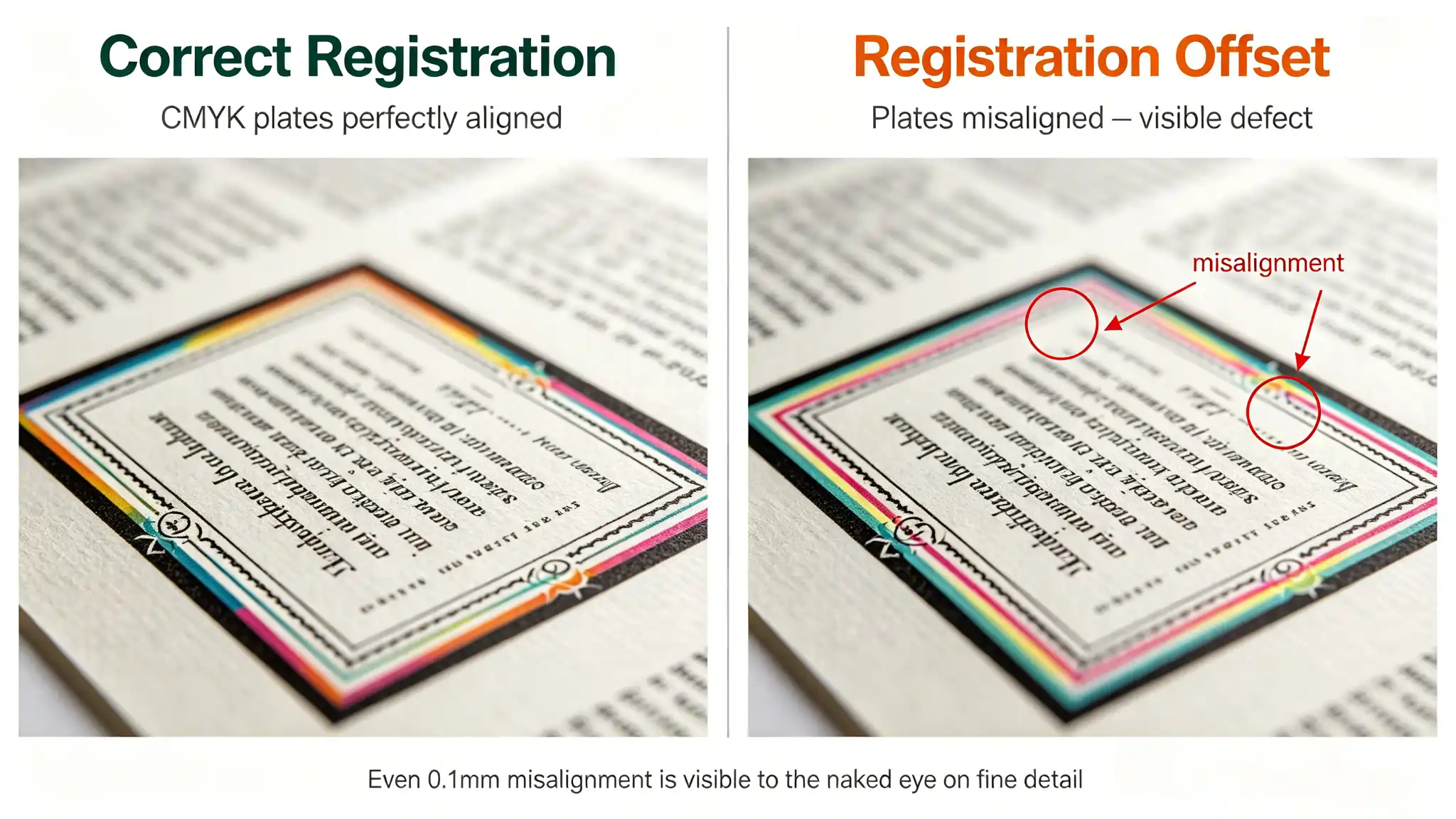
When foil and embossing are combined, as they are in most of the cases above, luxury box finishing depends on two separate dies landing on exactly the same coordinates — one shaping the texture, one applying the metallic film. Even a fraction of a millimeter of misalignment between the two creates a visible halo where the foil doesn’t quite match the raised edge.
Why Colorless Emboss Still Needs Precision
Not every emboss carries foil. A premium fragrance box in our data uses a colorless emboss — texture without any metallic or ink application — paired separately with foil stamping elsewhere on the same box. Colorless emboss might seem like the simpler technique since there’s no color registration to worry about, but the die still has to align precisely with the surrounding printed design, or the raised texture reads as a production error rather than an intentional detail.
Real Examples from Production
A skincare gift box from a French limited-edition release combines foil stamping with embossed detailing and a textured paper mounting, a heavier luxury box finishing build reserved for a premium seasonal launch. A corporate gift box in our data uses a single pass of foil with no embossing at all, a simpler, faster build appropriate for a higher-volume order where the theatrical double-pass technique isn’t worth the added cost. The contrast between these two shows how luxury box finishing scales up or down depending on the order’s purpose, not a fixed formula applied to every product regardless of budget or volume.
Why Foil Dies Wear Out, and What That Means for Reorders
A foil die is a physical piece of tooling used in luxury box finishing, and repeated contact under heat and pressure gradually dulls its edges. A die that produced a crisp mark on the first production run can produce a slightly softer, less defined mark after enough cycles, which is one reason a reorder placed a year after the original run can look subtly different even with an identical spec. Asking a supplier how often foil dies are inspected or replaced is a useful question for any brand planning multiple reorders of the same design.
What to Know Before You Request a Quote
A few production basics apply across the foil and embossing techniques covered in this guide.
Minimum Order Quantity
1,000 units per SKU is standard across our product range.
Sample Lead Time
7 days from confirmed spec to sample in hand.
Production Lead Time
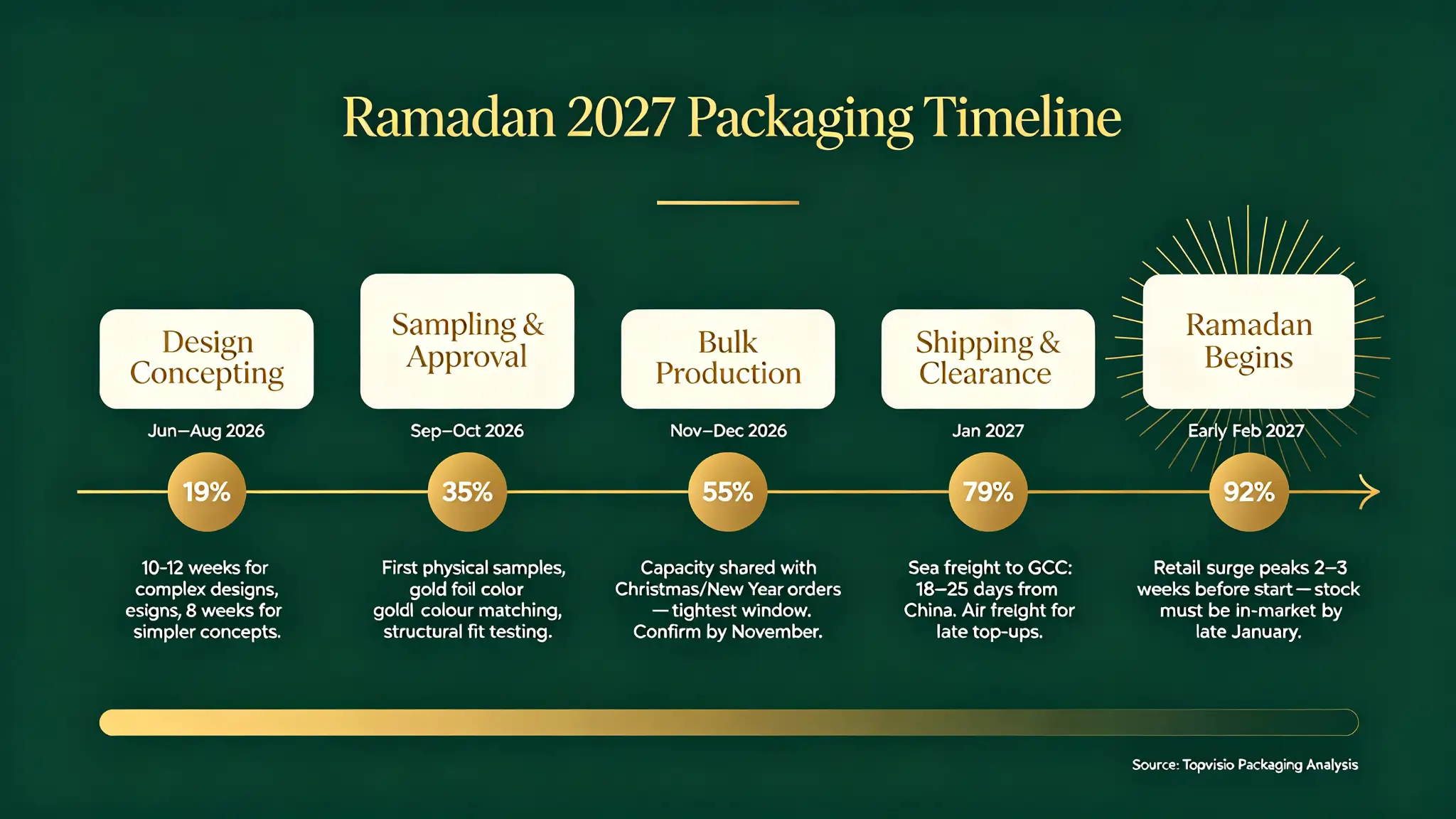
30 to 45 days, with double-pass foil or complex registration adding to that window.
Sourcing Note
Foil adhesion can be verified using a tape adhesion method before committing to full production. Die alignment for combined foil and embossing follows the same general tolerance principles referenced under ISO 2768 elsewhere in this series. For boxes with delicate embossed or foiled surfaces shipping internationally, ISTA transit testing can confirm the finish survives real handling conditions.
FAQ
Why do some products get foiled twice on the same design element?
A single foil pass doesn’t always transfer evenly onto an embossed or textured surface in luxury box finishing. A second pass fills in the unevenness and deepens metallic saturation, particularly on raised or recessed detail.
Does luxury box finishing always mean more techniques applied?
No. Some of the strongest examples in our data use one technique applied precisely rather than several layered together. Scale and precision matter more than technique count.
Why does foil stamping happen after lamination instead of before?
Foil requires a fully cured surface to bond correctly. Applying it before lamination is complete risks distorting the laminate or producing inconsistent adhesion.
Can a reorder look different from the original sample even with the same spec?
Yes, most commonly due to foil die wear over repeated production cycles. Asking about die inspection and replacement schedules is worth doing for any design you plan to reorder.
What’s the minimum order quantity for custom luxury box finishing?
1,000 units per SKU is standard. Sampling takes about 7 days, full production 30 to 45 days after that.
Where can I learn more about gift box manufacturing beyond foil and embossing?
See our Gift Box Manufacturing Guide for the full five-stage production process, including printing, structural forming, and hardware assembly.
Explore More Packaging Resources
Gift Box Manufacturing: A Complete Process Guide from Print to Finished Box · Gift Box Printing: How Surface Finishes Are Actually Applied · Die Cutting Packaging: How Structural Forming Actually Works · TopVisio Home