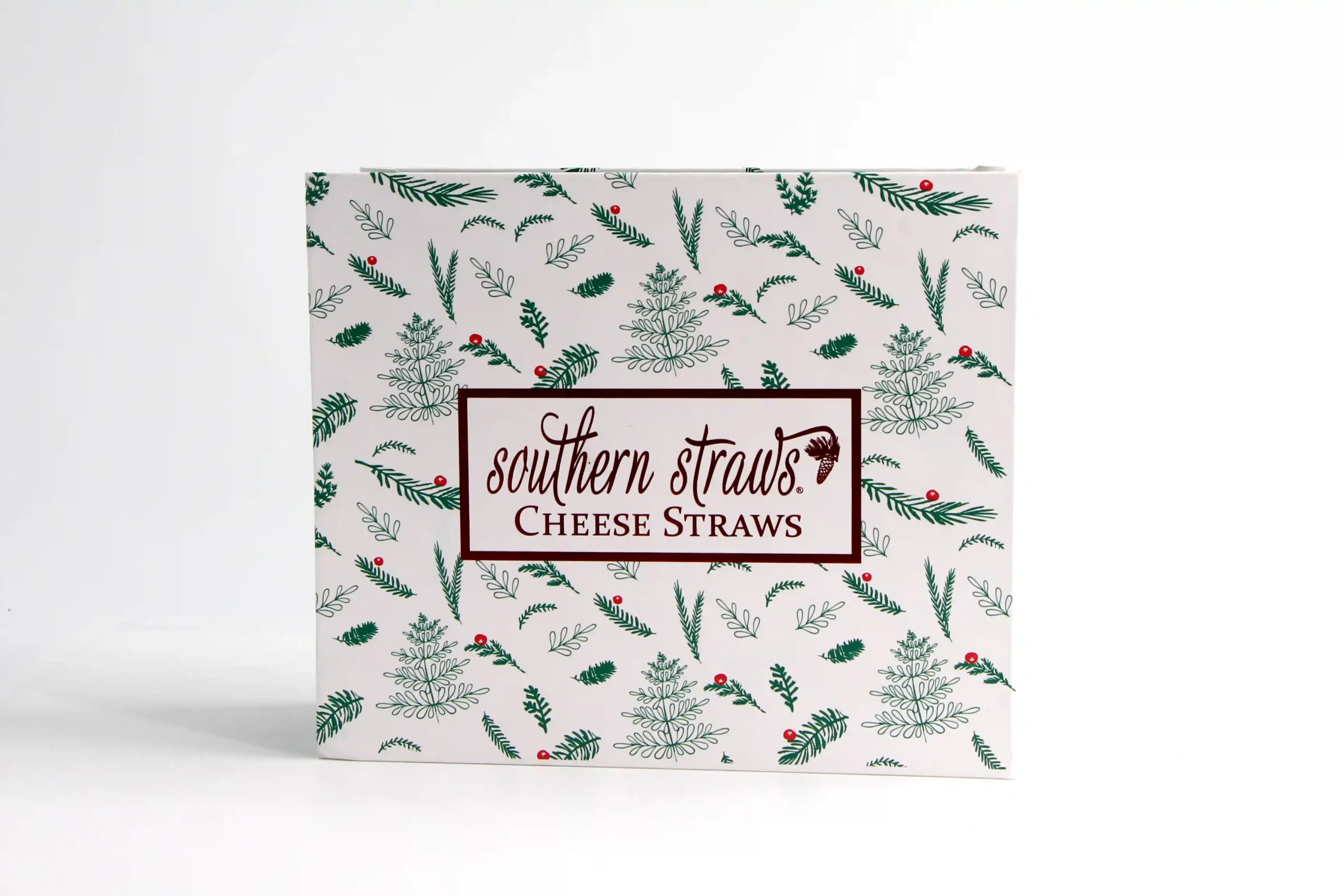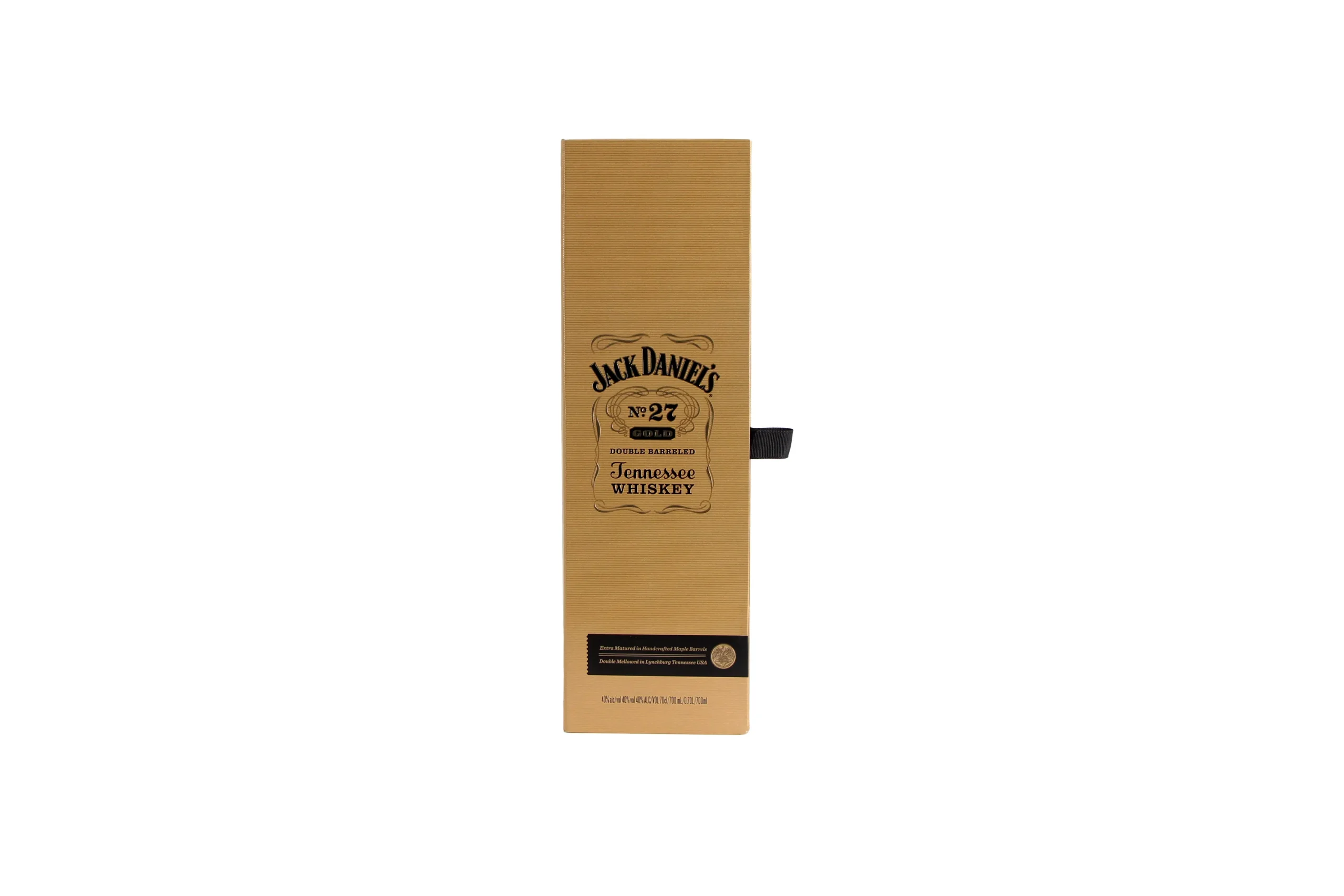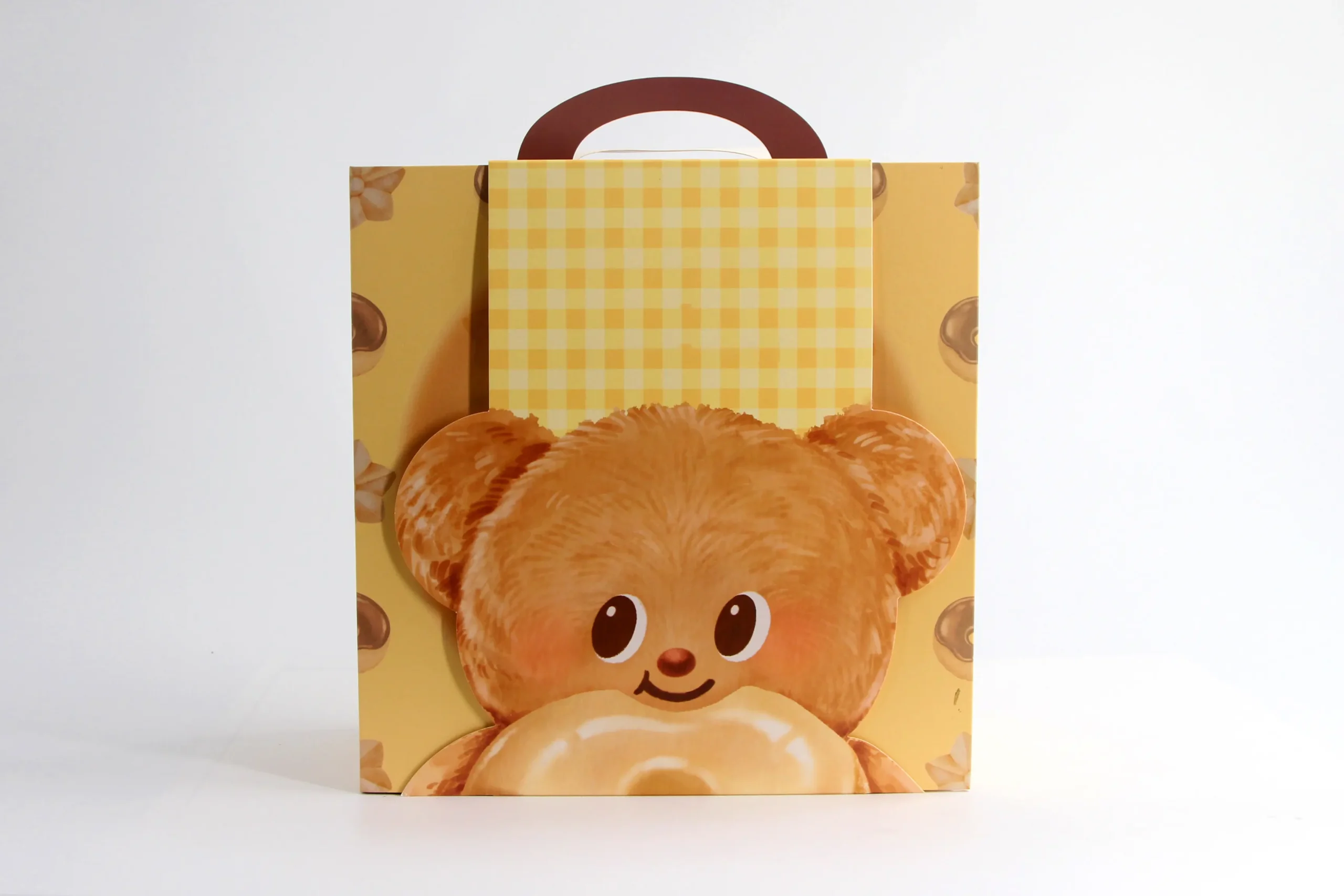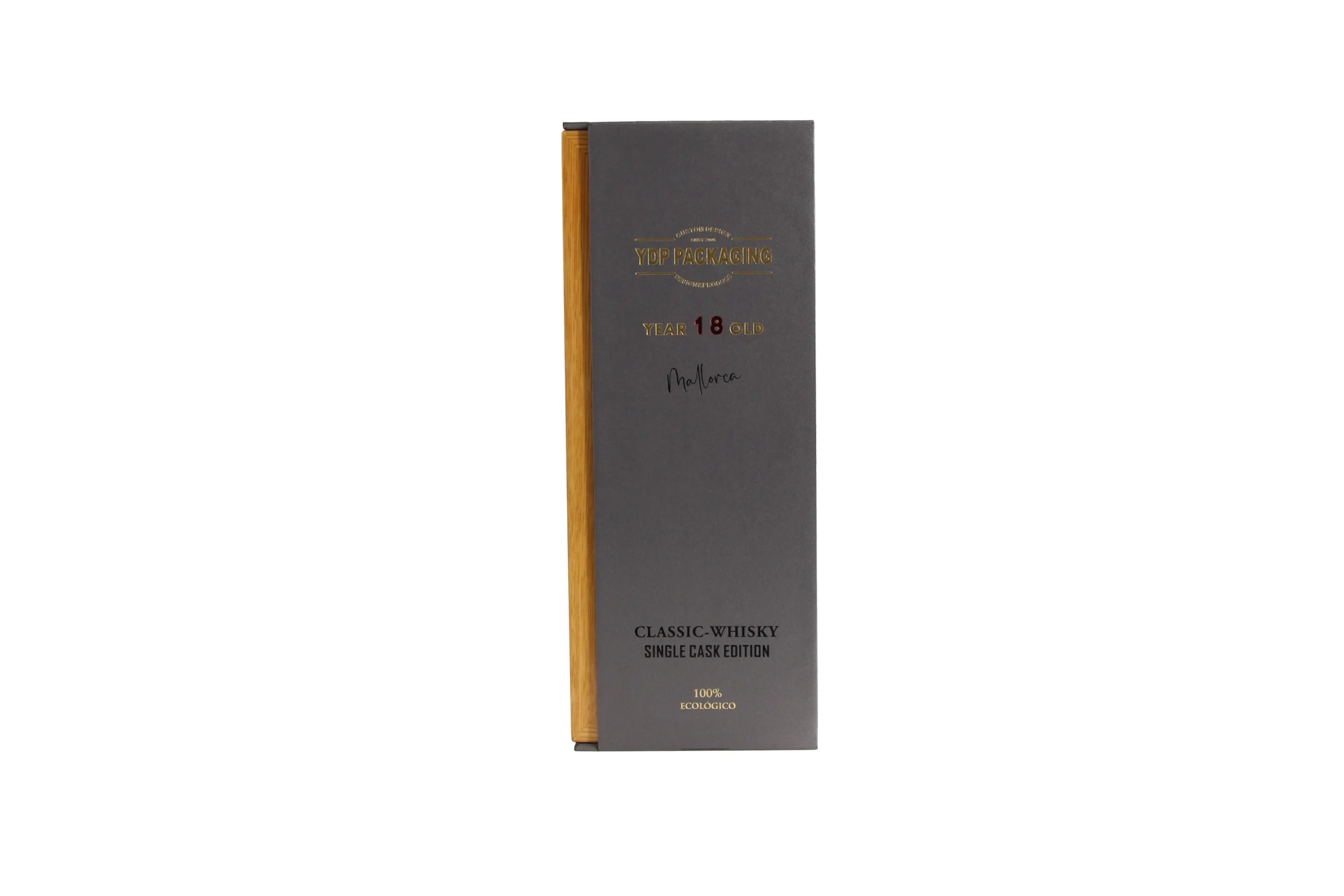
The rigid box vs folding carton decision affects cost, freight, lead time, presentation, and the customer’s first physical impression of a product.
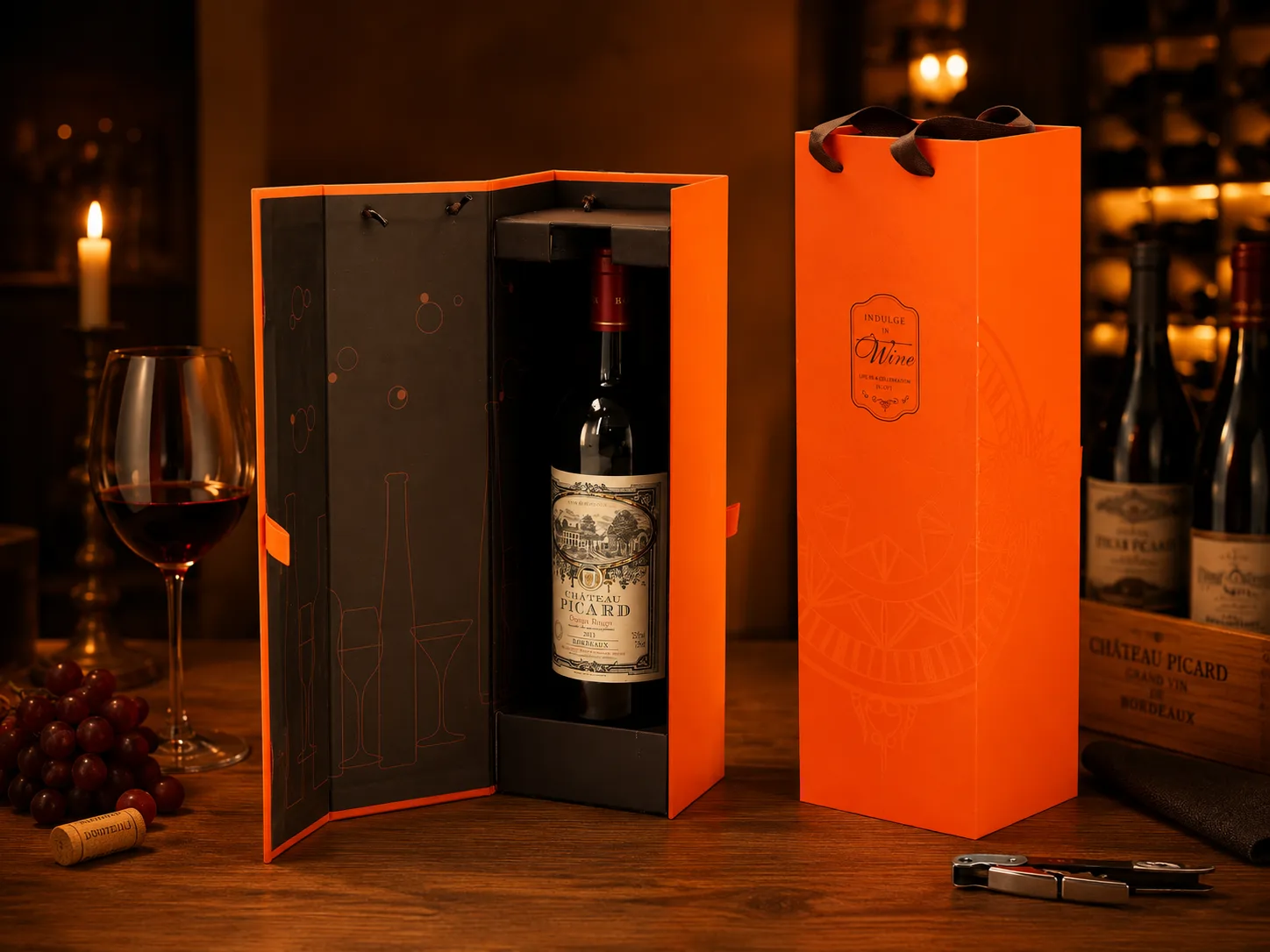
In short: a rigid box is a permanent, pre-formed structure built around a heavy greyboard core, while a folding carton is a single-ply board that ships flat and folds into shape at the point of filling. Rigid costs more and takes longer to produce, but delivers a heavier, more premium feel; folding carton is faster, cheaper, and ships more efficiently, which is why it dominates high-volume and cost-sensitive categories. The right choice for rigid packaging vs folding carton comes down to retail price, category expectations, and how much the unboxing moment matters to the brand.
Choosing between a rigid box and a folding carton is one of the first decisions a brand makes when sourcing packaging, and it shapes almost everything downstream — unit cost, minimum order quantity, lead time, and how the box actually feels in a customer’s hands. If you’re still working out what a rigid box is structurally, our guide on what a rigid box is covers the basics; this piece picks up from there and focuses specifically on when rigid makes sense versus when a folding carton is the smarter call.
Topvisio Packaging produces both structures out of Dongguan, Guangdong, running 14+ automated production lines. Two-piece lid-and-base rigid boxes move through the workshop at roughly 1,500,000 units per month, one of the higher-volume categories the factory handles, alongside FSC certification available on request, PPWR compliance, ISO 9001, ISO 14001, and SEDEX audit standing.
The Core Structural Difference
For brands comparing rigid box vs folding carton, this section addresses the core structural difference in practical sourcing terms.
A rigid box is built around a permanent, non-collapsible greyboard core, typically 1,200-1,800 gsm, wrapped with printed outer paper and glued into its final shape at the factory. It arrives pre-formed and holds that shape for the life of the product. A folding carton, by contrast, is made from a single-ply paperboard — commonly FBB (Folding Box Board) or SBS (Solid Bleached Sulphate), generally in the 250-400 gsm range — that’s printed flat, die-cut, scored, and shipped knocked-down. It only becomes a box shape when it’s folded and glued at the point of filling, either by the brand or by an automated packing line.
That single difference — permanent structure versus flat-shipped, fold-to-assemble structure — drives most of the other differences in cost, weight, and lead time between the two. It’s also why types of gift box packaging built around rigid construction tend to feel heavier and more deliberate in hand than a folding carton of the same external dimensions, even before any finishing is applied.
Rigid Box vs Folding Carton: Side-by-Side Comparison
For brands comparing rigid box vs folding carton, this section addresses rigid box vs folding carton: side-by-side comparison in practical sourcing terms.
| Factor | Rigid Box | Folding Carton |
|---|---|---|
| Core material | Greyboard, 1,200-1,800 gsm | FBB/SBS board, 250-400 gsm |
| Assembly | Pre-formed at factory | Flat-shipped, folded at fill point |
| Unit cost (relative) | 3-8x higher | Baseline |
| Typical MOQ | ~1,000 units | ~500-1,000 units |
| Production lead time | 18-25 business days (up to 10,000 units) | 10-15 business days |
| Shipping efficiency | Lower — ships pre-formed | Higher — ships flat |
| Typical categories | Fragrance, cosmetics, wine, jewelry, collector editions | Skincare, food, pharma, high-volume retail SKUs |
This table is a starting point rather than a fixed rule — actual folding carton vs rigid box cost gaps vary by order volume, finishing complexity, and region, so treat the multipliers above as a general planning range rather than a quote.
Cost and Minimum Order Quantity
For brands comparing rigid box vs folding carton, this section addresses cost and minimum order quantity in practical sourcing terms.
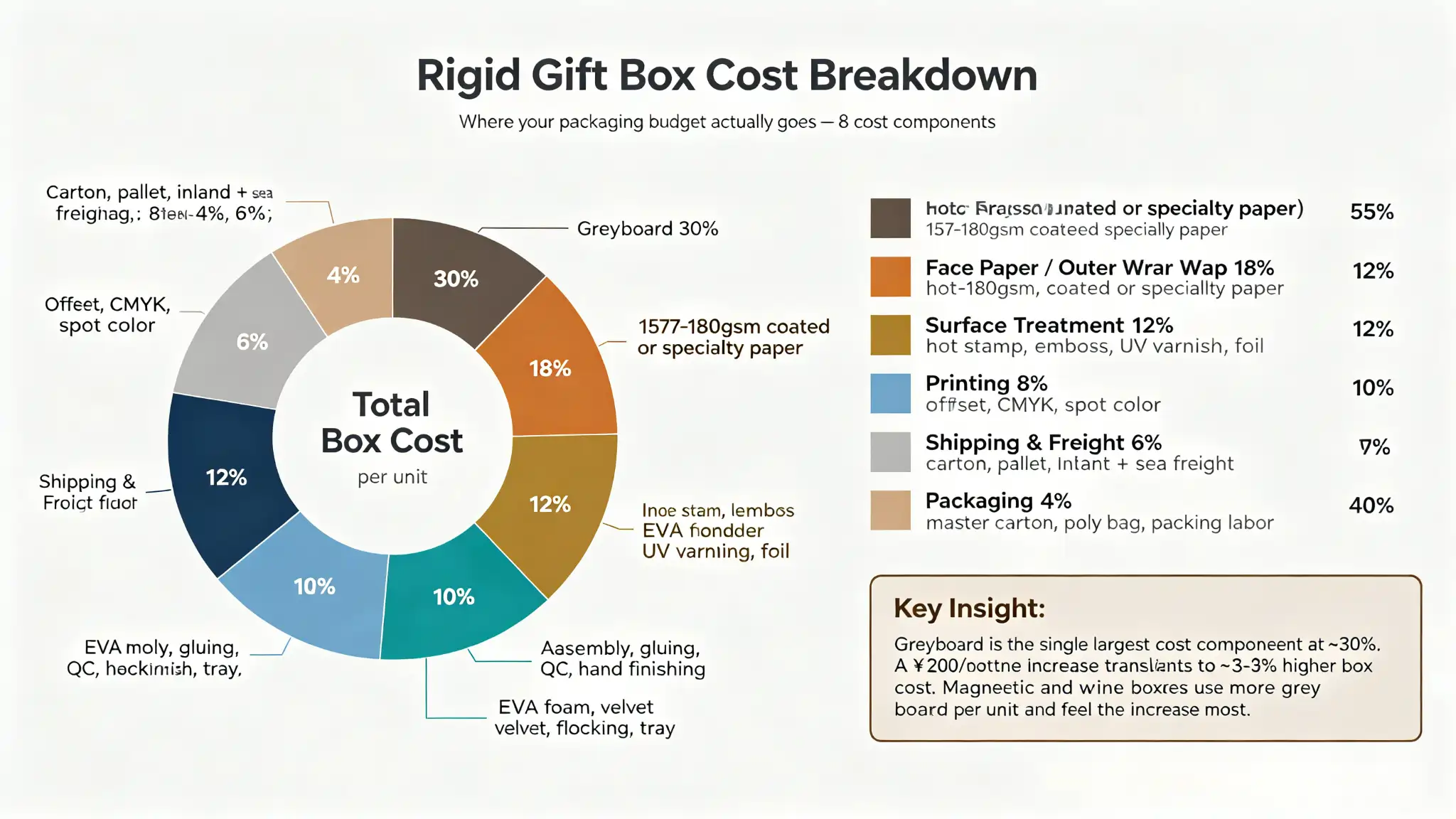
Rigid boxes typically cost three to eight times more per unit than a folding carton of comparable size, largely because of the extra greyboard material, the hand-assembly labor, and the more involved finishing process. MOQs reflect that gap too: a folding carton run often starts around 500-1,000 units, while a fully custom rigid structure typically starts around 1,000 units and carries a higher tooling cost if the structure is genuinely new rather than a resize of an existing die.
Shipping volume is where folding cartons pull further ahead. Because they ship flat, a pallet of folding cartons holds dramatically more finished units than the same pallet space filled with pre-formed rigid boxes — a real cost difference once freight is factored into total landed cost, not just the unit price on a quote. For a brand comparing custom rigid boxes against a folding carton alternative, this shipping-volume gap is easy to overlook when only comparing per-unit quotes side by side.
Lead Time
For brands comparing rigid box vs folding carton, this section addresses lead time in practical sourcing terms.

A rigid box order typically runs 18-25 business days in production after sample approval, for orders up to around 10,000 units, with hand-assembly and insert-fitting adding steps a folding carton line doesn’t need. A comparable folding carton order usually runs 10-15 business days, since the automated cutting, printing, and die-cutting process moves faster with fewer manual assembly steps. Brands working toward a fixed launch date should treat the rigid timeline as the more conservative planning assumption of the two.
When Rigid Makes Sense
For brands comparing rigid box vs folding carton, this section addresses when rigid makes sense in practical sourcing terms.
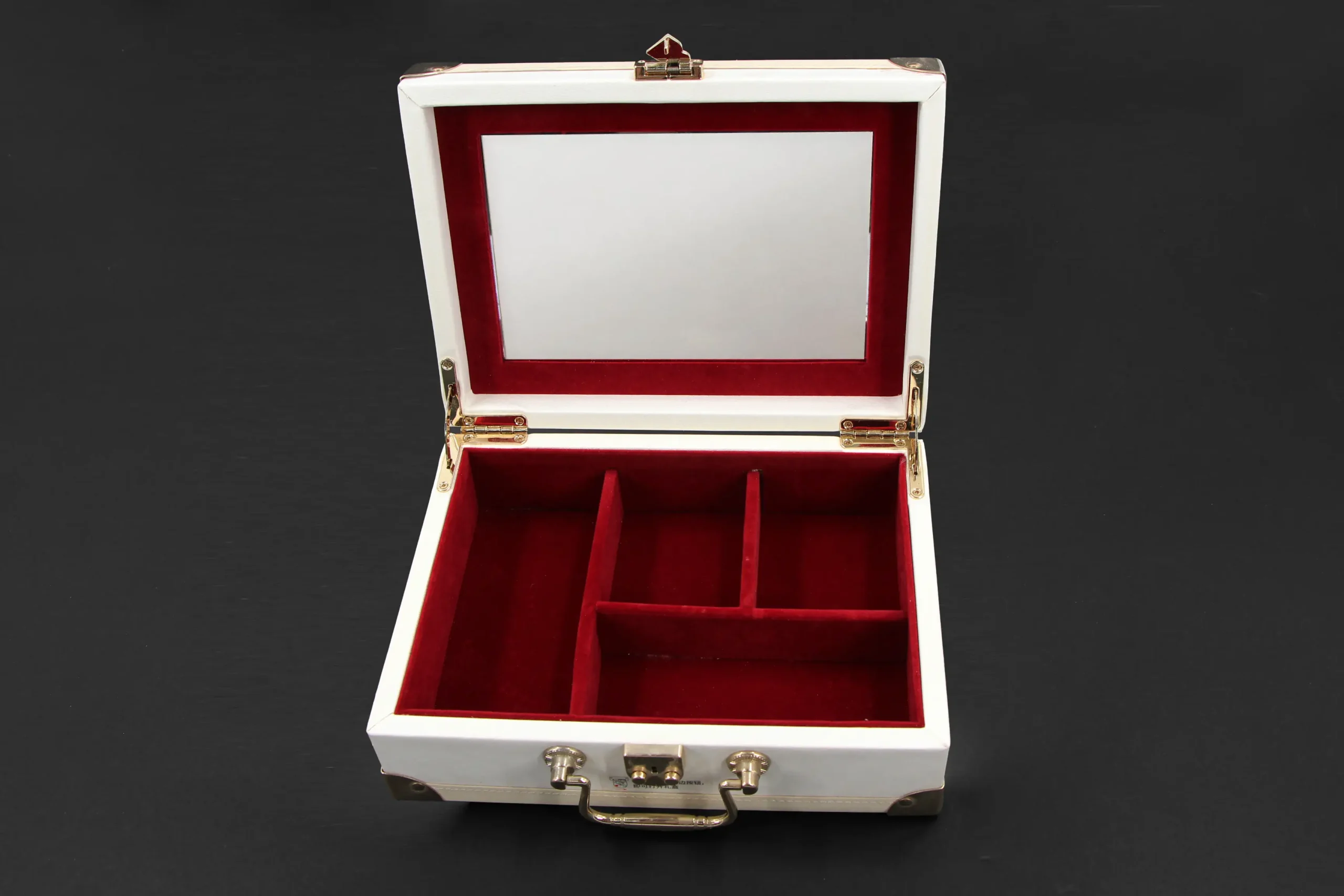
Rigid is the right call when the packaging itself needs to communicate weight and permanence — prestige fragrance, premium cosmetics, wine and spirits gift sets, jewelry, and limited or collector editions all lean rigid for this reason. Our rigid gift box and luxury cosmetic packaging lines are built around this positioning. If the retail price supports it and the unboxing moment matters to the brand, rigid is usually worth the added cost.
When Folding Carton Makes Sense
For brands comparing rigid box vs folding carton, this section addresses when folding carton makes sense in practical sourcing terms.
Folding cartons make more sense for higher-volume, cost-sensitive categories, or for products where the box is functional rather than part of the gifting experience — everyday skincare, food packaging, pharmaceuticals, and retail SKUs that need to hit a lower shelf price. The flat-shipped format also matters for brands with tight warehouse space, since folding cartons take up a fraction of the storage volume of pre-formed rigid boxes.
Materials and Finishing Compared
For brands comparing rigid box vs folding carton, this section addresses materials and finishing compared in practical sourcing terms.
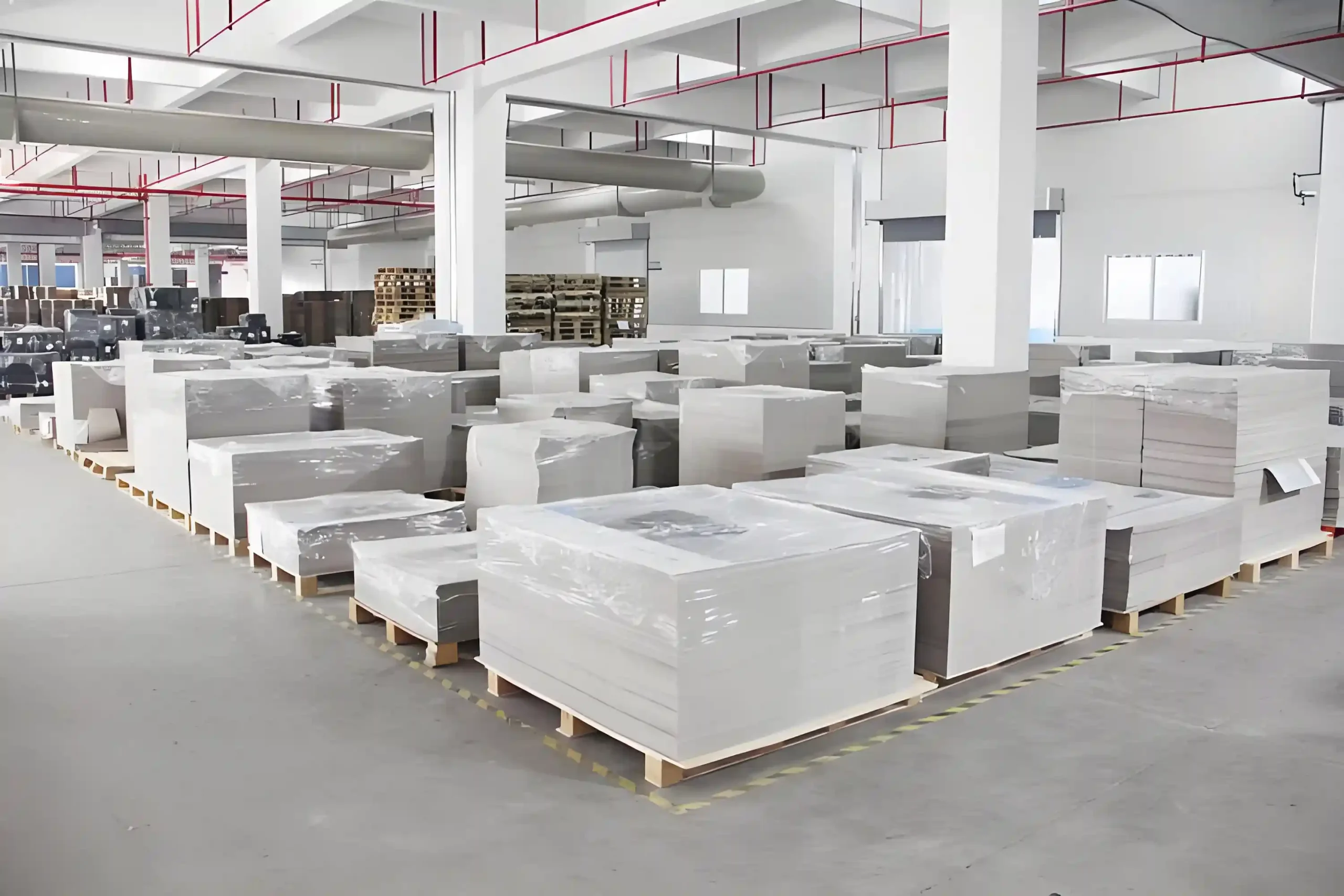
Both structures support a similar range of finishing — foil stamping, embossing, spot UV, matte or soft-touch lamination — but the base material differs. Rigid boxes wrap coated or specialty paper over greyboard; folding cartons print directly onto FBB or SBS board, since there’s no separate outer-wrap layer to apply. This means a folding carton’s printed surface is the structural board itself, which is part of why FBB and SBS grades are chosen specifically for their print quality and food-contact suitability, not just their stiffness.
For buyers weighing material choice against sustainability commitments, the Sustainable Packaging Coalition publishes independent guidance on paperboard sourcing worth reviewing alongside a manufacturer’s own material recommendations.
Testing Either Structure Before a Bulk Order
For brands comparing rigid box vs folding carton, this section addresses testing either structure before a bulk order in practical sourcing terms.
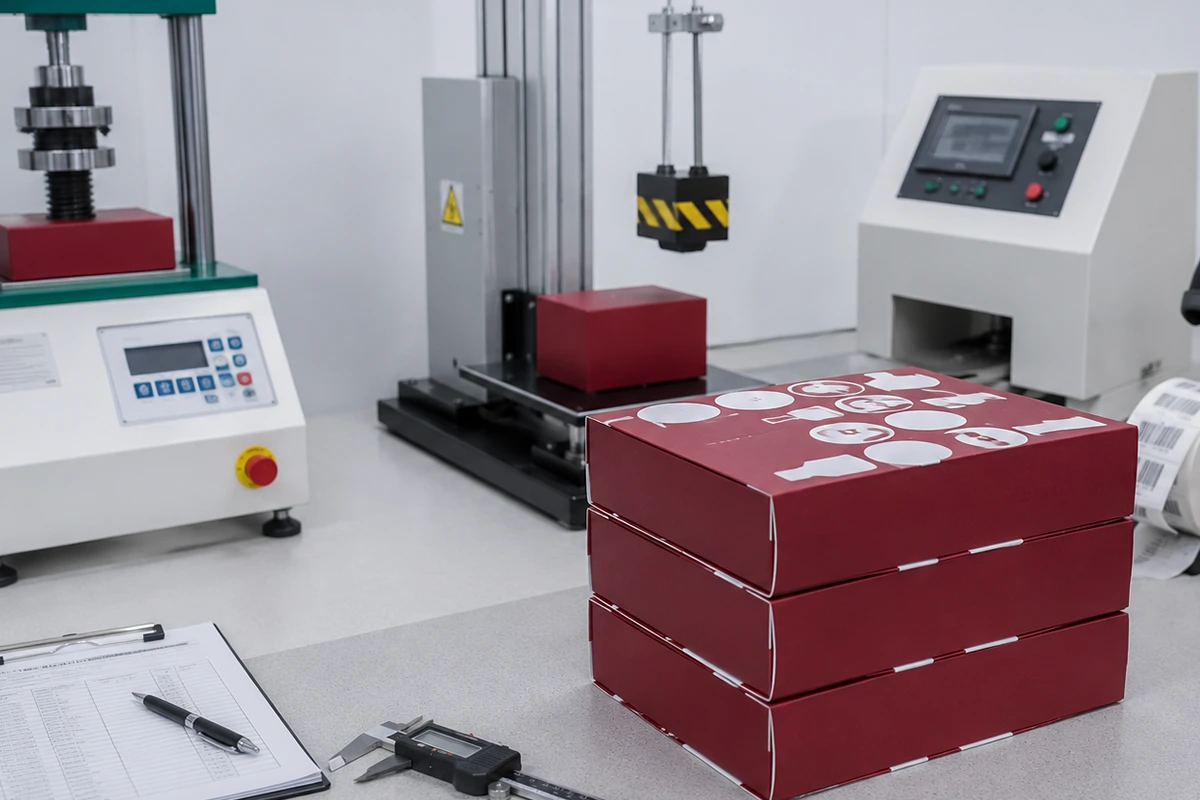
Regardless of which structure you land on, packaging intended for freight or parcel transit is commonly validated against protocols like the ISTA 3A general simulation series, maintained by the International Safe Transit Association. A rigid box or folding carton that hasn’t been tested against a recognized protocol is a reasonable thing to flag with a manufacturer before committing to a full production run, particularly for a heavier or more fragile product.
Rigid Box vs Folding Carton: A Side-by-Side Summary
For brands comparing rigid box vs folding carton, this section addresses rigid box vs folding carton: a side-by-side summary in practical sourcing terms.
Put side by side, the rigid box vs folding carton comparison usually comes down to structure, cost, and volume. Rigid wins on perceived weight and unboxing presentation; folding carton wins on unit cost, shipping efficiency, and speed to production. Neither is universally ‘better’ — the right answer depends on where a specific product sits on price point and category expectations.
Brands that get the rigid box vs folding carton call wrong in either direction tend to notice it in margin or in customer perception — overspending on rigid for a mass-market SKU erodes margin fast, while using a folding carton for a category where customers expect rigid weight can undercut a premium price point before the product is even opened.
Real-World Scenarios: How Brands Actually Decide
For brands comparing rigid box vs folding carton, this section addresses real-world scenarios: how brands actually decide in practical sourcing terms.
A skincare brand launching a $15 daily moisturizer almost always lands on a folding carton — the retail price doesn’t support a rigid structure’s added cost, and the product sells on shelf presence and repeat purchase rather than a one-time unboxing moment. The same brand launching a $120 holiday gift set built around three or four products, sold as a limited seasonal item, often shifts to rigid for that specific SKU, since the higher price point and gifting context both support the extra cost. This kind of split — folding carton for the core range, rigid for a seasonal or premium line extension — is one of the more common patterns among brands weighing rigid packaging vs folding carton across a product portfolio rather than in isolation.
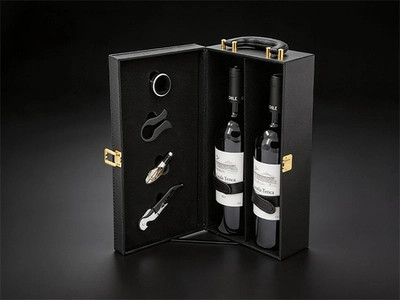
A wine or spirits brand tends to make the opposite default choice: rigid is the norm for single-bottle and gift-set packaging, given the category’s general price point and gifting context, with folding carton reserved mainly for bulk case shipping rather than the retail-facing unit. Food and confectionery brands split roughly down the middle depending on positioning — a everyday chocolate bar uses folding carton almost universally, while a boxed gift assortment intended for holiday or corporate gifting frequently moves to a rigid or semi-rigid structure.
Common Mistakes in the Rigid Box vs Folding Carton Decision
For brands comparing rigid box vs folding carton, this section addresses common mistakes in the rigid box vs folding carton decision in practical sourcing terms.
The most common mistake is choosing rigid based on how a competitor’s packaging looks, without checking whether the retail price and margin structure actually support the added cost. A rigid box that pushes a product’s landed cost past what the category can bear often gets quietly downgraded to folding carton on the next production run anyway, after the first batch reveals the margin problem — a costly way to arrive at the right answer.
The second common mistake runs the other direction: using a folding carton for a product positioned as premium, where customers handling the box expect more weight and structure than the category’s default packaging delivers. This mismatch between price positioning and packaging weight is often more damaging to perceived value than either overspending or underspending on the structure itself would be alone.
A third, more technical mistake is treating the rigid box vs folding carton decision as fixed once made. Order volumes change, retail price points get adjusted, and a structure that made sense at launch volume can look like the wrong call once a product scales into a different sales channel or price tier. Revisiting the decision periodically, rather than treating the original launch packaging as permanent, is worth building into a brand’s regular packaging review process.
Sampling Before Committing to Either Structure
For brands comparing rigid box vs folding carton, this section addresses sampling before committing to either structure in practical sourcing terms.
Whichever way the rigid box vs folding carton decision goes, requesting a physical sample before committing to a full production run is worth the extra few days. A rendering can’t tell you how a rigid box’s weight feels in hand, or how cleanly a folding carton’s die-lines fold and glue at your actual fill volume. Sample lead time for rigid structures typically runs 7 days after design confirmation for either structure, with tooling and structural validation included.
Buyers testing both structures for the same product — to compare cost and presentation directly — should request both samples in the same order where possible, so the comparison is based on the same artwork, the same product fit, and the same finishing choices rather than two separately specified quotes.
Packaging and Shipping Differences
For brands comparing rigid box vs folding carton, this section addresses packaging and shipping differences in practical sourcing terms.
The rigid box vs folding carton gap shows up again once finished packaging ships to a brand’s facility. Folding cartons ship flat, so a standard freight pallet holds several times more finished units than the same pallet space filled with pre-assembled rigid boxes — a real cost difference in total landed cost that a per-unit price comparison alone doesn’t capture. Brands with limited warehouse space or high SKU counts often weigh this shipping and storage difference as heavily as the unit price itself.
Rigid boxes can sometimes ship partially knocked-down depending on the structure, but the greyboard core generally limits how flat they can pack compared to a true folding carton, which is built from the ground up to collapse for shipping.
A Simple Way to Decide
For brands comparing rigid box vs folding carton, this section addresses a simple way to decide in practical sourcing terms.
Three questions tend to settle the decision quickly. Does the retail price support a heavier packaging cost, or does the category compete on shelf price? Does the unboxing moment matter to the brand, or is the box purely functional? And does warehouse space or shipping volume favor a flat-packed format over a pre-formed one? Answering these honestly usually points clearly to one structure over the other before a single quote is requested.
For a first-time comparison, it’s reasonable to ask a manufacturer to walk through the rigid box vs folding carton trade-off using your specific product dimensions and target price point, rather than relying on general guidance alone — the right structure can shift once real weight, fragility, and retail price are factored in against generic category assumptions.
Manufacturing and Certifications
For brands comparing rigid box vs folding carton, this section addresses manufacturing and certifications in practical sourcing terms.
Topvisio Packaging produces both rigid boxes and folding cartons out of Dongguan, Guangdong, running 14+ automated production lines, so buyers comparing the two don’t need to split sourcing across two suppliers. FSC-certified material is available on request across both structures, alongside PPWR compliance, ISO 9001, ISO 14001, and SEDEX audit standing. You can read more on our About Us page, browse our full product range, check FSC-certified packaging options, or see our guide on how PPWR covers packaging sustainability for material sourcing questions that apply to both structures.
Frequently Asked Questions
For brands comparing rigid box vs folding carton, this section addresses frequently asked questions in practical sourcing terms.
Is a rigid box always better than a folding carton in the rigid box vs folding carton comparison?
This question is an important part of the rigid box vs folding carton decision for packaging buyers.
No. Rigid boxes offer a heavier, more premium feel, but folding cartons are more cost-efficient, ship flat to save freight and storage space, and are the standard choice for high-volume or cost-sensitive categories.
How much more does a rigid box cost than a folding carton?
This question is an important part of the rigid box vs folding carton decision for packaging buyers.
Rigid boxes typically run three to eight times the unit cost of a comparable folding carton, largely due to the greyboard core, hand-assembly labor, and more involved finishing process.
What board grades are used for folding cartons?
This question is an important part of the rigid box vs folding carton decision for packaging buyers.
FBB (Folding Box Board) and SBS (Solid Bleached Sulphate) are the two most common grades, generally in the 250-400 gsm range, chosen for their print quality, stiffness, and — in FBB’s case — high bulk at a lighter weight.
Can the same brand use both rigid boxes and folding cartons?
This question is an important part of the rigid box vs folding carton decision for packaging buyers.
Yes, and many do — rigid for gift sets or premium SKUs, folding cartons for everyday or higher-volume products. Sourcing both from one manufacturer simplifies quoting and quality control across the range.
Is FSC certification available for both rigid boxes and folding cartons?
This question is an important part of the rigid box vs folding carton decision for packaging buyers.
Yes. FSC-certified greyboard, coated paper, and folding carton board are all available on request, alongside PPWR compliance, ISO 9001, ISO 14001, and SEDEX audit standing.
What packaging testing standard applies to rigid boxes and folding cartons shipped by freight?
This question is an important part of the rigid box vs folding carton decision for packaging buyers.
Protocols like the ISTA 3A general simulation series are widely used across the industry to validate that either structure will survive realistic transit conditions, including drops, vibration, and compression, before full production.
How long does it take to get samples of both a rigid box and a folding carton?
This question is an important part of the rigid box vs folding carton decision for packaging buyers.
Rigid box samples typically take 5-10 business days after design confirmation; folding carton samples are often faster, sometimes 3-7 business days given simpler tooling requirements.
Request a Custom Sample
A side-by-side sample is the clearest way to settle the rigid box vs folding carton choice for your product.
Compare Both Structures in 7 Days
Send your dimensions, product weight, target quantity, and artwork. Topvisio can prepare a real-material packaging sample within 7 days after specifications are confirmed.
Explore More Packaging Resources
What Is a Rigid Box? · Die Cutting Packaging · Gift Box Manufacturing