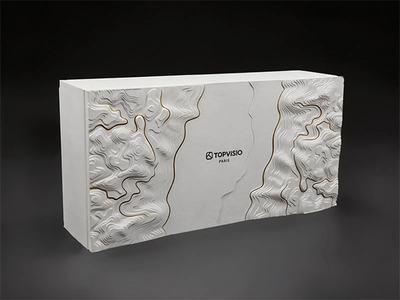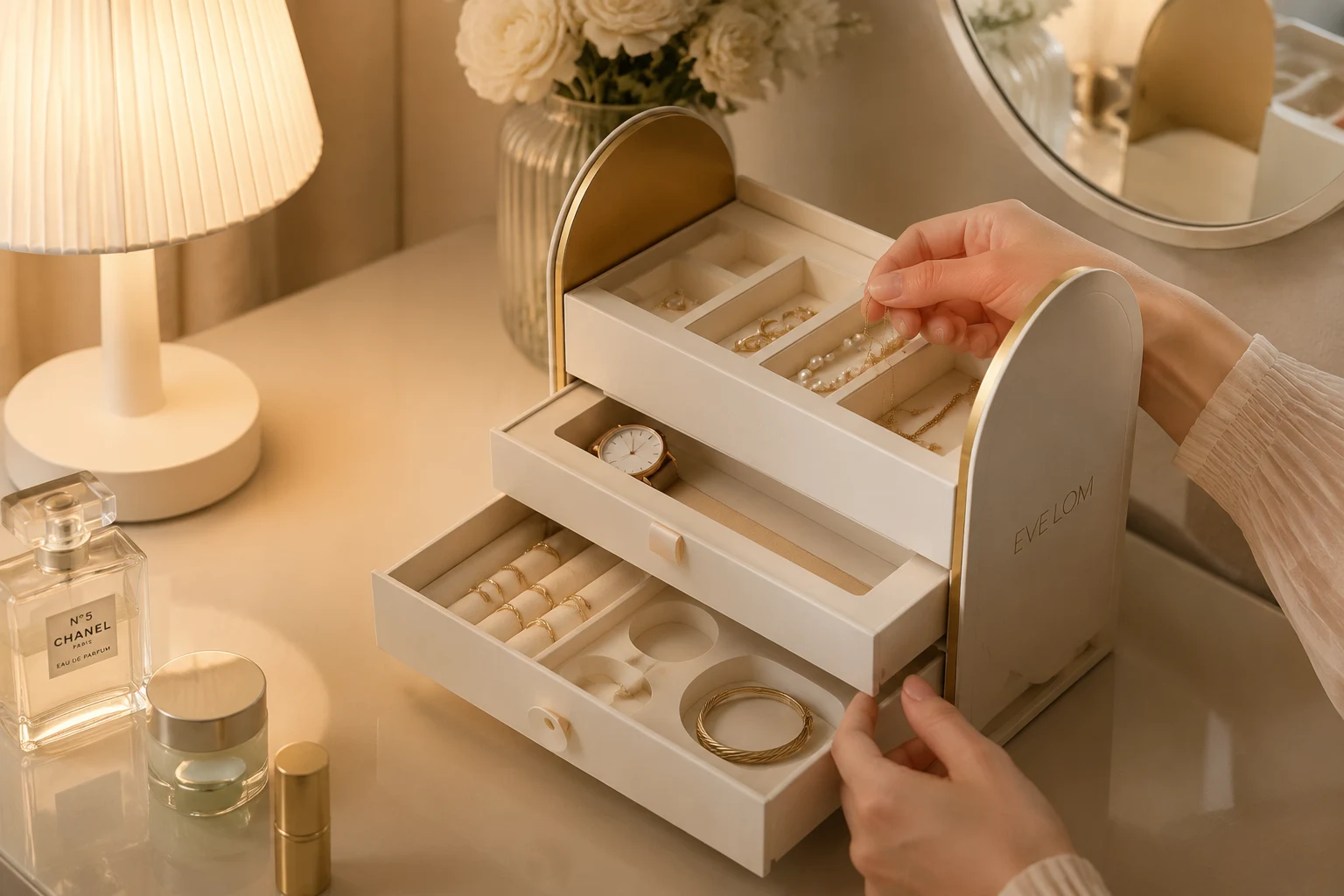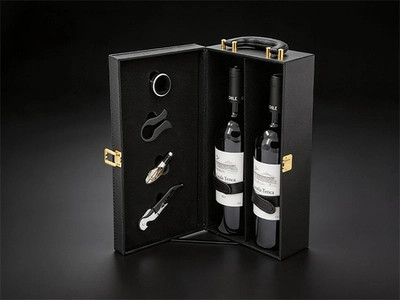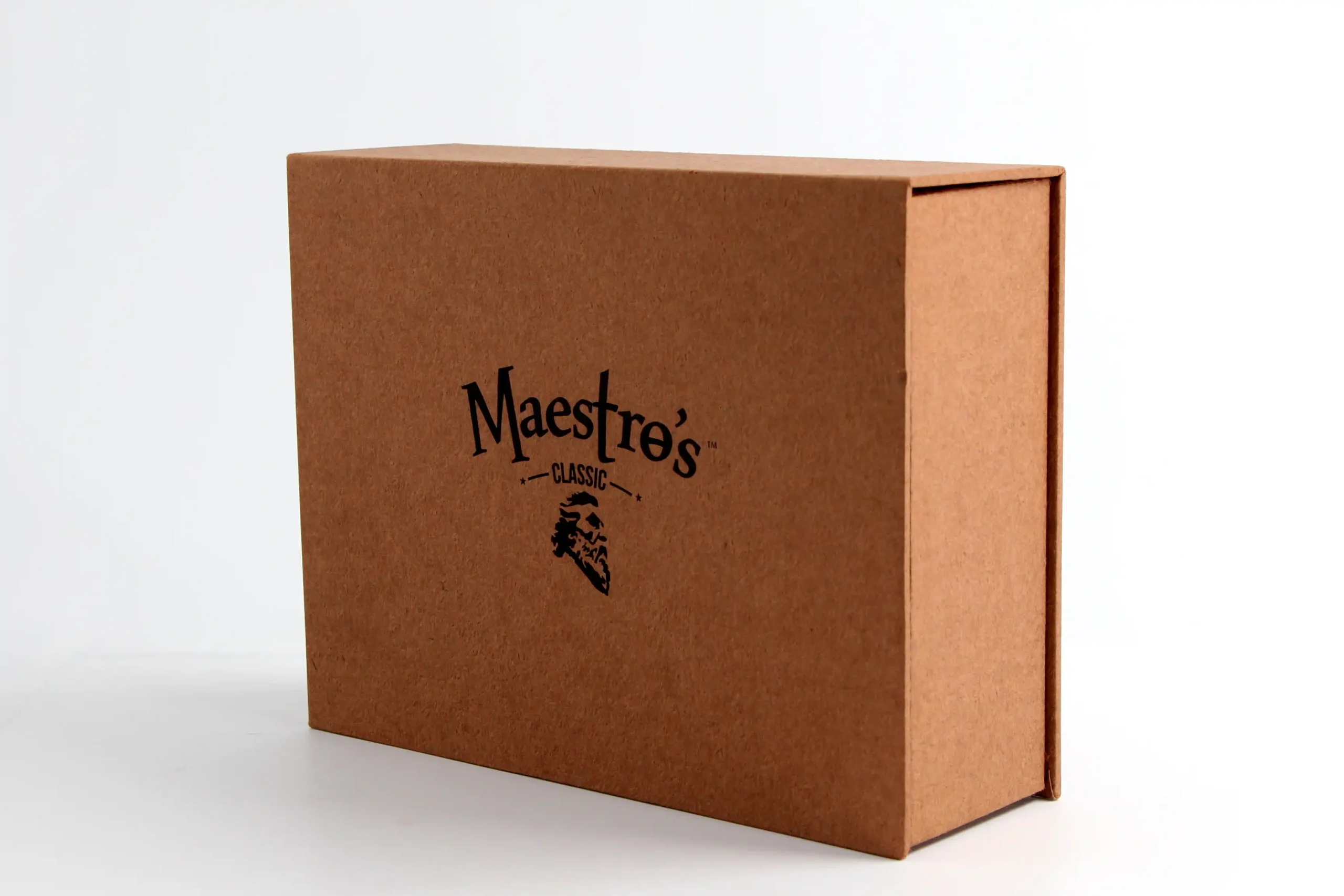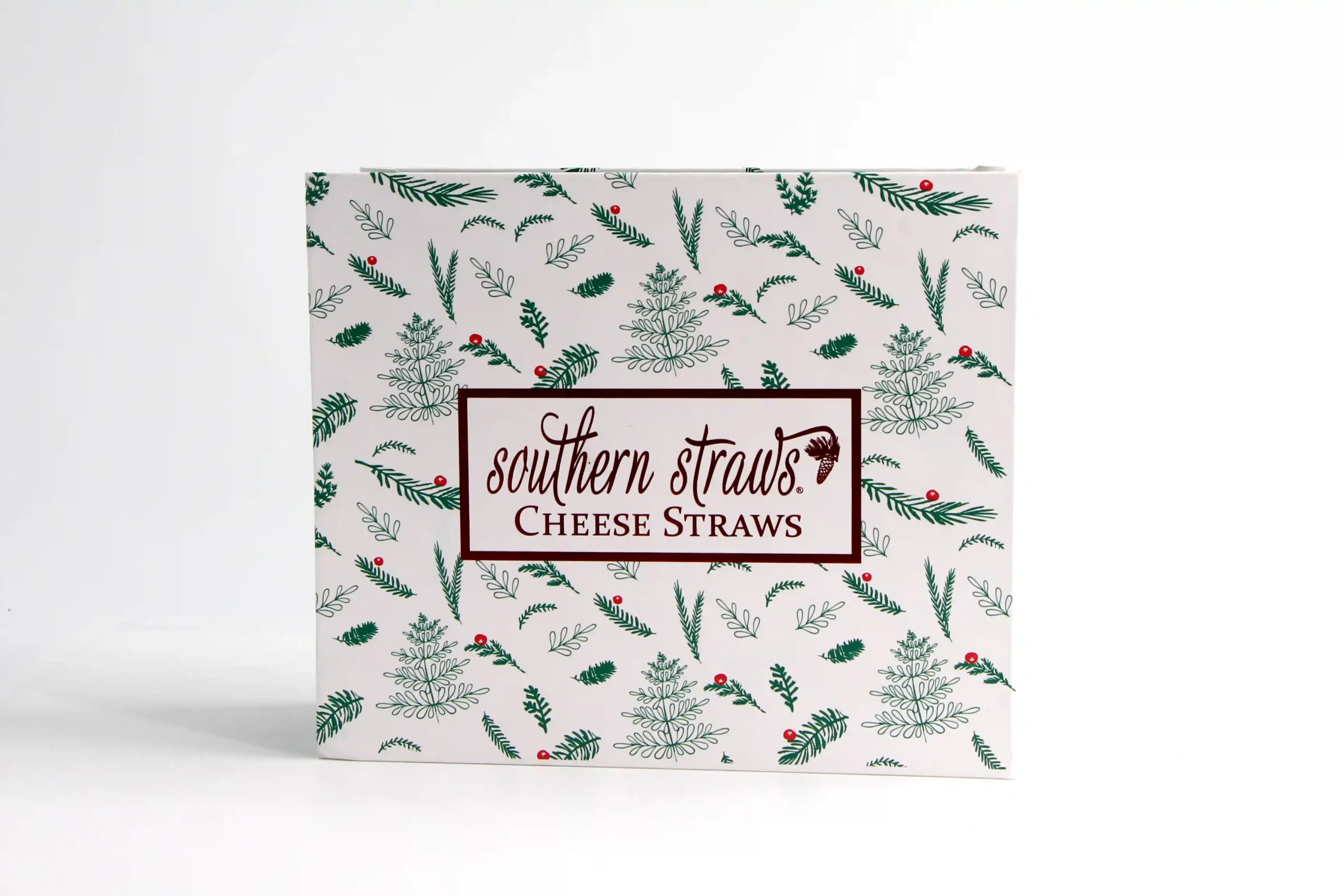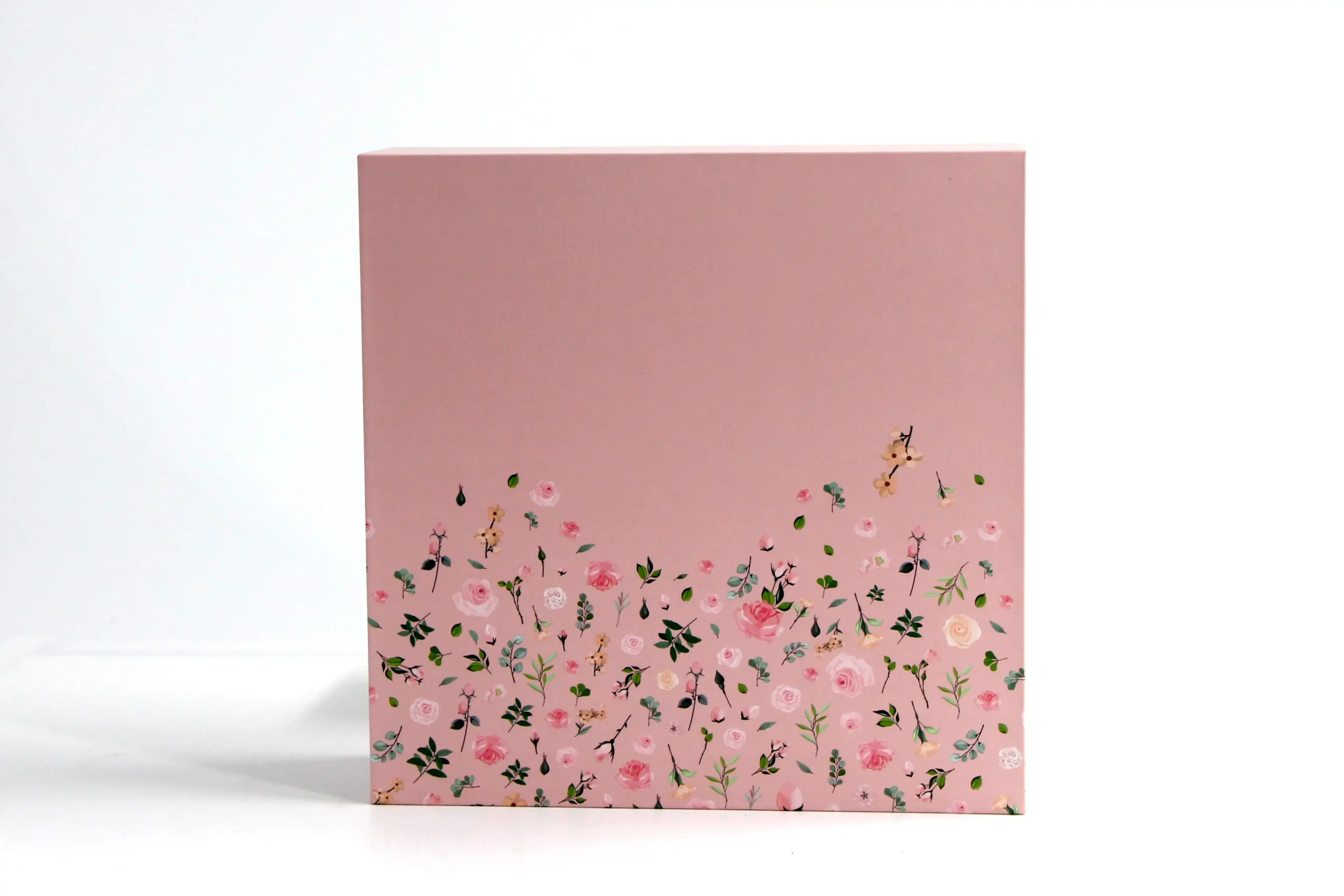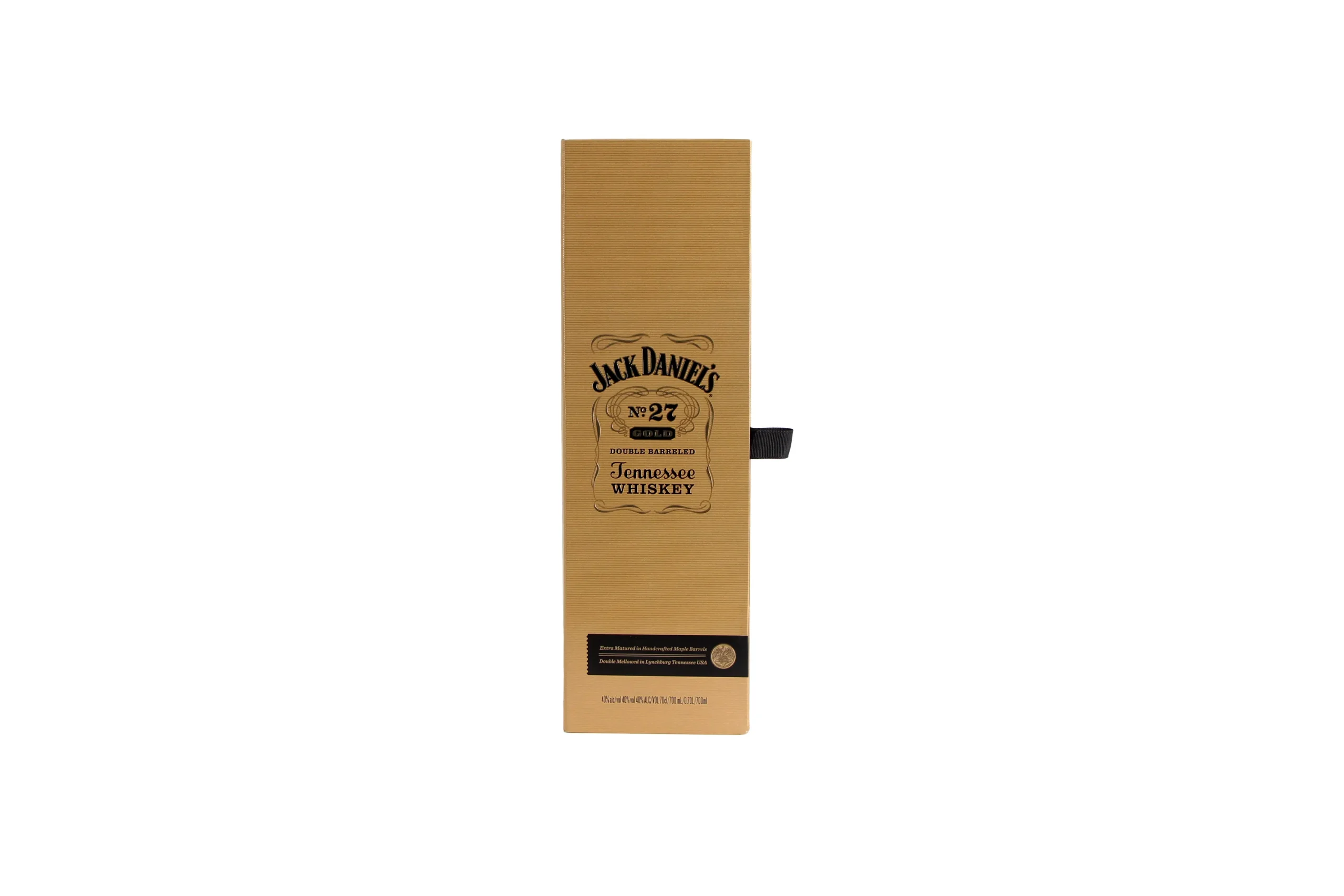
What is bespoke packaging? It’s packaging designed and tooled from scratch for one specific product or brand, rather than adapted from an existing structure or template. The bespoke packaging meaning centers on new tooling: a new die, and often several separately made components, built to fit a requirement that no standard template in a manufacturer’s catalog can meet.
The distinction matters more than it might sound. Bespoke packaging starts from the product’s actual dimensions, materials, and brand requirements. Semi-custom or off-the-shelf packaging starts from a structure that already exists and adjusts print and finish around it.
Topvisio Packaging produces bespoke, multi-component structures in Dongguan, Guangdong, China. The factory runs 14+ automated production lines alongside dedicated hand-assembly stations, with hand-assembled output of approximately 200,000 units per month. FSC certification is available on request, alongside PPWR compliance, ISO 9001, ISO 14001, and SEDEX audit standing.
What Is Bespoke Packaging vs Custom Packaging?
The terms ‘custom’ and ‘bespoke’ get used loosely and often interchangeably, but the custom vs bespoke packaging distinction is worth understanding before quoting a project. Custom packaging typically means an existing structure with customized branding, dimensions within a standard range, or a finish chosen from a catalog of options.
Bespoke packaging means the structure itself is built from scratch. That involves new tooling, a new die, and sometimes multiple separately made components assembled by hand, all to fit a product or brand requirement that doesn’t map onto an existing template.
In practice, bespoke packaging usually costs more and takes longer to develop, since new tooling has to be designed, prototyped, and validated before a single production unit is made. If you’re unsure whether your project needs bespoke tooling at all, our gift box structure guide covers the standard structures that may already do the job.
When Bespoke Packaging Is Worth the Investment
Bespoke packaging tends to pay off in a few specific situations. The first is a product with an unusual shape that doesn’t fit any standard structure. The second is a brand collaboration or IP partnership where the packaging itself is part of the collectible appeal.
It also makes sense for a limited or collector edition, where structural complexity signals exclusivity, and for a corporate gifting program that combines several distinct items (apparel, drinkware, tech accessories) into one coordinated set. Our bespoke packaging, bespoke packaging solutions, and IP collaboration gift box projects show what this looks like across different use cases.
For a straightforward product, such as a single bottle or a simple cosmetics set, bespoke tooling is often unnecessary. Semi-custom structures can achieve most of the same visual impact at a lower cost and shorter lead time.
What Bespoke Packaging Involves in Production
A bespoke project typically starts with structural design and prototyping. This stage works out how each component fits together, how the box opens, and how the product sits inside, before any print or finish decisions are made.
Multi-component bespoke structures, like a sleeve wrapping a magnetic case with fitted internal trays, are usually assembled by hand rather than on a fully automated line. The components are made separately and joined at final assembly, which is why bespoke packaging generally runs through smaller, hand-assembled production rather than the high-volume lines used for simple two-piece boxes.
Cost and Lead Time for Bespoke Packaging
Because bespoke packaging requires new tooling, the first sample usually takes 7 working days once the structure is confirmed. Structures with several components that need to be sampled together as a full set may need an extra sample round.
Bulk production for bespoke structures typically runs 25-45 business days, depending on component count and finishing complexity. Minimum order quantities can start around 1,000 units, though multi-component sets sometimes carry higher minimums given the tooling investment across each piece.
Real-World Examples of Bespoke Packaging
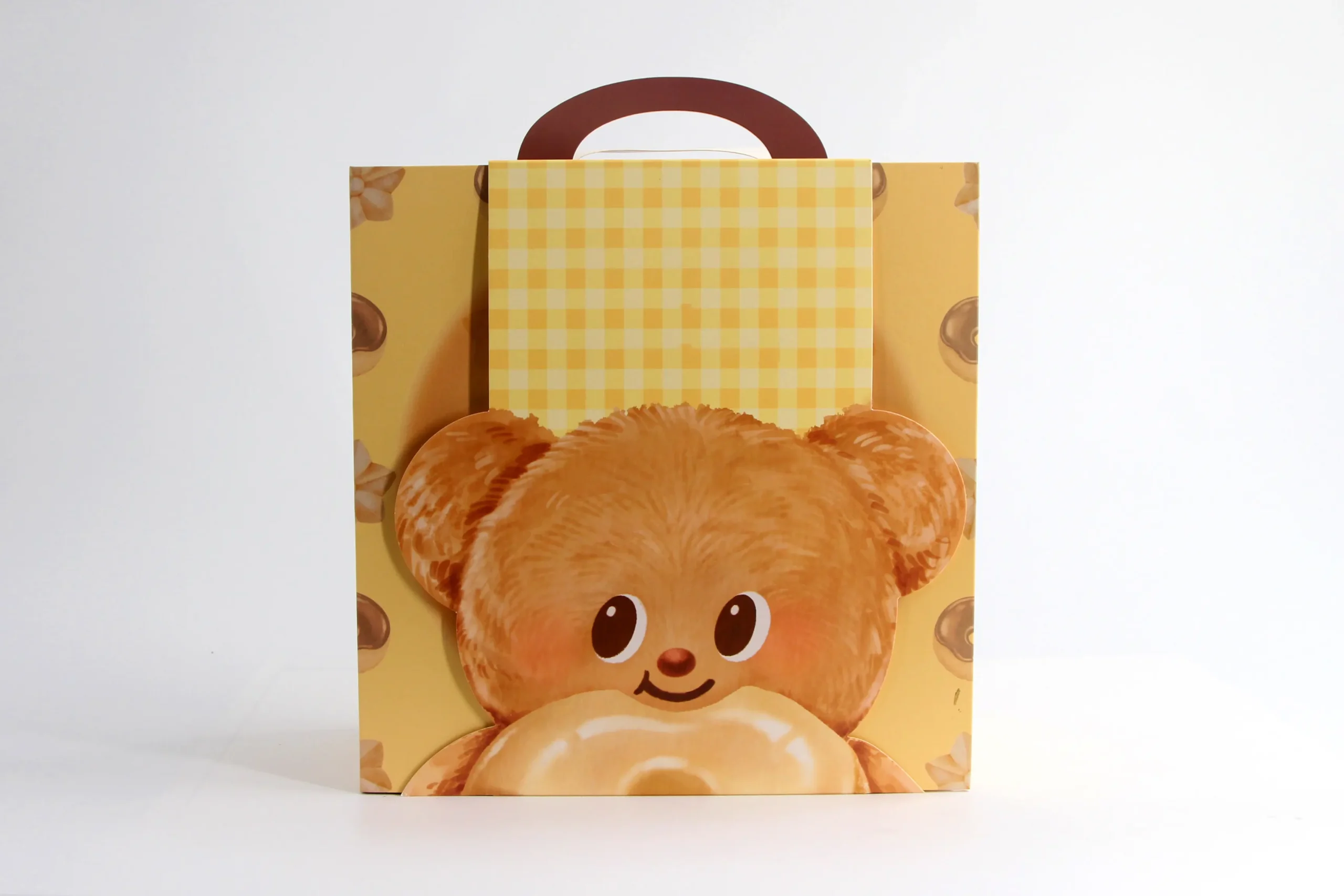
A cosmetics brand launching a licensed character collaboration is a common bespoke packaging scenario. The sleeve, case, and interior trays each need custom tooling to fit the specific product lineup and the collaboration’s visual identity, and none of it maps onto an off-the-shelf structure.
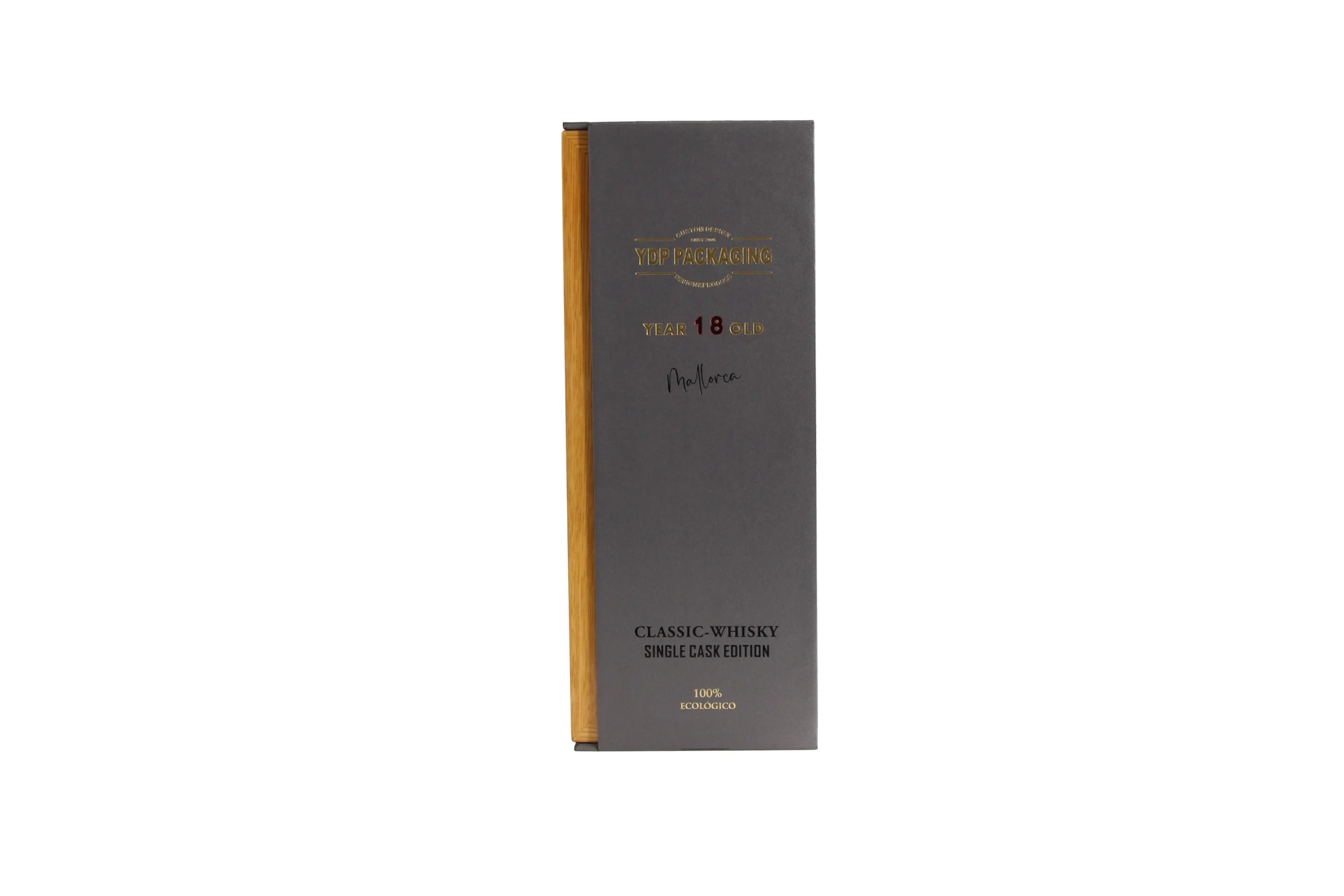
A spirits brand releasing a single-cask or anniversary edition often commissions bespoke packaging for the same reason. The release is meant to feel distinct from the standard product line, and sharing a structure with the everyday SKU would undercut that positioning.
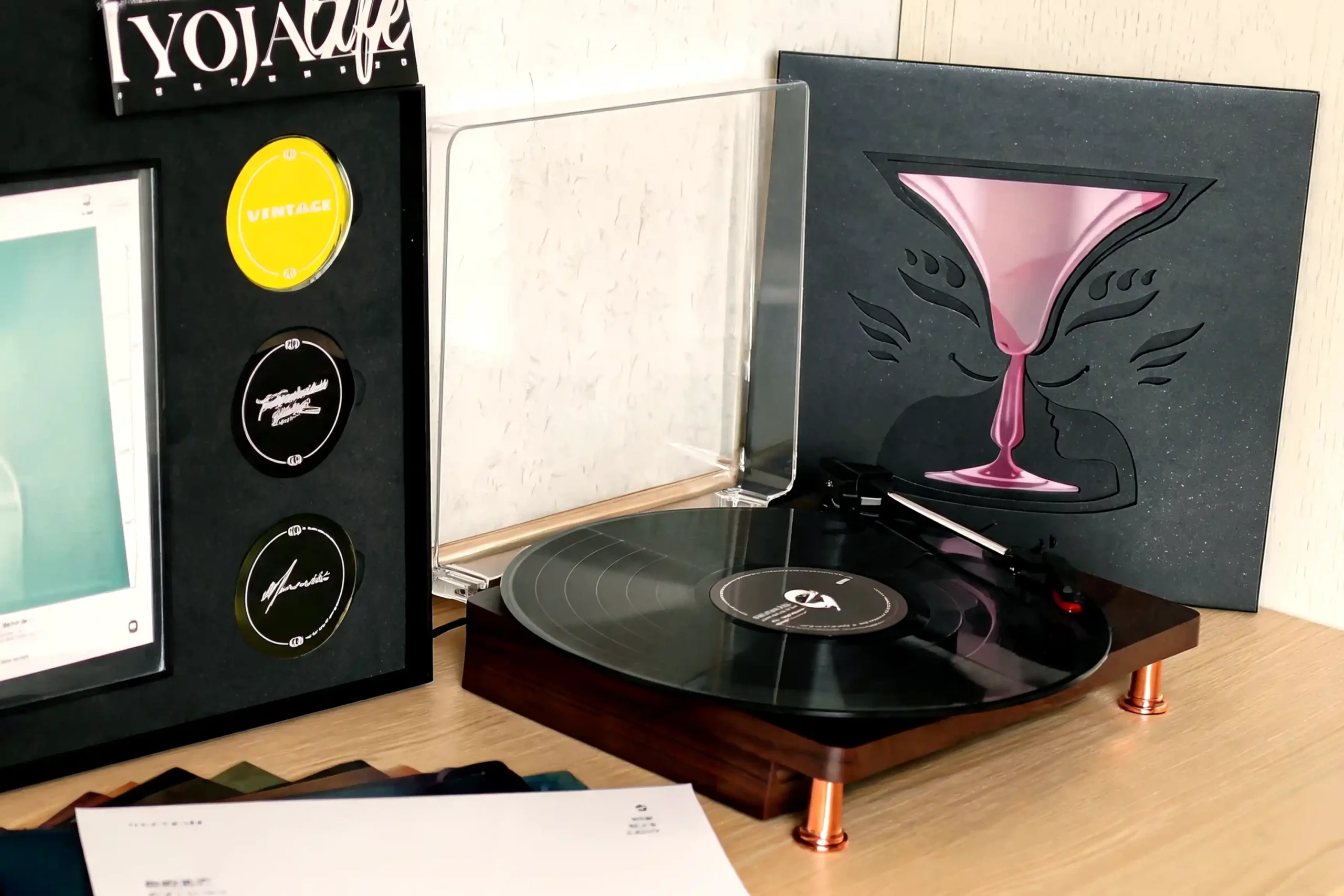
A corporate gifting program combining a branded jacket, a tech accessory, and a small keepsake into one box is another frequent case. The varied item shapes rarely fit an existing structure, and the box itself shapes the recipient’s impression of the sending company.
In each case, the investment is justified by a specific structural or branding need that a standard box can’t satisfy, not by a general desire for something ‘nicer.’
Bespoke Packaging vs Off-the-Shelf Boxes
At the opposite end of the spectrum sits off-the-shelf stock packaging: pre-made boxes in standard sizes with minimal customization beyond a printed label or sticker. It’s fast and cheap, but it offers no brand differentiation and rarely fits a product precisely.
Semi-custom sits in the middle, using an existing base structure with customized print, finish, and sometimes minor dimension adjustments. Bespoke sits at the far end, built entirely around one product and brand from the ground up.
Most brands don’t need one approach for their whole range. It’s common to use off-the-shelf or semi-custom packaging for lower-tier SKUs while reserving bespoke tooling for a flagship product, a limited collaboration, or a signature gift set.
Working With a Bespoke Box Manufacturer
Not every packaging supplier is set up to handle bespoke projects well. Multi-component structures assembled by hand need different production capability than high-volume automated two-piece boxes, and a manufacturer without dedicated hand-assembly stations may struggle with consistency across a run.
Asking a prospective bespoke box manufacturer to show comparable multi-component work, rather than standard catalog structures, is a reasonable way to confirm they’ve produced something similar before.
It’s also worth asking whether the factory quoting the project produces bespoke structures in-house or subcontracts the hand assembly. Bespoke projects involve more back-and-forth during development than a standard order, so having a single point of accountability matters more here.
Sustainability and Sourcing for Bespoke Packaging
Bespoke packaging often uses a wider range of materials than a standard structure, including fabric wraps, mixed board weights, and specialty foils. That can make sustainability sourcing harder to document than for a single-material custom box.
It’s worth confirming early which components can carry FSC certification and which materials (fabric, foam, plastic windows) fall outside its scope. Our guide on what FSC-certified packaging actually covers explains this component-level distinction in more detail.
Bespoke Packaging Across Product Categories
Bespoke tooling shows up differently depending on the category. In cosmetics and fragrance, it often centers on a themed sleeve or case for a seasonal or collaboration launch, paired with fitted interior trays for multiple products.
In spirits and wine, bespoke packaging frequently takes the form of a slide-out sleeve-and-drawer format for single-cask or anniversary releases, where the opening motion itself is part of the presentation. In corporate gifting, bespoke structures usually solve a practical problem, fitting several unrelated item shapes into one box, more than an aesthetic one.
Knowing which category a project falls into helps set realistic expectations for cost and lead time, since a themed cosmetics sleeve and a corporate multi-item set involve very different tooling complexity.
Choosing Between a Bespoke Box Manufacturer and a Design Agency
Some brands start with an independent design agency before approaching a manufacturer. This works well for early concept development, but the design eventually has to meet a manufacturer’s real production constraints, such as material availability, tooling limits, and minimum finishing quantities.
Other brands work directly with a bespoke box manufacturer’s in-house design team from the start. This keeps concept and production aligned from the earliest sketches, though it may offer less independent creative direction than an outside agency.
Neither approach is universally better. It depends on how much creative control a brand wants versus how quickly it wants to reach a production-ready structure. Whichever route is chosen, the answer to what is bespoke packaging in practice stays the same: new tooling built around one specific requirement.
Certifications Worth Confirming
A manufacturer producing bespoke packaging for EU-bound shipments or major retail buyers should be able to document FSC chain-of-custody certification on request. FSC International explains how chain-of-custody documentation works.
Alongside FSC, look for PPWR compliance, ISO 9001, ISO 14001, and SEDEX audit standing. Bespoke projects often involve a longer supplier relationship than a one-off order, so it’s worth confirming certifications upfront rather than after tooling has been committed.
Common Mistakes When Commissioning Bespoke Packaging
The most common mistake is commissioning bespoke tooling for a product that a semi-custom structure would have served just as well. The extra cost and lead time only pay off when an existing template can’t accommodate the product, not simply because bespoke sounds more premium.
The second mistake is underestimating sample rounds for multi-component structures. A brand expecting one quick sample is often surprised when a three-piece bespoke set needs two or three rounds to get fit and finish right across every component.
A third mistake is treating bespoke tooling as a one-time cost. Product dimensions change and brand aesthetics evolve, so deciding early whether a structure needs to flex across future releases affects how much to invest in the initial tooling. Being clear on what is bespoke packaging, and what isn’t, before the brief goes out avoids most of these mistakes.
Packaging and Shipping Bespoke Structures
Because bespoke packaging often ships as several separate components (a sleeve, a case, one or more trays), export cartons need to protect each piece from the others in transit, not just from outside impact. Carton counts and packing configurations are usually confirmed once the final component set and artwork are locked in.
Brands running the same structure across multiple regions should confirm whether the manufacturer can coordinate packing lists and compliance documents across shipment batches. For a launch with a fixed date in several markets, one delayed shipment can undercut the whole launch even when production finished on schedule.
Planning a Bespoke Project Timeline
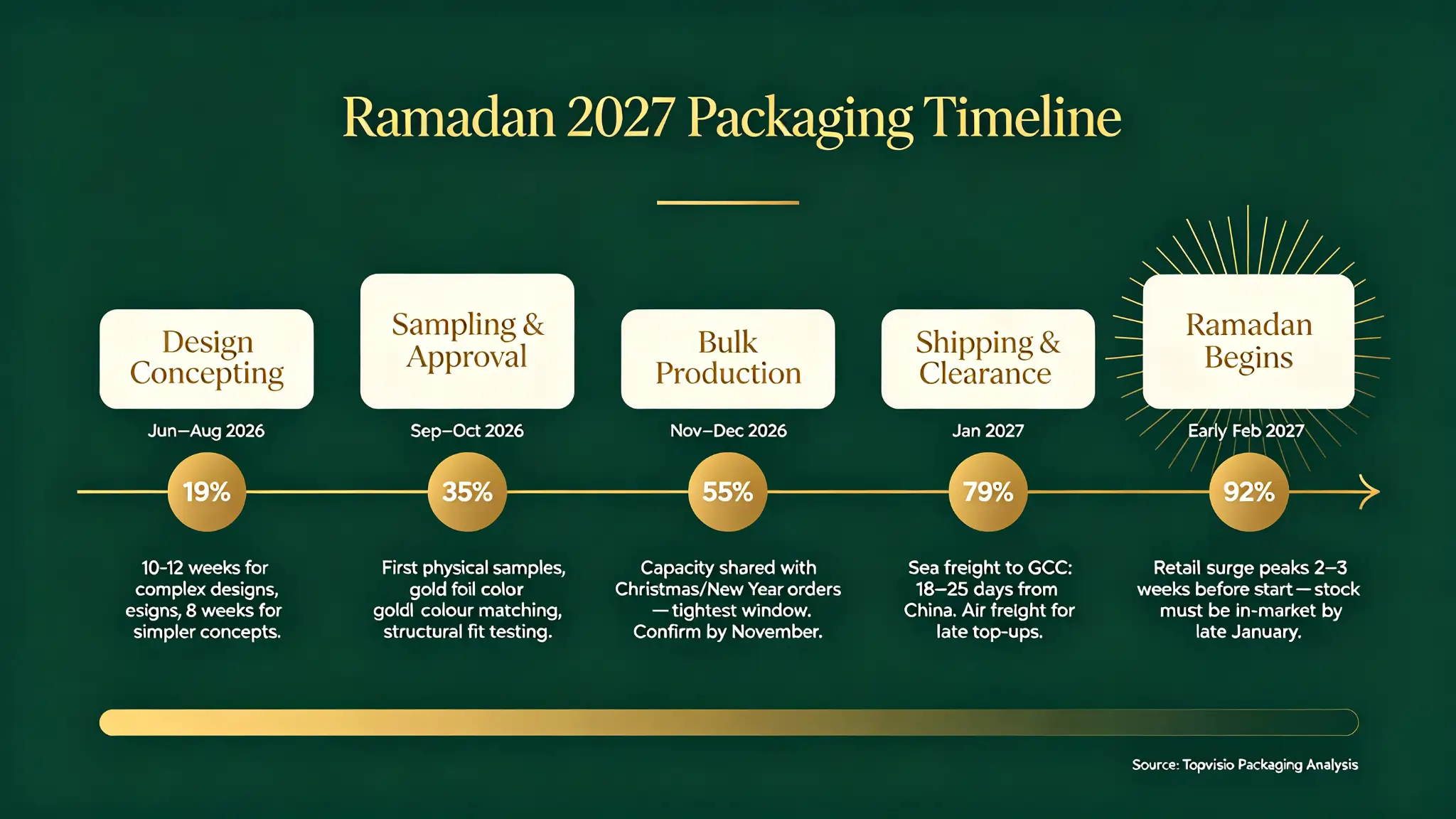
Bespoke packaging involves new tooling, structural prototyping, and often several sample rounds, so brands should build in more calendar time than for a standard custom order. This matters most when the structure is tied to a fixed launch date, a seasonal collaboration, or a retail listing deadline.
Working backward from the launch date, rather than starting design and hoping the timeline works out, tends to produce fewer last-minute compromises on finish quality or component count.
For a relationship expected to run beyond a single launch, it’s also worth agreeing how future revisions will be handled, such as a size adjustment, a new color variant, or a follow-up collaboration reusing part of the structure. Some tooling carries over cleanly into future iterations, while some doesn’t.
You can read more on our About Us page, browse our full product range, or check our FSC-certified packaging options for available material grades.
Frequently Asked Questions
What is bespoke packaging, and how is it different from custom packaging?
Bespoke packaging is built from new tooling designed specifically for one product or brand requirement. Custom packaging typically adjusts branding, dimensions, or finish on an existing structure rather than building a new one from scratch.
When is bespoke packaging worth the extra cost?
It tends to pay off for unusually shaped products, brand collaborations where the packaging is part of the collectible appeal, limited editions, and multi-item corporate gifting sets that don’t fit an existing structure.
How long does bespoke packaging take to produce?
At Topvisio Packaging, a first sample takes 7 working days once the structure is confirmed, though multi-component sets may need an extra sample round. Bulk production typically runs 25-45 business days depending on component count and finishing complexity.
What is the minimum order quantity for bespoke packaging?
MOQs can start around 1,000 units, though multi-component bespoke sets sometimes carry higher minimums given the tooling investment involved.
Is FSC certification available for bespoke packaging?
Yes. Topvisio Packaging offers FSC-certified paper and greyboard on request, and is PPWR compliant with ISO 9001, ISO 14001, and SEDEX audit standing.
What production capacity is available for bespoke packaging?
Topvisio Packaging’s factory in Dongguan, Guangdong, China runs 14+ automated production lines plus dedicated hand-assembly stations. Hand-assembled bespoke structures run at approximately 200,000 units per month.
How do I know if a manufacturer can actually handle a bespoke packaging project?
Ask to see comparable multi-component work they’ve produced before, and confirm whether hand assembly is done in-house or subcontracted to a separate facility.
Does bespoke packaging always involve multiple components?
Not always, but it often does in the categories where bespoke tooling makes the most sense. IP collaborations, corporate gift sets, and limited editions frequently combine a sleeve, case, and interior trays into one coordinated structure.