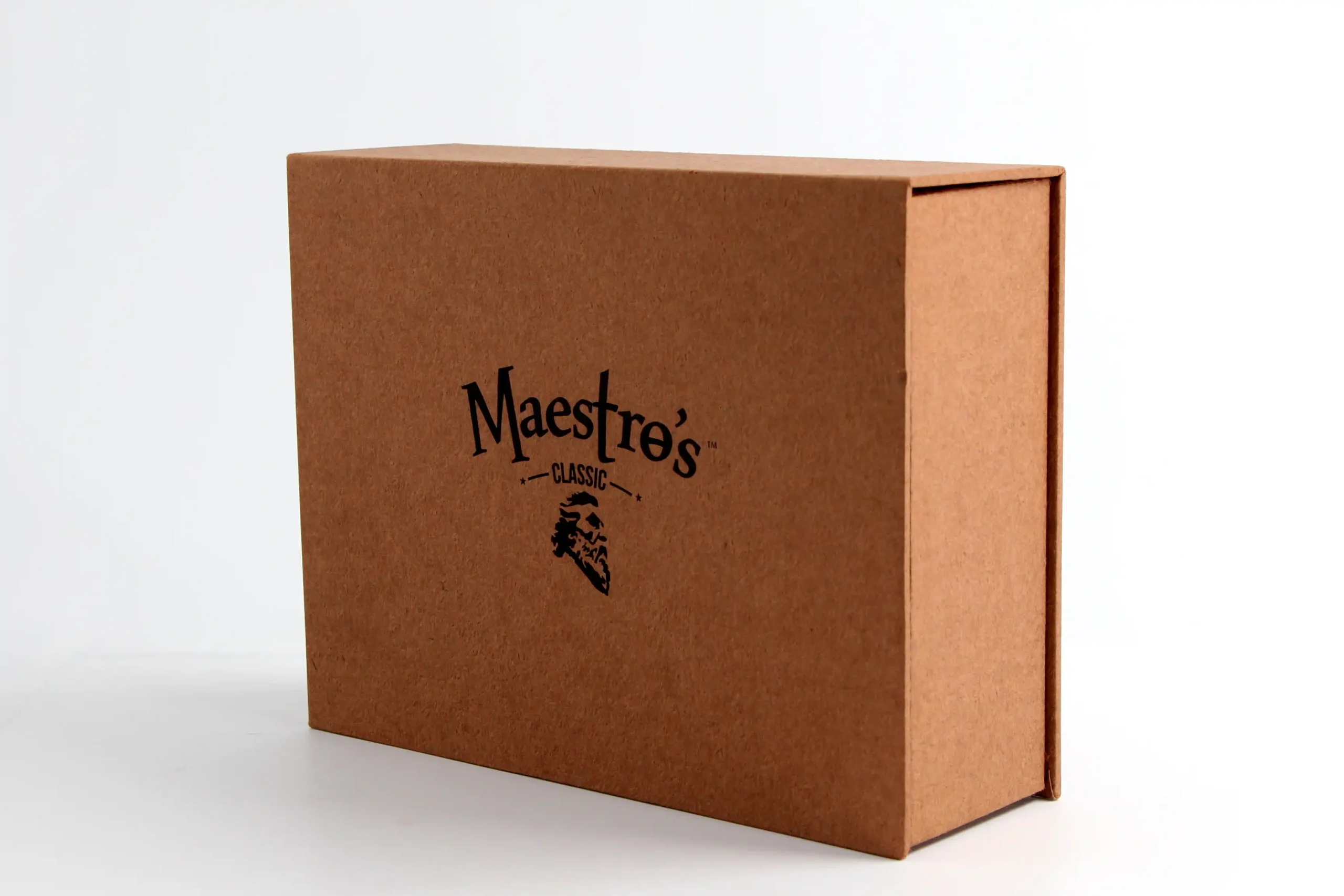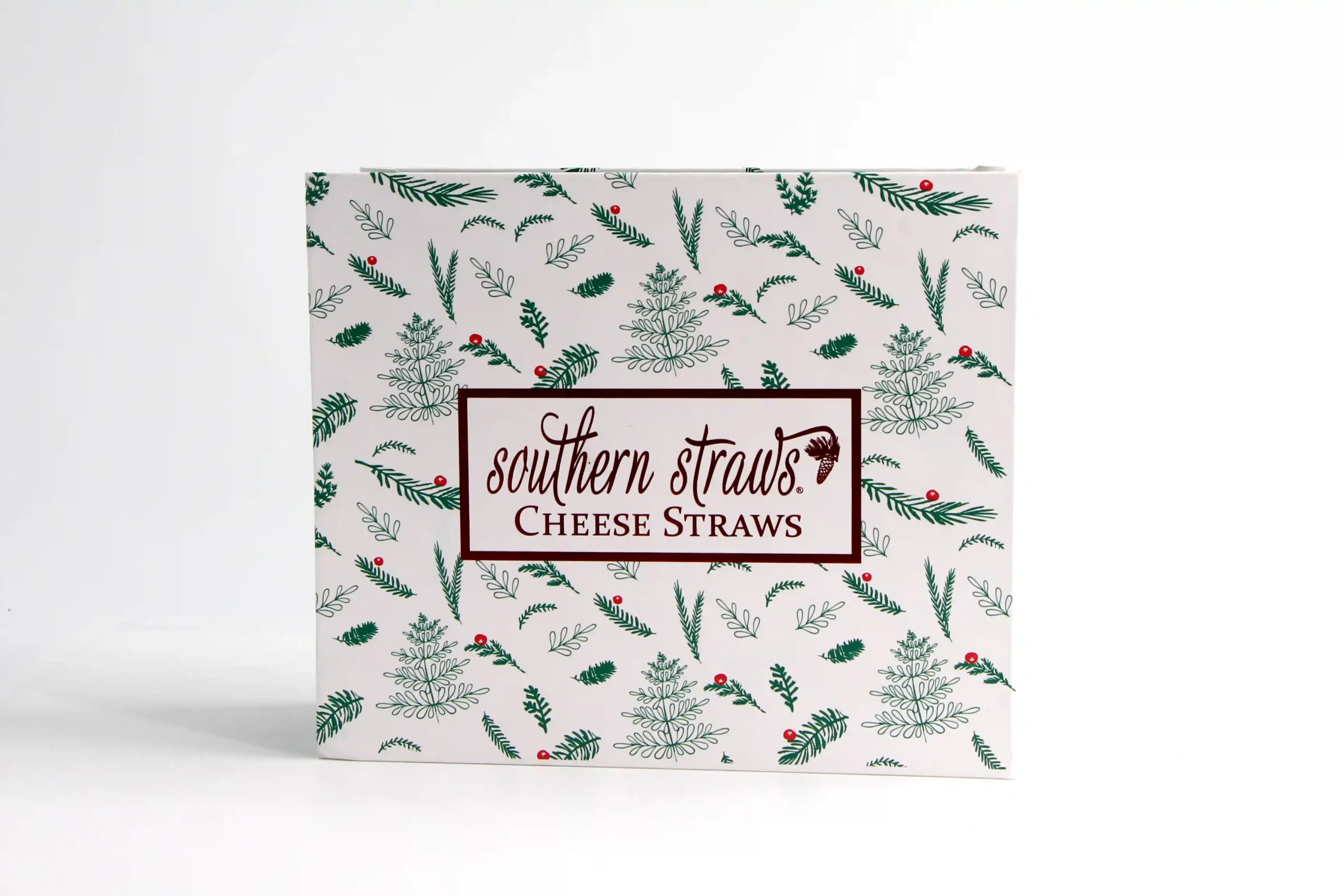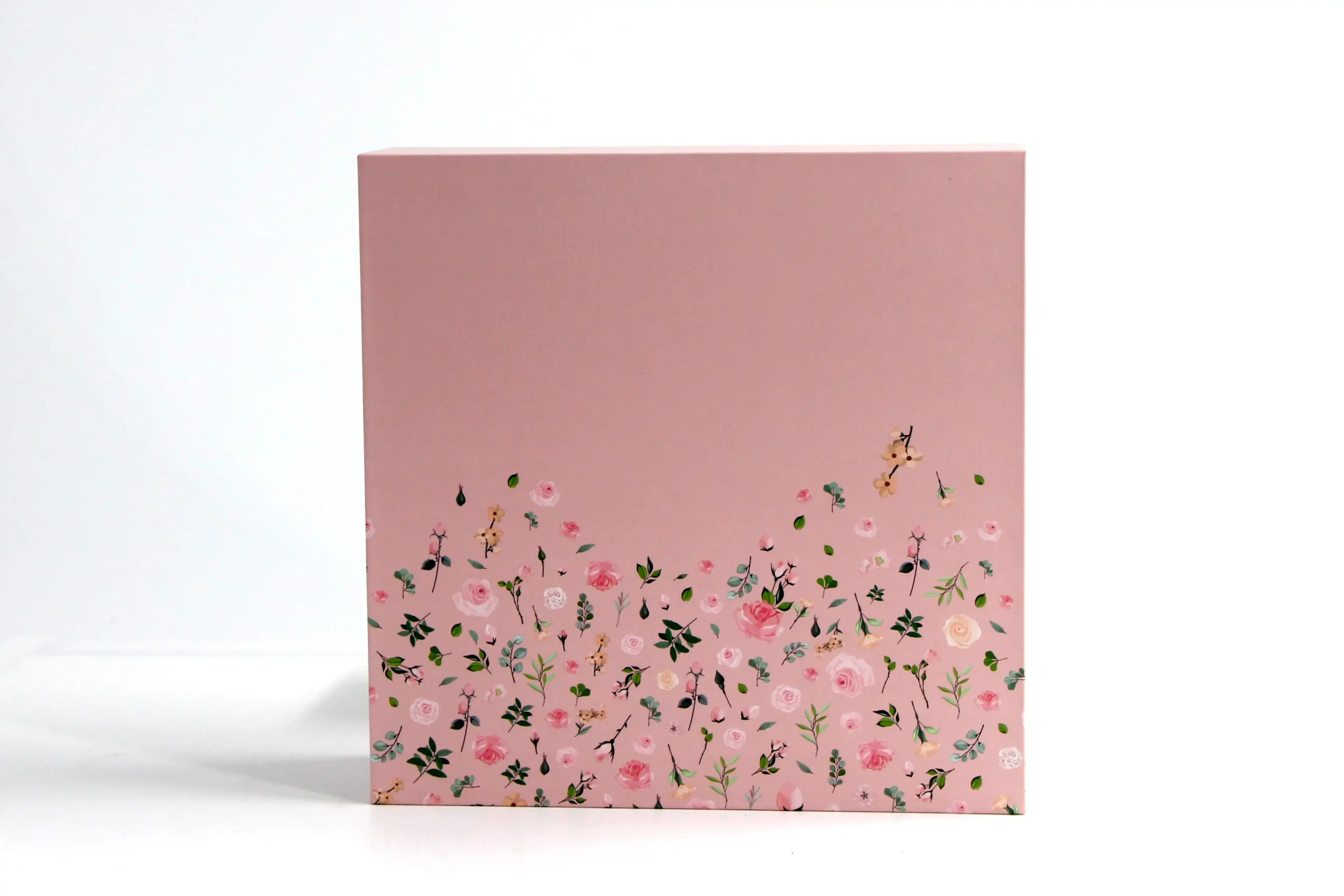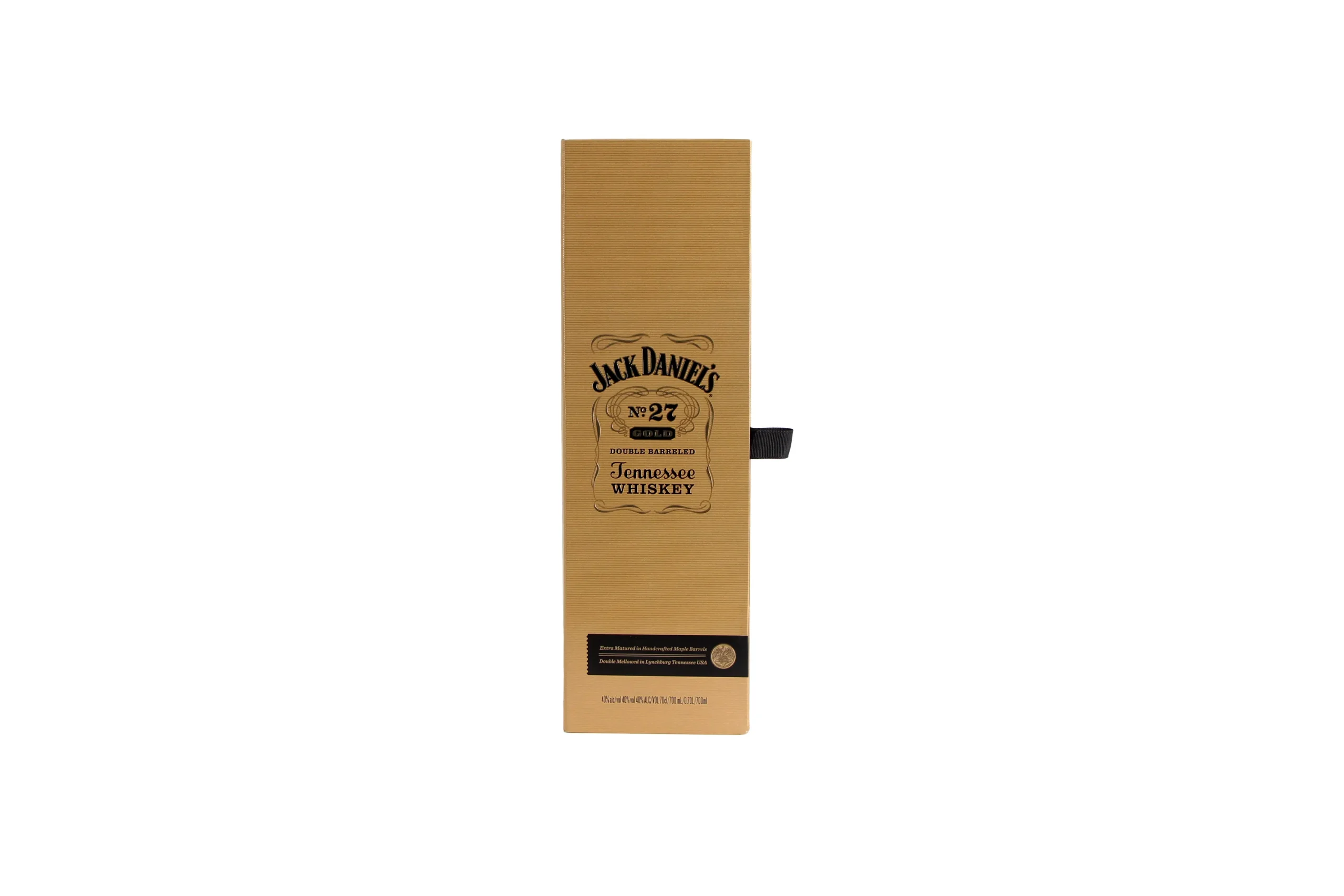
Two boxes can hold the same product, cost roughly the same to produce, and still feel completely different the moment someone opens them. That difference almost never comes from the shape everyone talks about first — round versus square, tall versus flat. It comes from the opening mechanism underneath it: how the lid separates from the base, whether a hinge or a magnet is doing the work, whether the structure is built to survive one opening or a thousand.
This guide maps gift box structure across 88 real production runs, from the simplest lid-and-base format to multi-tier kinetic builds with integrated LED. It’s the entry point to a five-part series: this pillar guide plus four cluster guides, each covering one structure family in depth.
Why Opening Mechanism Matters More Than Shape
Ask a factory for a quote on \”a rectangular box\” and you’ll get five different structures back, because rectangular says nothing about how it opens. A hinged magnetic closure, a sliding drawer, and a plain lid-and-base can all be rectangular and still differ enormously in cost, assembly labor, and how the box survives repeated use. Gift box structure — the mechanism, not the silhouette — is what actually drives a quote.
The Baseline: Set-Up Box (Lid-and-Base, No Hinge, No Magnet)
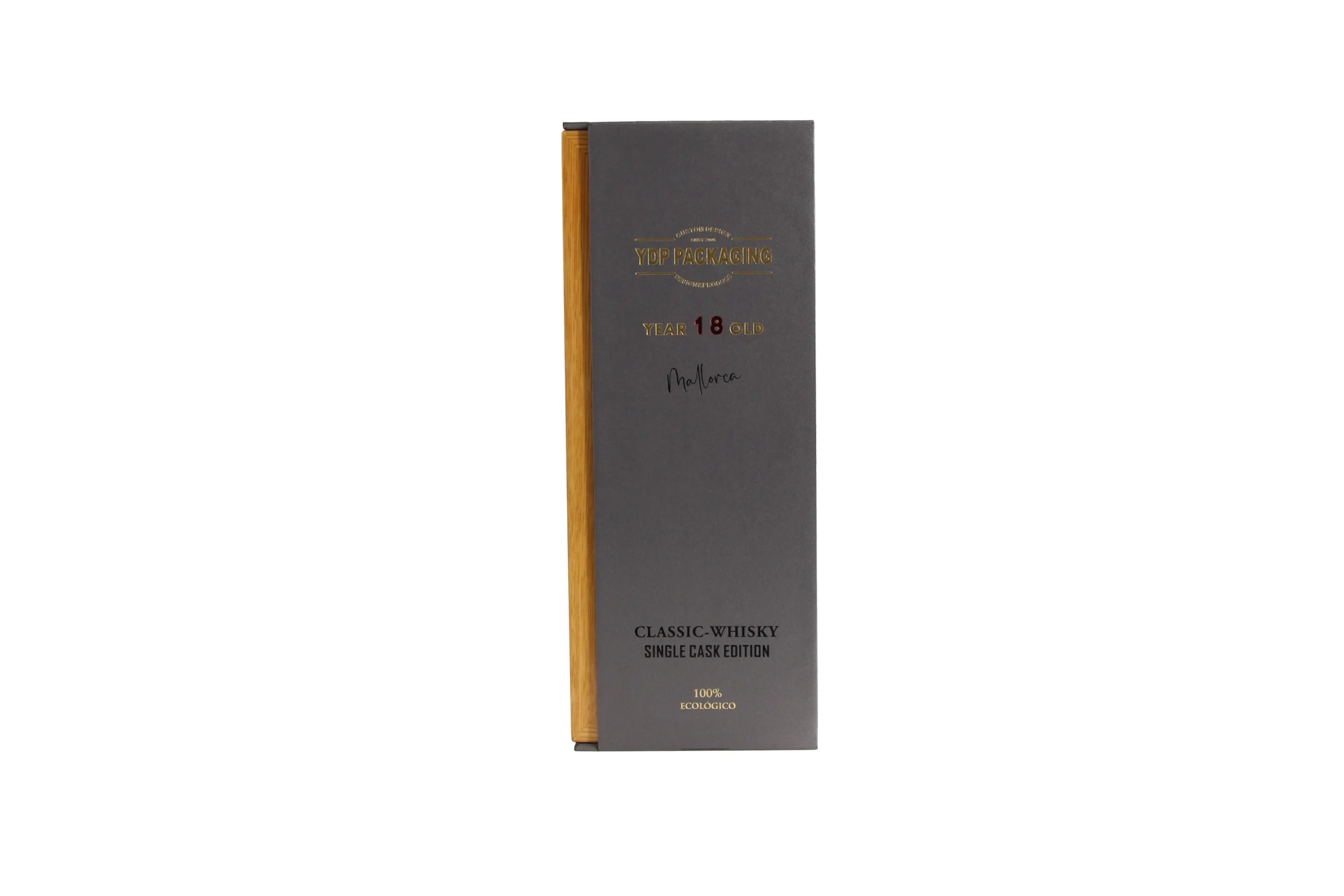
Across the 88 products behind this guide, the single largest category by far is the plain set-up box: a separate lid that fits over a base, no hinge, no magnet, nothing holding it together but a snug friction fit. It accounts for 45 of the 88 structures reviewed — more than every other category combined.
This isn’t a coincidence. It’s the baseline every other gift box structure gets compared against, because it’s the cheapest to produce, the fastest to assemble, and reliable for products that are opened once or occasionally rather than every day. When a supplier quotes a \”premium\” version of this box, what’s usually changing is material and finish, not the underlying structure. Understanding this baseline first makes every other structure in this guide easier to evaluate, because each one is really answering the question: what does this box do that a plain lid-and-base can’t?
Decision Framework: Weight, Open-Frequency, Budget, Experience Priority
Before choosing a gift box structure, four questions narrow the field considerably.
Weight. Heavier products need structures that distribute load across a wider base or reinforced panel, not just a heavier board. A bottle and a scarf need different structural thinking even in the same box family.
Open-frequency. A box opened once, at the moment of gifting, has very different durability requirements than one opened daily, like a cosmetics container reused for months. Hinges and magnets earn their cost on repeated-use products; they’re often wasted spend on single-use presentation.
Budget. Every mechanism added — a hinge, a magnet, a sliding rail — adds assembly labor and material cost on top of the base structure. Knowing your target unit cost before choosing a structure prevents falling in love with a mechanism you can’t afford at volume.
Experience priority. Some products need protection above all else; others need a moment, a reveal, a bit of theater. A gift box structure chosen purely for cost efficiency can undersell a product that would benefit from a more deliberate opening experience, and the reverse is just as common.
The Four Structure Families
Every gift box structure beyond the baseline set-up box falls into one of four families. This guide gives a quick map of each; the linked cluster guides go deep into real production examples.
Hinged and Magnetic Closures
Book-style magnetic boxes, double-door cabinet structures, and connected dual-unit boxes. The second-largest category in our data at 16 examples, dominated by magnetic book-style closures used heavily in beauty and fragrance packaging. Full breakdown: Magnetic Gift Boxes: Book-Style, Double-Door & Connected Units.
Sliding and Nested Structures
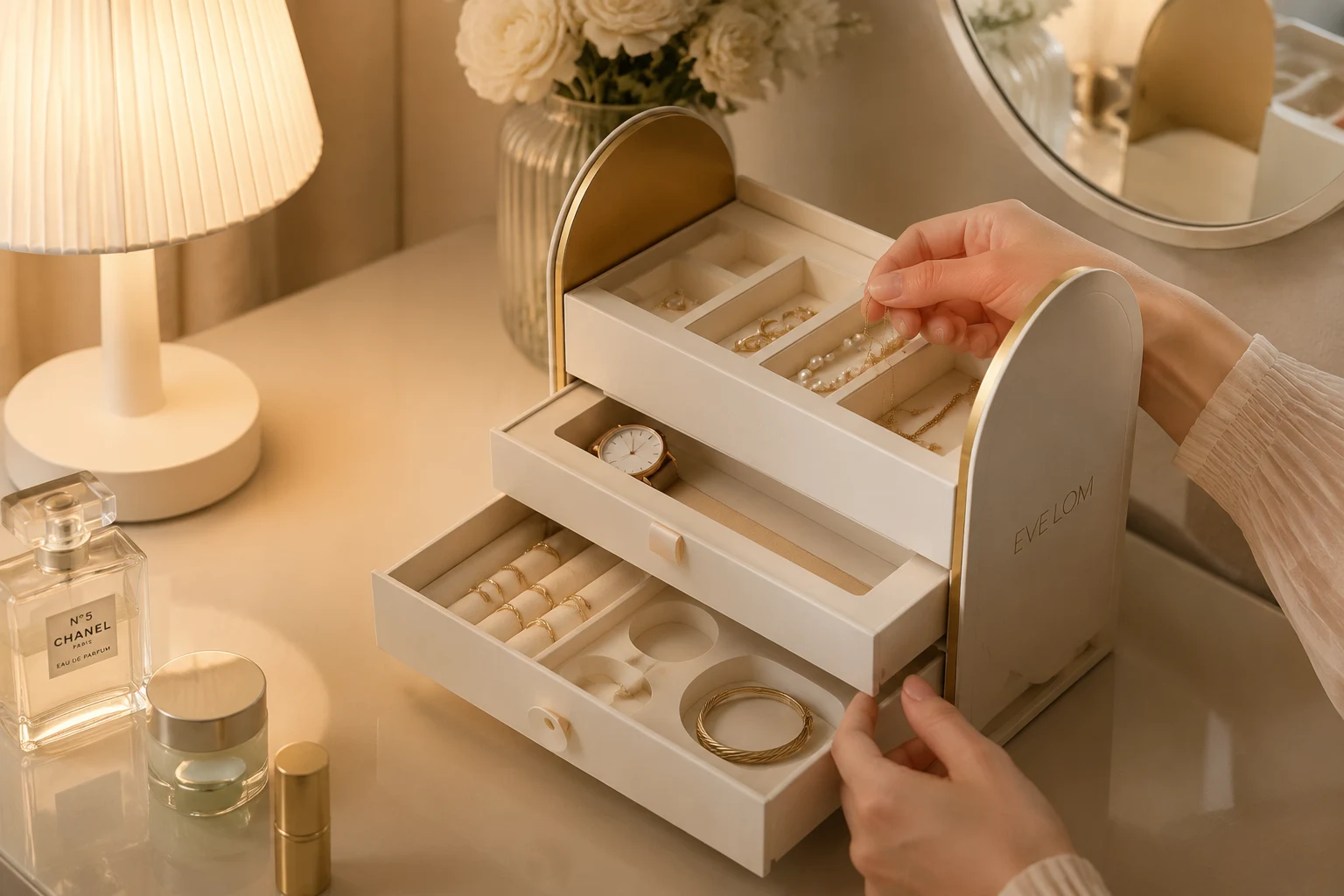
Drawer and sleeve boxes, foldable rigid structures, and the two-piece telescoping variant of the baseline itself. Precision tolerance is the recurring theme here, since sliding parts that bind or rattle undermine the whole structure. Full breakdown: Drawer Gift Boxes: Sliding, Sleeve & Foldable Structures.
Cylindrical and Shaped Structures
Tube boxes and polygon-shaped builds where the cost premium comes from non-rectangular tooling and lower yield on angled folds. A smaller category in the data, but one where structural choices visibly affect production cost. Full breakdown: Custom Shaped Packaging: Cylindrical & Polygon Gift Box Guide.
Premium Mechanism Structures
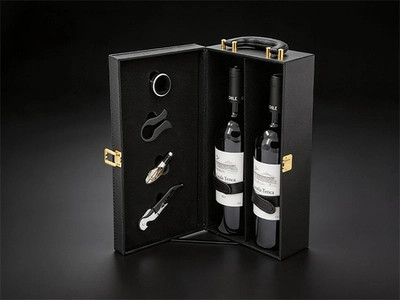
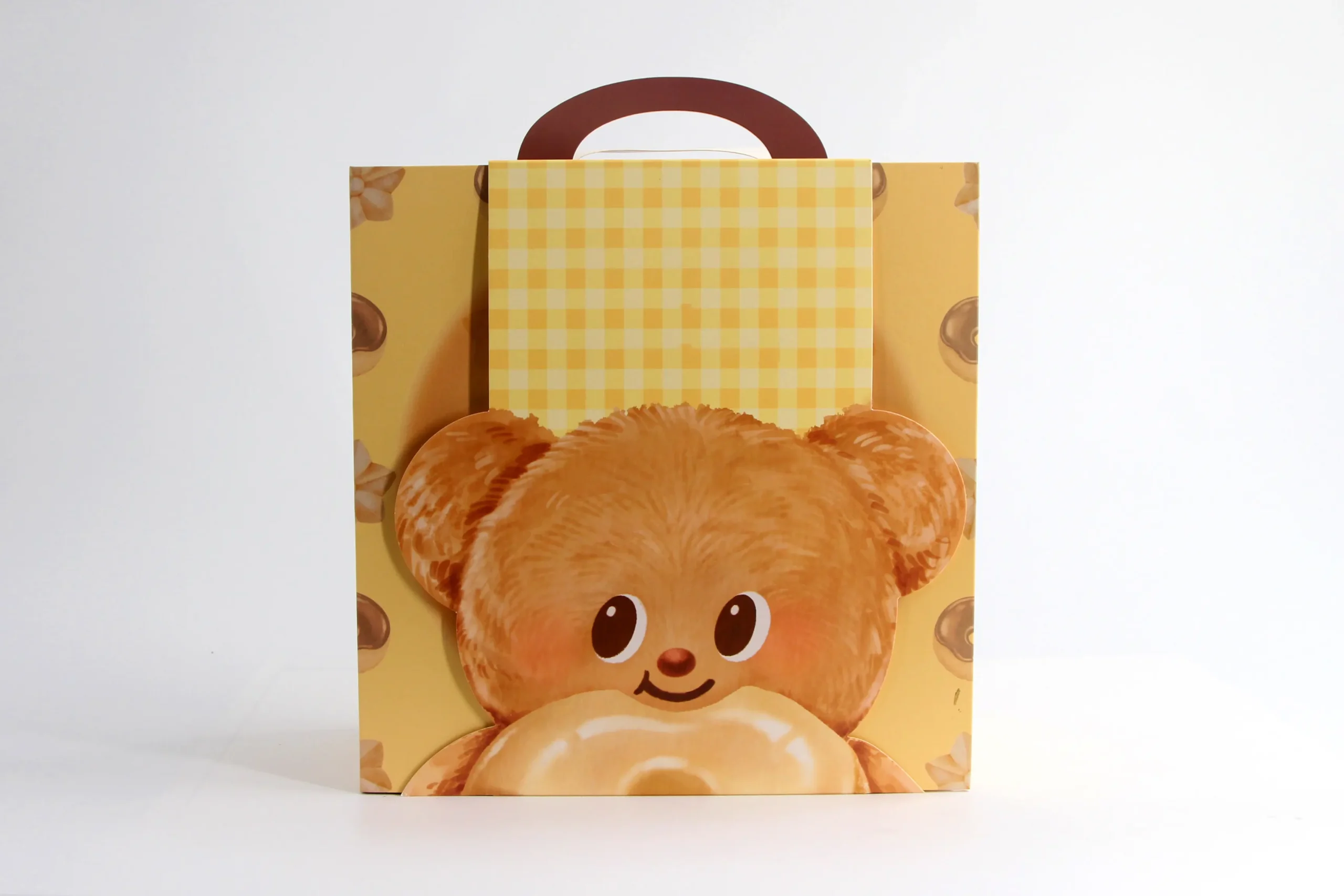
Carry-cases with handles, trunk-style boxes with hardware, and kinetic multi-tier builds, often paired with integrated LED. These structures prioritize experience over efficiency and show up most in spirits, cosmetics launches, and limited-edition gifting. Full breakdown: Premium Packaging Structures: Handles, Trunks & Multi-Tier Builds.
Quick Reference: Gift Box Structure by Real Product
Set-up box 45 General gifting, single or (baseline) occasional opening
Hinged & magnetic 16 Beauty, fragrance, repeated-use packaging
Sliding & nested 5+ Jewelry, fragrance, precision-fit products
Premium mechanism 9 Spirits, cosmetics launches, limited editions
Cylindrical & 4 Differentiated shelf presence, shaped gifting sets ——————- ————— ———————————
This table reflects real production distribution, not a recommendation to default toward the most common category. The right gift box structure still depends on the weight, frequency, budget, and experience questions above.
What to Know Before You Request a Quote
A few production basics apply across every structure family in this series.
Minimum Order Quantity
1,000 units per SKU is standard across our product range.
Sample Lead Time
7 days from confirmed spec to sample in hand.
Production Lead Time
30 to 45 days, depending on structural complexity and finish.
Sourcing Note
Structural classification systems exist across the packaging industry to standardize communication between buyers and factories. Corrugated shipping cartons follow the FEFCO code system, and compressive strength for shipping-grade structures can be verified using a method like ASTM D642. Rigid gift box structure doesn’t follow a single universal code the way corrugated does, which is part of why a shared decision framework matters more here than in shipping packaging.
FAQ
What’s the most common gift box structure?
The plain set-up box — a separate lid fitting over a base with no hinge or magnet — is the most common structure by a wide margin, accounting for roughly half of all structures reviewed in our production data.
When is a hinged or magnetic closure worth the extra cost?
When a product is opened repeatedly rather than once, the added durability and controlled opening experience of a hinge or magnet typically justifies the cost. For single-use gifting, a plain lid-and-base is often the more efficient choice.
Does a more complex gift box structure always cost more?
Generally yes, since more mechanisms mean more assembly labor and tighter tolerances, but the cost difference varies significantly by family. Sliding structures add moderate cost through precision tolerancing; premium mechanism structures with hardware and LED add the most.
How do I know which structure family fits my product?
Start with the four-question framework: weight, open-frequency, budget, and experience priority. Most products point clearly toward one family once those questions are answered honestly. For a closer look at material choices within any structure, see our Packaging Materials Guide.
What’s the minimum order quantity for a custom gift box structure?
1,000 units per SKU is standard. Sampling takes about 7 days, full production 30 to 45 days after that.
Where can I see real examples of each gift box structure?
Each structure family above links to a dedicated guide with real production examples, dimensions, and material specifications.