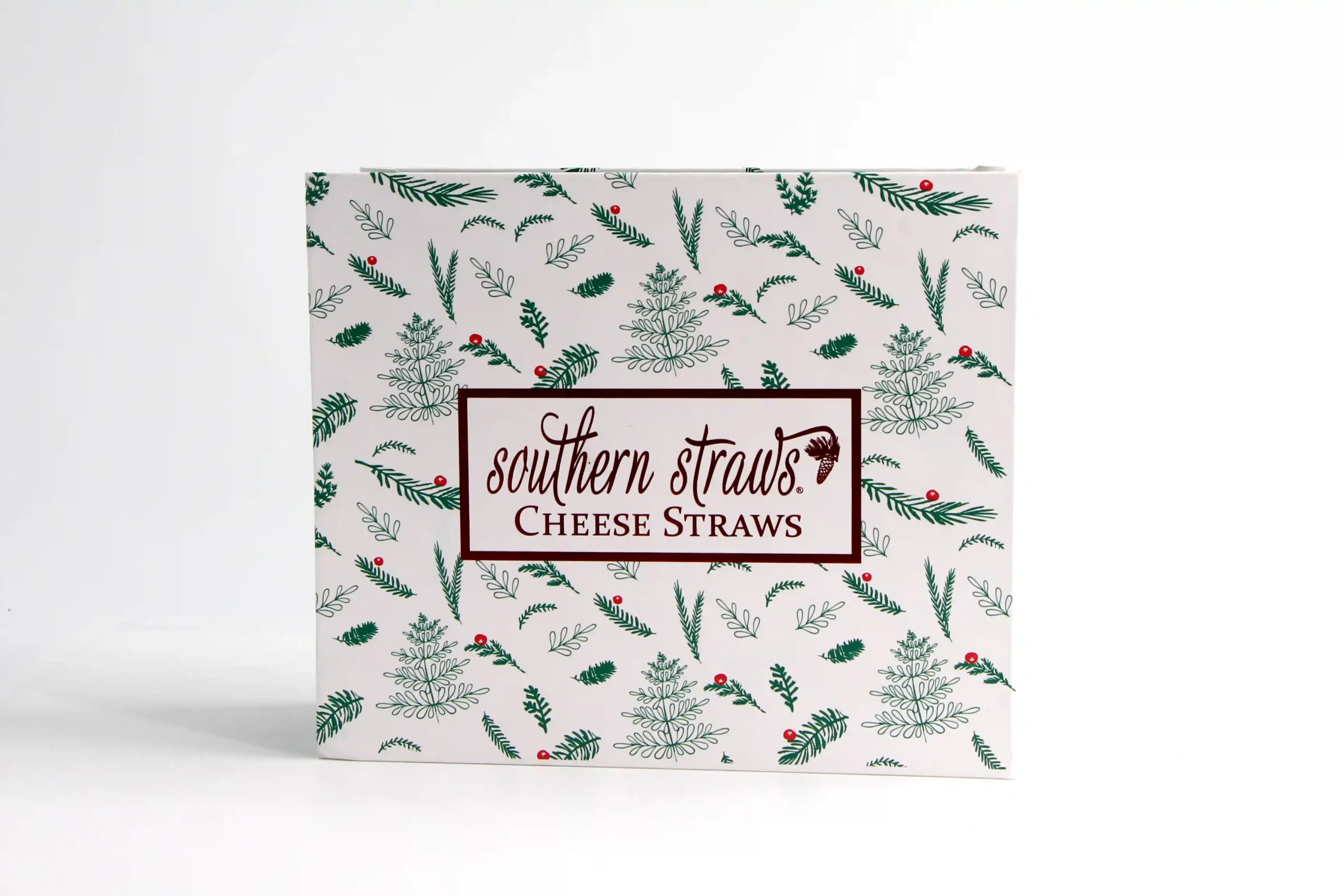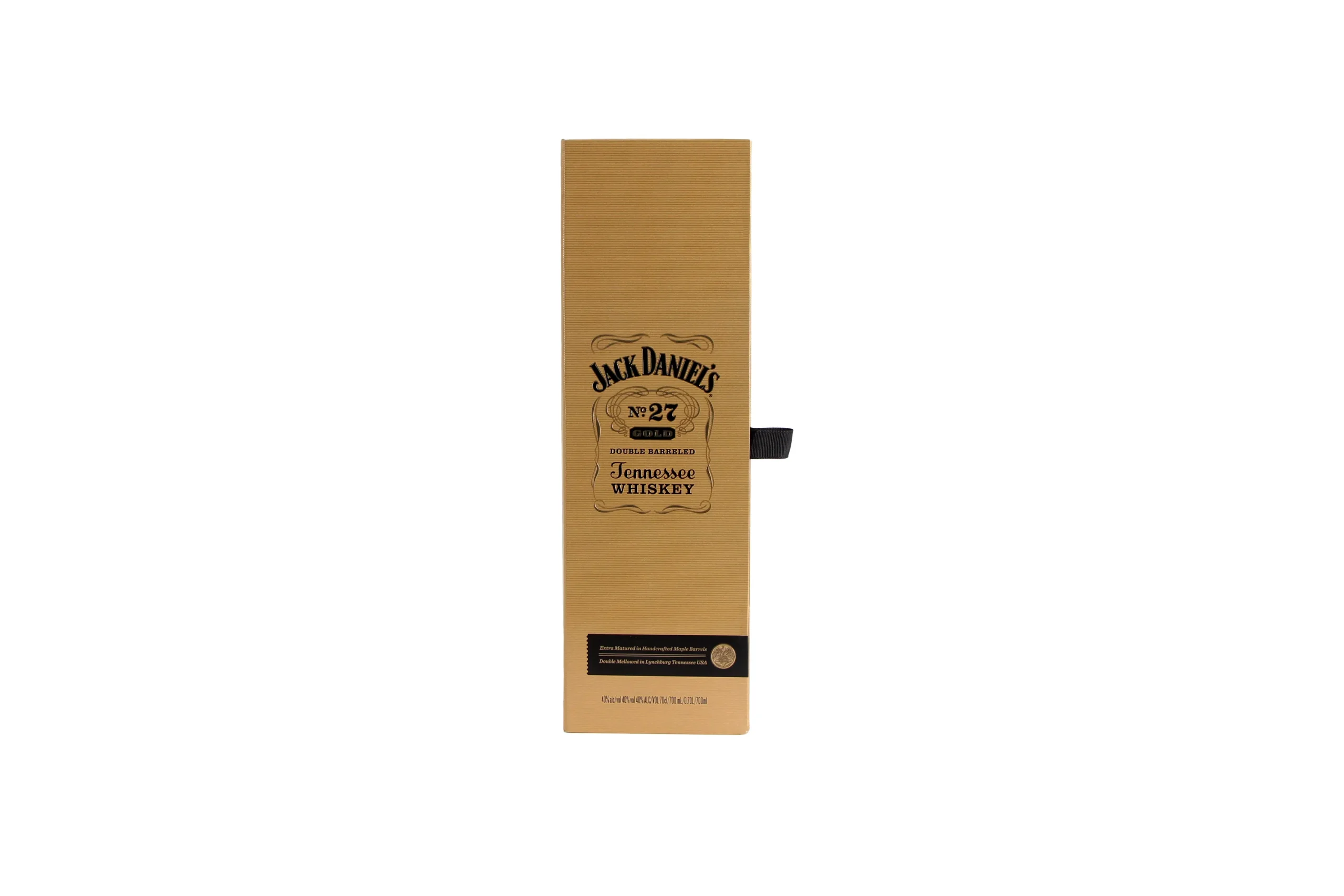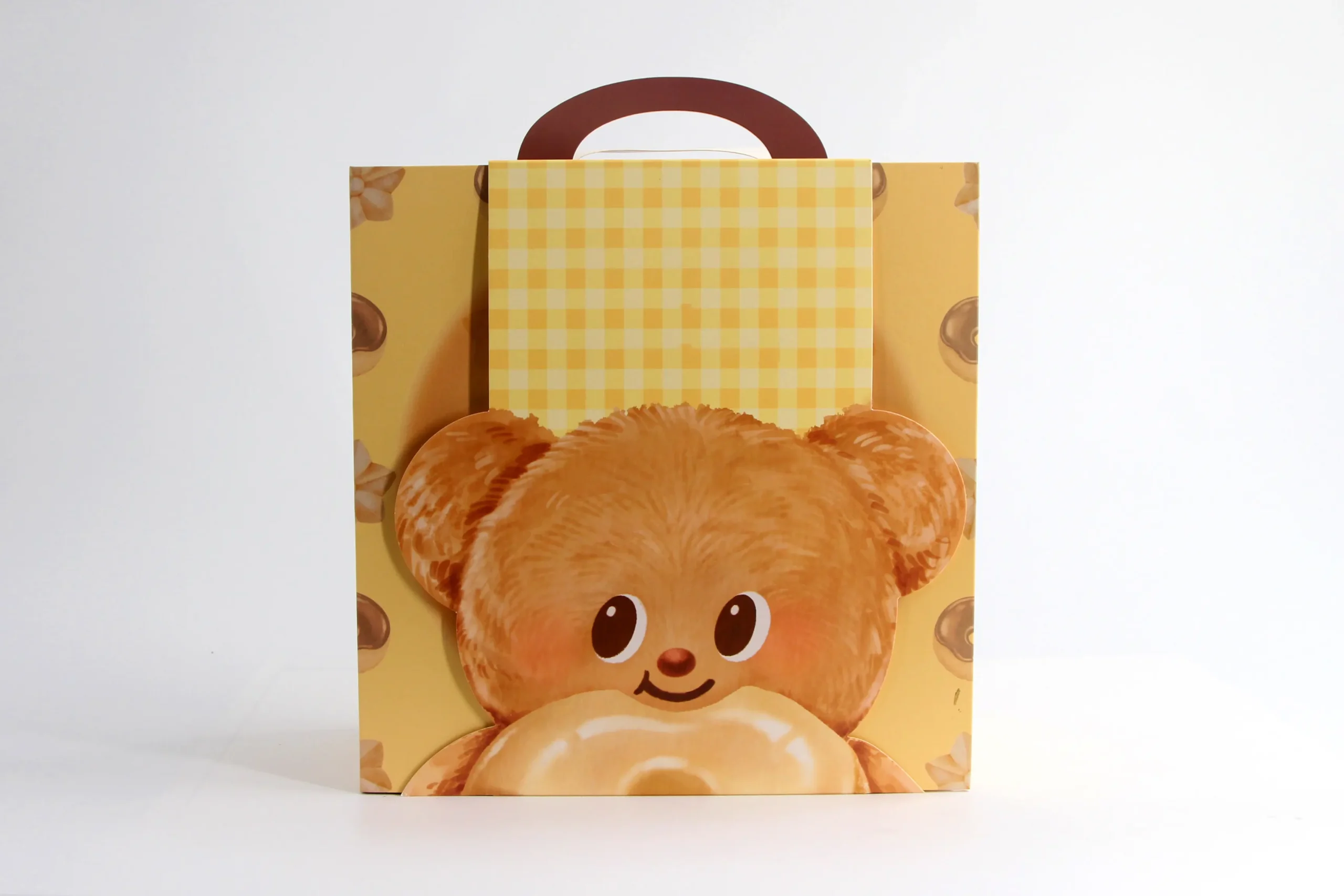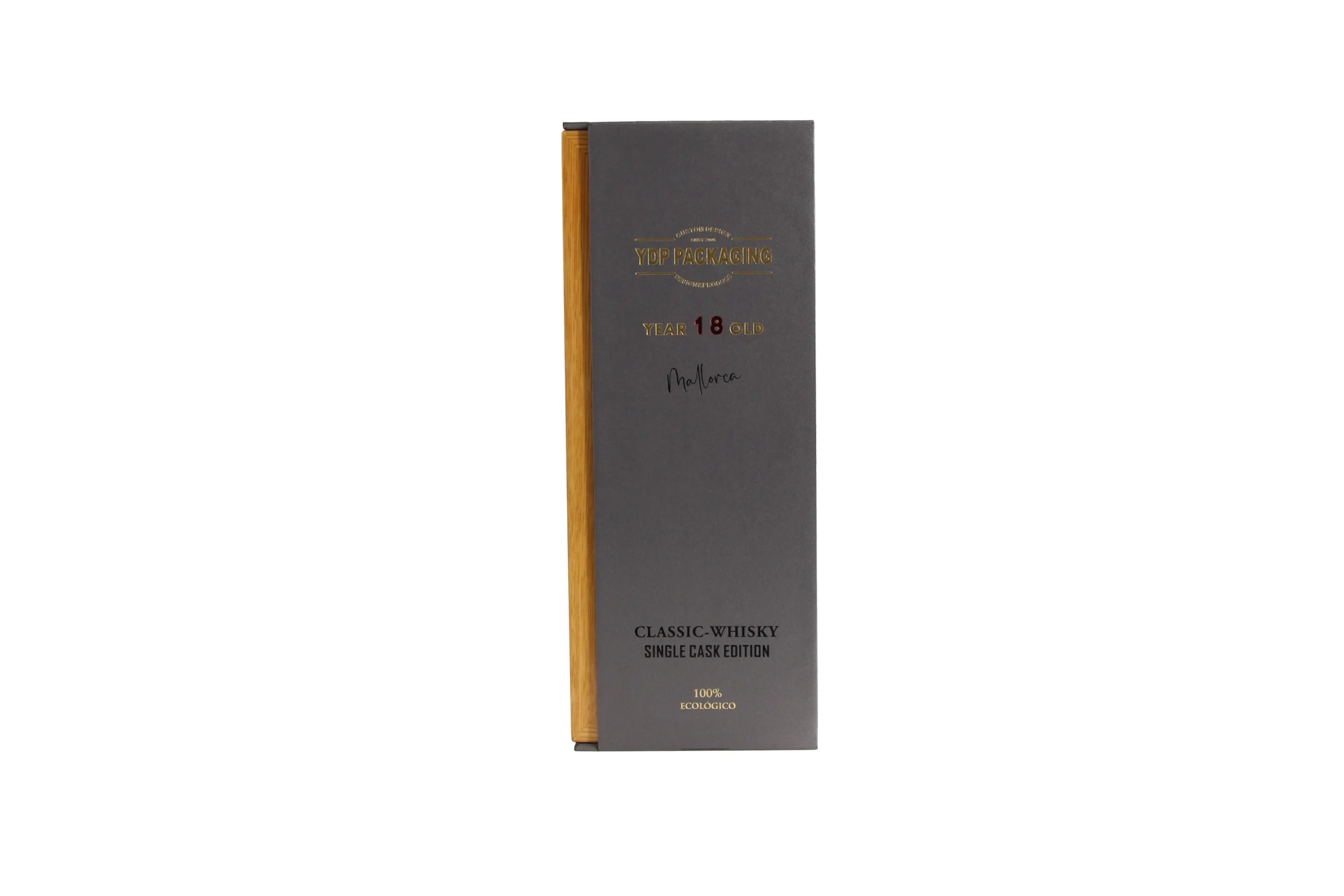
A drawer gift box that binds on the third try isn’t a design failure — it’s usually a tolerance failure, a gap between the drawer and the sleeve that was fine on the first sample and wrong by the time full production ran. This structure family lives or dies on precision in a way the baseline lid-and-base box simply doesn’t have to worry about.
This guide covers the sliding and nested structures in our data: the drawer/sleeve box, its foldable variants, and the two-piece telescoping baseline itself.
What \”Sliding and Nested\” Means in Packaging
Unlike a lid that lifts straight off, sliding and nested structures move one part relative to another along a fixed path — a drawer sliding out of a sleeve, one tier nesting inside another. That motion has to work smoothly on the first use and the fiftieth, which puts fit tolerance at the center of every drawer gift box in this structure family.
Drawer / Sleeve Box
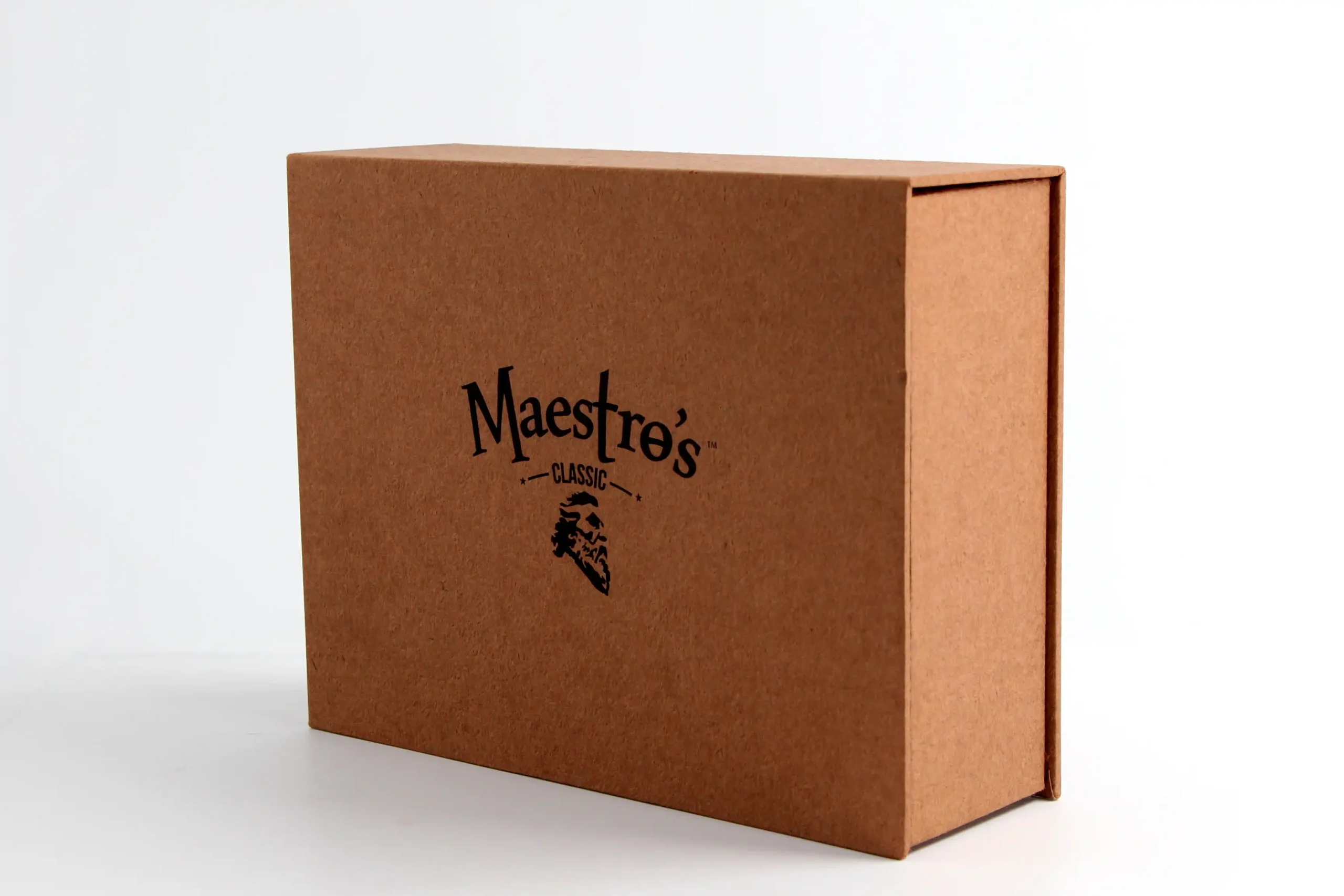
The drawer/sleeve format is the primary structure in this family across our data: an outer sleeve holds a separate inner drawer that slides out to reveal the contents. It shows up across jewelry, fragrance, and skincare packaging — categories where a controlled reveal adds perceived value without the mechanical complexity of a hinge or magnet.
Tolerance: Why 1mm Matters
A drawer gift box needs a gap tight enough to prevent rattling but loose enough to slide without friction, and that window is often no more than a millimeter wide. Too tight, and humidity or minor material variance causes binding; too loose, and the drawer rattles or tilts on removal. This is a case where general engineering tolerance concepts, like those codified in ISO 2768 for machined parts, illustrate the underlying principle — even though paperboard drawer construction isn’t machining, small dimensional variance compounds fast in a sliding fit. Ask your supplier what tolerance they hold on drawer width specifically, not just overall box dimensions.
Real Examples from Production
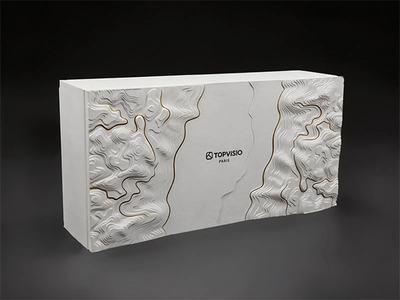
A French skincare brand’s limited-edition drawer box uses an embossed outer sleeve with the drawer sized to a single jar, tight tolerance justified by the product’s weight. A drawer-style beauty and skincare gift set uses a wider drawer to hold multiple items, requiring more attention to lateral play since a wider drawer has more surface area that can bind unevenly. A black-and-gold drawer box built for a festive gifting occasion pairs the sliding mechanism with heavier decorative panels for Eid gifting, testing whether the drawer still moves smoothly under the added surface weight. A tall, narrow perfume box shows how tolerance requirements change with drawer proportions — a narrow drawer has less room for error side to side. And a PANDORA-style jewelry drawer box demonstrates the format at its smallest and most precision-dependent scale, where even fractional misalignment is immediately visible.
Foldable Variants Within Sliding Structures
Foldable and flat-pack variants of magnetic or drawer-adjacent structures do exist in production, but they’re usually a variation on an existing mechanism rather than a distinct structure family. A foldable magnetic gift box, for instance, ships flat and pops into shape via internal magnets rather than a sliding drawer mechanism. If a foldable format is relevant to your project, it’s worth reviewing alongside the magnetic closure family rather than treating it as a separate sliding structure — a drawer gift box and a foldable magnetic box solve different problems even though both ship space-efficiently.
Two-Piece Telescoping Box: The Baseline Variant
The two-piece telescoping box, where one section fits inside the other rather than a lid simply resting on top, is a variant of the baseline set-up box covered in the Gift Box Structure Guide. It shares the baseline’s simplicity and low cost but adds a small nested-fit element — worth reviewing there if you haven’t already, rather than duplicating that coverage here.
Storage and Shipping Efficiency Comparison
Drawer/sleeve structures generally ship and store more efficiently than hinged or magnetic boxes of comparable size, since there’s no swinging lid or door requiring clearance, and the sliding fit itself adds a small amount of structural rigidity that can help with stacking. Compression performance for stacked shipments can be evaluated using a method like ASTM D642 if your drawer gift box will be palletized in volume. Foldable variants ship flattest of all, at some cost to assembly labor at the point of use.
What to Know Before You Request a Quote
A few production basics apply across the drawer gift box structures covered in this guide.
Minimum Order Quantity
1,000 units per SKU is standard across our product range.
Sample Lead Time
7 days from confirmed spec to sample in hand.
Production Lead Time
30 to 45 days, depending on structural complexity and finish.
Sourcing Note
Fit tolerance verification typically happens through physical sampling rather than a published packaging-specific standard. For products shipping internationally, ISTA transit testing can confirm a drawer gift box holds its fit and its contents through real handling conditions before committing to full production.
FAQ
Why does my drawer gift box bind after the first few samples?
Usually a tolerance drift between sample and production batches, sometimes from humidity, sometimes from minor material thickness variance. Ask your supplier for their held tolerance on drawer width specifically.
Is a drawer gift box more expensive than a magnetic closure box?
Not necessarily. Drawer structures avoid magnet cost but require tighter dimensional tolerance, so the cost difference depends more on precision requirements than on the mechanism itself.
Can a drawer gift box ship flat like a foldable box?
Not typically. Most drawer/sleeve structures ship assembled since the sliding fit depends on precise factory assembly. Foldable variants are usually built on a different mechanism, most often magnetic.
What size drawer needs the tightest tolerance?
Smaller and narrower drawers generally need tighter tolerance, since there’s less surface area to absorb minor dimensional variance without visible binding or play.
What’s the minimum order quantity for a custom drawer gift box?
1,000 units per SKU is standard. Sampling takes about 7 days, full production 30 to 45 days after that.
Where can I learn more about gift box structures beyond drawer and sleeve designs?
See our Gift Box Structure Guide for the full picture across all structure families, including hinged, cylindrical, and premium mechanism designs.