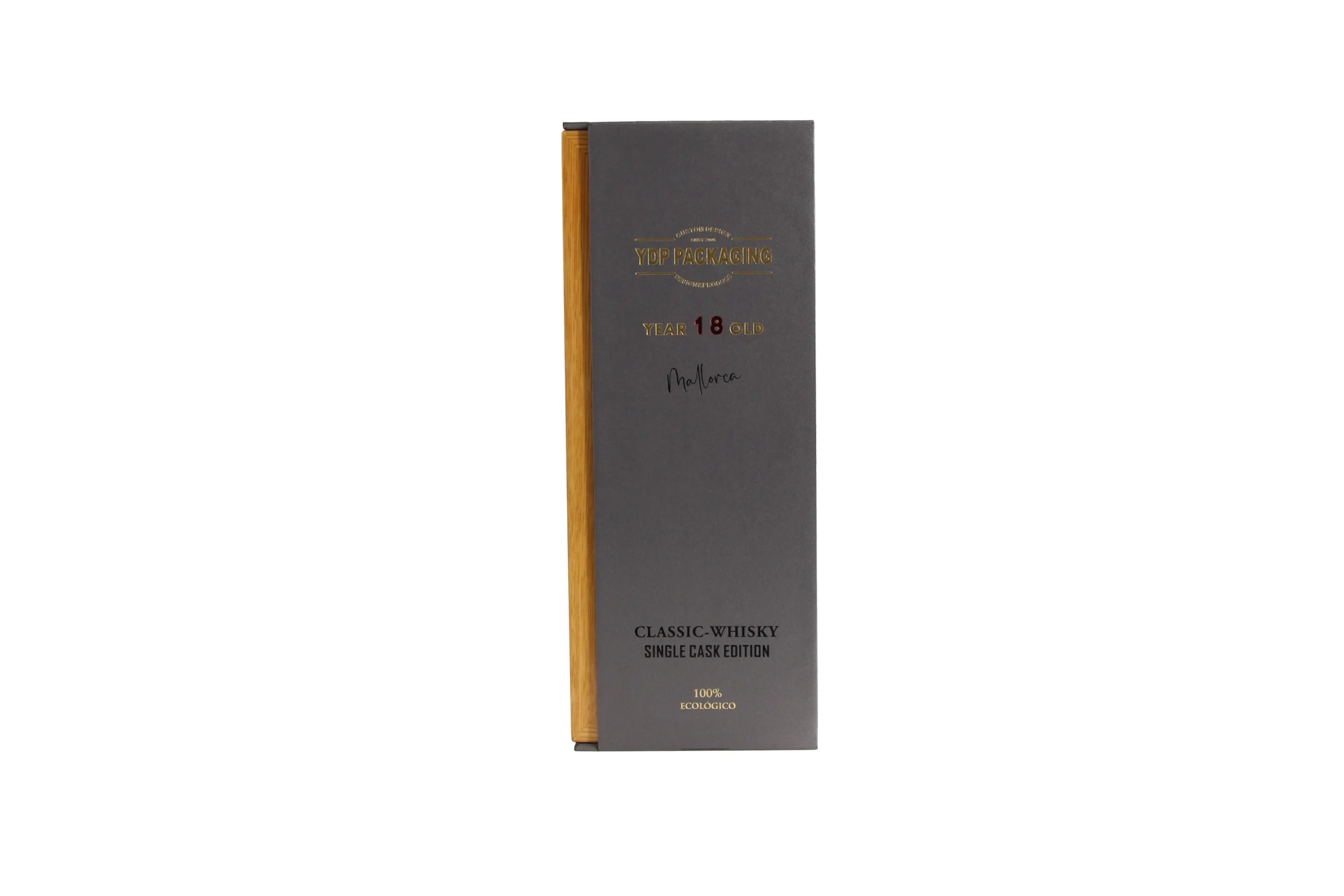

In short: the global packaging market is on track to grow from roughly $1.28-1.32 trillion in 2025-2026 to an estimated $1.75 trillion by 2035, according to industry market research, with sustainability documentation, automation, and Asia-Pacific manufacturing capacity as the three most consistent themes across current market analysis.
Packaging trends heading into the back half of 2026 reflect a market balancing continued growth against real cost and regulatory pressure. According to market analysis from Towards Packaging, the global packaging market is expanding from an estimated $1.28 trillion in 2025 toward $1.75 trillion by 2035, a compound annual growth rate of roughly 3.16% — steady rather than explosive growth, consistent with a mature global industry rather than an emerging one.
Topvisio Packaging tracks these trends from its production base in Dongguan, Guangdong, running 14+ automated production lines, with FSC certification available on request, PPWR compliance, ISO 9001, ISO 14001, and SEDEX audit standing.
Asia-Pacific Continues to Lead Global Production
Asia-Pacific holds the largest regional share of the global packaging market, with China specifically representing a leading individual country share according to current market research.
This concentration reflects both established manufacturing infrastructure and the region’s own growing consumer packaging demand, and it’s part of why sourcing decisions increasingly weigh not just unit cost but also a manufacturer’s certification stack, production capacity, and export logistics experience rather than price alone.
Sustainability Moving From Claims to Documentation
A consistent theme across current packaging industry analysis is what one major research firm terms a shift from sustainability intent to sustainability evidence — brands increasingly need to substantiate environmental claims with verifiable documentation rather than general marketing language.
This tracks directly with what we’ve seen in FSC certification requests and PPWR compliance documentation across our own production: buyers are asking for certificate numbers and specific material breakdowns more often than they were even a year or two ago, rather than accepting a general ‘eco-friendly’ label at face value.
Regulatory Complexity Across Markets
Brands selling packaging across multiple regions are navigating an increasingly complex regulatory landscape — EU PPWR requirements, evolving US state-level packaging regulations, and market-specific requirements elsewhere all add compliance considerations that didn’t exist in the same form even a few years ago.
This regulatory complexity is part of why working with a manufacturer that maintains a broad certification stack — FSC, ISO 9001, ISO 14001, SEDEX — rather than a narrower single-market compliance profile increasingly matters for brands selling internationally.
Automation and Production Consistency
Automation investment continues to be a consistent theme in current packaging industry reporting, driven by both cost pressure and the need for consistent quality across larger production volumes.
For buyers, this trend translates into a practical sourcing consideration: manufacturers running automated production lines alongside dedicated hand-assembly stations for complex structures generally deliver more consistent results across large orders than smaller operations relying primarily on manual production.
E-Commerce Continuing to Reshape Packaging Demand
E-commerce normalization continues to affect packaging demand and format choices industry-wide, shifting some volume away from purely retail-shelf-optimized packaging toward structures that also need to perform well in shipping and unboxing contexts.
This dual requirement — shelf appeal and shipping durability in the same structure — is part of why insert design and structural testing against transit protocols like ISTA 3A matter increasingly across categories that were historically retail-only.
Smart and Active Packaging Technology
According to research from StartUs Insights, the active and intelligent packaging market is projected to reach roughly $16.2 billion in 2026, driven by technologies like oxygen scavengers, freshness indicators, antimicrobial films, and RFID-enabled labels that improve shelf life and supply-chain visibility.
While this technology segment represents a smaller share of the overall packaging market than paper and rigid categories, it signals a broader industry direction toward packaging that does more than protect and present — increasingly, packaging is expected to actively communicate product condition and supply-chain data.
For most gift and cosmetic packaging categories, this smart-packaging trend has limited direct application, though brands in food-adjacent categories like chocolate and confectionery may see freshness-indicator technology become more relevant over the coming years as the underlying technology becomes more cost-effective at smaller production scales.
Trade and Geopolitical Factors Affecting Material Costs
Market analysis from Fastmarkets highlights those geopolitical and economic forces are reshaping the packaging outlook — trade tensions and volatile energy markets are influencing material costs and supply chain strategies across the industry, while most regions face overcapacity that’s adding competition in export markets and downward pressure on margins.
For packaging buyers, this environment translates into a practical consideration: material cost volatility makes locking in supplier relationships with transparent, itemized cost breakdowns more valuable than chasing the lowest quoted price at a single point in time, since underlying material costs can shift meaningfully between quote and production.
Regulatory Complexity Continues to Expand
Beyond the EU’s PPWR framework, packaging regulation continues to expand across multiple jurisdictions, with US state-level packaging regulations adding complexity for brands selling across multiple American states with different individual requirements.
This regulatory fragmentation — different rules in different markets rather than a single harmonized global standard — is part of why working with a manufacturer maintaining a broad certification stack increasingly matters more than it did when a narrower, single-market compliance profile was more commonly sufficient for most brands.
Consumer Behavior Shifts Affecting Demand
Value-conscious spending and continued e-commerce normalization are reshaping packaging demand globally, according to current market analysis. This shift affects packaging trends differently across categories — mass-market goods face pressure toward more cost-efficient packaging as consumers weigh price more heavily, while premium and gift categories continue supporting elaborate presentation investment, since these purchases are driven more by occasion and gifting intent than by price sensitivity alone.
Brands operating across both ends of this spectrum increasingly need genuinely differentiated packaging strategies per product tier rather than a single approach applied uniformly across their full range.
Digital Printing and Production Flexibility
Industry reporting indicates digital printing technology is growing significantly faster than the overall packaging market, reflecting demand for shorter print runs, faster turnaround, and greater design flexibility than traditional offset printing offers at smaller volumes.
For packaging buyers, this shift means smaller and mid-sized brands increasingly have access to production quality and customization options that were historically only cost-effective at much larger order volumes, narrowing the production-quality gap between large and small brands that existed when offset printing dominated smaller-volume orders.
Reusable and Refillable Packaging Formats
Refillable and reusable packaging formats continue gaining attention across current industry trend analysis, driven by both regulatory pressure toward waste reduction and growing consumer interest in packaging with a second life beyond initial use. This trend intersects directly with several categories covered elsewhere on this site — a Christmas hamper structure or a bespoke gift box designed with potential reuse in mind reflects the same underlying shift toward packaging valued beyond its first opening, even outside categories explicitly marketed as refillable systems.
How These Trends Apply Across Topvisio’s Product Categories
The substantiated-sustainability trend directly shapes how certification requests come in across our cosmetics, wine, chocolate, and corporate gifting categories — buyers increasingly ask for specific FSC certificate numbers and material breakdowns rather than accepting general sustainability language, a pattern consistent with what current market research describes at the industry level.
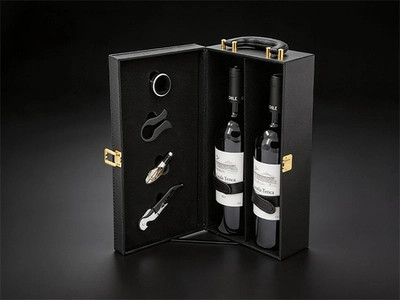
The e-commerce-driven structural shift shows up clearly in categories like wine gift boxes and cosmetic packaging, where insert design increasingly needs to satisfy both shelf presentation and shipping durability requirements within the same structure, rather than the retail-only optimization that was more common when e-commerce represented a smaller share of overall sales volume.
Regulatory complexity affects nearly every category we produce, given how many of our buyers sell across multiple international markets simultaneously — a single certification stack covering FSC, PPWR, ISO 9001, ISO 14001, and SEDEX increasingly functions as a baseline expectation rather than a differentiator, mirroring the broader industry shift toward more demanding, more standardized compliance documentation across the sector.
Historical Growth Context
The packaging market’s current trajectory continues a long-running growth pattern rather than representing a sudden shift — the global market has expanded from under $1 trillion in the early 2020s to over $1.28 trillion by 2025-2026, according to multiple independent market research estimates, with paper and paperboard remaining the dominant material category by market share even as rigid packaging holds the largest share by packaging type specifically.
This steady, multi-year growth trajectory gives packaging buyers reasonable confidence that current supplier relationships and production capacity investments will remain relevant over a multi-year planning horizon, rather than facing the kind of disruptive contraction that would make long-term supplier commitments riskier.
Regional Variation in Packaging Market Trends
Global packaging trends manifest differently by region — Asia-Pacific leads in manufacturing capacity and production growth, North America shows significant expected growth alongside its existing large market base, and Europe’s packaging trends are shaped more heavily by regulatory pressure than other regions given the EU’s PPWR framework and broader sustainability legislation.
Middle East and Africa, along with Latin America, represent smaller but growing segments of the global market, with packaging trends in these regions often following global sustainability and e-commerce patterns with some lag relative to more mature markets.
This regional variation matters for brands planning multi-market packaging strategies, since a trend dominant in one region — substantiated sustainability documentation in the EU, for instance — may be a genuine differentiator rather than a baseline expectation in a market where the trend hasn’t yet become standard practice among competing brands.
What Buyers Should Watch Heading Into 2027
Looking beyond the current reporting period, the trends already in motion — substantiated sustainability documentation, automation investment, e-commerce-driven structural requirements, and expanding regulatory complexity — are likely to continue rather than reverse.
Packaging buyers planning multi-year sourcing relationships should weigh a manufacturer’s demonstrated ability to adapt to these ongoing shifts, not just their current catalog and pricing, since a supplier well-positioned for where the industry is heading tends to be a more durable long-term partner than one optimized purely for current-year cost competitiveness.
What These Trends Mean for Packaging Buyers
For brands sourcing packaging in the current environment, three practical takeaways follow from these broader trends. First, certification documentation is worth having ready before it’s requested, given the shift toward substantiated rather than claimed sustainability.
Second, a manufacturer’s regulatory and certification breadth matters more for brands selling across multiple markets than it did when a single-market compliance profile was more commonly sufficient.
Third, structures that perform well across both retail and shipping contexts are increasingly the practical default rather than a specialized exception, given how much volume now moves through e-commerce channels alongside traditional retail.
Sourcing Strategy Implications for the Coming Year
Given the confluence of these packaging trends — sustained market growth, sustainability documentation shifting from claim to proof, continued regulatory expansion, and structural demands from e-commerce — brands sourcing packaging in the current environment benefit from selecting suppliers based on adaptability rather than lowest current price alone.
A manufacturer already maintaining a broad certification stack, already producing structures that satisfy both retail and shipping requirements, and already demonstrating capacity to scale automated production is better positioned to remain a viable long-term partner as these trends continue to develop, compared with a supplier optimized narrowly for current-year cost competitiveness without the underlying infrastructure to adapt.
This adaptability, more than any single trend, is the practical thread connecting everything covered in this report. Buyers who internalize that thread will navigate the rest of 2026 and into 2027 more smoothly than those chasing each individual headline in isolation.
Manufacturing and Certifications
Topvisio Packaging maintains FSC certification available on request, PPWR compliance, ISO 9001, ISO 14001, and SEDEX audit standing across its production.
You can browse our full product range or check FSC-certified packaging options for available material grades. Our guide on what sustainable packaging covers goes into the certification and material questions raised by these trends in more depth.
Understanding these broader packaging trends gives buyers useful context for sourcing decisions, but the practical takeaway remains the same regardless of which specific trend is driving change: certification readiness, structural flexibility across retail and shipping contexts, and a manufacturer capable of adapting to shifting regulatory and market conditions matter more consistently than chasing any single trend in isolation.
Frequently Asked Questions
Frequently Asked Questions
How big is the global packaging market in 2026?
Industry market research estimates the global packaging market at roughly $1.28-1.32 trillion in 2025-2026, projected to reach approximately $1.75 trillion by 2035 at a compound annual growth rate of around 3.16%.
Which region leads global packaging production?
Asia-Pacific holds the largest regional share of the global packaging market, with China representing a leading individual country share according to current market research.
What does ‘substantiated sustainability’ mean in current packaging trends?
It refers to a shift from general sustainability marketing claims toward verifiable documentation — certificate numbers, specific material breakdowns — that buyers can independently confirm rather than accepting on trust.
How is e-commerce affecting packaging design trends?
Packaging increasingly needs to perform well in both retail shelf and shipping contexts within the same structure, rather than being optimized purely for one or the other as was more common when e-commerce represented a smaller share of overall volume.
What certifications matter most for packaging buyers navigating current regulatory trends?
FSC chain-of-custody certification, PPWR compliance for EU-bound shipments, and ISO 9001, ISO 14001, and SEDEX audit standing cover the certification stack most commonly requested across current market and regulatory trends.
How is digital printing affecting packaging production trends?
Digital printing is growing significantly faster than the overall packaging market, according to industry reporting, giving smaller and mid-sized brands access to shorter run production quality and customization that was historically only cost-effective at larger volumes.
Are reusable and refillable packaging formats becoming more common?
Yes, driven by both regulatory waste-reduction pressure and growing consumer interest in packaging with value beyond its initial use, a trend reflected across several gifting and premium packaging categories.
Do packaging trends vary significantly by region?
Yes. Asia-Pacific leads manufacturing capacity, Europe’s trends are shaped heavily by PPWR and sustainability regulation, and other regions often follow global sustainability and e-commerce patterns with some lag relative to more mature markets.
What has driven long-term growth in the global packaging market?
Expansion of packaged goods consumption, growth of retail and e-commerce sectors, and rising demand for product safety during transportation have driven the market from under $1 trillion in the early 2020s to over $1.28 trillion by 2025-2026.