Most of the packaging techniques covered elsewhere in this series show up constantly across our production data — die-cutting on the majority of products, foil stamping on dozens. The three techniques in this guide are different: laser cutting, holographic foil, and UV doming don’t appear in our standard production runs at all. They’re capabilities we maintain for brands that specifically need them, not defaults we’d recommend reaching for without a clear reason.
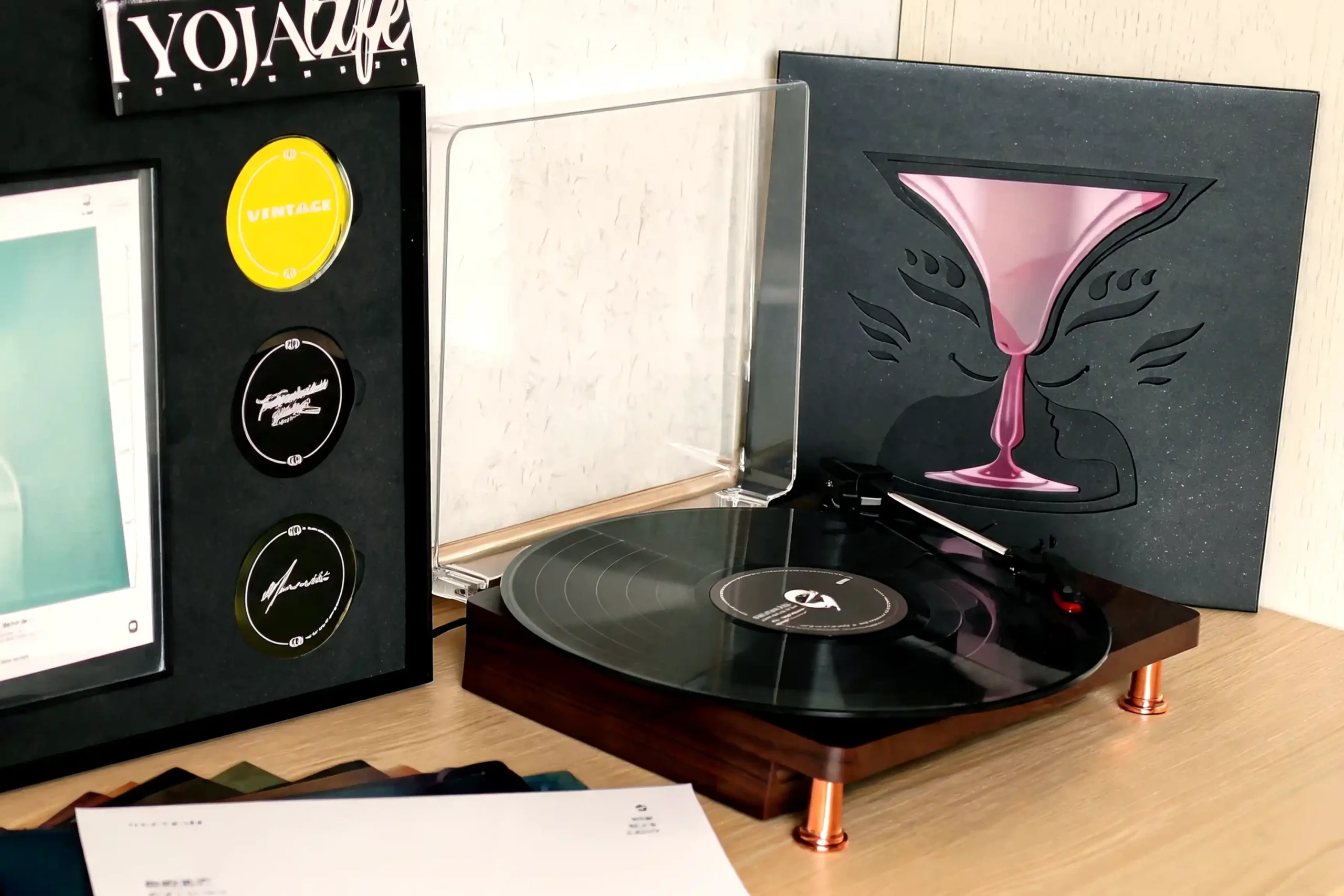
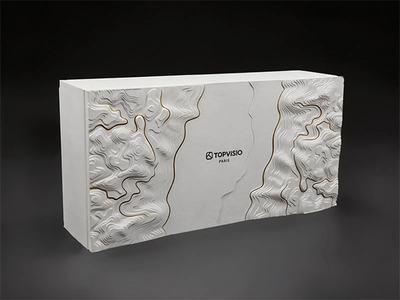
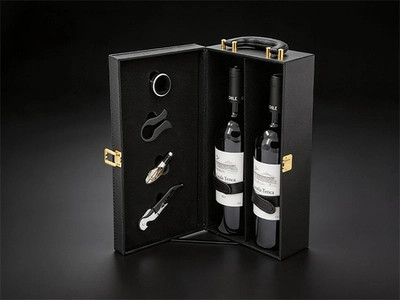
This guide is written with that honesty upfront: everything here is a real capability, confirmed and available, but none of it is illustrated with a production case from an existing client, because none of these packaging techniques have shipped in a standard order yet. Where you see an image, it’s a sample or a process demonstration, not a finished product.
Beyond Standard Techniques: When Brands Need More Visual Impact
The packaging techniques covered in earlier guides — standard foil, embossing, matte and gloss lamination — cover the large majority of premium packaging needs. The three techniques here exist for a narrower situation: a limited-edition release, a collaboration drop, or a product category where standard finishes have become the norm and a brand specifically wants to break from that norm. If your product doesn’t fall into one of those situations, the standard packaging techniques covered elsewhere in this series are very likely the better starting point, both on cost and on production reliability.
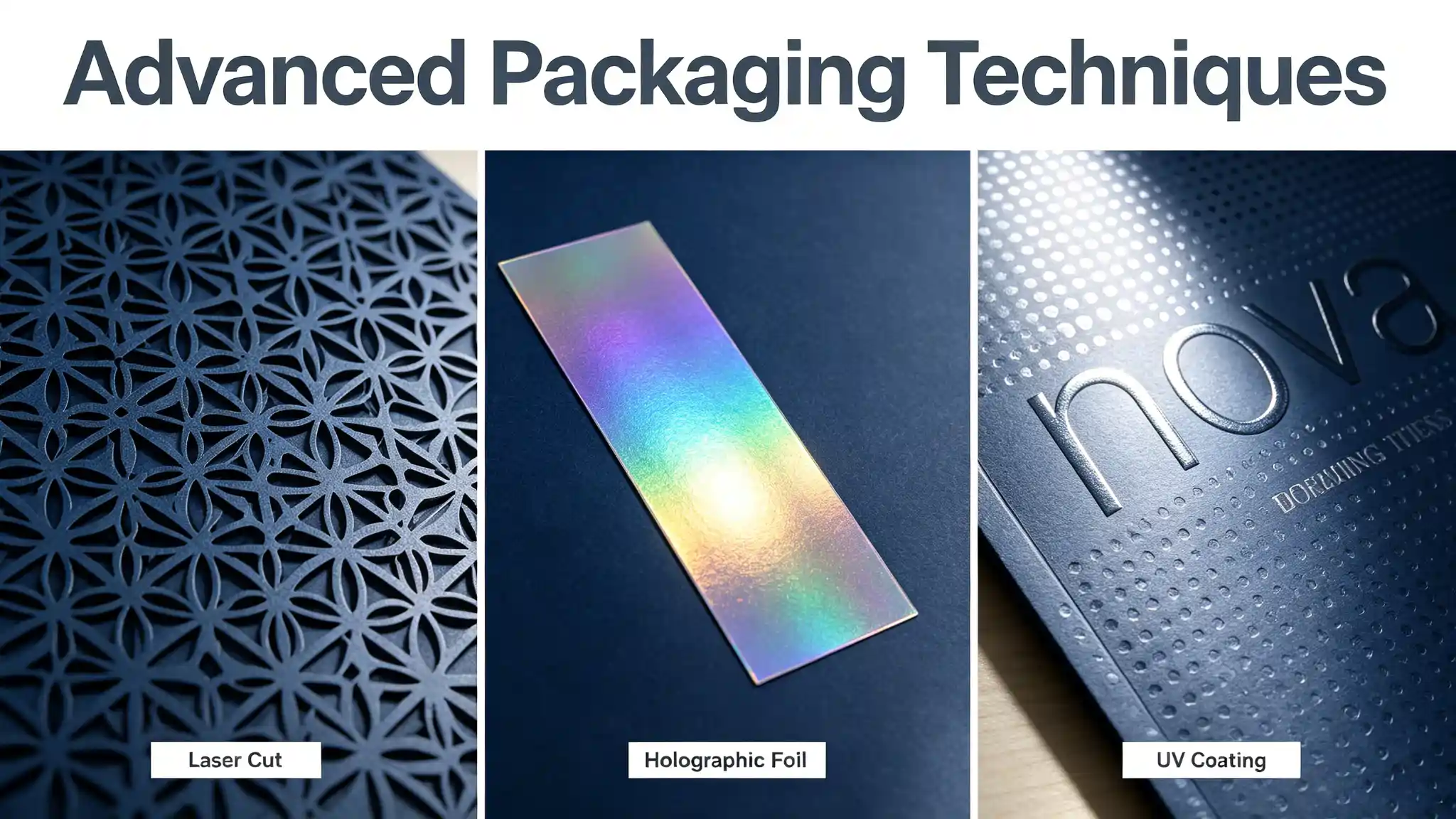
Laser Cut Packaging: Where Die-Cutting Reaches Its Limit
Standard die-cutting, covered in depth elsewhere in this series, uses a steel rule die and handles the large majority of structural and decorative cutting needs. Laser cutting exists for the patterns die-cutting physically can’t produce.
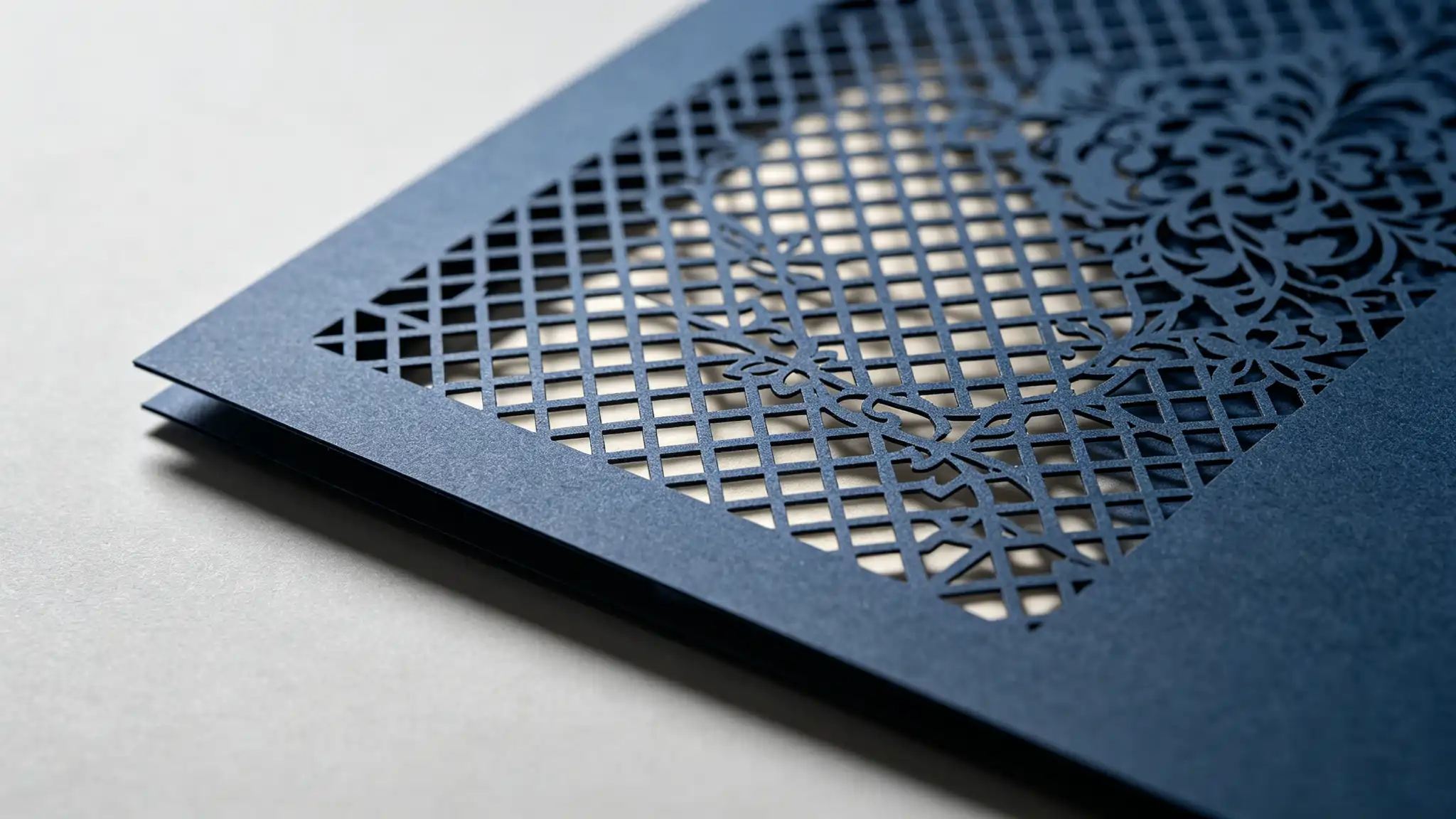
Openwork Patterns Die-Cutting Can’t Achieve
A steel rule die needs enough structural integrity in the board between cuts to hold the pattern together during the cutting pass itself. Extremely fine, densely packed openwork — delicate lattice patterns, intricate lettering cut directly into the board — can fall apart under a physical die before it ever reaches the finished product. Laser cutting removes material with a focused beam rather than a physical blade, which allows finer, more delicate patterns than steel rule tooling can reliably produce. Laser cut packaging comes at a cost and speed trade-off — it’s generally slower per unit than die-cutting, which is why it’s reserved for accent panels and limited runs rather than full production volume.
Holographic Foil: Beyond Standard Gold or Silver
Standard foil stamping, covered elsewhere in this series, uses a flat metallic film in a fixed color, gold or silver most commonly. Holographic foil uses a film with a microscopically etched surface that splits light into a shifting rainbow effect as the viewing angle changes.
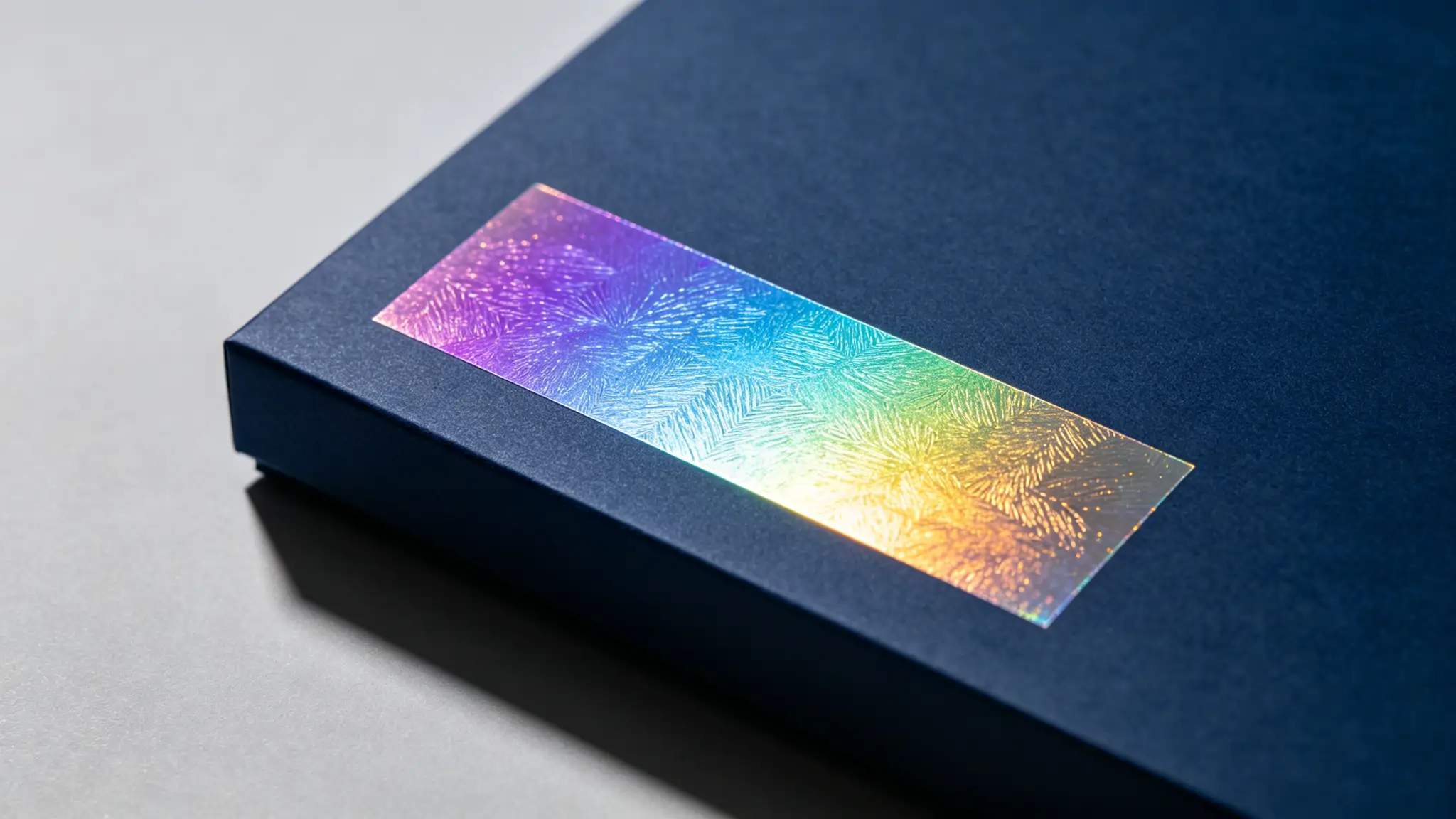
Cost vs Standard Foil Stamping
Holographic foil runs at a meaningful premium over standard gold or silver foil, both because the film itself costs more and because it doesn’t always photograph or print as predictably, requiring more careful proofing before a full run. Among all the specialty packaging techniques in this guide, this is the one most likely to appeal to a younger-skewing audience or a collectible, limited-run product where the eye-catching effect matters more than the traditional metallic look standard foil delivers.
UV Doming (Spot UV Embossing): Not to Be Confused With Flat Spot UV
UV doming, sometimes called spot UV embossing, applies a UV-curable resin in a raised, domed application rather than the flat coating used in standard spot UV.
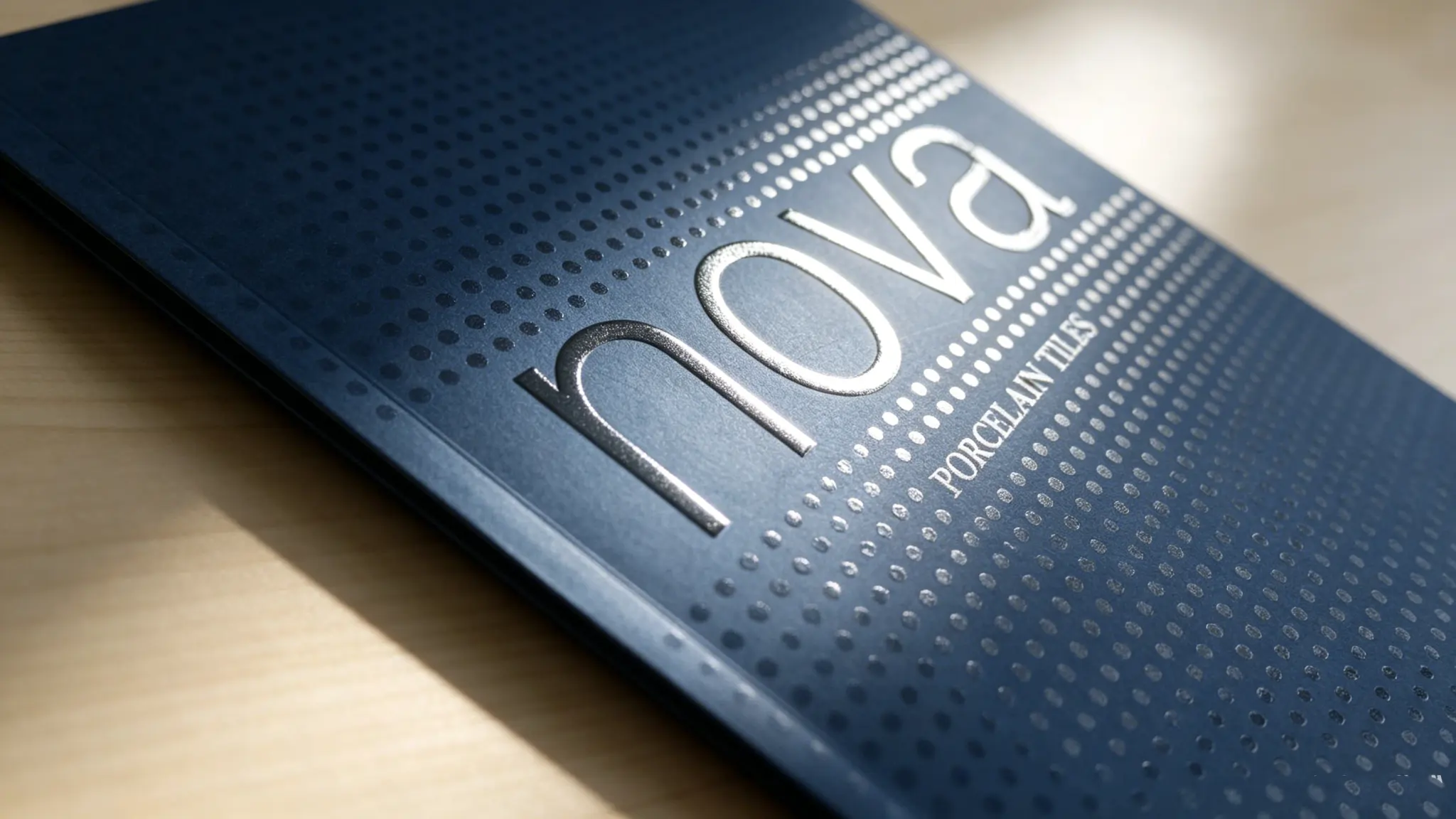
How It Differs From the Spot UV Covered in Blog 2
Standard spot UV, covered in our gift box printing guide, is a thin, flat glossy coating applied directly over a printed area, adding contrast and shine without adding noticeable height. UV doming builds up significantly more material, creating a rounded, tactile bump with real physical depth — more like a printed sticker’s raised logo than a coated surface. Both use UV-curable material and both cure under UV light, but the application method and the resulting texture are entirely different, which is why the two get confused even though they’re distinct packaging techniques with different equipment requirements.
Is It Worth the Upgrade?
These three packaging techniques earn their cost specifically for limited-edition and collaboration-driven releases, where the goal is standing out from a category that’s grown visually similar. For a standard product launch or an ongoing catalog item, the added cost and longer lead time rarely pay off compared to a well-executed standard finish. If you’re considering one of these techniques, it’s worth being specific about what problem it’s solving — distinctiveness, collectibility, a particular brand moment — rather than adding it as a general upgrade.
What to Know Before You Request a Quote
A few production basics apply across the specialty packaging techniques in this guide, though timelines run longer than standard finishes.
Minimum Order Quantity
1,000 units per SKU is standard, though laser-cut accent panels may carry a separate minimum depending on complexity.
Sample Lead Time
7 days for standard finishes; specialty techniques covered here typically need a longer first-sample turnaround given the additional proofing required.
Production Lead Time
30 to 45 days for standard builds; laser cutting, holographic foil, and UV doming can extend this depending on design complexity and order volume.
Sourcing Note
Laser-cut precision follows the same general tolerance principles referenced under ISO 2768 elsewhere in this series. UV doming adhesion can be verified using a tape adhesion method before committing to a full production run.
FAQ
Do you actually support laser cutting, holographic foil, and UV doming, or is this just theoretical?
These are confirmed, available capabilities, not theoretical techniques. They simply haven’t appeared in a standard production order in our existing case data, which is why this guide doesn’t include finished client examples the way earlier guides in this series do.
What’s the difference between UV doming and standard spot UV?
Standard spot UV is a thin, flat glossy coating. UV doming builds up significant material to create a raised, tactile bump with real physical height — a much more pronounced effect.
Is holographic foil more expensive than standard gold foil?
Yes, meaningfully so, due to film cost and less predictable proofing. It’s best reserved for releases where the distinctive effect is the point, not a general upgrade to a standard build.
Why doesn’t this guide show client production examples like the others in this series?
Because none of these three packaging techniques have shipped in a standard client order yet. Any imagery associated with this guide is a sample or process demonstration, clearly labeled as such rather than presented as a finished case.
What’s the minimum order quantity for these advanced packaging techniques?
1,000 units per SKU as a starting point, though laser-cut and specialty finish elements may carry separate minimums depending on design complexity, worth confirming directly for your specific project.
Where can I learn more about the standard packaging techniques used across most orders?
See our Gift Box Manufacturing Guide for the full five-stage production process that covers the large majority of production, including printing, foil stamping, structural forming, and hardware assembly.
Explore More Packaging Resources
Gift Box Manufacturing: A Complete Process Guide from Print to Finished Box · Gift Box Printing: How Surface Finishes Are Actually Applied · Luxury Box Finishing: How Foil Stamping & Embossing Are Applied · TopVisio Home