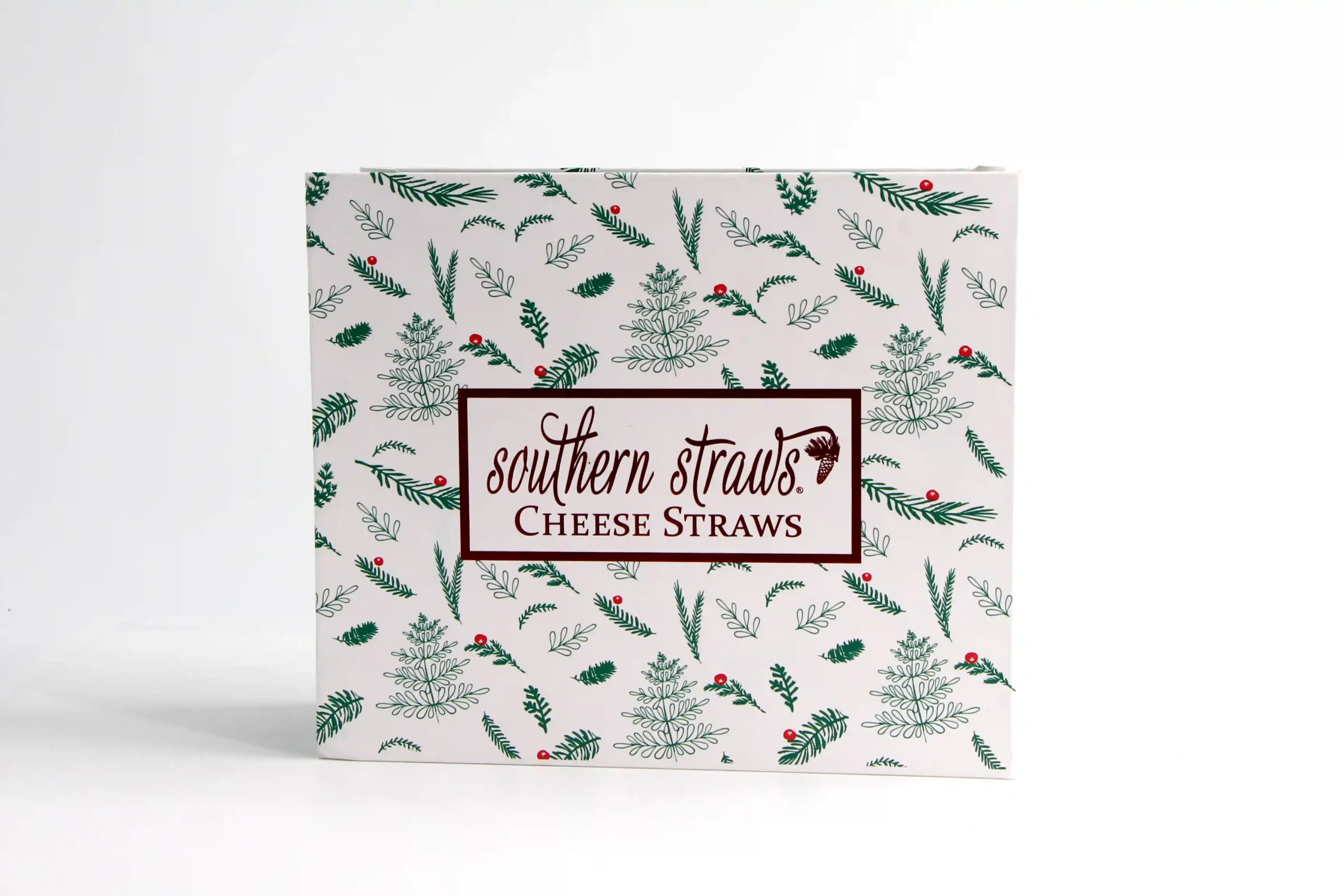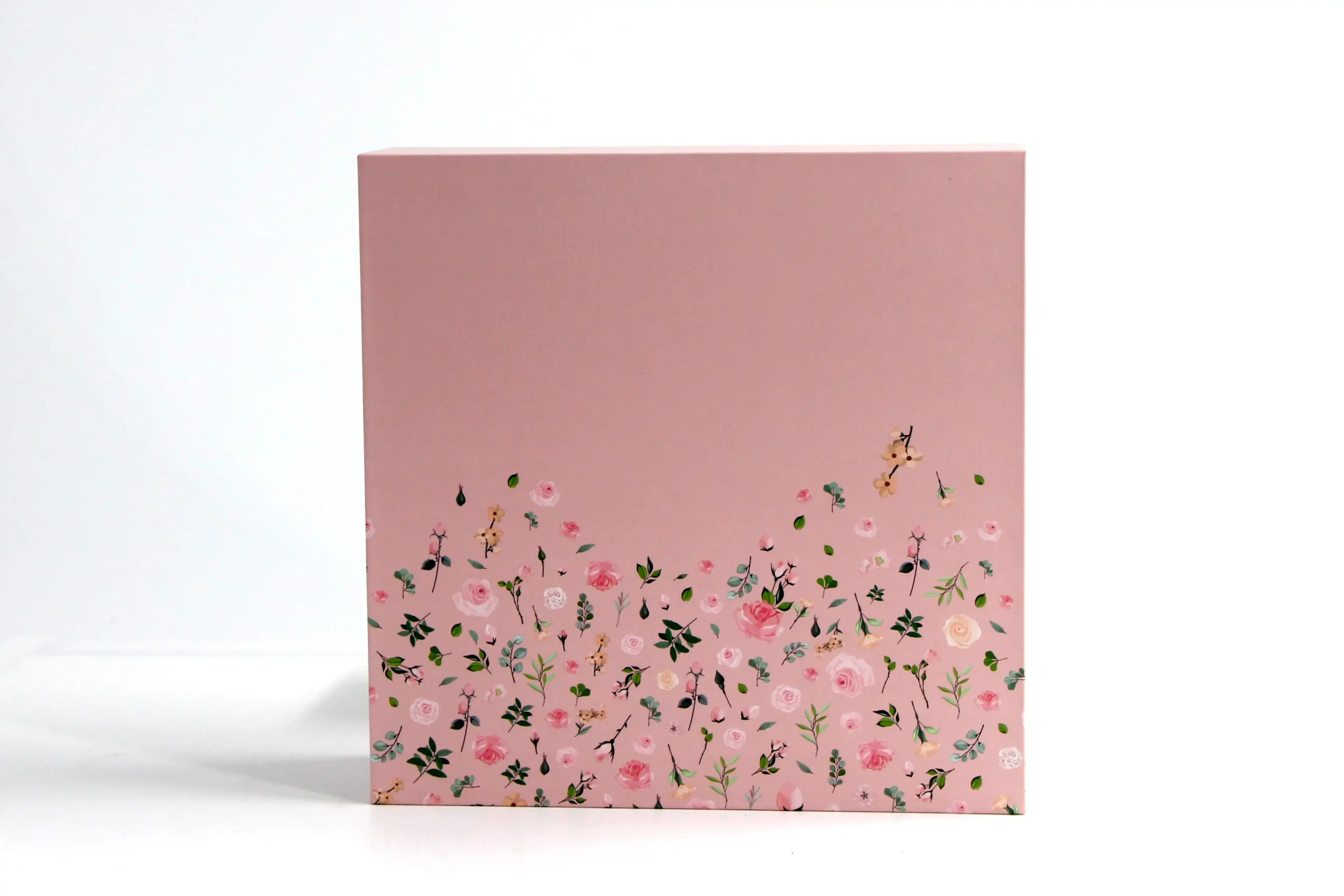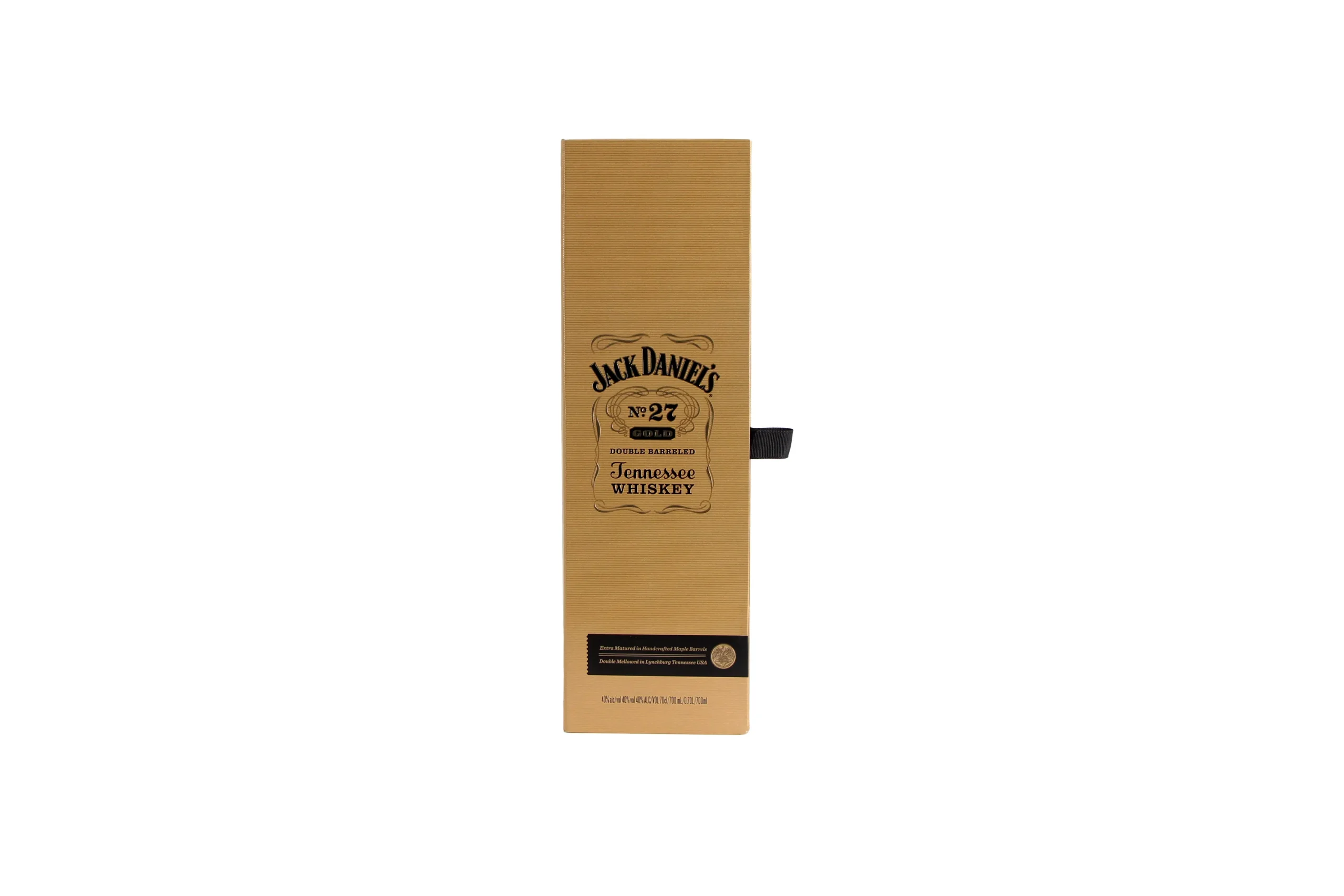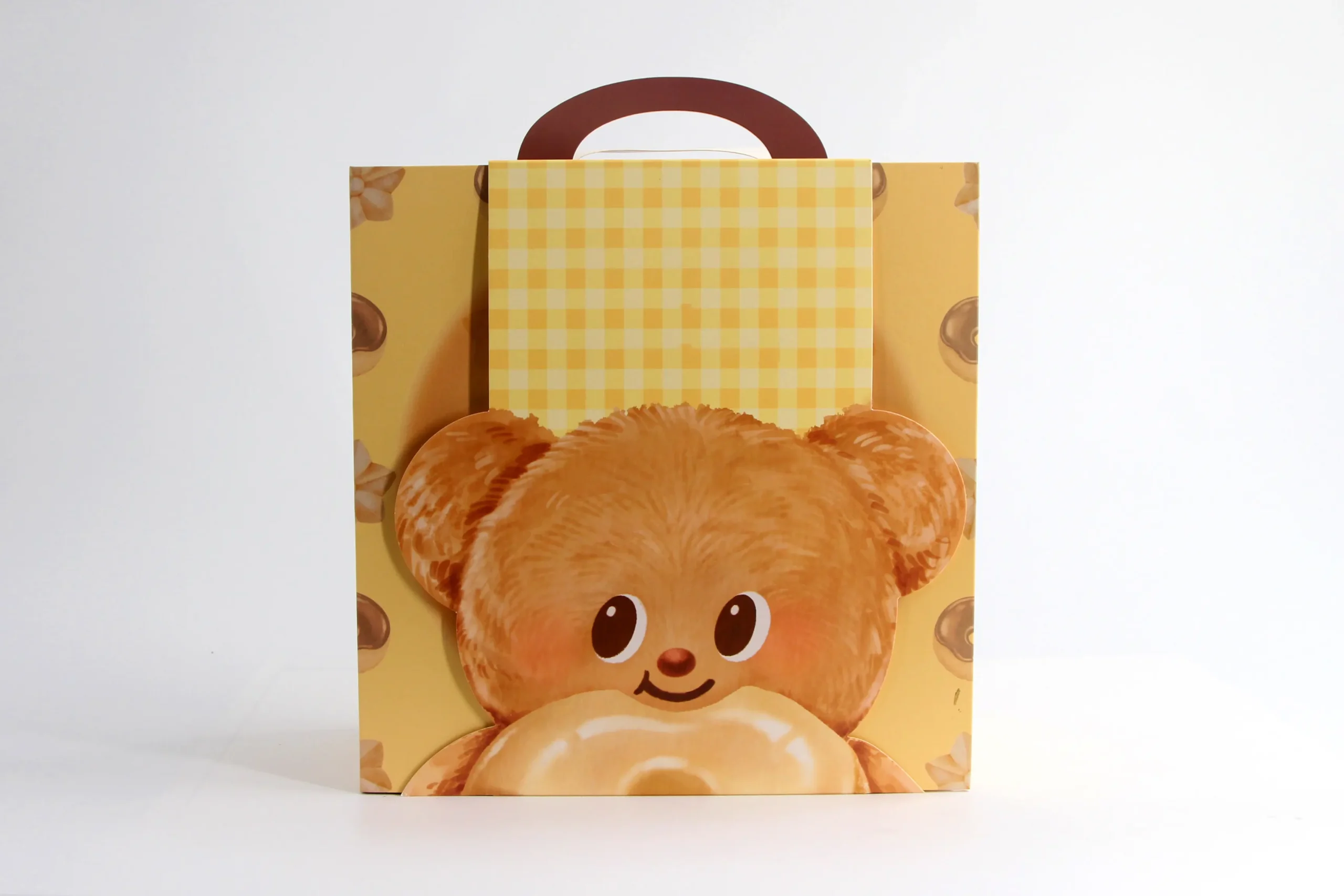
How to design cosmetic packaging that sells comes down to balancing shelf differentiation, tactile quality, and structural fit for the product inside, in that order of what a customer notices first. A striking design that doesn’t protect the product, or a well-protected box that looks generic on shelf, both underperform packaging that gets all three right at once. Topvisio Packaging produces cosmetic packaging in Dongguan, Guangdong, China, running 14+ automated production lines with capacity of up to 1,500,000 units/month for two-piece lid and base boxes. FSC certification is available on request, alongside PPWR compliance, ISO 9001, ISO 14001, and SEDEX audit standing. Our guide on choosing a cosmetic box manufacturer covers the sourcing decision in more depth.
Start With Structure, Not Artwork
The single most common mistake in cosmetic packaging design is finalizing artwork before confirming the structure fits the product. A bottle, compact, or palette each needs different insert tooling, and a beautiful print job on a structure that doesn’t hold the product securely is a wasted investment. Our custom cosmetic box and magnetic box lines cover the standard structural range for this category.
Shelf Differentiation: What Actually Catches the Eye
On a crowded shelf, color contrast, an unexpected texture, or a distinctive silhouette tend to register faster than fine print detail. Customers scan shelves quickly, and packaging that requires close inspection to appreciate loses out to packaging that communicates its positioning instantly. This doesn’t mean louder is always better; a minimalist, high-contrast design can differentiate just as effectively as a maximalist one, provided it stands out clearly from whatever’s sitting next to it on the actual shelf where it will be sold.
Tactile Quality and Perceived Value
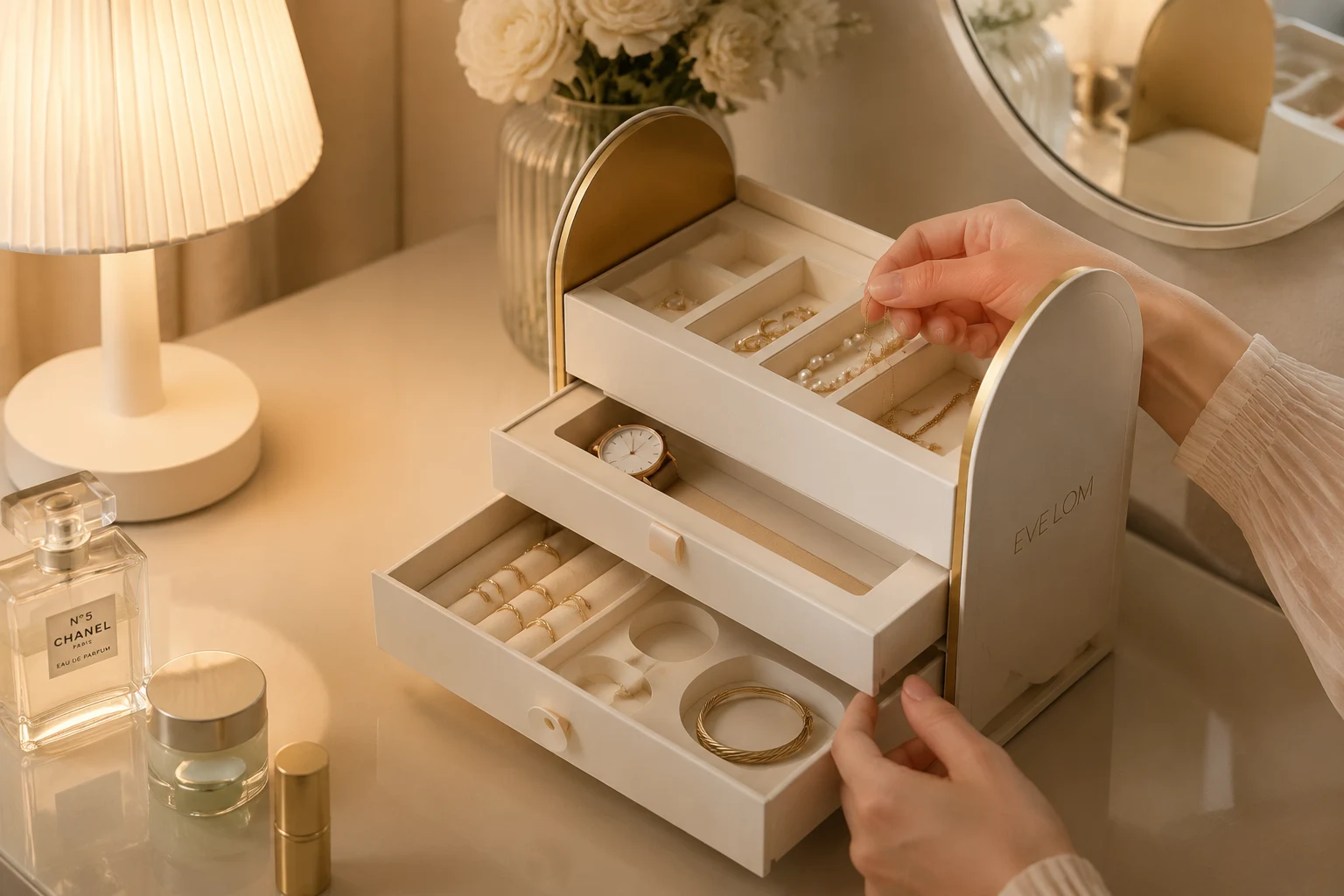
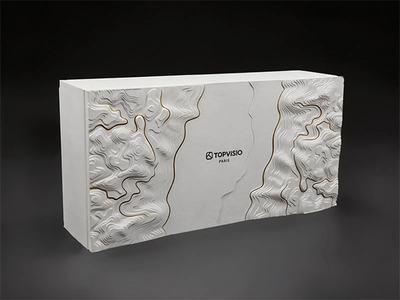
Cosmetics buyers handle packaging before buying more often than in almost any other retail category, picking up a box, feeling its weight, and opening a lid to test the mechanism. Soft-touch lamination, embossed detail, and a satisfying magnetic closure all contribute to a tactile impression that print alone can’t deliver.
Weight matters too. A box that feels substantial in hand signals quality even before the product inside is considered, which is part of why premium cosmetic lines lean toward heavier greyboard and multi-layer finishing even when a lighter structure would protect the product just as well.
Color and Finish Choices That Signal Price Point
Certain material and finish combinations read as premium almost universally: matte lamination over a muted color palette, gold foil on a dark background, embossed logos without color. Others read as mass-market regardless of the product’s actual formula quality; glossy lamination over bright primary colors, for instance, tends to signal drugstore rather than prestige positioning. Matching the packaging’s visual language to the product’s actual price point avoids a mismatch that undercuts either the perceived value or the margin structure.
Brands selling into the EU should also review labeling expectations shared by Cosmetics Europe, since mandatory product information can limit how much panel space is left for design.
Designing for Multiple Retail Channels
Cosmetic packaging that sells well in a department store display case doesn’t always translate directly to an e-commerce thumbnail image or a drugstore shelf. Department store and specialty retail favor detailed, tactile finishes that reward close handling, since customers typically interact with the product before purchase. E-commerce packaging needs to read clearly at thumbnail size, where fine texture and subtle embossing are invisible, so bold color contrast and clear typography matter more here than tactile finish. Brands selling across multiple channels sometimes need to weigh which channel’s requirements take priority, or develop slightly different packaging treatments per channel.
Designing Around Different Cosmetic Product Types
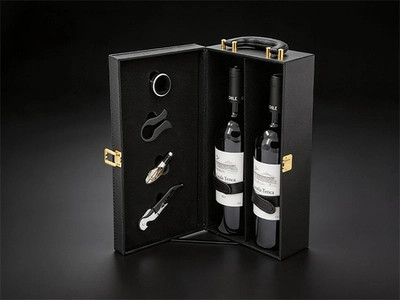
A liquid foundation or serum bottle needs a fitted cavity and often a window or cutout to preview the product color before purchase, since color accuracy matters heavily in this category. A pressed powder or eyeshadow compact benefits from a flat, hinged structure that opens to a clean reveal. A multi-piece gift set combining several product types needs a divided interior more than any single-product structure does, since each item has different protection requirements within the same outer box.
Materials and Finishing Options
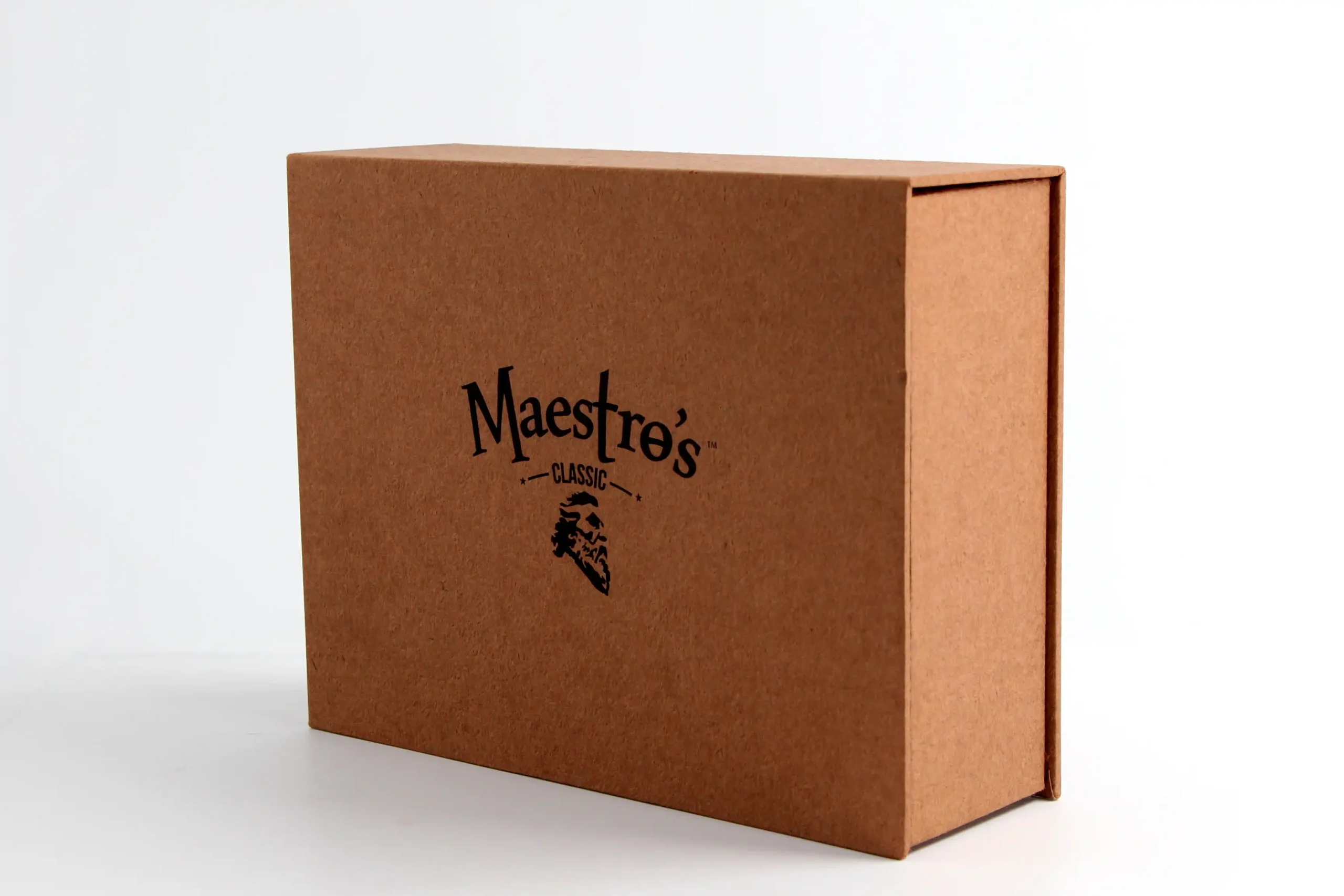
Coated art paper or specialty textured paper wrapped over greyboard, generally in the 1,000-1,400 gsm range, is the standard build for most cosmetic boxes. Finishing options include hot stamping, embossing or debossing, spot UV, and matte or soft-touch lamination, often layered together rather than used individually for premium positioning. Our luxury cosmetic packaging line shows this layered finishing approach in practice.
Real-World Scenarios: Design Priorities by Brand Stage
A new indie cosmetics brand launching its first product typically needs packaging that does more marketing work per unit than an established brand’s packaging, since the box itself may be the primary way a first-time customer discovers and evaluates the brand. This often justifies investing more heavily in distinctive structure and finish relative to overall marketing budget.
A growing brand expanding into new retail channels faces a different challenge: adapting a design language that worked in one channel, say a direct-to-consumer online launch, to perform equally well on a department store shelf without losing the recognition already built with existing customers. This usually means preserving core visual elements like color palette and logo treatment while adjusting structural and finishing choices to suit the new channel.
Cost Considerations in Cosmetic Packaging Design
Design choices carry different cost implications worth understanding before finalizing a concept. Structural complexity, such as multiple components and precise insert tooling, typically costs more than finishing complexity, so a brand on a tight budget often gets more visual impact per dollar by simplifying structure and investing the savings into one well-executed finish. Color count also affects cost; a design using two or three spot colors plus foil generally costs less to produce consistently at scale than a full-bleed photographic design requiring precise four-color process matching.
Sustainability in Cosmetic Packaging Design
Design and sustainability aren’t opposing priorities, though they require coordinated planning. FSC-certified paper and greyboard can be specified for nearly any structural design without changing the visual outcome, since certification addresses sourcing rather than appearance. Where design and sustainability intersect more directly is material efficiency: a design with excessive void space or an oversized structure uses more material than necessary, raising both cost and environmental footprint.
This is now a regulatory issue as well. The EU’s Packaging and Packaging Waste Regulation (PPWR) sets limits on empty space in packaging, and the Sustainable Packaging Coalition publishes practical guidance on reducing material use. Our guide on what sustainable packaging covers goes into these considerations in more depth.
Working With a Design Team
Brands without in-house packaging design experience benefit from working closely with a manufacturer’s design team rather than developing concepts independently and handing over finished artwork. A team familiar with production constraints, including die-line accuracy, bleed requirements, and finish limitations at different order volumes, can flag issues at the concept stage that would otherwise only surface at technical review, saving a full revision cycle.
Testing Cosmetic Packaging Design With Real Customers
Beyond internal team review, some brands test packaging concepts with a small panel of target customers before finalizing production. This could be a shelf-simulation test comparing a new design against competitor packaging, or a simple preference survey between two or three finish variants.
This isn’t necessary for every project, but for a flagship launch where packaging carries real weight in the purchase decision, testing can catch a gap between what the brand team likes internally and what actually resonates with the target customer. It’s one of the most underused steps in how to design cosmetic packaging that sells, and catching that gap early is far cheaper than discovering it after a full production run.
Packaging Design Trends Worth Watching
Cosmetic packaging trends shift meaningfully over time, and a design that felt current a few years ago can start to read as dated even without any functional problems. Minimalism with a single strong accent color, tactile matte finishes over glossy ones, and refillable or reusable structural elements have all gained traction recently, reflecting both aesthetic shifts and growing sustainability expectations. Brands shouldn’t chase every trend, but staying aware of which visual conventions are gaining or losing ground helps avoid launching a design that already feels behind the market.
Balancing Consistency With Fresh Design Across a Product Line
Brands managing an expanding product range need to decide how much visual consistency to keep across SKUs versus how much variation to allow for individual product identity. A shared structural template with consistent finishing techniques but distinct color coding per product line lets customers recognize the brand at a glance while still telling products apart on shelf. This balance matters more as ranges grow, since a brand with a dozen SKUs needs customers to navigate the shelf quickly.
Common Mistakes in Cosmetic Packaging Design
The most common mistake is designing packaging that photographs beautifully but doesn’t survive real-world handling; a delicate finish that scuffs after a single retail handling cycle undercuts the premium impression it was meant to create. The second is over-indexing on trend-driven aesthetics that date quickly, rather than a design with enough longevity to justify the tooling investment across multiple production runs. A third is neglecting the unboxing sequence for e-commerce sales, where the interior reveal matters as much as the exterior shelf appeal.
Testing Design Concepts Before Full Production
A physical sample reveals things a rendering can’t: how a color reads under different lighting, how a finish feels in hand, and whether a closure operates smoothly at full production tolerance. Requesting samples of two or three finish variants before committing to bulk production, particularly for a flagship launch, is worth the modest extra cost. Samples are typically ready in 7 working days after design confirmation.
Manufacturing and Certifications
FSC-certified material is available on request, alongside PPWR compliance, ISO 9001, ISO 14001, and SEDEX audit standing. You can browse our full product range or check FSC-certified packaging options for available material grades.
For anyone approaching how to design cosmetic packaging for the first time, the most reliable path runs from structure to material to finish, testing decisions against real production samples rather than finalizing everything from renderings alone.
Frequently Asked Questions
How to design cosmetic packaging that stands out on a crowded shelf?
Prioritize color contrast, distinctive texture, or an unexpected silhouette over fine print detail, since customers scan shelves quickly and packaging that requires close inspection loses out to packaging that communicates its positioning instantly.
Should structure or artwork be finalized first in cosmetic packaging design?
Structure should come first. Finalizing artwork before confirming the box fits the product’s actual dimensions risks a wasted print run if the fit needs to change afterward.
Does cosmetic packaging need different design treatment for e-commerce versus retail shelves?
Often, yes. E-commerce packaging needs to read clearly at thumbnail size, favoring bold contrast and typography, while retail shelf packaging can reward closer handling with tactile finishes and fine detail.
What finishes signal premium cosmetic packaging?
Matte lamination over muted colors, gold or silver foil on dark backgrounds, and embossed detail without added color all tend to read as premium, while glossy lamination over bright primary colors often signals mass-market positioning.
How long does it take to develop custom cosmetic packaging?
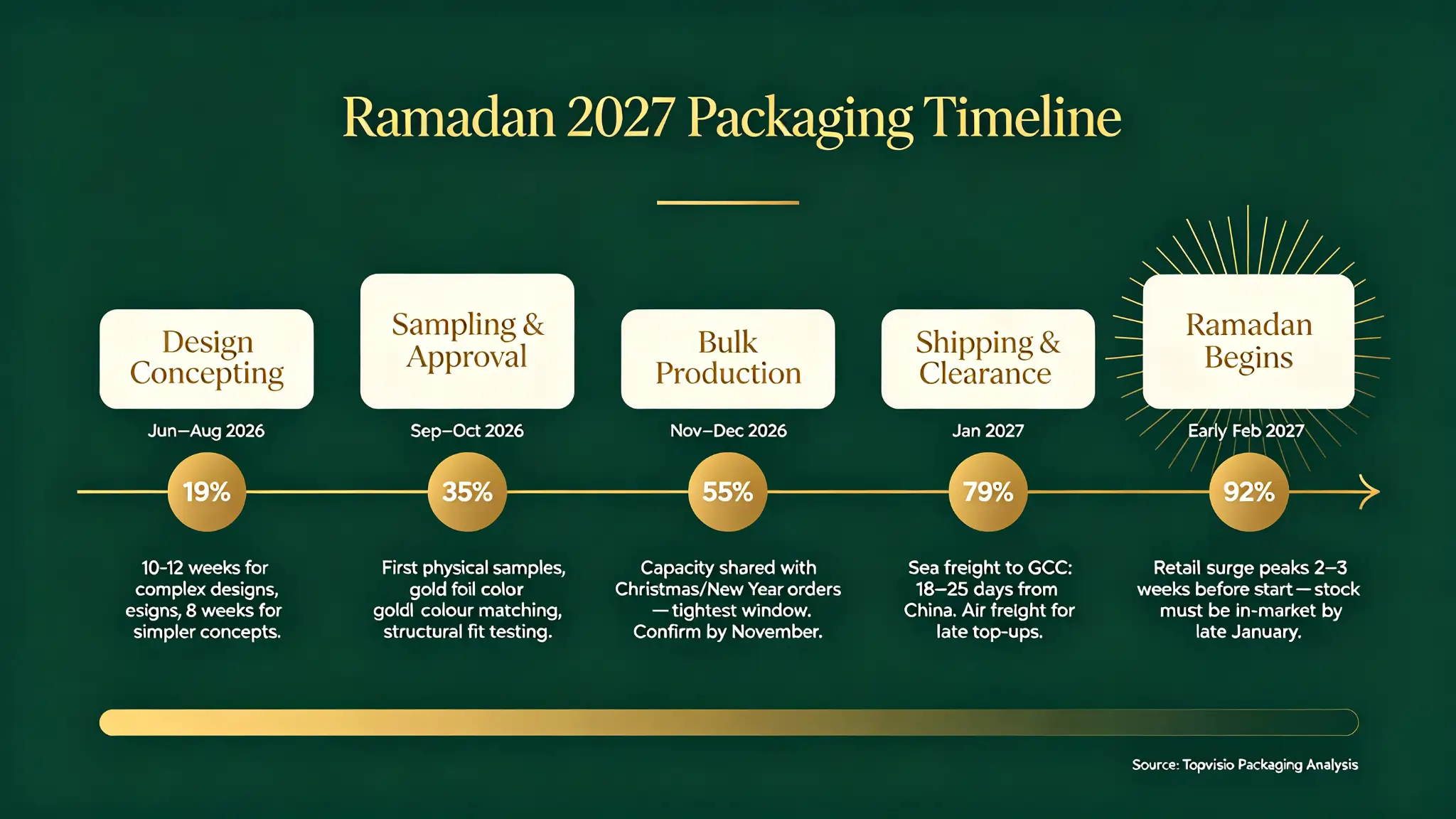
A physical sample takes 7 working days after design confirmation, with bulk production running 25-45 business days depending on order volume and finishing complexity. Our factory in Dongguan runs 14+ automated production lines to keep bulk timelines predictable.
Is FSC certification available for cosmetic packaging?
Yes. FSC-certified paper and greyboard are available on request, alongside PPWR compliance, ISO 9001, ISO 14001, and SEDEX audit standing.
Why does cosmetic packaging that photographs well sometimes underperform in real use?
A finish optimized purely for photography can scuff or wear during real-world retail handling, which undercuts the premium impression the design was meant to create once customers actually touch the product.
Should packaging design consistency be maintained across an entire product line?
A shared structural template with consistent finishing but distinct color coding per product tends to work well, balancing brand recognition with the ability to distinguish individual products on shelf.
How does packaging design affect cosmetic brand cost structure?
Structural complexity generally costs more than finishing complexity, so simplifying structure while investing in one well-executed finish often delivers more visual impact per dollar than the reverse approach.