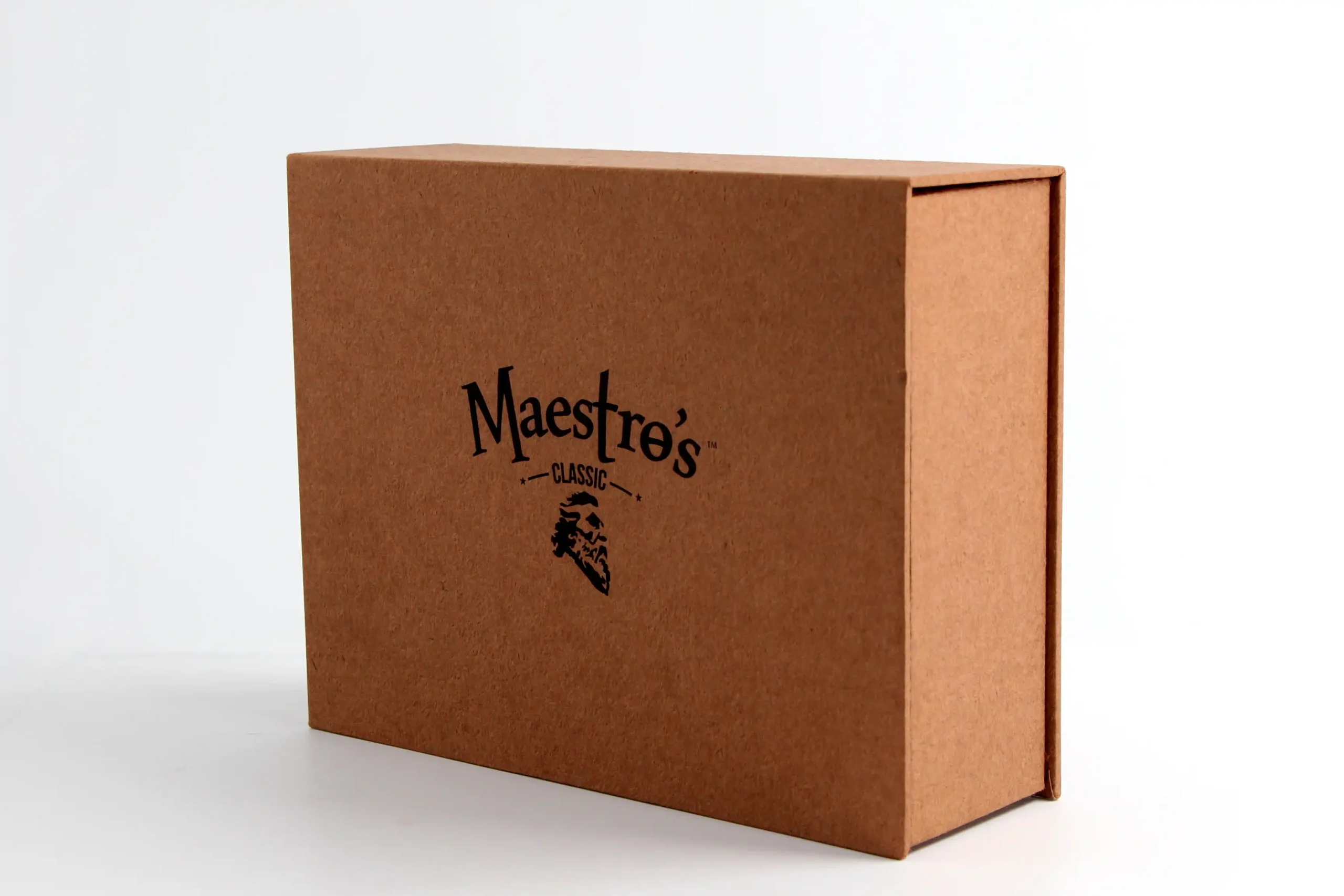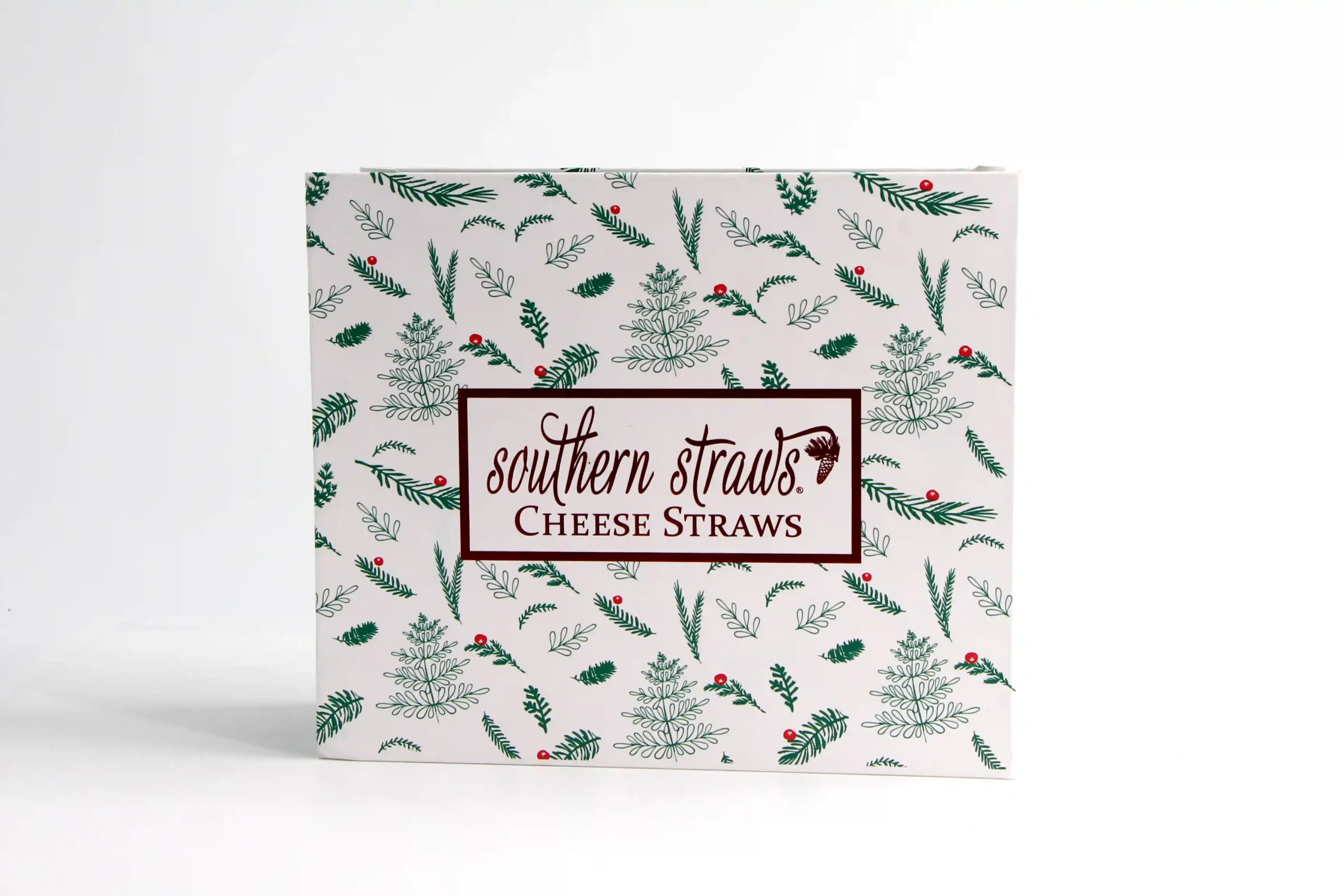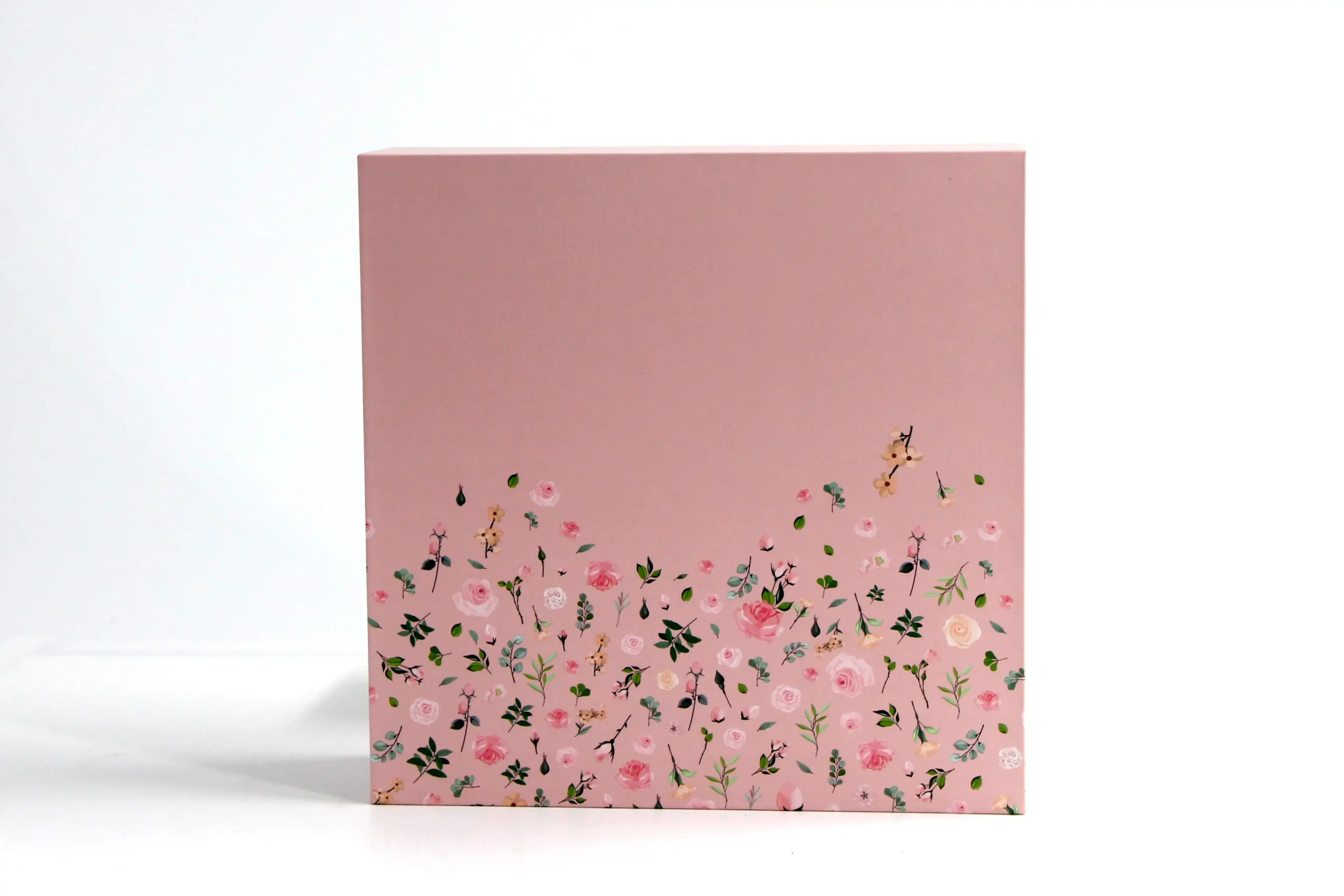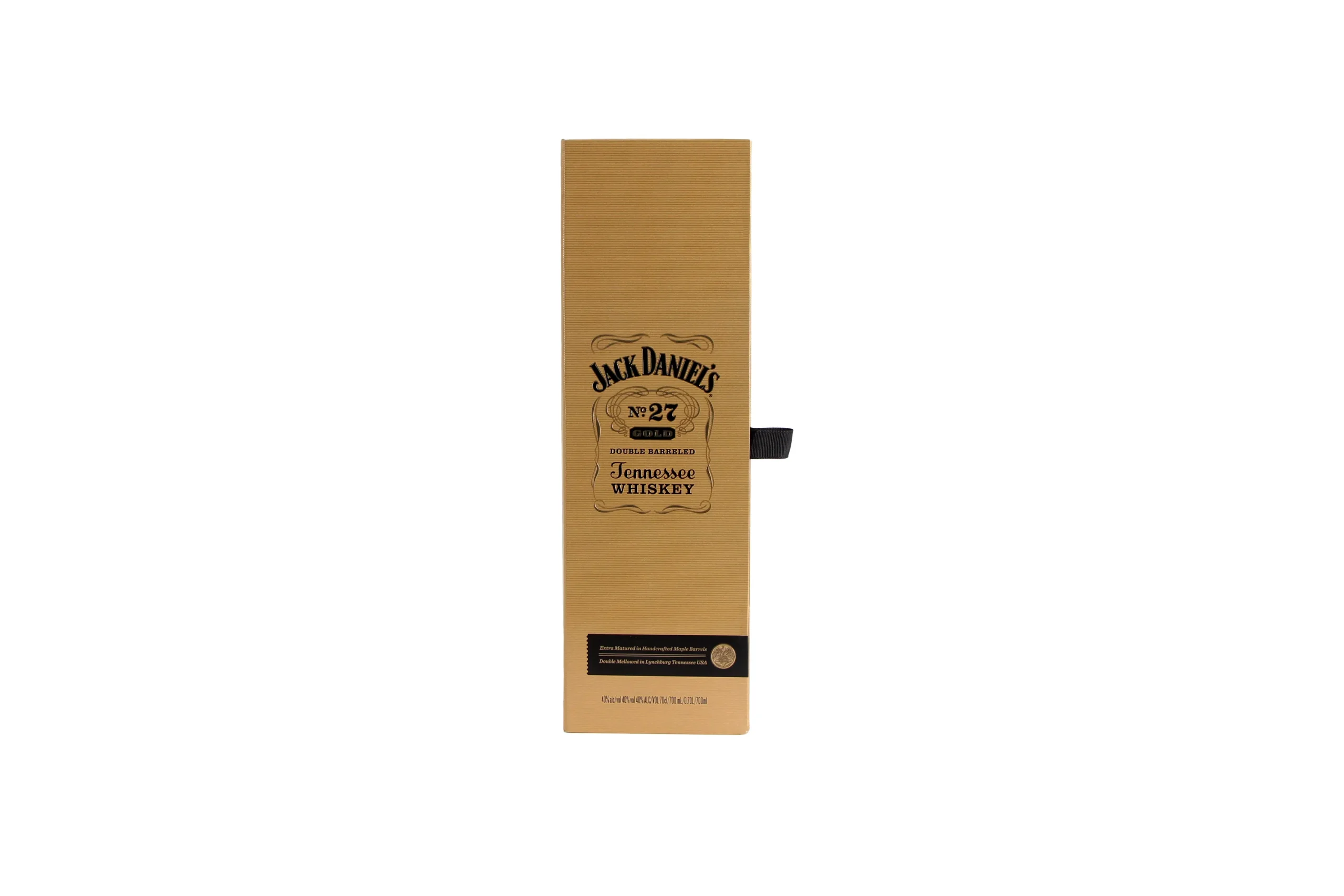
VerpackDG is the German packaging law that replaced VerpackG on 12 August 2026. Overseas brands now need a German authorised representative, should check their LUCID entries by 12 November 2026, and from February 2027 must move EPR marks into a QR code.
We make rigid gift boxes at Topvisio Packaging in Dongguan, Guangdong, China. Our 14+ automated lines turn out 800,000 drawer and book-style boxes and 1,500,000 two-piece lid and base boxes a month. We offer FSC on request, with production at ISO 9001 / ISO 14001 / SEDEX audited facilities, and our packaging is PPWR compliant.
VerpackDG vs the Old VerpackG: What Changed on 12 August 2026
VerpackDG stands for Verpackungsrecht-Durchführungsgesetz. It went live on the same day the EU’s Packaging and Packaging Waste Regulation (PPWR) started to apply. That timing is not a coincidence.
The old VerpackG copied an EU directive into German law. The PPWR is a regulation, Regulation (EU) 2025/40, so it applies in every member state as written. VerpackDG covers what Brussels left to Berlin: the register, the collection systems, and enforcement.
You can read the regulation on EUR-Lex. The German environment ministry has a summary of the national act on its law page.
Day to day, not much looks different. Brands still register, still pay a dual system to collect their sales packaging, and still report tonnages. The details got stricter, though. For how the EU rules sit next to producer responsibility, see our piece on EPR vs PPWR.
Who Counts as a Producer, and Why Overseas Brands Now Need an Authorised Representative
Under VerpackDG, the producer is usually whoever first puts packaged goods on the German market. If a US or UK brand ships gift sets straight to German shoppers from its web store or a marketplace, that’s the brand. It isn’t us, even though we printed the box.
We get asked about this a lot. Clients assume that because the box came from China, the duty sits somewhere in China. It doesn’t.
Since 12 August 2026, a producer with no establishment in Germany that sells to German end users has to appoint an authorised representative based in Germany. The legal hooks are Article 45(3) of the PPWR and § 5(2) VerpackDG. Before August this was optional.
The representative handles registration and reporting for you. Pick one that actually works with packaging data, not just a forwarding address.
The 12 November 2026 LUCID Deadline
LUCID is the online register run by the Zentrale Stelle Verpackungsregister (ZSVR). Entries made under the old law before 12 August 2026 stay valid.
There’s a catch. Under the transition rule in § 68(2) VerpackDG, any entry that is incomplete or out of date has to be fixed by 12 November 2026. That covers contact details, brand names, packaging types and, where needed, your authorised representative.
Not everyone has to edit anything. But if you added product lines, renamed the business, or started on a new marketplace this year, look at your entry now. Our guide to the LUCID packaging register in Germany covers first-time registration step by step.
VerpackDG and PPWR Labelling: The Green Dot Moves into a QR Code
This is the part that changes your box artwork. Three dates matter.
From 12 February 2027, a mark showing that a producer has met its EPR duties, like the green dot, can only appear through a QR code or another standard digital marking. Producer responsibility organisations read this as covering packaging placed on the market after that date. Boxes already in circulation are fine.
Next is the harmonised material label, the EU-wide sorting pictogram that tells people which bin to use. Article 12 of the PPWR says it applies from 12 August 2028, or 24 months after the Commission adopts the detailed rules, whichever comes later.
Those rules were due by 12 August 2026. They slipped. In late October 2026 the Commission moved adoption to the second quarter of 2027 and said it would run a public consultation first. So the mandatory sorting label will land after 2028.
Our advice to clients: don’t print sorting pictograms yet, because nobody knows the final design. Do take any standalone EPR mark off artwork for boxes that will ship after February 2027.
What VerpackDG Means for Rigid Gift Box Artwork and Materials
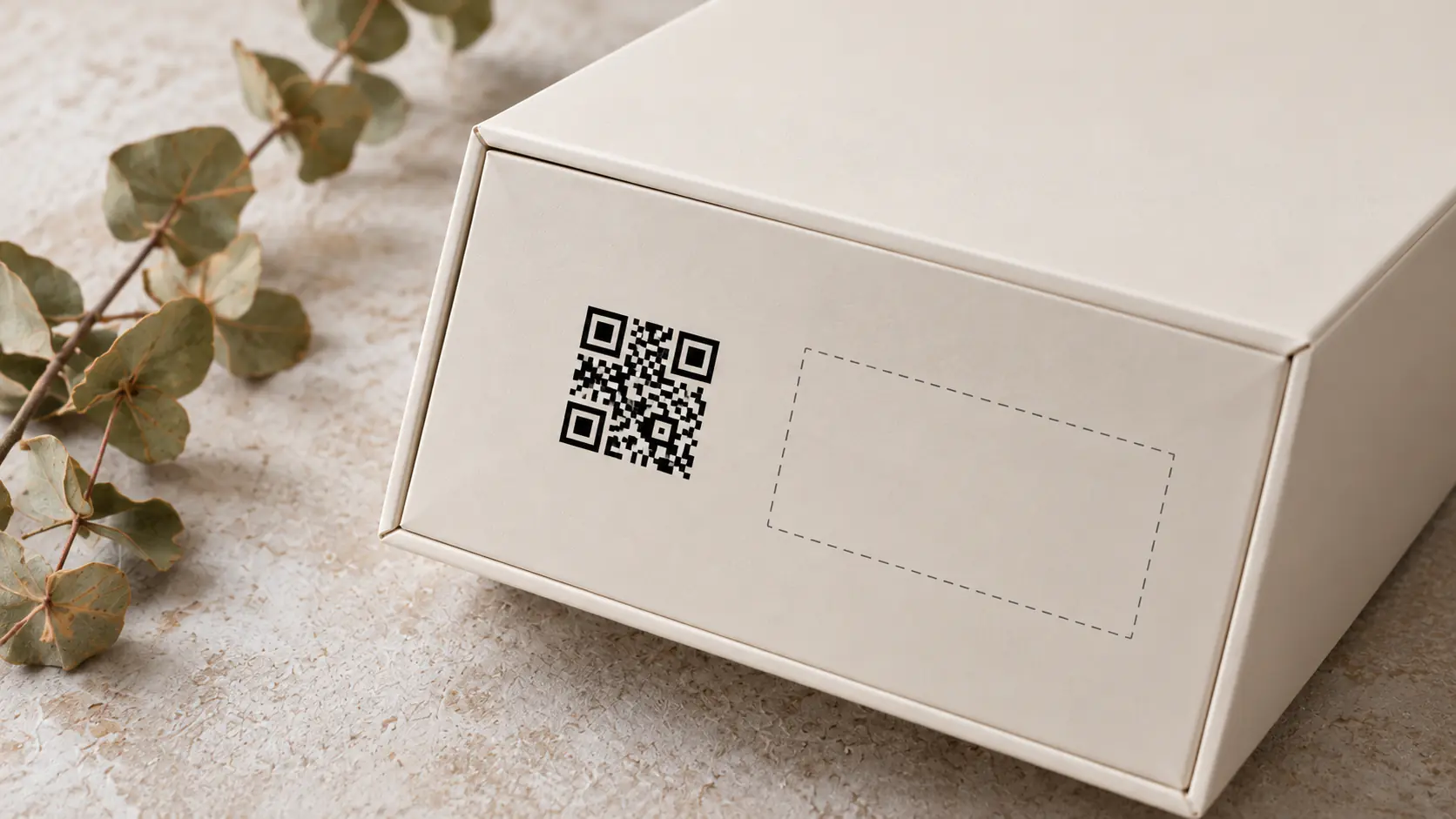
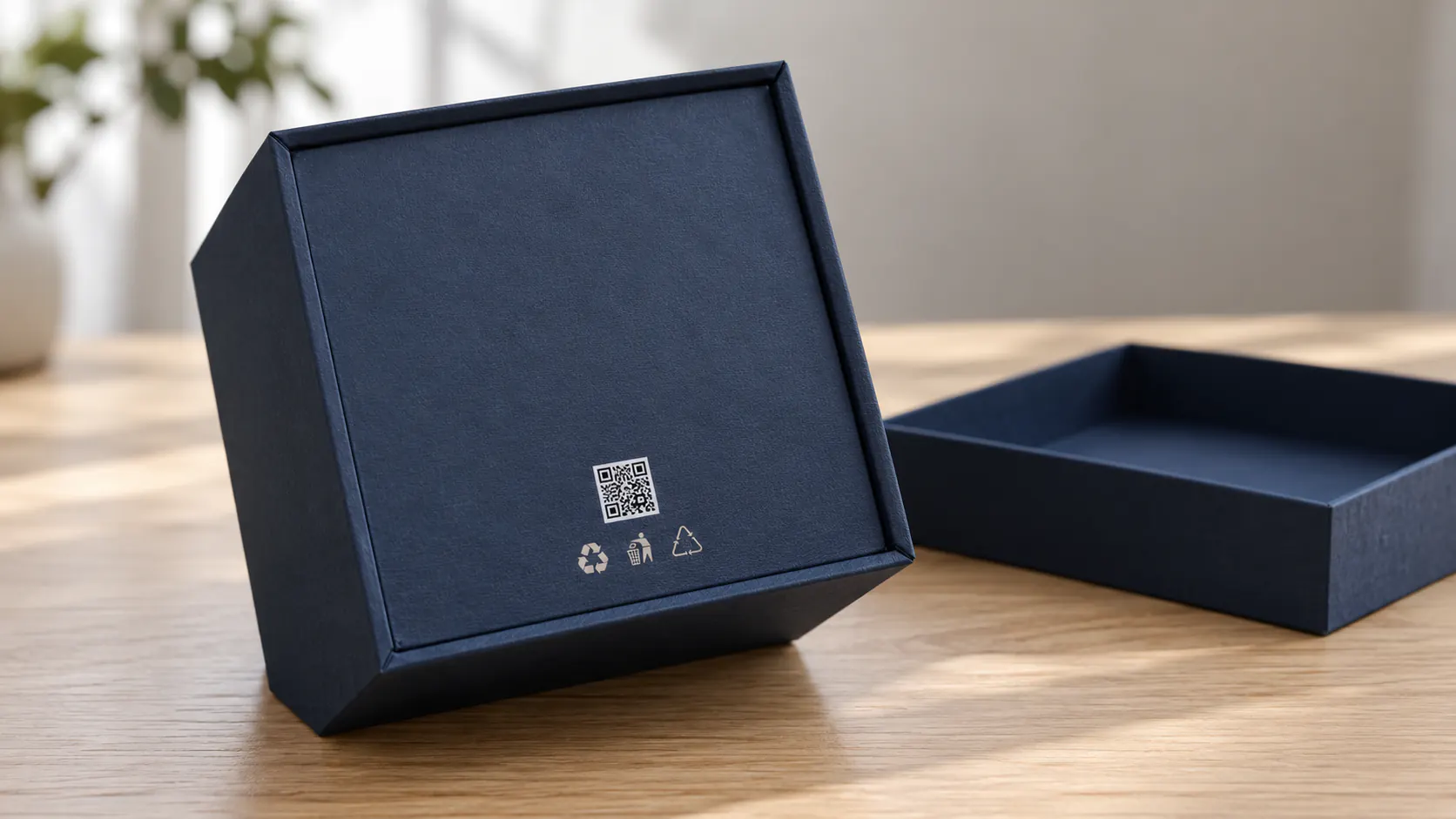
Leave room for a QR code on your next design. One code can hold the EPR mark from 2027, link to recycling instructions, and later carry the harmonised label data. When the rules change, you update the link, not the printing plates.
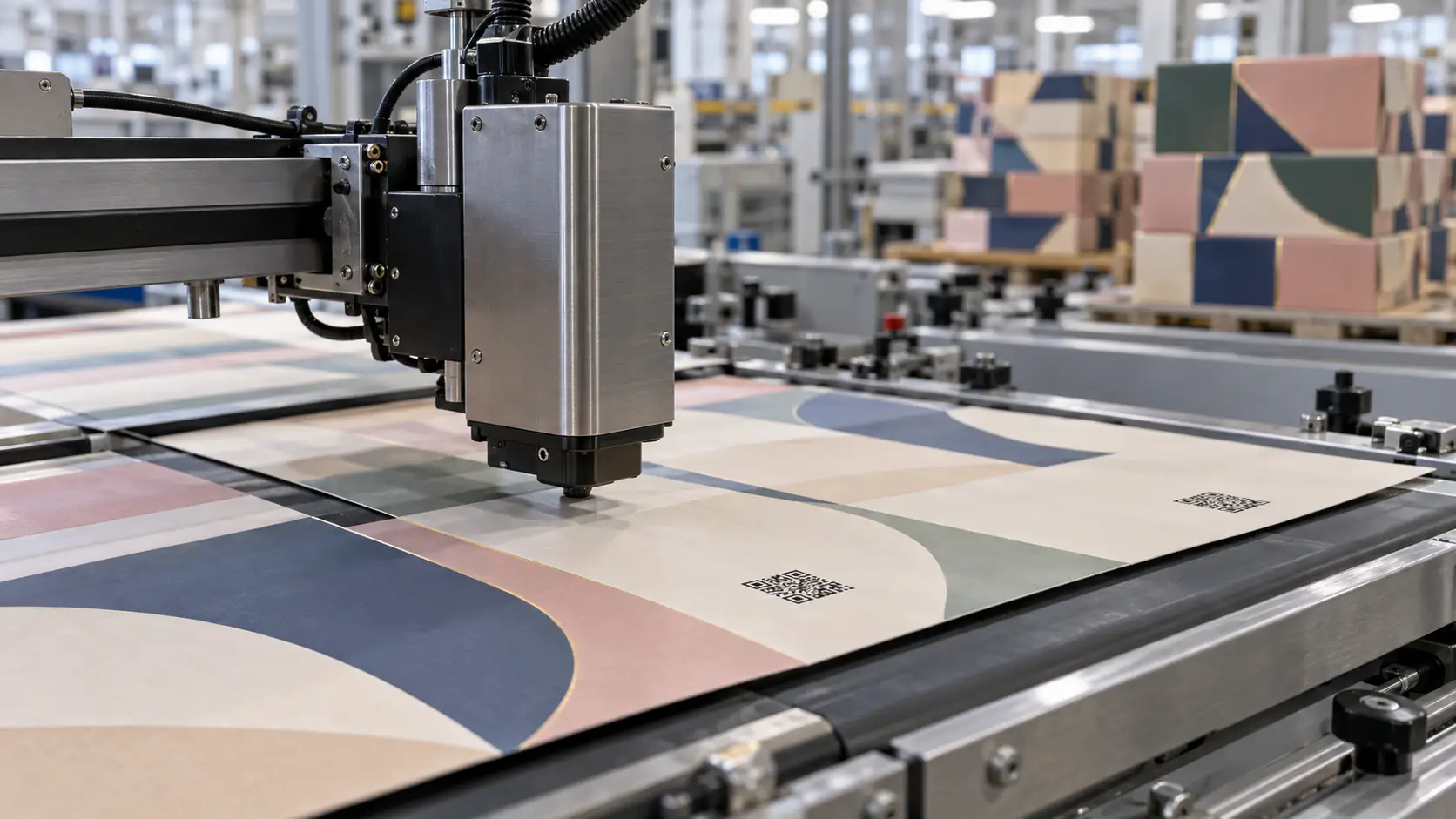
We can print one fixed QR code per design. We can also inkjet variable codes or serial numbers, so every box gets its own code for tracking.
Before sampling, our team looks over your artwork and flags a printed EPR mark or a missing QR area. Treat that as a production check. It isn’t legal advice.
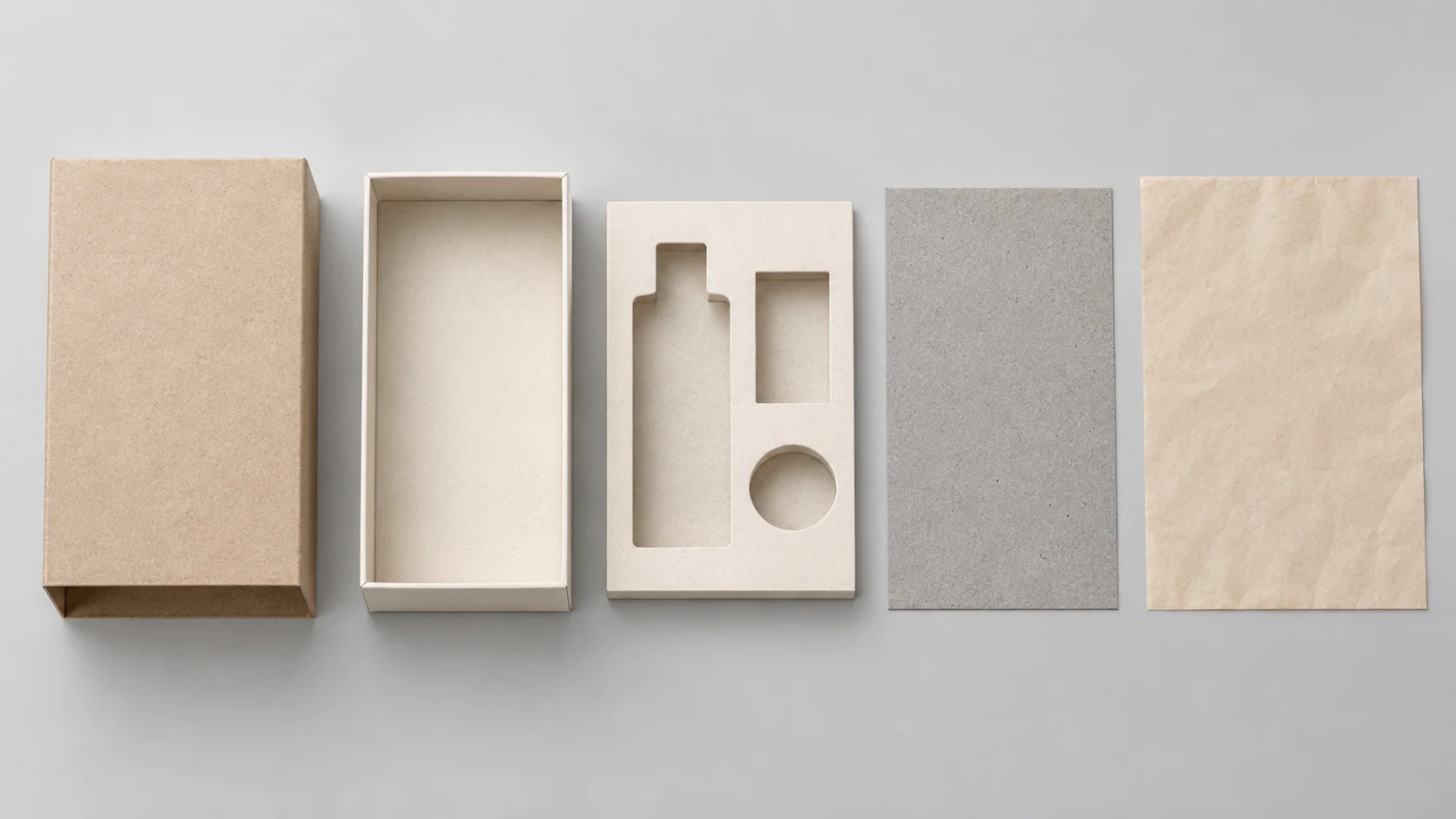
Your dual system fee and your LUCID report both depend on what the box is made of. With each order we can send a breakdown of every component by material and weight: greyboard, wrapping paper, insert, magnets, glue and coating. Your compliance person will thank you.
On many structures we can swap BOPP film lamination for a water-based varnish, which gets the box closer to all-paper. Some structures still need film for strength or scuff resistance, and we’ll tell you which. Our glue is water-based as standard.
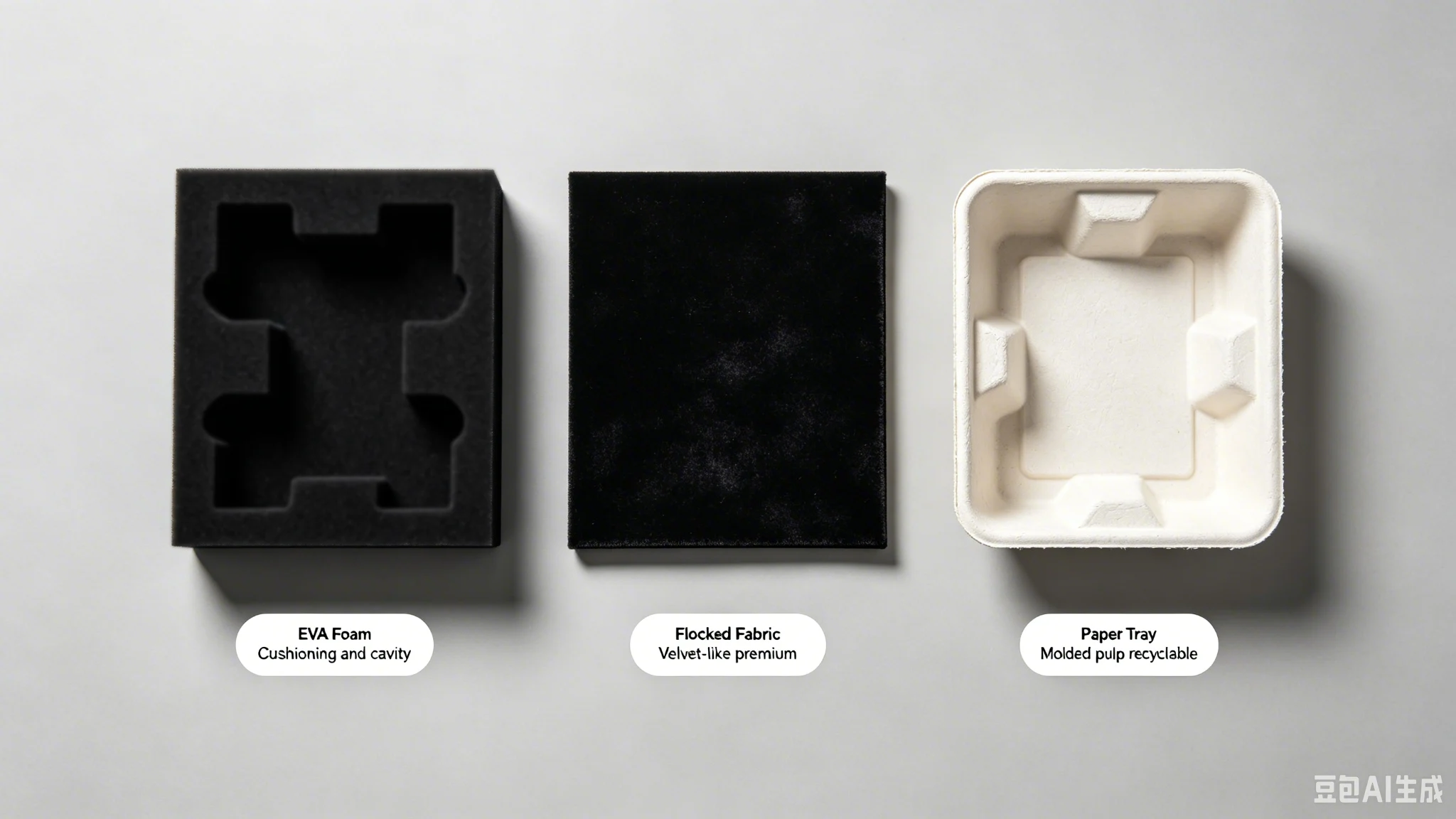
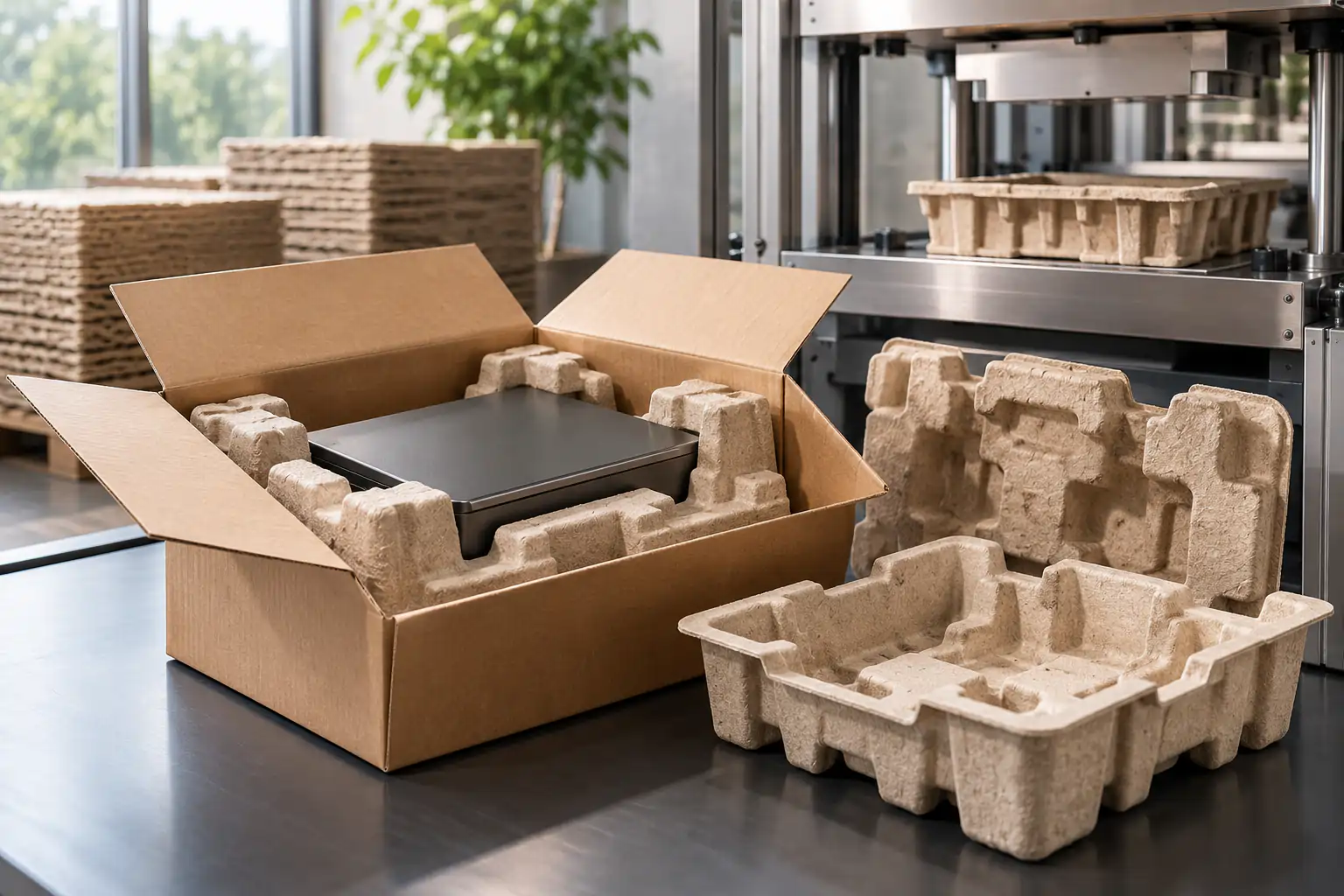
Paper card inserts can replace EVA foam in a lot of designs. Moulded pulp inserts come from partner moulders, with a 5,000-set MOQ and one to two months for tooling.
Think about magnets early. Ours are not built to be removed, so if recycling matters to you, go magnet-free with a ribbon tie, a tuck flap, or a drawer box.
A drawer box or a sleeve-and-tray design also lets you keep one main box across several SKUs and reprint only the sleeve. That saves money the next time the rules shift, or the next time marketing wants a holiday version. More low-impact options are on our eco-friendly packaging page.
Working Back from February 2027: When to Change Your Artwork
A rigid box order with us usually runs like this. Artwork check first, then samples in 7 working days, then 30 to 45 days of bulk production. Add sea freight to Europe, plus time in your warehouse.
Put those together and the maths gets tight. A box you approve in December can easily reach German shelves after 12 February 2027. If that box still carries a printed green dot, it falls on the wrong side of the rule.
So for anything launching in spring 2027, change the artwork now. That is the cheapest moment to do it, because you are already paying for new plates and a new sample.
Old stock is a different question. The answer depends on when each unit counts as placed on the market, and that is a legal call. Ask your authorised representative how VerpackDG treats them before you scrap anything.
One more practical point. If you plan a reprint during 2027, ask us to keep the QR area in the same spot. Then only the code content changes between runs, and your design team doesn’t have to rework the layout each time.
A VerpackDG Checklist for Brands Sourcing Packaging from China
Here’s who does what. It’s a summary, not legal advice, so check your own case with your authorised representative or compliance adviser.
| Task | Who Is Responsible | Deadline |
|---|---|---|
| Appoint a German authorised representative (if you have no German establishment) | Brand | Required since 12 August 2026 |
| Check and update your LUCID entry | Brand or its representative | 12 November 2026 for incomplete or outdated entries |
| Contract with a dual system and report volumes | Brand or its representative | Ongoing |
| Remove separately printed EPR marks and reserve a QR code area | Brand approves, factory flags during artwork check | Packaging placed on the market from 12 February 2027 |
| Provide material and weight breakdown per component | Factory | With each order |
| Prepare for the harmonised sorting label | Brand and factory | Not before 12 August 2028; final rules expected after Q2 2027 |
VerpackDG puts the paperwork on the brand. Material choices are shared between the brand and its supplier. We can’t register you or sign a dual system contract for you, but we can build a box that is easier to report, easier to recycle, and ready for the 2027 marking rule.
For the rest of the EU picture, read our PPWR packaging guide.
VerpackDG FAQ
What is VerpackDG?
VerpackDG is the Verpackungsrecht-Durchführungsgesetz, Germany’s packaging law implementing act. It replaced VerpackG on 12 August 2026 and works alongside the EU PPWR, setting national rules for registration, dual systems and enforcement.
Does VerpackDG apply to brands outside Germany?
Yes, if you sell packaged goods to German customers. A producer with no establishment in Germany that supplies German end users must appoint an authorised representative there. That rule has applied since 12 August 2026.
Can my packaging factory register me in LUCID?
No. Registration, the authorised representative and the dual system contract are the producer’s job. Topvisio Packaging supplies the material and weight data for those reports and checks your artwork for EPR marks and QR code space before sampling.
When does the green dot have to move into a QR code?
From 12 February 2027, EPR compliance marks can only appear through a QR code or another standard digital marking. We print fixed or variable QR codes on rigid boxes, and samples take 7 working days.
Can you produce VerpackDG-ready rigid boxes with FSC paper?
Yes. Our production base in Dongguan, Guangdong, China runs 14+ automated lines making 800,000 drawer and book-style boxes and 1,500,000 two-piece lid and base boxes a month. MOQ is 1,000 units per design.
We offer FSC on request, with the certificate number provided with your order, production at ISO 9001 / ISO 14001 / SEDEX audited facilities, and PPWR compliant packaging. See our factory or our FSC certified packaging options.