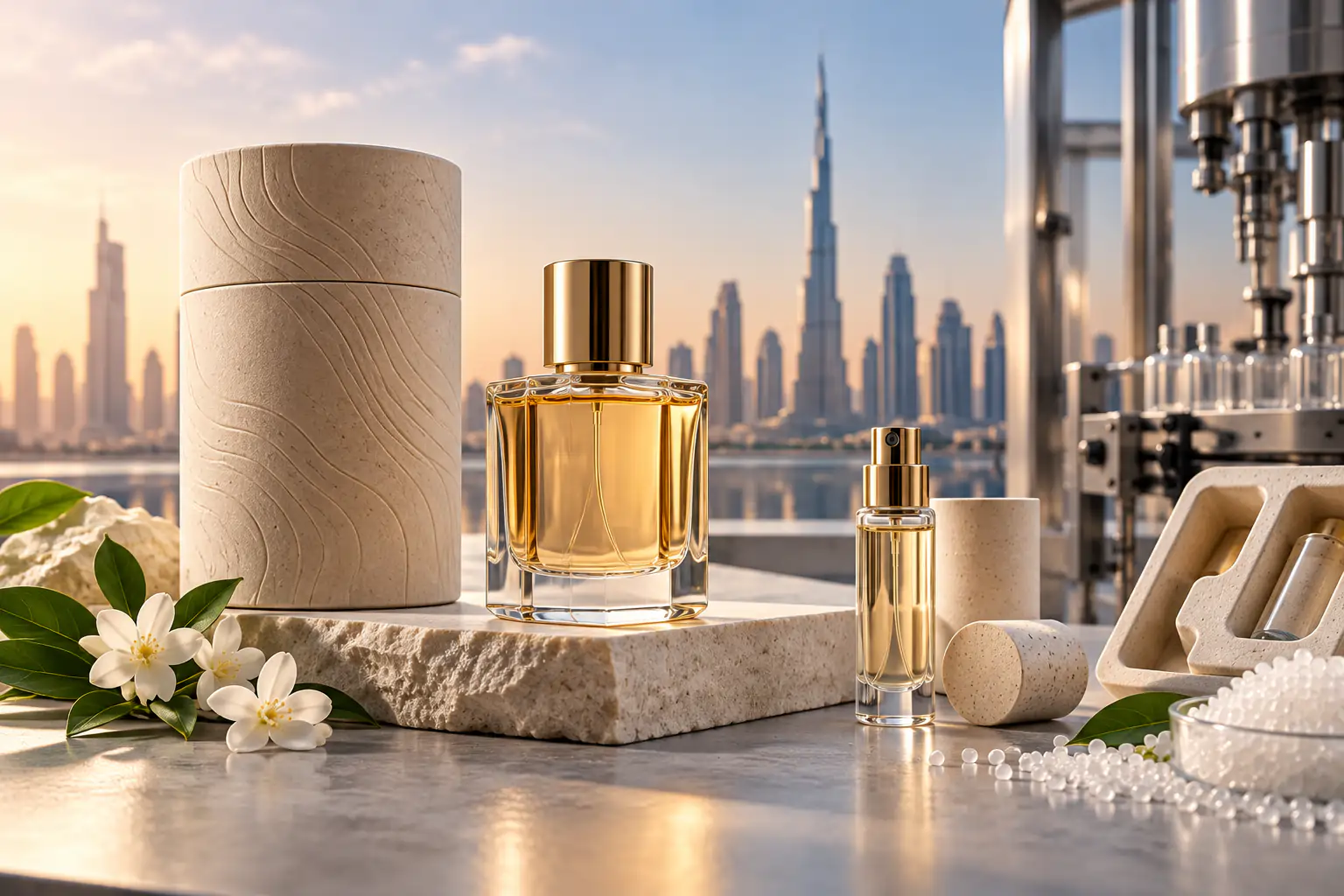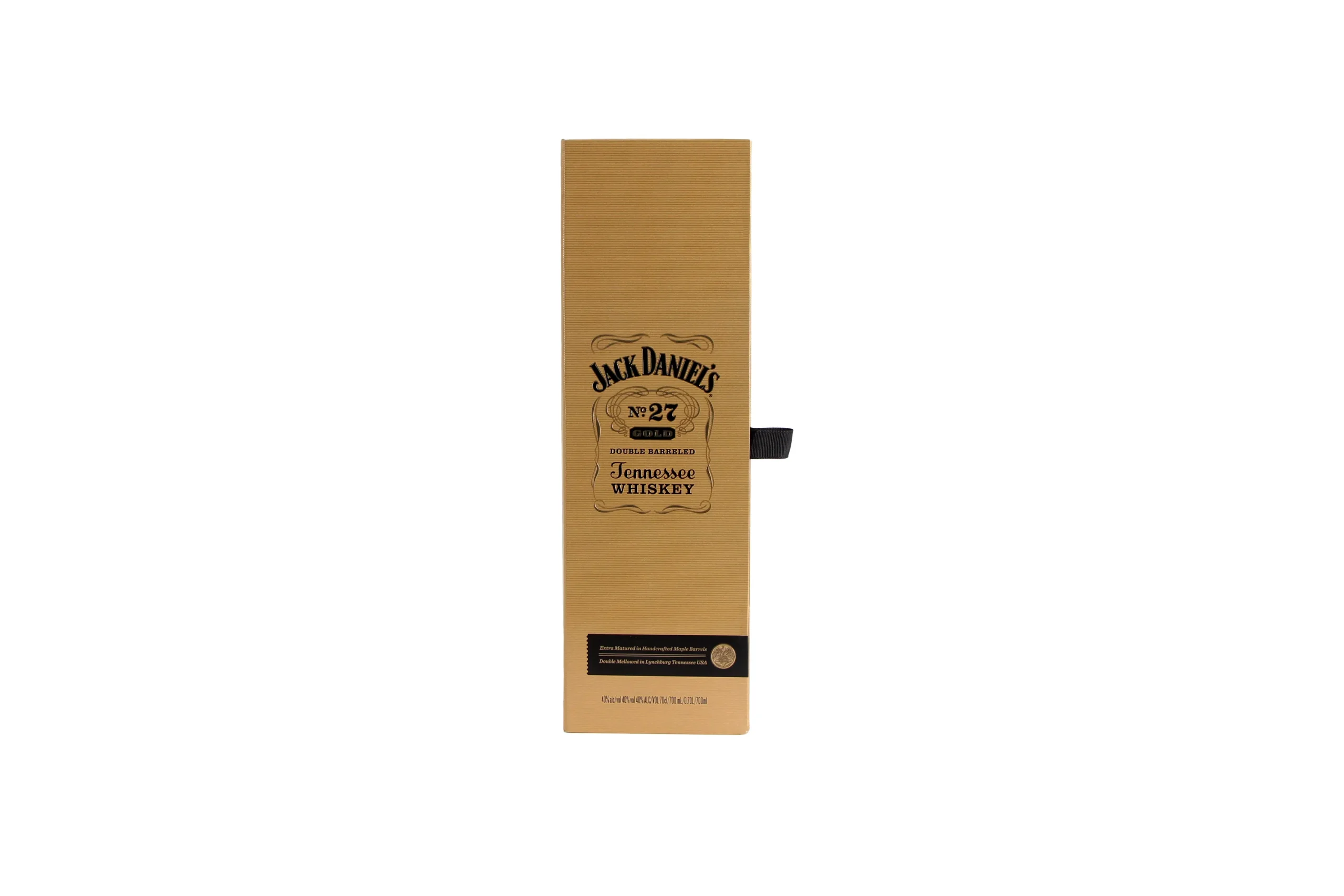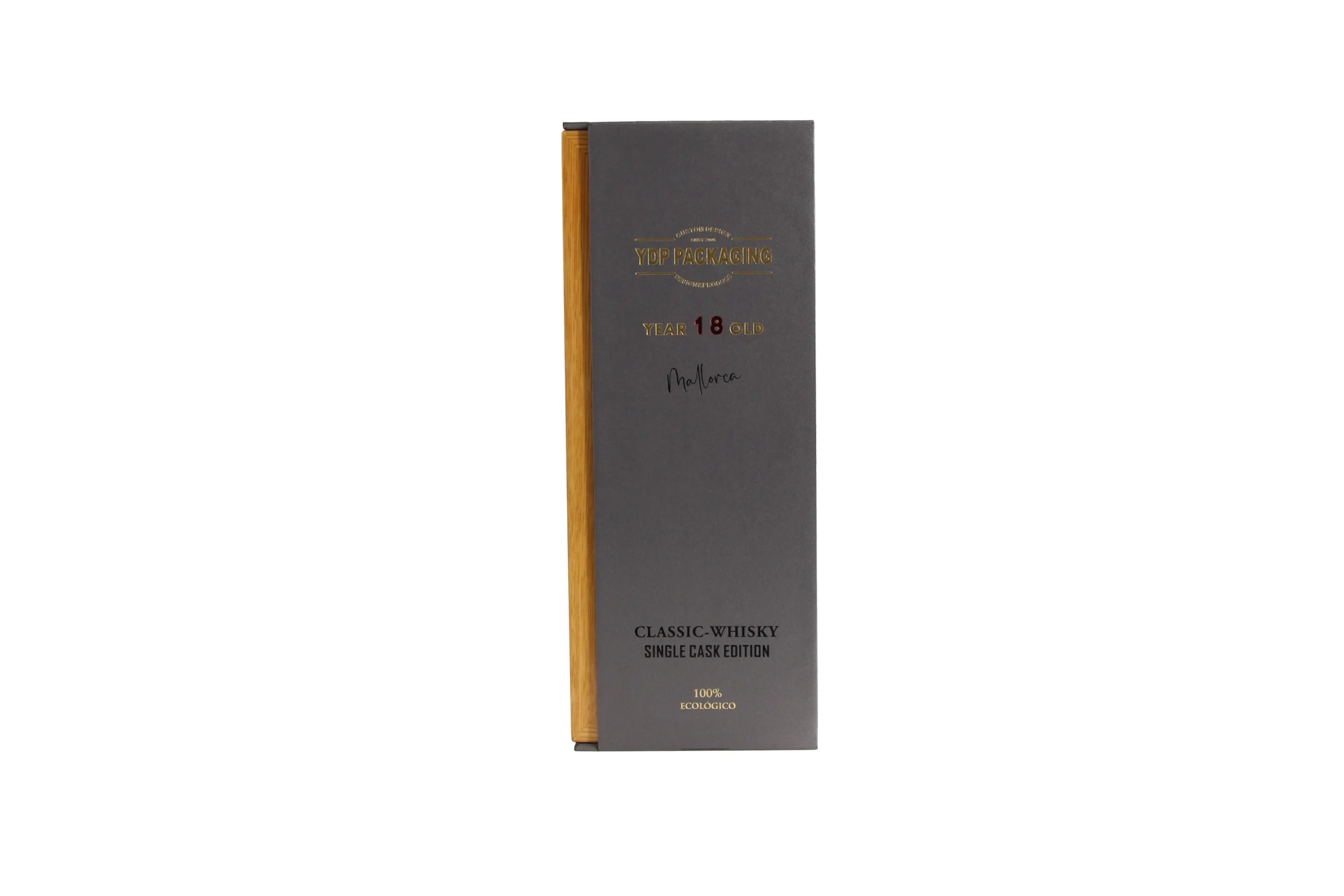
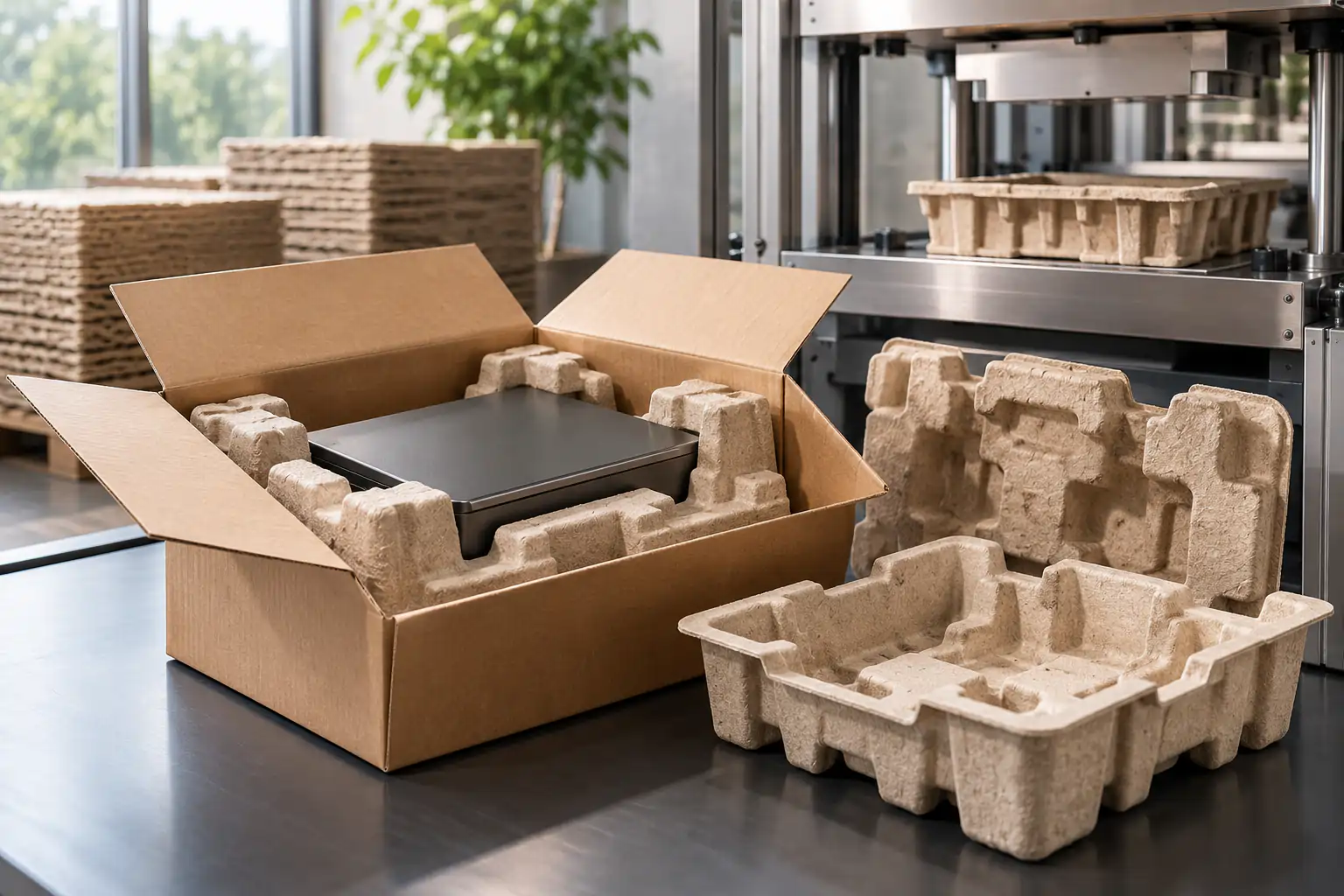
Molded pulp inserts are shaped trays made from wet paper fiber that is formed in a mold, pressed and dried, so a gift box can hold bottles, jars or devices in place without plastic or foam. They protect well, recycle with paper in most systems and, when wet-pressed, look smooth enough for premium packaging. The catch has always been tooling: a new insert usually needs its own mold, which costs money and time. In May 2026 Specialized Packaging Group (SPG) announced EcoFlex, a molded pulp system it says avoids conventional tooling and can cut lead time to as little as one week, and buyers are now asking whether pulp can move as fast as their launch calendars.
At Topvisio Packaging, a rigid gift box factory in Dongguan, Guangdong, China, we pair boxes with molded pulp inserts for plastic-free projects, offering FSC on request and PPWR compliant builds, and this guide explains how to choose and plan molded pulp inserts for a premium box.
What Did SPG Announce With EcoFlex?
SPG describes EcoFlex as a patent-pending molded pulp packaging system built from modular pulp components laminated onto corrugated structures. In its press release of 27 May 2026, the company says the approach avoids traditional molded pulp tooling costs, which it puts at up to $10,000 per design, and shortens production from four to six weeks to as little as one week. SPG also says the system uses 100% recycled fiber and meets ISTA shipping standards.
These are the company’s own claims, and the system is aimed mainly at protective shipping packs rather than display trays inside luxury boxes. Still, the direction is useful for brands. Buyers want the look and recyclability of fiber without waiting months for a mold, and suppliers are working on ways to shorten that wait.
Why Are Brands Switching to Molded Pulp Inserts?
The main reason is the move away from plastic. Vacuum-formed PET trays and foam inserts are hard to recycle and increasingly unwelcome in retail and in EU rules. Molded pulp inserts let a brand describe the inside of the box as paper-based, which matches the outer box and makes disposal simple for the customer.
There are practical reasons too. Pulp holds shape well under load, absorbs shocks in transit and can be molded into deep cavities that a folded paperboard insert cannot reach. For heavy glass bottles and fragile jars, that combination of depth and cushioning is hard to beat with paper alone. Our article on the single-use plastic ban covers the regulatory side of the shift.
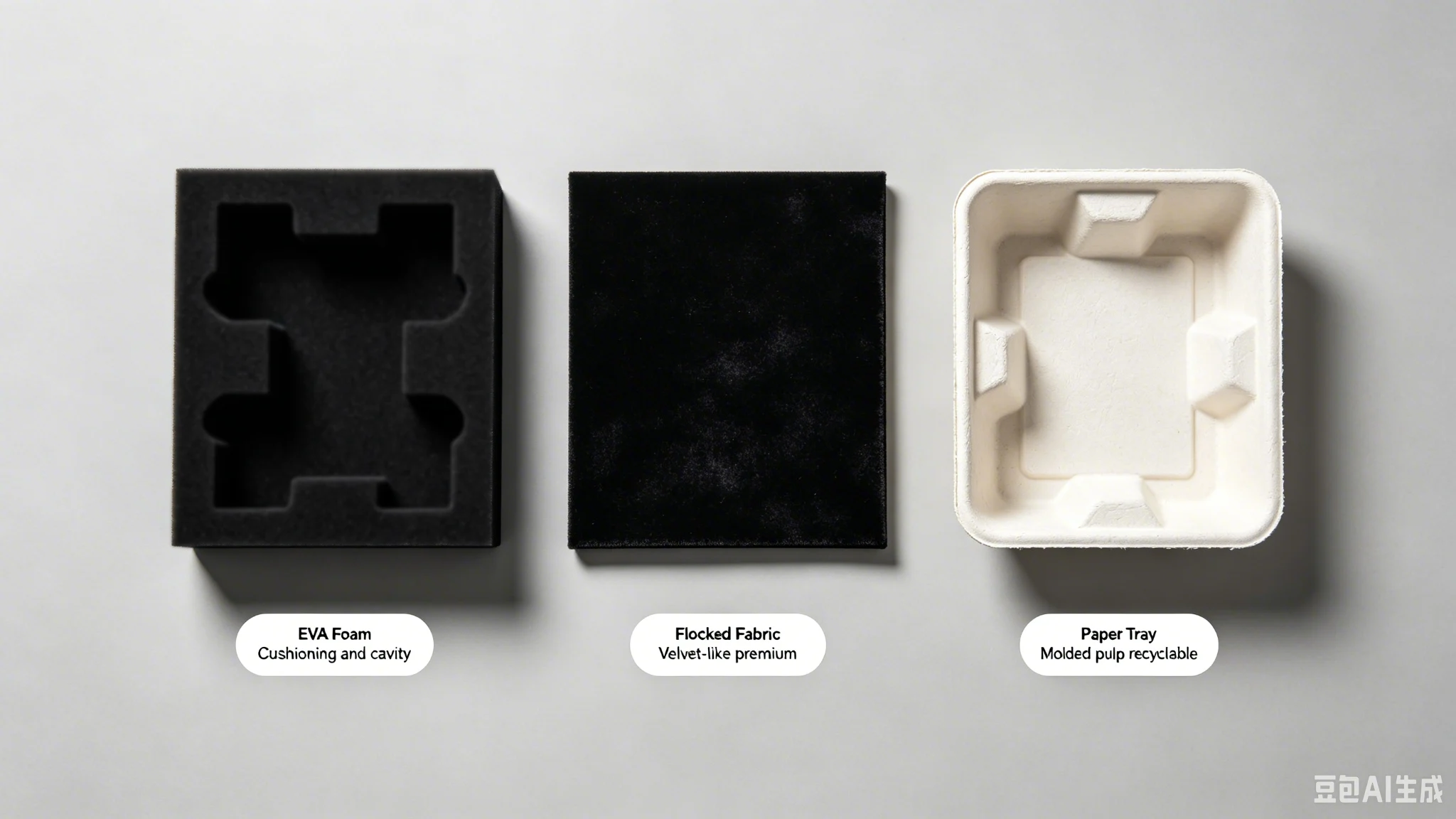
Molded Pulp Inserts vs EVA, Paperboard and Plastic Trays
Each insert material suits different products and budgets. The table compares the common options for rigid gift boxes.
| Insert type | Look and feel | Protection | Tooling and MOQ | End of life |
|---|---|---|---|---|
| Molded pulp (wet-pressed) | Smooth, fine fiber texture; natural, white or black | Good cushioning, deep cavities | Mold needed; higher MOQ | Recyclable with paper in most systems |
| Molded pulp (dry-pressed) | Rougher, egg-tray style | Good for transit protection | Mold needed; lower cost per piece | Recyclable with paper in most systems |
| EVA foam | Soft, precise, often flocked or wrapped | Very good, tight fit | Die-cut, low MOQ | Plastic; harder to recycle |
| Paperboard or card insert | Clean, can be printed or wrapped | Moderate; best for light items | Die-cut, low MOQ | Recyclable with paper |
| Vacuum-formed plastic tray | Glossy or flocked | Good for shallow items | Mold needed | Plastic; often restricted |
The best choice depends on weight, volume and the image you want. For a brand that wants to remove plastic and sells in larger runs, molded pulp inserts are usually the strongest option. For short runs and light products, a paperboard insert is often quicker and cheaper. Our guides to EVA foam inserts and interior packaging go deeper into the alternatives.
Wet-Pressed or Dry-Pressed: Which Suits a Gift Box?
Wet-pressed pulp is the usual choice for premium packaging. The fiber is pressed and dried in a heated mold, which produces thin walls, sharp detail and a smooth surface on the side the customer sees. It looks close to a molded card and sits comfortably inside a wrapped rigid box.
Dry-pressed pulp is formed and then dried without heated pressing. It is thicker, rougher and cheaper, and it is common for transit packaging such as egg trays and electronics protectors. It can suit a rustic or natural brand, but most luxury buyers find the texture too coarse for a reveal moment. If you are unsure, ask for both samples and compare them inside the actual box.
How Do You Plan Molded Pulp Inserts Step by Step?
Planning molded pulp inserts takes longer than a die-cut insert, so start early. This is the order we recommend.
- Send real products. Pulp has its own shrinkage and tolerances, so the molder needs the bottle, jar or device itself, not just a drawing.
- Agree the box size and insert depth together. The insert and the rigid box must be designed as one unit, with clearance for the lid.
- Choose the finish and color. Decide between natural, white or black pulp and between wet-press and dry-press before the mold is made.
- Approve a sample. Check fit, surface, color consistency and how easily the product lifts out.
- Test in transit. Drop and vibration tests on a packed box confirm the cushioning works. Methods from ISTA are the common reference.
- Lock the design. Changes after the mold is cut cost time and money, so finalize the product dimensions first.
What Affects the Cost of Molded Pulp Inserts?
Tooling is the biggest fixed cost, and it is why order quantity matters so much. A mold is made for each insert design, so its cost is spread across the run. At low volumes that cost per piece is high. Once quantities reach several thousand sets, molded pulp inserts become competitive with other premium insert materials.
Other cost drivers are the number of cavities, the depth of draw, the finish (wet-pressed costs more than dry-pressed), the color and any secondary work such as trimming, printing or hot-stamping the pulp surface. Simple shapes with gentle angles mold faster and fail less often than deep, undercut cavities. A good molder will suggest small shape changes that keep the look and reduce cost.
Can Molded Pulp Inserts Carry a Sustainability Claim?
Yes, if the claim is specific. “The insert is molded pulp made from paper fiber” is easy to support. Statements about recycled content, compostability or certification need documents from the pulp supplier. Fiber certification can be added through FSC chain of custody; the Forest Stewardship Council explains how that works, and our page on FSC certified packaging covers the options for the box itself.
Keep the whole pack in mind. A pulp insert inside a box with plastic lamination and a PVC window sends mixed signals. Pairing molded pulp inserts with a paper-wrapped box and a water-based varnish gives a cleaner, all-fiber story.
Topvisio Insights: How We Source Pulp Inserts
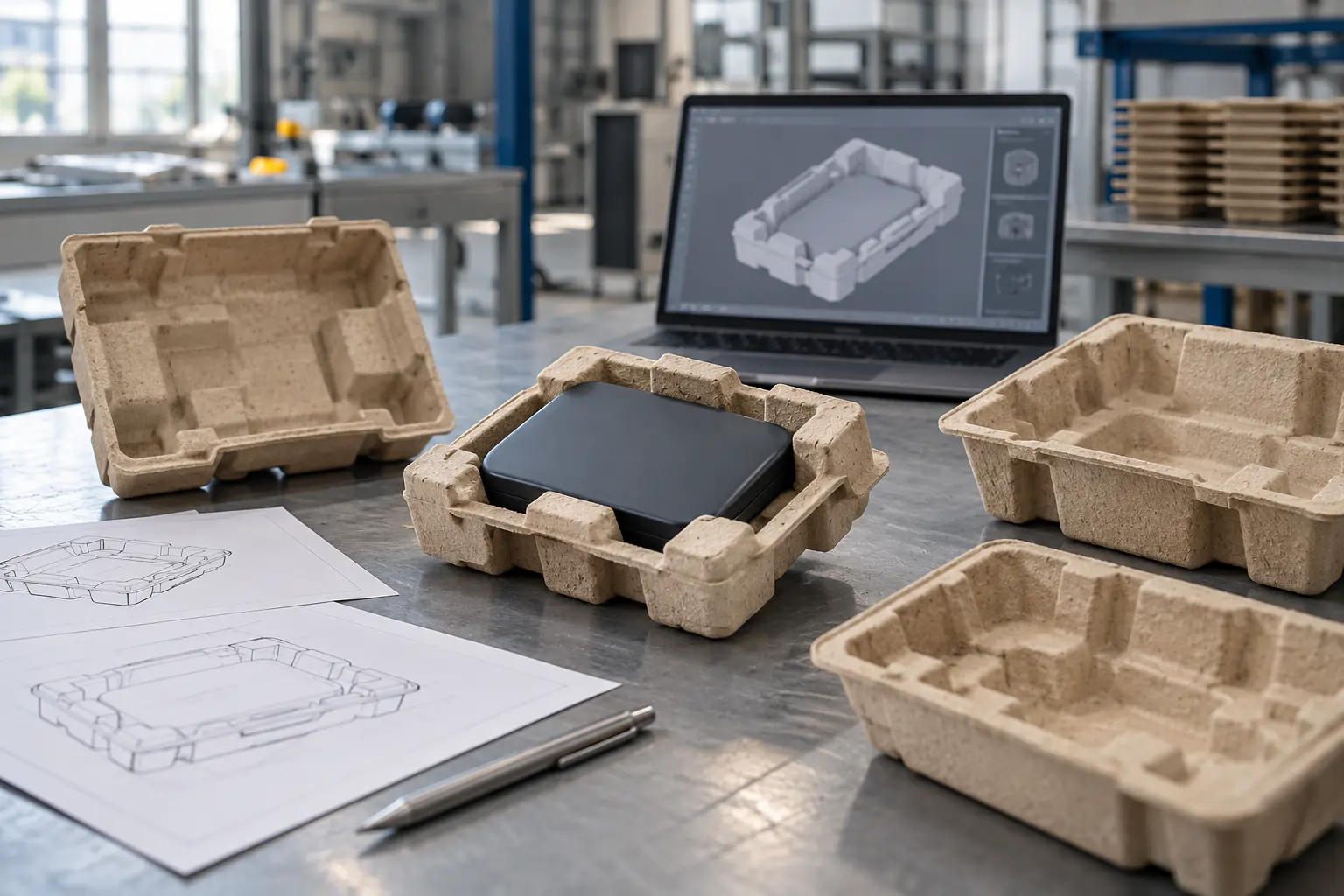
We do not mold pulp in our own factory. We work with specialist molded pulp partners and manage the project for the brand: we measure the product, design the insert together with the box, check samples and pack everything into the finished box. The brand deals with one supplier, and we take responsibility for the insert fitting the box.
Most of the molded pulp inserts we supply are wet-pressed, because the smooth finish suits premium gift packaging. The common colors are black, white and natural brown pulp. Tooling and sampling usually take one to two months, and mold costs typically range from about RMB 20,000 to RMB 100,000 depending on the size and complexity of the design. That is far longer and more expensive than a die-cut insert, so we tell brands about it at the first meeting rather than at the sample stage.
Because of that tooling, our minimum for molded pulp inserts is 5,000 sets, higher than our 1,000-unit box minimum. For smaller runs, we usually suggest a paperboard insert first and a switch to pulp once volumes grow. Brands that plan the change early can keep the same box size and simply replace the insert.
Plan Your Plastic-Free Insert
If you are thinking about molded pulp inserts for your next launch, send us your product and expected quantities. We will tell you whether pulp makes sense at your volume, suggest a finish and color, and plan the box around it. Start on our contact page, see our eco-friendly packaging range, or visit the Topvisio homepage.
FAQ
What are molded pulp inserts?
Molded pulp inserts are trays formed from wet paper fiber in a mold, then pressed and dried. They hold products in place inside a box and replace plastic trays or foam in many gift and retail packs.
Are molded pulp inserts good enough for luxury packaging?
Wet-pressed pulp is. It has thin walls, sharp detail and a smooth surface that suits premium boxes. Dry-pressed pulp is rougher and better suited to transit or rustic designs.
Why do molded pulp inserts need a higher order quantity?
Each design needs its own mold, and the mold cost is spread across the order. At small quantities the cost per insert is high, so pulp makes most sense in larger runs.
What colors are available for pulp inserts?
Natural brown, white and black are the common options. Other colors may be possible, but they should be confirmed with a sample before production.
What are Topvisio’s lead times and minimums for pulp inserts?
Topvisio Packaging sources wet-pressed pulp inserts through specialist partners, with tooling and sampling taking one to two months and a minimum of 5,000 sets. The boxes are made on our 14+ automated lines in Dongguan, at ISO 9001 / ISO 14001 / SEDEX audited facilities, FSC on request and box samples in 7 working days.