“Non toxic” gets used loosely in packaging marketing, often without much behind it. In our production data, one specific choice actually earns that description with something concrete to point to: water-based coating, used in place of solvent-based alternatives on three real products, each for a different reason but all trading solvent content for water content in the same basic chemistry.
This guide covers what water-based coating actually is, where it shows up in our production data, and why it’s a genuinely different claim from FSC certification for non toxic packaging, even though the two get bundled together in a lot of sustainability marketing.
The Non Toxic Packaging Question Buyers Are Starting to Ask
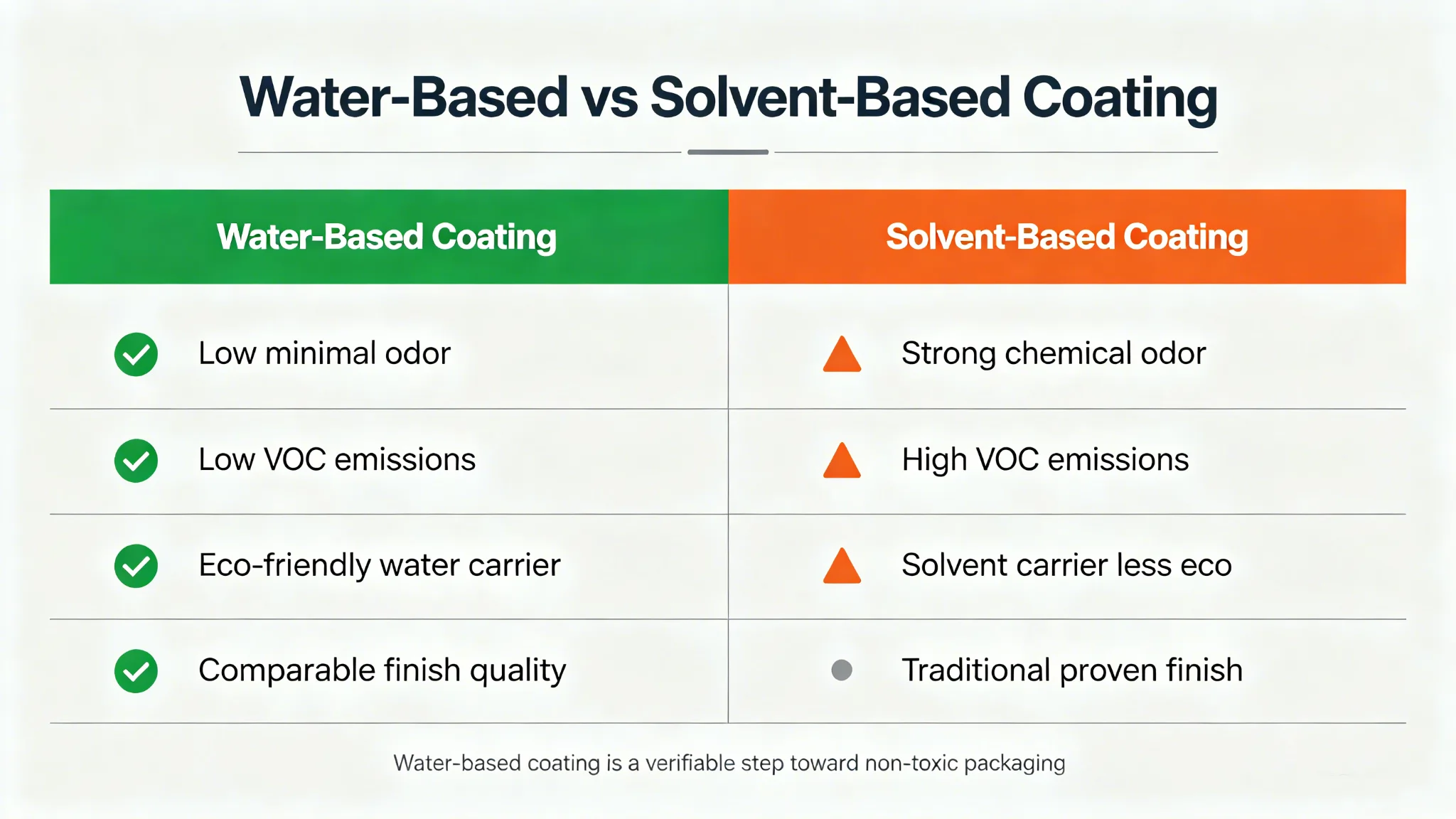
More brands are asking suppliers directly what’s in a coating, not just what it looks like once cured. That’s a reasonable question — solvent-based coatings release volatile organic compounds as they cure, while water-based formulations use water as the primary carrier and release meaningfully less. Non toxic packaging isn’t a single certified category, but water-based coating is one of the more concrete, verifiable steps toward it that a factory can actually point to in its own process, rather than a marketing claim layered on afterward.
Water-Based Coating: What It Actually Is
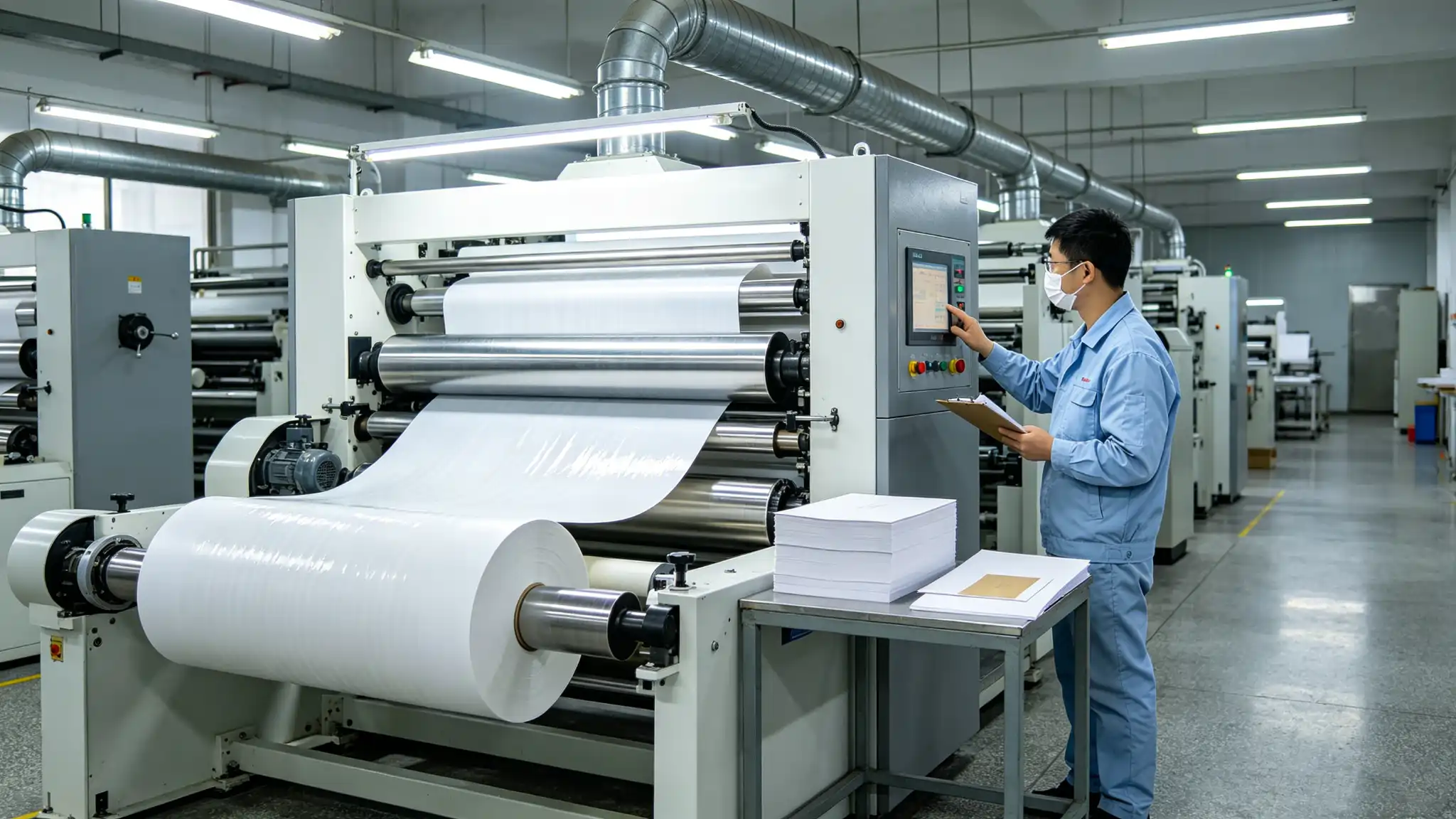
Water-based coating replaces most or all of the solvent carrier in a traditional coating with water, while keeping the resin and pigment components that determine the finished look and durability. The result cures with a different chemistry and typically lower VOC emissions during application, without necessarily changing the final visual finish in a way a customer would notice. It’s this lower-VOC profile that supports a non toxic packaging claim in a specific, limited sense — not a blanket statement about the whole box.
Real Examples from Production
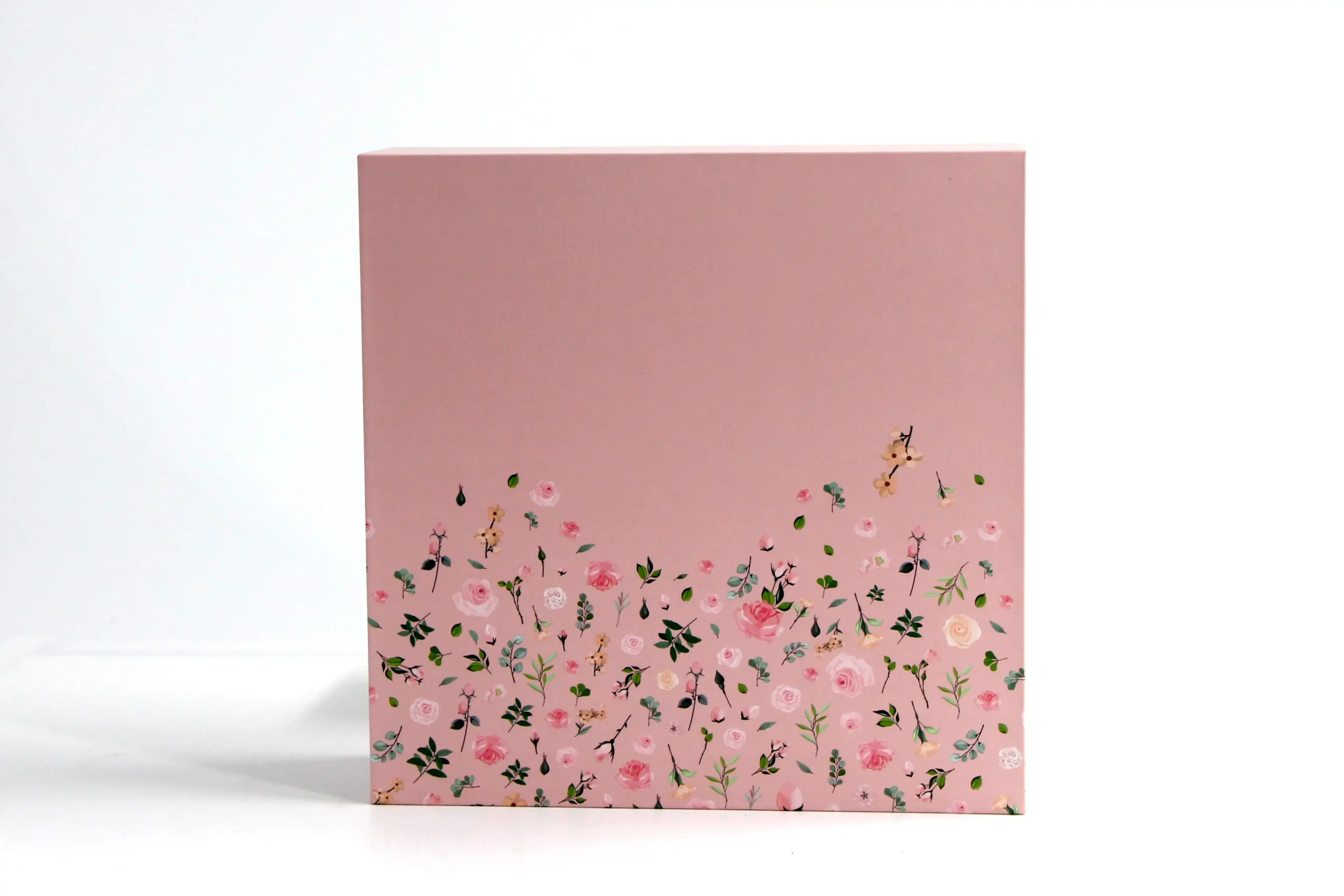
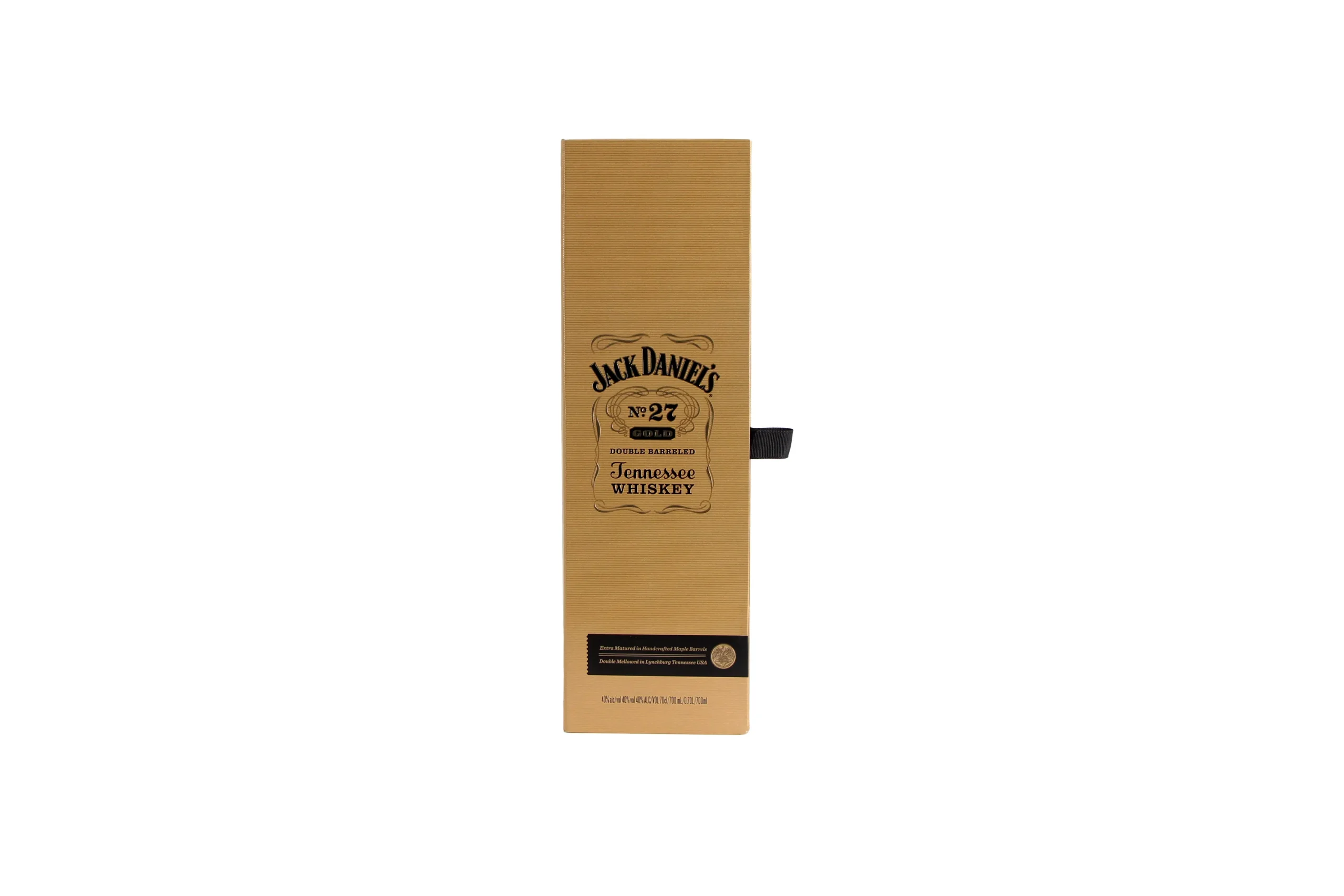
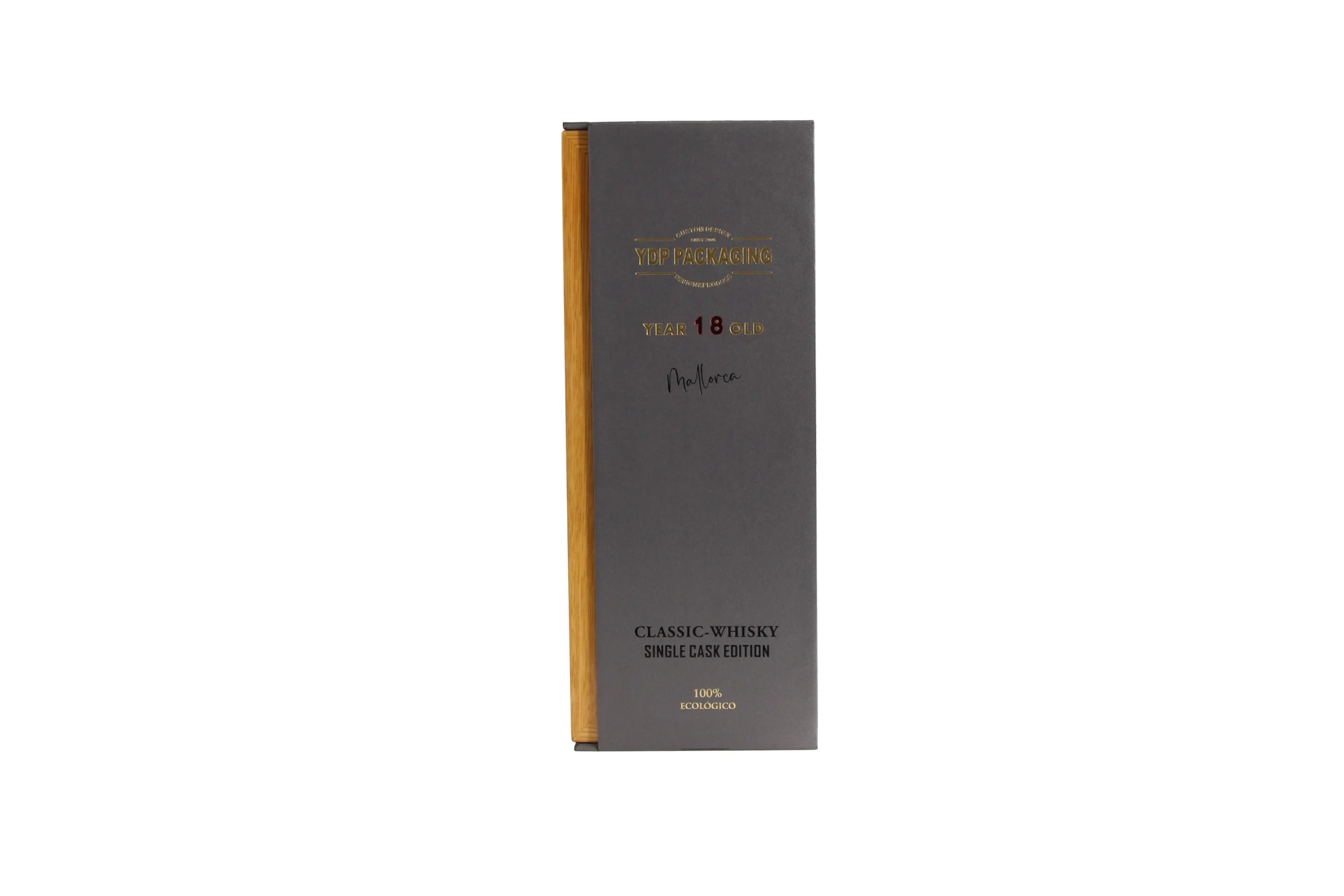
Three real cases in our data use water-based coating, each solving a different problem. A rose-patterned magnetic gift box in an olive green finish applies water-based coating across both the outer and inner box as part of the base surface treatment, alongside foil stamping and embossed texture, showing the coating integrates cleanly with other decorative processes rather than limiting them. A single-cask whiskey box uses a water-based coating specifically inside the drawer structure, brushed on before a flocked lining is added — a case where the coating sits somewhere a customer’s hand and the product itself make direct contact. And a licensed character bracelet box applies a water-based matte coating to the printed interior lining board before magnets are set in place, another case where the coating sits close to the product rather than only on an outer decorative surface.
Water-Based Coating vs FSC Certification: Two Separate Things
It’s worth being precise here, because these two ideas get conflated constantly in packaging marketing, and conflating them risks a non toxic packaging or eco claim that isn’t accurate. Water-based coating describes one process choice on one layer of a box: lower solvent content in a specific surface treatment. FSC certification describes the sourcing chain of the paperboard itself, tracing it back to responsibly managed forests. A box can use water-based coating without being FSC certified, and in fact two of our three real examples are not FSC products. The two aren’t mutually exclusive either: if FSC-certified material matters for your brand, that can be specified alongside a water-based coating choice — they’re independent decisions, not a package deal.
How to Talk to Your Supplier About Sustainable Craft
Ask specifically, not generally. “Is this eco-friendly” invites a vague, reassuring answer. “Is this coating water-based or solvent-based, and is the board FSC-certified” gets you two separate, checkable facts instead of one marketing impression. If non toxic packaging claims matter for your product category, particularly anything with direct skin or product contact, ask for the specific coating type used at each stage, not just an overall sustainability statement about the box.
What to Know Before You Request a Quote
A few production basics apply to water-based coating specifications.
Minimum Order Quantity
1,000 units per SKU is standard across our product range.
Sample Lead Time
7 days from confirmed spec to sample in hand.
Production Lead Time
30 to 45 days, comparable to standard solvent-based non toxic packaging coating timelines.
Sourcing Note
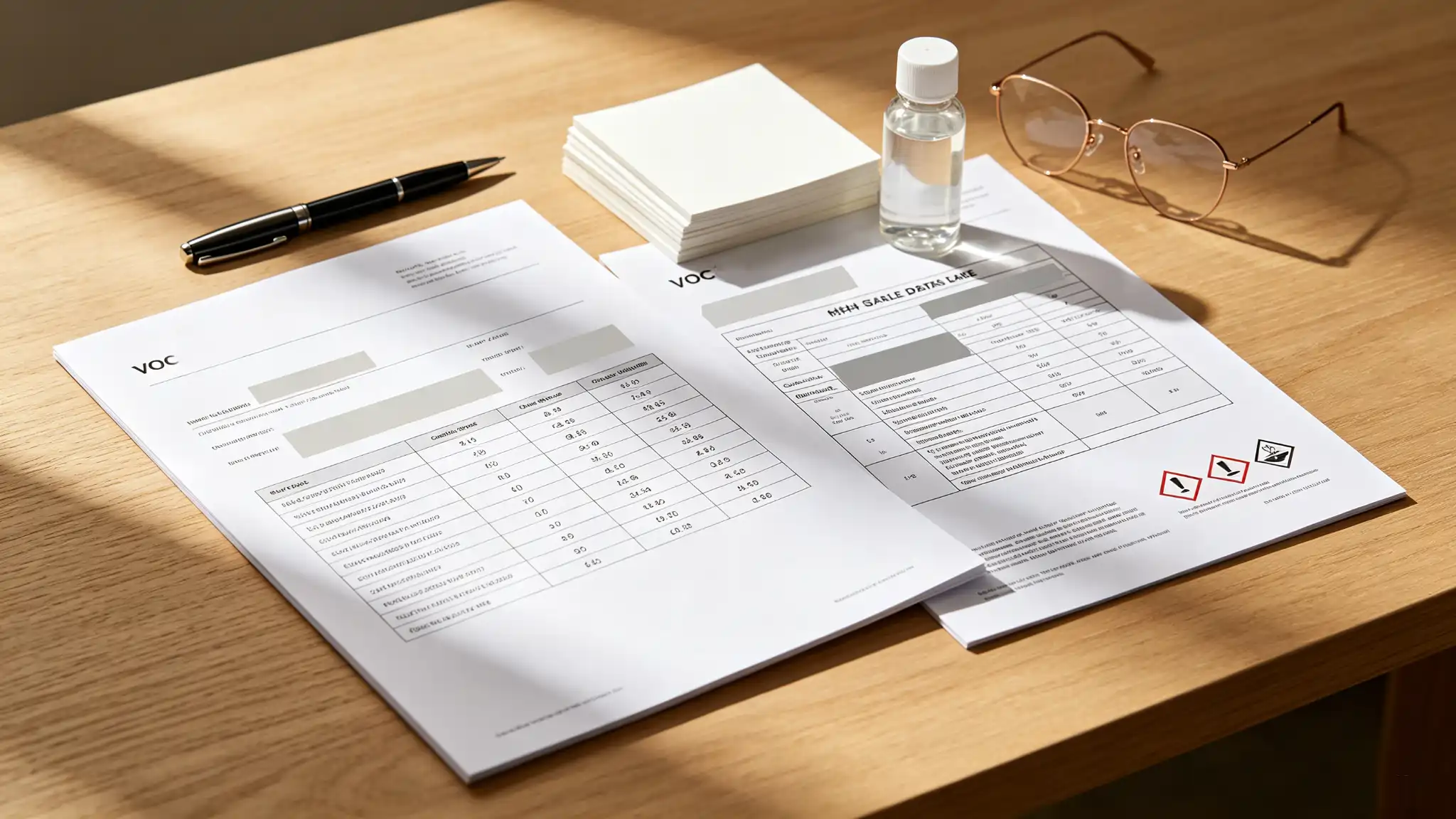
VOC content for non toxic packaging coatings can be measured using a method like ASTM D3960. FSC chain of custody documentation is available on request for products where certified sourcing matters, independent of the coating choice itself.
FAQ
Is water-based coating the same as FSC certification?
No. Water-based coating describes the surface coating chemistry on a box. FSC certification describes the sourcing of the paperboard. They’re separate, independently specifiable choices.
Can I get an FSC-certified version of a product that currently isn’t certified?
Yes. FSC-certified material can be specified for most products in our range, including ones where a non-certified version has been used in past production.
Is water-based coating more expensive than solvent-based?
Costs are broadly comparable for most standard non toxic packaging applications, though very complex finishes may see some variation. It’s worth requesting a direct comparison for your specific spec.
Does non toxic packaging mean the entire box is chemical-free?
No single claim covers an entire box. Water-based coating addresses one specific layer. A fully accurate sustainability picture requires asking about each material and process separately rather than relying on one blanket term.
What’s the minimum order quantity for water-based coating?
1,000 units per SKU is standard. Sampling takes about 7 days, full production 30 to 45 days after that.
Where can I learn more about gift box manufacturing beyond coatings?
See our Gift Box Manufacturing Guide for the full five-stage production process, including printing, foil stamping, and structural forming.
Explore More Packaging Resources
Gift Box Manufacturing: A Complete Process Guide from Print to Finished Box · Gift Box Printing: How Surface Finishes Are Actually Applied · Gift Box Hardware: How Magnets, Flocking & Hardware Are Installed · TopVisio Home