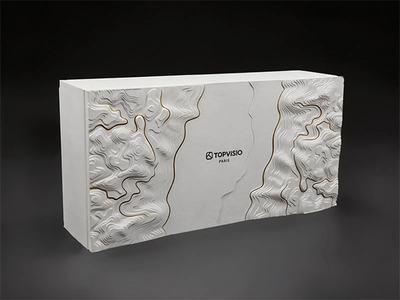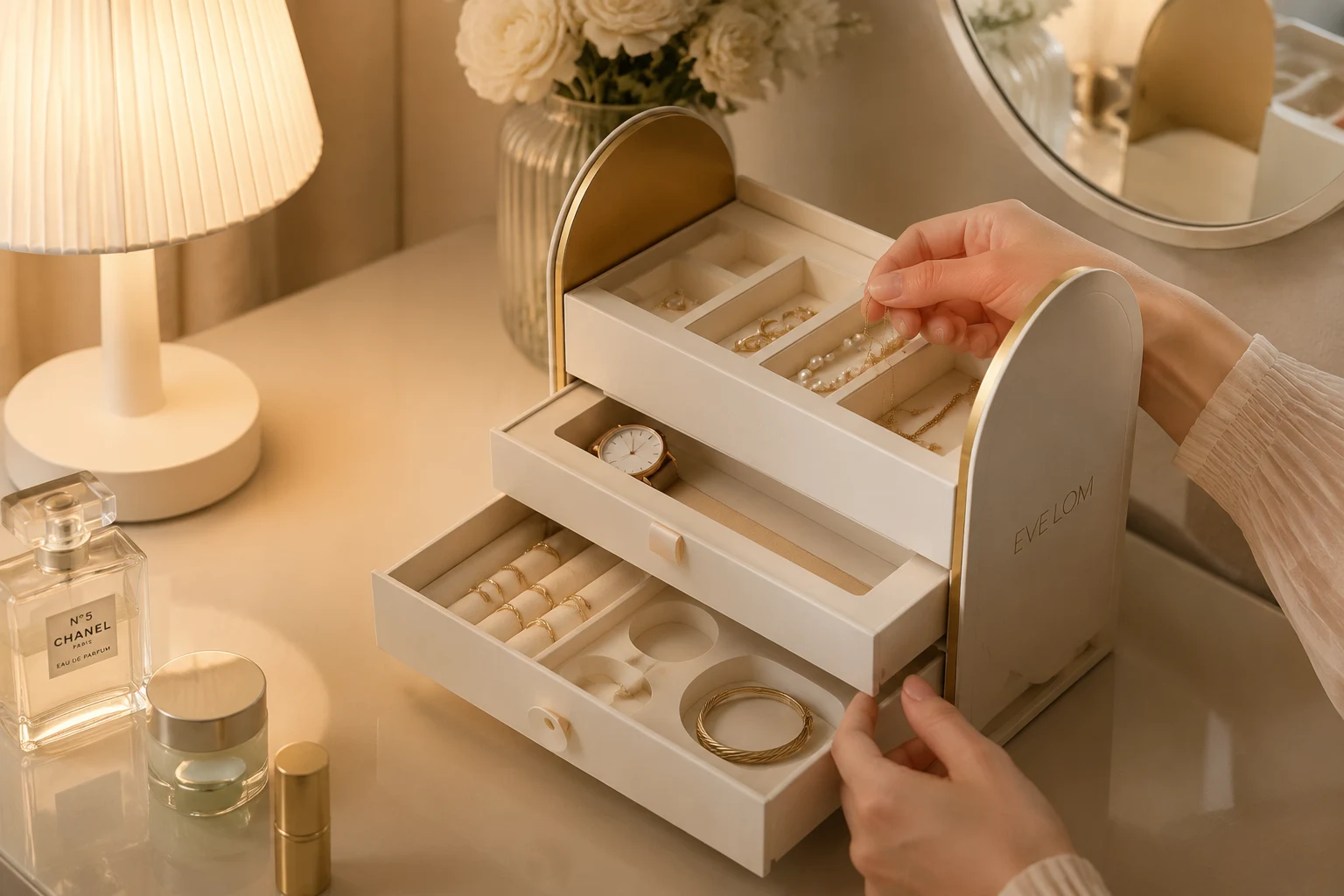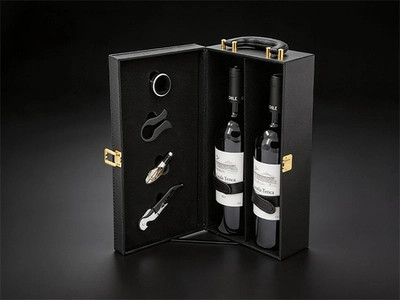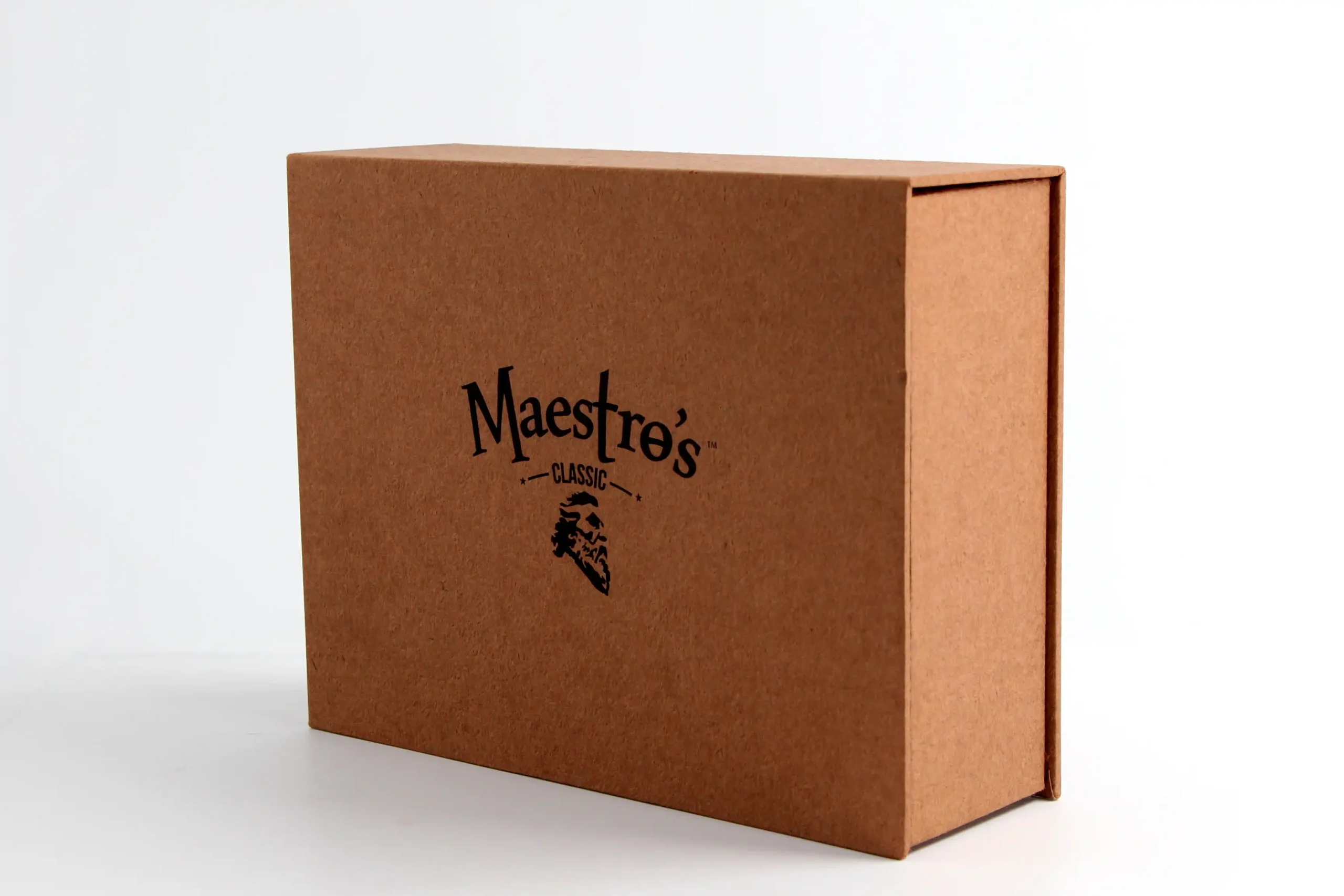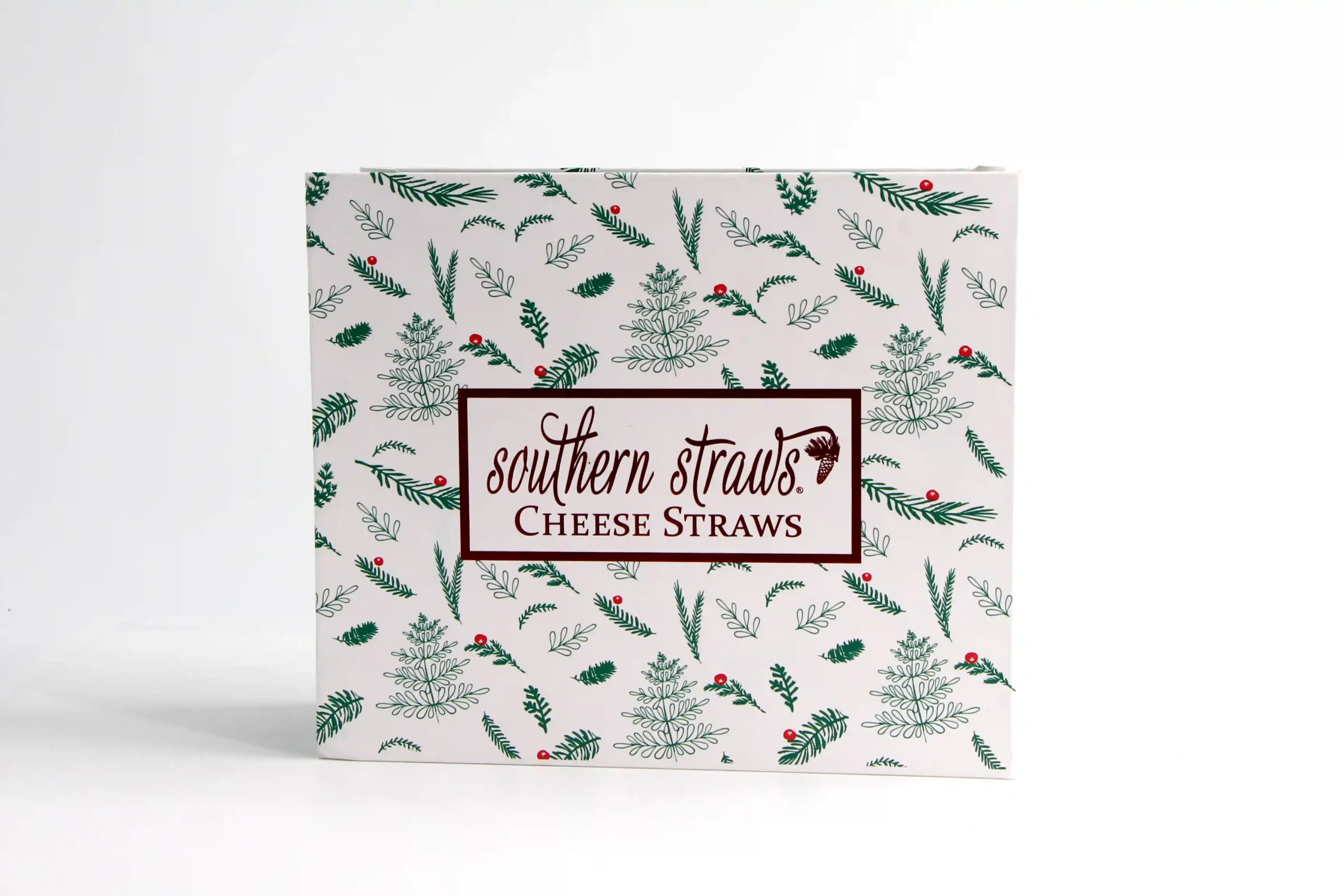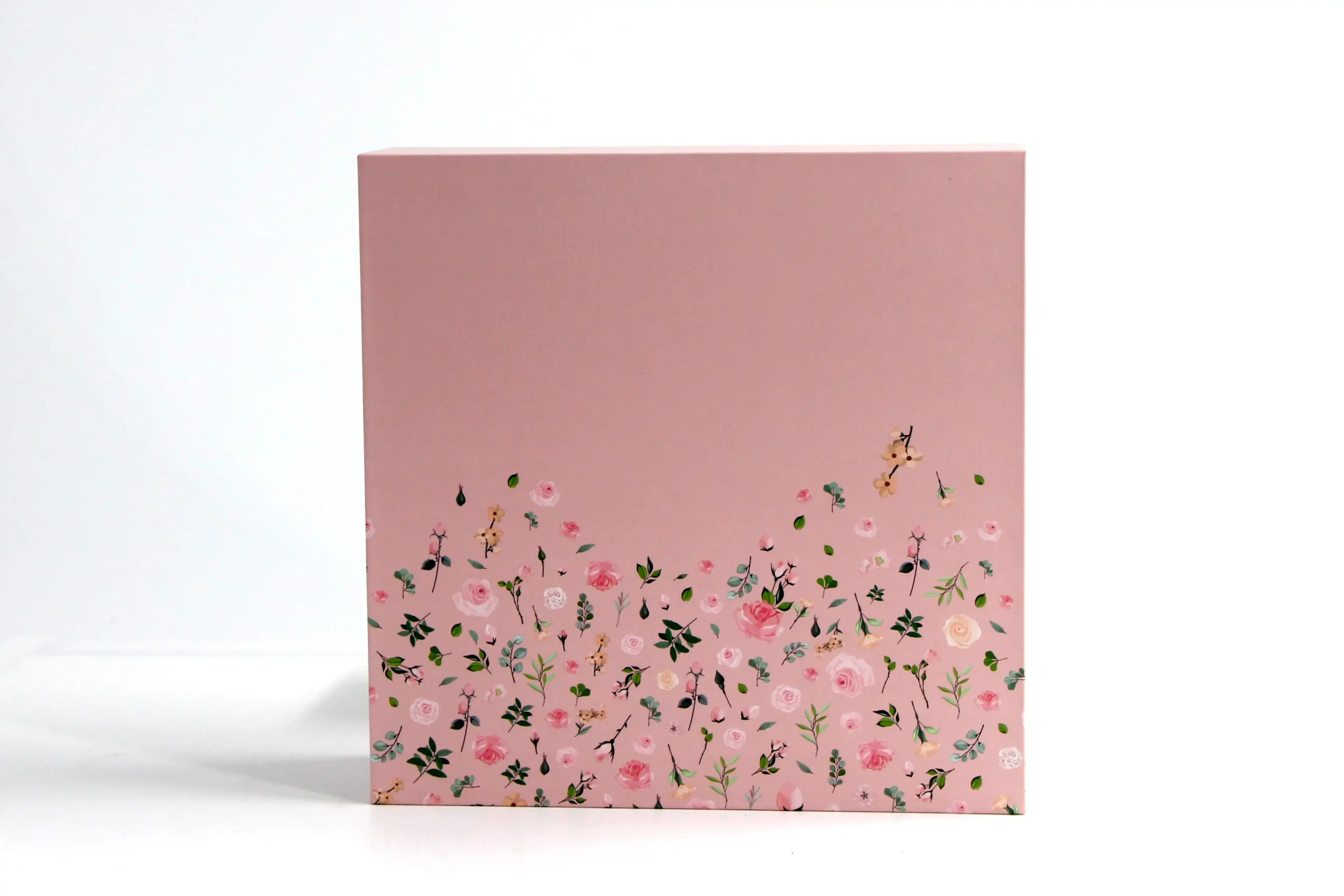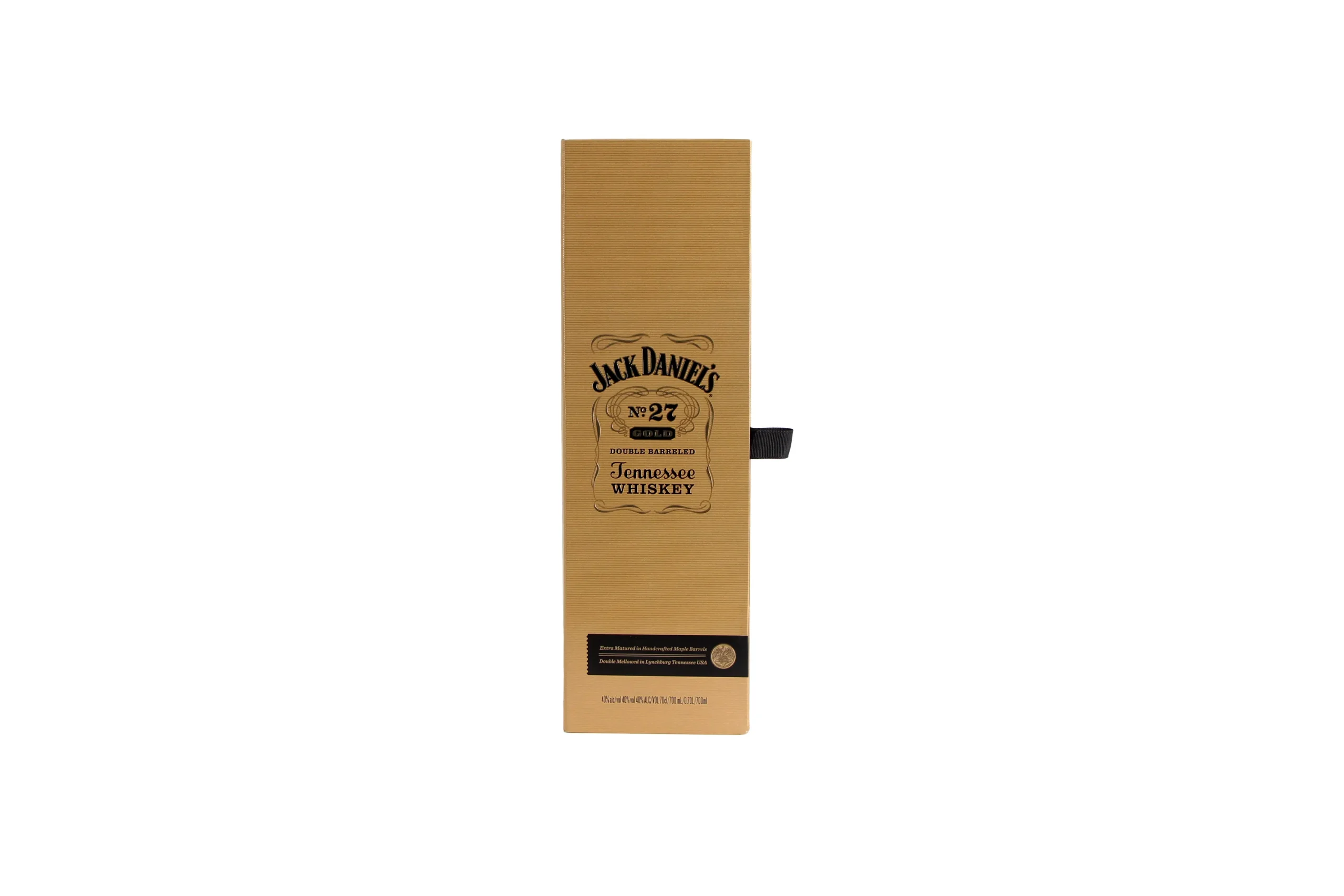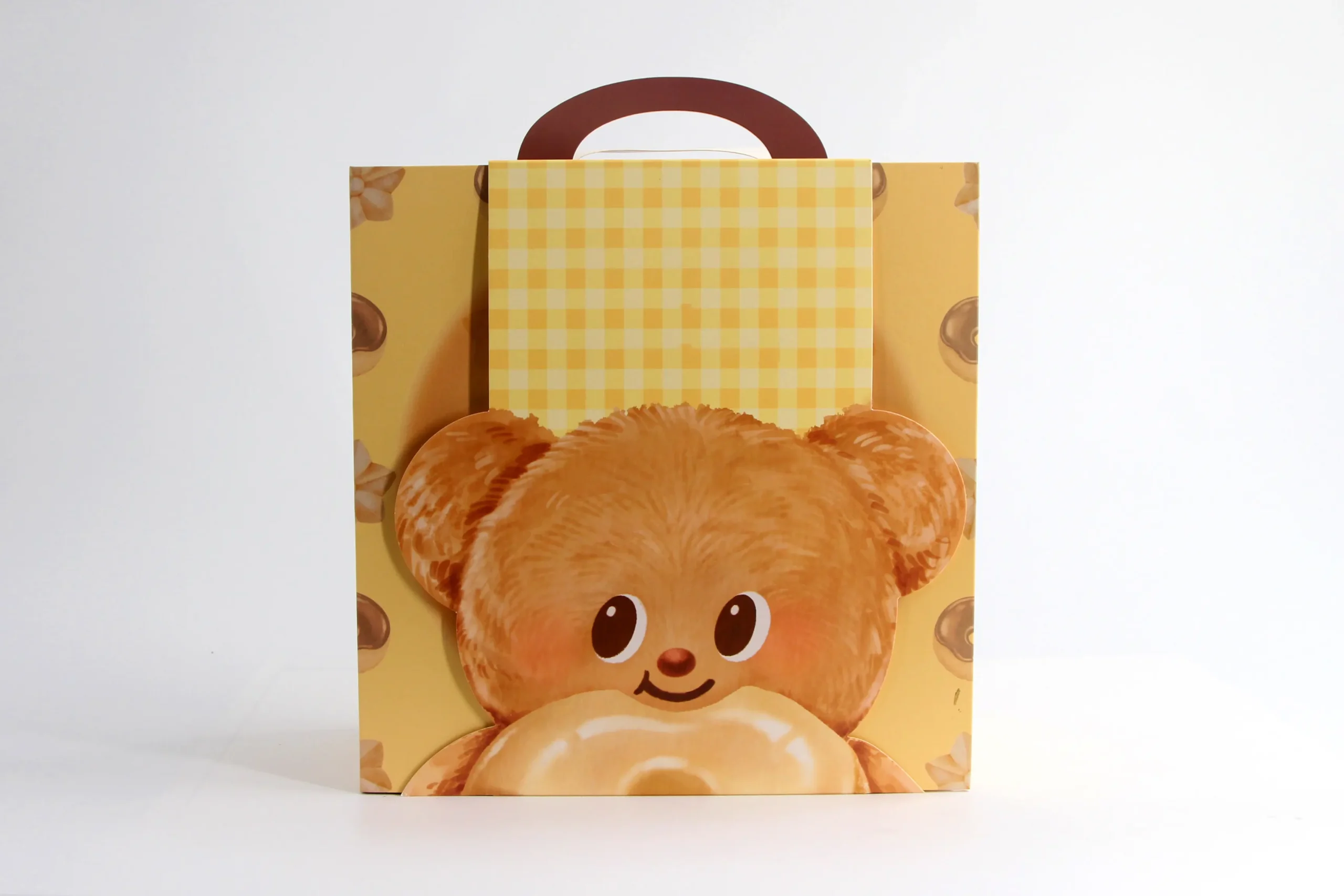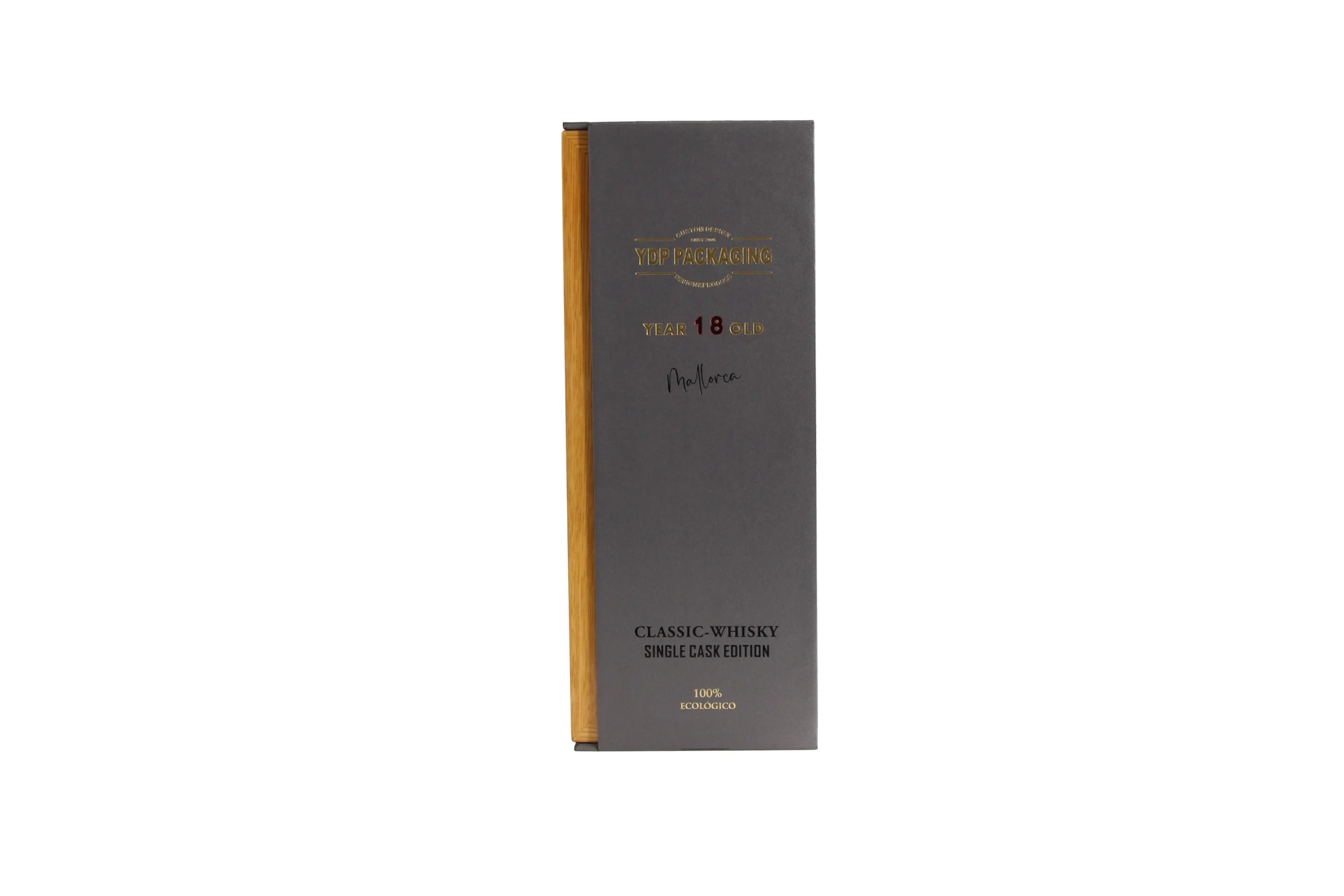
This magnetic gift box guide starts with the detail buyers notice first: open a magnetic gift box and close it again, and the click you hear is doing more work than most buyers realize. That sound signals quality before anyone reads a label or checks a price tag, and it’s the reason magnetic closures dominate this structure family across our production data: 16 of the 18 hinged and magnetic examples we reviewed use a magnet, not a mechanical hinge, to hold the box shut.
This magnetic gift box guide covers three structures that share a common trait: they open on an axis rather than lifting straight off. The book-style magnetic box, the double-door cabinet box, and the connected dual-unit box.
What This Magnetic Gift Box Guide Covers
Unlike the baseline set-up box, where the lid simply lifts off, this family keeps the lid or door attached to the base at all times, connected either by a magnet, a hinge, or a shared structural panel. That attachment changes how the box behaves under repeated use and what can go wrong with it, which is why this magnetic gift box guide treats the family separately in this series rather than being treated as a variation on the baseline.
Book-Style Magnetic Box
This is the dominant structure in the family and the one worth understanding in the most depth. A book-style magnetic gift box opens like a hardcover book: a hinged spine on one side, a magnet embedded in the opposite panel holding it shut. It shows up constantly in beauty, fragrance, and spirits packaging because it combines a controlled, repeatable opening motion with strong shelf presence when closed.
Magnet Placement: Why Panel Width Matters
The magnet has to sit precisely opposite its counterpart panel, and on wider boxes, even a small placement error creates a visible gap or an uneven closing pull on one side versus the other. This becomes more noticeable as panel width increases: a small magnetic gift box tolerates minor placement variance without anyone noticing; a wide one doesn’t. Magnet strength itself follows standardized neodymium grading, and asking a supplier which grade they’re specifying — rather than just \”a strong magnet\” — gives you something concrete to hold them to across production runs.
Real Examples from Production
Several real cases in this magnetic gift box guide illustrate how the structure adapts across categories. A Glenmorangie Signet Reserve single malt whiskey box uses the book-style format to give a heavy glass bottle a controlled, weighted opening. A checkerboard-pattern single wine bottle box and a Lammermoor Distillery whiskey box both use the same magnetic mechanism scaled to their respective bottle dimensions. A deep grey magnetic closure box with a transparent display window shows how a magnetic closure can be paired with a partial-reveal window without compromising the seal. And a foldable magnetic box, flat-packed for shipping and popping into shape via internal magnets, demonstrates the structure’s flexibility beyond a fixed rigid shell. A single champagne gift box rounds out the set, using the same book-style closure scaled for a taller, narrower bottle.
Double-Door / Cabinet Box
Less common in our data — just one example — but worth covering because the engineering challenge is different from a single-lid magnetic gift box.
Magnet Symmetry Between Two Doors
With two doors opening from a central point, both magnets need matching strength and precisely mirrored placement, or one door swings open more easily than the other — an asymmetry that’s immediately obvious to anyone using the box. This structure tends to appear in premium presentation formats, cabinet-style boxes revealing a display panel or lit interior when opened, where the theatrical reveal justifies the added engineering precision.
Connected Dual-Unit Box
Also a single example in our data: a two-part box connected by a shared panel rather than a true hinge.
Connector Board vs True Hinge
The distinction matters for durability. A true hinge is typically a separate mechanical or fabric component designed for repeated flexing. A connector board is often just the structural paperboard itself, scored to fold, which works fine for a box meant to be arranged once and displayed rather than opened and closed repeatedly. Confirm which one you’re getting before assuming \”connected\” boxes behave like hinged ones under regular use.
Durability Comparison Across the Three
As this magnetic gift box guide shows, for repeated daily use, the book-style magnetic gift box generally outperforms the other two, since the mechanism is purpose-built for cyclical opening and the magnet doesn’t fatigue the way a folded connector panel can over time. Double-door structures hold up well but require more precise initial assembly to avoid asymmetry issues developing into a real problem. Connected dual-unit structures are the least suited to frequent use and work best for products displayed once rather than reopened often.
What to Know Before You Request a Quote
A few production basics apply across all three structures in this guide.
Minimum Order Quantity
1,000 units per SKU is standard across our product range.
Sample Lead Time
7 days from confirmed spec to sample in hand.
Production Lead Time
30 to 45 days, depending on structural complexity and finish.
Sourcing Note
Magnet strength for closures generally follows neodymium grading standardized under ASTM A1101. For hinge or fold components built from paperboard rather than fabric or metal, folding endurance can be evaluated using a method like ISO 5626.
FAQ
What’s the difference between a magnetic gift box and a plain lid-and-base box?
A magnetic gift box keeps the lid attached to the base via a hinge and holds itself shut with an embedded magnet, allowing repeated opening and closing. A plain lid-and-base box simply lifts apart with no attachment at all.
Why do wider magnetic gift box designs need more precise magnet placement?
On wider panels, even a small placement error creates a visible gap or uneven pull between one side and the other. Smaller boxes tolerate more variance before it becomes noticeable.
Is a double-door structure more expensive than a single-lid magnetic gift box?
Generally yes, since two doors require symmetrical magnet placement and precise mirrored assembly, adding engineering complexity beyond a single book-style closure.
Are connected dual-unit boxes as durable as a magnetic gift box?
Not typically. A connector panel is often scored paperboard rather than a true hinge, which suits display-once use better than frequent reopening.
What’s the minimum order quantity for a custom magnetic gift box?
1,000 units per SKU is standard. Sampling takes about 7 days, full production 30 to 45 days after that.
Where can I learn more about gift box structures beyond magnetic closures?
See our Gift Box Structure Guide for the full picture across all structure families, including sliding, cylindrical, and premium mechanism designs.