Plastic-free gift packaging is a gift box built entirely from paper, board and fiber, with no PET window, no plastic tray, no film lamination and no plastic outer bag. Getting there is less about one big material swap and more about finding the four or five small places where plastic hides in a typical box and replacing each with a paper-based part. The topic is getting attention again at PACK EXPO International 2026 in Chicago (18 to 21 October), where Mondi is showing paper-based formats such as its re/cycle MailerBAG and FunctionalBarrier Paper.
This guide walks through each plastic component and its paper alternative, drawing on what we use every day at Topvisio Packaging’s factory in Dongguan, Guangdong, China, where boxes are made FSC on request and to PPWR compliant specifications.
Why Plastic-Free Gift Packaging Is Moving Up the Agenda
Two pressures are pushing brands in the same direction. The first is regulation. The EU’s Packaging and Packaging Waste Regulation sets recyclability requirements for packaging placed on the EU market and puts a spotlight on mixed-material packs that are hard to sort. A gift box with a PET window glued into a board panel is exactly that kind of pack. Several countries are also tightening rules on single-use plastic, which we cover in our guide to the single-use plastic ban.
The second pressure is the customer. A shopper who opens a premium box and finds a plastic tray inside notices it, and more of them now say so in reviews. Plastic-free gift packaging lets a brand make a simple, checkable claim instead of a vague “eco” message, and it usually makes the box easier to recycle at home too.
What Mondi Is Showing at PACK EXPO 2026
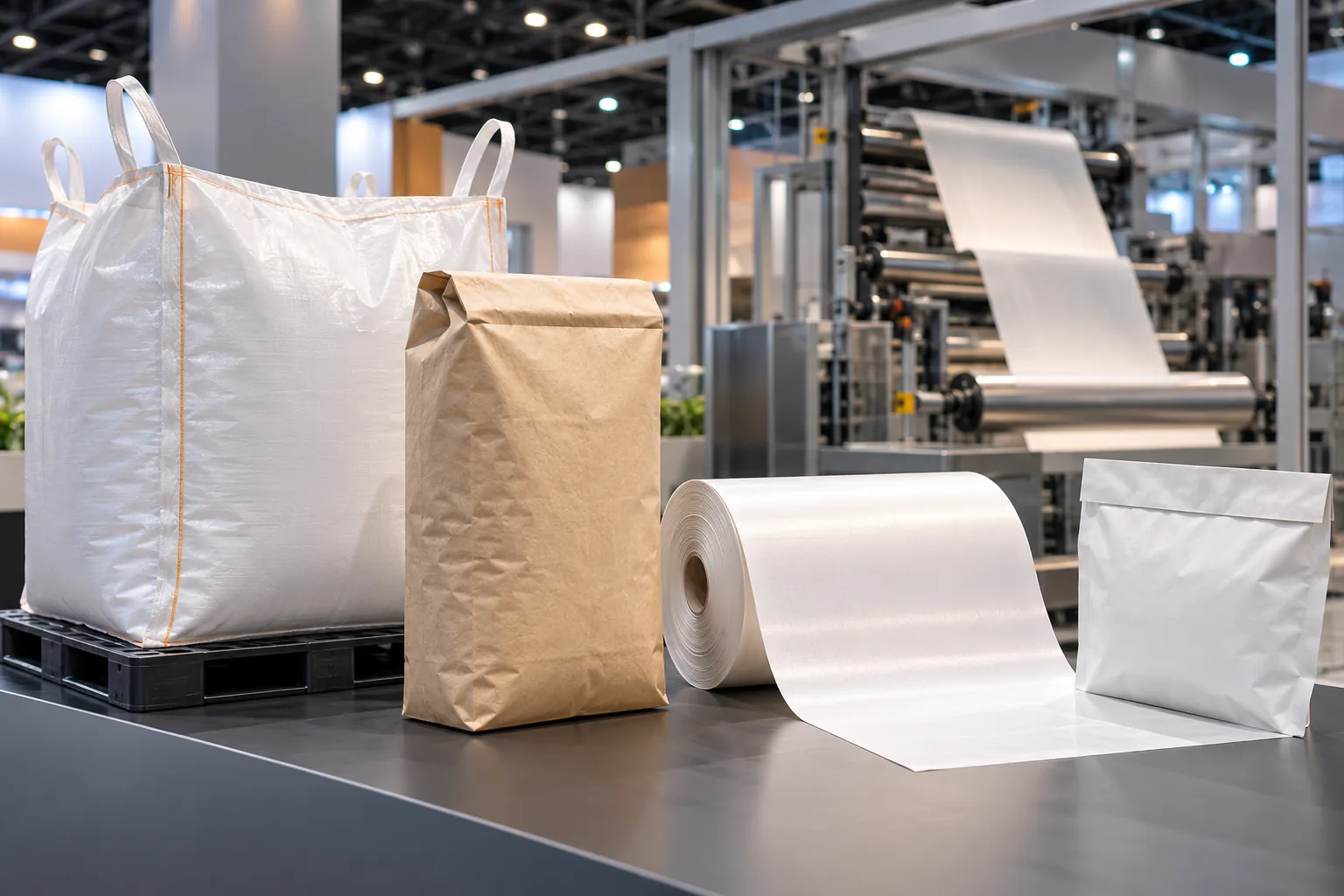
Mondi’s booth (W-44008) features four formats, according to the company’s PACK EXPO product listing. Two are directly relevant to gift brands. The re/cycle MailerBAG is a paper-based e-commerce mailer, and re/cycle FunctionalBarrier Paper is a heat-sealable paper with barrier properties, positioned as a step toward recyclable paper packaging. The other two, a mono-material FlexiBag for dry pet food and pasted valve bags for industrial goods, sit further from the gift box world.
None of these is a gift box, and Mondi’s listing makes no direct claim about replacing plastic. What they show is how far paper engineering has come. If paper can carry a barrier and be heat-sealed, it can replace plenty of the thin plastic parts that still turn up in boxes out of habit, which is exactly what plastic-free gift packaging needs.
Where Plastic Hides in a Typical Gift Box
Before you can build plastic-free gift packaging, you have to find the plastic. In most boxes we quote, it sits in the same handful of places:
- Windows made from PET or PVC film, glued behind a die-cut opening.
- Inserts made from vacuum-formed PET or PVC trays, or from EVA foam.
- Lamination, where a thin BOPP film is bonded to the printed paper for gloss, matte or soft-touch finishes.
- Outer wrapping, such as shrink film or a clear poly bag around the finished box.
- Trims, including polyester ribbon, plastic handles and glitter.
Each one has a paper-based answer. Some are a straight swap. Others need a small design change.
Replacing PET Windows
The simplest route to plastic-free gift packaging here is to drop the window. Many brands keep it out of habit, and a well-printed image of the product does the same job. If the customer truly needs to see the product, there are three routes. A die-cut window with no film works for products that are not damaged by dust or touch. Glassine, a dense translucent paper, gives a frosted view and goes into paper recycling. Cellulose film looks close to PET but is made from wood pulp, although it costs more and you should check how your target market classifies it.
Replacing Plastic Trays and EVA Foam
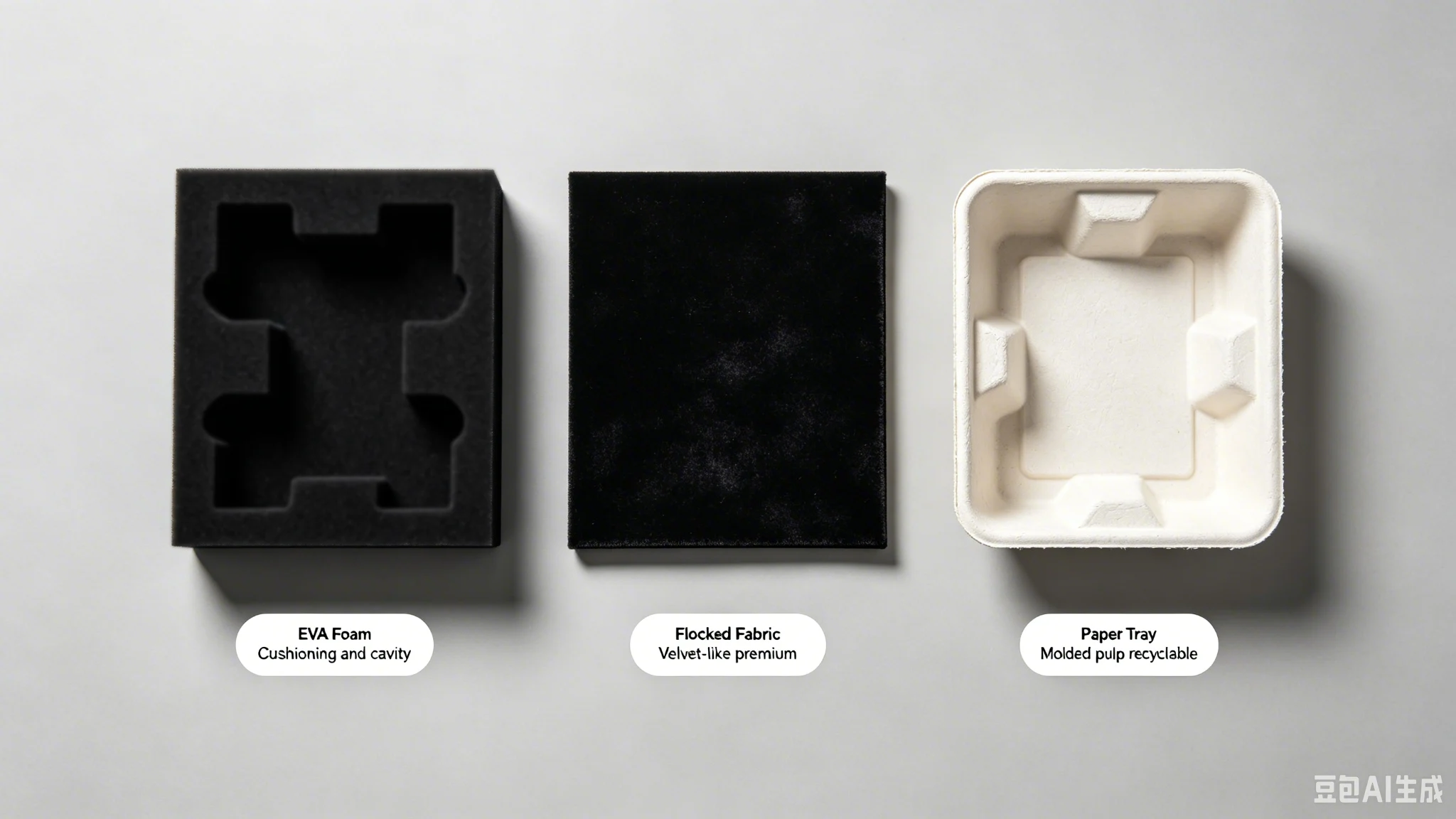
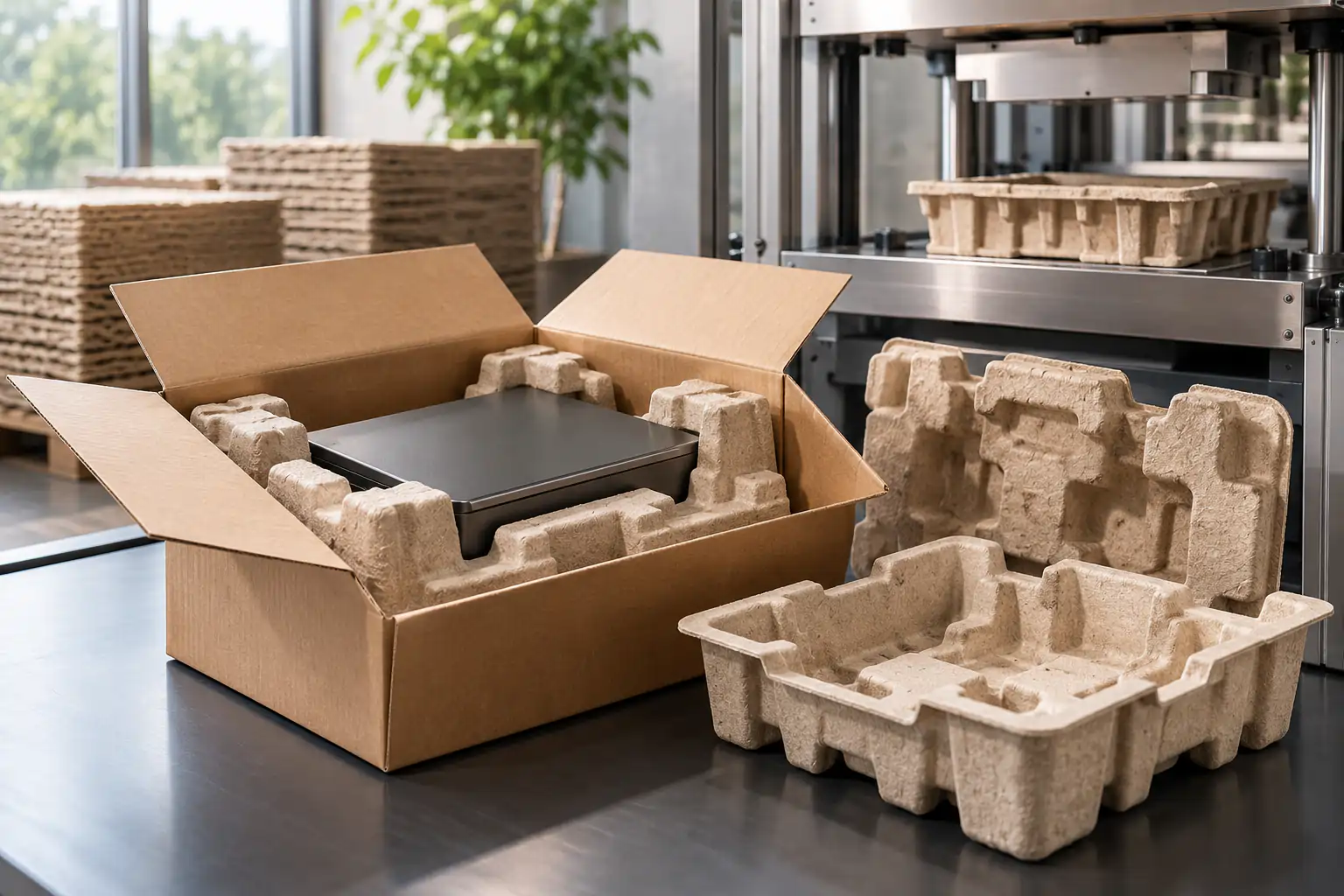
This is where the biggest volume of plastic sits, and it is also where plastic-free gift packaging has the strongest alternatives. A folded paperboard insert, die-cut to the product’s shape, holds most cosmetics, candles and small electronics well. For heavier or irregular items, molded pulp trays do the work that foam used to do and can be shaped tightly around a bottle or jar.
Rigid board inserts wrapped in paper suit premium sets where the tray itself is part of the presentation. If you are currently using foam, our comparison of foam inserts for boxes explains where foam still earns its place and where paper does the job just as well.
Replacing Film Lamination
Lamination is the plastic most brands forget about when planning plastic-free gift packaging, because it looks like part of the paper. BOPP film protects print from scuffs and gives the glossy or soft-touch feel many luxury boxes rely on. The paper-based alternative is a water-based varnish or aqueous coating, which seals the ink and adds a matte or gloss look without a plastic layer.
Textured specialty papers are another route, since their finish comes from the paper itself. The honest trade-off is scuff resistance. A varnished box marks a little more easily than a laminated one, so it needs a slightly more careful packing and shipping spec.
Replacing Outer Bags, Ribbons and Trims
In plastic-free gift packaging, shrink film and poly bags are usually replaced with a paper sleeve, a printed belly band or a simple paper bag. Polyester ribbon can become cotton, paper or a printed pull tab. Plastic handles can be swapped for paper rope or cut-out grips in the board. Glitter is harder to replace, and the cleanest plastic-free gift packaging option is usually to leave it out and get the shine from foil stamping instead.
Topvisio Insights: The Materials We Already Use
Most of the swaps above are not experiments for us. Molded pulp inserts already replace plastic trays and foam in many of our boxes. We source FSC-certified and recycled paper and board for wraps and structures. We use water-based glue in assembly, we print with soy ink, and where a brand wants a protective finish without film, we apply a water-based varnish instead of lamination.
What we tell brands is to change one component at a time and sample each change. Moving from a laminated soft-touch finish to varnish, for instance, changes how the box feels in the hand, and some brands decide they prefer it. Others keep lamination on the lid only and go plastic-free everywhere else. Plastic-free gift packaging does not have to be all or nothing on day one to be a real improvement.
Plastic-Free Gift Packaging Swap Table
| Component | Common Plastic Version | Paper-Based Alternative | Trade-Off to Check |
|---|---|---|---|
| Window | PET or PVC film | No window, open die-cut, glassine or cellulose film | Product visibility and dust protection |
| Insert | PET tray or EVA foam | Paperboard insert or molded pulp tray | Fit tolerance and protection in transit |
| Surface finish | BOPP lamination | Water-based varnish or textured paper | Scuff resistance |
| Outer wrap | Shrink film or poly bag | Paper sleeve, belly band or paper bag | Moisture protection in storage |
| Ribbon and handles | Polyester ribbon, plastic handles | Cotton or paper ribbon, paper rope | Pull strength |
| Adhesive | Solvent-based or plastic-heavy hot melt | Water-based glue | Drying time on the line |
How to Check a Plastic-Free Gift Packaging Claim
“Plastic-free” is a claim, and claims get checked. Ask your supplier for a component list for the finished box, not just the outer material. Confirm what the foil, glue and coating are made from, because these are the parts most likely to contain polymers. If you want to say the box is recyclable, the Sustainable Packaging Coalition publishes guidance on recyclability claims that is worth reading first. For the board itself, FSC certification is the most widely recognized proof of responsible sourcing, and our FSC-certified packaging page explains how we supply it on request.
Where to Start
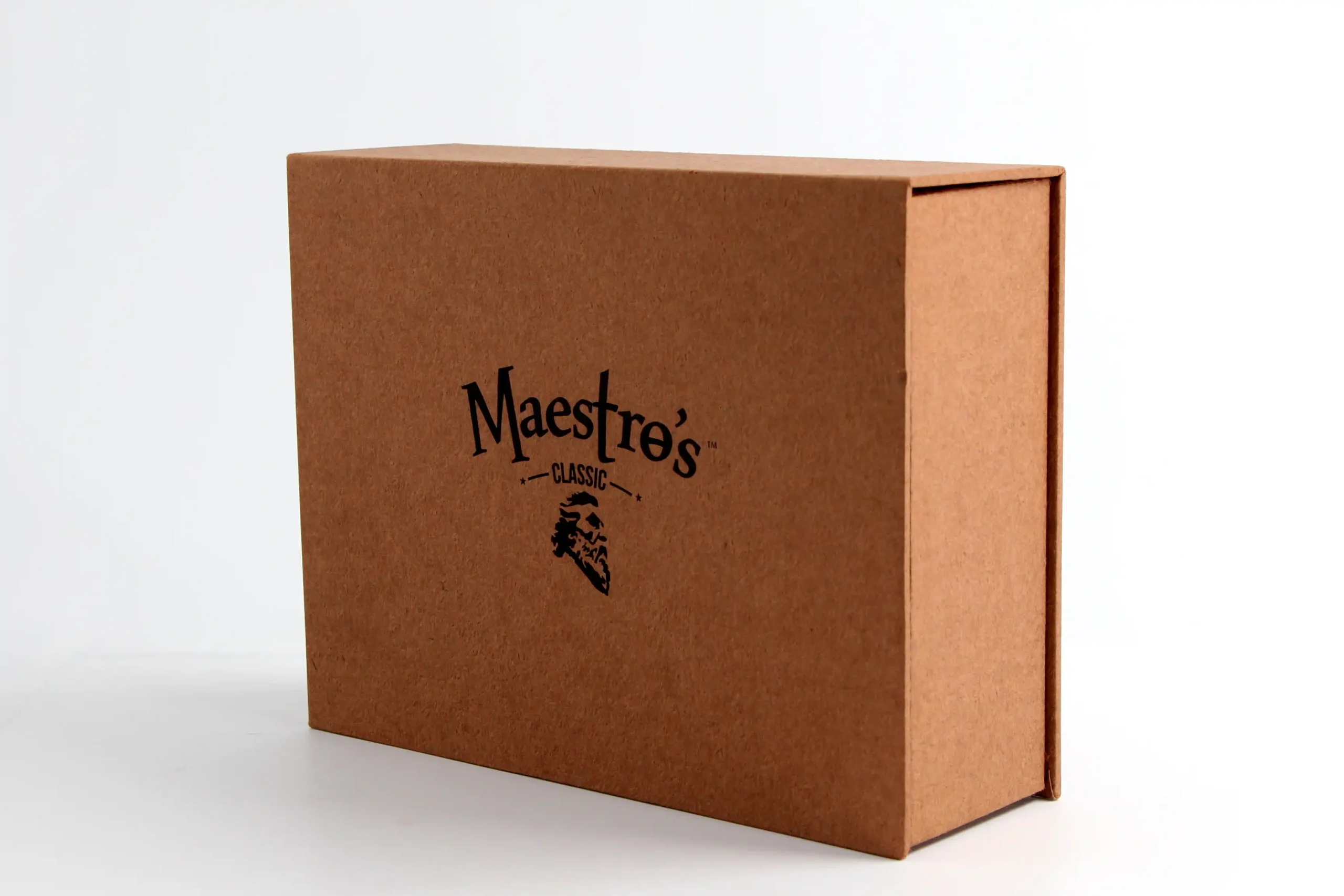
If your current box has a window, a plastic tray and a laminated finish, start your move to plastic-free gift packaging with the tray. It is usually the largest piece of plastic and the easiest to replace with pulp or board. Then look at the window, then the finish. Our eco-friendly packaging range shows finished examples, and a kraft paper gift box is often the quickest fully plastic-free starting point for smaller brands. When you are ready, send us your current box spec and we will mark every plastic part and suggest a paper replacement for each.
FAQ
What does plastic-free gift packaging actually mean?
It means the box contains no plastic components: no film window, no plastic tray or foam, no film lamination and no plastic outer wrap. Everything is made from paper, board or molded fiber, joined with water-based glue.
Is a box with hot foil stamping still plastic-free gift packaging?
Hot stamping foil transfers an extremely thin metallic layer that contains polymer, so strictly speaking it adds a trace of plastic. Many brands accept it, but if you need a strict claim, use printed metallic inks or embossing instead.
Will plastic-free gift packaging protect my product as well?
In most cases, yes. Molded pulp and fitted paperboard inserts protect cosmetics, candles and bottles well in transit. Fragile or heavy products should go through a drop test with the final insert before production.
Does removing lamination make the box look cheaper?
Not necessarily. Water-based varnish and textured papers can look very premium. The main difference is that an unlaminated box scuffs a little more easily, so packing and shipping need a bit more care.
Is plastic-free gift packaging more expensive?
Sometimes slightly, sometimes not at all. Removing a window or switching foam to a paperboard insert can lower cost, while molded pulp tooling adds an upfront charge. The total depends on the design.
Can Topvisio make plastic-free gift boxes to order?
Yes. Our Dongguan factory runs 14+ automated lines with molded pulp inserts, water-based glue, soy ink and varnish finishes, holds ISO 9001, ISO 14001 and SEDEX, and supplies board FSC on request. Samples take 7 working days, with a standard MOQ of 1,000 units per design. See Topvisio Packaging for our full range.