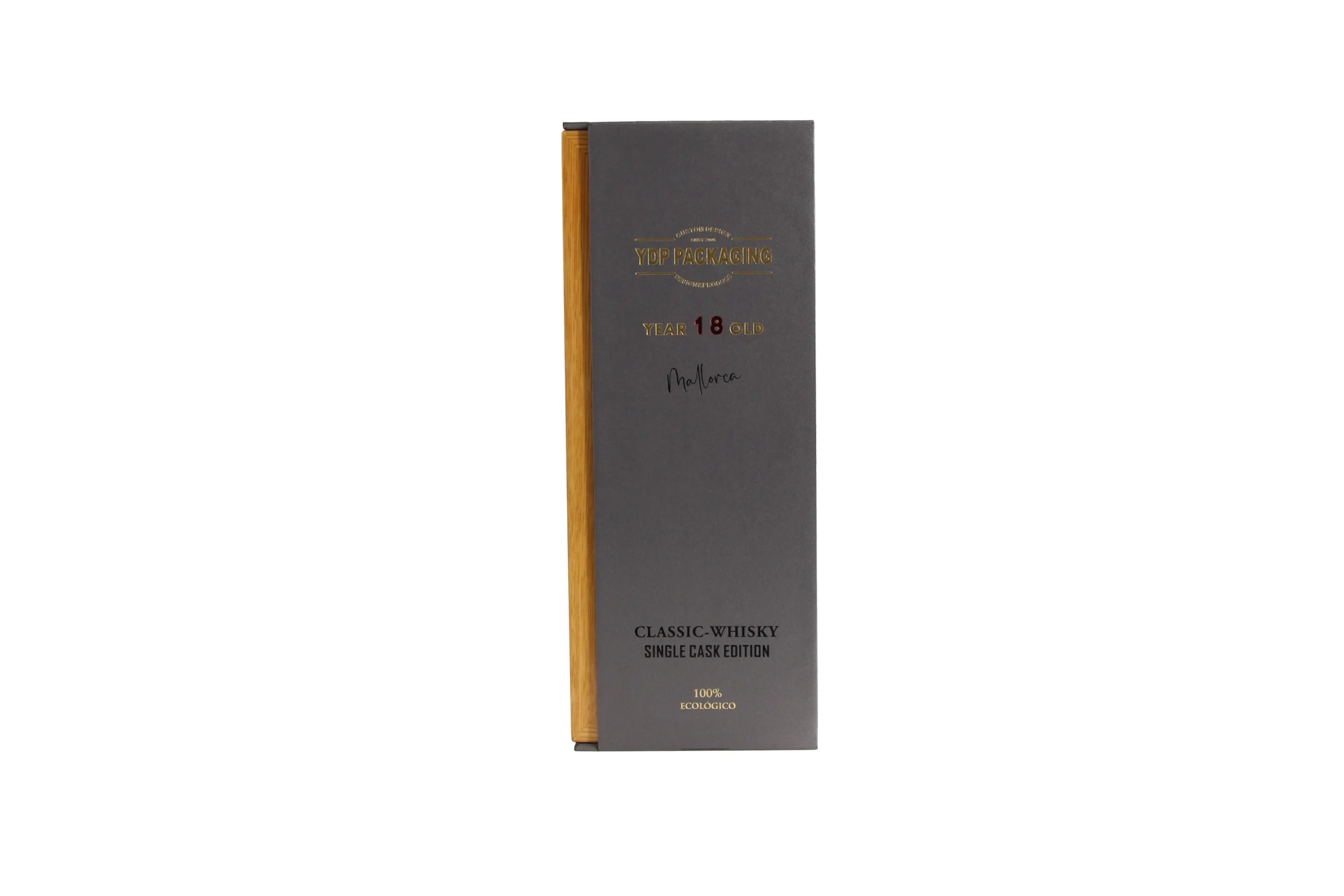
A handle that looks solid in a product photo and a handle that survives being carried out of a store loaded with
two wine bottles are not the same engineering problem. This is the structure family where that gap matters most: carry-cases, trunk-style boxes, and multi-tier kinetic builds that prioritize a moment, a reveal, a physical experience, over the efficiency that drives every other structure family in this series.
This guide covers the three premium packaging structure types in our production data: handle-carried boxes, luggage-style trunk boxes, and multi-tier dynamic builds.
What Makes a Structure “Premium Mechanism”
Every other structure family in this series optimizes for something practical: cost, storage efficiency, repeated use. Premium packaging structure design optimizes for something else — a deliberate physical interaction that reinforces the value of what’s inside. That’s a legitimate design goal, but it means the usual cost-efficiency questions matter less here than one question that matters more: does the mechanism actually hold up under the interaction it’s designed to create.
Handle-Carried Boxes
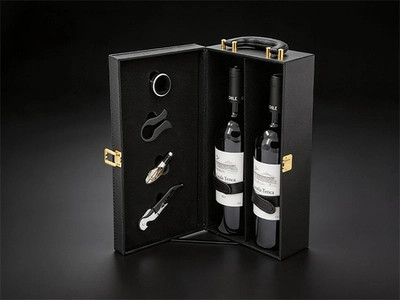
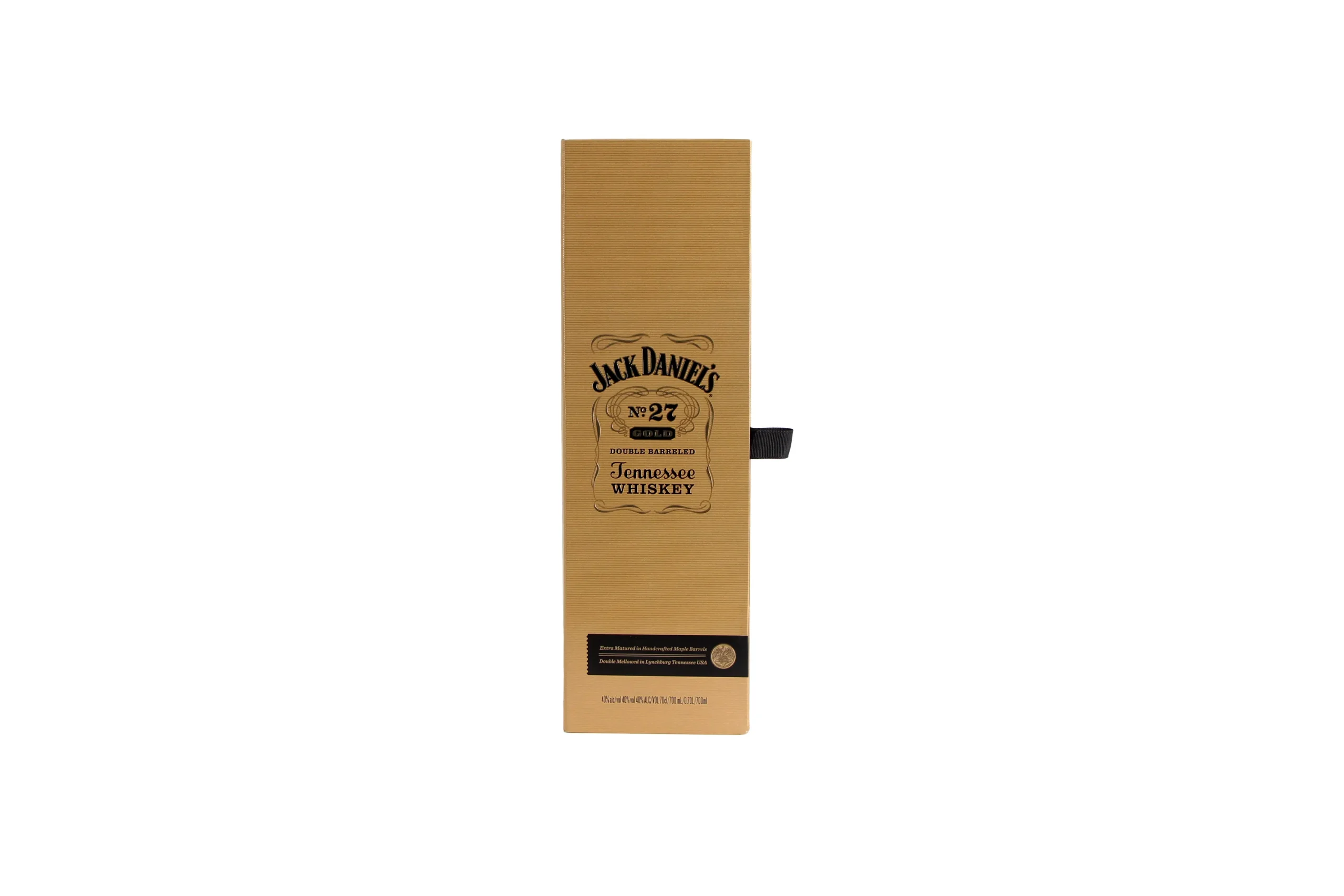
This is the largest category of premium packaging structure in the family — five confirmed examples, and every single one of them holds wine or spirits. That’s not a coincidence. Bottled products are heavy, awkward to carry loose, and benefit directly from a handle that turns an ordinary box into something closer to a presentation case. Our data includes a two-bottle leather-effect wine case, a two-bottle premium import wine box, a
single-bottle rigid gift box in a general orange finish, a single-bottle leather-effect spirits box, and a single-bottle diamond-quilted
luxury wine box.
Why Handle Attachment Matters More Than Handle Material
The handle itself — rope, leather strap, molded plastic — gets most of the design attention, but the attachment point is where premium packaging structure actually succeeds or fails under real use. A handle glued or stapled to a thin panel will eventually pull loose under repeated lifting with a heavy bottle inside. A handle anchored through a reinforced grommet or a wider load-bearing panel distributes that force instead of concentrating it at a single weak point. Ask your supplier specifically how the handle is anchored, not just what it’s made from.
Luggage-Style Trunk Boxes
Two confirmed examples in our data, both variations of a
sustainable cosmetics presentation case built to resemble a small piece of luggage, complete with hardware accents that reinforce the trunk aesthetic. This premium packaging structure works particularly well for
luxury cosmetic packaging and beauty launches where the box itself is meant to be part of the product story, not disposed of after a single use.
Hardware Durability on Repeated Use
Trunk-style boxes typically use metal corner protectors, clasps, or latches borrowed from actual luggage design language. These components need to survive repeated opening and closing without loosening, which means the mounting method matters as much as the hardware quality itself. Confirm whether hardware is riveted through reinforced board or simply glued to the surface before committing to volume.
Multi-Tier Dynamic Structures
Two confirmed examples, both seasonal,
personalized gift box designs built around lantern and carousel-lamp themes for
Chinese New Year gifting. These structures layer multiple tiers or panels that move, rotate, or reveal in sequence — the most theatrical and mechanically complex format in this entire series.
Why Alignment Across Tiers Is the Hardest Part
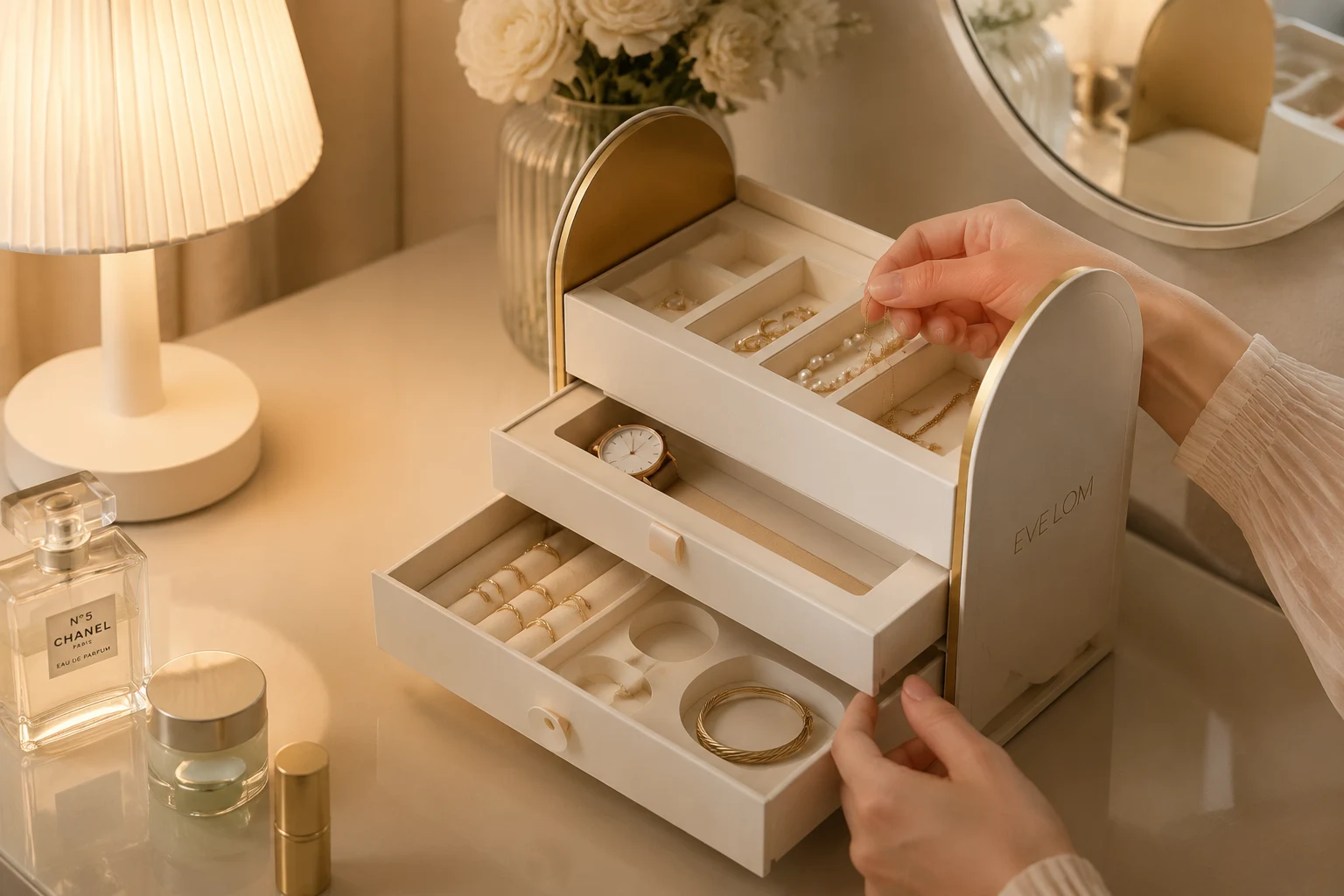
Every additional moving tier is another point where misalignment becomes visible, echoing the same tolerance principle that matters in
drawer construction, but compounded across multiple interacting parts rather than a single sliding fit. A multi-tier premium packaging structure that binds or sits unevenly at any one tier undermines the theatrical effect the whole design is built around. This is a structure family worth extensive physical sampling before committing to volume, since problems that are invisible in a rendering often only appear once real material is folded and assembled.
What to Know Before You Request a Quote
A few production basics apply across all three premium packaging structure types in this guide. If you already have a structure in mind,
send us your dimensions and target quantity for a quote and sampling plan.
Minimum Order Quantity
1,000 units per SKU is standard across our product range.
Sample Lead Time
7 days from confirmed spec to sample in hand, though multi-tier and hardware-heavy designs often need more than one sampling round.
Production Lead Time
30 to 45 days, depending on structural complexity and finish.
Sourcing Note
For handle-carried and trunk-style boxes shipping internationally,
ISTA transit testing can confirm hardware and handle attachments hold under real handling conditions. Compression performance for stacked shipments follows the same principles referenced under
ASTM D642 elsewhere in this series, and multi-tier alignment tolerance follows the same general framework as
ISO 2768, though premium packaging structure formats are less often palletized in bulk given their presentation-first purpose.
FAQ
Why do almost all handle-carried gift boxes in this guide hold wine or spirits?
Bottled products are heavy and benefit directly from a carry handle. It’s a practical match between product weight and mechanism, not a stylistic default.
What matters more for handle durability, the material or the attachment?
The attachment point. A handle made from premium material still fails if it’s mounted to a thin panel or attached with adhesive alone rather than a reinforced, load-bearing anchor.
Is a multi-tier dynamic structure worth the added cost for a one-time seasonal launch?
Often yes, precisely because these premium packaging structure designs are usually built for limited-edition, high-visibility moments where the mechanism itself is part of the marketing story, not just the packaging.
How many sampling rounds should I expect for a premium packaging structure?
More than the one round typical for simpler structures. Hardware-heavy and multi-tier designs commonly need two or more rounds to resolve alignment and attachment issues before full production.
What’s the minimum order quantity for a custom premium packaging structure?
1,000 units per SKU is standard. Sampling takes about 7 days per round, full production 30 to 45 days after specs are finalized.
Where can I learn more about gift box structures beyond premium mechanisms?
See our
Gift Box Structure Guide for the full picture across all structure families, including hinged, drawer, and shaped designs.