Pulp Price Surge: 5 Critical Reasons Behind 2026 Costs
Pulp price movements in 2026 are the reason your packaging quote looks different than it did last year, even if nothing about your box design has changed. Across China’s manufacturing heartland — from the paper mills of Zhejiang to the box factories of Guangdong — the raw material behind every rigid box has quietly repriced since January, and the pulp market driving it is more structurally divided than a single “prices are up” headline suggests.
This article breaks down what’s actually moving in the global pulp market in 2026, why hardwood and softwood are behaving differently, and what it means if you’re sourcing premium packaging.
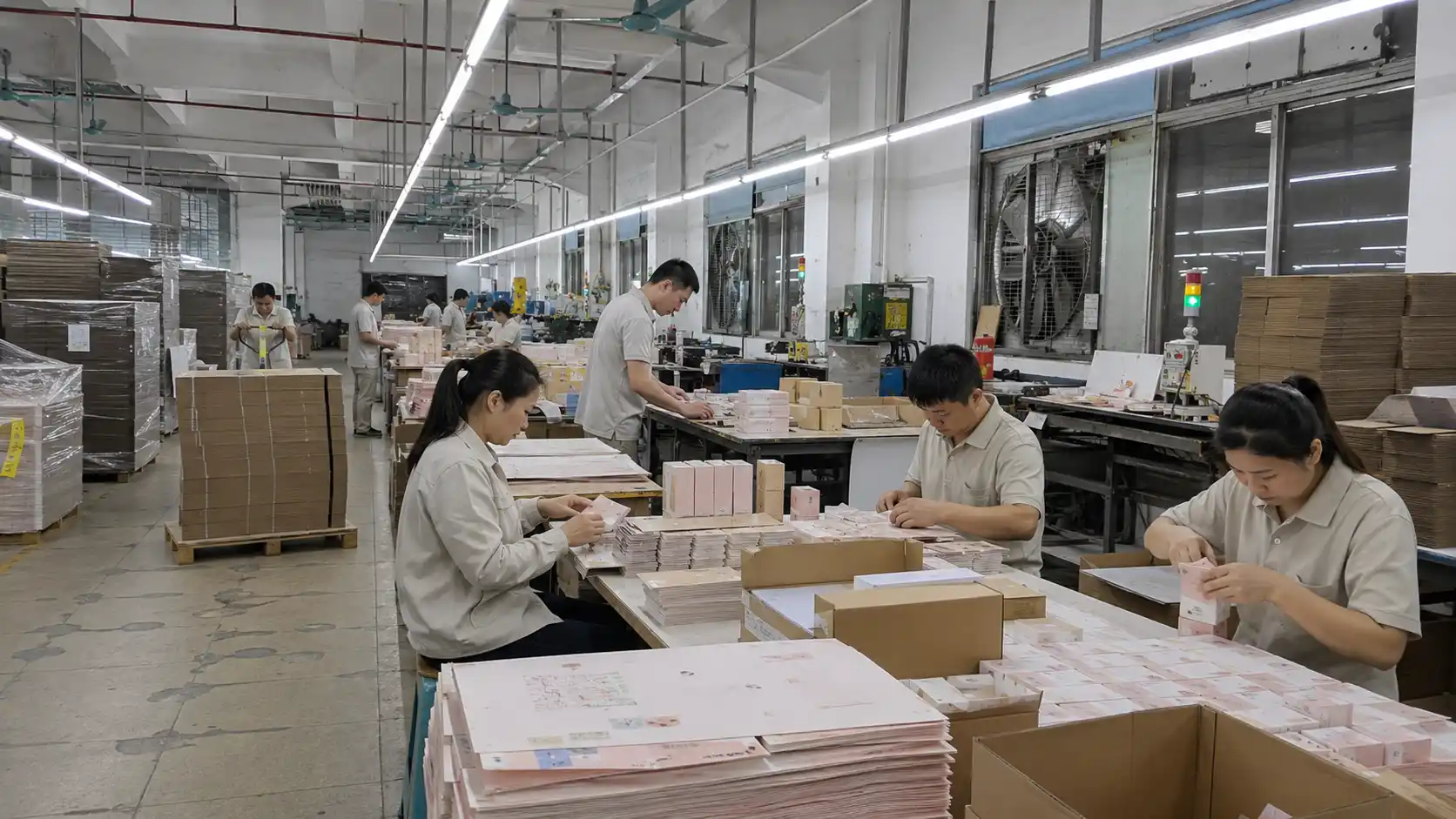
The short version: this isn’t a single price hike you can wait out. It’s several separate forces landing in the same year, which is why a pulp price conversation with your supplier in 2026 needs to go deeper than “why did the quote go up.”
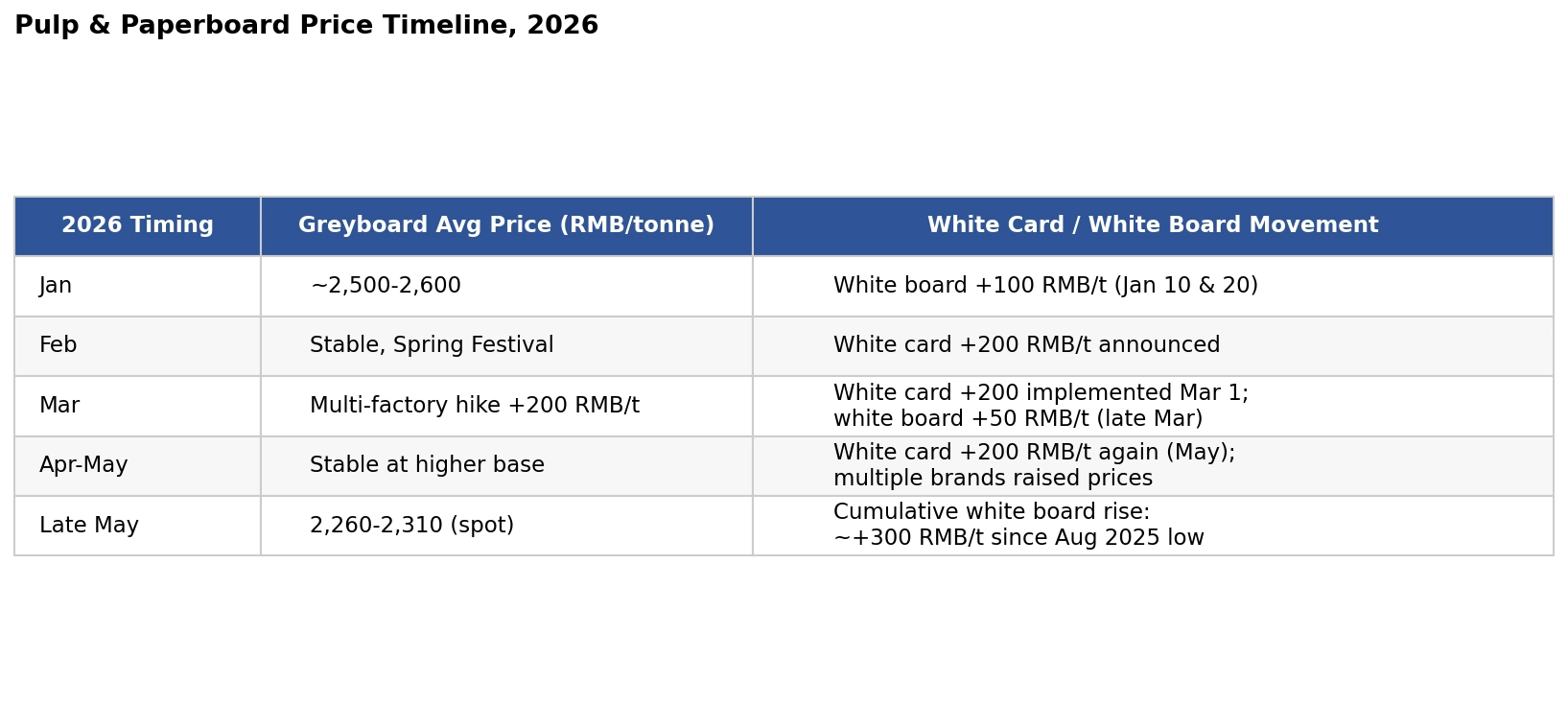
1. The Pulp Price Story Splits Into Two Markets
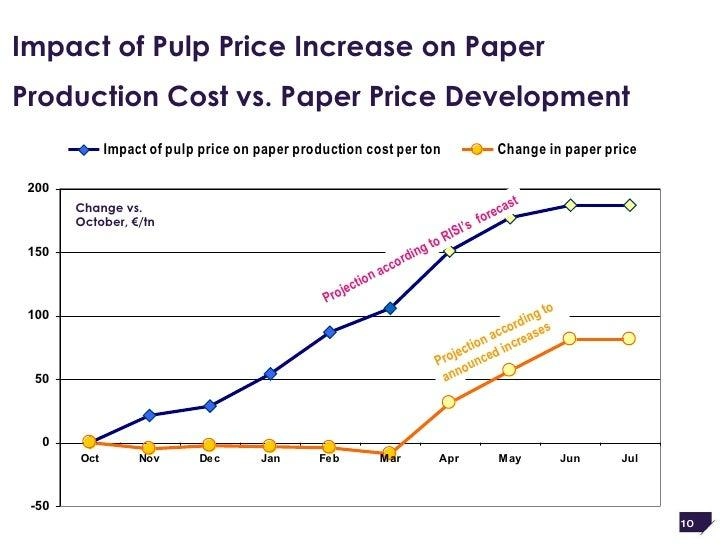
Softwood and hardwood pulp are not moving together in 2026, and treating “pulp price” as one number hides the more useful story. Current estimates put hardwood pulp at roughly $600 per tonne in 2026, while softwood is running higher at around $705 per tonne, with the gap between them narrowing as the year progresses. Softwood pulp remains relatively oversupplied with high inventory levels, while hardwood has moved the other way — Indonesia’s cancellation of pulpwood concessions and delays to a major mill expansion project are expected to cut hardwood pulp supply by close to 770,000 tonnes, pushing inventories below balanced levels.
For anyone buying finished paperboard rather than raw pulp, this split matters because greyboard and packaging-grade paper draw on both fiber types in different proportions depending on the grade. A mill quoting a flat percentage increase across its whole product line is smoothing over a pulp price story that’s actually moving at two different speeds underneath.
This is worth asking a supplier about directly rather than accepting a single blended number. A box built on a hardwood-heavy specification is exposed to a tighter, more volatile supply picture than one built on a softwood-heavy spec, and that difference doesn’t show up in a quote that just says “material costs are up 12% this quarter.”
Further reading: Fastmarkets: Global Pulp Market Data
2. Waste Paper Supply Is Tighter Than the Headline Pulp Price Suggests
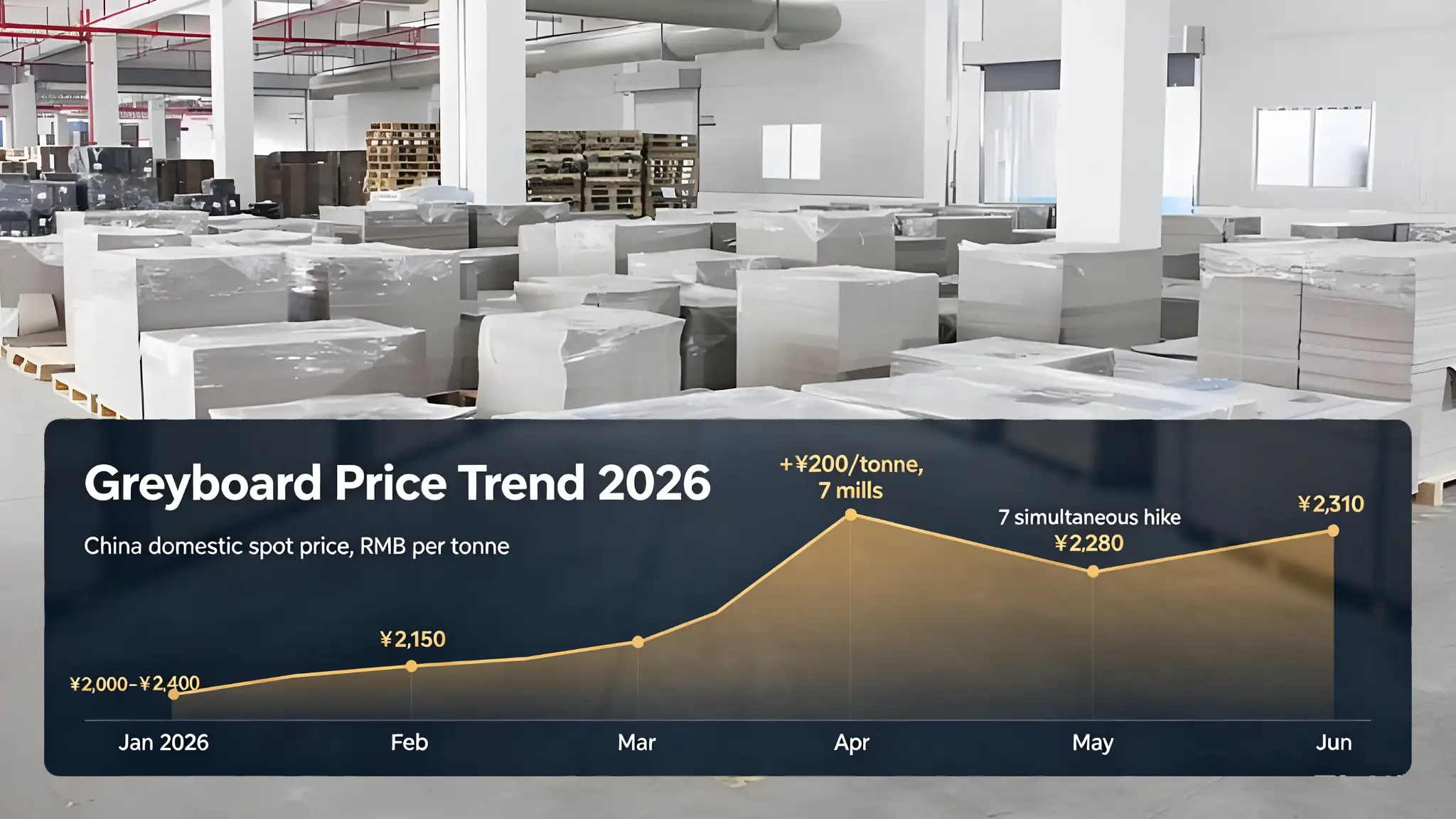
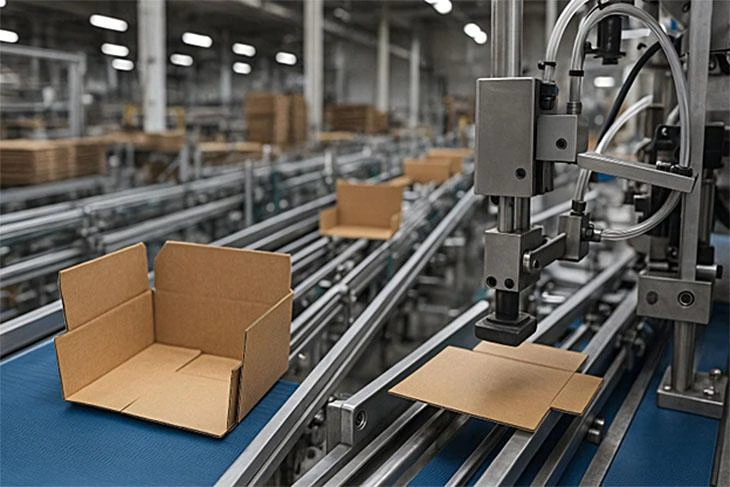
Greyboard — the structural inner board that gives a rigid box its shape and weight — is predominantly made from recycled fibre in China rather than virgin pulp, which means domestic waste paper collection matters as much as the global pulp price for anyone sourcing finished board. Collection has been disrupted by a mix of environmental regulation on sorting facilities, logistics bottlenecks, and seasonal rainfall affecting transport. When the recycled input costs more to collect and process, the finished greyboard costs more regardless of what virgin pulp is doing globally.
3. Energy and Environmental Compliance Costs Aren’t Cyclical
Chinese paper mills are energy-intensive operations, and electricity costs, water treatment requirements, and tightened environmental standards under the 双碳 (dual-carbon) targets have added structural cost to every tonne produced. Europe is seeing a parallel version of this: roughly 40% of European pulp mills were excluded from the EU Emissions Trading System as of January 1, 2026, ending nearly two decades of surplus allowance income that had previously offset some of these costs. Neither shift reverses when demand softens — these are permanent additions to the cost of running a mill, not a temporary spike tied to a single quarter.
4. Capacity Discipline Is Shifting Pricing Power Back to Producers
Fastmarkets is forecasting pulp operating rates reaching 91% in both 2026 and 2027 — a level the industry treats as a trigger point where pricing power shifts from buyers back to producers. Mill closures are reinforcing that shift on the softwood side specifically: the Domtar Crofton mill closure alone removed 380,000 tonnes of northern bleached softwood kraft pulp from the market. When high-cost capacity exits rather than just idling, the remaining producers have less incentive to compete on price even if demand growth stays modest.
Further reading: Fastmarkets: 2026 Pulp Industry Outlook
5. Trade Policy Is Adding a Layer of Pulp Price Volatility on Top
Tariff shifts in 2026 have already rerouted pulp trade flows — anti-dumping duties on specific North American kraft grades have pushed volumes toward India and Vietnam, while EU measures affecting Russian pulp have redirected softwood into China at discounted prices, pressuring regional benchmarks. Even packaging materials that aren’t directly tariffed absorb this volatility indirectly, since mills and converters price defensively when trade flows are this unsettled. Vertically integrated groups with mills in multiple regions can reallocate volume around these shifts; single-site operators carry more of the exposure.
What This Means for a Brand Sourcing Rigid Boxes
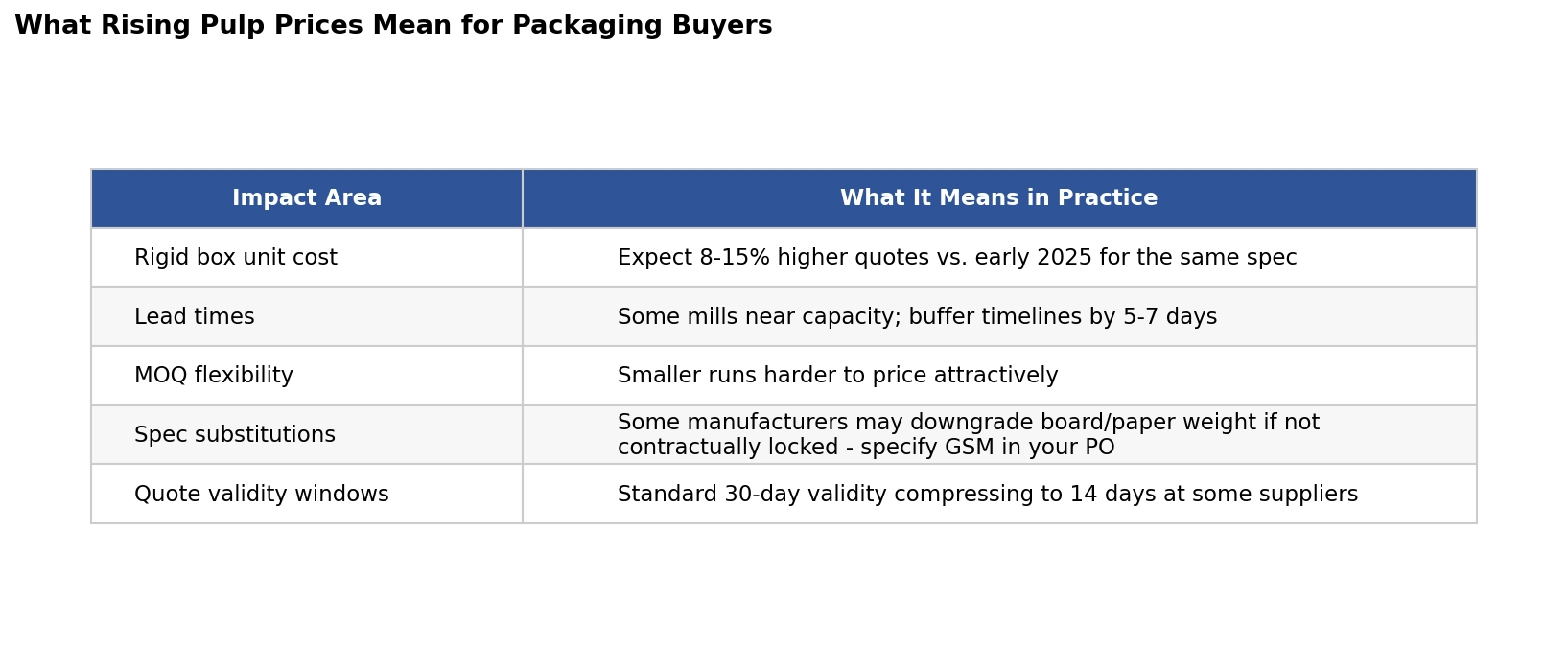
Larger brands with volume commitments and long-term supplier agreements are partially insulated from this pulp price environment. Brands ordering 1,000-3,000 units at spot rates are absorbing more of the increase directly, since they don’t have the contract leverage to smooth it out.
Five Practical Steps While Pulp Prices Stay Elevated
- Lock in materials before Q4.Industry analysts project a Q4 2026 rebound as seasonal demand picks up. If you have confirmed holiday volumes, the Q3 window (July-September) is historically when prices soften slightly — use it.
- Specify materials contractually, not verbally.Include greyboard GSM weight (e.g., 1,200 g/m²), outer paper weight, and finish specifications directly in your purchase order. Verbal agreements under cost pressure are where substitutions happen.
- Consolidate SKUs where the difference is mostly cosmetic.The cost-per-unit gap between small and large runs has widened under this pulp price environment — fewer structural formats improves both pricing and production consistency.
- Plan 6-8 weeks further ahead than you’re used to.Supply chain buffers that were standard before 2023 have eroded; a production window that worked in 2024 may be tight in 2026.
- Ask suppliers directly about their pulp and greyboard supply arrangement.Manufacturers with strategic supplier relationships or vertical integration into paperboard are holding pricing better through this environment. A vague answer to a direct question is itself a signal.
How Topvisio Is Managing the Current Pulp Price Environment
No manufacturer is immune to raw material costs, and we don’t claim otherwise. Our position is comparatively stable for a few concrete reasons: long-term material agreements with core board suppliers that partially insulate us from spot price spikes, upstream supply chain visibility that smaller converters typically don’t have, and an in-house design team that can value-engineer a box — maintaining structural integrity and finish while optimizing material usage where the spec allows.
If you’re planning a packaging order and want to know how the current pulp price environment affects your specific project, a concrete quote based on your actual specification is more useful than a generic estimate. We typically respond within 1-2 working days — get a quote for your 2026 packaging.
Frequently Asked Questions
Why has the pulp price risen in 2026?
Several forces are moving together rather than one single cause: tighter hardwood supply following Indonesian pulpwood concession cancellations, energy and environmental compliance costs that aren’t cyclical, mill closures shifting pricing power back to producers, and trade policy rerouting pulp flows in ways that add volatility even for materials that aren’t directly tariffed
Will the pulp price come down later in 2026?
A modest softening is possible in Q3 as a seasonal pattern, but the structural drivers — energy costs, environmental compliance, capacity discipline — aren’t cyclical. Q4 is expected to see prices firm up again as holiday-season demand picks up.
How much more should I budget for packaging in 2026?
Budget roughly 10-15% higher than a 2024 or early-2025 baseline for equivalent rigid box specifications. Larger orders (5,000+ units) and longer-term commitments compress that increase; a formal quote is the only reliable way to get an accurate number for a specific project.
Should I switch to cheaper packaging to manage rising pulp prices?
For premium and gift categories, that trade-off is usually a poor one — unboxing quality affects brand perception and repeat purchase intent, particularly in cosmetics, fragrance, and spirits. Optimizing the structure to reduce excess material tends to work better than downgrading the material grade itself.
Does the pulp price affect hardwood and softwood packaging grades equally?
No. Hardwood and softwood pulp are moving at different speeds in 2026, with hardwood facing tighter supply and softwood staying relatively oversupplied. Greyboard and packaging paper draw on both in different proportions depending on the grade, so the impact varies by the specific material spec in your box.
Is the pulp price increase specific to China, or is it global?
Both. China’s domestic waste paper and energy costs are pushing up greyboard specifically, while the hardwood and softwood pulp price movements described above are global supply-and-demand dynamics that affect virgin fiber costs everywhere, including materials sourced or processed outside China.
This article reflects publicly available pulp market data as of publication. Pulp and paperboard pricing moves quickly, so confirming current rates directly with your supplier is worth doing before finalizing a purchase order.