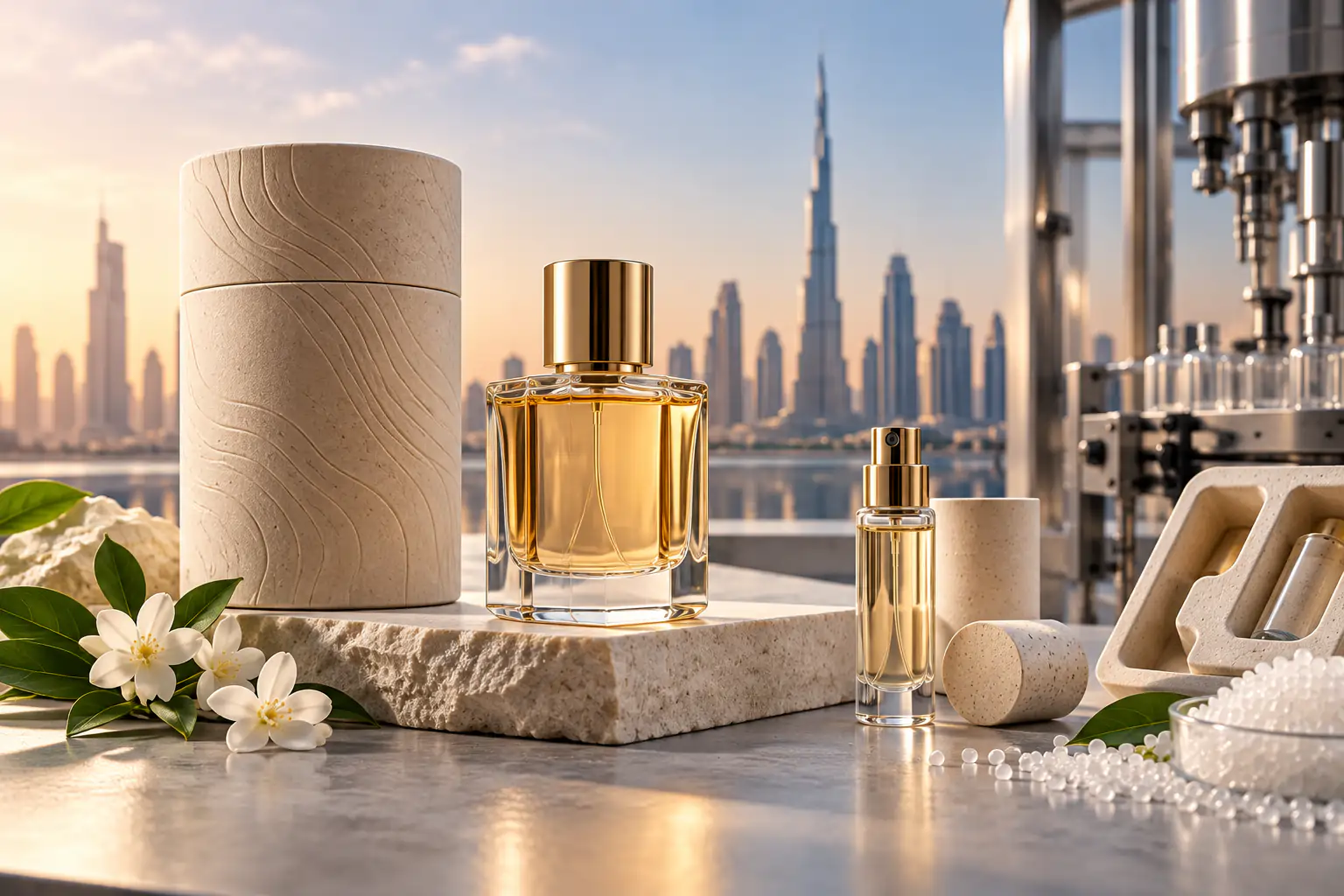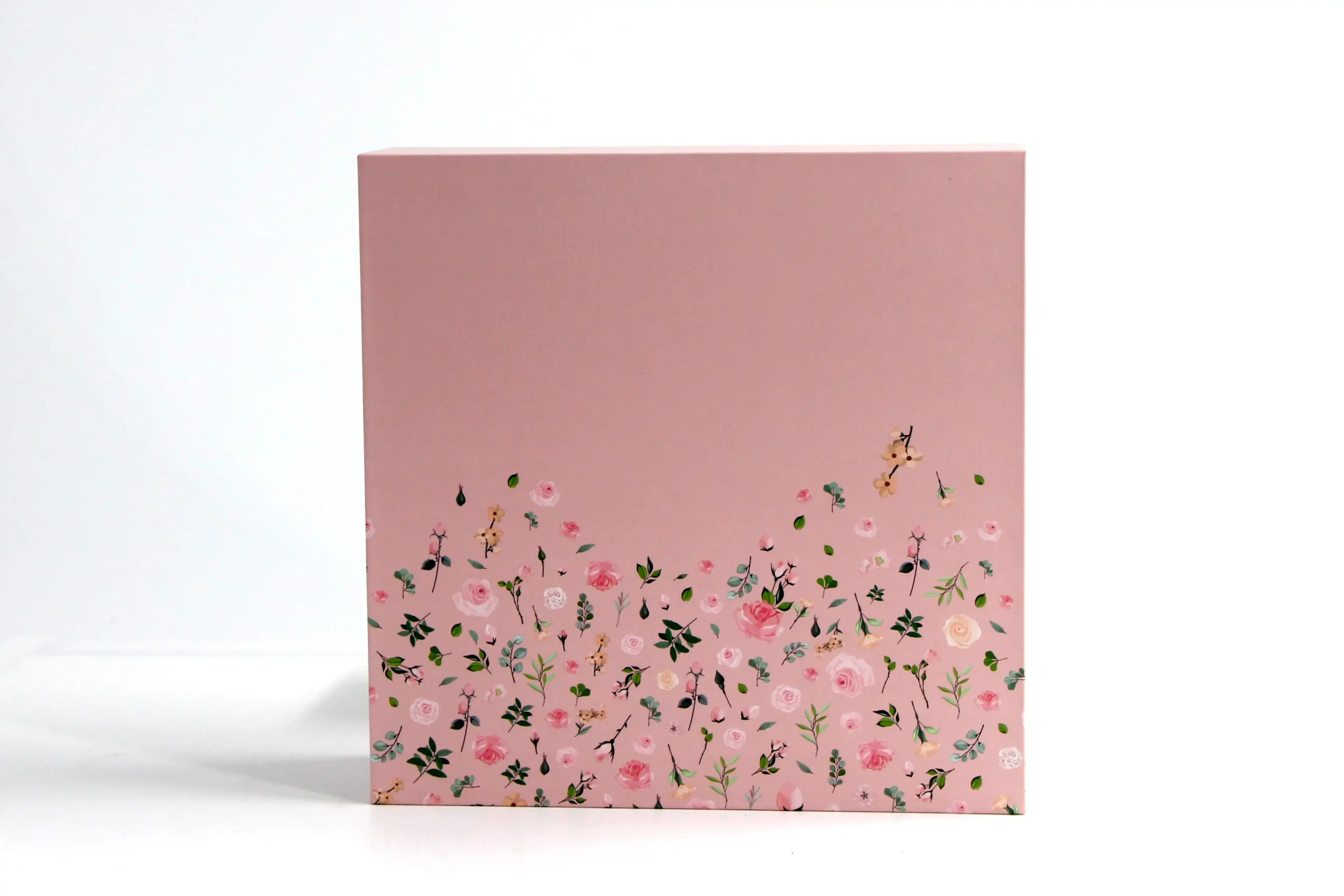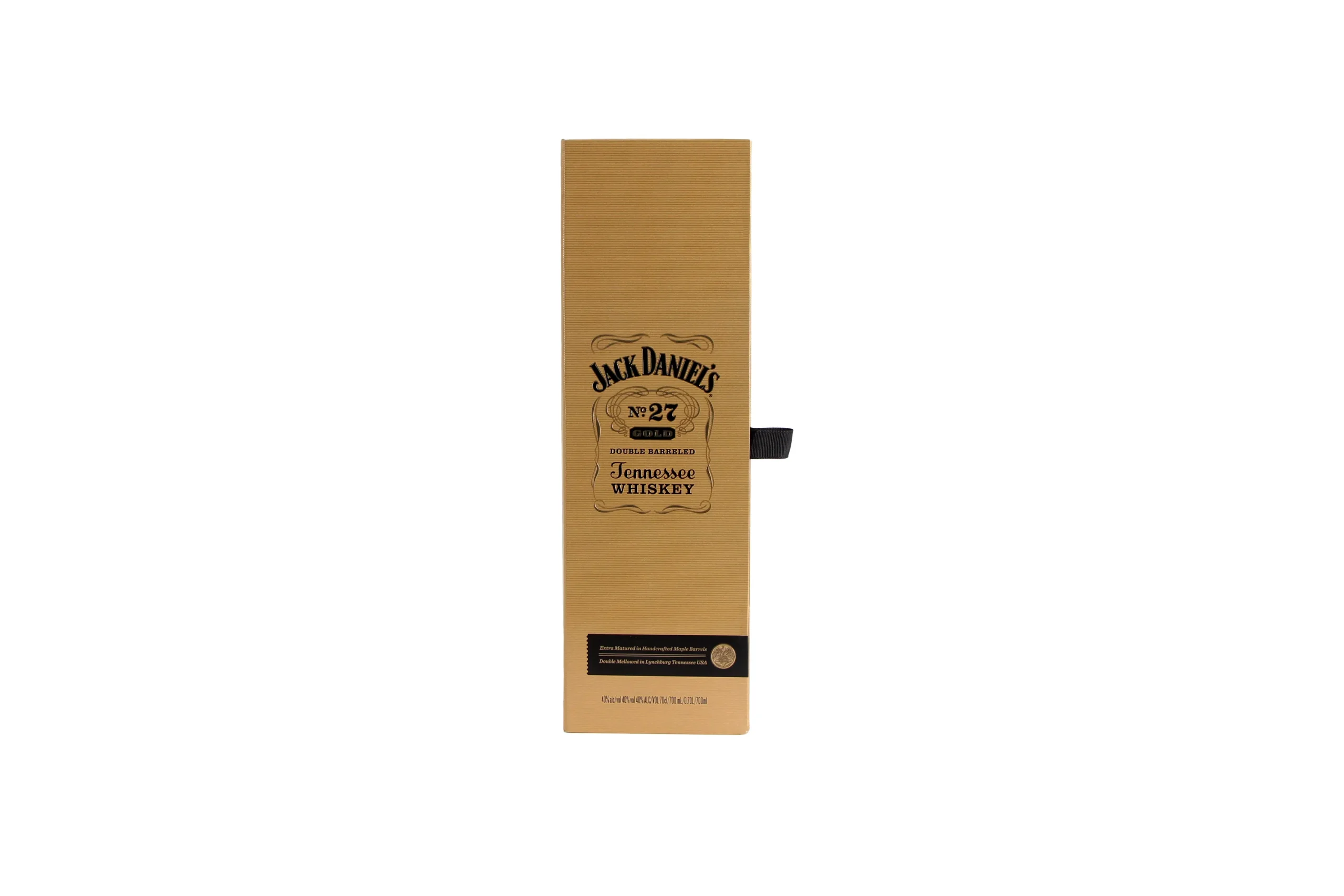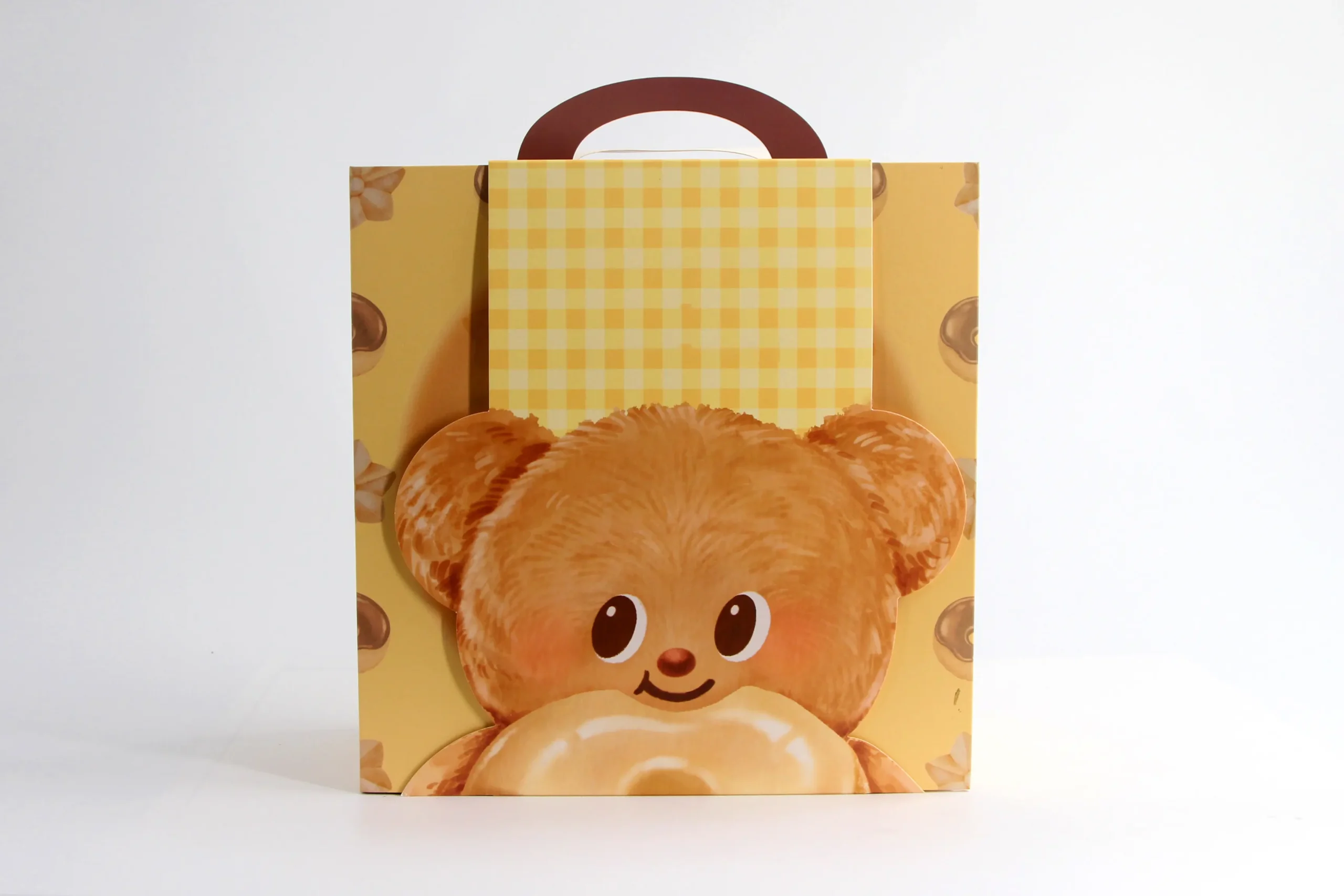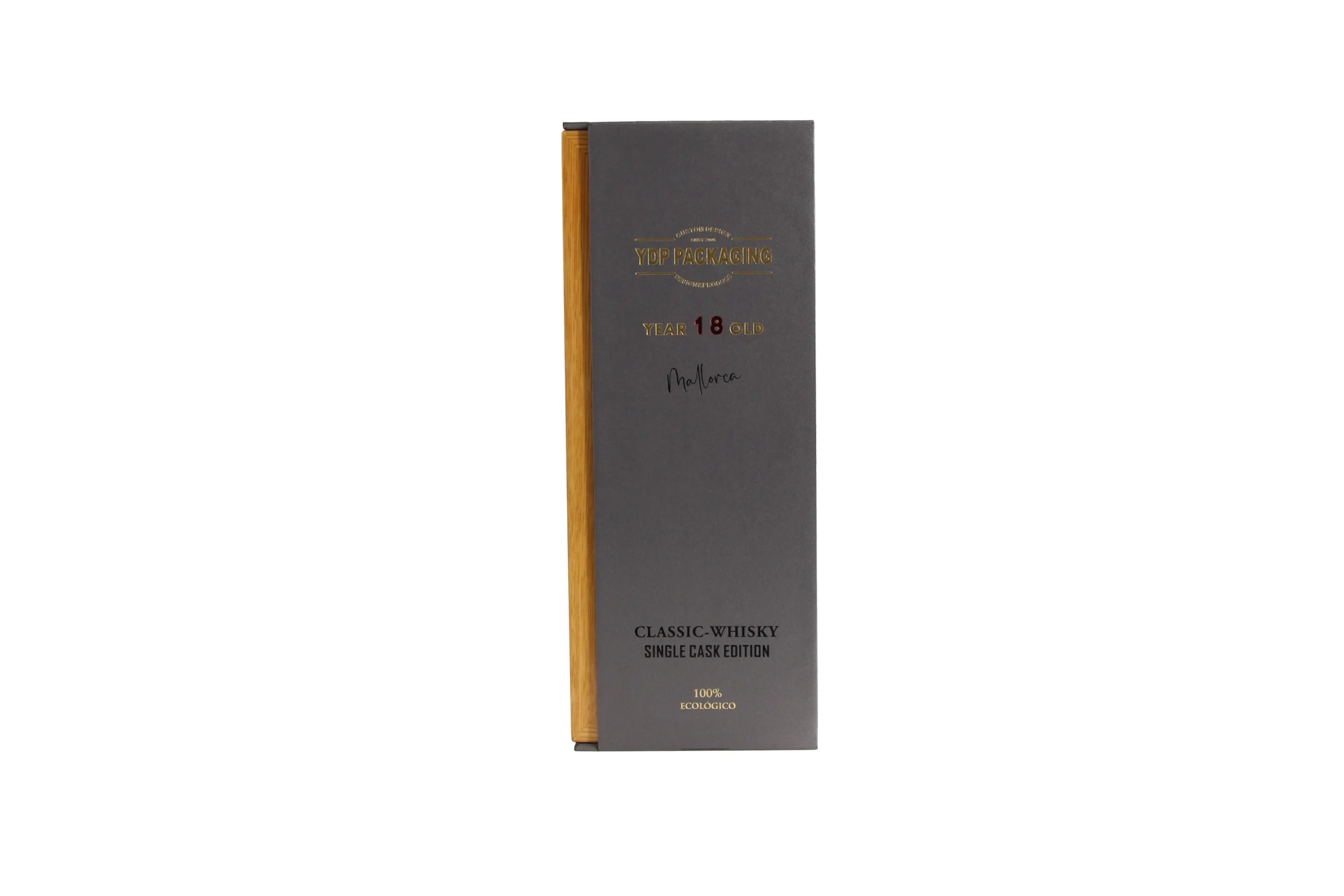
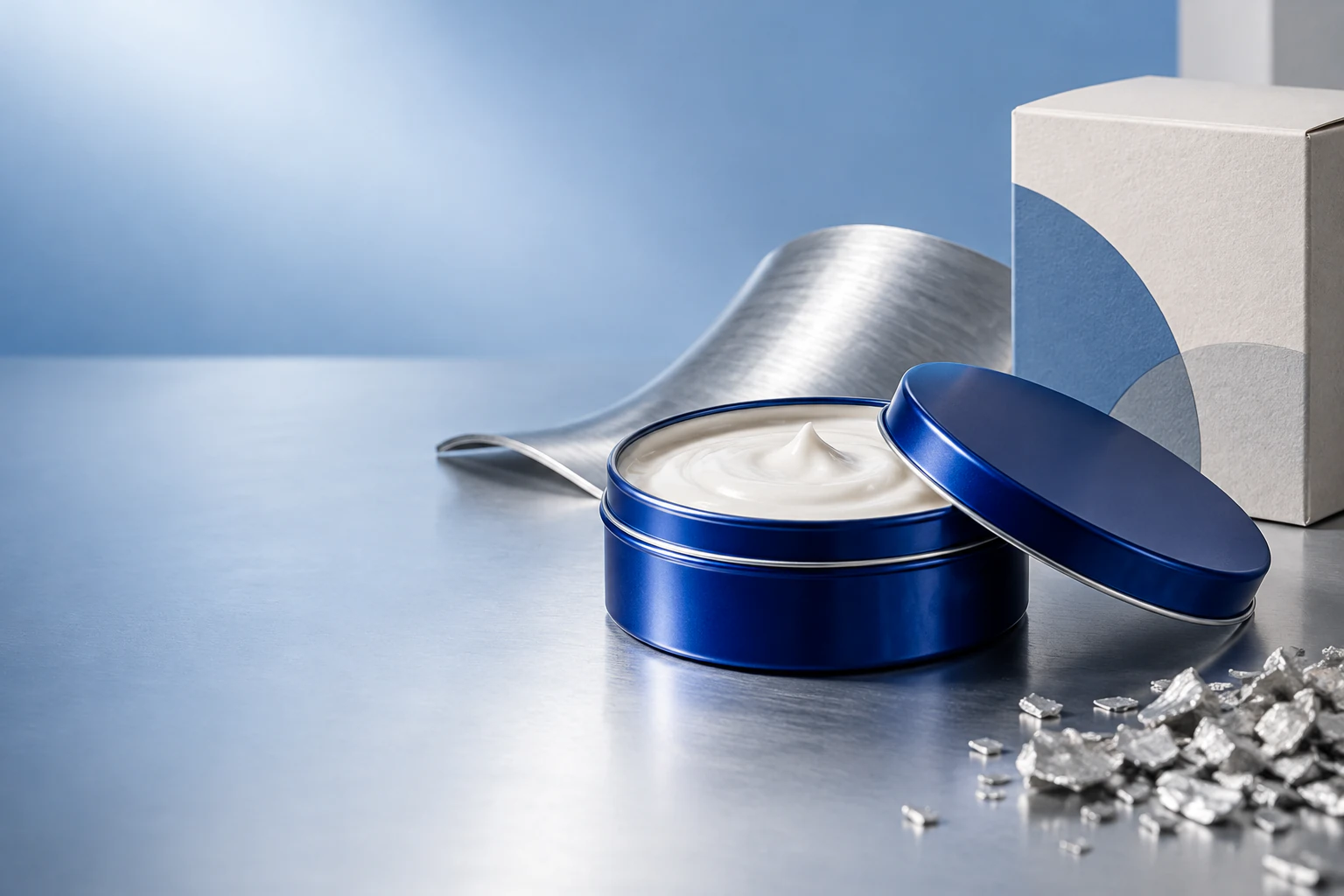
Sustainable skincare packaging is packaging for creams, serums and cleansers that cuts its environmental impact either by using recycled material from the start or by giving the empty pack a real way to be recovered after use, without weakening protection for the formula. Two launches in 2026 show those two routes side by side. In January, Beiersdorf introduced NIVEA Creme Natural Touch in Germany in a tin it says contains 95% recycled aluminium on an annual average.
In October, Shellworks and MYGroup opened a UK take-back route for beauty packs made from VIVOMER, a biomaterial designed to biodegrade when composted. This guide compares the two approaches and explains where the outer box fits in, from the point of view of our skincare box factory in Dongguan, Guangdong, China. At Topvisio Packaging every carton can use board FSC on request, and our packaging is PPWR compliant.
Route One: Recycled Content in the Primary Pack
The NIVEA tin is a good example of sustainable skincare packaging that changes the material without changing the look. According to Beiersdorf’s press release of 5 January 2026, the Natural Touch tin is made with 95% recycled aluminium, measured as an average annual recycled content that includes both pre- and post-consumer material. The classic NIVEA Creme stays on sale, so this is a line extension in one market rather than a switch across every blue tin worldwide.
Those qualifiers matter if you want to make a similar claim. “Annual average” means individual tins can vary, and “pre- and post-consumer” means part of the recycled metal came from factory scrap rather than used cans. Neither weakens the achievement, but both need to travel with the number. A brand quoting “95% recycled” without them would be making a broader claim than the source supports.
Route Two: A Recovery Path After Use
VIVOMER takes the opposite approach to sustainable skincare packaging. Shellworks makes it by fermenting plant waste into natural polymers, and the material is designed to biodegrade fully when composted. The problem is that many shoppers have no compost bin. On 13 October 2026, as reported by Corrugated Manufacturer, MYGroup added VIVOMER packs to its UK beauty take-back network, which runs collection boxes in more than 800 stores through schemes with Boots, Harrods and Selfridges. Returned items go to MYGroup’s Hull site and become MYboard, a board used for furniture and retail displays.
MYGroup says its network has recovered 31 million kilograms of used health and beauty products over five years. That figure covers everything the network collects, not VIVOMER alone, and the announcement gives no recovery rate for the new material yet. What it does show is that a material’s intended end of life only becomes real when there is somewhere for the empty pack to go.
Recycled Content or Recovery Route: Which Matters More?
Both matter in sustainable skincare packaging, and they answer different questions. Recycled content tells you what went into the pack. A recovery route tells you what happens to it afterwards. Sustainable skincare packaging is strongest when it covers both, and the table below shows how the two launches compare.
| Question | NIVEA Natural Touch Tin | VIVOMER With MYGroup Take-Back |
|---|---|---|
| Approach | Recycled content in a familiar material | New biomaterial plus a collection route |
| Key claim | 95% recycled aluminium, annual average | Designed to biodegrade when composted |
| Where it applies | Germany, Natural Touch line only | UK take-back network |
| Consumer action | Standard metal recycling | Home compost or drop-off in store |
| Evidence to request | Recycled-content method and period | Composting certification and collection data |
For most brands starting on sustainable skincare packaging, recycled content is the easier first step because it works with existing recycling habits. A recovery route suits newer materials that standard systems cannot yet handle. Either way, the claim on pack should say exactly which part of the product it covers.
Where Does the Outer Box Fit In?
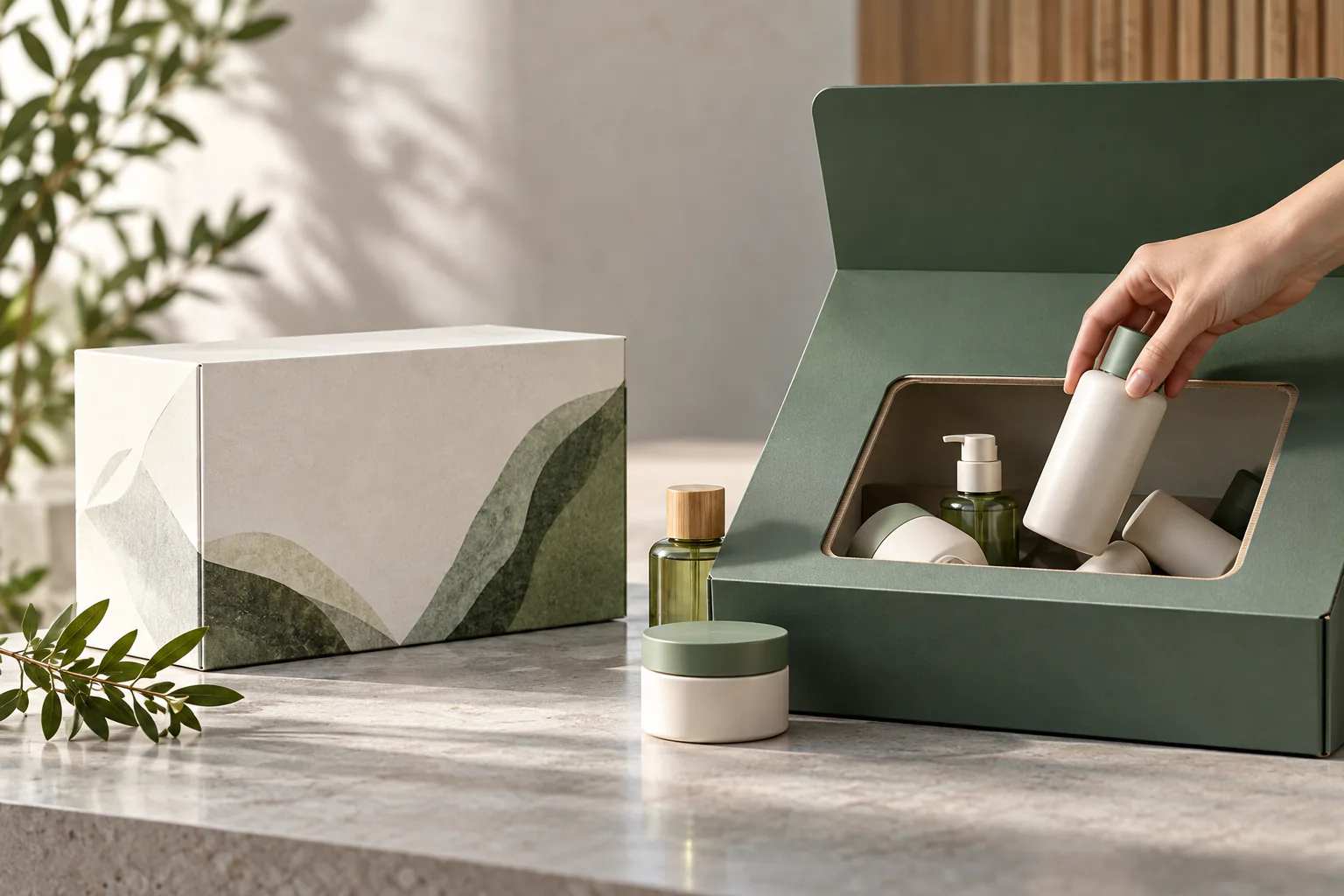
This is the part of sustainable skincare packaging that brands often skip. A skincare launch can put real work into a recycled-aluminium tin or a compostable jar, then ship it in a gift box with a plastic window, a foam insert and laminated board. The outer box ends up undoing the story the primary pack is trying to tell, and it is usually the first thing the customer touches.
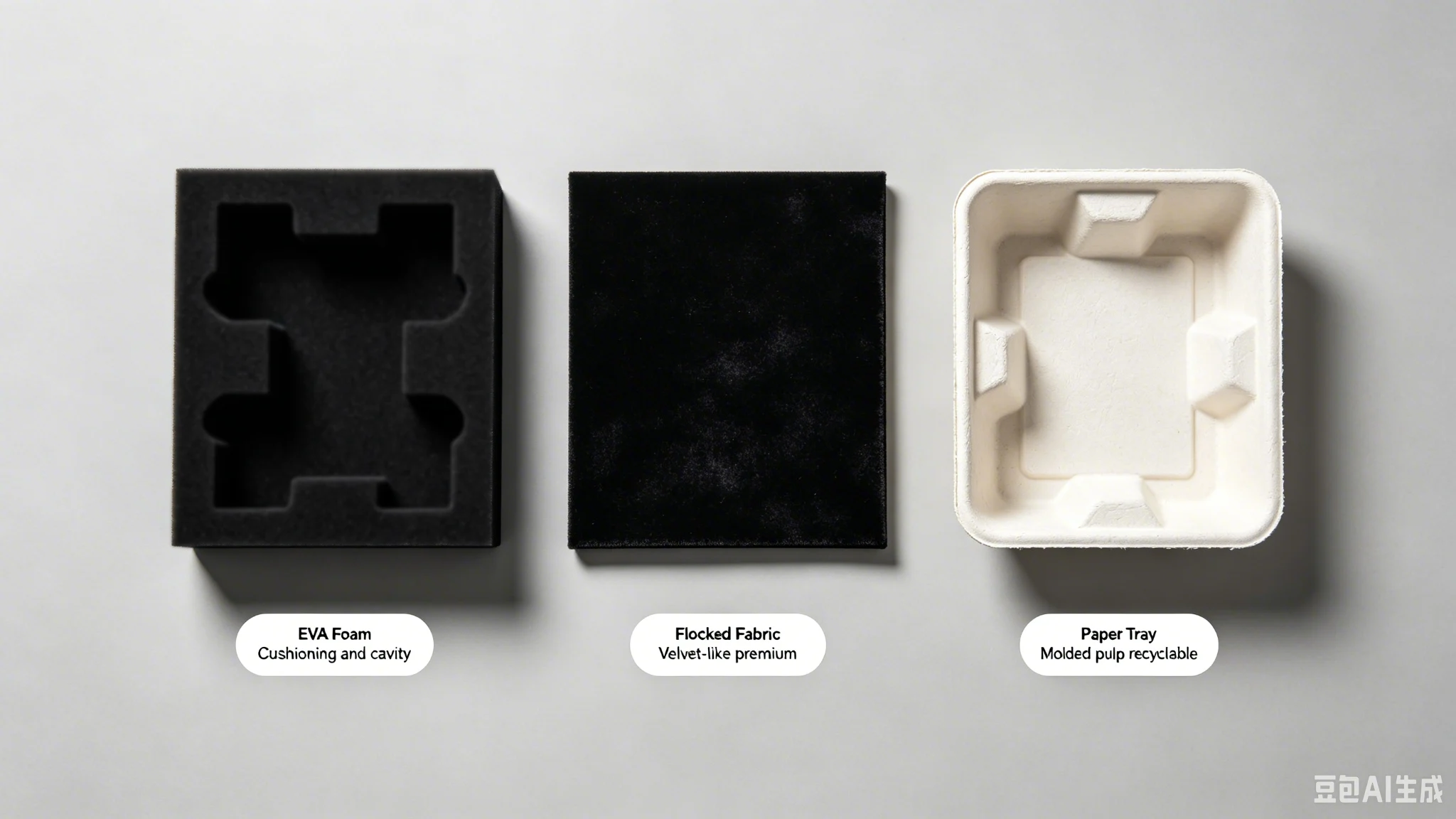
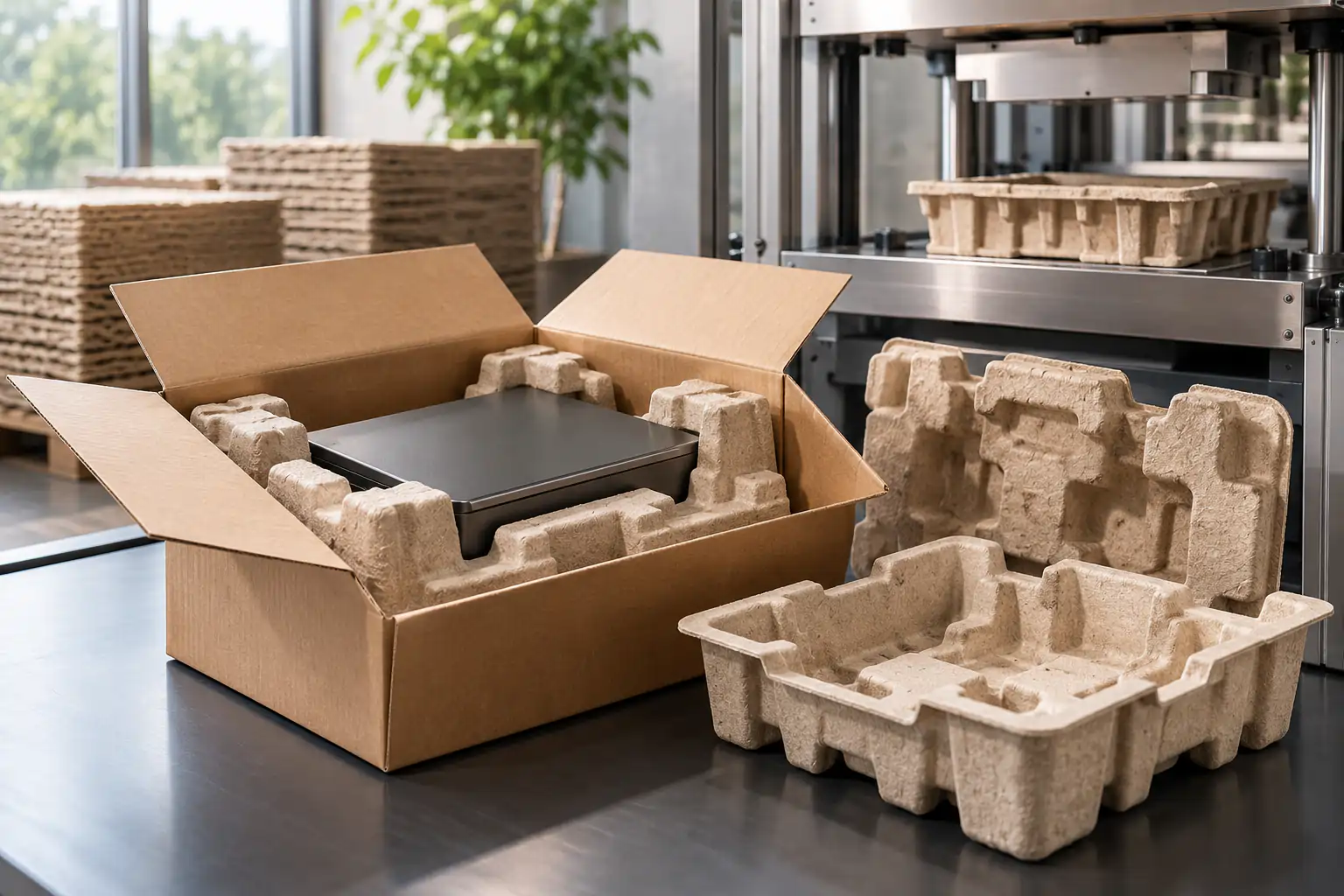
Good sustainable skincare packaging treats the box as part of the same system. That means fiber-based board, an insert made from paper or molded pulp rather than plastic, and finishes that do not stop the box going into paper recycling. It also means sizing the box to the product, not the other way round, so there is no empty space to fill with extra material.
How to Build a Sustainable Skincare Packaging Brief
We find the most useful sustainable skincare packaging briefs answer five questions before any material is chosen:
- What does the formula need? Oils, actives and fragrances can react with some coatings and plastics, so compatibility comes before any sustainability decision.
- Which markets will you sell in? Recycling and composting routes differ by country, and a claim that works in Germany may not work in the US.
- What is the claim, exactly? Write it down in one sentence, with the percentage, the component and the method, before artwork starts.
- Does the outer pack match? Check the gift box, insert and shipper against the same standard as the jar or tube.
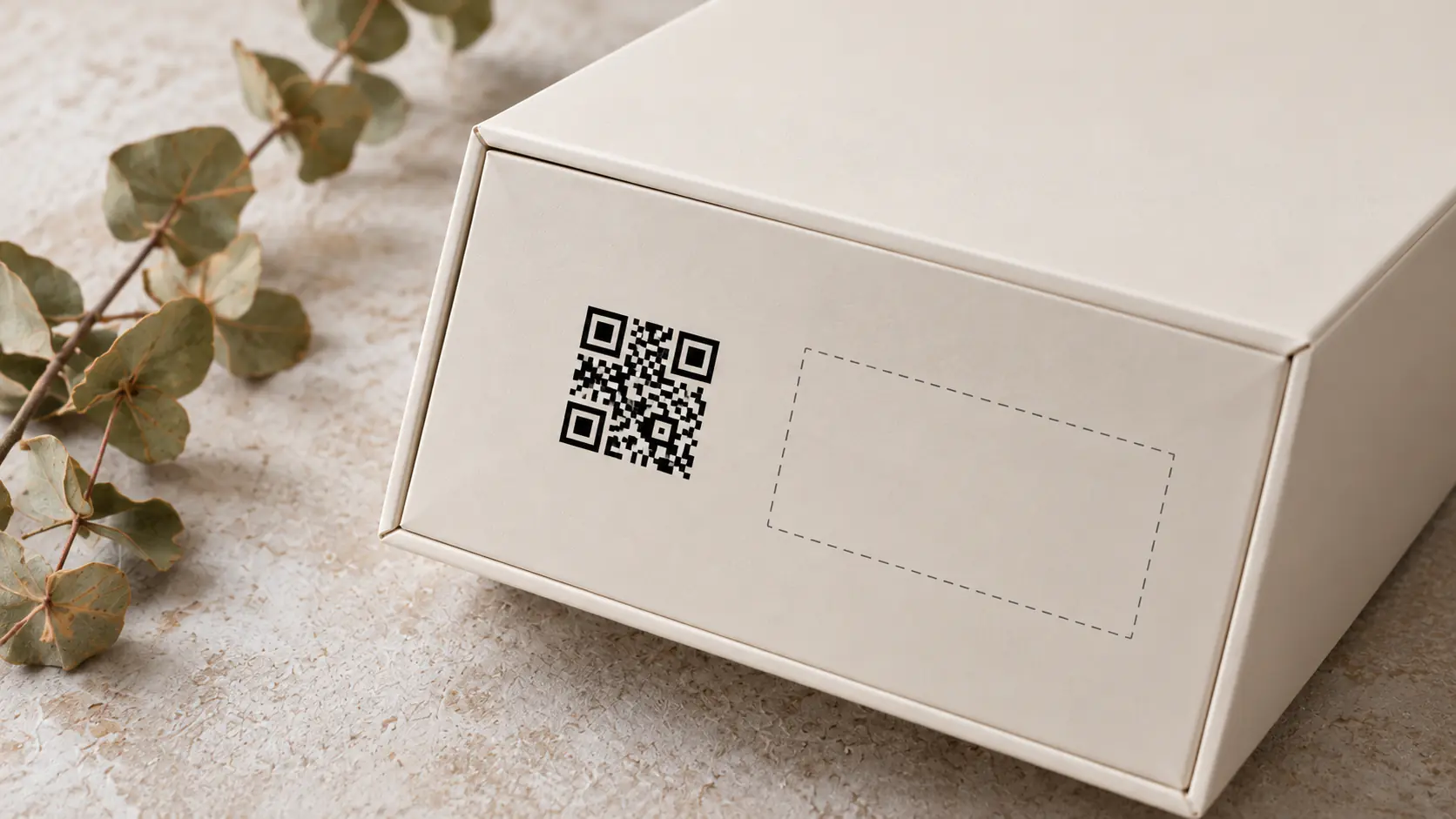
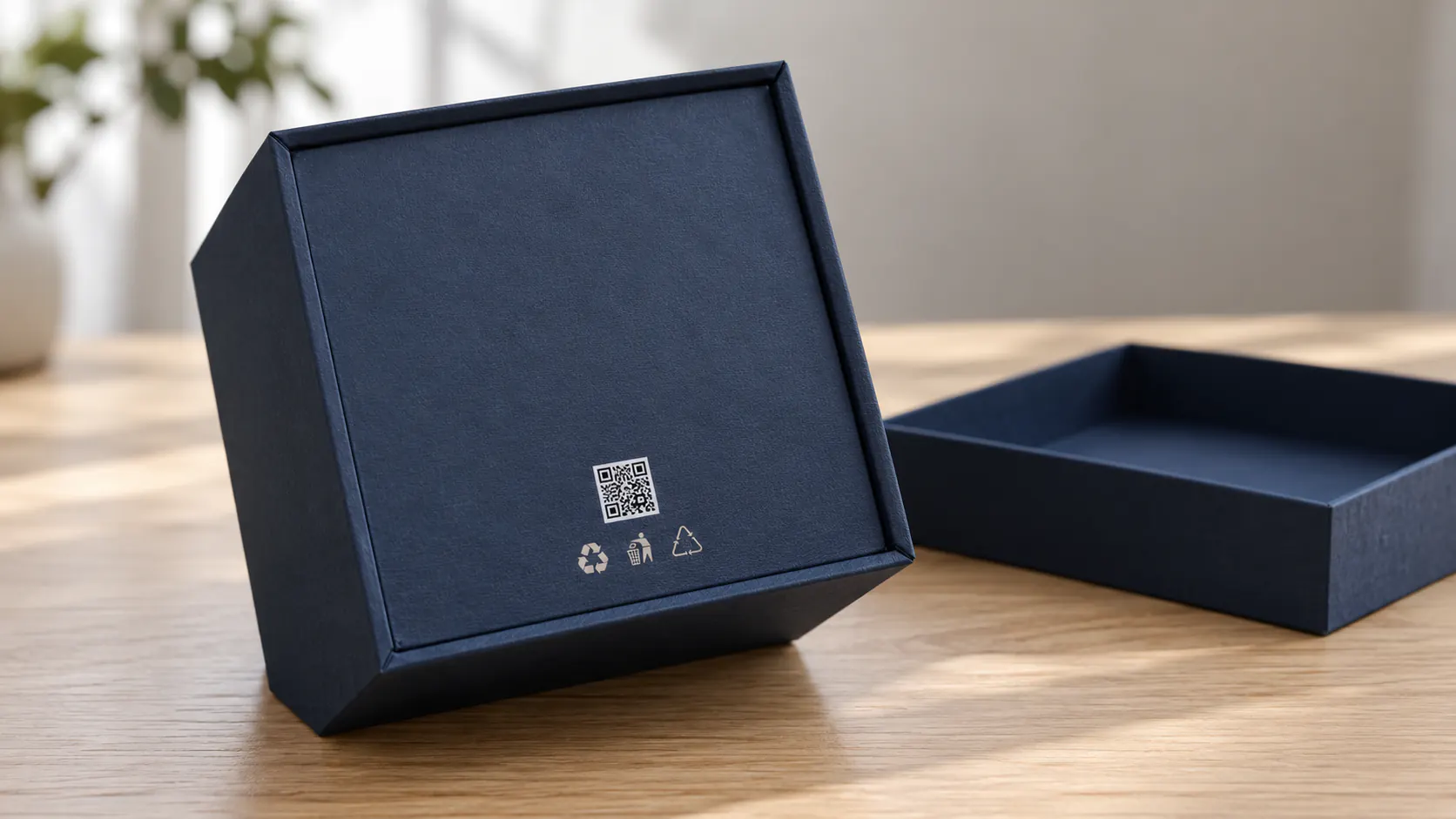
- What will the customer do with the empty pack? Print a clear disposal instruction for each part.
A brief built this way turns a general goal into something a supplier can quote, sample and test.
Topvisio Insights: Matching the Box to the Bottle
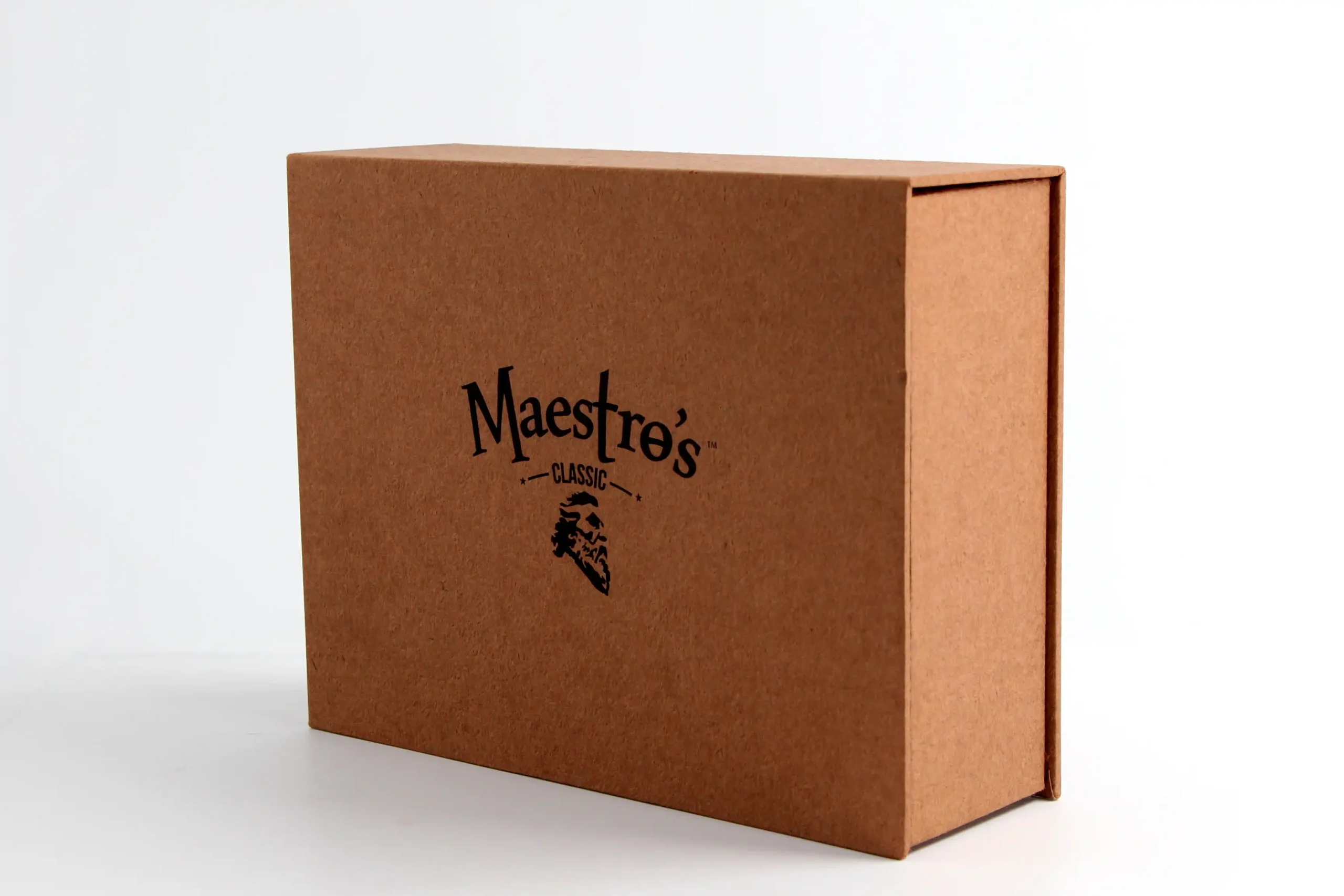
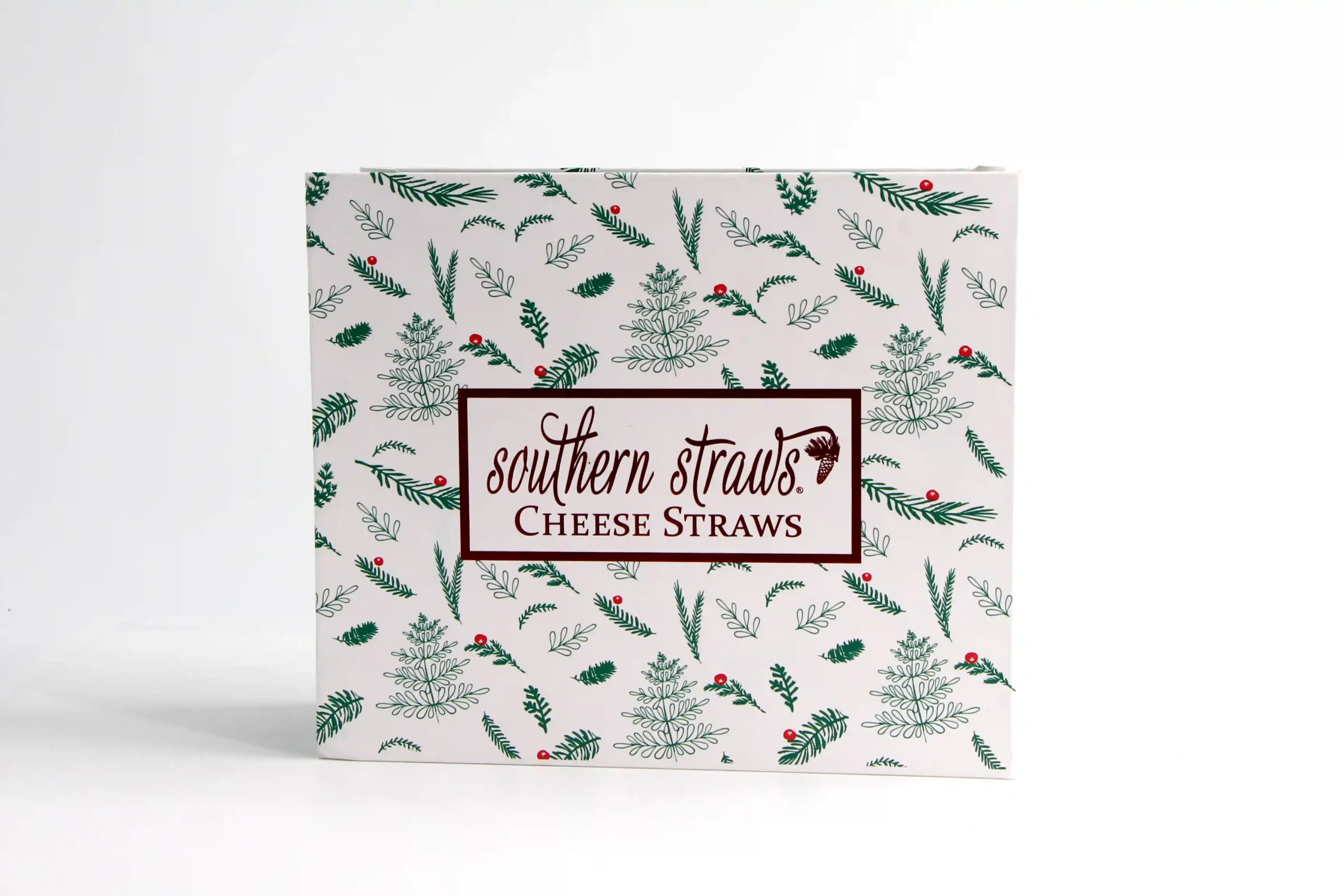
Most of our skincare work is the secondary pack: the carton or gift box around the jar. For folding cartons we use SBS board, and for gift sets we build rigid boxes. In both, the materials that make the biggest difference are already standard on our lines. We form inserts from molded pulp instead of plastic trays or foam. We supply FSC-certified or recycled board on request. We assemble with water-based glue and print with soy ink, and a water-based varnish can stand in for plastic lamination when a box needs surface protection.
The advice we give on sustainable skincare packaging is to match the box to the claim on the jar. If the primary pack carries a recycled-content or compostable message, the box should not contain the parts that contradict it. A molded pulp insert and an unlaminated, FSC-sourced box will not make headlines on its own, but it means the whole package tells one consistent story when the customer opens it.
Common Mistakes in Sustainable Skincare Packaging Claims
The first mistake is dropping the qualifiers. “Made with recycled aluminium” and “95% recycled aluminium, annual average” are different claims, and only the second matches what NIVEA actually reported. The second is calling a whole pack compostable when only one component is. A jar may be compostable while its pump, label or seal is not. The third is assuming a disposal route exists everywhere. A take-back scheme in the UK does nothing for a customer in Dubai or Sydney. The fourth is forgetting the box entirely, which is the easiest part of sustainable skincare packaging to fix.
The EU’s Packaging and Packaging Waste Regulation is making these details more important, because it sets rules on recyclability and labeling for packaging sold in the EU. Our overview of PPWR packaging requirements covers what applies to cosmetic and gift boxes.
Does FSC Certification Make Skincare Packaging Sustainable?
FSC certification is one piece of sustainable skincare packaging, not the whole answer. It confirms that the fiber in the board comes from responsibly managed forests or recycled sources, which is exactly what a retailer or an EU buyer will ask about first. It says nothing about the finish, the insert or whether the box can be recycled. A box can be FSC-certified and still carry a plastic window and foam tray. That is why we treat certification and design as two separate checks. Our page on FSC-certified packaging explains how we supply certified board on request and which FSC label fits which material.
In practice, a skincare brand that combines FSC board, a fiber insert and an unlaminated finish has covered the sourcing question, the plastic question and the recycling question in one box. That is a far stronger position than any single green claim printed on the jar.
Ready to Rework Your Skincare Box?
If you are planning sustainable skincare packaging for a new line or refreshing an existing one, start with the component that contradicts your claim most. For many brands that is a plastic insert or a laminated finish. Browse our luxury skincare packaging or the wider custom skincare boxes range, and if you would like a second opinion on your current pack, share your box and jar details and we will suggest which parts to change first.
FAQ
What counts as sustainable skincare packaging?
Packaging that lowers its impact through recycled content, a working recovery route or both, while still protecting the formula. The outer box, insert and finish count as much as the jar or tube.
Is the NIVEA tin made entirely from recycled aluminium?
No. Beiersdorf says the Natural Touch tin uses 95% recycled aluminium as an annual average, including pre- and post-consumer material. It applies to that line in Germany, and the classic tin is still sold.
What happens to VIVOMER packaging if I cannot compost it?
In the UK, it can now go into MYGroup’s take-back boxes in participating stores. MYGroup processes returns at its Hull facility into a board material used for furniture and displays.
How can the gift box support sustainable skincare packaging?
Use fiber-based board, a paper or molded pulp insert instead of plastic, and a finish that does not block paper recycling. Size the box closely to the product to avoid wasted material.
Can Topvisio supply skincare boxes with FSC-certified board?
Yes, FSC on request applies to every skincare box we make. Production also runs at ISO 9001 / ISO 14001 / SEDEX audited facilities, and all boxes meet PPWR compliant standards for EU sales.
How quickly can I get a sustainable skincare packaging sample?
Expect a sample within 7 working days of approving the spec. Production starts from 1,000 units per design, and our 14+ automated lines turn out up to 1,500,000 two-piece lid and base boxes a month. Visit Topvisio Packaging for more.