A perfume box manufacturer has a narrower engineering problem than most gift-packaging suppliers, but a harder one: the box has to hold a glass bottle securely enough to survive freight and last-mile delivery, while looking premium enough to justify a fragrance that often retails well above $80 a bottle. Get the fit wrong and the bottle shifts in transit; get the finish wrong and a box built for a $150 fragrance reads like packaging for a $20 one.
This guide covers what separates a capable perfume box manufacturer from one that will cause fit or finish problems later — structure types, materials, certification requirements, and the questions worth asking before a first order.
What a Perfume Box Actually Needs to Do
A fragrance bottle is usually glass, often an irregular shape rather than a simple cylinder, and typically the single most fragile component in the whole retail package. A perfume box manufacturer needs insert-design experience specific to bottle-shaped products — a cavity cut a few millimeters too loose lets the bottle move and chip against the box wall during transit, while one cut too tight makes the box difficult to pack at scale without risking cracked glass at the neck.
Packaging intended for parcel and freight transit is commonly validated against protocols like the ISTA 3A general simulation series, maintained by the International Safe Transit Association. Asking a perfume box manufacturer whether bottle-and-box combinations have been drop-tested against a recognized protocol, rather than just visually inspected, is a reasonable question before committing to a production run.
Common Perfume Box Structures
Most perfume box manufacturer catalogs are built around a handful of recurring formats.
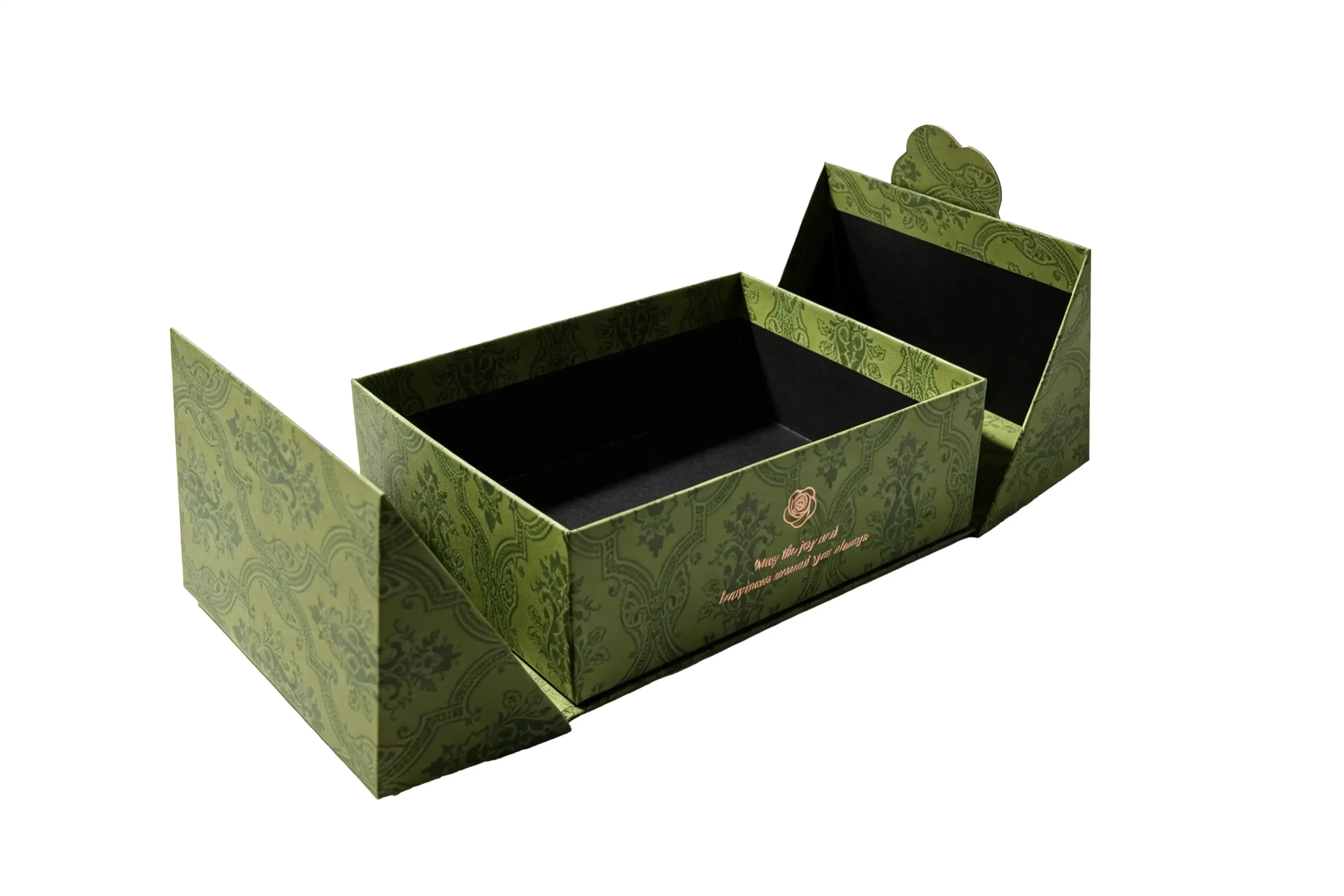
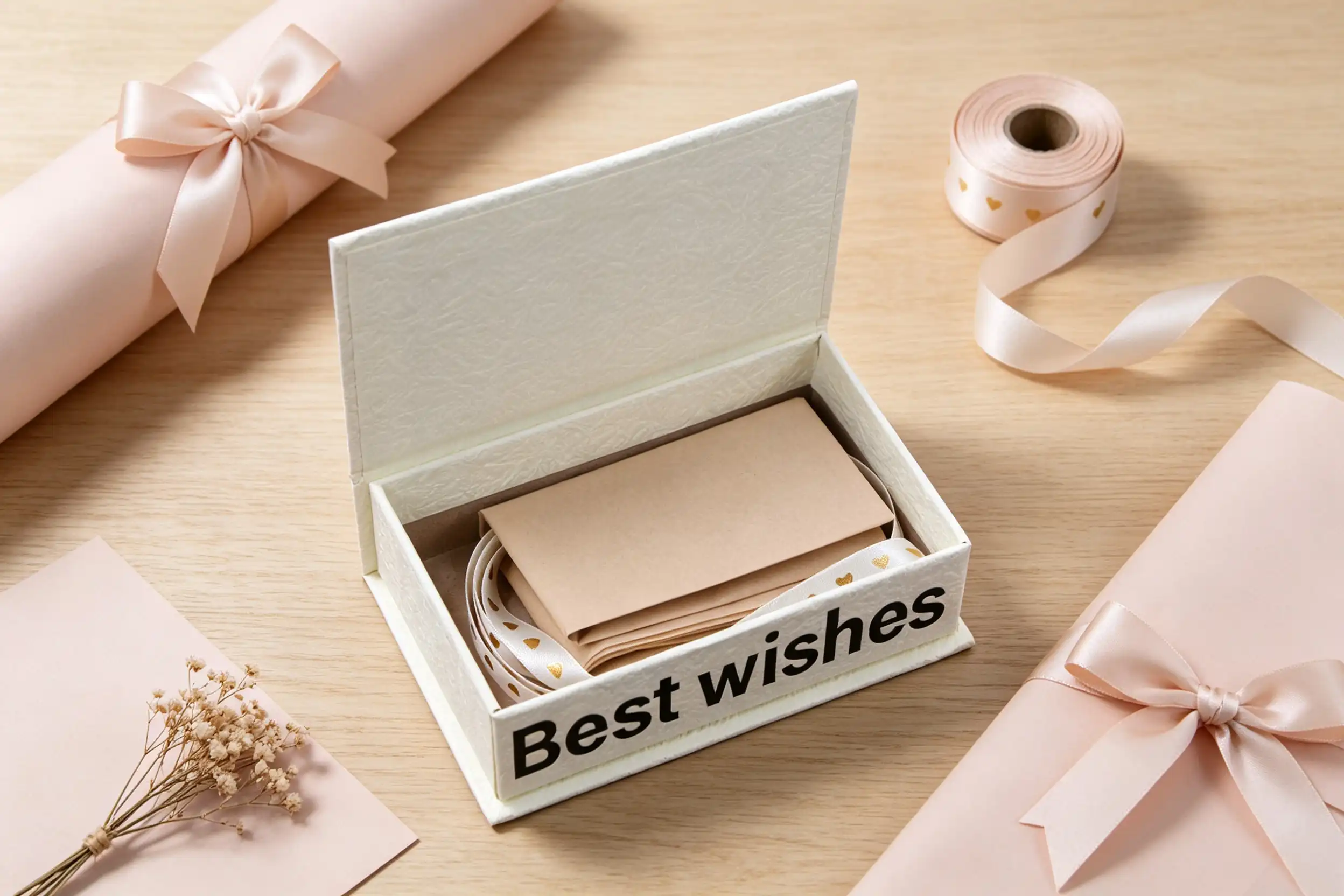
Lid-and-base sets. A telescoping or hinged lid over a fitted base, usually with a foam or paper-pulp cavity holding the bottle at the neck and base. Our perfume gift box line covers this range.
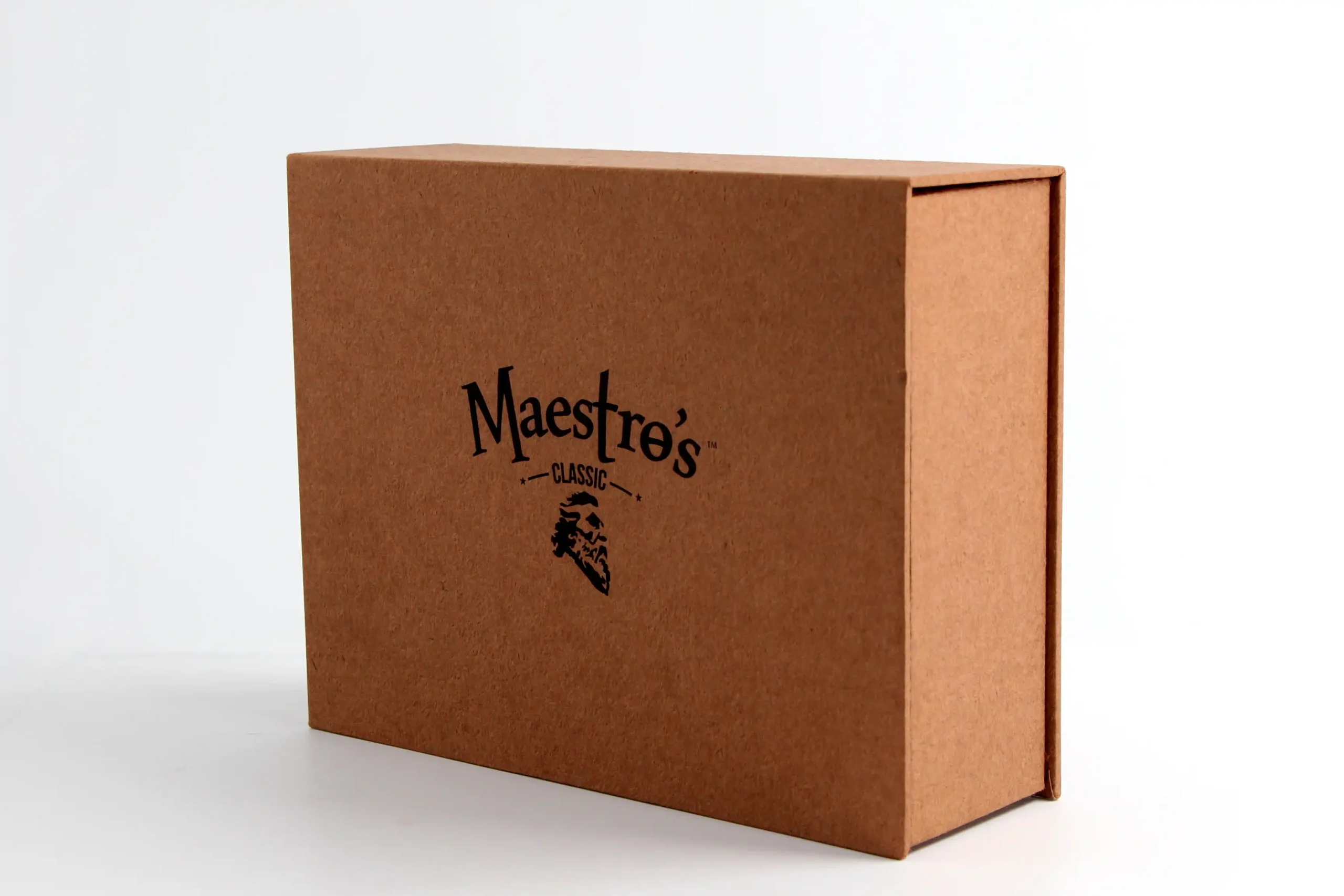
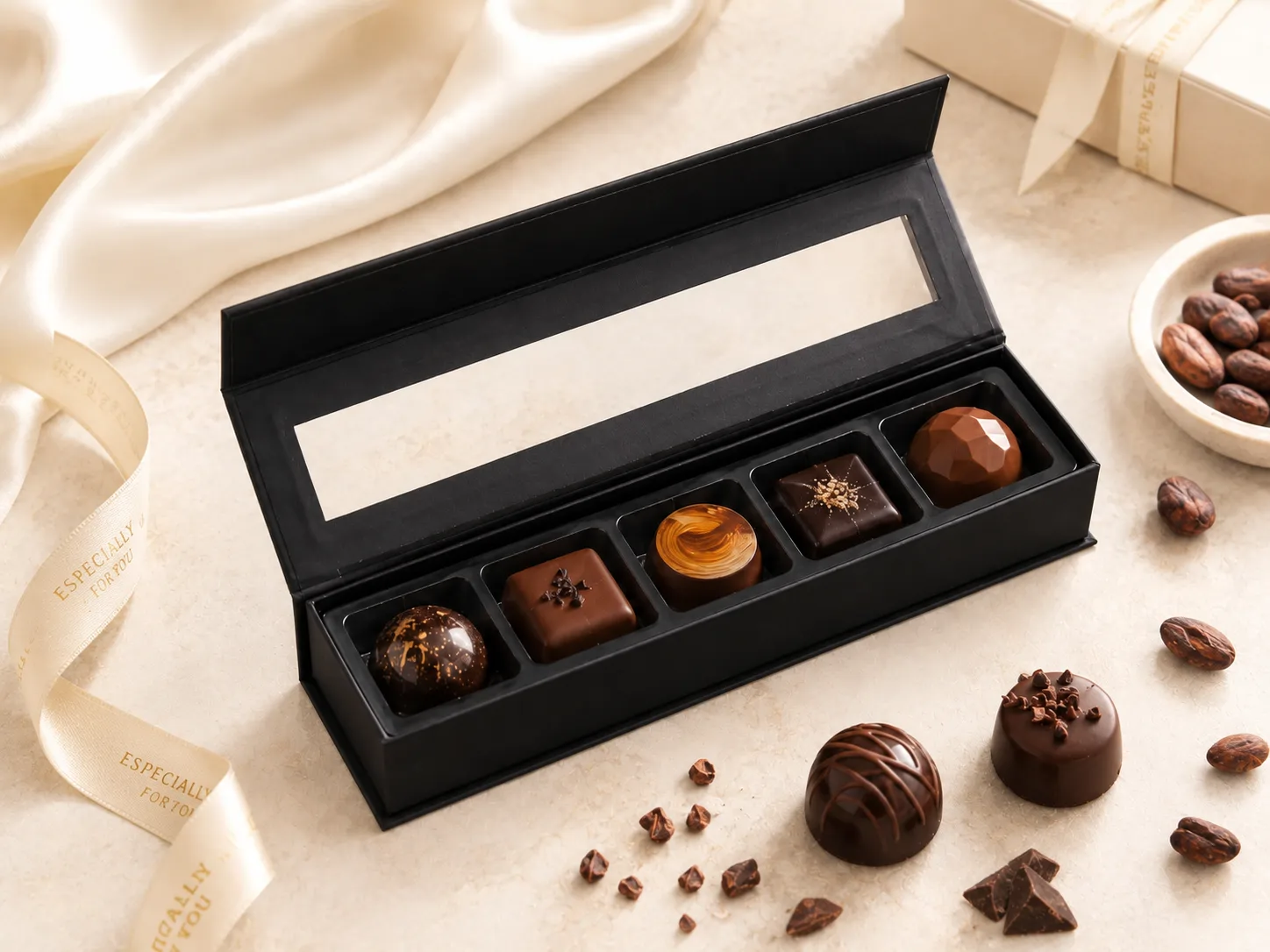
Magnetic closure boxes. A flip-top structure held shut with embedded magnets, giving a cleaner unboxing motion than a lift-off lid. See our magnetic gift box and magnetic closure box structures for reference.
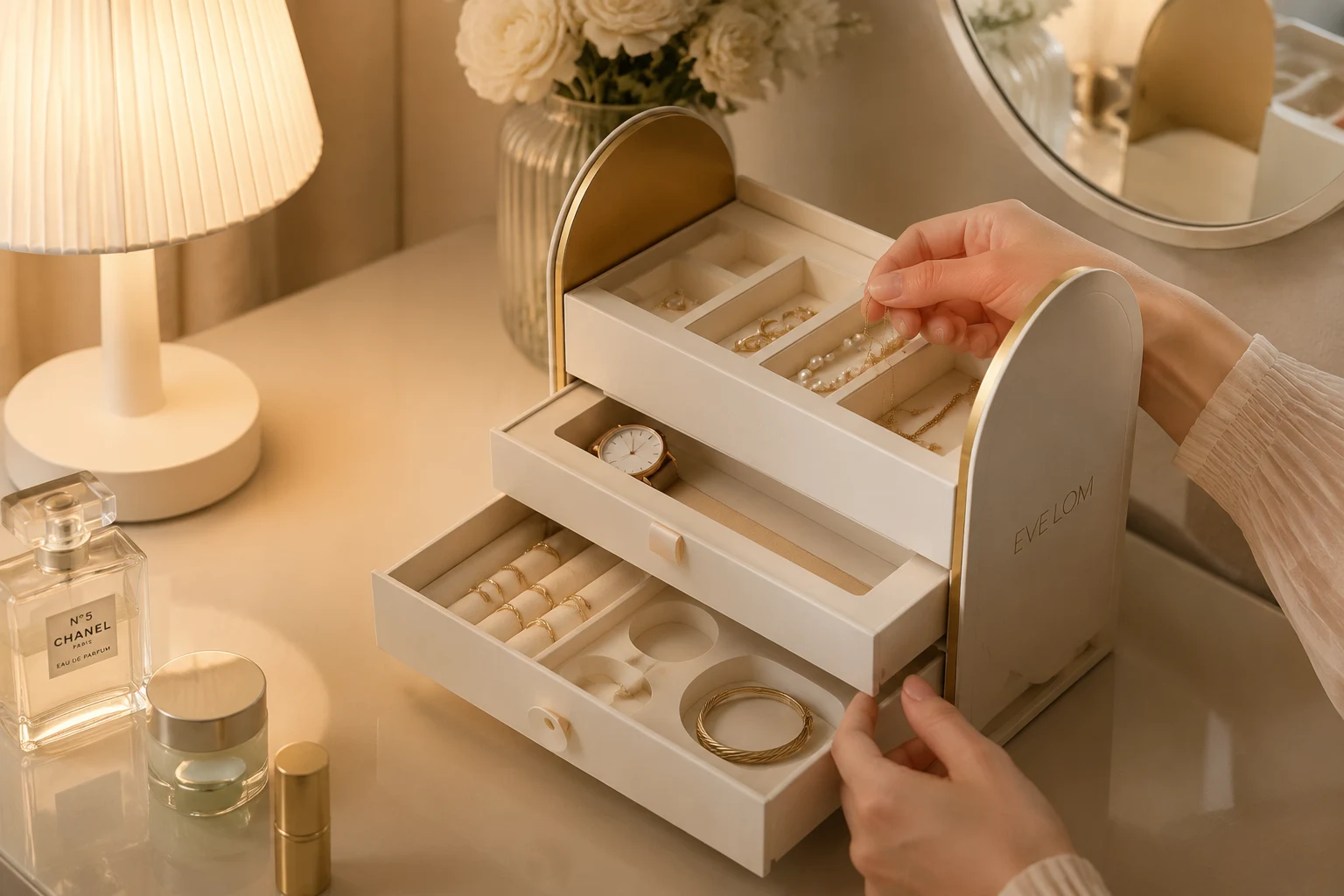
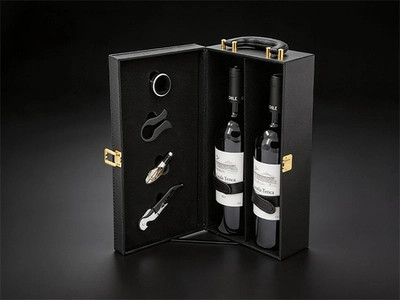
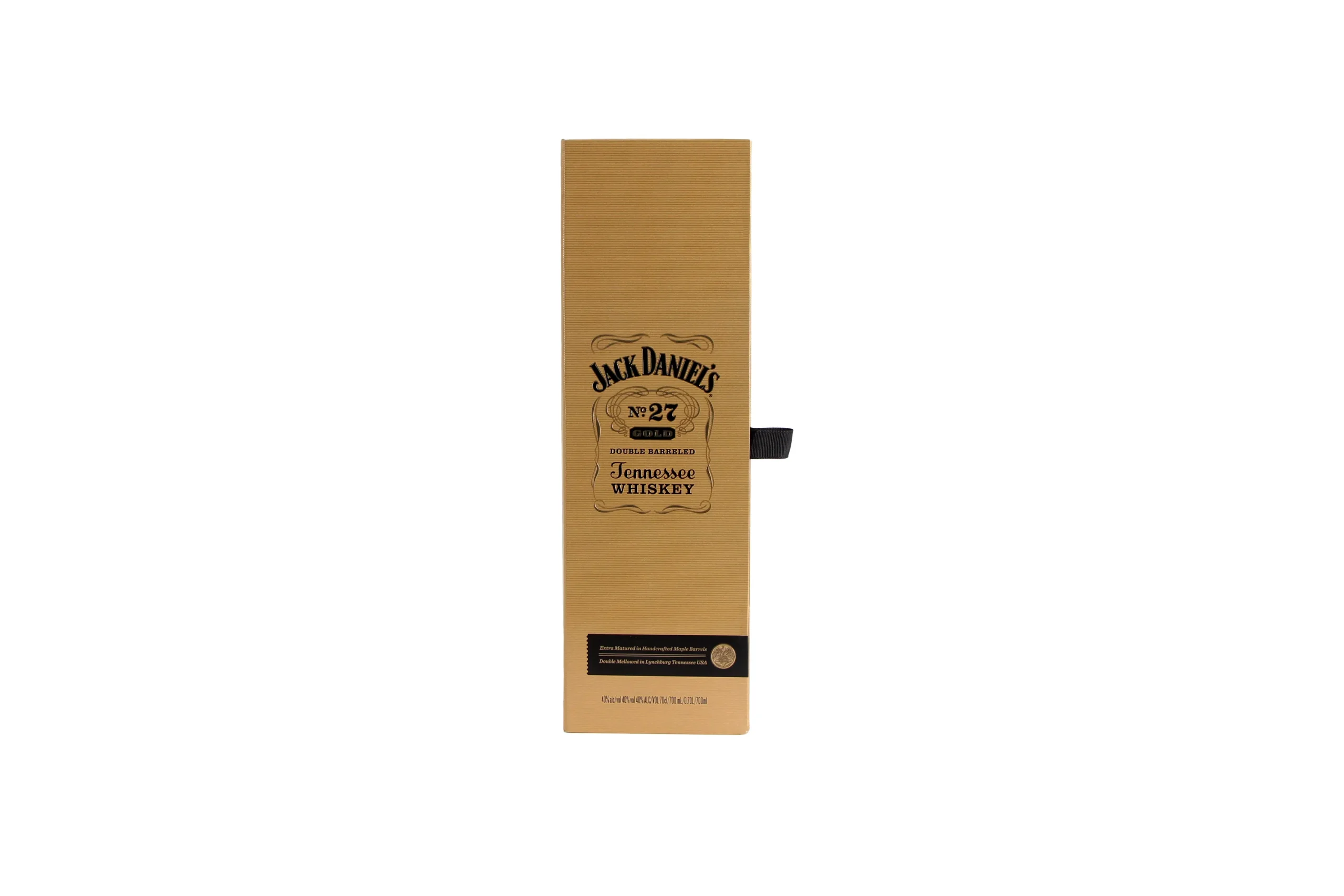
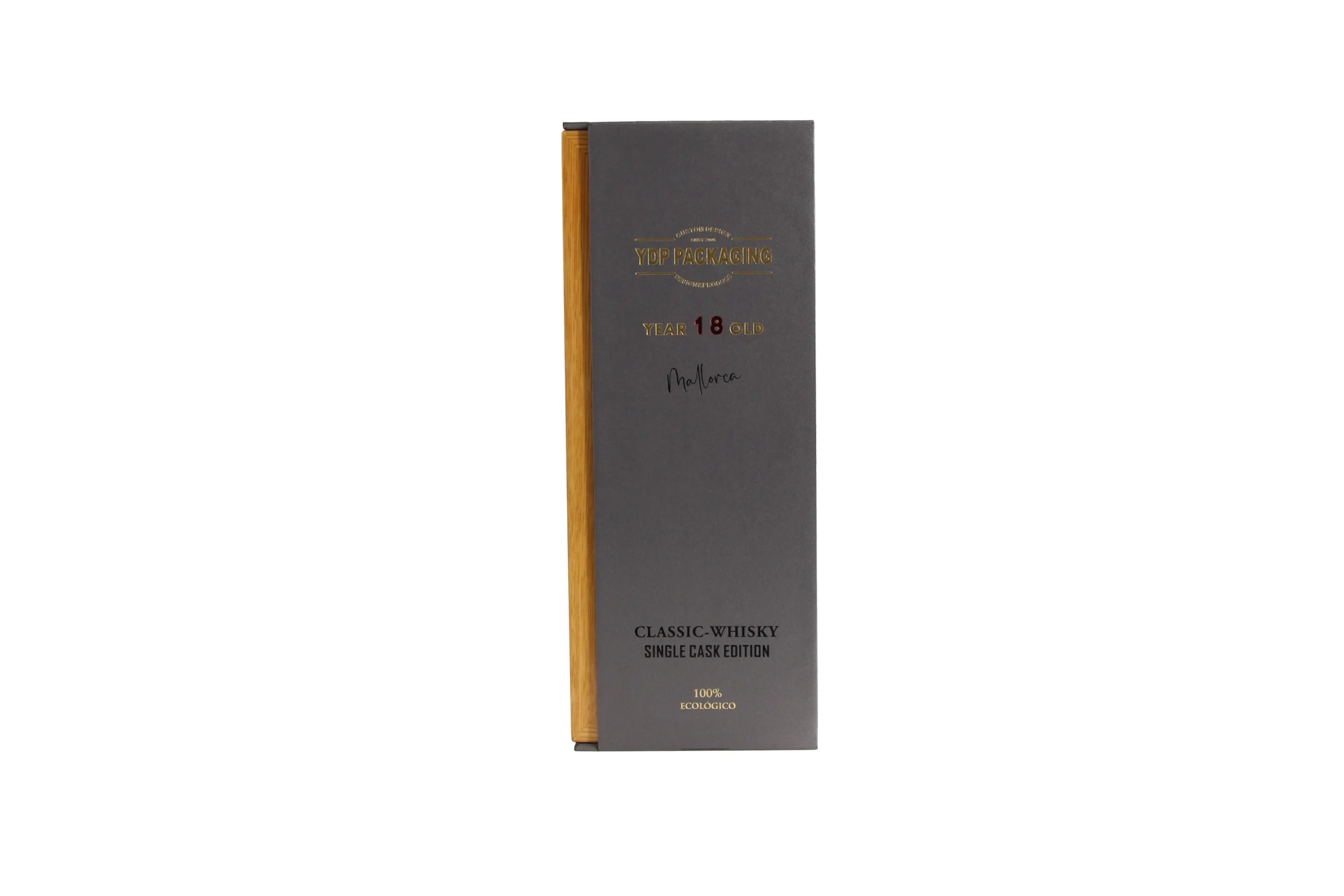
Slide-out sleeve and drawer boxes. An outer sleeve that slides open to reveal an inner tray, often used for prestige or limited-edition fragrance launches where the opening motion is part of the presentation. Our slide-out drawer structure — originally developed for spirits packaging — is increasingly requested for fragrance launches using the same mechanism.
Boxed gift sets. Larger structures pairing a full-size bottle with travel-size sprays or a body product, needing a multi-cavity insert rather than a single bottle slot. A perfume box manufacturer quoting this kind of set should confirm bottle count and shape before pricing insert tooling.
Materials That Affect Cost and Protection
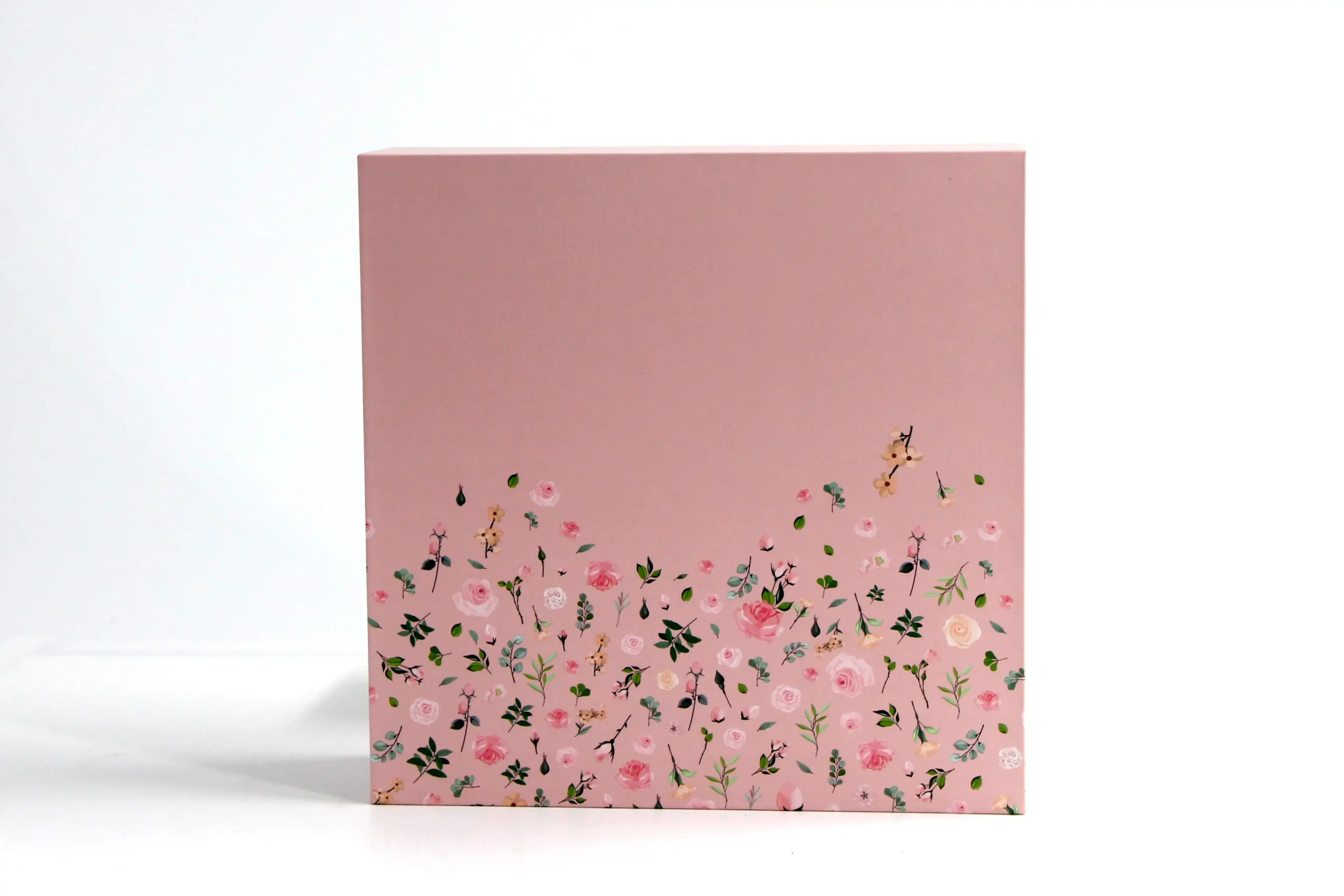
The outer shell of most perfume boxes is coated or specialty paper wrapped over greyboard, typically in the 1,000-1,400 gsm range — heavier structures are more common for prestige launches where shelf weight contributes to the perceived value of the box. Foil stamping, embossing, and spot UV are the standard finishing trio for fragrance branding, often layered together on the same panel.
Inside the box, the choice is generally between molded EVA foam, die-cut pulp trays, or a satin-lined fabric insert. EVA holds the tightest, most repeatable fit and is standard for prestige fragrance; pulp trays cost less and support recyclability claims, which matters increasingly for brands making sustainability claims alongside luxury positioning. For buyers weighing this trade-off, the Sustainable Packaging Coalition publishes independent guidance on material selection worth reading before finalizing a structure.
Certifications Worth Asking About
A perfume box manufacturer selling into the EU or working with major retail buyers should be able to provide specific certification documentation, not just a general compliance claim. FSC chain-of-custody certification matters whenever sourcing claims appear on the box — see FSC International for how chain-of-custody documentation works in practice. PPWR (the EU’s Packaging and Packaging Waste Regulation) compliance is increasingly requested for packaging entering the EU market, and ISO 9001 plus ISO 14001 cover quality and environmental management respectively. SEDEX audit standing is commonly requested by beauty and fragrance retailers running formal supplier programs.
Production Timelines and MOQs
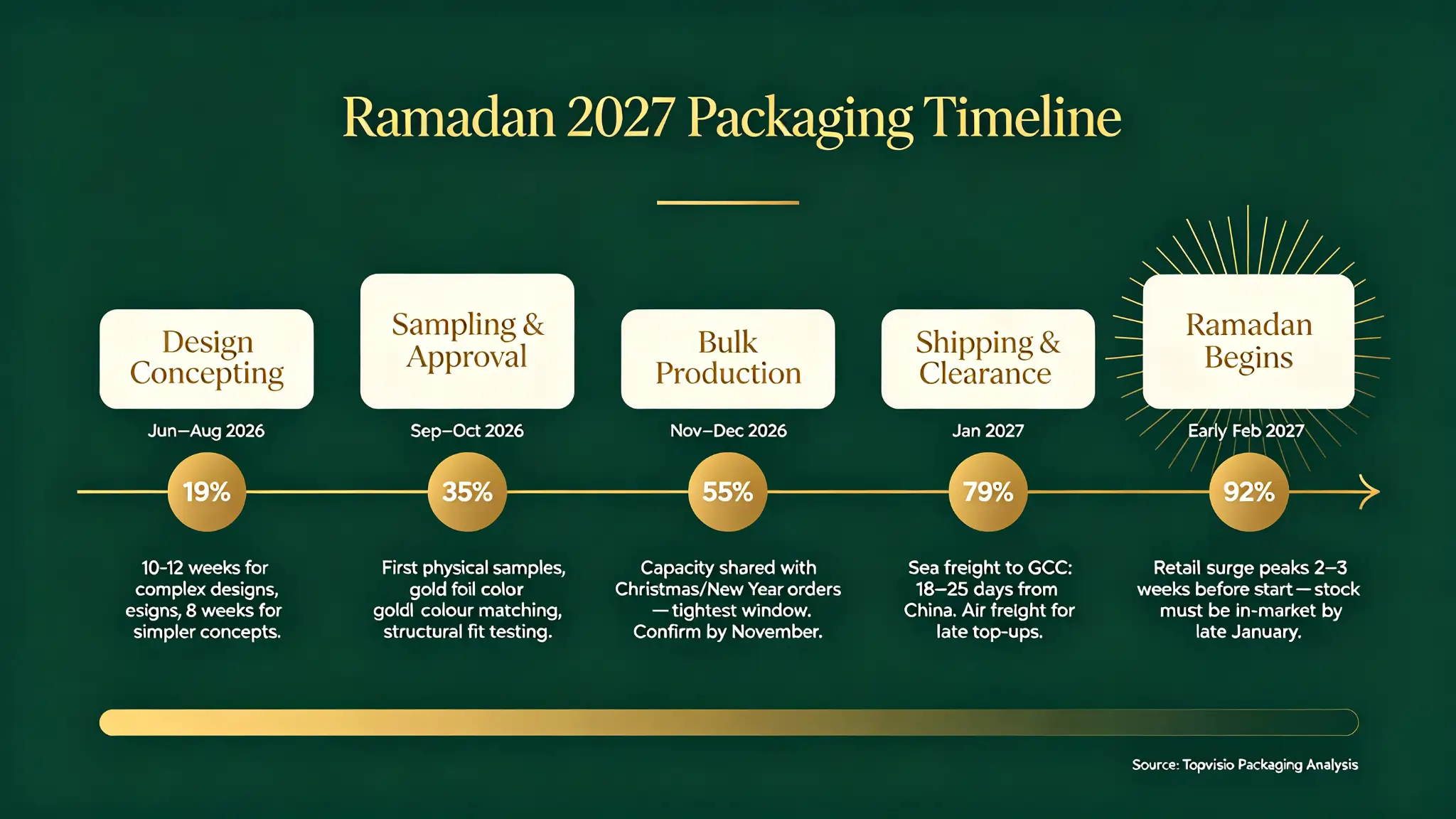
A reasonable range to expect from a capable perfume box manufacturer is a physical sample within 7 days of design confirmation, and bulk production of 25-45 business days depending on order volume, insert complexity, and finishing steps. Minimum order quantities for fully custom structures typically start around 1,000 units, though multi-bottle gift sets with more complex inserts sometimes carry higher minimums given the tooling involved.
Buyers switching to a new bottle shape for the first time should budget extra time specifically for insert-cavity sampling, since a foam or pulp tray fitted to the wrong bottle profile is one of the more common causes of in-transit movement and chipped glass, and it is far easier to catch in a physical sample than in a rendering.
Private Label vs. Fully Custom Tooling
Some perfume box manufacturer catalogs offer shared or semi-custom insert tooling — a cavity shape that accepts a range of common bottle diameters, with only the outer print and finish customized per brand. This is faster and cheaper to set up than fully custom tooling, and it’s a reasonable starting point for a smaller fragrance house testing a new SKU before committing to bottle-specific tooling.
Fully custom tooling, built around one exact bottle profile, gives the tightest fit and the lowest in-transit movement, but comes with a tooling cost and a longer first-sample timeline. A perfume box manufacturer should be able to explain clearly which category a given quote falls into, since the two paths lead to different cost and lead-time expectations.
Seasonal and Limited-Edition Runs
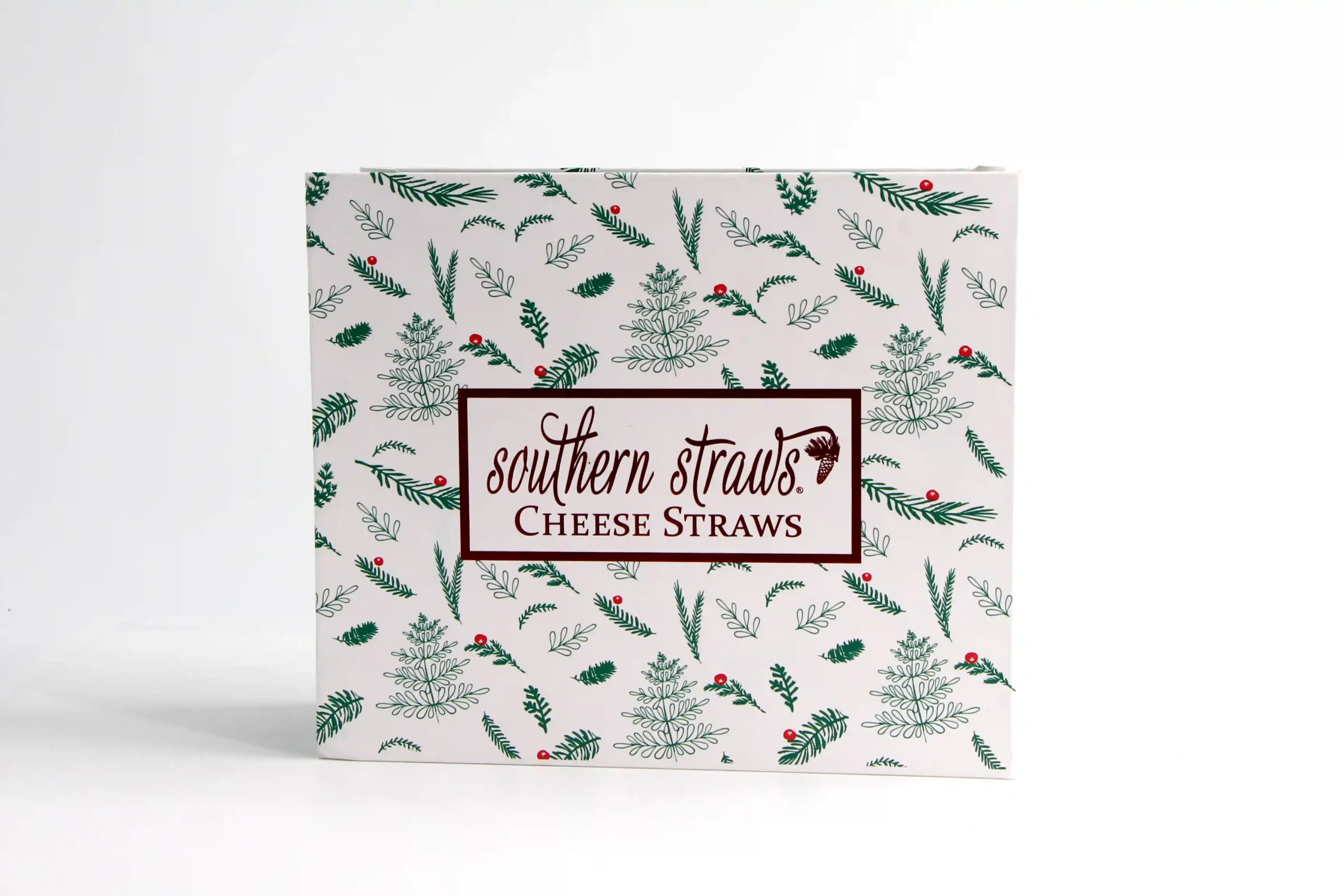
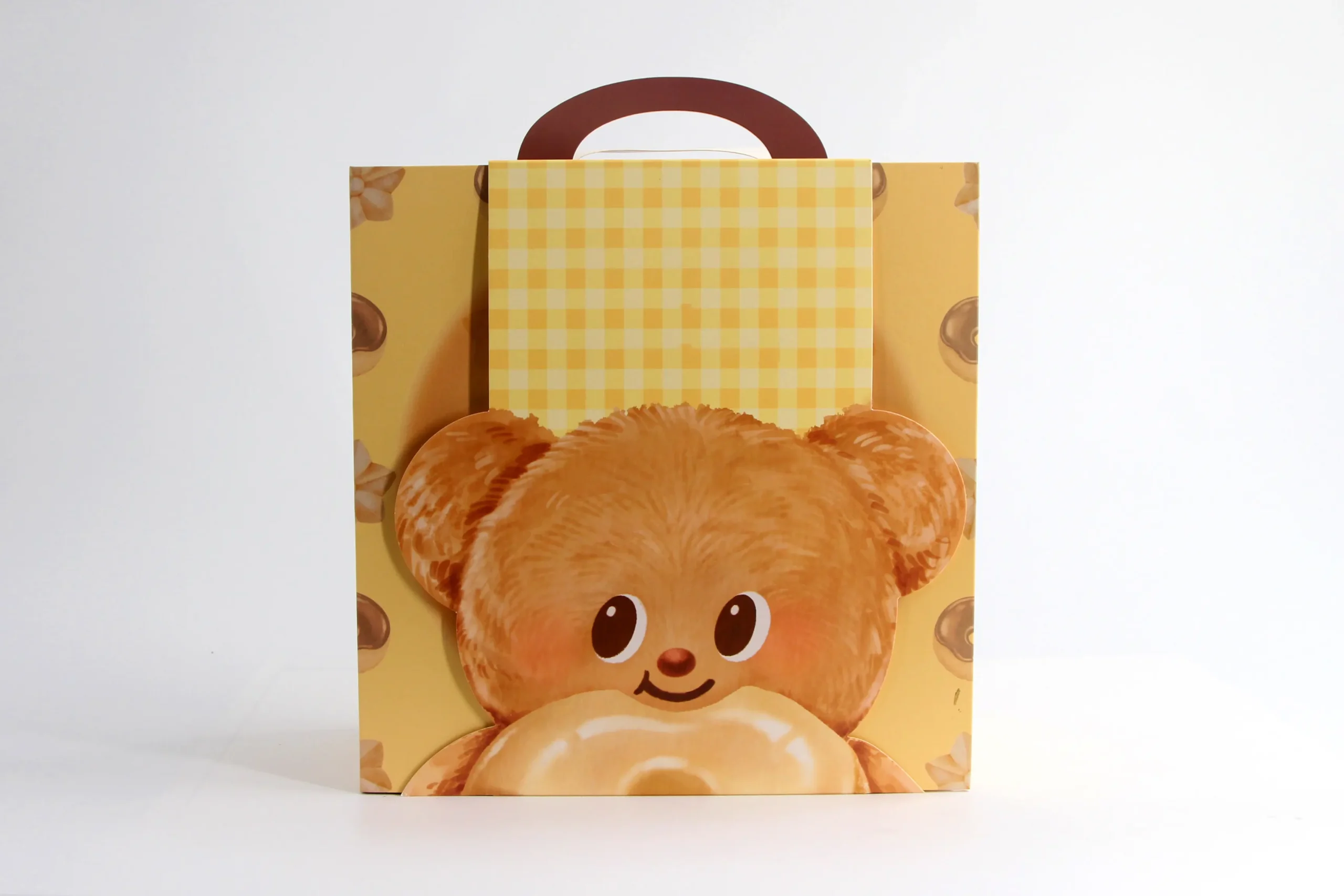
Fragrance brands running holiday or limited editions often ask a perfume box manufacturer to turn around a themed finish — a seasonal foil color, a printed sleeve, or a collaboration artwork — on the same base structure used for the core line. This keeps insert tooling reusable across the year while allowing the exterior to change per launch, which is usually faster and cheaper than developing a new structure for each seasonal release.
A perfume box manufacturer that already has the base structure tooled can typically turn around a seasonal print variant faster than a first-time structure, since only the artwork, foil plates, and possibly the outer paper color need to be revalidated rather than the full insert fit.
Questions Worth Asking Before You Order
A few questions tend to separate a perfume box manufacturer worth working with from one that will cause delays later. Has this exact bottle shape been fitted before, or does it require new insert tooling? What is the realistic sample lead time, not the best-case quote? Which certifications can be provided as documentation rather than claimed verbally? And is production run in-house, or subcontracted to a separate facility without direct quality oversight?
Topvisio Packaging runs 14+ automated production lines alongside dedicated hand-assembly stations for fragrance and other bottle-fitted structures, with FSC certification available on request alongside PPWR compliance, ISO 9001, ISO 14001, and SEDEX audit standing. You can read more on our About Us page, browse our full product range, or check FSC-certified packaging options for available material grades.
Packaging and Shipping the Finished Boxes
How a perfume box manufacturer packs the finished, empty boxes for shipment to your facility affects unit cost and damage risk before any bottle goes inside. Flat-packed or partially assembled boxes ship more efficiently by volume, though structures with a fitted foam insert already seated are sometimes shipped pre-assembled despite the extra shipping volume, to avoid a separate fitting step at the brand’s own facility.
Brands ordering across multiple regions should ask whether a perfume box manufacturer can coordinate packing lists and compliance documentation across shipment batches, which reduces coordination overhead when a launch date is fixed across more than one market.
Buyers finalizing a new bottle shape are welcome to request a full sample — box, insert, and bottle fit together — rather than an empty box alone, since insert tolerance is easier to judge with the actual bottle seated than from a technical drawing.
Frequently Asked Questions
What’s the difference between a perfume box manufacturer and a general packaging supplier?
A perfume box manufacturer typically has bottle-fitting experience specific to glass fragrance bottles, including insert tooling and drop-test validation. A general packaging supplier may produce a similar-looking box without the same fit testing for irregular glass shapes.
How long does it take to get a sample from a perfume box manufacturer?
A reasonable expectation is 7 days after design confirmation. New bottle shapes requiring fresh insert tooling may take longer for the first full sample.
What is the minimum order quantity for a custom perfume box?
MOQs for fully custom structures typically start around 1,000 units, though multi-bottle gift sets with more complex inserts sometimes carry higher minimums.
Do perfume boxes need to be FSC certified?
Not universally, but FSC chain-of-custody certification is increasingly requested by EU buyers and major retailers. Ask any perfume box manufacturer whether FSC-certified material is available on request even if it isn’t the default.
What packaging testing standards apply to perfume boxes shipped by freight or parcel carrier?
Protocols like the ISTA 3A general simulation series, maintained by the International Safe Transit Association, are widely used to validate that a box-and-insert combination will survive realistic transit conditions before full production.
Request a Custom Sample
Share your product dimensions, quantity, target market, and reference images. Our perfume box manufacturer team will recommend the structure, materials, inserts, and finishes, with a real-material sample normally ready within 7 days.