If you are asking how many bottles of wine in a box, the most common industry-standard wine case configurations are 6 bottles (a half case) and 12 bottles (a full case), typically packed in a corrugated carton with an internal divider that holds each 750 ml bottle in its own compartment. Case size can vary slightly by manufacturer and bottle shape, so these two counts are the norm rather than a fixed global standard.
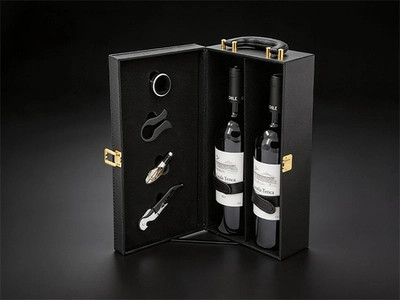
It’s worth separating two things that both get called a “wine box”: the corrugated shipping case a winery or retailer uses to move bottles in bulk, and the rigid gift box a consumer buys with one or two bottles inside. This article covers the shipping-case side of that question. If you’re sourcing rigid, presentation-focused wine packaging instead, our guide on choosing a wine box supplier covers that category.
6 Bottles: The Half Case
For buyers comparing how many bottles of wine in a box, a half case holds 6 standard 750 ml bottles, arranged in a 2×3 layout inside a corrugated divider. This is a common size for retail carry cartons, sample cases, and smaller shipments where a full 12-bottle case is more volume than needed. Most corrugated packaging suppliers list 6-bottle wine boxes with cell dividers as a standard configuration alongside the 12-bottle version, and the 750 ml bottle these cases are built around is one of the authorized standards of fill for wine under US TTB regulations.
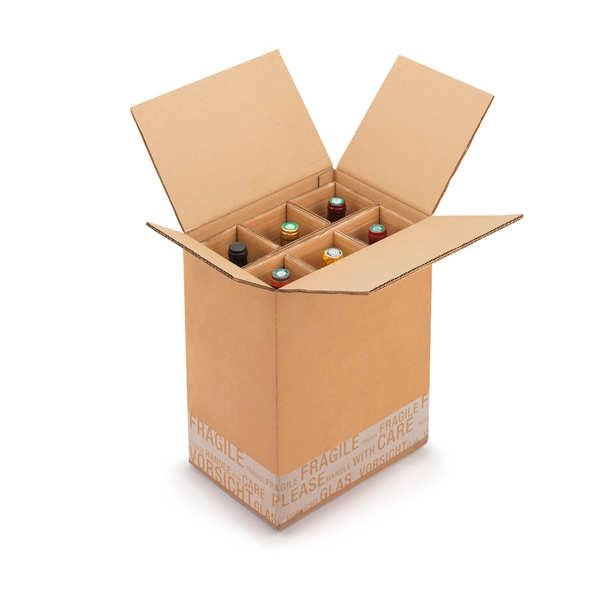
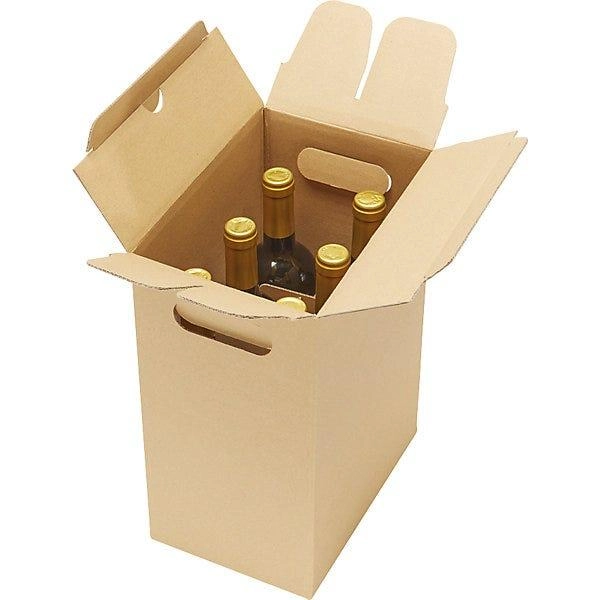
Exact outer dimensions vary by supplier and bottle shape rather than following one fixed standard — different sources list 6-bottle case dimensions ranging roughly from about 270 x 180 x 345 mm to 306 x 195 x 345 mm, depending on the divider design and board thickness used.
12 Bottles: The Full Case
The most common answer to how many bottles of wine in a box is 12: a full case holds 12 standard 750 ml bottles, typically arranged in a 3×4 layout inside a corrugated divider. This is the size most commonly associated with wholesale and trade wine shipments — it’s the count most wine retailers and distributors default to when they refer to “a case of wine” without further qualification.
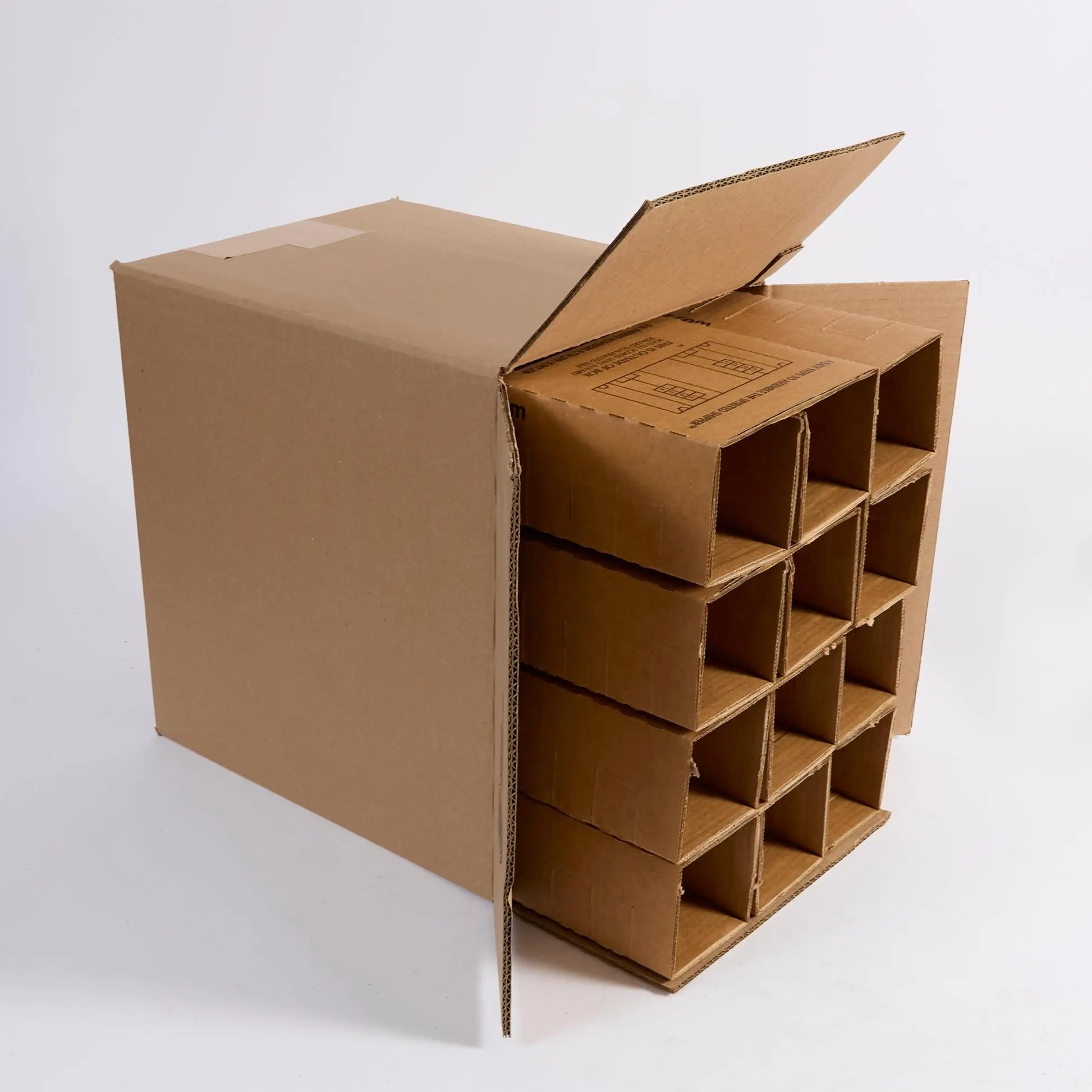
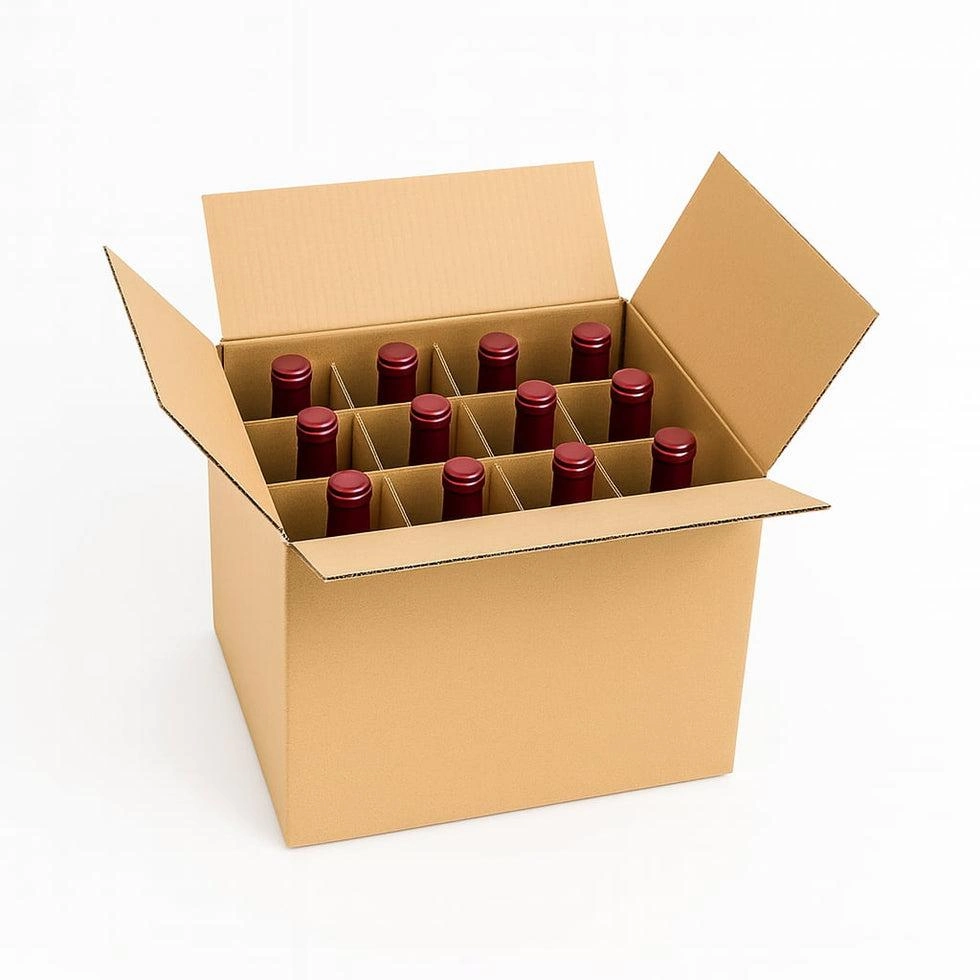
As with the half case, exact outer dimensions vary by supplier. Examples from real suppliers range from around 345 x 265 x 340 mm to about 422 x 308 x 330 mm (roughly 16⅝ x 12½ x 13 inches), depending on board thickness and divider design — there isn’t one single global-standard size, even though 12 bottles is the standard count.
Why the Divider Structure Matters
The corrugated internal divider is doing most of the protective work in either case size — it keeps each bottle in its own compartment so glass doesn’t contact glass directly during transit, which is the main cause of breakage in a case without proper dividers. Divider quality and board weight matter more to breakage rates than the outer case size does, since a well-built 6-bottle case with a snug divider will generally protect better than a loosely fitted 12-bottle case.
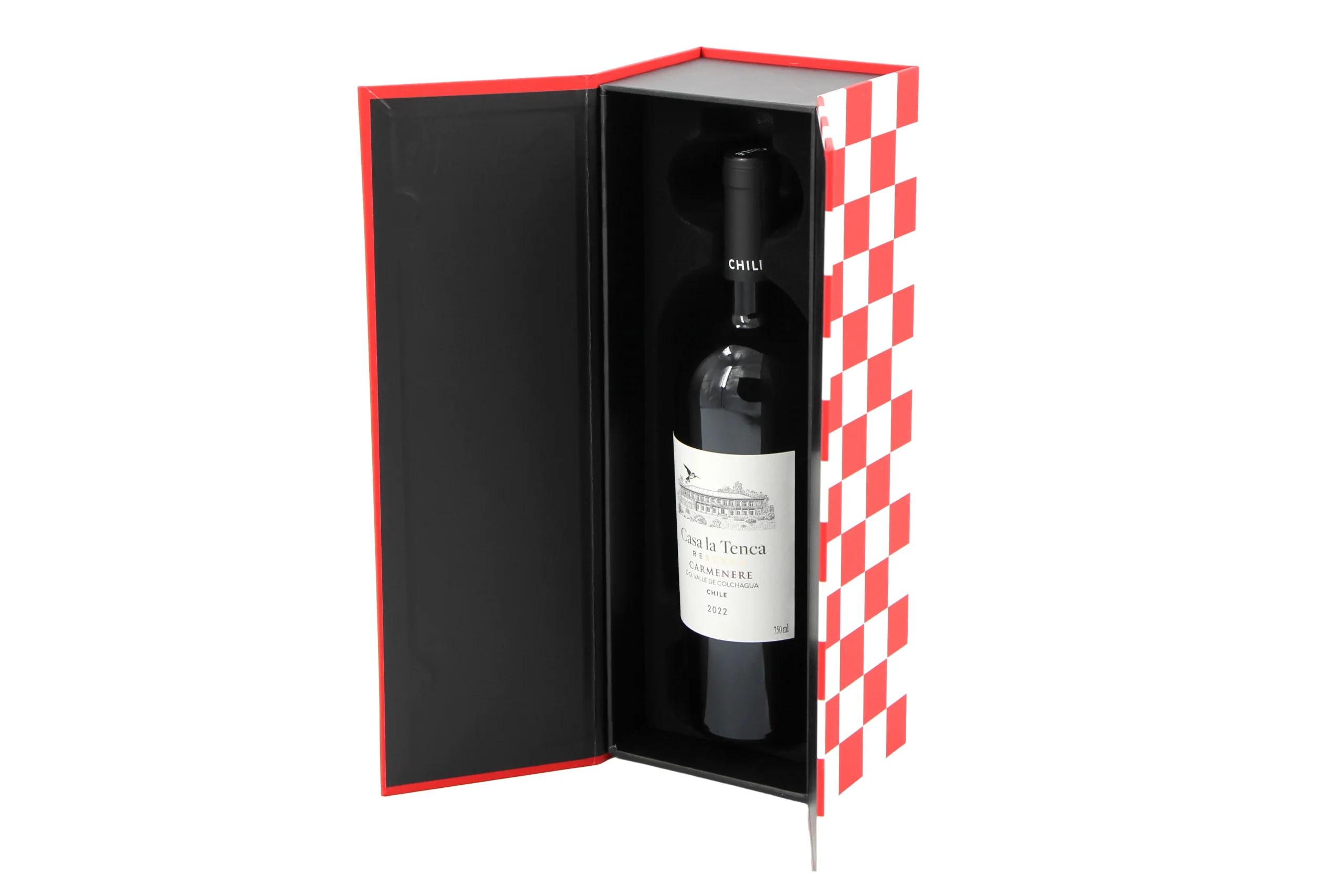
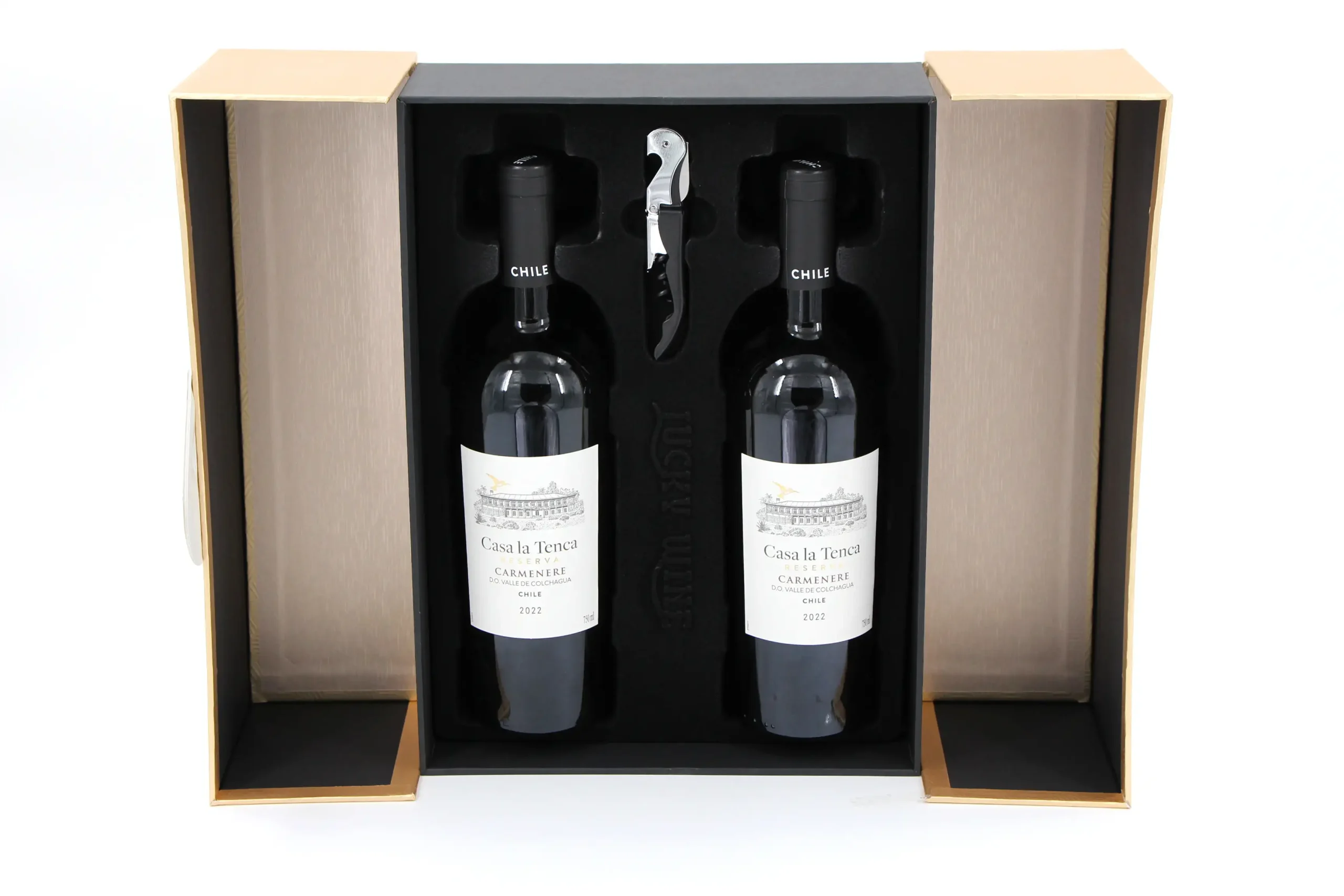
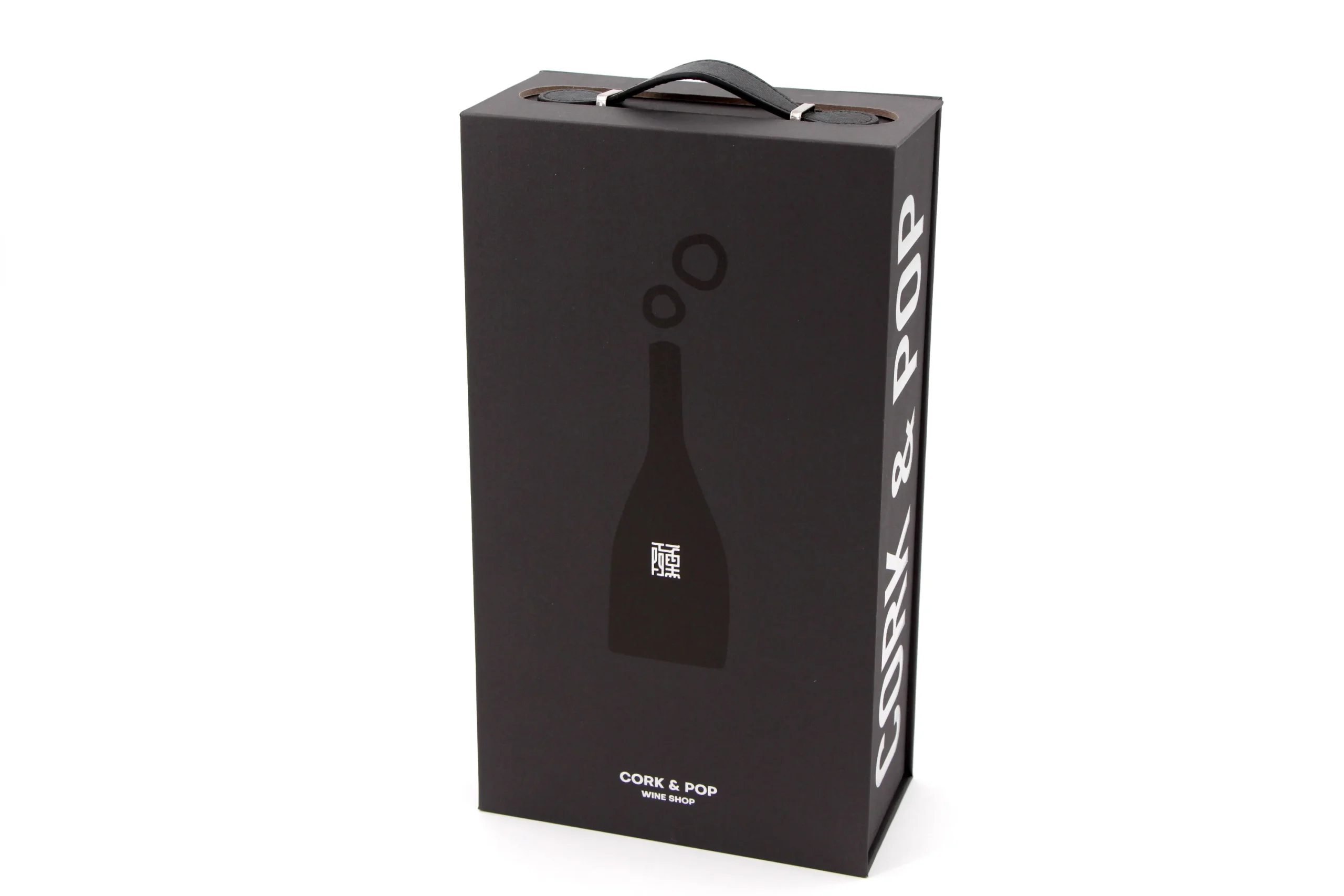
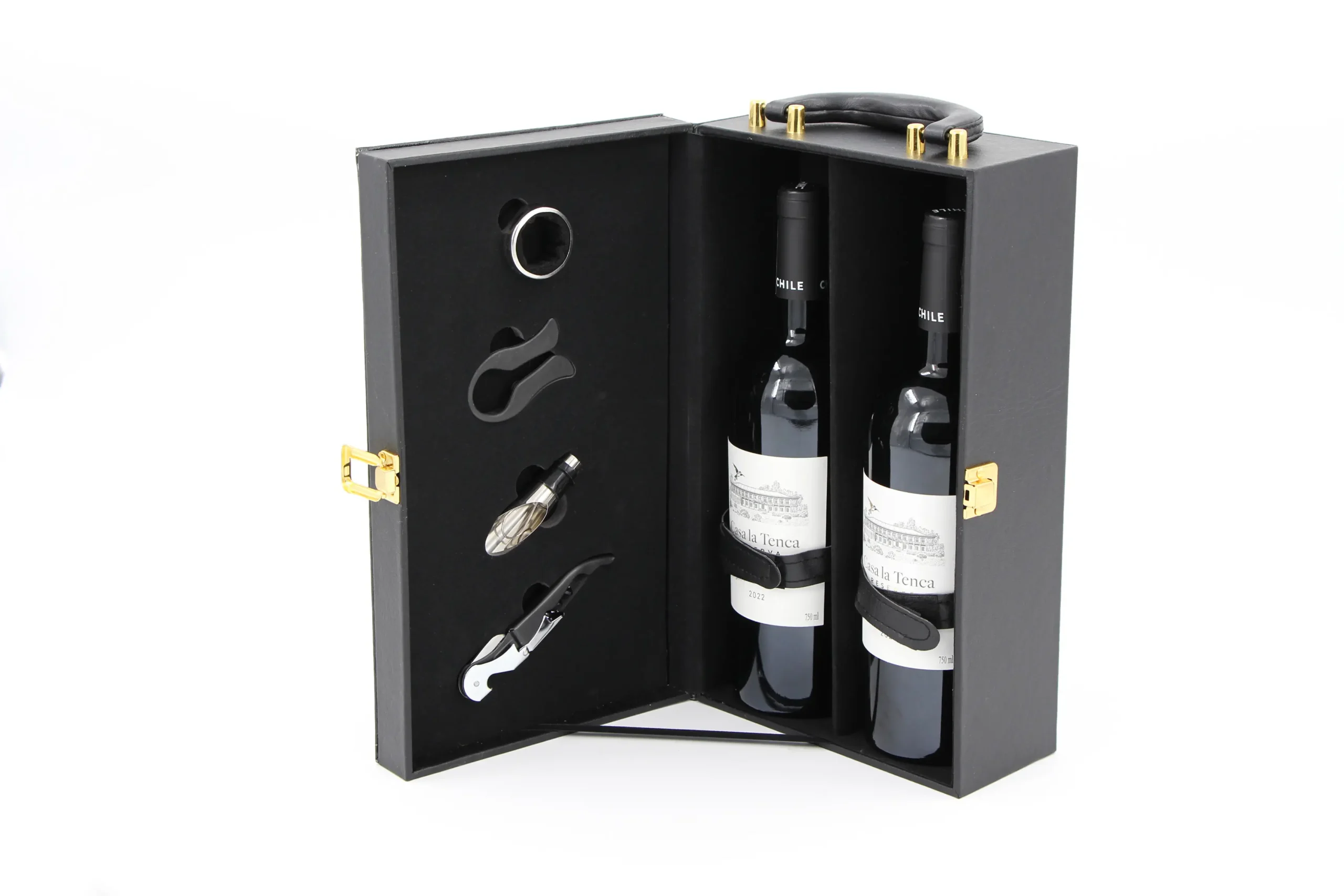
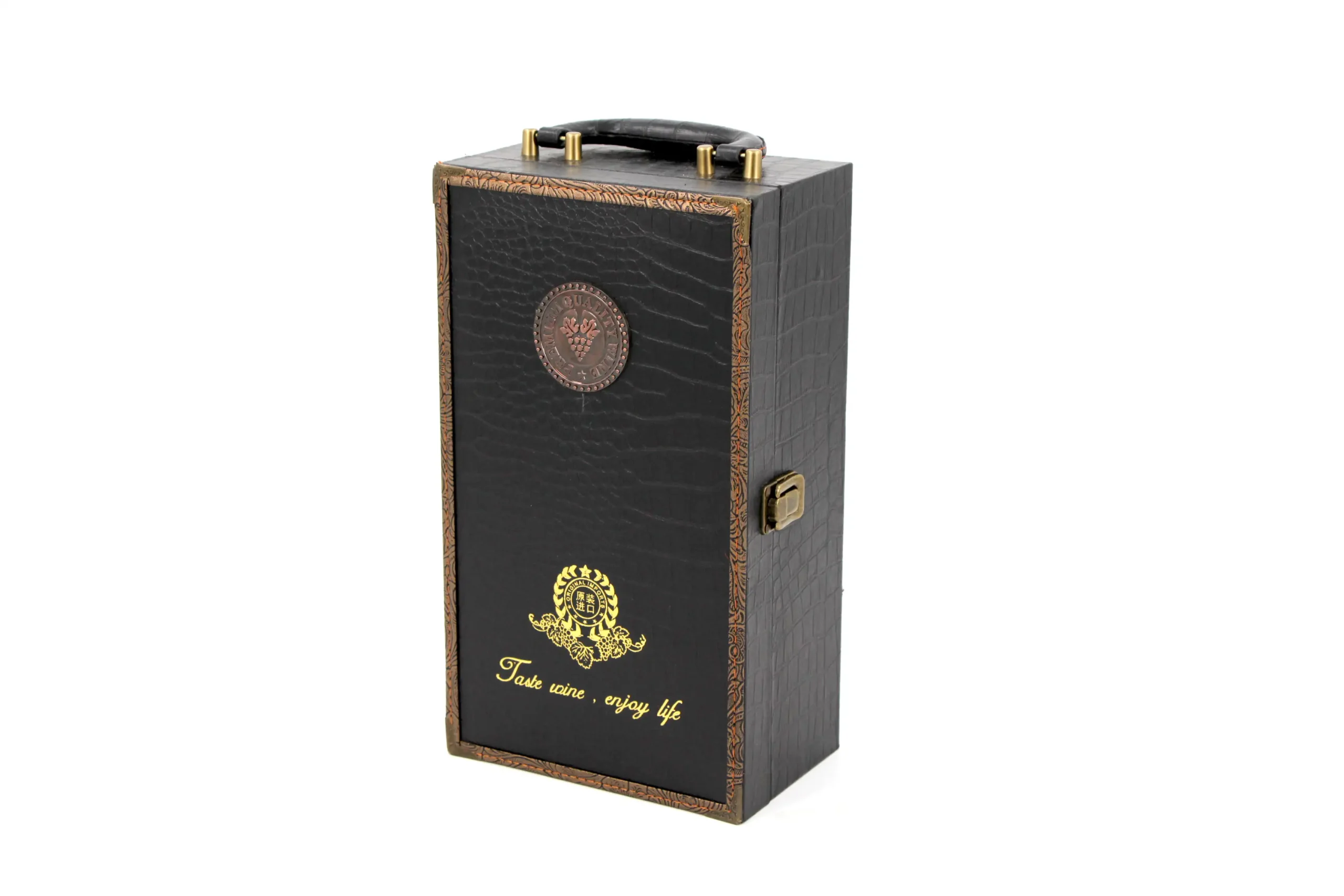
This is a different structural problem than a rigid presentation box built around one or two bottles, where the priority shifts from bulk shipping efficiency to unboxing presentation. Our wine bottle box and champagne gift box lines are built for that single- or double-bottle retail context rather than bulk case shipping.
How Case Size Affects Shipping Cost
Understanding how many bottles of wine in a box matters for cost per bottle as much as it matters for protection. A 12-bottle case generally has a lower shipping cost per bottle than two separate 6-bottle cases of the same total count, since freight and parcel carriers price largely by box count and dimensional weight rather than by the number of bottles inside. This is one reason 12 bottles became the trade default for wholesale movement, even though 6-bottle cases remain common for retail and direct-to-consumer shipments where a full case is more volume than a single order needs.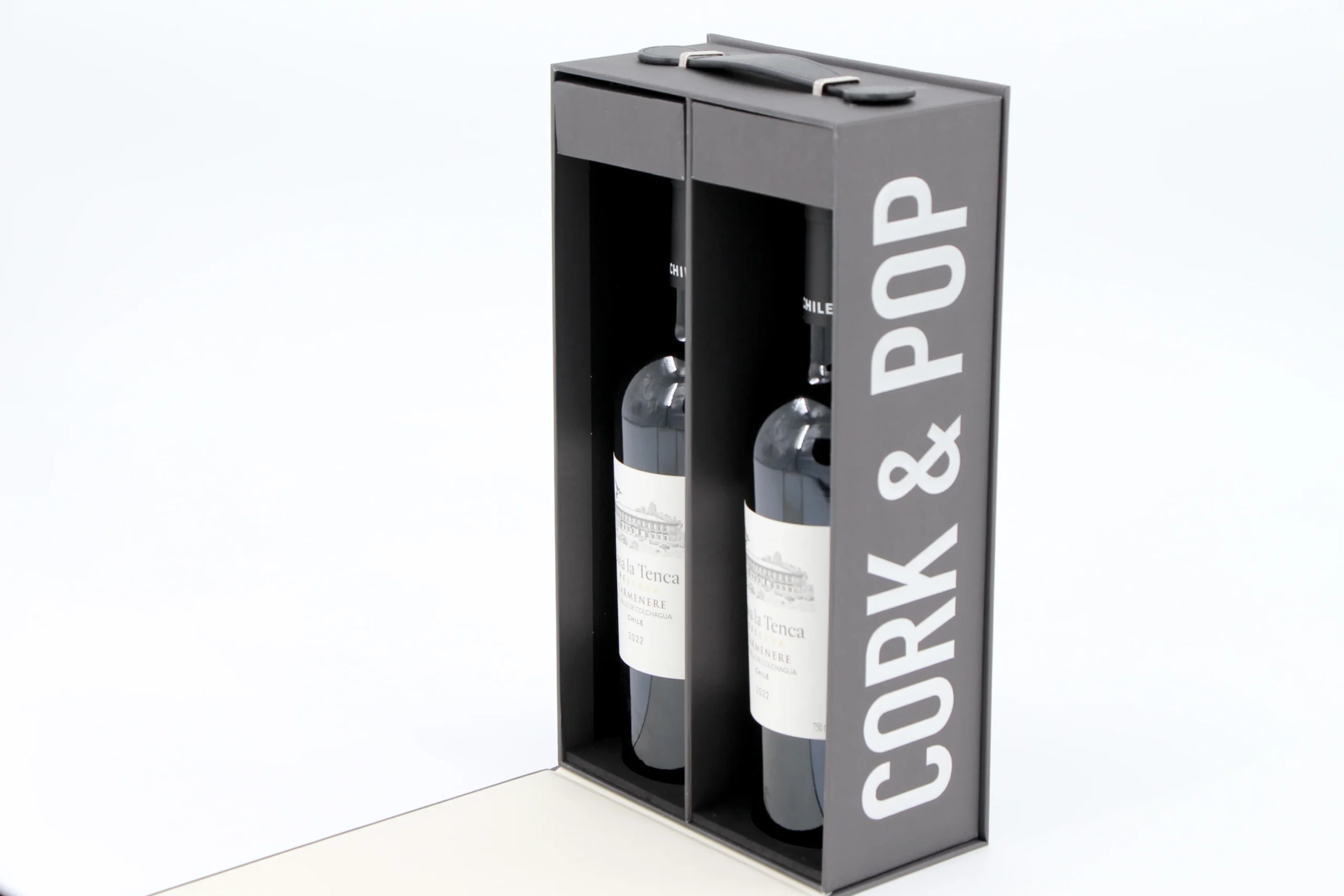
For wineries or retailers choosing between the two sizes for a direct-to-consumer program, the practical trade-off is between a lower per-bottle shipping cost at 12 bottles and a lower barrier to purchase at 6 bottles, since a smaller case is a smaller upfront commitment for a customer buying online.
Case Sizes Outside the US and UK
The 6- and 12-bottle standard holds broadly across the US, UK, and much of the wine trade generally, though exact case dimensions and even standard counts can vary by region and by whether the shipment is domestic or export. Buyers sourcing wine internationally, or working with a supplier outside their home market, should confirm case count and dimensions directly rather than assuming a single global standard applies, particularly for older or smaller regional wine-producing markets that may follow locally established packaging conventions.
Other Common Case Sizes
Beyond the two standard sizes, some suppliers offer 1-bottle and 3-bottle corrugated boxes for smaller shipments or single-bottle gifting by mail, and larger 24-bottle cases exist for high-volume wholesale movement, though these are less standardized across the industry than the 6- and 12-bottle sizes. A buyer asking a supplier for “a case of wine” without specifying a count should expect to be asked whether they mean 6 or 12, since both are common defaults depending on the supplier and region.
Frequently Asked Questions
How many bottles of wine are in a standard case?
The two standard case sizes are 6 bottles (a half case) and 12 bottles (a full case). 12 bottles is the count most commonly meant when someone refers to “a case of wine” without further specification.
How many bottles of wine fit in a box with dividers?
Most divided corrugated wine boxes hold either 6 bottles in a 2×3 layout or 12 bottles in a 3×4 layout, with the corrugated divider keeping each 750 ml bottle in its own compartment.
Is a case of wine always 12 bottles?
Not always. 12 bottles is the most common default, but 6-bottle half cases are also standard and widely available, so it’s worth confirming the count when ordering rather than assuming.
What’s the difference between a wine shipping case and a wine gift box?
A wine shipping case is a corrugated carton with internal dividers built for bulk transport, typically holding 6 or 12 bottles. A wine gift box is a rigid, presentation-focused structure typically holding 1 or 2 bottles, built for retail display and gifting rather than bulk shipping.
What size box do I need for 12 bottles of wine?
Outer dimensions vary by supplier and divider design, but examples from real suppliers range from roughly 345 x 265 x 340 mm to about 422 x 308 x 330 mm. There is no single global-standard size, so it’s worth confirming exact dimensions with a specific supplier’s divider design.
Need Custom Wine Packaging?
If your project needs a presentation box rather than a corrugated shipping case, send Topvisio your bottle dimensions, quantity, target market, and preferred finish. Our team will recommend a structure and prepare a real-material sample within 7 days.