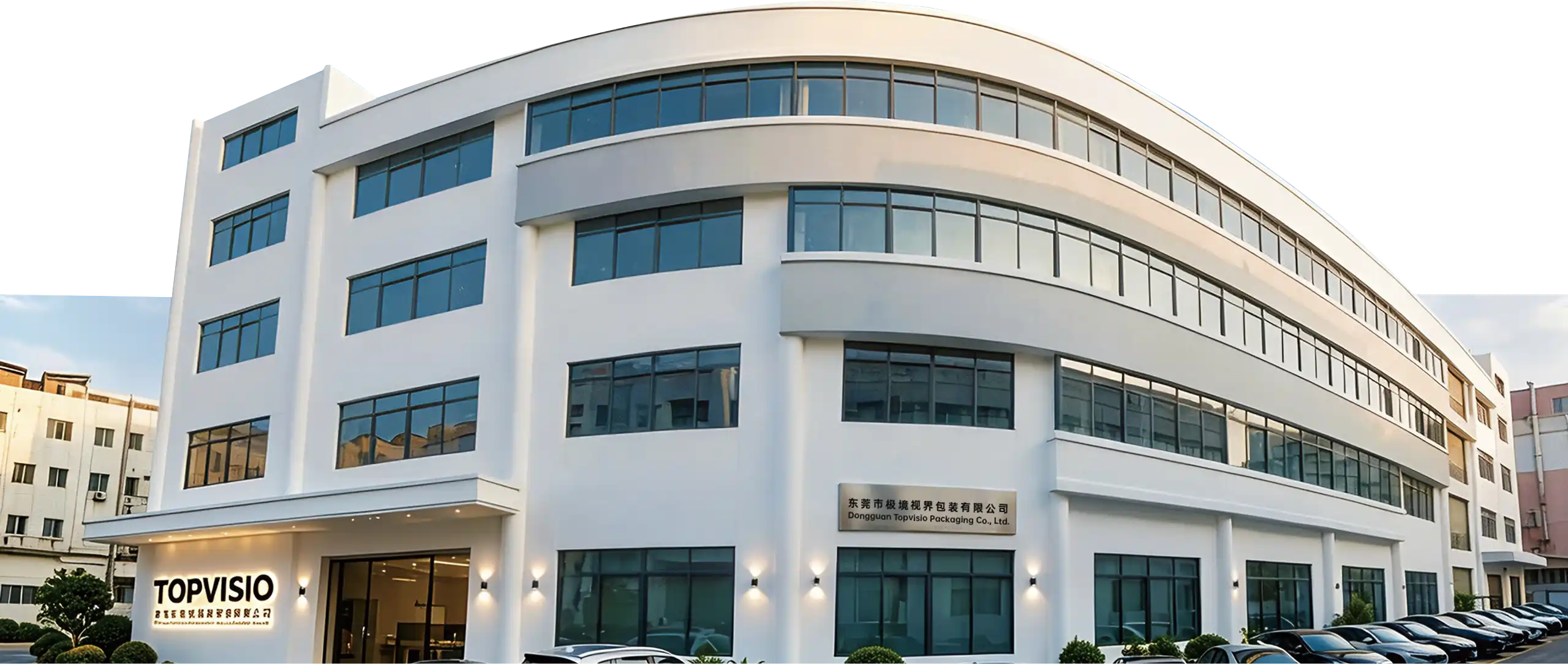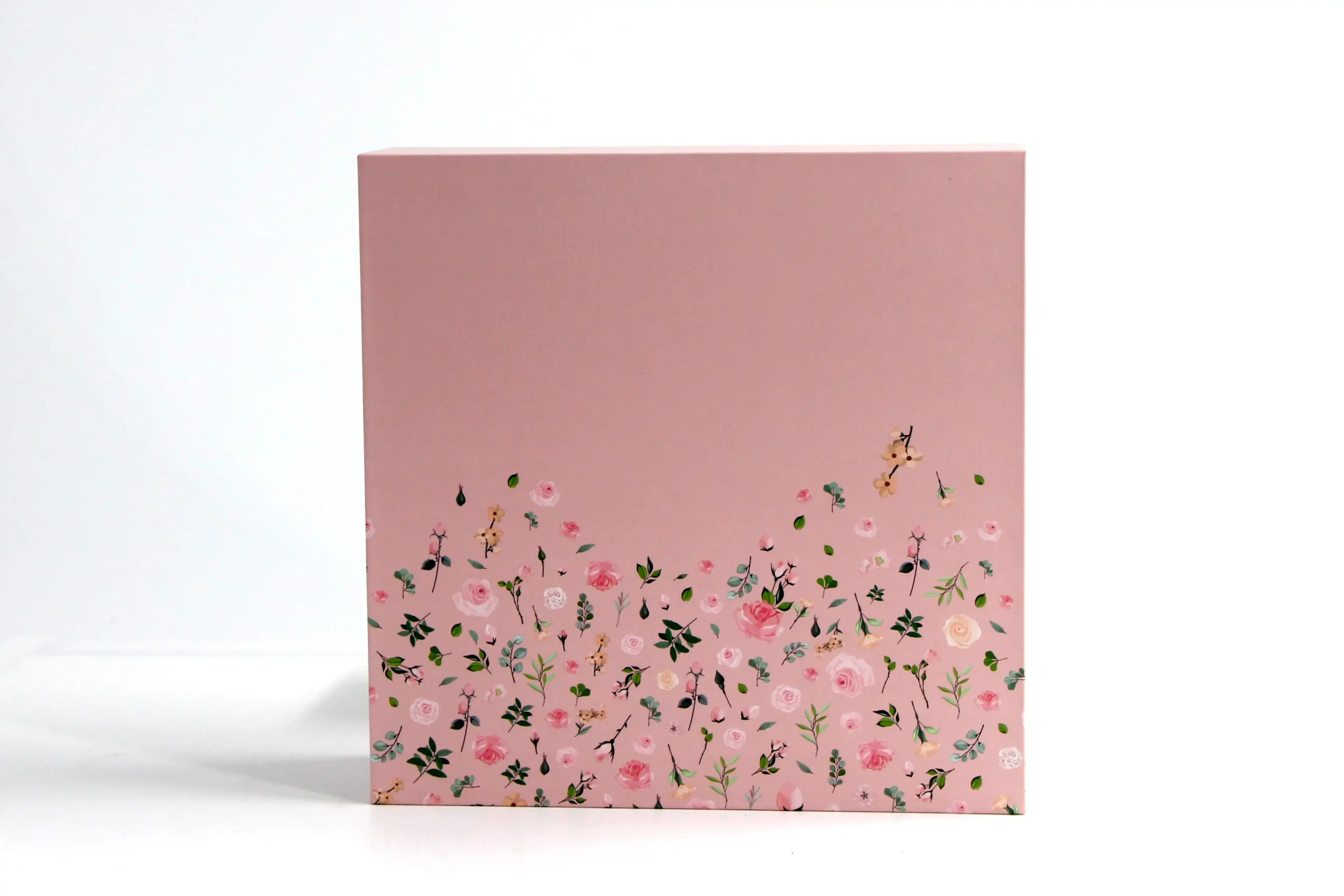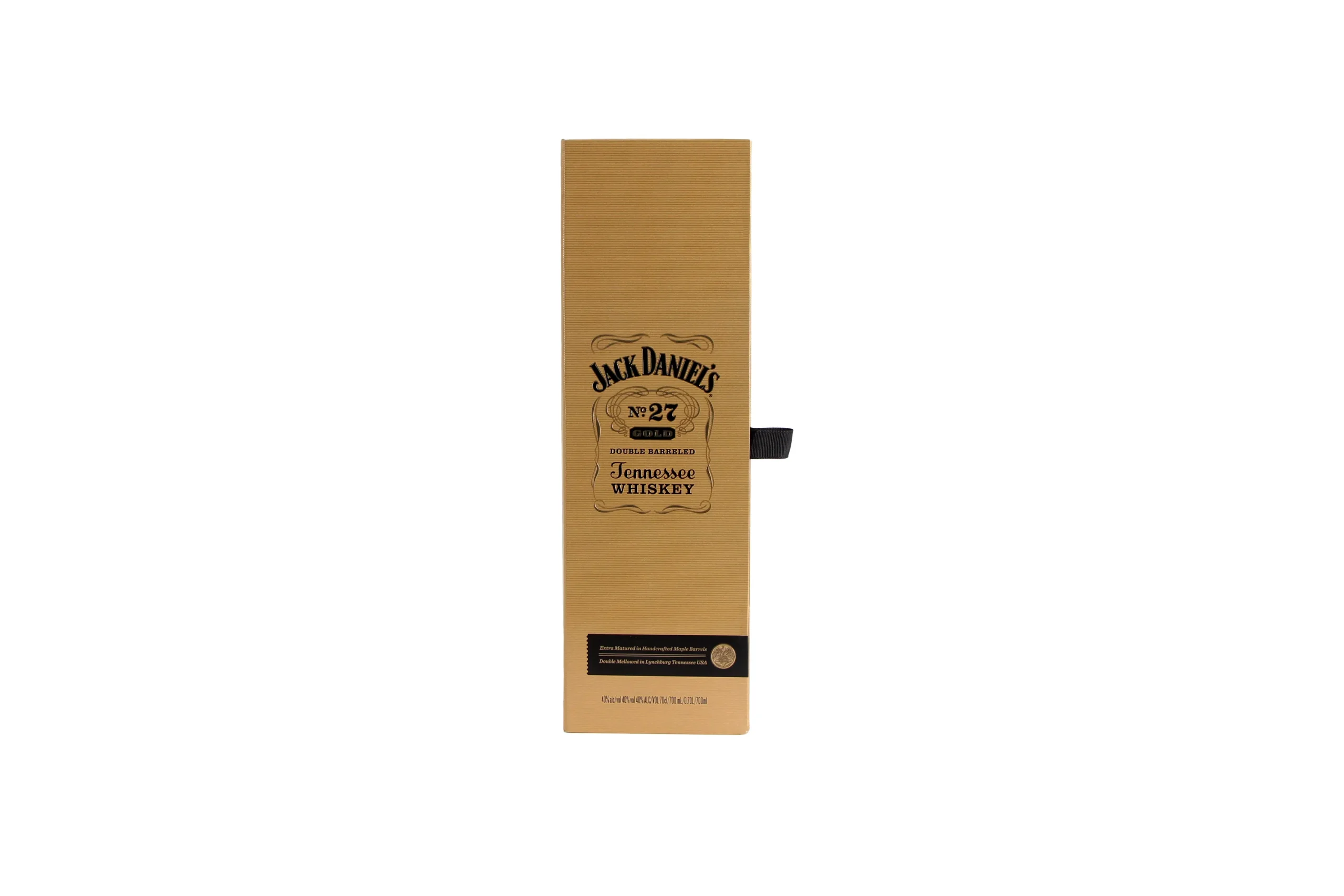
A wine box supplier is only as good as its actual production setup, not just its catalog of renderings. Topvisio Packaging, for example, runs its rigid box production out of Dongguan, Guangdong — one of China’s main hubs for paper packaging manufacturing — which is worth mentioning here because where a wine box supplier physically produces matters for lead times, quality consistency, and how quickly a factory visit or audit can actually happen if you need one.
This guide covers what actually separates a capable wine box supplier from one that will cause problems down the line — structure types, materials, certification requirements, and the questions worth asking before a first order.
What a Wine Box Actually Needs to Do
Industry estimates for wine shipping breakage generally fall in the 1-4% range, depending on packaging quality, handling, and shipment distance — and that range narrows toward the low end when the inner packaging is purpose-built for the bottle rather than adapted from generic foam or void fill. A well-designed wine box addresses this at three points: the bottle has to be held with minimal movement inside the box, the outer structure has to survive stacking and drop impacts without crushing, and the finish has to hold up to handling without scuffing or delaminating before it reaches a shelf or a doorstep.
Packaging intended for parcel and freight transit is commonly tested against protocols like the ISTA 3A general simulation series, which is widely used across the industry to validate that a box design will survive realistic transit conditions before it goes into full production. Asking a wine box supplier whether their structures have been tested against a recognized protocol — rather than just visually inspected — is a reasonable first question.
Common Wine Box Structures
Most wine box supplier catalogs cover a handful of recurring structures, each suited to a different price point and use case.
Single-bottle rigid boxes. A hinged or lift-off box sized for one bottle, typically with a foam, EVA, or greyboard insert holding the bottle at the neck and base. Our single-bottle rigid gift box and wine bottle box lines cover the standard range here.
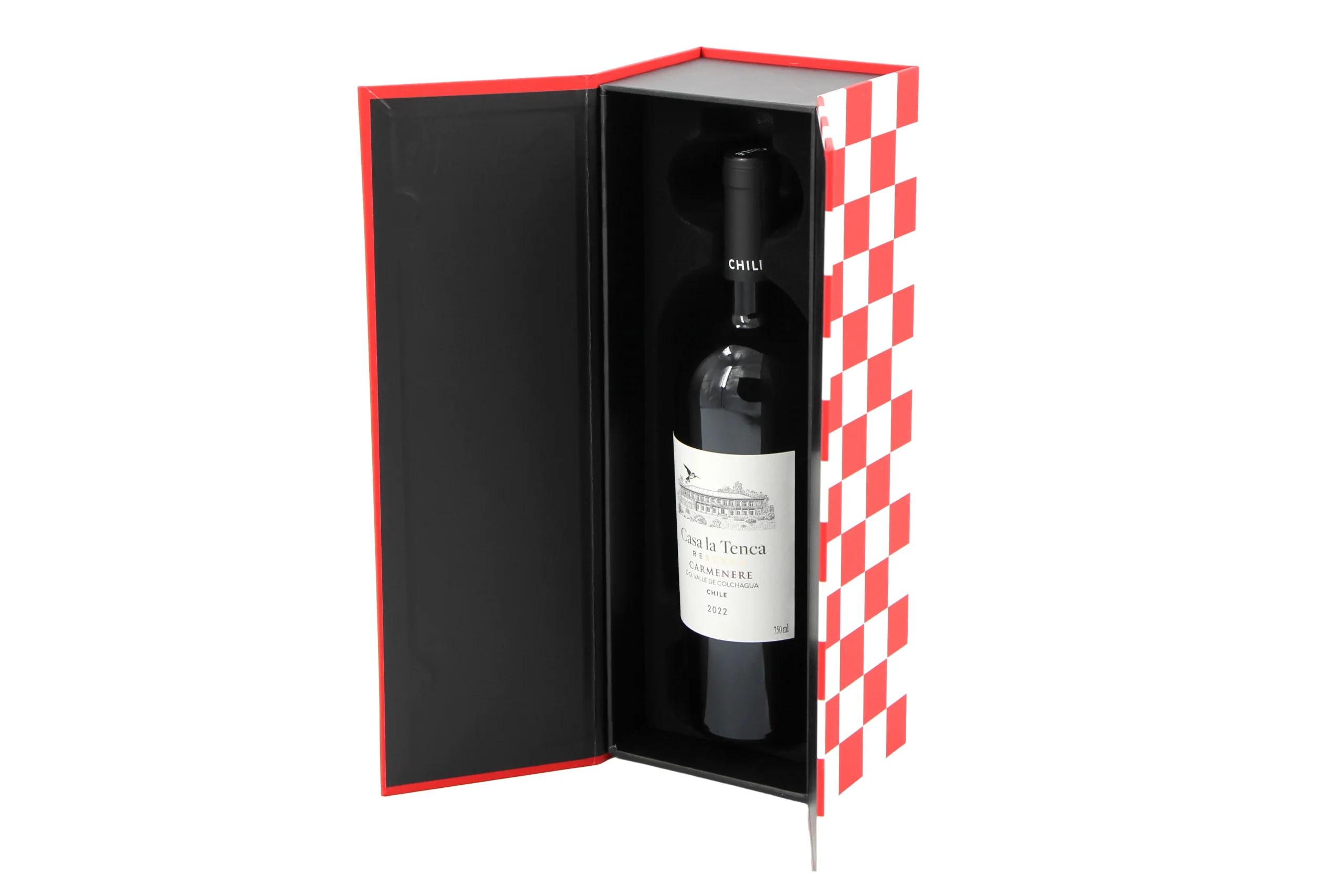
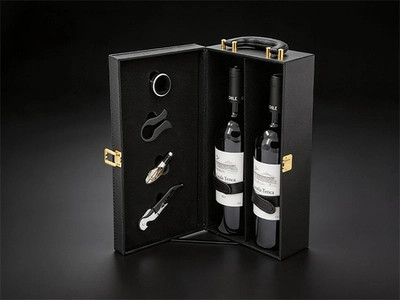
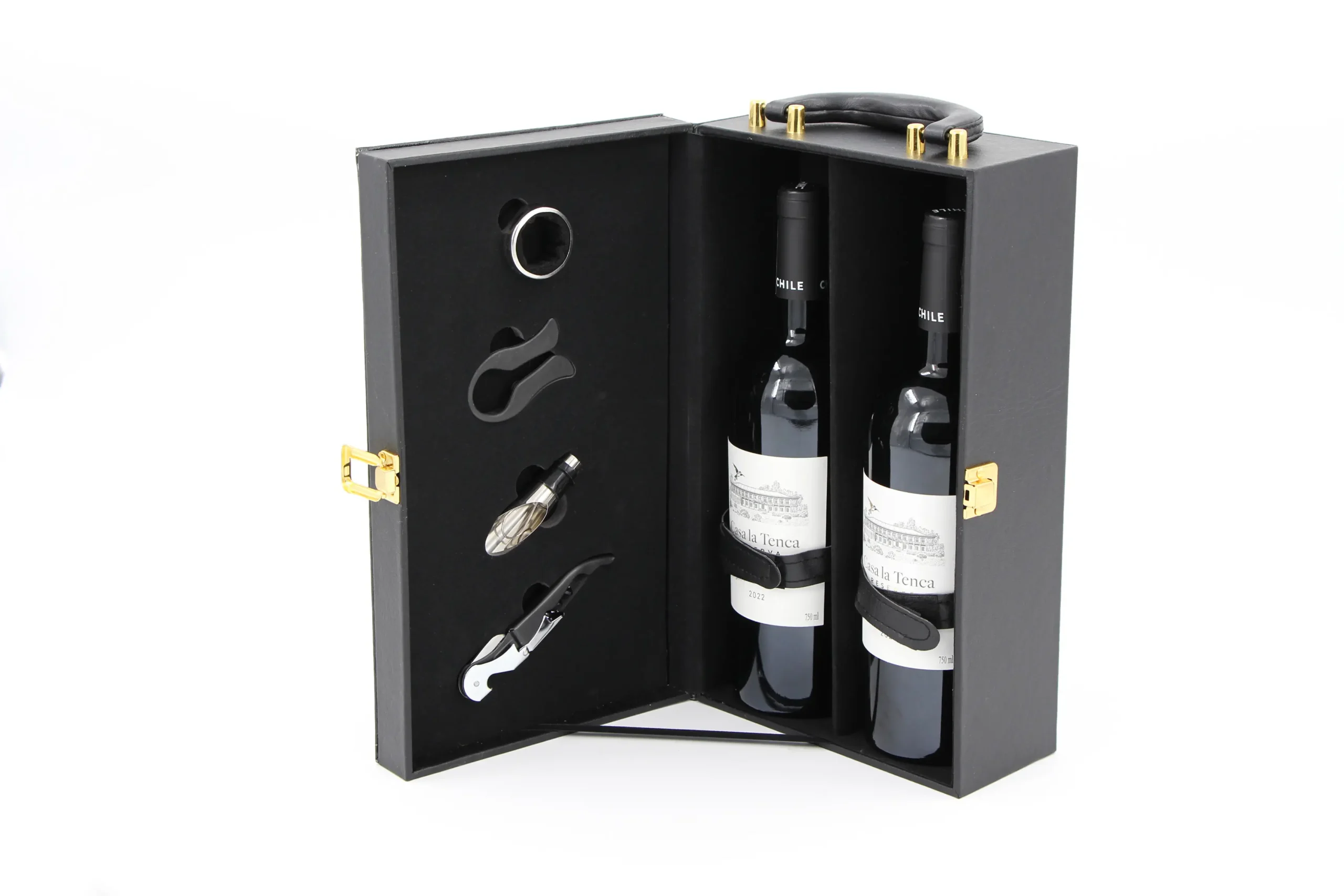
Two-bottle carry cases. Built for gifting pairs or tasting sets, usually with a fixed leather-look or fabric-wrapped exterior and a divided EVA or pulp interior. See our luxury wine box and two-bottle wine case structures for reference.
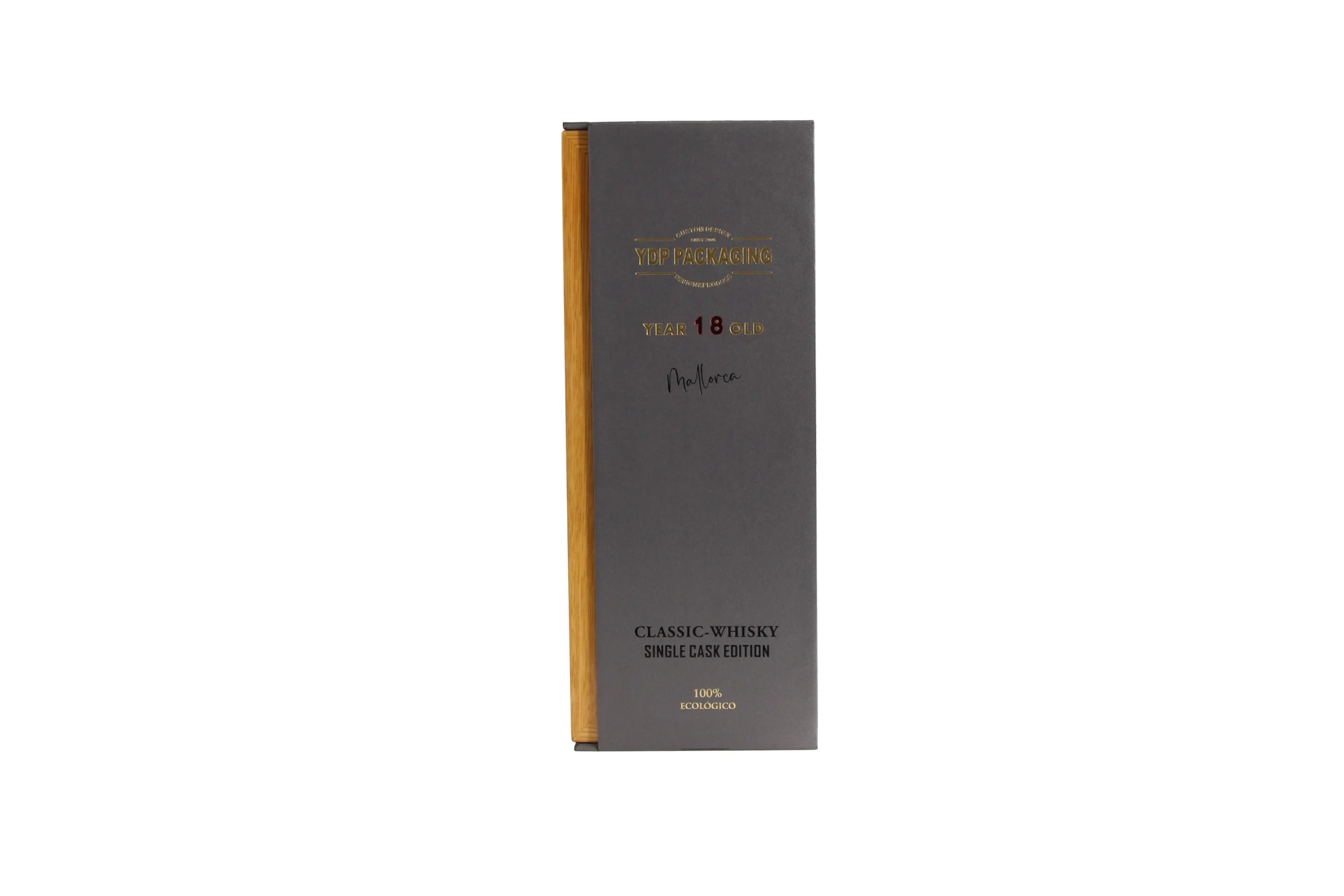
Slide-out and drawer-style boxes. A sleeve or outer shell that slides open to reveal an inner tray or drawer, often used for single-cask or limited-edition spirits where the opening motion is part of the presentation. Our slide-out drawer packaging line is built around this mechanism.
Champagne and sparkling wine boxes. Taller, often with a magnetic or ribbon closure and reinforced base to handle the extra bottle weight and pressure-related shipping precautions. Our champagne gift box range is sized for this category specifically.
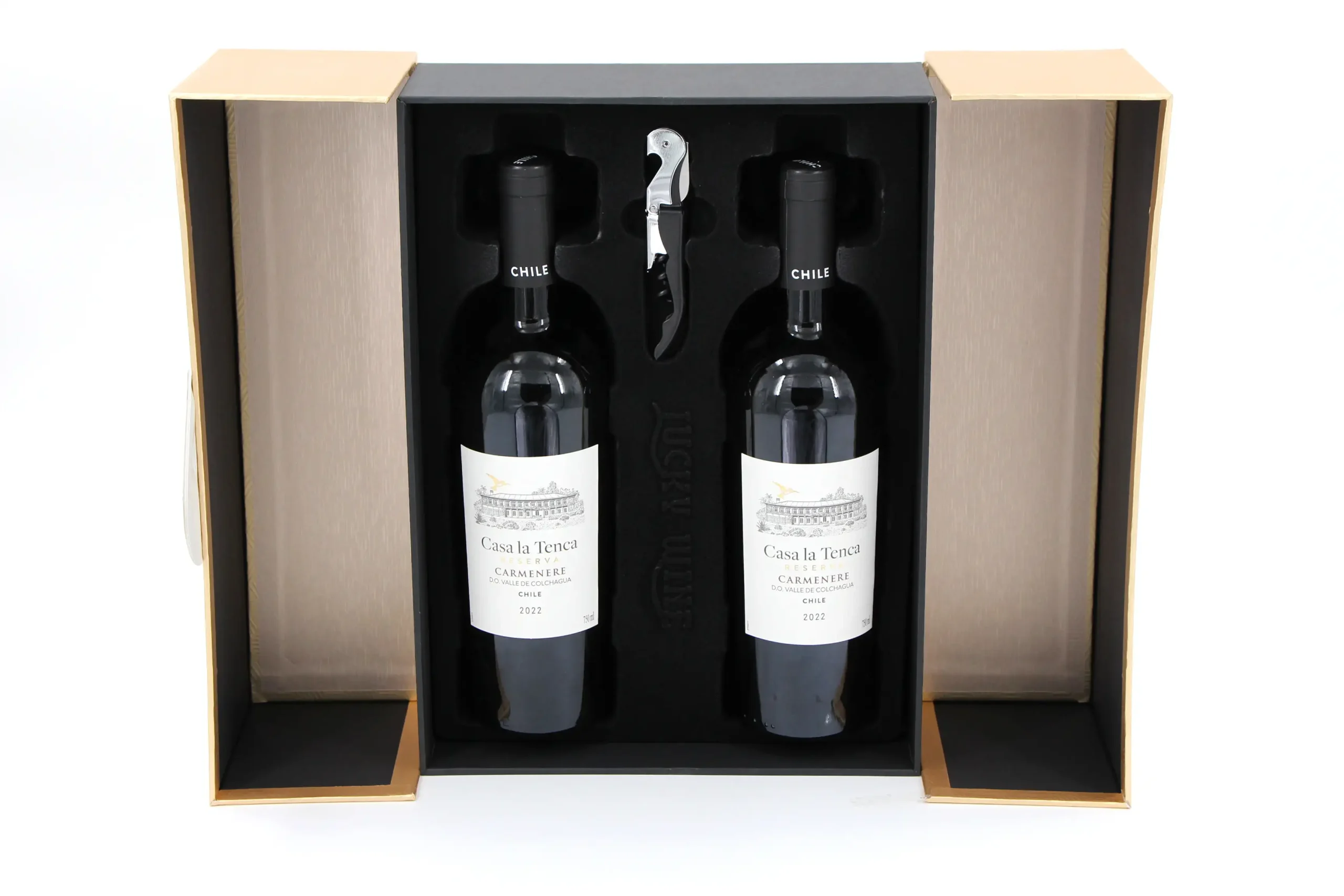
Multi-bottle gift sets. Three-bottle and larger sets for corporate gifting or retail bundles, usually requiring custom foam or pulp tooling per bottle count. A wine box supplier quoting this kind of set should be asking about bottle diameter and shoulder shape before pricing tooling, since a generic insert rarely fits more than one bottle profile well.
Materials That Affect Cost and Protection
The outer shell of most wine boxes is coated or specialty paper wrapped over greyboard, typically in the 1,200-1,800 gsm range for single- and two-bottle structures — heavier than a standard gift box because the finished weight of a full wine bottle adds real stress to the corners and base during handling. Faux-leather or textured papers are common for premium positioning, finished with foil stamping, embossing, or spot UV on the branding area.
Inside the box, the choice is generally between molded EVA foam, die-cut pulp trays, or fabric-wrapped foam inserts. EVA holds its shape longest under repeated use and gives the cleanest visual presentation, which is why it shows up most often in premium single- and two-bottle boxes. Pulp trays cost less and are more readily recyclable, which matters for brands prioritizing end-of-life packaging claims alongside protection.
For buyers weighing recyclability against protection performance, the Sustainable Packaging Coalition publishes independent guidance on material trade-offs that’s worth reading before specifying a final structure.
Certifications Worth Asking About
A wine box supplier selling into the EU or working with major retail buyers should be able to provide a specific certification stack, not just a general claim of compliance.
FSC chain-of-custody certification matters if paper sourcing claims appear anywhere on the box or in marketing material — see FSC International for how chain-of-custody documentation works in practice. PPWR (the EU’s Packaging and Packaging Waste Regulation) compliance is increasingly requested for any packaging entering the EU market, covering material composition and recyclability documentation. ISO 9001 and ISO 14001 cover quality management and environmental management systems respectively, and SEDEX audit standing is commonly requested by retail buyers running supplier ethical-sourcing reviews.
None of these certifications guarantee a good box on their own, but a wine box supplier that can produce documentation for all of them on request is generally further along in formalizing its own quality process than one that can’t.
Why Factory Location Actually Matters
Dongguan and the surrounding Guangdong region concentrate a large share of China’s rigid-box and paper-packaging production, which means a wine box supplier based there typically has easier access to specialty paper mills, greyboard suppliers, and foil-stamping subcontractors than a supplier operating farther from that cluster. This proximity tends to translate into more predictable material sourcing and shorter internal logistics between raw material delivery and finished production.
It also affects something buyers often overlook until they need it: how easy an in-person factory visit or third-party audit actually is to arrange. A wine box supplier near a major port and with established export documentation experience is generally more straightforward to work with on freight scheduling than one further inland or newer to export production.
Production Timelines and MOQs
Rigid wine box structures generally take longer to sample and produce than folding cartons, since hand-assembly and insert-fitting add steps that automated folding-carton lines don’t need. A reasonable range to expect from a capable wine box supplier is a physical sample within 7 days of design confirmation, and bulk production of 30-45 business days depending on order volume and structural complexity. Minimum order quantities for fully custom structures typically start around 1,000 units, though this varies by structure and insert complexity.
Buyers ordering a new bottle shape or size for the first time should budget extra time for insert tooling specifically — a foam or pulp cavity fitted to the wrong bottle diameter is one of the more common causes of in-transit movement and breakage, and it is easier to catch in a physical sample than in a rendering.
Private Label vs. Branded Tooling
Some wine box supplier catalogs offer shared or semi-custom tooling — a standard insert shape that accepts a range of common bottle diameters, with only the outer print and finish customized per brand. This is faster and cheaper to set up than fully custom tooling, and it’s a reasonable starting point for a first order or a smaller brand testing a new SKU before committing to bottle-specific tooling.
Fully custom tooling, built around one exact bottle profile, gives the tightest fit and the lowest in-transit movement, but comes with a tooling cost and a longer first-sample timeline. A wine box supplier should be able to explain clearly which category a given quote falls into, since the two paths lead to very different cost and lead-time expectations.
Packaging and Shipping the Finished Boxes
How a wine box supplier packs the finished, empty boxes for shipment to your facility also affects unit cost and damage risk before the boxes ever reach a bottle. Flat-packed or partially assembled boxes ship more efficiently by volume than fully assembled units, though some structures — particularly those with fixed foam inserts already seated — are more practical to ship pre-assembled despite the extra shipping volume.
Buyers ordering across multiple regions should ask whether a wine box supplier can coordinate packing lists and compliance documentation across shipment batches, which reduces the coordination overhead when a launch date is fixed across more than one market.
Questions Worth Asking Before You Order
A few questions tend to separate a wine box supplier worth working with from one that will cause delays later. Has this exact structure — or a close variant — been produced before, or is this a first build requiring new tooling? What is the actual sample lead time, not the quoted best case? Which certifications can be provided as documentation, not just claimed in a sales conversation? And is production run by the company you’re quoting with, or subcontracted to a third factory without direct oversight?
Topvisio Packaging runs 14+ automated production lines out of Dongguan, Guangdong, alongside dedicated hand-assembly stations for structures like drawer-style and multi-bottle wine boxes, with FSC certification available on request alongside PPWR compliance, ISO 9001, ISO 14001, and SEDEX audit standing. Samples are typically ready within 7 business days of design confirmation, with production managed directly rather than subcontracted out.
Frequently Asked Questions
What’s the difference between a wine box supplier and a general packaging supplier?
A wine box supplier typically has dedicated tooling and insert experience for bottle-shaped products — foam and pulp cavity fitting, closure hardware suited to bottle weight, and structural testing against realistic drop and stack conditions. A general packaging supplier may be able to produce a similar-looking box without the same bottle-specific fit testing.
Where is Topvisio’s wine box production based?
Topvisio Packaging’s rigid box production runs out of Dongguan, Guangdong, one of China’s main hubs for paper and rigid-box manufacturing, with direct access to specialty paper mills and finishing subcontractors in the surrounding region.
How long does it take to get a sample from a wine box supplier?
A reasonable expectation is 7 days after design confirmation. Suppliers quoting significantly longer for a sample, or unable to give a specific timeframe, are worth questioning further.
What is the minimum order quantity for a custom wine box?
MOQs for fully custom structures typically start around 1,000 units, though this varies by structure complexity and insert tooling requirements.
Do wine boxes need to be FSC certified?
Not universally, but FSC chain-of-custody certification is increasingly requested by EU buyers and major retailers, particularly where sustainability claims appear on packaging or in marketing. Ask any wine box supplier whether FSC-certified material is available on request even if it isn’t the default.
What packaging testing standards apply to wine boxes shipped by freight or parcel carrier?
Protocols like the ISTA 3A general simulation series are widely used across the packaging industry to validate that a box and insert design will survive realistic transit conditions, including drops, vibration, and compression.
Request a Wine Box Sample
Send Topvisio your bottle dimensions, quantity, destination market, and reference images. Our wine box supplier team will recommend a structure and insert, with a real-material sample normally ready within 7 days.