A company placing packaged goods on the French market has several concrete duties. Under EPR packaging France rules, it must join an approved éco-organisme, commonly Citeo, pay an eco-contribution based on packaging weight and material, and obtain an IDU (Identifiant Unique) issued by ADEME. The rule applies even when the seller is based outside France.
This article provides general information and does not constitute legal advice. Confirm specific registration and labeling obligations under French packaging law with a qualified compliance advisor or directly with the relevant éco-organisme.
France runs one of the most established and closely enforced packaging EPR systems in the EU, with household packaging covered since 1993 — well before PPWR existed. This guide, part of our broader Extended Producer Responsibility for Packaging series, covers how epr packaging france compliance actually works.
Who Administers EPR Packaging in France
Most epr packaging france compliance runs through an approved éco-organisme, a producer responsibility organization approved by the French state. Citeo is the dominant organization for household packaging and graphic paper, handling the large majority of the market; Adelphe and Léko are the main alternatives. Producers join one of these organizations, declare their packaging volumes, and pay an eco-contribution calculated from Citeo’s (or the relevant organization’s) published fee schedule.
The IDU: France’s Unique Registration Number
The Identifiant Unique (IDU), mandatory since January 1, 2022, is France’s official EPR registration number — a code beginning with FR, issued by ADEME (the French environment and energy management agency) once a producer completes registration through its chosen éco-organisme. Producers cannot obtain an IDU directly; it’s issued through the éco-organisme as part of the registration process, typically within one to three weeks depending on which organization handles the registration.
The IDU is required per producer per waste stream, meaning a company handling multiple product categories subject to different EPR obligations may need more than one IDU.
Who Must Register
The obligation reaches any company that first places a packaged product on the French market, regardless of where that company is legally established — a US Amazon seller shipping cosmetics in cardboard boxes to French consumers, a Chinese electronics brand shipping French-bound packaging via a Shopify store, and a French domestic brand all fall under the same underlying rule.
For companies without a French legal entity, a mandataire (authorized representative) can sign the éco-organisme registration on the company’s behalf, though the specific legal framework for this representative route has seen some regulatory uncertainty — a portion of the codified rule was partly annulled by the Conseil d’État in late 2023 and hasn’t been fully consolidated since, so brands should confirm the current requirement directly rather than relying on older guidance.
Triman and Info-Tri Labeling
Beyond registration and fee payment, France requires specific on-pack labeling for household packaging: the Triman logo, indicating the packaging falls under a sorting instruction system, paired with Info-Tri sorting instructions telling consumers how to dispose of the specific packaging correctly. This labeling requirement is separate from IDU registration but closely linked in enforcement practice — French compliance reviews tend to check registration, IDU status, and correct labeling together rather than treating them as independent checkpoints.
Marketplace Liability for Third-Party Sellers
France has held online marketplaces liable for their third-party sellers’ EPR compliance since 2022, which has made IDU verification a practical, actively enforced checkpoint rather than a rule that goes unchecked in practice. Sellers listing packaged goods on major marketplaces serving the French market should expect their IDU to be verified as part of the listing or ongoing seller compliance process, independent of whatever direct enforcement French authorities themselves conduct.
How French Fees Are Calculated
Citeo’s eco-contribution is calculated from the weight and unit count of declared packaging, priced by material fraction — clear PET, cardboard, aluminum, and other categories each carry their own rate — then adjusted by an eco-modulation factor similar in principle to PPWR’s own eco-modulation mechanism, plus a sector-specific coefficient depending on the product category.
Declarations are made annually for most producers, with more frequent reporting required for higher-volume sellers. This fee structure means accurate material composition and weight data from a packaging supplier directly affects the eco-contribution a brand ultimately pays, consistent with the broader principle covered in our guide on what packaging data to request from your supplier.
How French EPR Relates to PPWR
France’s national system predates PPWR and continues operating alongside it now that the EU regulation applies from August 12, 2026. One significant PPWR-driven change affecting France specifically involves Article 45, which requires producers not established in the EU member state where their packaging first reaches the market to appoint an authorized representative in that state — a requirement that interacts directly with France’s existing mandataire framework for non-French companies.
Brands should treat French national compliance (Citeo registration, the IDU, Triman labeling) and PPWR compliance as connected but separate obligations, both needing active attention rather than assuming one satisfies the other.
Enforcement and Penalties
French enforcement for packaging EPR is administrative, with meaningful financial consequences for non-compliance — per-unit fines can reach several thousand euros for a company failing to meet labeling or registration requirements, with a flat penalty applying specifically for failing to register or maintain a valid IDU, and daily penalties possible for ongoing non-compliance. This enforcement structure, combined with marketplace-level IDU checks, makes France one of the more actively monitored EPR systems for brands to navigate correctly from the outset, rather than treating registration as a low-priority administrative task.
Real-World Scenario: A Brand Entering the French Market
A European cosmetics brand launching a new gift set into French retail for the first time needs to work through epr packaging france registration before that product reaches French shelves — joining Citeo (or a comparable approved éco-organisme), declaring the packaging’s material composition and weight, receiving an IDU, and applying correct Triman and Info-Tri labeling to the retail packaging itself.
Skipping any one of these steps creates real exposure: a missing IDU or incorrect labeling can trigger administrative fines, and marketplaces increasingly check for compliance before allowing a listing to go live, meaning a gap can block sales entirely rather than simply risking a penalty after the fact.
A brand already selling successfully in Germany or another EU market shouldn’t assume its existing EPR registration there transfers to France — epr packaging france compliance is a fully separate registration, with its own éco-organisme relationship, fee schedule, and labeling requirements distinct from what any other market requires.
Timing Considerations for New Product Launches
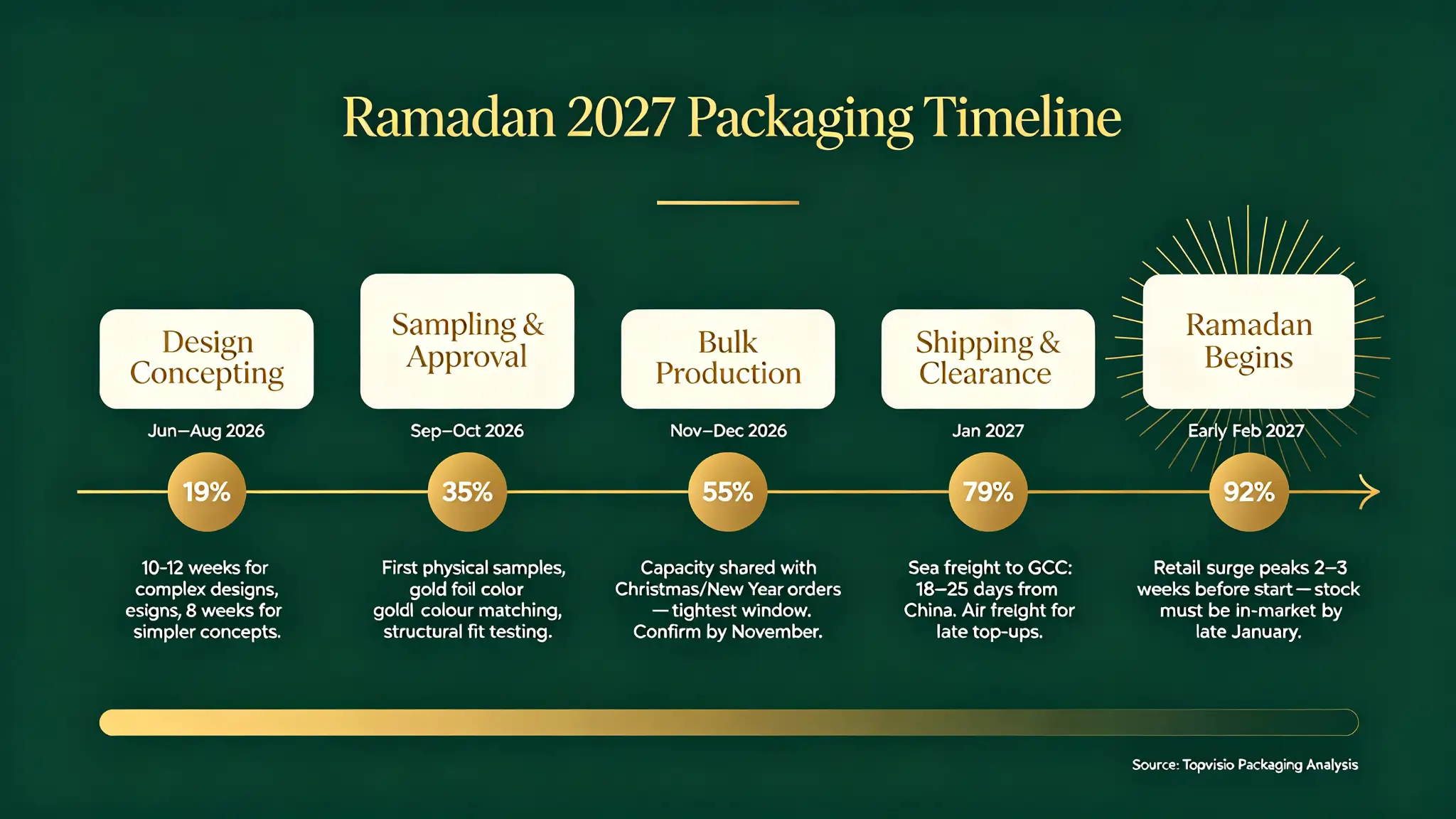
Registration through Citeo and receiving an IDU typically takes one to three weeks from initial application, which means brands should build this into their product launch timeline well ahead of a planned French market entry date rather than treating it as a last-minute administrative step. Packaging artwork needs to accommodate Triman and Info-Tri labeling from the design stage as well, since retrofitting this labeling onto an already-finalized design adds unnecessary rework compared with building the labeling requirement into the initial packaging specification.
How France Compares to Germany’s System
France and Germany both run well-established national EPR systems predating PPWR, but the specific mechanics differ meaningfully. Germany’s LUCID Packaging Register separates registration (free, through the ZSVR directly) from licensing (paid, through a chosen dual system operator), while France bundles registration and fee payment together through a single éco-organisme relationship, with the IDU issued as confirmation of that combined process.
France’s Triman and Info-Tri labeling requirement also has no direct German equivalent at the same level of prescriptiveness, making French compliance somewhat more design-intensive on the packaging artwork side specifically. Brands selling into both markets should treat each system’s specific mechanics as genuinely distinct rather than assuming familiarity with one translates directly to efficient compliance with the other.
Working With a Manufacturer Familiar With French Requirements
A manufacturer with prior experience supplying brands selling into France typically understands what material composition and weight documentation format works well for Citeo declarations, and can flag early whether a proposed packaging design’s labeling space accommodates Triman and Info-Tri requirements without needing late-stage rework. This experience matters enough that it’s worth asking a prospective manufacturer directly whether they’ve supplied France-bound packaging before, rather than assuming general EU compliance experience automatically covers France’s specific national requirements.
Professional (B2B) Packaging: Now in Force
A separate EPR stream for professional (B2B) packaging, known as the EPRO filière, exists alongside the household packaging system most brands are familiar with — and unlike some earlier reporting suggested, it is now active rather than indefinitely delayed. Catering packaging has been covered since March 2024, and the scheme expanded to cover all professional packaging from January 1, 2026, under France’s AGEC Act.
Three producer responsibility organizations — Citeo Pro, Léko Pro, and Twiice — were accredited to operate this scheme as of June 5, 2026, according to ADEME’s official EPRO filière page. Brands whose packaging falls into commercial or B2B categories should confirm current requirements directly, since this is a genuinely newer and still-maturing part of the French system compared with the decades-old household packaging framework.
Manufacturing and Certifications
Topvisio Packaging is based in Dongguan, Guangdong, running 14+ automated production lines, with samples typically ready within 7 working days of specification confirmation. FSC chain-of-custody certification is available on request, alongside PPWR-relevant material composition documentation, ISO 9001, ISO 14001, and SEDEX audit standing. We provide the material composition and weight data brands need for their Citeo declaration and eco-contribution calculation, though registration itself remains the responsibility of the brand or its French mandataire. You can browse our full product range or check FSC-certified packaging options.
Building registration timing and labeling requirements into a product launch plan from the outset, rather than treating epr packaging france compliance as a late-stage administrative task, is the most reliable way to avoid the marketplace and enforcement friction that an incomplete registration can otherwise cause.
Frequently Asked Questions
Frequently Asked Questions
What is the IDU in French packaging EPR?
The Identifiant Unique is France’s official EPR registration number, issued by ADEME through an approved éco-organisme like Citeo once a producer completes registration.
Who is the main éco-organisme for packaging EPR in France?
Citeo handles the large majority of household packaging and graphic paper EPR compliance, with Adelphe and Léko as the main alternative approved organizations.
Does a company without a French entity need to register?
Yes. Any company placing packaged goods on the French market must comply, typically through a mandataire (authorized representative) if it has no French legal presence.
What is Triman labeling?
Triman is a logo required on household packaging indicating it falls under a sorting instruction system, typically paired with Info-Tri labeling explaining correct disposal to consumers.
Does PPWR replace France’s national EPR system?
No. France’s Citeo-based system predates PPWR and continues operating alongside it, though PPWR introduces additional EU-wide requirements, including the authorized representative rule under Article 45.
Are French marketplaces required to check seller IDU numbers?
Marketplaces have been liable for third-party sellers’ compliance since 2022, which has made IDU verification a practical checkpoint in the listing and seller compliance process.
Is B2B packaging covered under the same EPR system as household packaging in France?
A separate professional packaging EPR stream has been developing but has faced launch delays with no fixed date confirmed, so brands with B2B packaging should confirm current status directly rather than assume it’s fully in force.
How does France’s system compare to Germany’s LUCID registration?
Germany separates free registration (via LUCID/ZSVR) from paid licensing (via a dual system operator), while France bundles registration and fee payment through a single éco-organisme, with the IDU confirming that combined process.
How long does it take to receive an IDU after registering?
Typically one to three weeks from initial application through Citeo or a comparable approved éco-organisme, depending on which organization handles the registration.