Round and octagonal boxes make up a small share of any packaging catalog, and there’s a reason for that beyond aesthetics. Custom shaped packaging costs more to tool, yields less material per production run, and demands tighter fold precision than a standard rectangular box. That doesn’t make it a bad choice — it makes it a deliberate one, worth understanding before committing to a shape that looks striking on a mood board but changes the economics of the whole order.
This guide covers the two non-rectangular structures behind custom shaped packaging in our production data: cylindrical tube boxes and polygon-faceted boxes.
Why Non-Rectangular Structures Cost More
A rectangular box is cut from flat board with straight, repeatable folds, and tooling for that shape is comparatively simple and reusable across many box sizes. Custom shaped packaging breaks that pattern in two ways. A cylindrical structure needs curved forming rather than folding. A polygon structure needs multiple precisely angled folds meeting at consistent points. Both require dedicated tooling that isn’t easily reused across unrelated projects, and both waste more board material per unit than a rectangular layout, since round and angled shapes don’t tile efficiently on a flat sheet the way rectangles do.
Cylindrical (Tube) Boxes
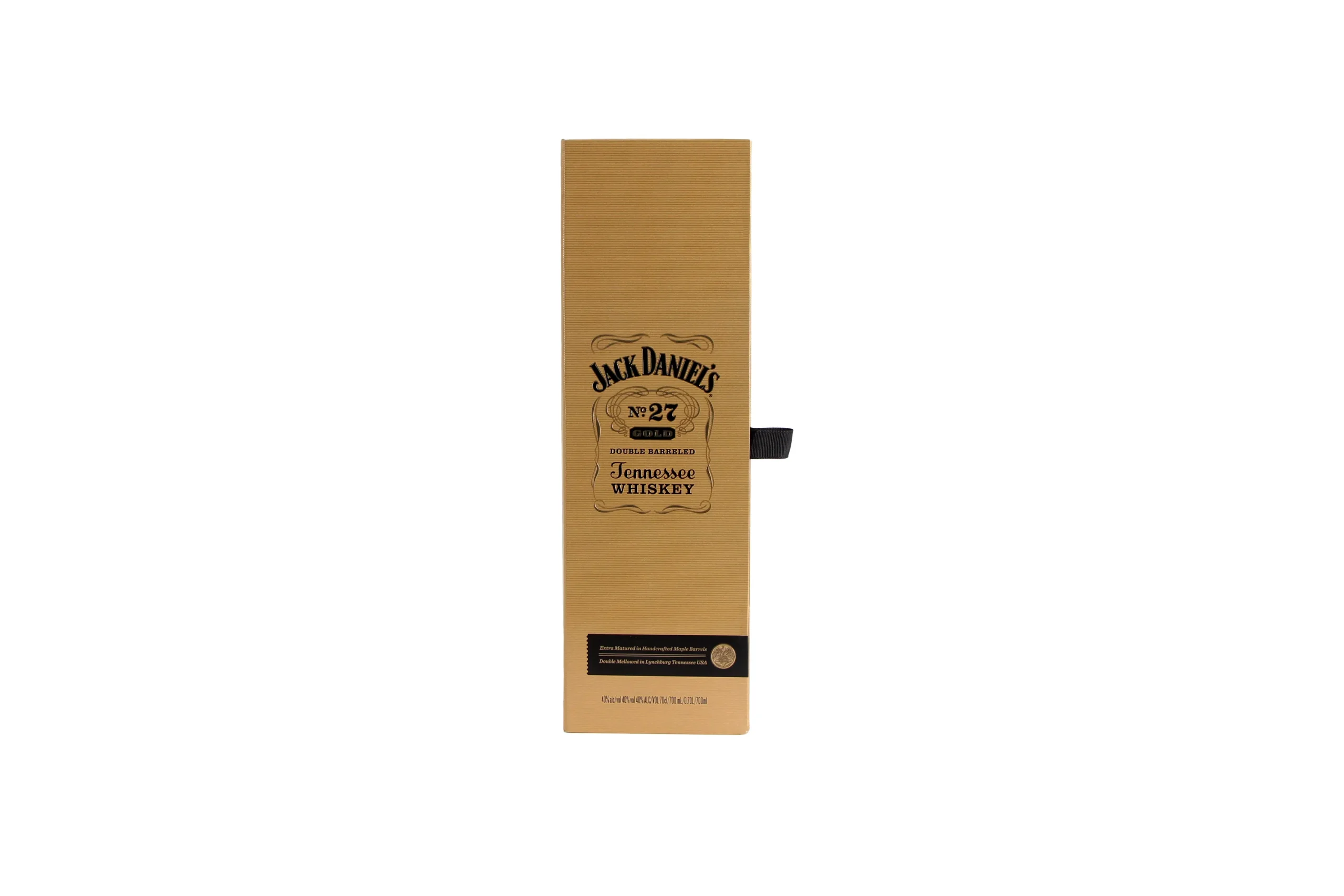
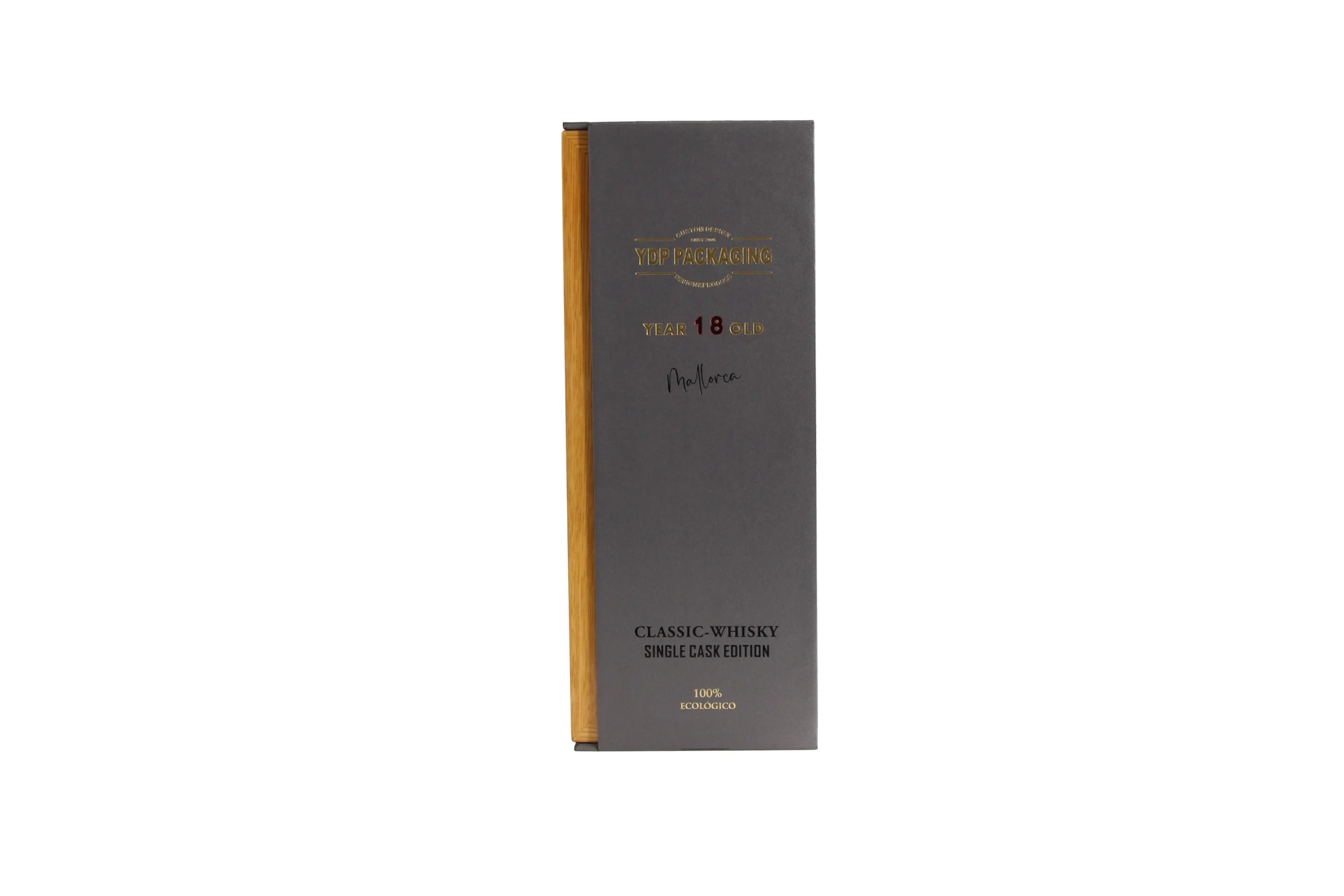
Tube structures wrap board into a cylinder, typically with separate top and bottom caps. This is a small category of custom shaped packaging in our data — just one confirmed example, but a distinctive one: a compact cylindrical presentation tube built for a premium spirits brand, sized at roughly 66mm in diameter and 127mm tall.
Tooling and Yield: Why Round Costs More Than Square
A cylindrical form requires a mandrel or forming tool sized to the exact diameter, and that tool is specific to one diameter rather than adjustable across a size range the way rectangular die-cutting often is. Material yield also drops, since cutting a curved wrap from flat board leaves more unusable offcut than cutting straight panels. For custom shaped packaging in tube form, these two factors together are usually the biggest driver of unit cost compared to an equivalent rectangular structure.
Polygon and Faceted Boxes
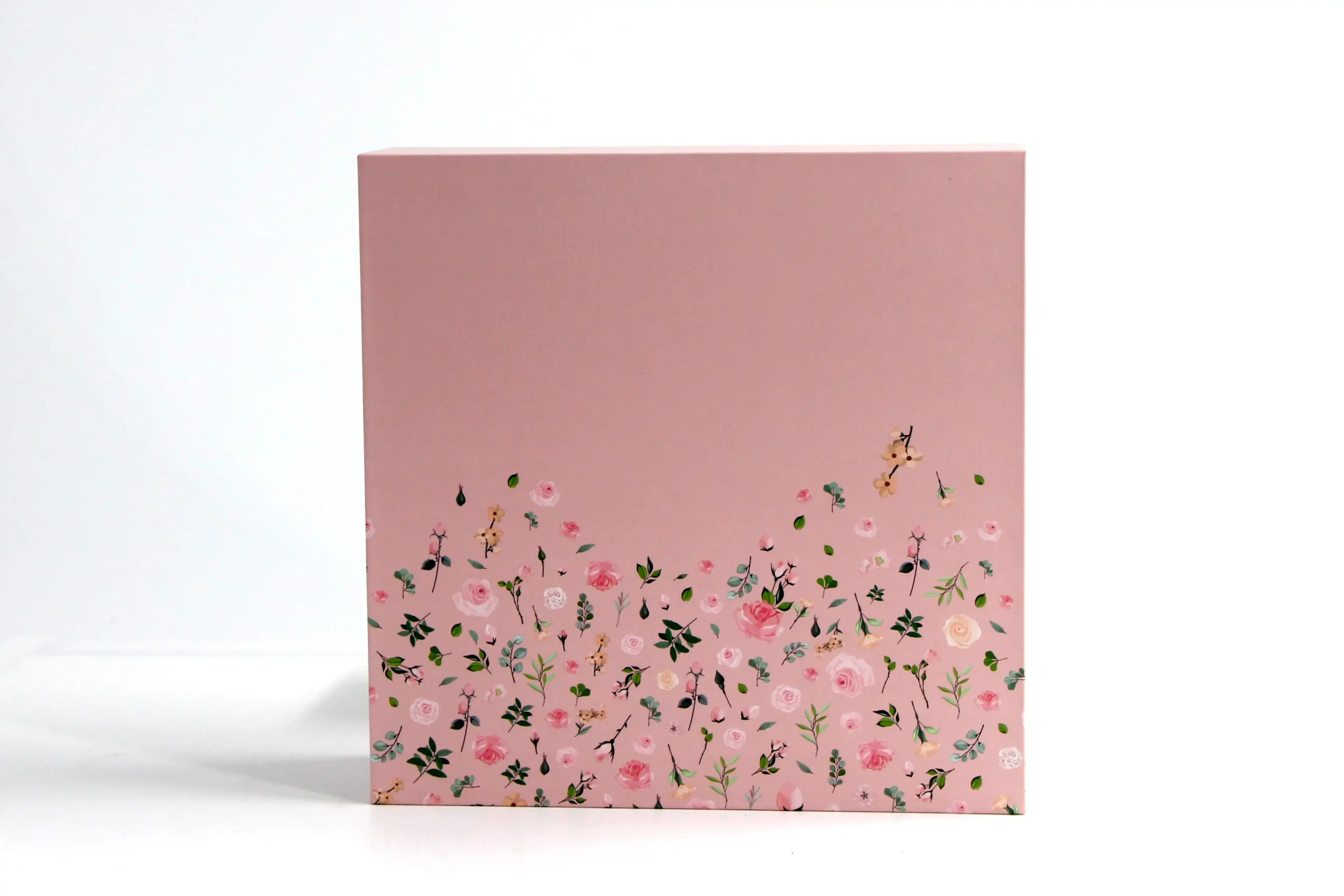
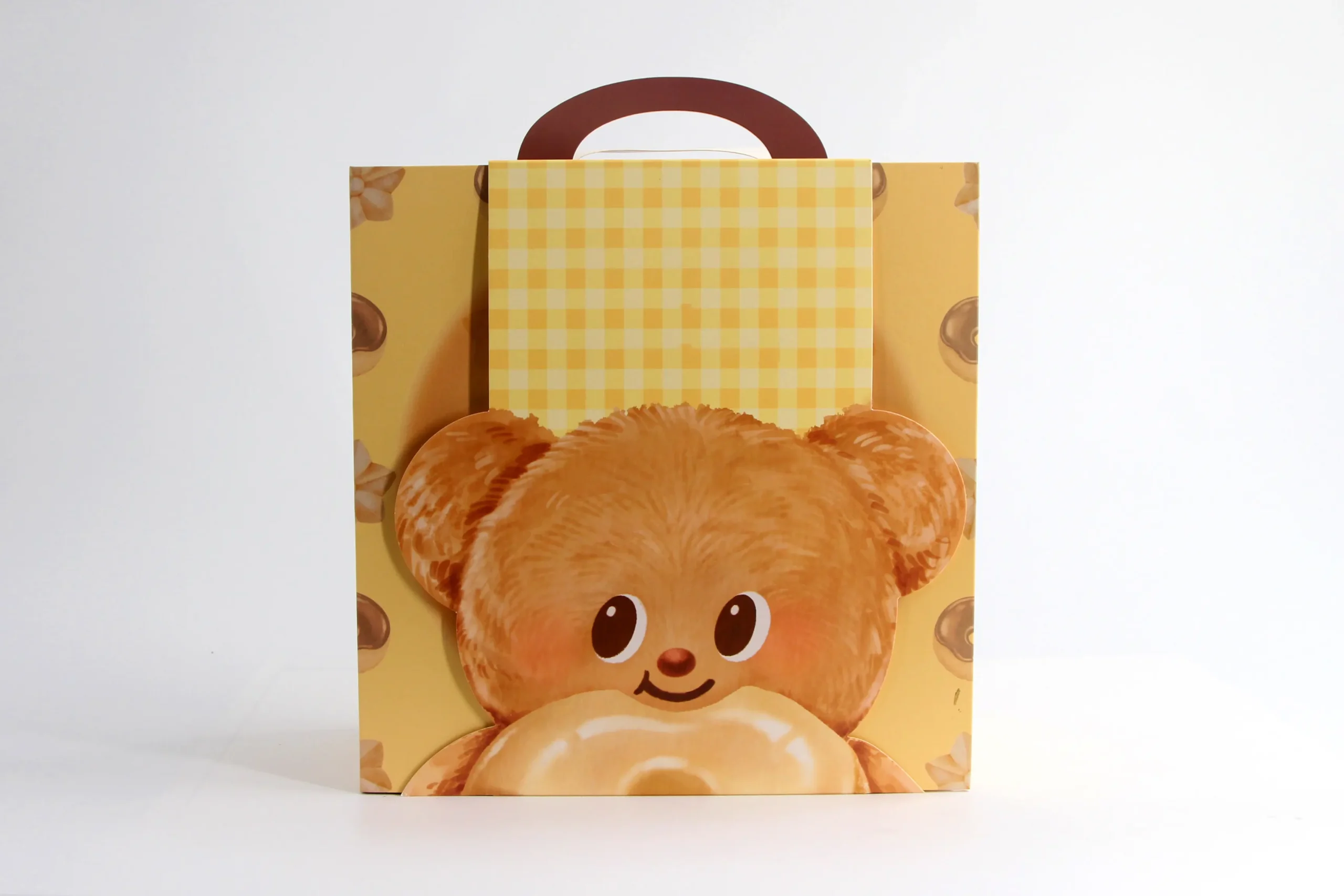
Faceted structures are the other form custom shaped packaging takes in our data, replacing a simple four-panel rectangle with five, six, or eight angled panels meeting at precise points. Our data includes three examples: a compact octagonal presentation box, and two seasonal gift trio sets — one oval-influenced hexagonal-style set and one true hexagonal set, both built around a themed multi-piece gifting occasion.
Angled Fold Precision
Every additional facet is another fold line that has to land at the correct angle and meet its neighboring panel cleanly, or the whole structure looks uneven even if each individual fold is only slightly off. This compounds with panel count: an octagonal box has more opportunity for visible misalignment than a hexagonal one, which has more than a standard four-panel box. Custom shaped packaging with more than six facets is worth sampling carefully before committing to volume, since small angular errors — the same general tolerance principle referenced for drawer construction elsewhere in this series — are far more visible on a faceted surface than on a flat rectangular one.
Real Examples from Production
The confirmed cases of custom shaped packaging in our data show how limited but deliberate this category is. The cylindrical spirits tube prioritizes a premium, gift-forward presentation where the round shape itself signals a departure from standard packaging. The octagonal box, at a compact 115 by 115 by 32.5mm, works as a small-format presentation piece where the shape adds distinction without the yield penalty of a larger faceted structure. The two Christmas trio sets use faceted shapes to differentiate a themed multi-piece gift set from a standard box, leaning on shape rather than surface decoration to create shelf distinction during a crowded seasonal period.
When a Shaped Structure Is Worth the Premium
Custom shaped packaging tends to earn its added cost in two situations: when a product category is saturated with standard rectangular boxes and shape itself becomes the differentiator, or when a brand has enough volume and margin to absorb the tooling and yield cost of custom shaped packaging without it changing the unit economics meaningfully. For a smaller run or a cost-sensitive launch, the same shelf distinction is often achievable through surface finish or structure family choices covered elsewhere in this series, at a fraction of the cost.
What to Know Before You Request a Quote
A few production basics apply to both cylindrical and polygon custom shaped packaging structures.
Minimum Order Quantity
1,000 units per SKU is standard across our product range.
Sample Lead Time
7 days from confirmed spec to sample in hand, though shaped structures with new tooling may run toward the longer end of this window.
Production Lead Time
30 to 45 days, depending on structural complexity and finish.
Sourcing Note
Angled fold precision on faceted structures benefits from the same general tolerance thinking used in drawer and sleeve construction, referenced under ISO 2768 for machined parts as an illustrative framework. For products shipping internationally, ISTA transit testing can confirm a shaped structure holds its form under real handling conditions, since non-rectangular shapes sometimes behave differently under compression than standard box styles classified under systems like the FEFCO code.
FAQ
Why does custom shaped packaging cost more than a standard rectangular box?
Non-rectangular custom shaped packaging needs dedicated tooling that isn’t reusable across sizes, and it yields less usable material per sheet of board, both of which add cost compared to a rectangular structure using standard die-cutting.
Is a cylindrical box more expensive than a polygon box?
It depends on scale and panel count. A simple cylinder can be less complex than a highly faceted polygon with many angled folds, but both generally cost more than an equivalent rectangular structure.
How many facets can a polygon box have before quality becomes a problem?
There’s no fixed limit, but each additional facet adds another fold line that must align precisely. Structures beyond six or eight facets are worth sampling carefully before committing to volume.
Is custom shaped packaging worth it for a small production run?
Often not on cost grounds alone. Smaller runs may get more value from surface finish or structure family choices that create shelf distinction without the tooling cost of a non-rectangular shape.
What’s the minimum order quantity for custom shaped packaging?
1,000 units per SKU is standard. Sampling takes about 7 days, though new tooling for a novel shape may extend that slightly.
Where can I learn more about gift box structures beyond shaped designs?
See our Gift Box Structure Guide for the full picture across all structure families, including hinged, drawer, and premium mechanism designs.