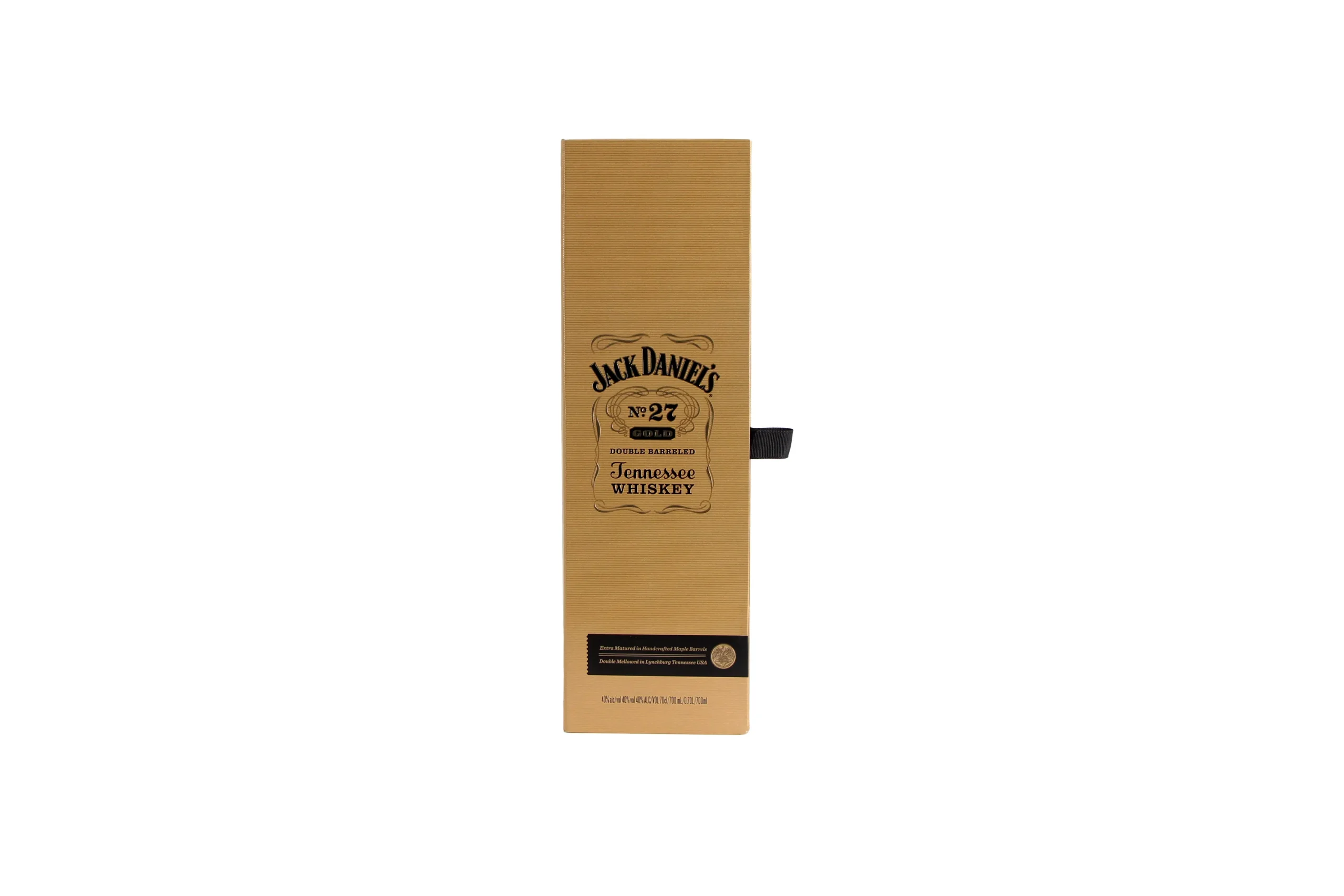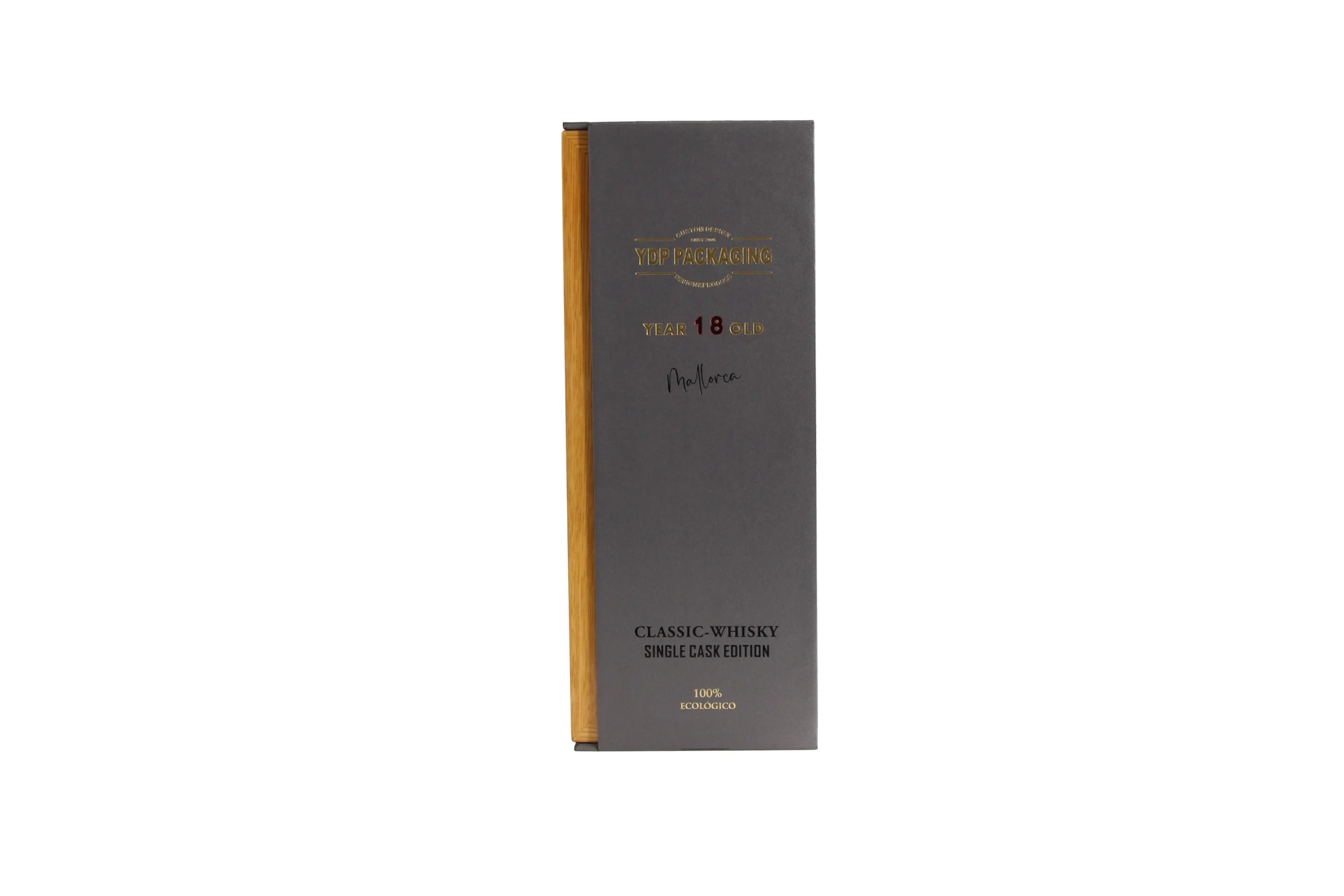
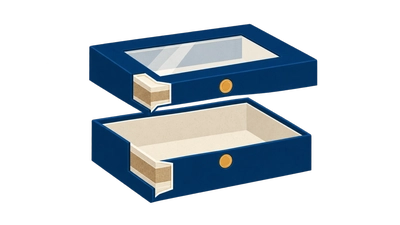
A box that looks paper-based may still contain plastic in its window, closure, coating, or insert. Under EPR plastic rules, those components can lead to less favorable fee treatment when the consumer or recycling system cannot separate them from the paper structure. A small functional part can matter as much as a larger visible element.
This article provides general information and does not constitute legal advice. Recyclability classification and fee treatment vary by jurisdiction — confirm specific requirements with your compliance team or the relevant authority.
EPR plastic rules matter for gift box packaging more than brands sometimes expect, since even structures marketed as “paper” or “rigid box” packaging often include small plastic components — a magnet housing, a window film, a laminate coating — that affect how the whole structure is classified. This guide, part of our broader Extended Producer Responsibility for Packaging series, covers how these components are typically treated.
Why Plastic Content Matters Under Eco-Modulation
PPWR Article 6 and comparable eco-modulation mechanisms in other frameworks adjust producer fees based on how recyclable a packaging structure actually is — not a flat material-type rate applied uniformly. A structure combining paper and plastic in a way that can’t be separated by the end consumer or standard recycling infrastructure is generally treated less favorably than a mono-material structure, even if the plastic component is a small fraction of the total weight. This is because separability, not just proportion by weight, is often what determines whether a structure is realistically recyclable in practice.
Magnetic Closures and Plastic Housings
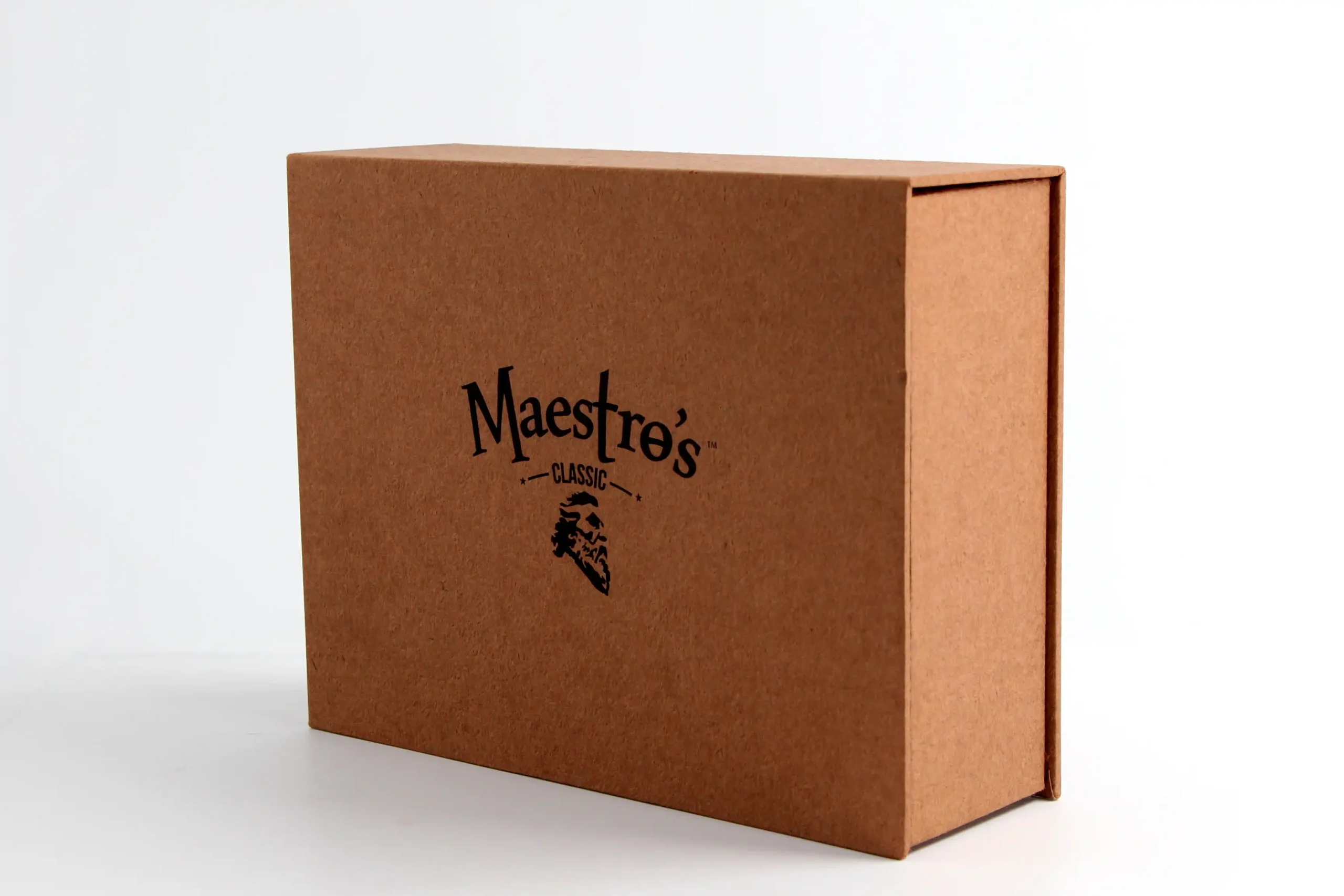
A magnetic closure box typically embeds a small neodymium magnet, often housed in a plastic or metal casing, between layers of paper or board. Whether this affects EPR classification depends significantly on how the magnet is embedded — a magnet fully sealed within the board structure, with no way for an end consumer to remove it, is generally treated as a non-separable component affecting the whole structure’s recyclability rating.
Some manufacturers offer magnetic closure designs specifically engineered for easier removal or use minimal-plastic magnet housings to improve recyclability treatment, which is worth asking about directly if EPR fee optimization is a priority alongside the closure’s functional and aesthetic role.
Window Film and Viewing Cutouts
A plastic window inserted into a die-cut opening — common in cosmetic and confectionery packaging to let the product be visible before purchase — is a non-paper component that generally needs separate reporting in a material composition breakdown. PVC and PET are the two most common window film materials; PET is generally considered more readily recyclable than PVC in most Western recycling infrastructure, though neither is as simply recyclable as the surrounding paper structure.
Brands prioritizing favorable EPR treatment sometimes opt for a die-cut opening with no film at all, or a smaller window, to reduce the plastic component’s overall contribution to the structure.
Lamination and Coatings
Glossy or matte film lamination applied to the outer paper surface is itself a thin plastic layer, even though it’s not always thought of as “plastic” in casual conversation about packaging materials. This coating can affect how a structure is classified for recyclability, since paper mills processing recycled fiber generally need to separate out laminate film during pulping, and heavily laminated structures are sometimes treated less favorably than uncoated or water-based-coated alternatives. Soft-touch and matte finishes generally use thinner, more easily separable coatings than high-gloss film lamination, though the specific material used varies by manufacturer and finish type.
Ribbon, Tags, and Small Accessory Components
Smaller components — a plastic ribbon rather than fabric, a plastic hang tag attachment, a synthetic fill material inside a gift box — each add incrementally to a structure’s total plastic content, even when they represent a small fraction of overall weight. Most EPR frameworks require these to be reported as part of the full material composition breakdown rather than excluded as negligible, since aggregate plastic content across many small components can meaningfully affect a structure’s overall recyclability classification even when no single component is individually significant.
Mono-Material Alternatives Worth Considering
For brands prioritizing favorable EPR treatment, mono-material design — minimizing or eliminating non-paper components entirely — is the most direct lever available. This can mean a paper-based closure mechanism instead of a magnetic one, a die-cut opening without film instead of a plastic window, or fabric ribbon instead of plastic. The Sustainable Packaging Coalition publishes independent guidance on mono-material design worth reviewing alongside a manufacturer’s recommendations.
These substitutions don’t eliminate cost or design trade-offs — a paper-based closure generally doesn’t close as cleanly as a magnetic one, and an open die-cut window offers less protection than a film-covered one — but they’re worth evaluating explicitly against the EPR fee difference rather than defaulting to a mixed-material structure without considering the alternative.
Our separate guide on foam versus paper inserts under EPR covers a related material trade-off specific to interior packaging components rather than exterior structural or closure elements.
Real-World Scenarios: Weighing the Trade-offs
A cosmetics brand launching a premium gift set with a magnetic closure and a window to display the product might weigh a modestly higher EPR fee against the conversion benefit of letting customers see the product before purchase — for many brands, the commercial case for the window outweighs the fee difference, particularly for a retail-facing product where visual merchandising drives purchase decisions.
A brand producing high-volume, lower-margin packaging, by contrast, might find that switching to a mono-material structure without a window or magnet meaningfully reduces per-unit EPR costs at scale, where even a small per-unit fee difference compounds significantly across large order volumes.
Neither approach is universally correct — the right choice depends on order volume, margin structure, and how much the specific plastic component actually contributes to the product’s commercial performance.
How EPR Plastic Reporting Differs From General Plastic Regulation
It’s worth distinguishing EPR plastic reporting from other plastic-specific regulations a brand might encounter, since they’re not the same thing. EPR plastic treatment concerns how plastic content within packaging affects waste management fees and recyclability classification. Separate rules — like the EU’s broader restrictions on certain single-use plastics, or PFAS bans on specific plastic applications in food-contact packaging — address different concerns entirely, such as banning certain plastic items outright or restricting specific chemical additives, rather than adjusting a fee based on recyclability.
A packaging structure can be fully compliant on single-use plastic restrictions while still facing standard EPR plastic fee treatment for whatever plastic content remains within the design.
Real-World Data: US State Variation on Plastic Packaging
US states covered by packaging EPR laws don’t treat plastic uniformly either. California’s SB 54 specifically covers single-use packaging and single-use plastic food serviceware, giving plastic components particular regulatory attention within that state’s broader packaging framework. Colorado’s law covers packaging material intended for single or short-term use plus paper products, a somewhat broader definition than California’s more plastic-specific focus.
This state-by-state variation means a brand’s mono-material design strategy optimized for California’s specific rules may not translate identically to Colorado’s or another state’s framework, reinforcing the broader point that EPR plastic treatment needs to be evaluated per jurisdiction rather than assumed to be consistent.
Testing Recyclability Claims Before Committing to a Design
Brands weighing whether a plastic component’s EPR treatment is manageable within their target fee structure should request a recyclability assessment from their manufacturer before finalizing a design, rather than discovering the classification only after production. This typically means asking specifically whether a given closure or finish is treated as separable or non-separable under the destination market’s framework, and, where the manufacturer has prior experience with a comparable structure and market, what fee tier similar designs have historically fallen into.
This kind of pre-production check is more useful than a general assumption based on material type alone, since separability — not just presence of plastic — is often the deciding factor in fee treatment.
Cost Trade-offs Beyond the EPR Fee Itself
It’s worth remembering that EPR fee treatment is only one factor in a broader packaging cost and design decision, not the only one. A magnetic closure typically costs more to produce than a simple tuck or tab closure, independent of any EPR consideration, and this base cost difference sometimes outweighs the EPR fee delta in a brand’s overall economics.
Similarly, removing a display window to improve EPR treatment might reduce conversion rate on a retail shelf enough to offset any fee savings. Evaluating EPR plastic treatment as one input among several — material cost, functional performance, retail conversion impact — produces a more complete picture than optimizing for EPR fees in isolation.
Emerging Alternatives to Traditional Plastic Components
Material innovation continues to offer new options for brands trying to reduce EPR plastic exposure without fully abandoning the functional or visual benefits plastic components provide. Bio-based film alternatives for display windows, paper-based magnetic-alternative closures using friction or interlocking tab mechanisms, and water-based coatings replacing traditional film lamination are all becoming more commercially viable than they were even a few years ago, though availability, cost, and performance still vary meaningfully by manufacturer and structure type.
Brands exploring these alternatives should request physical samples to evaluate real-world performance — closure security, visual clarity, durability — rather than assuming a marketed alternative performs identically to the traditional plastic component it’s replacing.
Common Mistakes
The most common mistake is assuming a packaging structure is “paper” or “recyclable” without checking for embedded plastic components that aren’t visually obvious — a magnet sealed inside board, or a thin laminate coating, doesn’t look like plastic packaging but still counts as one under most material composition reporting requirements. The second common mistake is not asking a manufacturer directly how a specific closure or finish choice affects material classification before finalizing a design, which means discovering the EPR fee implication only after a structure is already in production.
How This Connects to the Broader EPR Picture
Plastic content is just one input into the larger EPR compliance picture covered in our pillar guide to extended producer responsibility — material composition data, including plastic content, feeds into the same reporting and fee-calculation process covered in our guide on what packaging data to request from your supplier. Treating plastic component decisions as part of a single, coordinated compliance and design strategy, rather than an isolated question addressed separately from everything else, tends to produce more consistent outcomes across a brand’s full packaging portfolio.
Working With a Manufacturer on Material Selection
A manufacturer with direct experience across both mono-material and mixed-material structures can generally walk through the practical trade-offs more usefully than a brand evaluating material choices from specification sheets alone. This includes not just the EPR fee implications, but real production considerations — how consistently a paper-based closure performs across a full production run, how a specific window film ages under different shipping and storage conditions, and whether a proposed mono-material alternative has actually been produced at scale before or remains largely theoretical.
Asking to see physical examples of comparable structures a manufacturer has previously produced, rather than relying solely on a technical description, is a reasonable way to validate these claims before committing tooling investment to a new design direction.
Manufacturing and Certifications
Topvisio Packaging is based in Dongguan, Guangdong, running 14+ automated production lines, with samples typically ready within 7 working days of specification confirmation. We provide material composition declarations covering plastic components — magnets, window film, laminate coatings — alongside FSC chain-of-custody certification on request, PPWR-relevant documentation, ISO 9001, ISO 14001, and SEDEX audit standing. You can browse our magnetic box structures or check FSC-certified packaging options for mono-material alternatives.
Working through these trade-offs deliberately, rather than defaulting to whatever structure is easiest to source, tends to produce packaging that performs well commercially while keeping EPR plastic exposure manageable across whichever markets a brand is selling into.
Frequently Asked Questions
Frequently Asked Questions
Do magnetic closures affect EPR fees on packaging?
Often, yes. A magnet sealed inside a board structure with no way for the consumer to remove it is generally treated as a non-separable component, which can affect the whole structure’s recyclability classification under eco-modulation.
Is PET or PVC window film better for EPR treatment?
PET is generally considered more readily recyclable than PVC in most Western recycling infrastructure, though neither is as simply recyclable as the surrounding paper structure.
Does glossy lamination count as plastic content under EPR reporting?
Yes. Film lamination is a thin plastic layer, even though it’s not always thought of as plastic in casual conversation, and it can affect recyclability classification since it needs separation during paper recycling.
What’s the most direct way to reduce EPR fees related to plastic content?
Mono-material design — minimizing or eliminating non-paper components like magnets, window film, and plastic ribbon — is the most direct lever, though it involves trade-offs against closure quality and product visibility.
Do small components like ribbon or fill material need to be reported for EPR?
Yes. Most frameworks require these in the full material composition breakdown, since aggregate plastic content across many small components can meaningfully affect overall classification.
Should I always choose mono-material packaging to minimize EPR fees?
Not necessarily. The right choice depends on order volume, margin, and how much a specific plastic component — like a display window — contributes to commercial performance, which sometimes outweighs the fee difference.
Can a manufacturer tell me how a specific design choice affects EPR classification?
A knowledgeable manufacturer should be able to explain how closure type, window material, and finishing choices affect material composition reporting, though final classification and fee determination remain the brand’s compliance responsibility.
Are there emerging alternatives to traditional plastic magnets and window film?
Yes. Bio-based film alternatives, paper-based interlocking closures, and water-based coatings are becoming more commercially viable, though performance and availability still vary by manufacturer.
Do US states treat plastic packaging differently from each other?
Yes. California’s SB 54 specifically targets single-use plastic packaging and food serviceware, while Colorado’s law covers a broader single-or-short-term-use category, meaning a design strategy optimized for one state may not translate identically to another.