New sustainable packaging materials in 2026 are mostly about removing one hard-to-recycle layer at a time: a mono-material film instead of a mixed laminate, a fiber bottle instead of plastic, a laser-marked coating instead of a label, and a compostable wrap instead of polyethylene.
Four launches this year show the pattern clearly, from Pregis, Cove, DataLase and Cortec, and each comes with claims that buyers should check before repeating them. This guide reviews what each material does, what the companies say about it and what it means for brands that ship in gift boxes, alongside the materials already running in our own production at Topvisio Packaging in Dongguan, Guangdong, China, with board FSC on request and every box PPWR compliant.
Pregis: A Metallized PE Film for High-Barrier Food Packs
Pregis is bringing an ultra-high-barrier metallized polyethylene sealant film to PACK EXPO International 2026 in Chicago (booth S-3874). According to the company’s September 2026 release, it is designed for applications that have relied on metallized OPP or metallized PET, such as coffee, snacks and pet food. Because the structure is mono-material PE, Pregis says it is prequalified as store drop-off recyclable through How2Recycle, while matching the barrier and processing of the older materials.
For gift brands weighing new sustainable packaging materials, the relevance is the inner pack. Coffee, chocolate and tea gift sets often place a metallized pouch inside a paper box, and that pouch is usually the least recyclable part of the gift. Store drop-off recycling is mainly a North American route, so brands selling elsewhere should confirm what their own markets accept before printing a recycling claim.
Cove: PB1 Fiber Bottles for Beauty and Personal Care
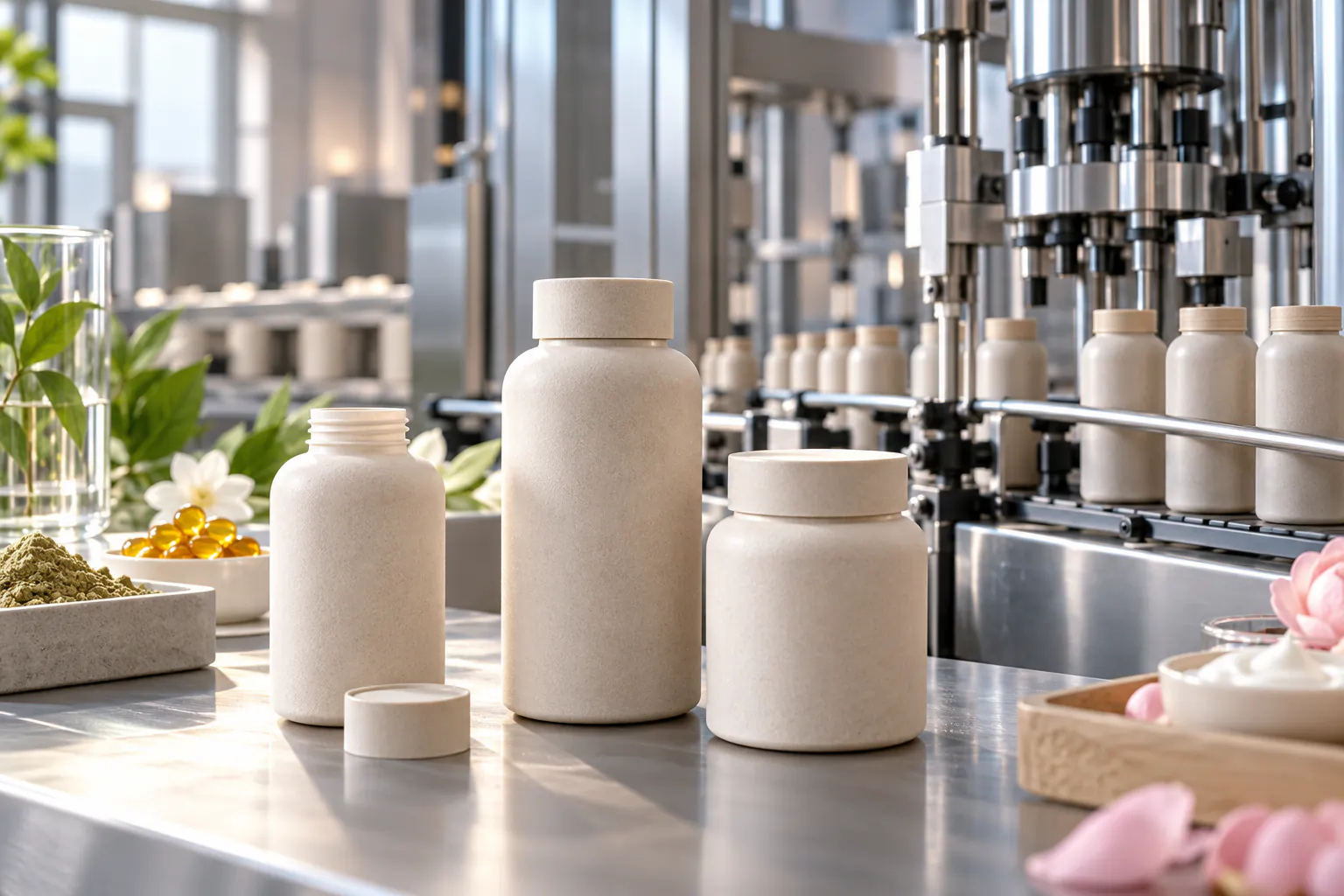
Cove’s PB1 bottles are 90 to 95 percent fiber depending on size, with a proprietary biobased barrier and a multi-piece design that runs on existing molded fiber thermoforming lines, according to the company’s January 2026 announcement. Cove says the bottles cut plastic by 90 to 100 percent depending on the application and can be recycled in paper streams, and it reports sorting and repulping tests carried out with Circpak Veolia at UK and EU recovery facilities. The first customer launches are in cosmetics, personal care and nutraceuticals, and Pernod Ricard, through Absolut, is among the companies developing bottles with the platform.
Of the new sustainable packaging materials on this list, PB1 is the one closest to the gift box world. A fiber bottle inside a paper gift box with a molded pulp insert gets very near a fully fiber-based set. The questions to ask are about the closure, the barrier against your specific formula and how the bottle behaves in humid storage.
DataLase: A Clear-to-White Coating That Replaces Labels
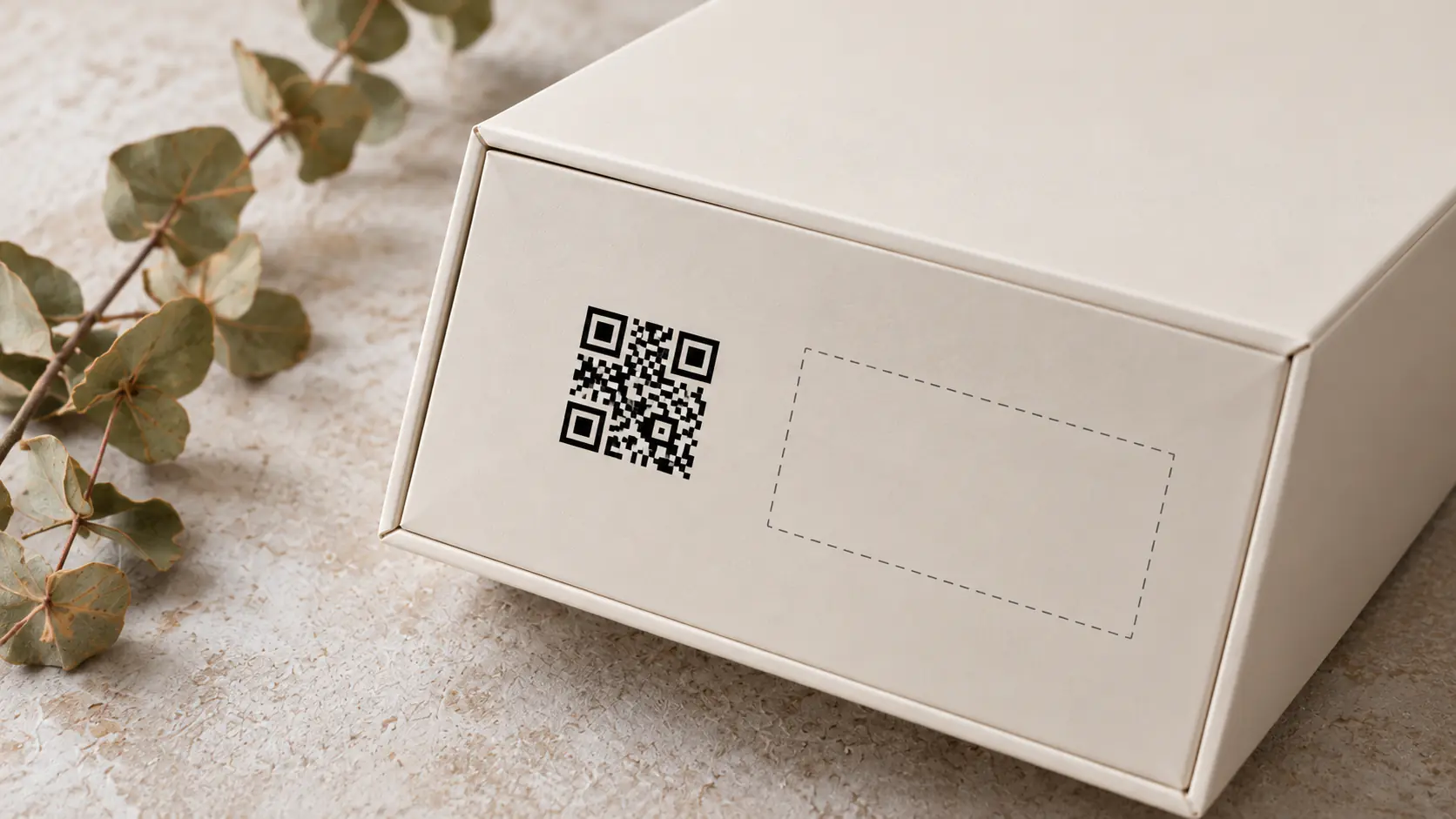
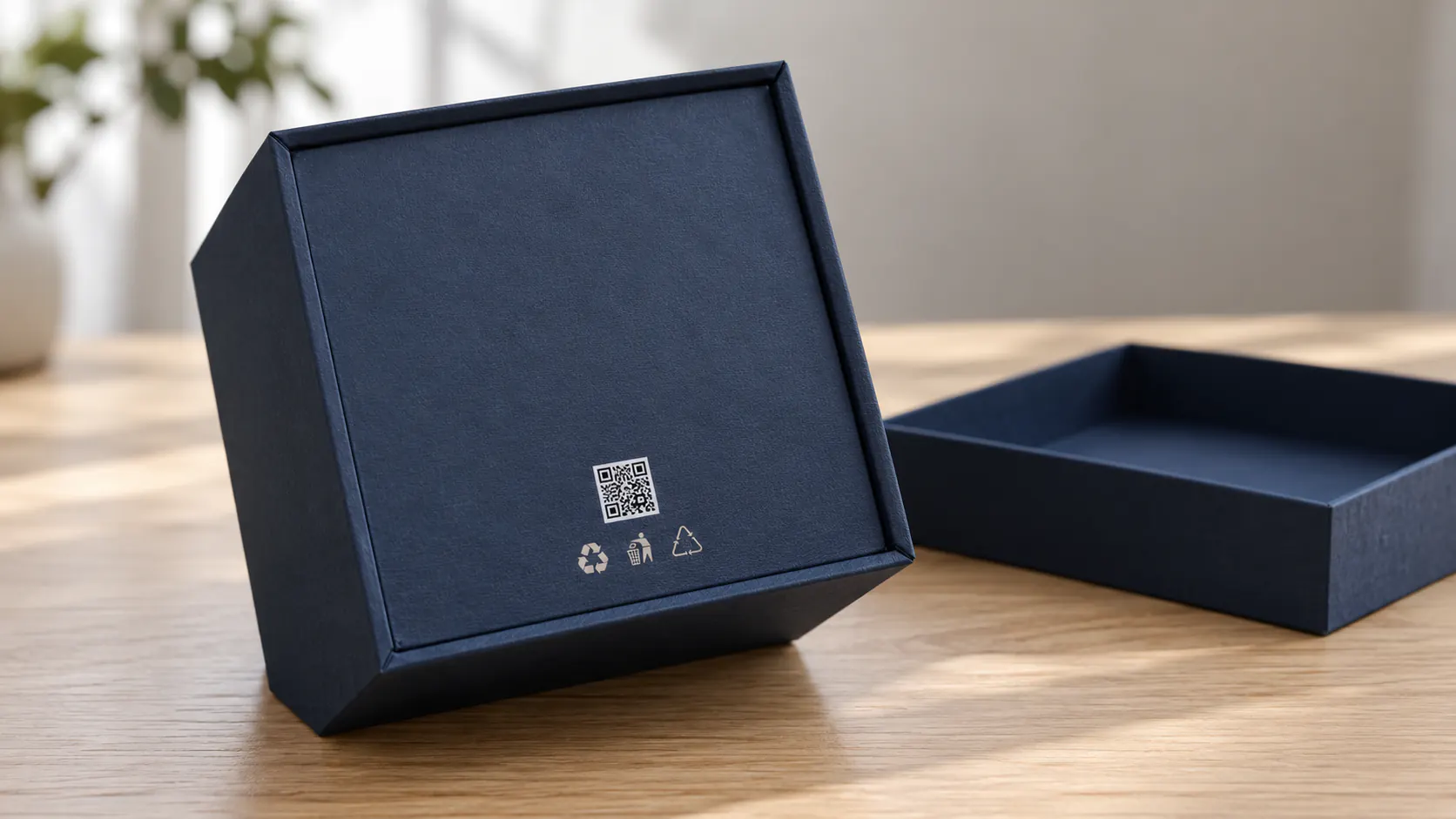
DataLase has introduced a coating that is sprayed onto PET, PP or PC bottles on the filling line and then marked with a laser, turning clear areas white to form text, logos, QR codes and batch codes, as Packaging Europe reported in January 2026. The company says the process needs no inks or labels, resists heat, water and scuffing, and lets each bottle carry its own code. It positions the coating for beverage, personal care and pharmaceutical bottles.
Like several new sustainable packaging materials this year, the coating works by taking a separate component out of the pack, and removing a label usually helps sorting. The open questions are how the coating behaves in each recycling stream and whether a laser-marked white image delivers the brand look a beauty product needs. It is a strong option for regulatory text and codes, and a weaker one for full-color branding.
Cortec: An Upgraded Industrially Compostable Stretch Film
Cortec has upgraded Eco Wrap, its machine-grade stretch film for pallets. The company says the new version has about three times the cling and more than 1.5 times the tear strength of the previous film, with better tail adhesion and slightly improved clarity, according to its February 2026 product listing. Eco Wrap is certified industrially compostable by TÜV Austria and, the company says, meets EN 13432 and ASTM D6400.
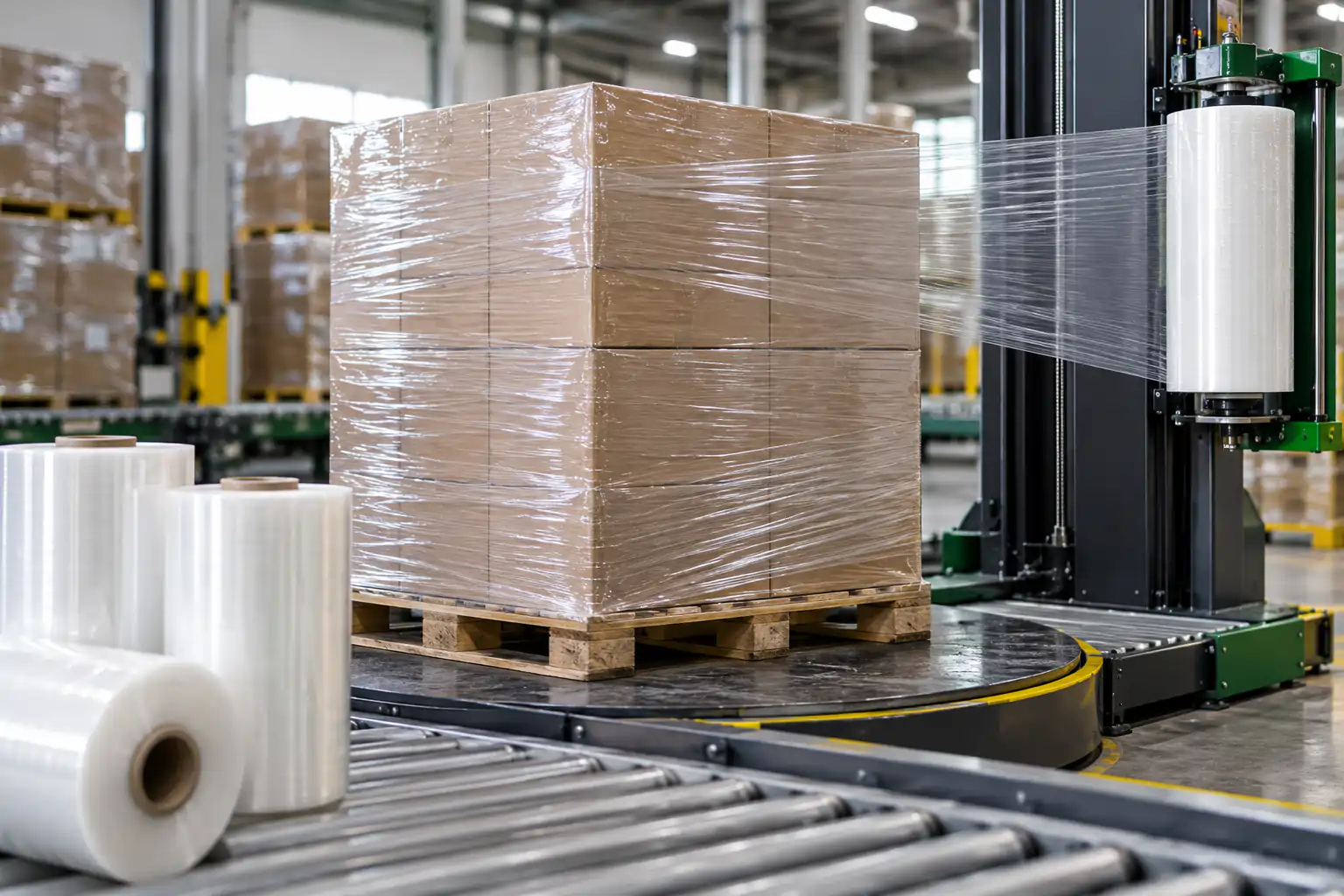
The important word is industrial. Industrially compostable film breaks down in commercial composting facilities, not in a garden heap, and it only helps if the film actually reaches one. For a brand shipping pallets of gift boxes, the practical question is whether the warehouse at the other end can send used wrap to industrial composting. If not, a recyclable PE wrap may still be the better choice.
New Sustainable Packaging Materials at a Glance
| Material | What It Replaces | End-of-Life Route Claimed | Evidence to Request |
|---|---|---|---|
| Pregis metallized PE film | Metallized OPP or PET laminates | Store drop-off recycling (How2Recycle prequalified) | Barrier data on your product, local recycling acceptance |
| Cove PB1 fiber bottle | Plastic, glass or aluminum bottles | Paper recycling streams | Formula compatibility, humidity and closure tests |
| DataLase clear-to-white coating | Paper and film labels | Bottle stays a single material without a label | Recycling stream compatibility of the coating |
| Cortec Eco Wrap | Polyethylene stretch film | Industrial composting | TÜV Austria certificate, access to industrial composting |
Topvisio Insights: The Sustainable Materials We Already Run
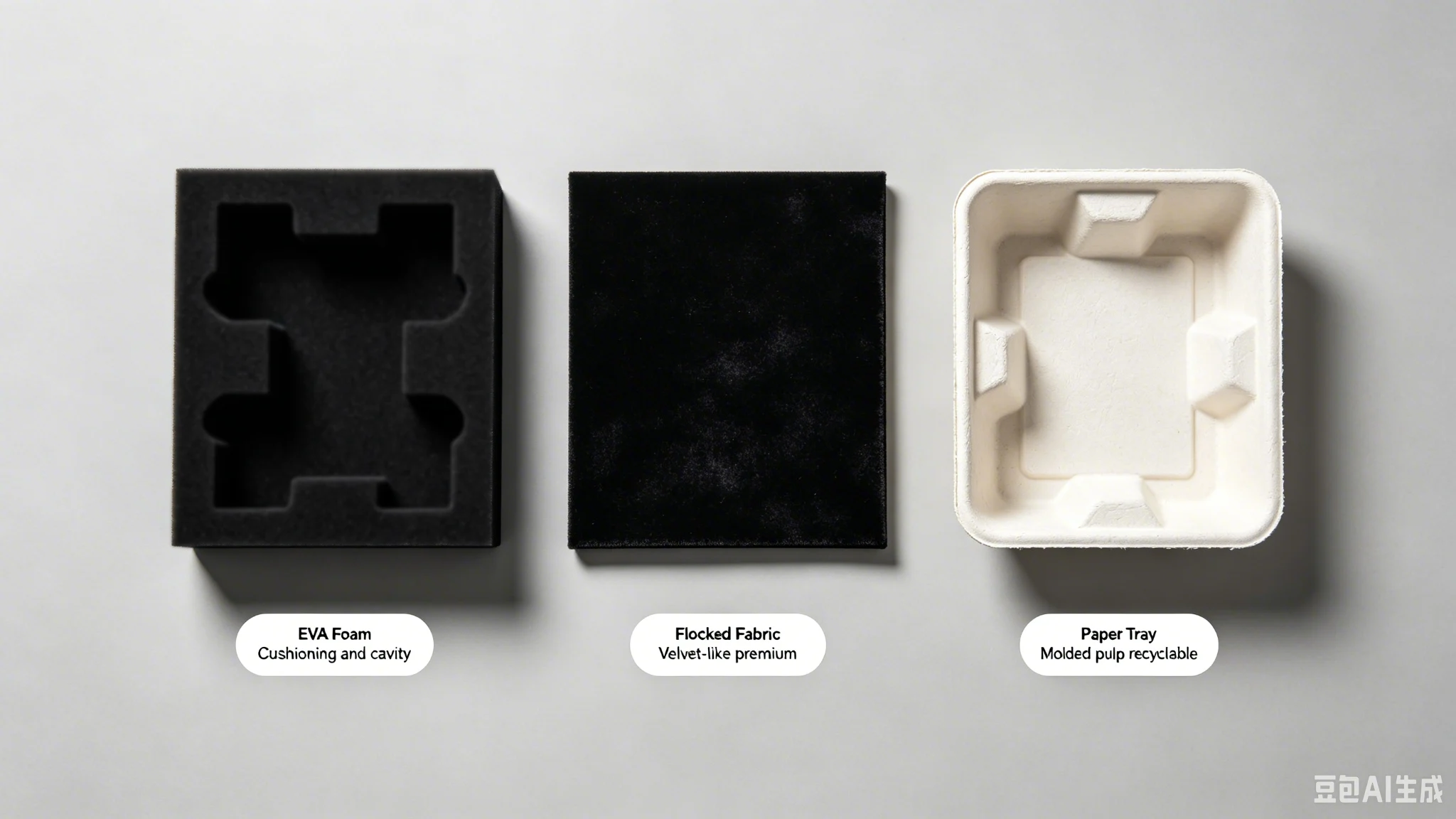
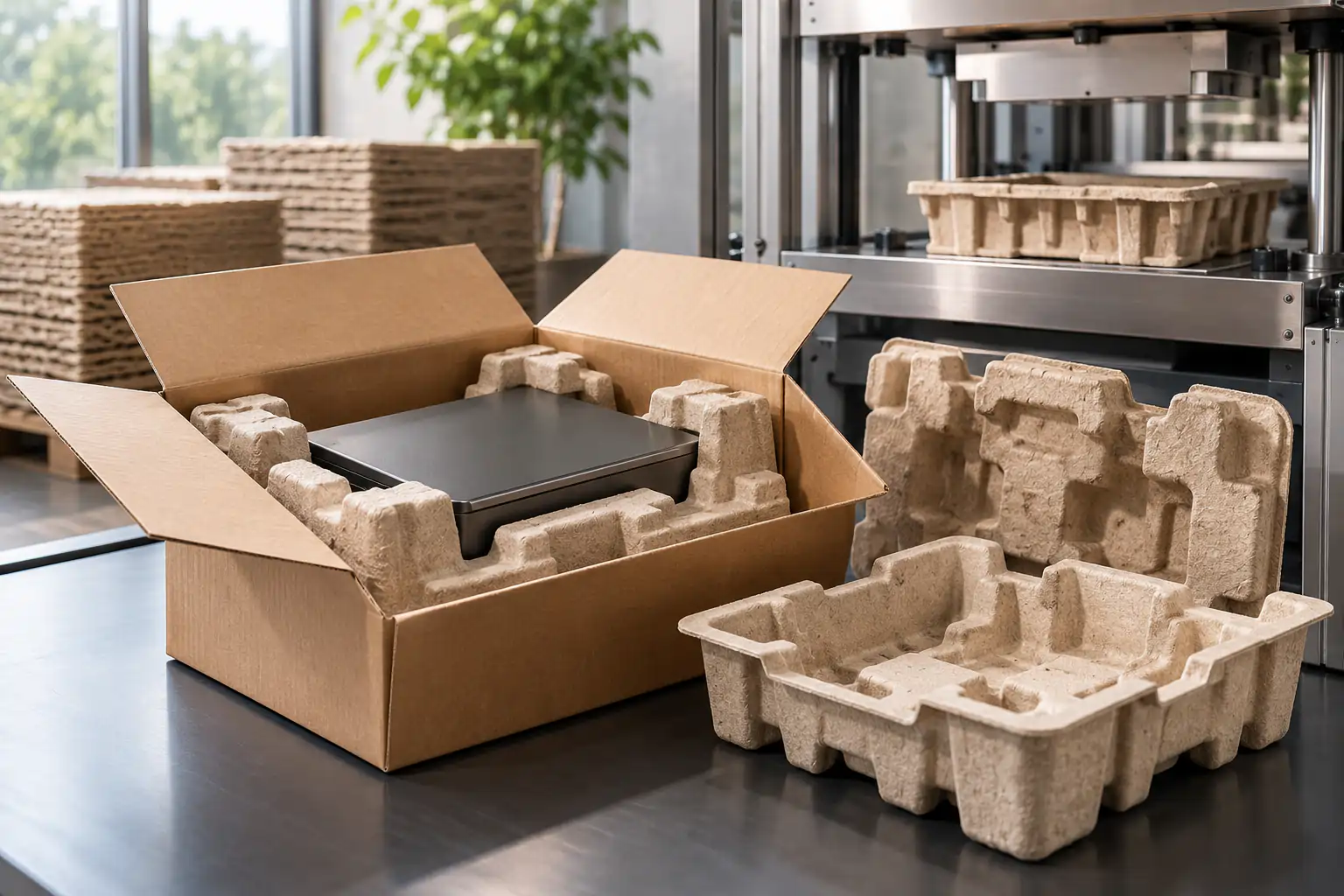
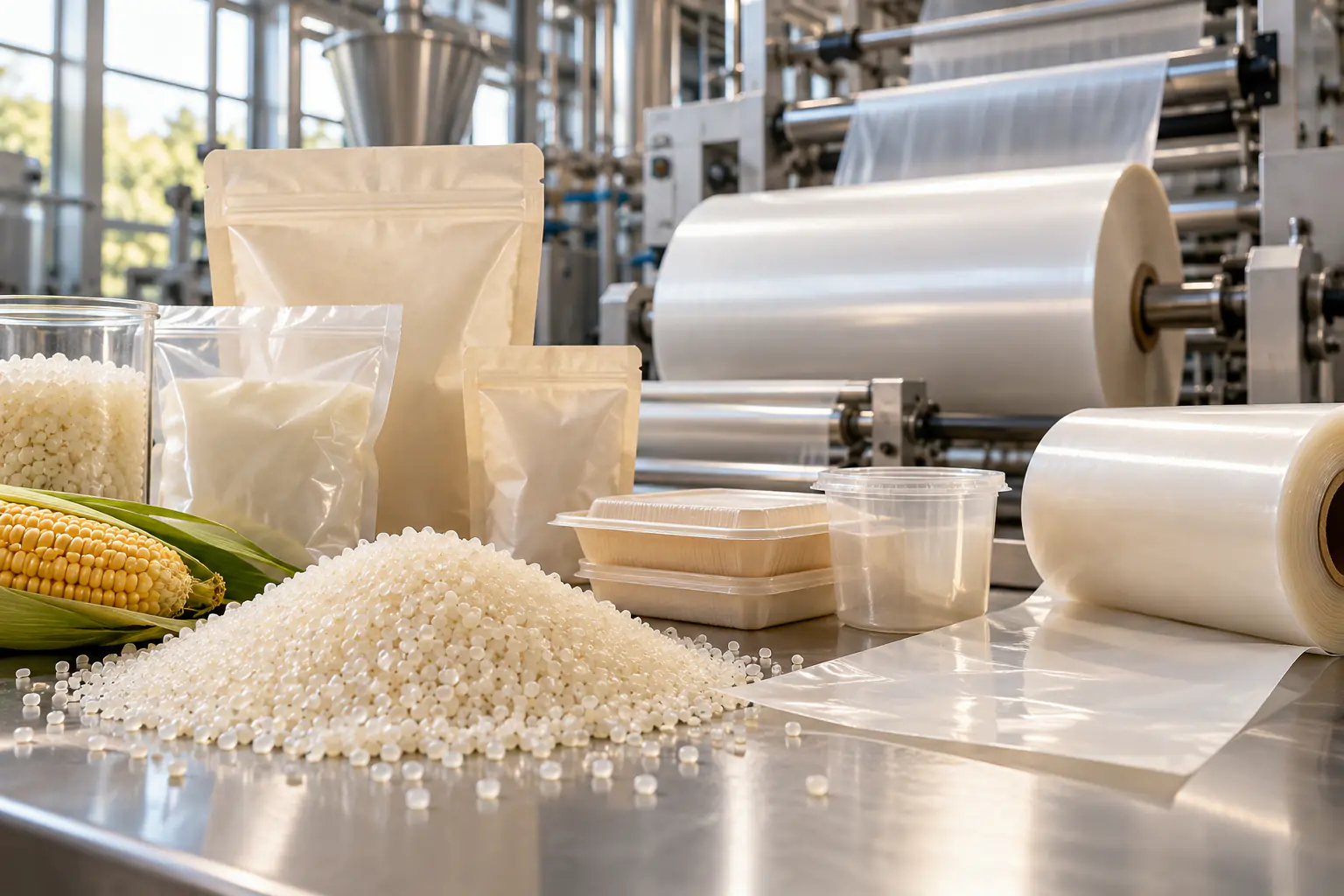
Trade show launches get the attention, but in our experience most real progress in gift packaging comes from materials that are already proven. Five of them are standard on our lines. Product cavities are formed in molded pulp rather than plastic or foam. Wraps and box structures use FSC-certified or recycled paper and board. Assembly relies on water-based glue. Printing is done with soy ink. And for surface protection we offer a water-based varnish, so a box can skip film lamination altogether.
None of these will make headlines at a trade show, and that is the point. They are cost-predictable, they run at production speed and they are easy to explain to a customer. When a brand asks us about new sustainable packaging materials, we usually suggest starting here, then adding a newer material like a fiber bottle or a mono-material pouch once the box itself is already paper-based.
How to Judge Claims About New Sustainable Packaging Materials
Every launch above comes with company claims, and some come with third-party testing. Before you put a material into your packaging, and especially before you print a claim about it, run through these questions:
- Recyclable where? A material that is recyclable in one country’s system may not be collected in another.
- Certified by whom? A named certificate, such as TÜV Austria for composting or FSC for fiber sourcing, carries more weight than a general statement.
- Tested at what scale? Lab results and recovery-facility trials are different from full-scale performance.
- Company claim or independent result? Keep the source attached to every figure you reuse.
Regulation is tightening the rules on these claims. Our guides to the PFAS packaging ban and PPWR packaging requirements cover the rules most likely to affect gift brands selling into the EU.
New or Proven: Where to Spend the First Budget
Brands often ask whether to pilot one of the new sustainable packaging materials or to improve what they already have. Our view is that the order matters. A fiber bottle inside a laminated box with a plastic tray still leaves most of the problem in place. Fixing the box first, with an FSC board, a pulp or paperboard insert and a varnish instead of film, delivers a visible change on every unit at a predictable cost. Board for every structure we make is available FSC on request, so sourcing proof is easy to add.
Once the box is paper-based, the newer materials become the next step rather than a distraction. A brand might add a mono-material inner pouch for coffee or tea, test fiber bottles on one hero product, or switch pallet wrap where industrial composting is available. Piloting new sustainable packaging materials on one line keeps the risk small and gives you real data before a full rollout.
What This Means for Gift Box Buyers
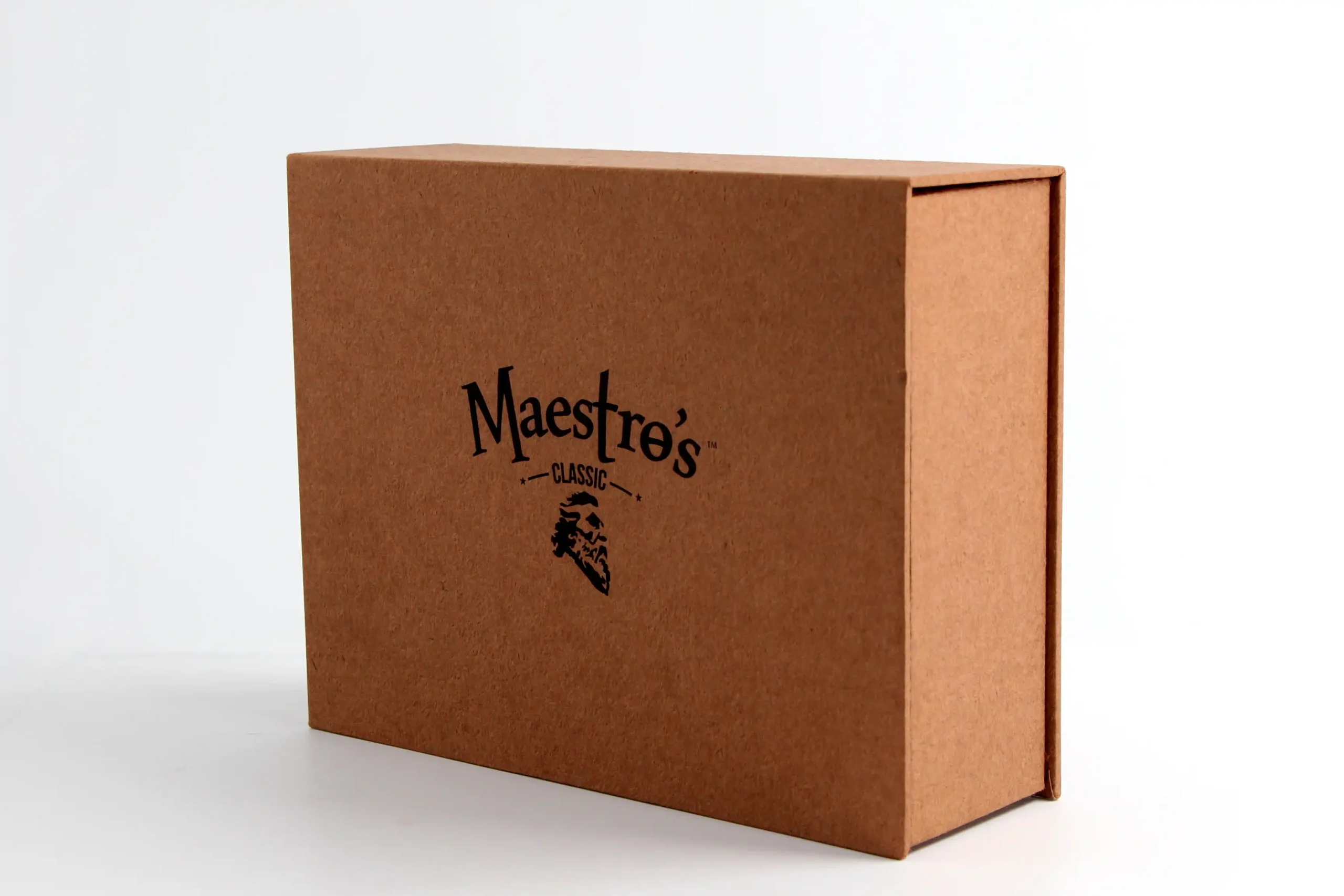
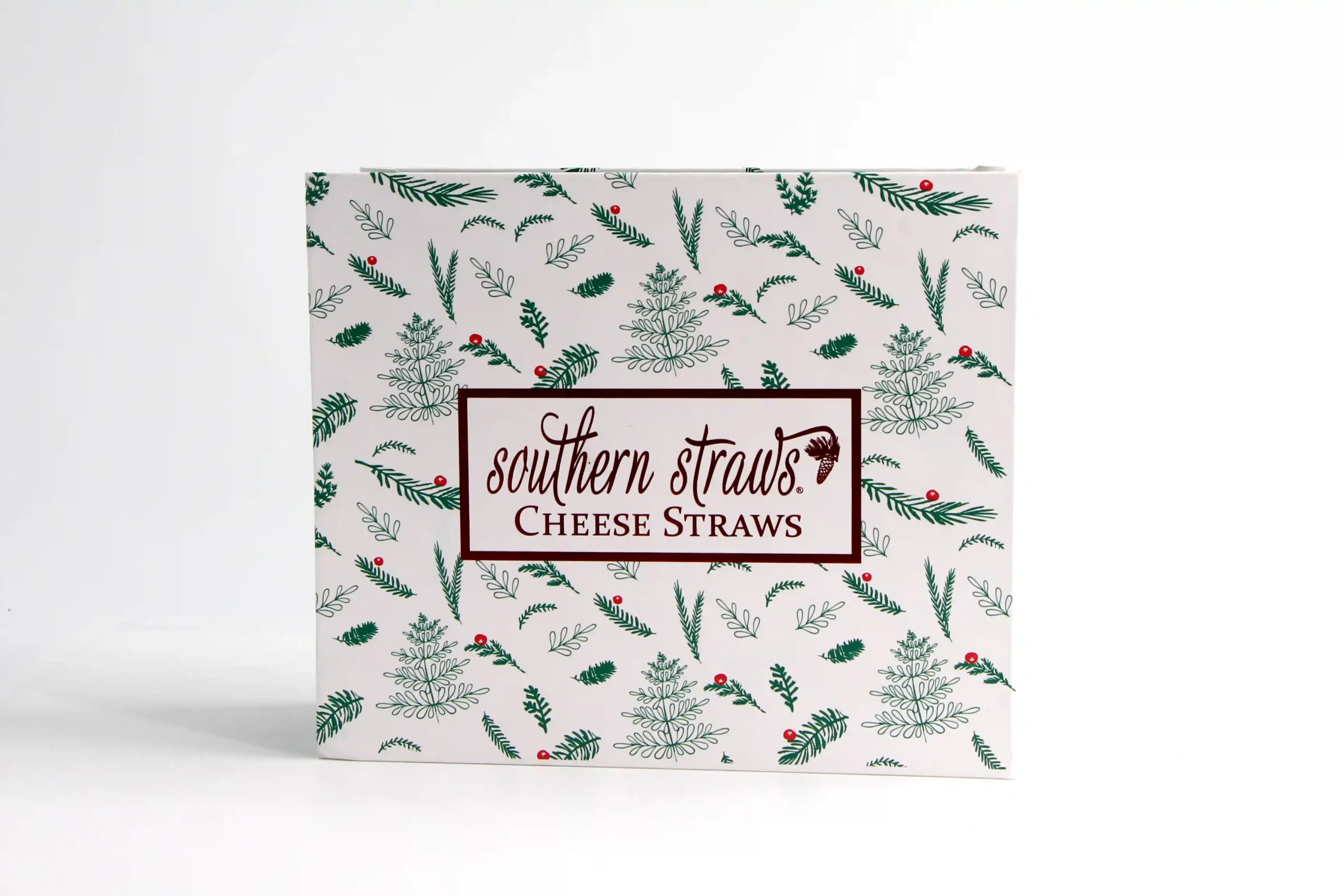
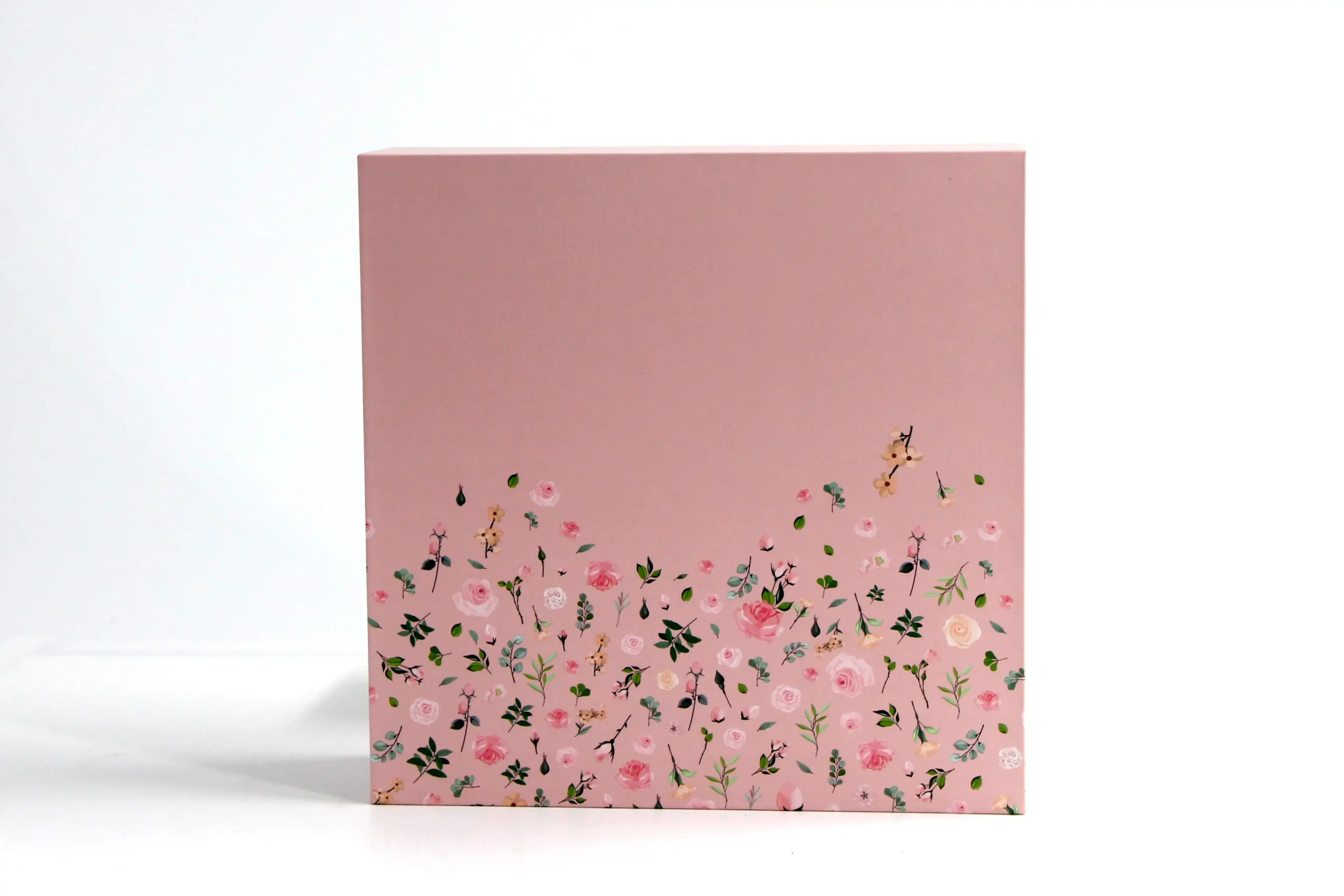
The common thread in 2026’s new sustainable packaging materials is simplification: fewer materials per pack, and materials that match the recycling stream they will end up in. For gift boxes, that usually means a fiber-based box, a fiber-based insert and as few mixed parts as possible. Our wider look at packaging trends for 2026 places these launches in context, and our packaging materials guide compares the board, paper and insert options in detail. For finished examples, see our sustainable packaging range, or send us your current spec and we will suggest where a lower-impact material fits.
FAQ
What are the most important new sustainable packaging materials in 2026?
Four notable launches are Pregis’s mono-material metallized PE film, Cove’s PB1 fiber bottles, DataLase’s label-replacing laser coating and Cortec’s upgraded compostable stretch film. Each removes a hard-to-recycle layer from a pack.
Is industrially compostable the same as home compostable?
No. Industrially compostable materials need the heat and conditions of a commercial composting facility. They should not be described as home compostable unless they hold a separate home composting certification.
Can fiber bottles replace plastic bottles for cosmetics?
For some products, yes. Cove reports first launches in cosmetics and personal care in 2026. Brands should test the barrier against their own formula and check the closure, which is often a separate material.
Which sustainable materials does Topvisio use in gift boxes?
Our standard eco materials are molded pulp inserts, FSC-certified or recycled board, water-based glue, soy ink and a water-based varnish that replaces film lamination. FSC board is supplied on request.
How do I check claims about new sustainable packaging materials?
Ask for the named certificate, the test method and the scale of testing, and confirm the end-of-life route exists in your target markets. Keep company claims labeled as such in your own marketing.
Can Topvisio sample a box with sustainable materials?
Yes. A sample is ready in 7 working days once the spec is signed off, and production starts at 1,000 units per design across our 14+ automated lines, backed by ISO 9001, ISO 14001 and SEDEX. Learn more at Topvisio Packaging.