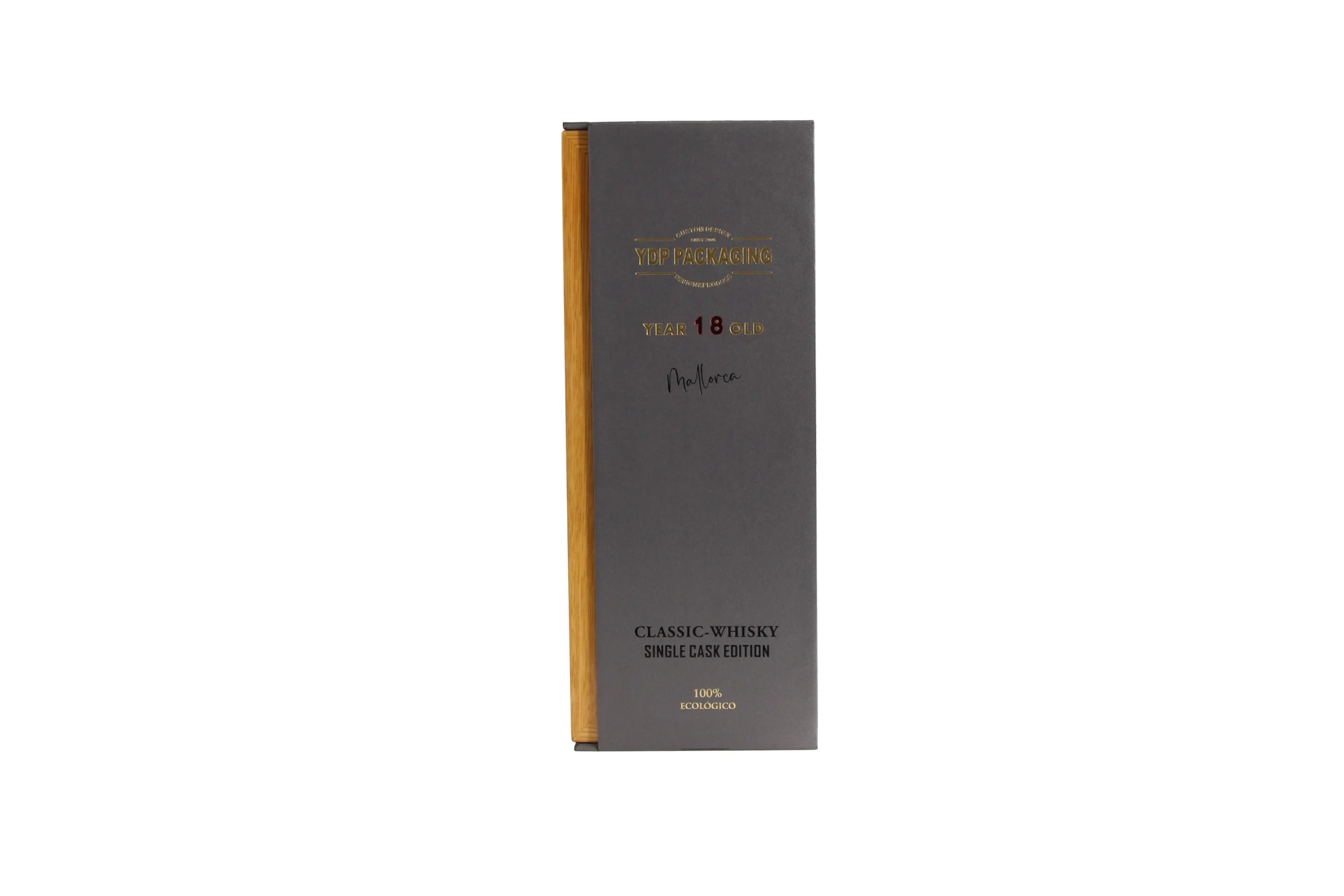
Ask three different suppliers for a 1200gsm greyboard quote and you can get three different boxes back. Not because anyone’s lying about the number, but because greyboard gsm alone doesn’t tell you everything a buyer actually needs to know before committing to a structure.
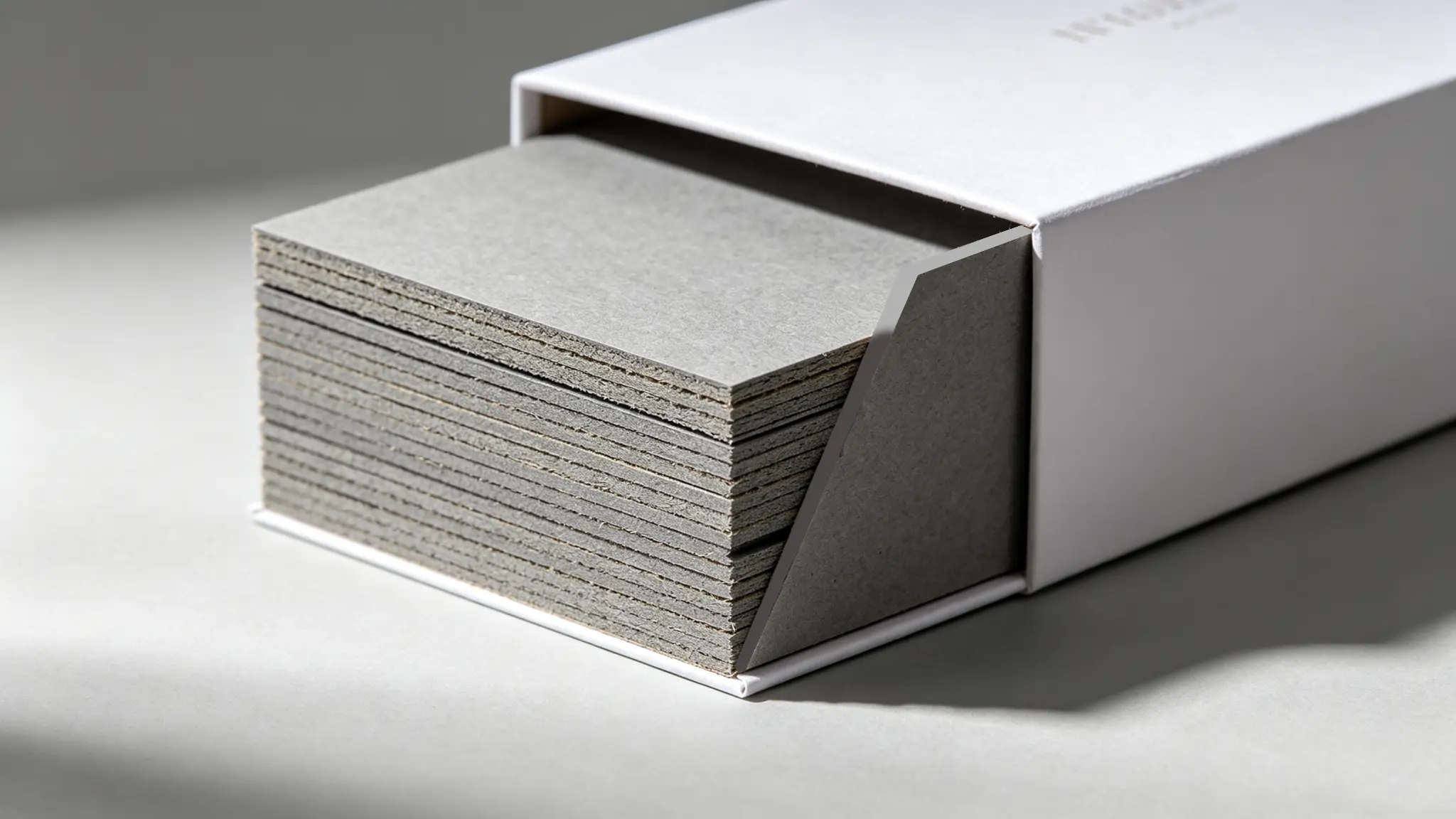
Greyboard is the skeleton underneath nearly every rigid gift box, and greyboard gsm is the single most-quoted spec in that conversation. Get the number right and a box holds its shape for years. Get it wrong and you end up with warped panels, sagging lids, or a structure that costs more than it needed to. This guide breaks greyboard gsm into three practical ranges, shows what each one is actually built for, and flags the mistake we see most often in early-stage specs.
What Greyboard GSM Actually Measures
Greyboard gsm, grams per square meter, measures the weight of the board per unit area, standardized under ISO 536. It’s a proxy for density and rigidity, not a direct measurement of thickness, which is a separate, related standard, ISO 534.
GSM vs Millimeters: Why They Don’t Always Match
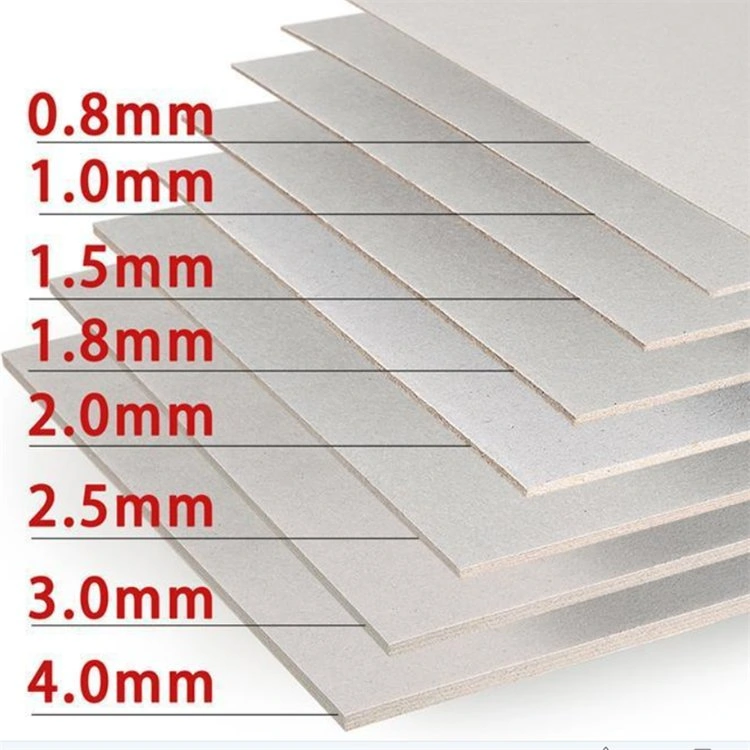
Buyers often think in millimeters — how thick does this feel — while suppliers quote greyboard gsm. The two are related but not interchangeable across manufacturers. A 1.5mm board from one mill and a 1.5mm board from another can carry different gsm figures, because density depends on the pulp mix and pressing process, not just physical thickness. If a supplier hands you an mm-to-gsm conversion chart, treat it as a starting reference, not a guaranteed spec, and ask for the actual test result on your specific order.
Three Practical GSM Ranges
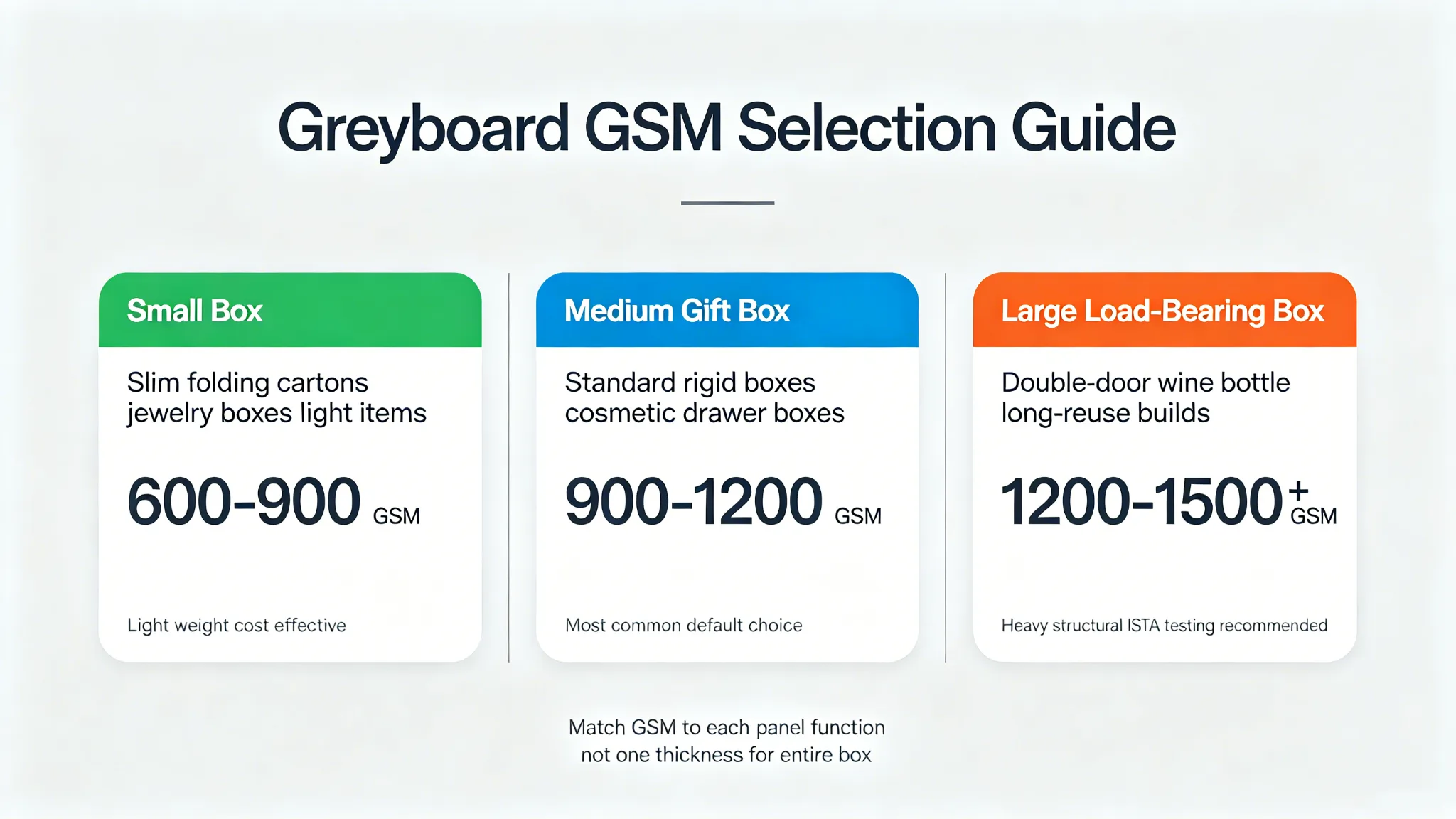
Range 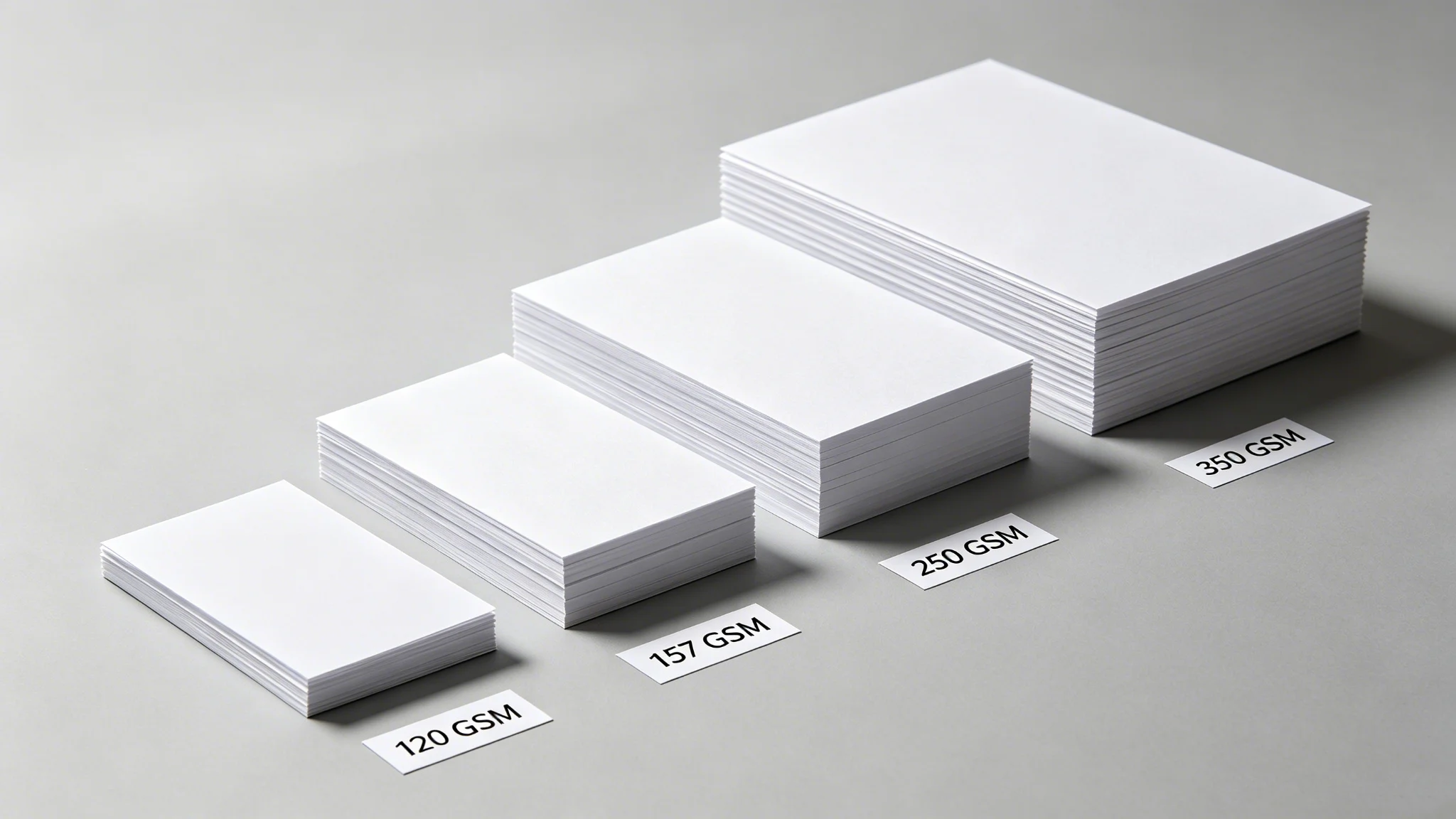 | GSM | Typical Use |
Light | 600–900 gsm | Slim folding cartons, small flat/light jewelry boxes |
Mid | 900–1,200 gsm | Standard rigid boxes, drawer-style presentation boxes |
Heavy | 1,200–1,500+ gsm | Double-door structures, bottle-holding boxes, long-reuse builds |
Light Range: 600–900 gsm
Suited to small, flat structures: slim folding cartons, light jewelry boxes, and anything that isn’t carrying meaningful weight or being opened and closed repeatedly. Going heavier here mostly adds cost and shipping weight without a real durability gain.
[H3] Mid Range: 900–1,200 gsm
This is where most standard rigid boxes and drawer structures sit. It’s the practical default for cosmetic boxes, mid-size rigid gift boxes, and drawer-style presentation boxes that need to hold their shape through normal retail handling and a single unboxing moment.
Heavy Range: 1,200–1,500+ gsm
Reserved for load-bearing and structurally demanding builds: double-door presentation boxes, boxes holding glass wine bottles, and anything designed for years of reuse rather than a single opening. This is also the weight class where ISTA transit testing becomes worth running before committing to full production, since heavier products in this range are the ones most likely to reveal a structural weak point during shipping.
The Common Mistake: One GSM for Every Panel
The single most common spec error we see is using the same greyboard gsm across an entire box, structural panels and purely decorative ones alike. A box’s structural shell — the part actually holding weight and shape — often needs a heavier board than a decorative flap or an inner lid panel that carries no load. Specifying heavy board everywhere adds unnecessary cost and weight without improving the parts of the box that actually need reinforcement. Ask your supplier to break out gsm by panel, not just quote a single number for the whole structure.
Cost Implications of Greyboard GSM
Board weight is usually the biggest lever in a packaging quote before printing and finish are even factored in. Moving from 900gsm to 1200gsm across an entire structure can meaningfully shift unit cost and shipping weight, especially at volume. This is exactly why the panel-by-panel approach above matters financially, not just structurally: paying for heavier board only where it’s structurally justified is one of the more effective ways to control cost without visibly downgrading the box.
Quality Control: Verifying GSM Before Production
A spec on paper is only useful if what actually ships matches it.
Tolerance Ranges
Greyboard gsm can vary slightly between production runs, even from the same supplier. Ask what tolerance range they hold on a specific spec, and whether that tolerance is tighter for large orders than for small ones. On tall or load-bearing structures, even a small variance can be the difference between panels that assemble cleanly and panels that don’t.
Requesting Test Reports
For orders where structural performance really matters, ask for a gsm test report on the actual production batch, not just the supplier’s stated spec sheet. This is a small ask that catches problems before a container full of boxes arrives with a structural issue.
What to Know Before You Request a Quote
A few production basics apply regardless of which greyboard gsm range you land on.
Minimum Order Quantity
1,000 units per SKU is standard across our product range.
Sample Lead Time
7 days from confirmed spec to sample in hand.
Production Lead Time
30 to 45 days, depending on material complexity and finish.
Master Carton and Shipping Unit
Heavier board specs reduce how many units fit in a single master carton, which changes your per-unit freight cost. Confirm master carton count alongside any gsm upgrade, not after the quote is finalized.
FAQ
What gsm is standard for a rigid gift box?
Most standard rigid boxes use 900 to 1,200gsm greyboard. Lighter structures can go as low as 600gsm, and load-bearing or double-door structures often move into the 1,200 to 1,500gsm range or higher.
Is higher greyboard gsm always better?
No. Extra weight adds cost, shipping weight, and reduces master carton counts without improving performance on parts of the box that aren’t carrying load. Match the spec to what each panel actually needs to do.
Can different gsm boards be used in the same box?
Yes, and for cost-conscious specs, it’s usually the right approach. Structural panels can carry a heavier board while decorative or non-load-bearing panels use a lighter one.
How do I verify the greyboard gsm I’m being quoted is what actually ships?
Ask for a test report on the production batch itself, not just the spec sheet, and confirm the tolerance range your supplier holds on that figure.
What’s the minimum order quantity for a custom greyboard gsm spec?
1,000 units per SKU is standard. Sampling takes about 7 days, full production 30 to 45 days after that.
Where can I learn more about packaging materials beyond greyboard gsm?
See our Packaging Materials Guide for the full picture across structural, surface, functional, and finish materials.