A chocolate box manufacturer works under a constraint most gift-packaging suppliers don’t have to think about: anything touching the product directly needs to be food-safe, not just visually appealing. The confectionery industry itself is a large one — the U.S. National Confectioners Association puts the domestic confectionery market at roughly $54 billion in retail sales, per CandyUSA, the association’s public-facing site — and packaging is a meaningful part of what differentiates a premium box of chocolates from a supermarket bag.
This guide covers what separates a capable chocolate box manufacturer from one that will cause compliance or fit problems later — structure types, food-contact materials, certification requirements, and the questions worth asking before a first order.
What Makes Chocolate Packaging Different
Any tray, insert, or window film in direct contact with chocolate needs to meet food-contact material standards — typically FDA or LFGB compliance depending on the target market — which is a narrower materials list than general gift packaging. A chocolate box manufacturer working in this category needs to source pulp, plastic blister, or PET window film specifically rated for food contact, not just cosmetically similar material.
Cavity count and spacing also matter more here than in most packaging categories, since a tray built for 12 pieces at one size won’t automatically work for 24 pieces at a different size — a chocolate box manufacturer quoting a new piece count should treat it as a new tray, not a simple resize.
Common Chocolate Box Structures
Most chocolate box manufacturer catalogs are built around a handful of recurring formats.
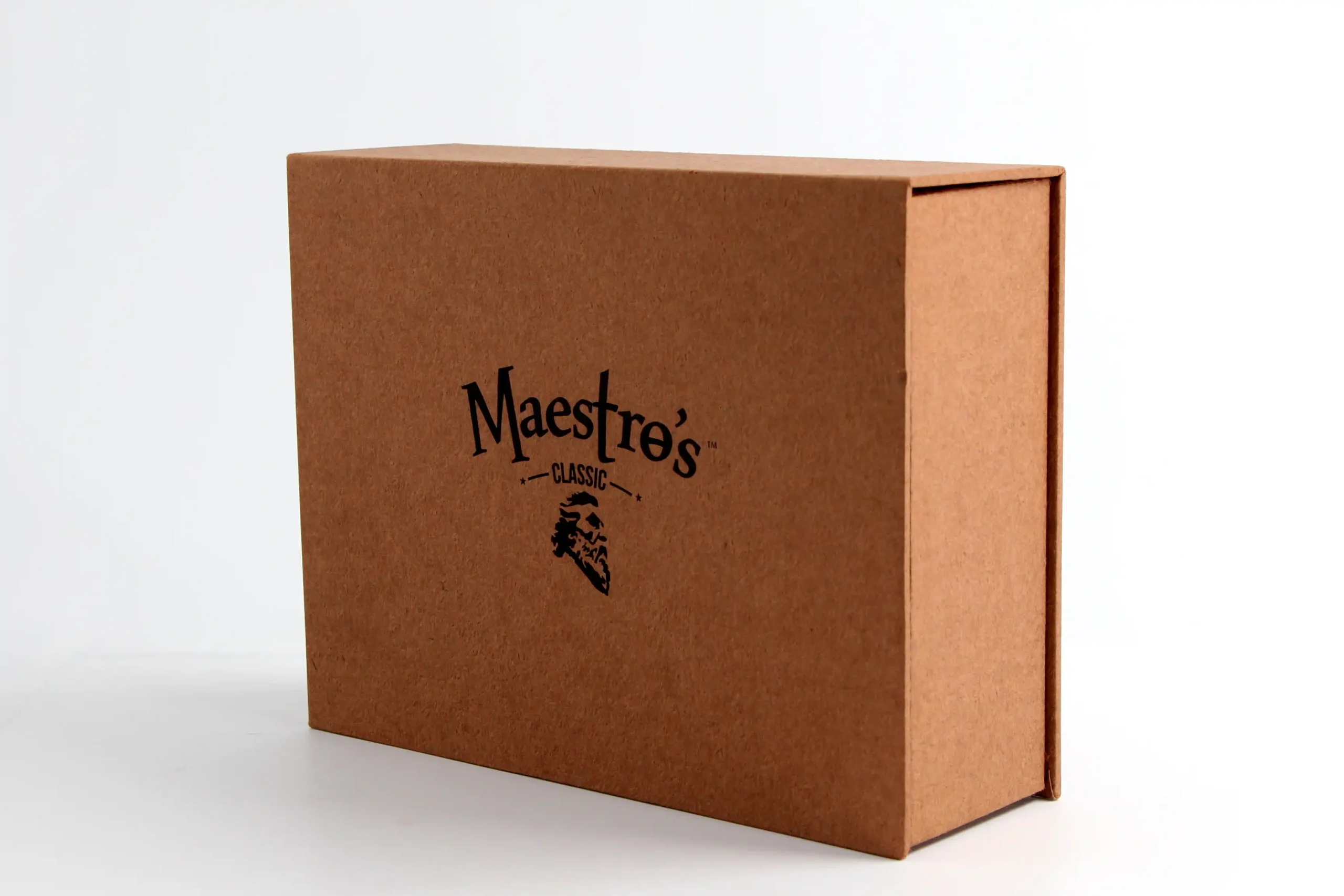
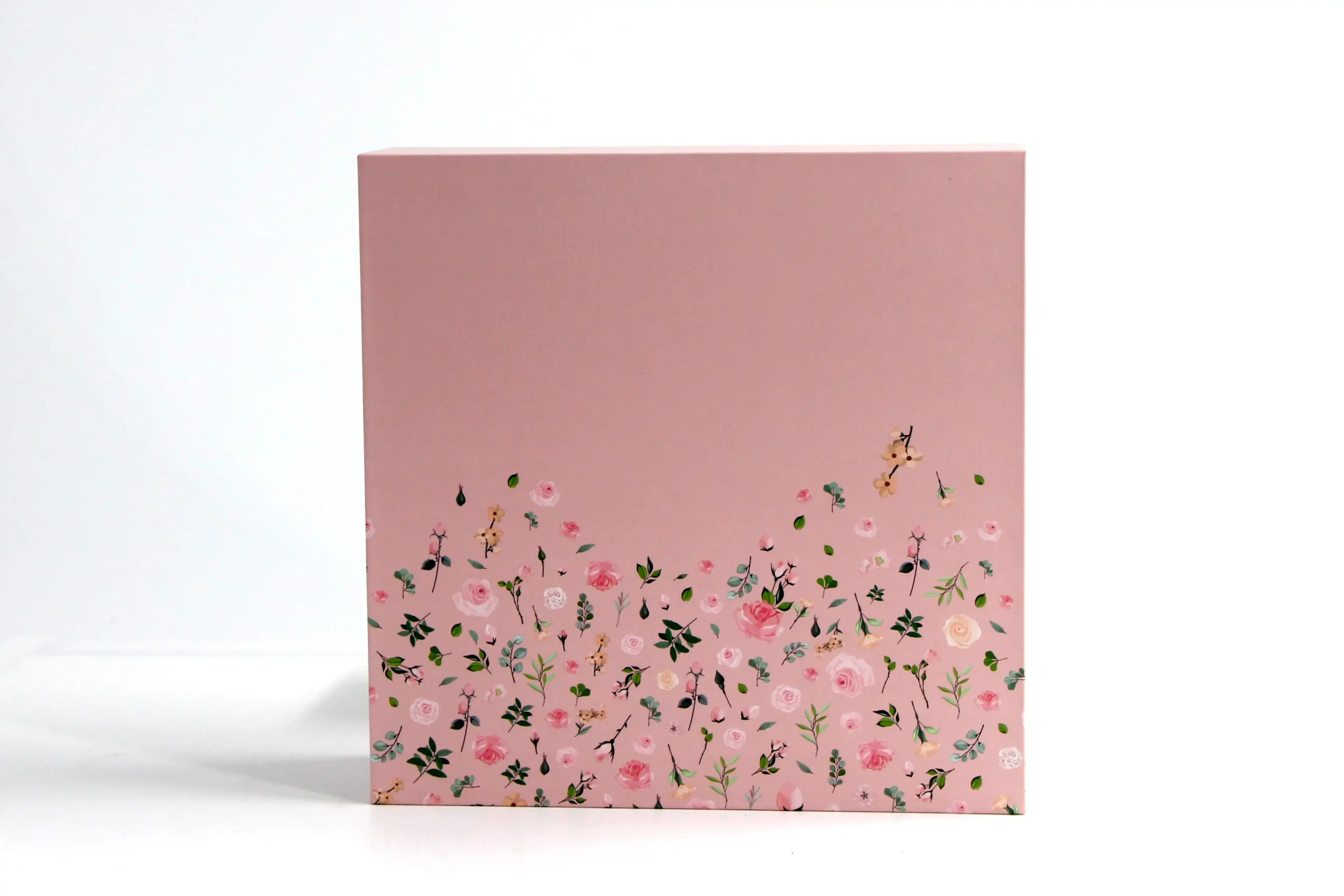
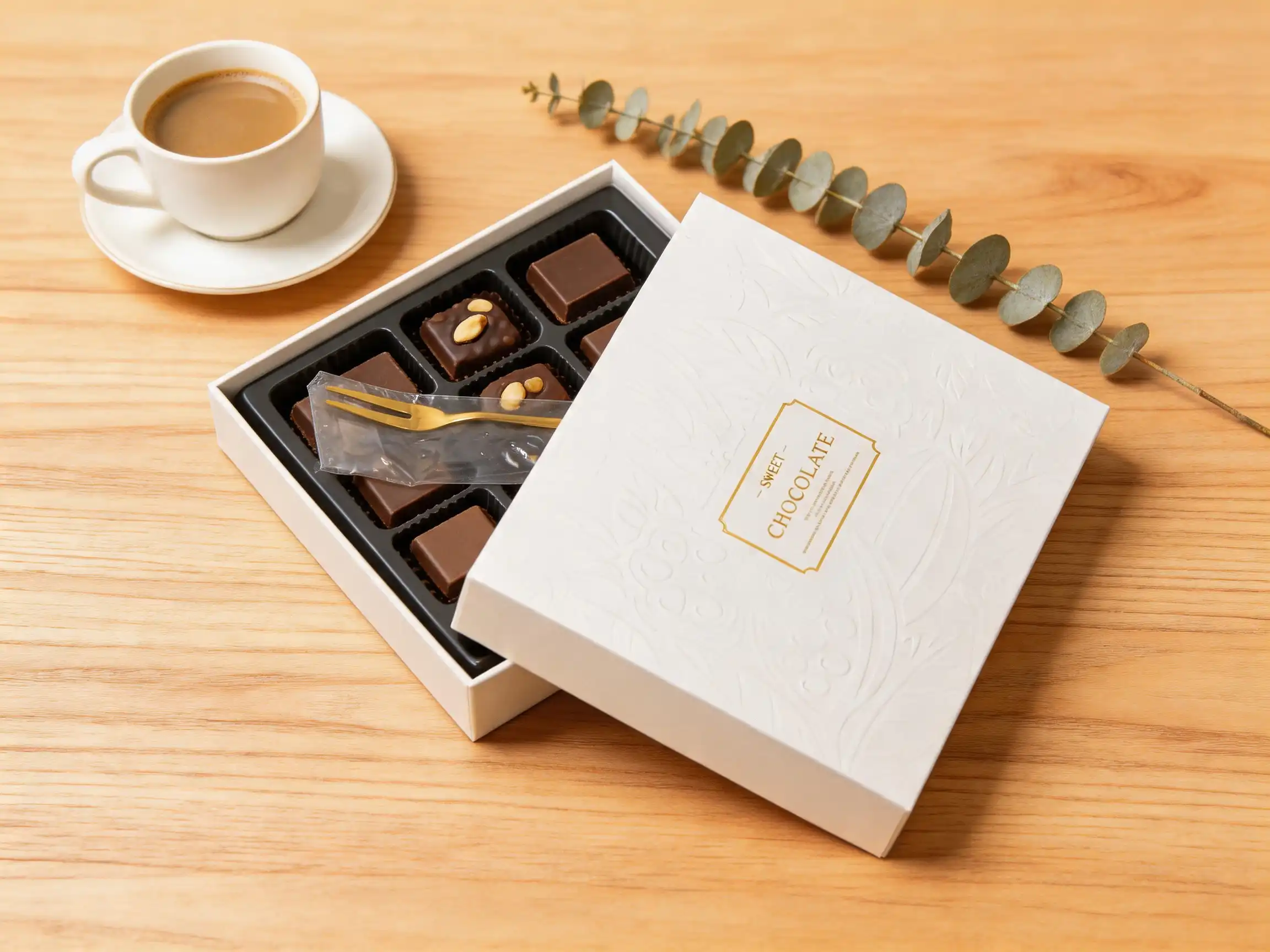
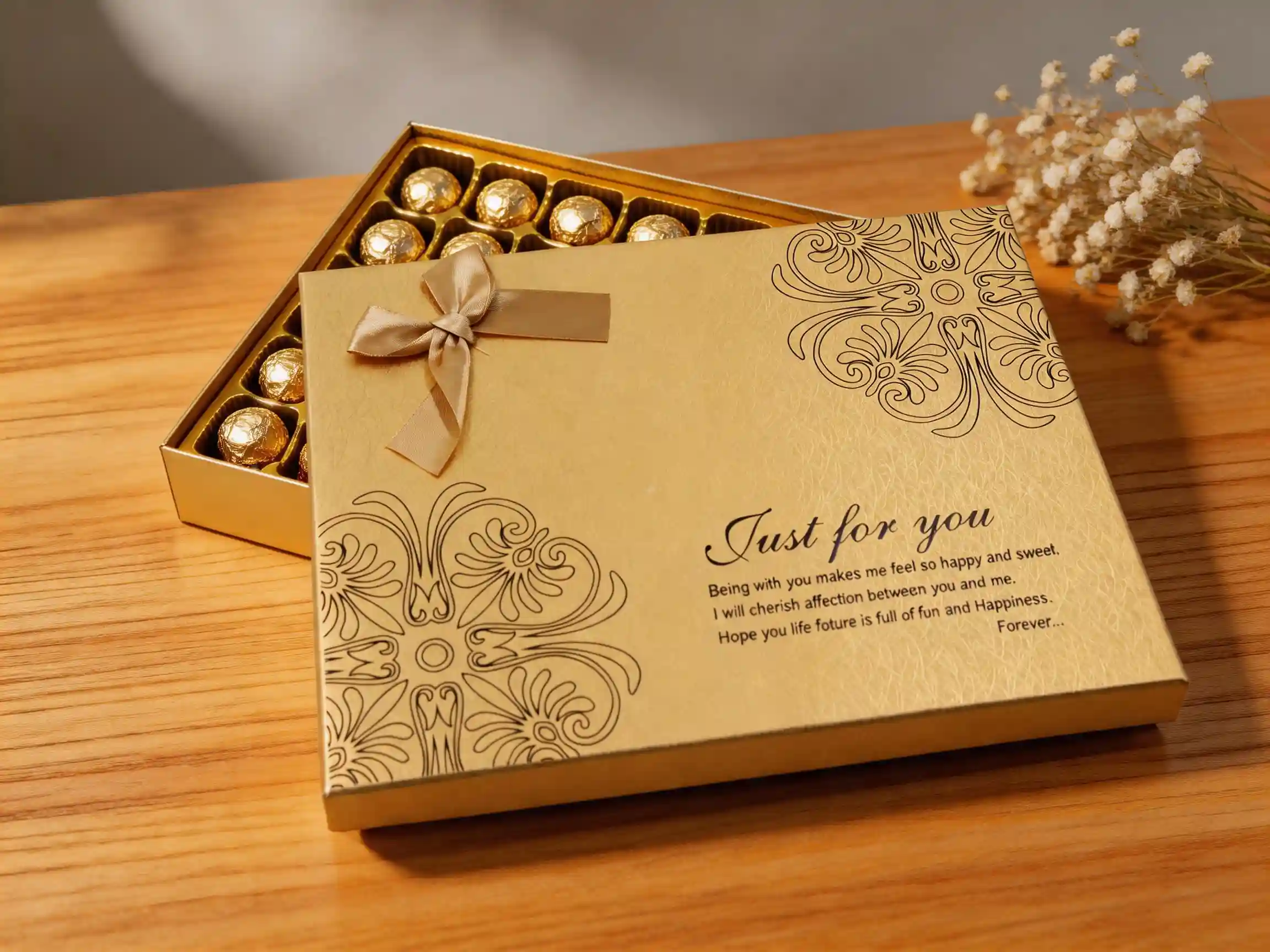
Simple lid-and-base boxes. A flat box with a fitted pulp or blister tray, sized for a specific piece count. Our chocolate box and custom chocolate box lines cover the standard range.
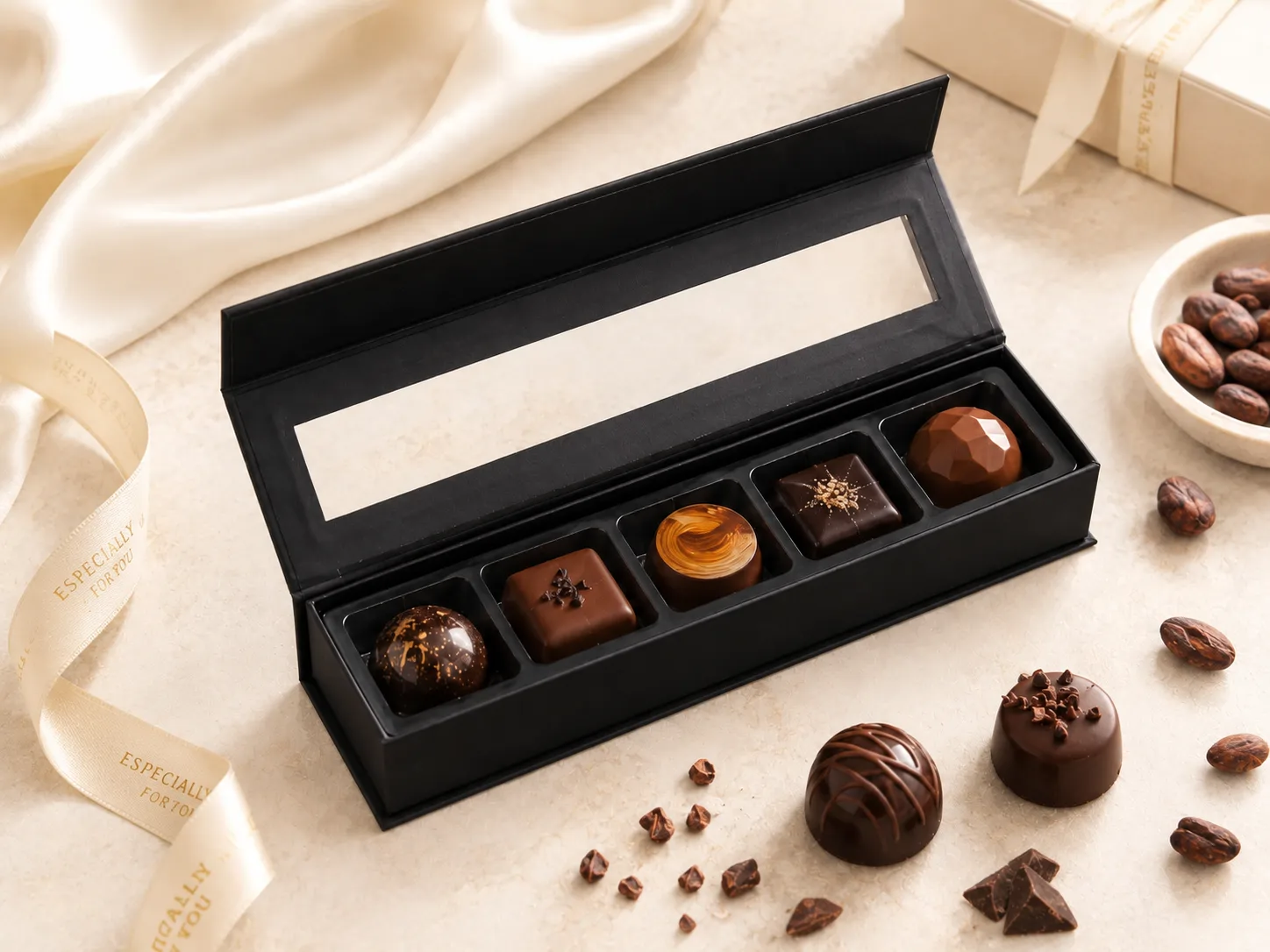
Magnetic closure boxes. A flip-top structure with a window cut into the lid so the chocolates are visible before opening. See our magnetic closure box structure for reference.
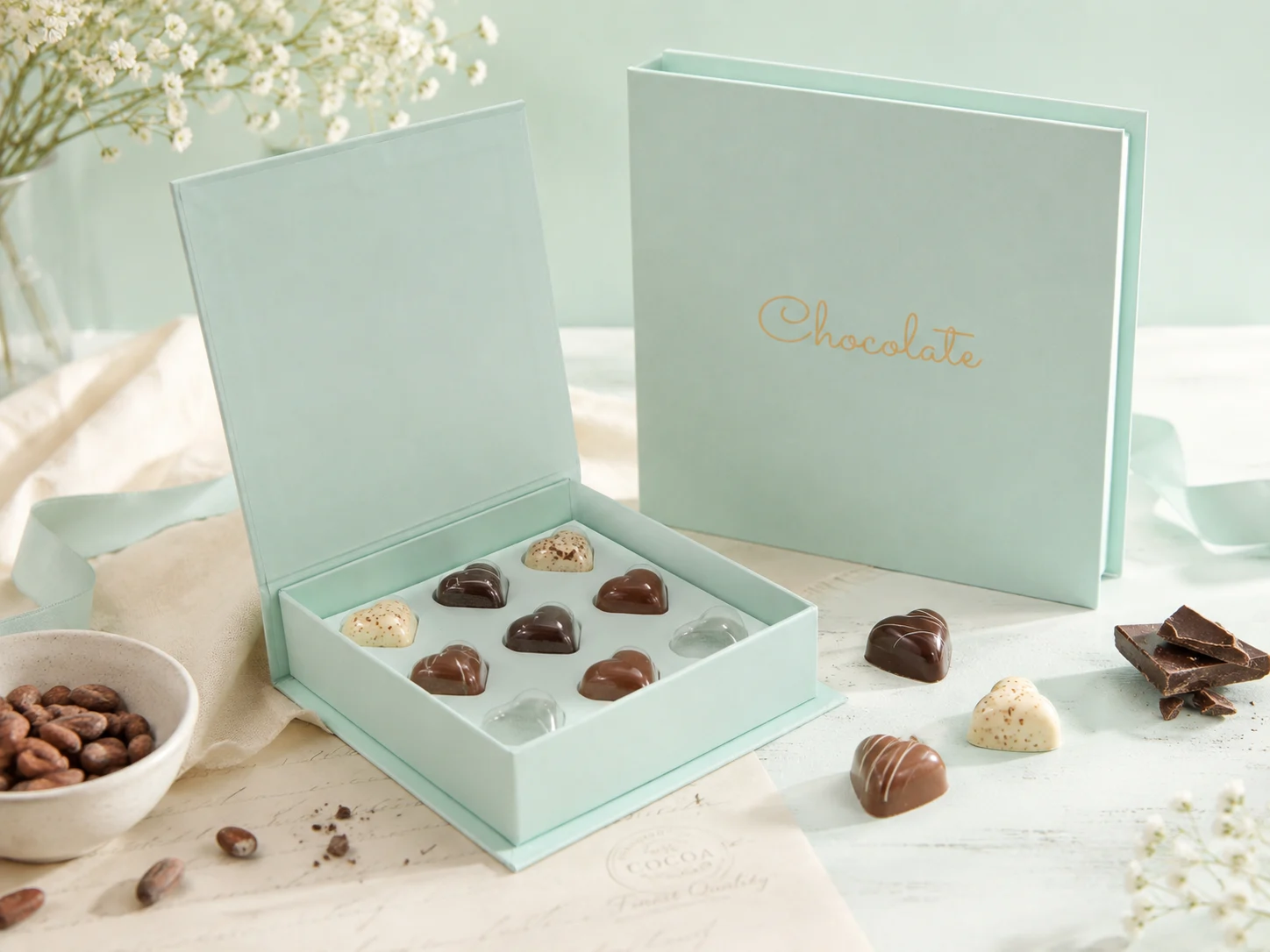
Luxury multi-layer boxes. Larger sets with a fabric-wrapped or foil-stamped exterior and a fitted interior tray, often for gifting occasions. Our luxury chocolate box range sits in this category.
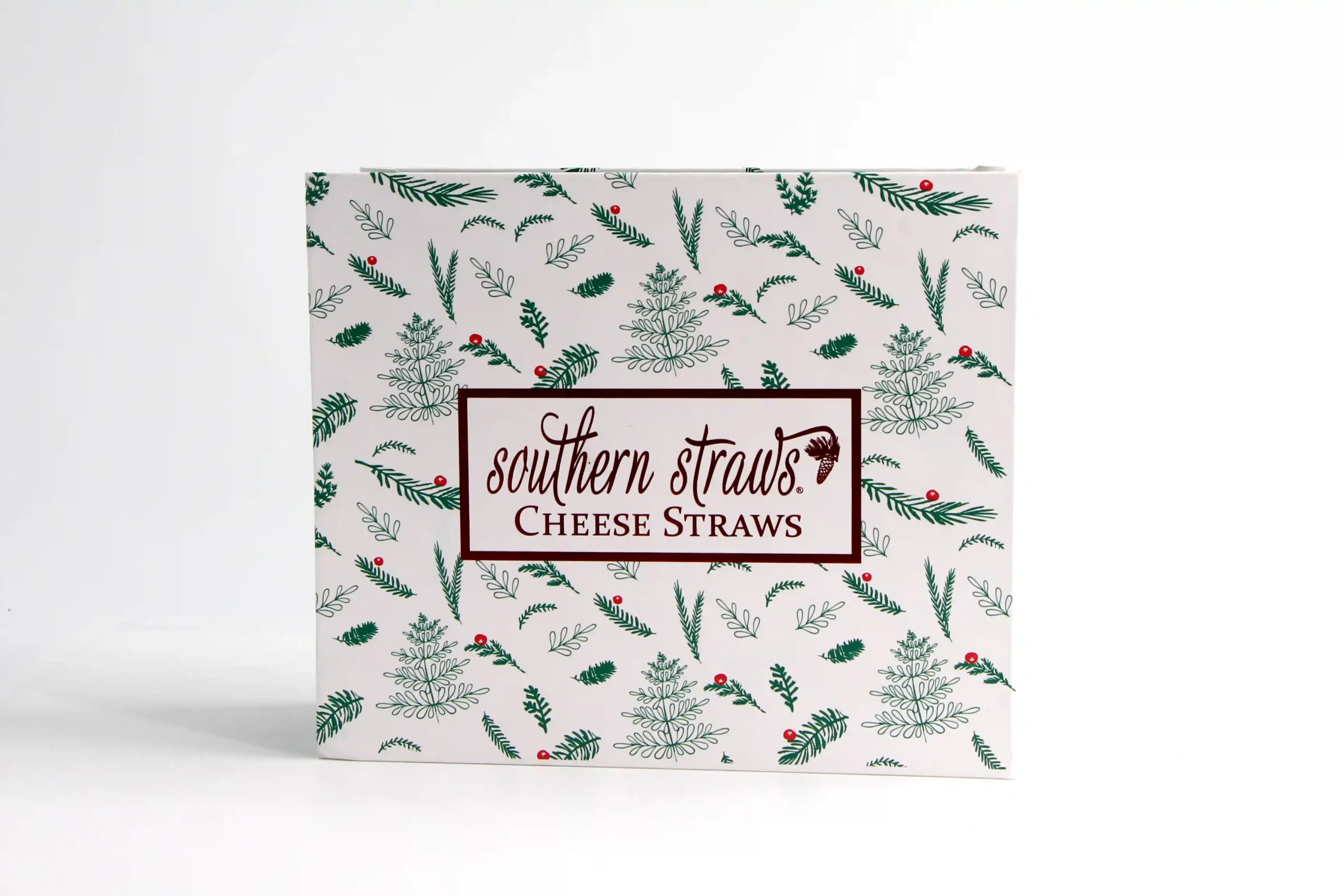
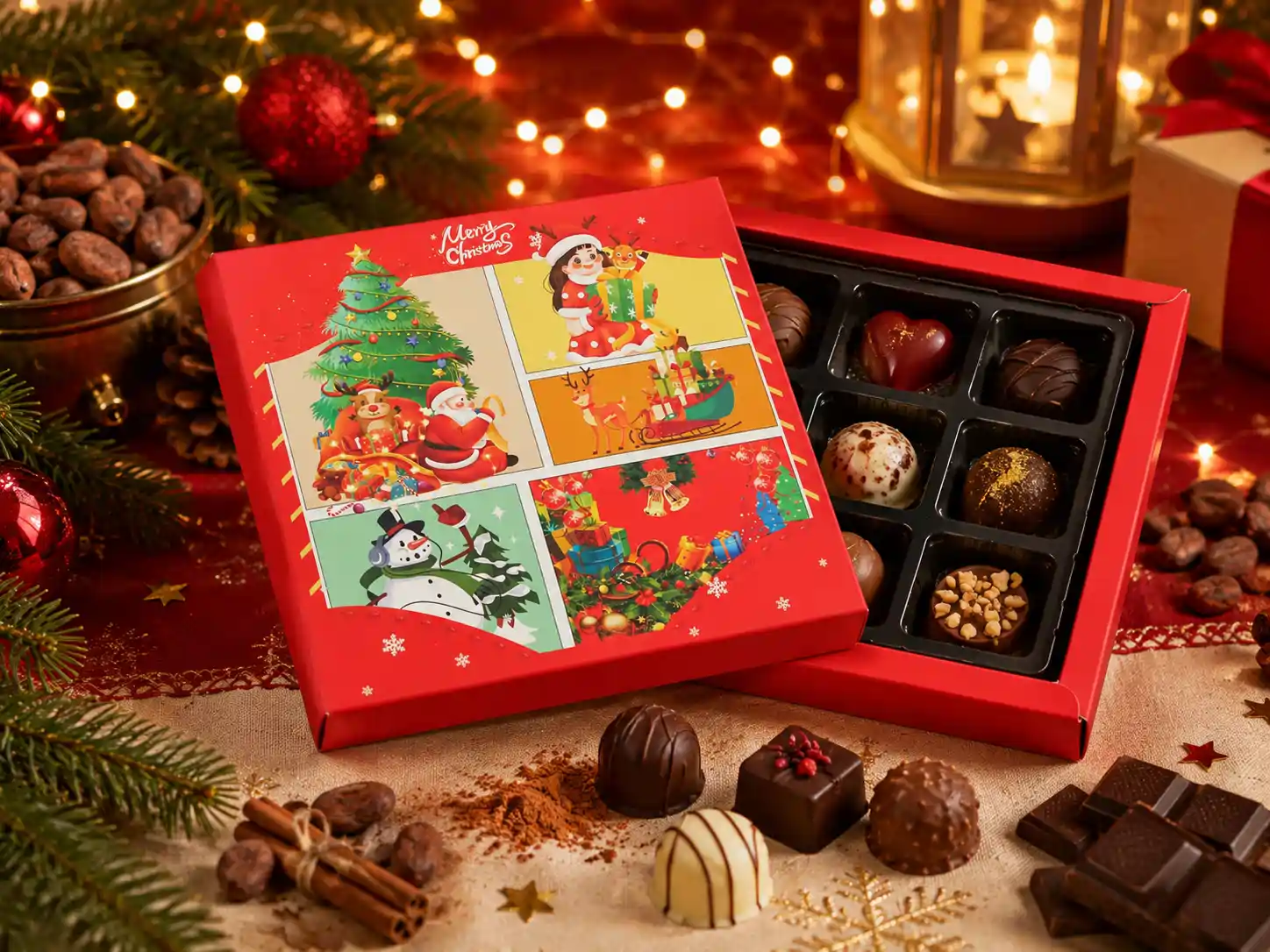
Seasonal and hamper-style boxes. Structures built around a specific holiday or gifting occasion, sometimes with a printed sleeve or decorative frame. Our seasonal hamper box and holiday chocolate gift box lines are built around this format.
Materials and Finishing Options
The outer shell of most chocolate boxes is coated art paper wrapped over greyboard, typically in the 800-1,200 gsm range for standard sets. Finishing choices — foil stamping, embossing, spot UV on a logo panel — follow the same options common across premium gift packaging, but the food-contact tray inside is where a chocolate box manufacturer’s material sourcing actually gets tested.
For confectionery brands running multiple SKUs across a single holiday launch, standardizing on one or two base structures — swapping only the tray cavity count between them — tends to simplify both quoting and quality control compared with commissioning a fully unique structure for every SKU in the range.
For buyers weighing recyclability against protection performance for the tray specifically, the Sustainable Packaging Coalition publishes independent guidance on food-contact-compatible material choices worth reviewing before finalizing a structure.
Certifications Worth Asking About
A chocolate box manufacturer selling into food retail should be able to provide food-contact material documentation for the tray or insert specifically — FDA compliance for the US market, LFGB for the EU market — not just general packaging certifications. FSC chain-of-custody certification matters for the outer paper and board whenever sourcing claims appear on the box; see FSC International for how chain-of-custody documentation works. PPWR compliance, ISO 9001, ISO 14001, and SEDEX audit standing round out the certification stack most retail buyers now expect on file.
Production Timelines and MOQs
A reasonable range to expect from a capable chocolate box manufacturer is a physical sample within 7 days of design confirmation, and bulk production of 25-40 business days depending on order volume and tray complexity. Minimum order quantities for fully custom structures typically start around 1,000 units, though a new tray cavity layout adds tooling time worth planning around before committing to a launch date.
Brands changing piece count or chocolate shape for the first time should budget extra time specifically for tray sampling, since a cavity fitted to the wrong shape is one of the more common causes of pieces shifting or touching during transit.
Packaging and Shipping the Finished Boxes
How a chocolate box manufacturer packs finished, empty boxes for shipment to your facility also affects unit cost and damage risk before any chocolate goes inside. Flat-packed boxes ship more efficiently by volume, though structures with a pre-fitted tray are sometimes shipped semi-assembled to avoid a separate fitting step once they arrive.
Brands ordering ahead of a major gifting season across multiple regions should ask whether a chocolate box manufacturer can coordinate packing lists and food-contact compliance documentation across shipment batches, which matters more here than in most packaging categories given how many retail buyers now require that documentation before a seasonal listing is approved.
Private Label vs. Fully Custom Tooling
Some chocolate box manufacturer catalogs offer semi-custom tray tooling — a cavity layout that fits a range of common piece sizes, with only the outer print customized per brand. This is faster and cheaper than fully custom tooling and works well for a smaller confectionery brand testing a new SKU before committing to piece-specific tooling.
Fully custom tooling, built around one exact piece shape and count, gives the cleanest presentation but comes with a tooling cost and a longer first-sample timeline. A chocolate box manufacturer should be able to explain clearly which category a given quote falls into.
Questions Worth Asking Before You Order
A few questions tend to separate a chocolate box manufacturer worth working with from one that will cause problems later. Can the tray material’s food-contact certification be provided as documentation, not just claimed verbally? Has this exact piece count and cavity layout been produced before, or does it require new tooling? What is the realistic sample lead time? And is production run in-house, or subcontracted without direct quality oversight?
Topvisio Packaging runs 14+ automated production lines alongside dedicated hand-assembly stations for tray-fitted structures like chocolate and confectionery boxes, with FSC certification available on request alongside PPWR compliance, ISO 9001, ISO 14001, and SEDEX audit standing. You can read more on our About Us page, browse our full product range, or check FSC-certified packaging options for available material grades.
Seasonal Demand and Planning Ahead
Chocolate packaging demand is heavily seasonal — Valentine’s Day, Mother’s Day, Eid, and the year-end holiday period drive a large share of annual orders for most chocolate box manufacturer clients. Booking production slots several months ahead of a major gifting season is standard practice, since factory capacity tightens industry-wide in the run-up to these dates rather than being specific to any one supplier.
A chocolate box manufacturer that has already tooled a given tray size can usually turn around a new seasonal print faster than a first-time structure, since only the artwork and outer paper need revalidation rather than the food-contact tray itself.
Brands testing a new seasonal SKU for the first time should treat the lead times above as a floor, not a target, particularly if the piece count or tray shape is new rather than a reprint of an existing structure.
Buyers testing a new piece count or box size for the first time are welcome to request a filled sample rather than an empty one, since tray fit and lid clearance are easier to judge with actual chocolates seated than from a technical drawing alone.
Frequently Asked Questions
What’s the difference between a chocolate box manufacturer and a general packaging supplier?
A chocolate box manufacturer sources food-contact-certified materials for the tray or insert and has cavity-tooling experience specific to confectionery shapes and counts. A general packaging supplier may produce a similar-looking box without the same food-contact material sourcing.
Do chocolate box trays need special certification?
Yes. Any tray, blister, or window film touching the chocolate directly needs food-contact certification — typically FDA for the US market or LFGB for the EU market — separate from the general packaging certifications on the outer box.
How long does it take to get a sample from a chocolate box manufacturer?
A reasonable expectation is 7 days after design confirmation. A new tray cavity layout may take longer for the first full sample.
What is the minimum order quantity for a custom chocolate box?
MOQs for fully custom structures typically start around 1,000 units, though new cavity tooling adds lead time worth planning around.
Is FSC certification available for chocolate boxes?
Yes, for the outer paper and board. Most chocolate box manufacturers can offer FSC-certified material on request even when it isn’t the default for a given structure.
Request a Custom Sample
Share your product dimensions, quantity, target market, and reference images. Our chocolate box manufacturer team will recommend the structure, materials, inserts, and finishes, with a real-material sample normally ready within 7 days.