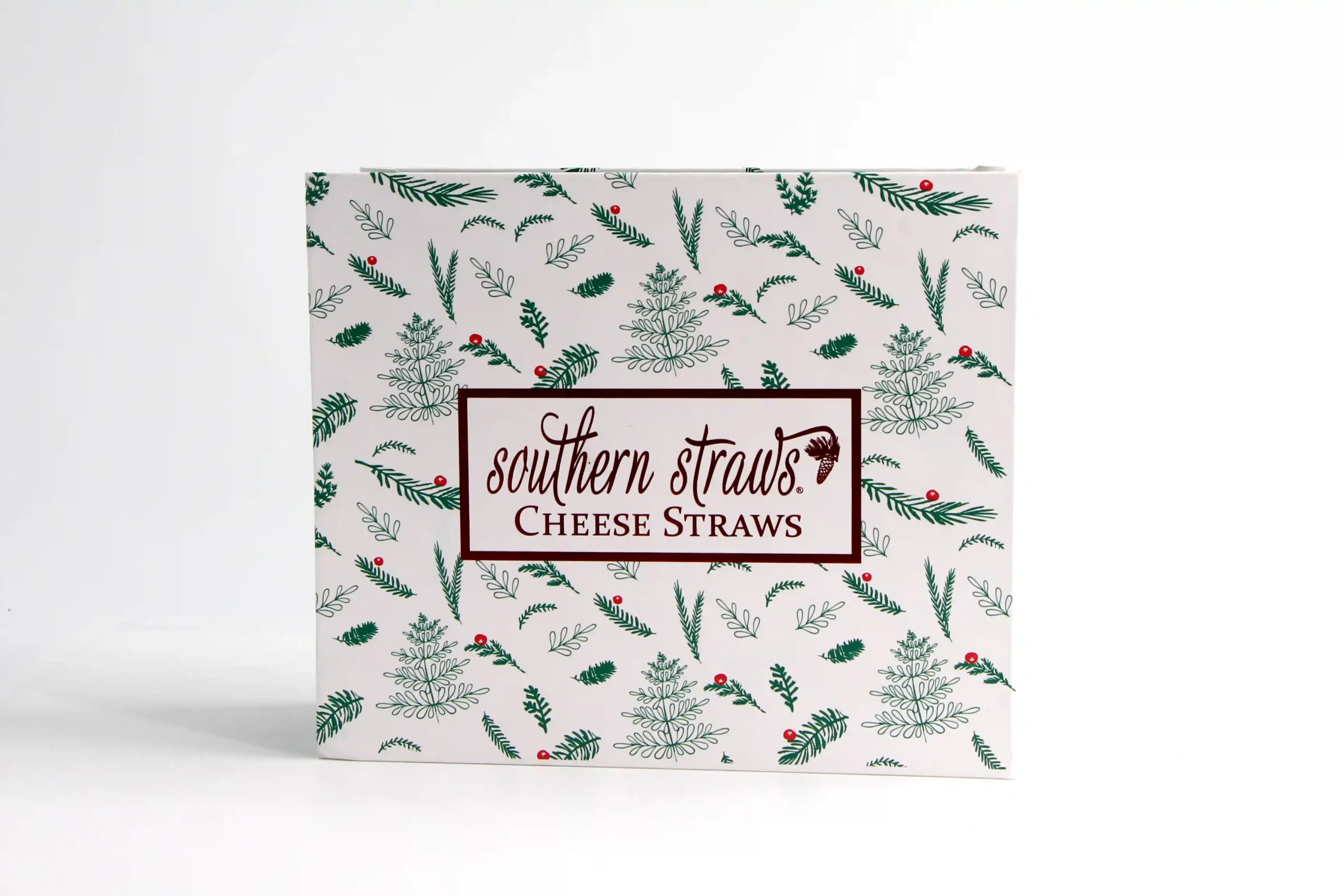
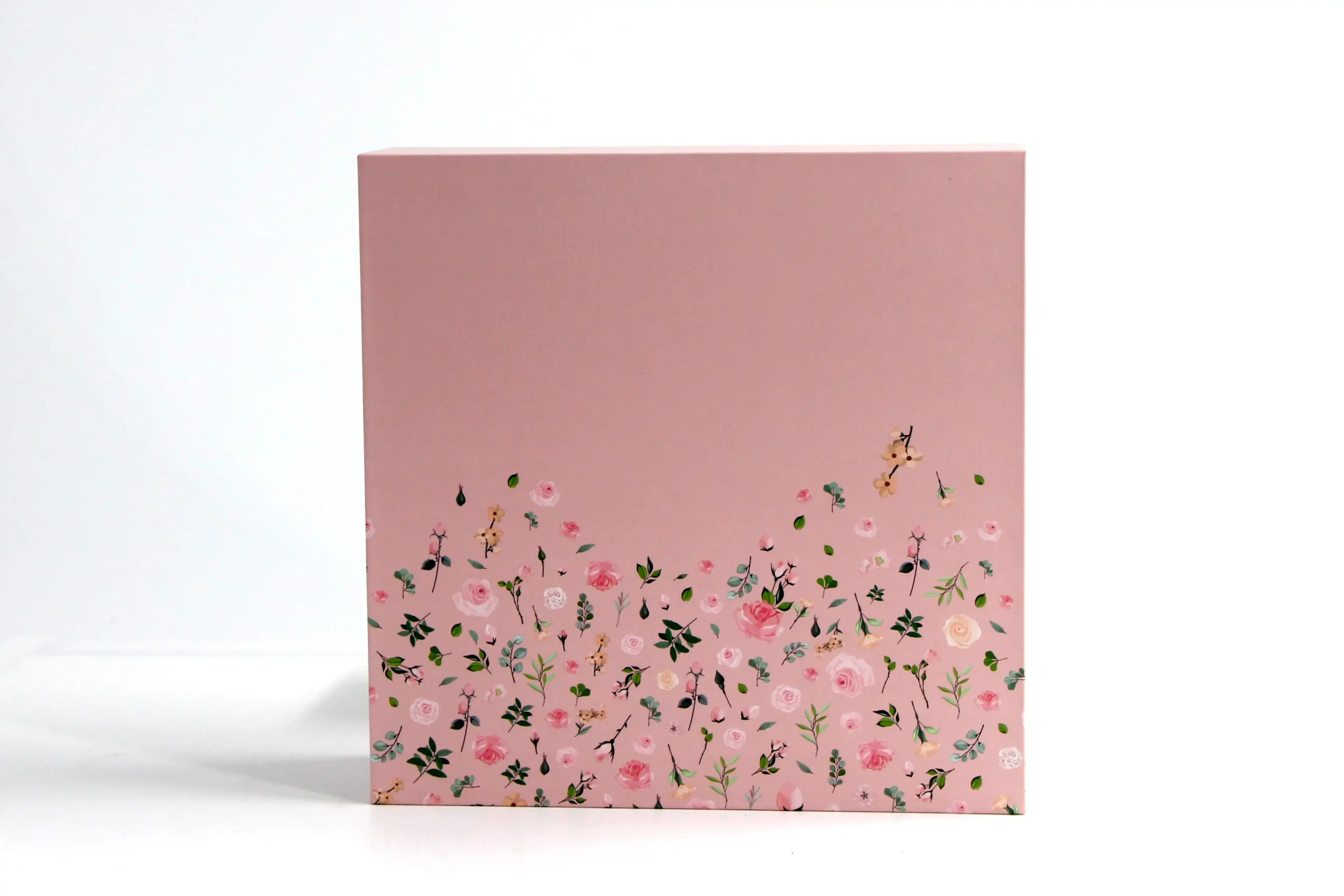
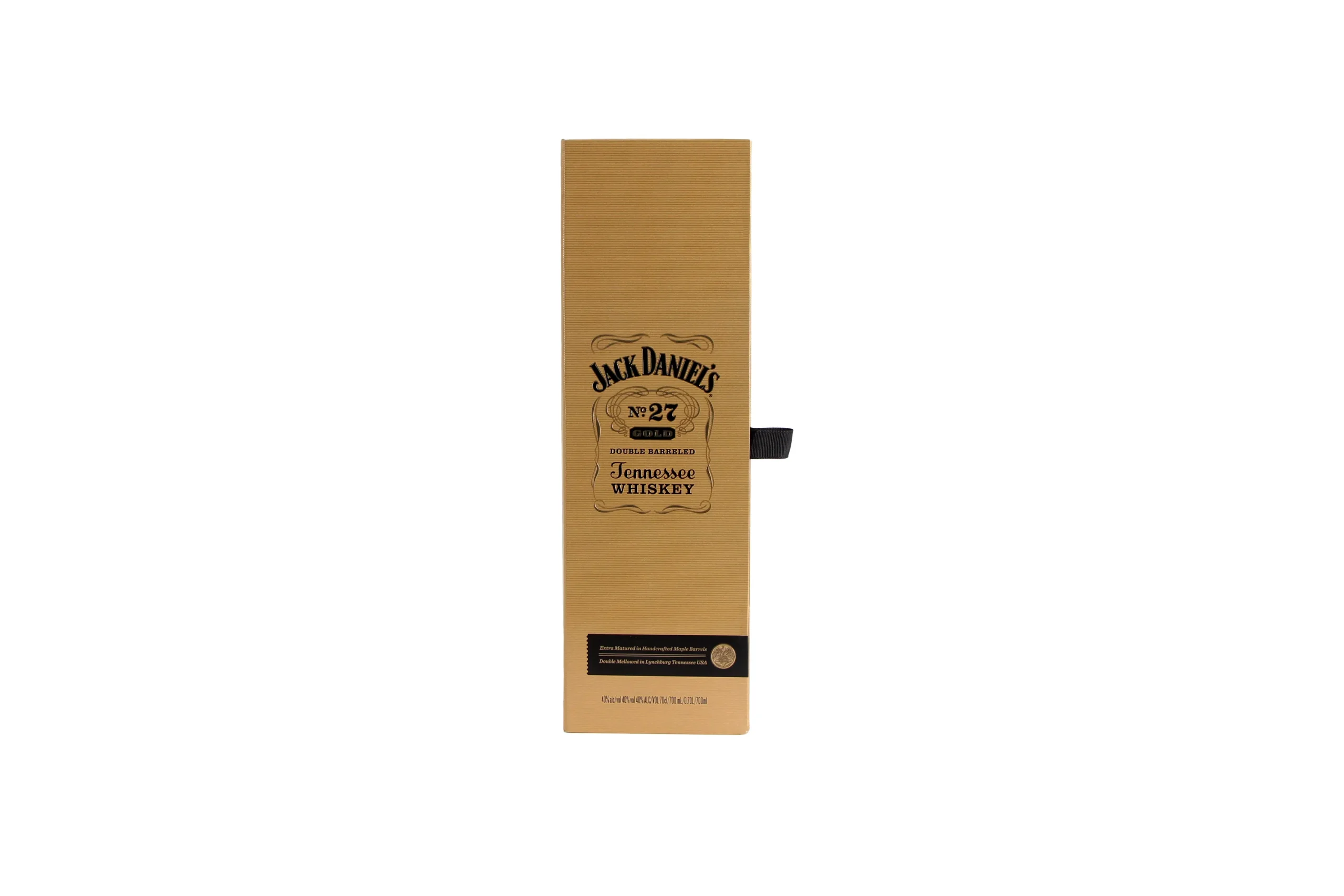
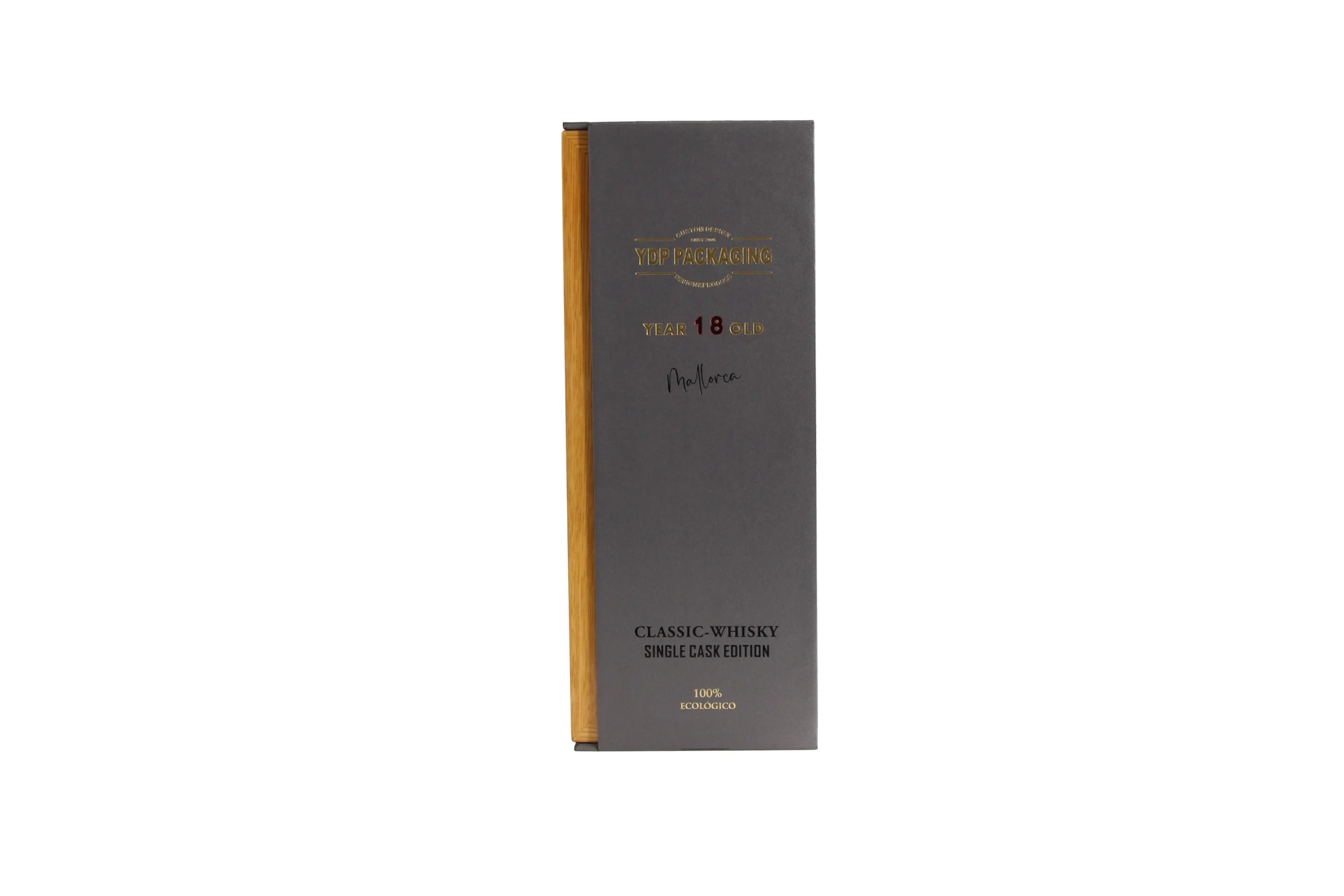
Learning how to make a wine gift box starts with bottle dimensions, structural strength, insert fit, closure choice, and realistic transit testing.
In short: a wine gift box needs a greyboard core around 1,200-1,800 gsm, a precisely fitted foam or pulp insert that holds the bottle at the neck and base, and a closure — magnetic, hinged, or lift-off — chosen for how much protection versus presentation the product needs. Get the insert wrong and the bottle moves in transit; get the closure wrong and the box either feels cheap or costs more than the product justifies.
How to make a wine gift box comes down to solving one problem well: holding a heavy, breakable bottle securely while presenting it like a gift rather than a shipping container. Whether you’re a winery packaging a direct-to-consumer order or a brand sourcing a production run for custom wine box packaging, the same core decisions apply — insert design, board weight, and closure type — before finish and branding even enter the picture.
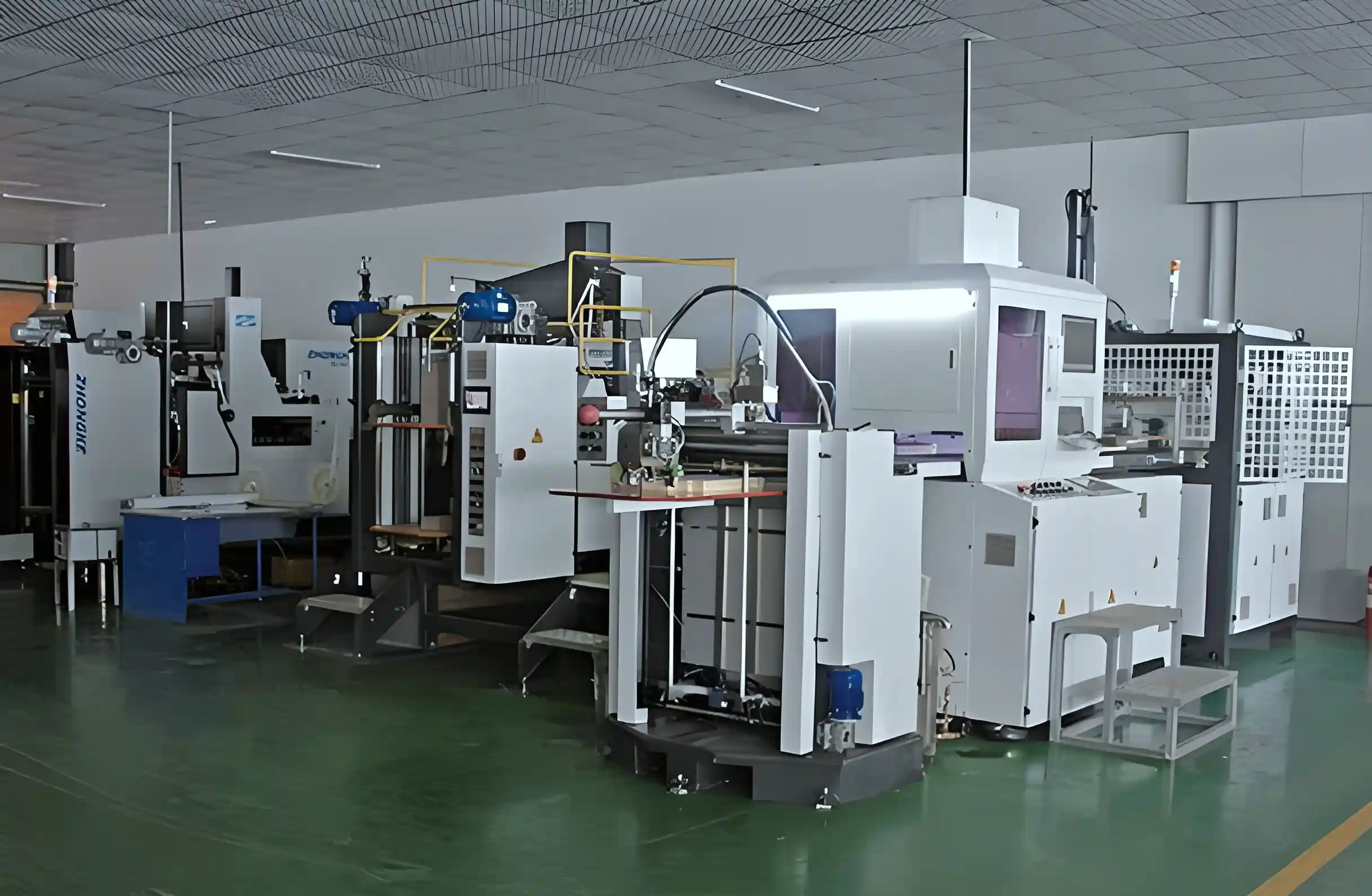
Topvisio Packaging produces wine gift boxes out of Dongguan, Guangdong, running 14+ automated production lines alongside dedicated hand-assembly stations for bottle-fitted structures. FSC certification is available on request, alongside PPWR compliance, ISO 9001, ISO 14001, and SEDEX audit standing. If you’re comparing manufacturers rather than making a single box by hand, our guide on choosing a wine box supplier covers that sourcing decision in more depth.
Step 1: Choose the Outer Structure
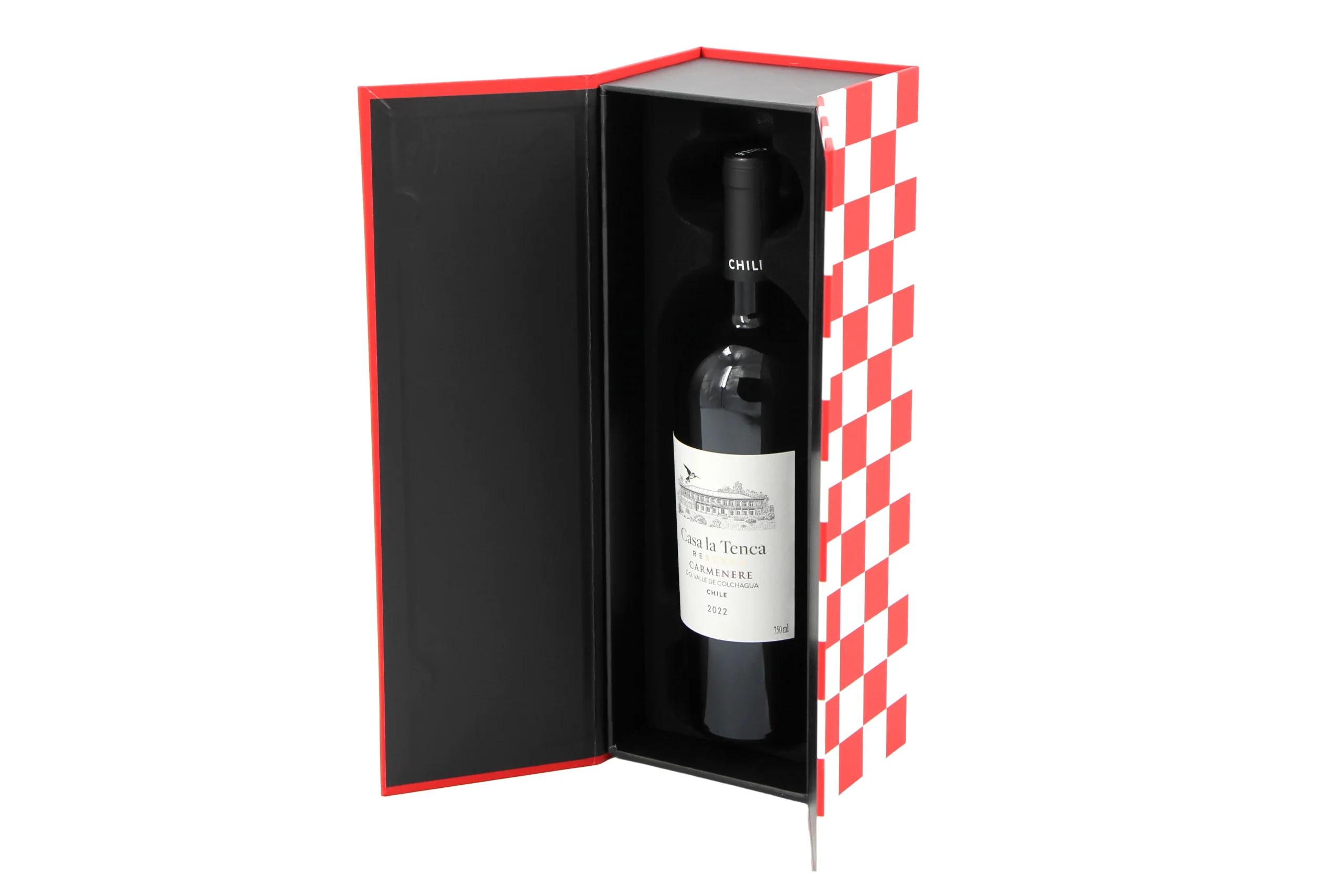
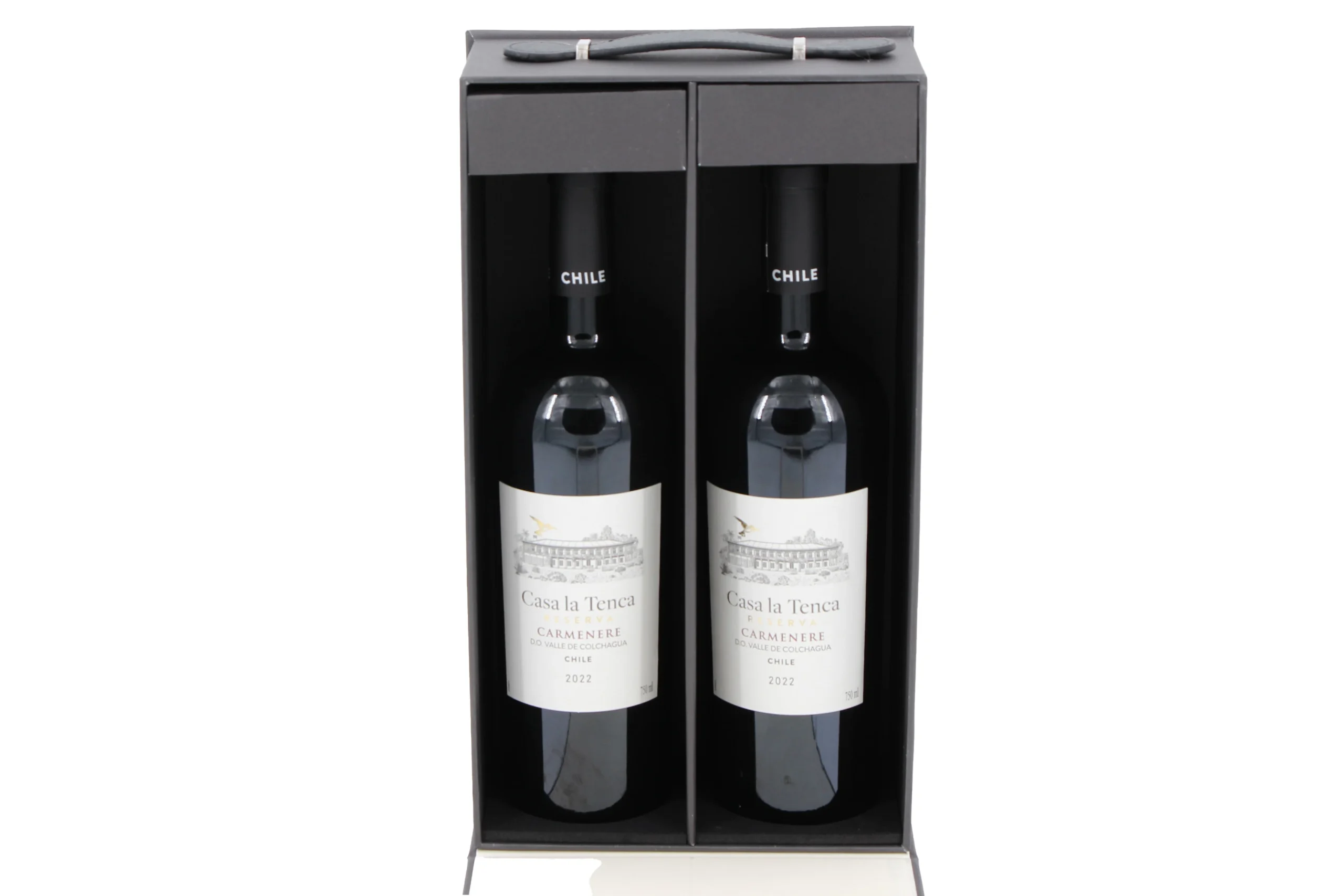
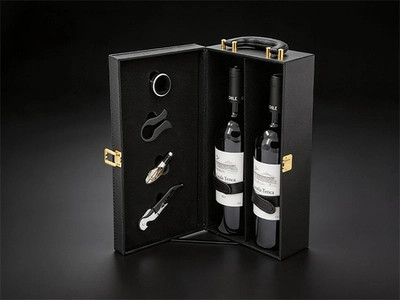
Most wine gift boxes start with one of three base structures: a single-bottle lid-and-base box, a two-bottle carry case with a divided interior, or a slide-out sleeve-and-drawer format for single-cask or limited-edition releases. The outer shell is typically coated or specialty paper wrapped over greyboard, generally in the 1,200-1,800 gsm range — heavier than a standard gift box, since a full wine bottle adds real stress to the corners and base during handling. Our wine bottle box and luxury wine box lines cover the standard range here, and our piece on rigid box vs folding carton is worth a read if you’re deciding between structural formats before settling on wine-specific details.
Step 2: Design the Bottle Insert
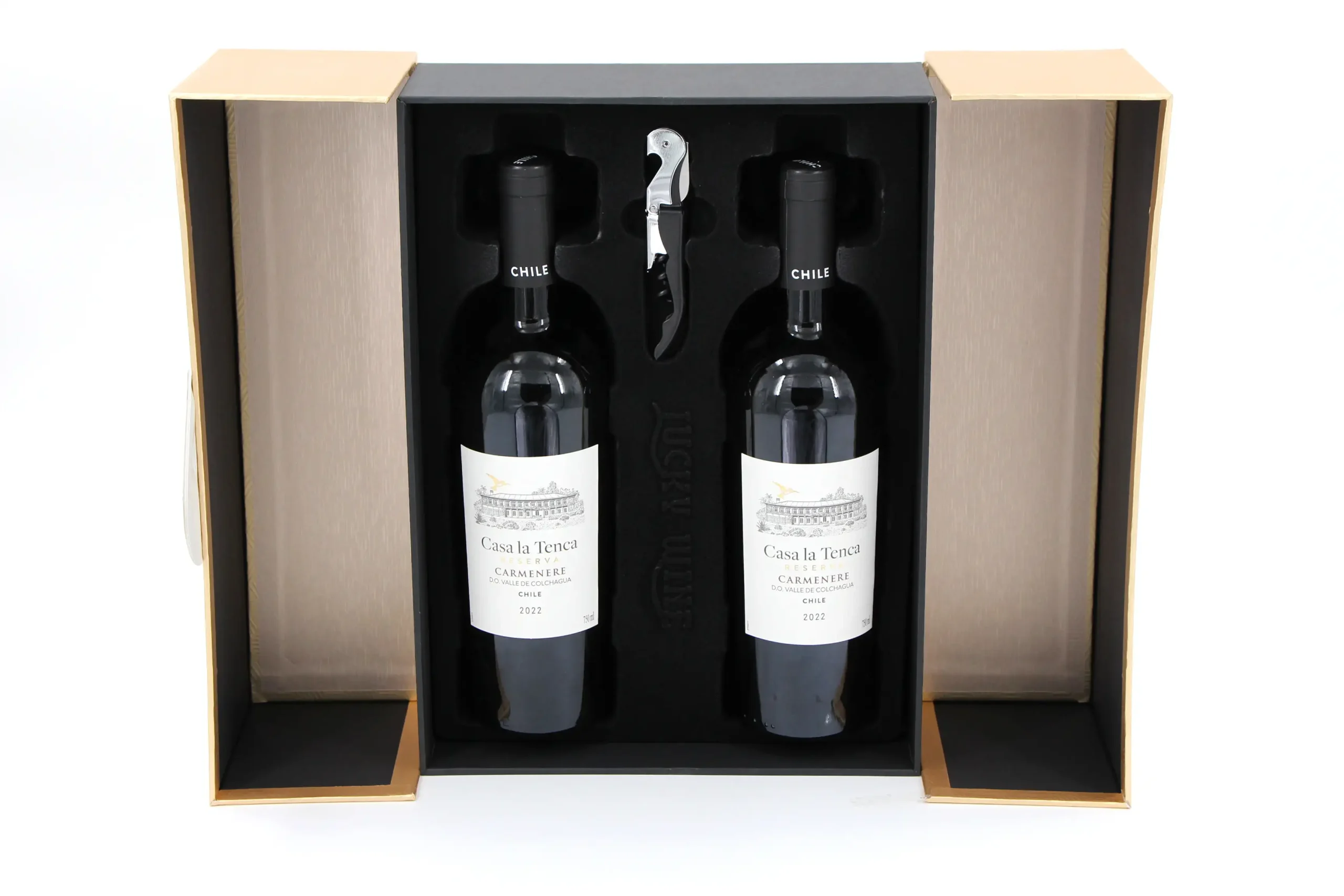
This is the step most people underestimate when figuring out how to make a wine gift box that actually protects the bottle. The wine gift box insert has to hold the bottle at the neck and base with minimal movement — a cavity cut a few millimeters too loose lets the bottle shift and chip against the box wall in transit. Molded EVA foam gives the tightest, most repeatable fit and holds its shape longest under repeated use. Die-cut pulp trays cost less and support recyclability claims, at some trade-off in cushioning precision compared to foam.
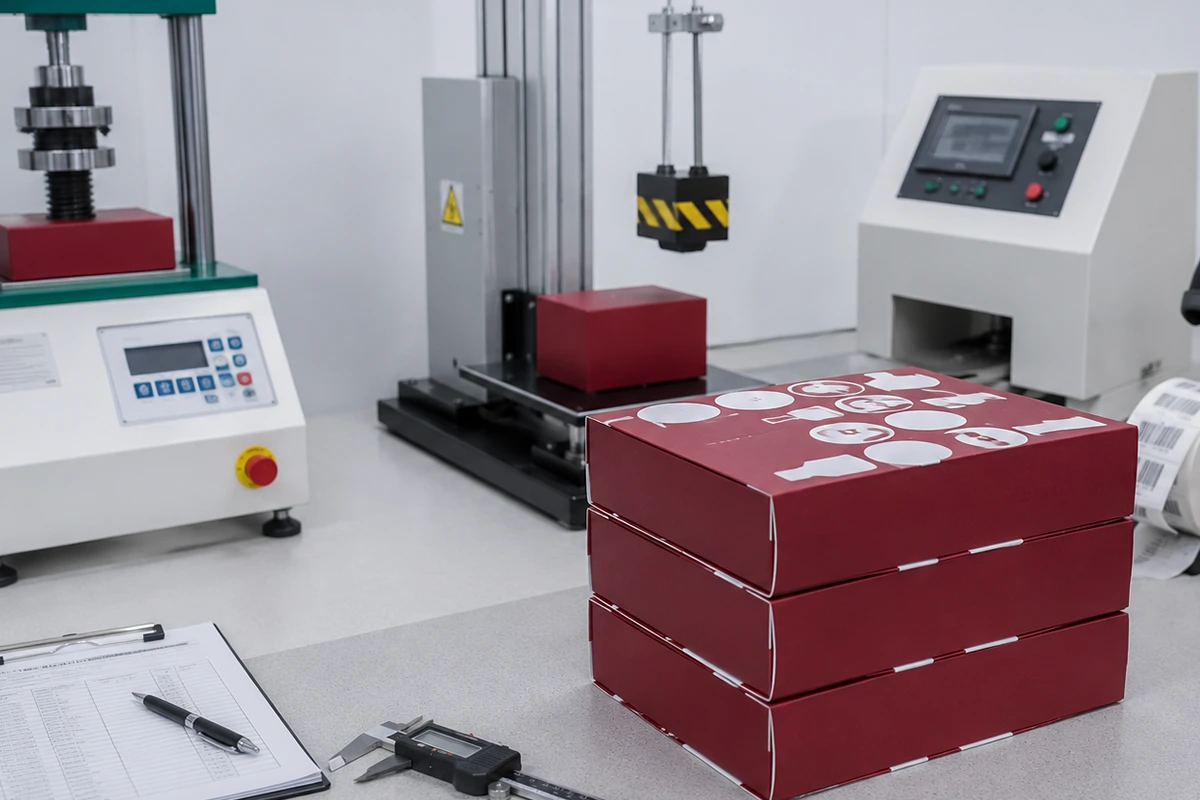
Packaging intended for parcel or freight transit is commonly validated against protocols like the ISTA 3A general simulation series, maintained by the International Safe Transit Association. A wine gift box insert that hasn’t been tested against a recognized protocol is a reasonable thing to flag before committing to a full production run.
Step 3: Pick a Closure Method
Magnetic closure, hinged lids, and ribbon-tied lift-off lids are the three most common ways to close a wine gift box. Magnetic closure gives the cleanest unboxing motion and is standard on most mid-to-premium wine gift sets. A hinged lid keeps the two halves connected, which avoids a loose lid getting separated from its base during handling or on a retail shelf. A simple lift-off lid is the least expensive option structurally, though it offers the least protection against the lid shifting in transit if the box isn’t packed tightly.
Step 4: Finish the Exterior
Foil stamping, embossing, and a matte or soft-touch lamination are the standard finishing set for wine gift boxes, with faux-leather or textured papers common for premium positioning. Print detail on a wine gift box tends to carry more brand weight than on other gift categories, since the box often sits on a shelf or table as part of a tasting or gifting occasion rather than being unwrapped and discarded quickly. Wine gift box ideas that lean on texture and finish — a debossed vineyard logo, a foil vintage year, a wax-seal-style detail — tend to photograph and display better than flat print alone.
Step 5: Confirm Certifications and Compliance
If the wine gift box is going to retail or being shipped internationally, confirm the manufacturer can document FSC chain-of-custody certification on request — see FSC International for how chain-of-custody documentation works — along with PPWR compliance for EU-bound shipments and ISO 9001, ISO 14001, and SEDEX audit standing for retail buyers running formal supplier reviews.
Common Mistakes When Making a Wine Gift Box
The most common issue in how to make a wine gift box projects is sizing the insert to the label artwork rather than the actual bottle dimensions — bottle shoulder shape and base diameter vary more between wine styles than most first-time buyers expect, and a cavity that fits a Bordeaux-shaped bottle doesn’t necessarily fit a Burgundy-shaped one. The second common mistake is skipping a physical sample before a bulk order; a foam or pulp cavity that looks correct in a technical drawing can still let the bottle move once the actual glass is seated.
A third mistake shows up after launch rather than before it: brands that redesign their wine gift box every season without keeping the insert tooling consistent end up paying for new cavity development repeatedly, even when the bottle itself hasn’t changed. Locking in a stable insert and updating only the exterior print between seasons is usually a more cost-effective approach for recurring product lines.
Single-Bottle vs Multi-Bottle Boxes
How to make a wine gift box changes noticeably once you move from a single bottle to a two- or three-bottle set. Multi-bottle boxes need a divided interior, whether that’s a shared foam block with separate cavities or individual sleeves for each bottle, and the outer structure typically needs a heavier greyboard core to support the combined weight without the corners flexing under stack pressure during shipping.
Champagne and sparkling wine boxes add another layer of consideration: taller structures, reinforced bases, and often a magnetic or ribbon closure built to handle the extra bottle weight and any pressure-related shipping precautions specific to sparkling wine. Our champagne gift box range is sized specifically for this category.
Private Label vs Fully Custom Tooling
For buyers who don’t need a fully bespoke structure, some manufacturers offer semi-custom insert tooling — a standard cavity shape that accepts a range of common bottle diameters, with only the outer print and finish customized per order. This is a faster, cheaper way to learn how to make a wine gift box work for a specific product without committing to bottle-specific tooling on a first run. If your project is more structurally ambitious, our guide on premium packaging structures covers the fully custom route in more depth.
Fully custom tooling, built around one exact bottle profile, gives the tightest fit and the lowest risk of in-transit movement, but comes with a tooling cost and a longer first-sample timeline worth planning around before a launch date is fixed.
Real-World Scenarios: Matching the Box to the Bottle
A boutique winery selling direct-to-consumer online typically prioritizes shipping protection above all else, since the box has to survive an unpredictable freight and last-mile journey with no human handling it gently in between. A single-bottle box with a snug EVA foam insert and a hinged lid — so the lid can’t get separated from the base in transit — is a common default for this use case, even if it’s not the most visually elaborate option available.
A retail brand selling wine gift box sets through physical stores has different priorities: shelf presence and unboxing experience matter more than surviving a freight journey, since the product is usually hand-carried by the customer after purchase rather than shipped. This is where a magnetic closure, a fabric-wrapped exterior, or a sleeve-and-drawer structure earns its cost more easily than it would for a pure e-commerce fulfillment box.
A corporate gifting program sits somewhere between the two — the box may travel by courier to a client’s office, but the presentation still needs to read as considered rather than purely protective. Multi-bottle sets for corporate gifting often split the difference: a reasonably robust divided insert paired with a premium exterior finish, since both durability and first impression matter for this use case.
Packaging and Shipping the Finished Boxes
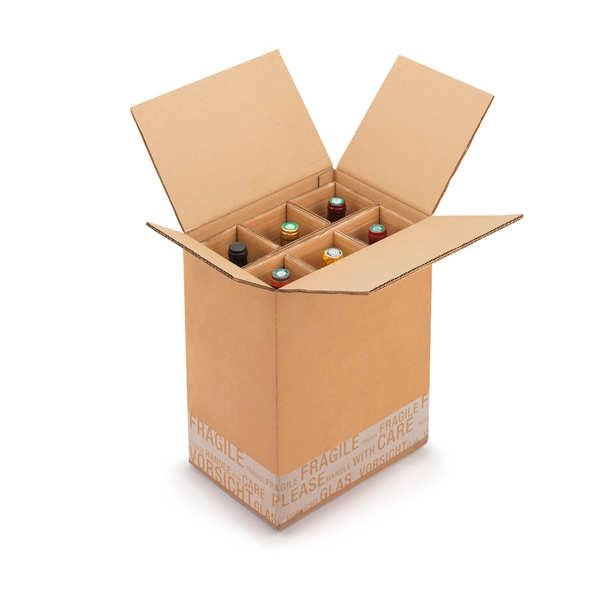
How a manufacturer packs the finished, empty wine gift boxes for shipment to your facility also affects unit cost and damage risk before a single bottle goes inside. Flat-packed or partially assembled boxes ship more efficiently by volume than fully assembled units, though structures with a fitted foam insert already seated are sometimes shipped pre-assembled despite the extra shipping volume, to avoid a separate fitting step at the brand’s own facility.
Buyers ordering across multiple regions should ask whether a supplier can coordinate packing lists and compliance documentation across shipment batches, which reduces the coordination overhead when a launch date is fixed across more than one market.
Production Timelines and MOQ
A reasonable range to expect for a wine gift box order is a physical sample within 7 working days of design confirmation, and bulk production of 30-45 business days depending on order volume and structural complexity. Minimum order quantities for fully custom structures typically start around 1,000 units. For brands producing a wine gift box across multiple SKUs — different bottle counts, different wine styles — standardizing on a shared base structure and swapping only the insert cavity between versions tends to simplify quoting, sampling, and quality control compared with treating every SKU as a fully separate structure.
Sustainability Considerations for Wine Gift Boxes
Wineries and spirits brands increasingly get asked about the sustainability of their packaging alongside the product itself, and a wine gift box has a few specific levers worth understanding. Pulp-molded inserts are more readily recyclable than EVA foam, though foam still offers better cushioning precision for fragile glass — a trade-off worth discussing explicitly with a manufacturer rather than assuming one option is strictly better. FSC-certified paper and greyboard address sourcing specifically, giving a documented paper trail back to responsibly managed forests, which matters increasingly for retail buyers and for brands making public sustainability claims.
None of these material choices change the core steps in how to make a wine gift box — structure, insert, closure, finish — but they do affect which specific materials get specified at each step, and it’s worth raising sustainability priorities early in a project rather than retrofitting them after a structure is already tooled.
Gift Box Ideas Beyond the Standard Format
Beyond the core lid-and-base or sleeve-and-drawer formats, a few wine gift box ideas come up repeatedly for brands looking to differentiate: a window cut into the lid so the bottle label is visible before opening, an interior compartment for a small accompanying item like a wine stopper or tasting notes card, or a reusable structure designed to double as a display piece or wine holder after the gifting occasion. These additions add complexity and cost, so they’re worth reserving for a flagship or seasonal SKU rather than applying across an entire product range by default.
Working With a Manufacturer vs Assembling by Hand
Some smaller wineries or gift retailers ask how to make a wine gift box entirely in-house, using pre-made blank boxes and hand-fitted inserts. This can work for very small batches — a tasting-room gift program, a limited run for a wine club — but it doesn’t scale well, and the fit precision of a hand-cut foam insert rarely matches what a factory-tooled cavity achieves. For anything beyond a small pilot batch, sourcing the structure and insert together from a manufacturer with in-house tooling produces more consistent protection and presentation at a lower per-unit cost once volume increases.
A middle path exists for brands scaling gradually: ordering pre-made structural boxes with a semi-custom insert from a manufacturer, then handling only branding or minor assembly steps in-house, before moving to a fully custom, factory-finished structure once volume justifies the tooling investment.
Whichever route a brand takes, treating the wine gift box as an extension of the product experience — not just a shipping container — tends to produce better long-term results than optimizing purely for the lowest per-unit cost. A slightly higher packaging spend that reduces breakage rates and improves the unboxing moment often pays for itself in fewer returns and stronger repeat-purchase behavior, particularly for direct-to-consumer wine brands where the delivery experience is the customer’s first physical interaction with the product.
How to make a wine gift box that protects the bottle during shipping?
Use a molded EVA foam or die-cut pulp insert sized precisely to the bottle’s neck and base diameter, a greyboard core in the 1,200-1,800 gsm range, and test the design against a recognized transit protocol like ISTA 3A before committing to a full production run.
What materials are best for a wine gift box?
Coated or specialty paper wrapped over greyboard for the outer shell, with molded EVA foam or die-cut pulp for the interior insert. Faux-leather or textured papers are common for premium positioning.
How long does it take to produce a custom wine gift box?
A physical sample typically takes 7 working days after design confirmation, with bulk production running 30-45 business days depending on order volume and structural complexity.
What’s the minimum order quantity for a custom wine gift box?
MOQs for fully custom structures typically start around 1,000 units, though this varies by structure and insert complexity.
Can a wine gift box be FSC certified?
Yes. FSC-certified paper and greyboard are available on request, alongside PPWR compliance, ISO 9001, ISO 14001, and SEDEX audit standing.
What’s the difference between a single-bottle and multi-bottle wine gift box insert?
A single-bottle insert needs one precisely fitted cavity. A multi-bottle insert needs either a shared foam block with separate cavities or individual sleeves, plus a heavier greyboard core to support the combined weight.
Is it cheaper to redesign a wine gift box every season?
Not usually. Keeping insert tooling consistent and updating only the exterior print between seasons tends to be more cost-effective than redeveloping the cavity for every seasonal release.
Request a Custom Sample
A physical bottle-fit sample turns a wine gift box from a concept into a verified production specification.
Wine Gift Box Sample in 7 Working Days
Send your bottle dimensions, bottle weight, quantity, structure preference, and artwork. Topvisio will prepare a real-material sample within 7 working days after specifications are approved.
Request a Sample →
Send us your product specs and target market — we’ll respond with material recommendations, structural options, and a sample within 7 days.
Related Articles
12:06 pm
What Is Bespoke Packaging? Benefits for Your Brand
8:25 am
How to Design Cosmetic Packaging That Sells
Extended producer responsibility for packaging: who's responsible, which countries have EPR, and what buyers need to know. FSC on request, PPWR compliant.