In short: making a custom gift box comes down to four sequential decisions — structure, outer material, interior fit, and finish — in that order.
Skip a step or make it up as you go and the result usually shows: a lid that doesn’t sit flush, an insert that doesn’t hold the product, or a finish that looks fine on screen and disappointing in hand.
How to make a custom gift box depends less on any single clever trick and more on getting a handful of sequential decisions right. Custom packaging design starts from the product’s actual dimensions and works outward, not from a Pinterest board of finishes chosen before the structure is settled.
Topvisio Packaging produces custom gift boxes out of Dongguan, Guangdong, running 14+ automated production lines alongside dedicated hand-assembly stations, with FSC certification available on request, PPWR compliance, ISO 9001, ISO 14001, and SEDEX audit standing.
Step 1: Decide on the Structure
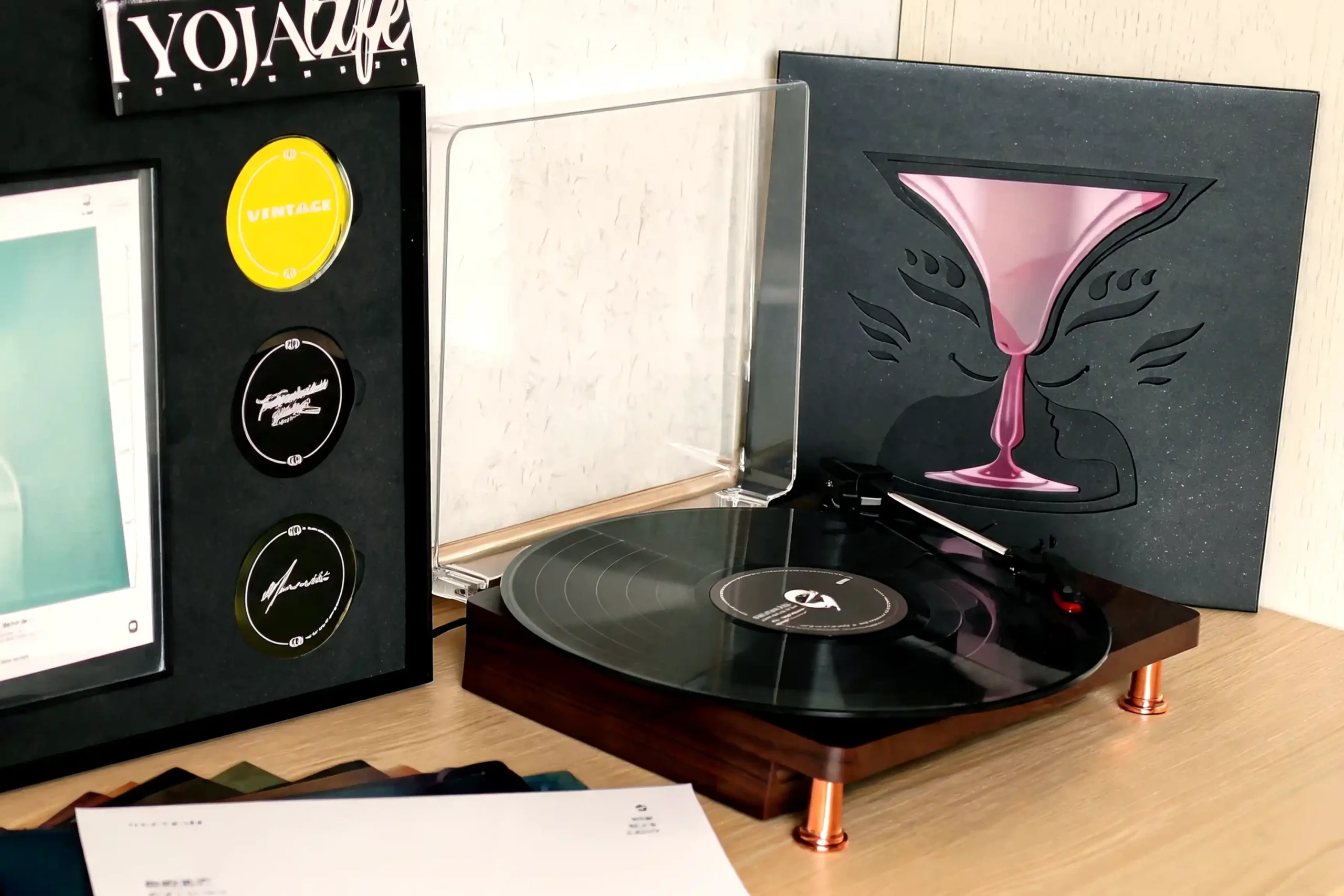
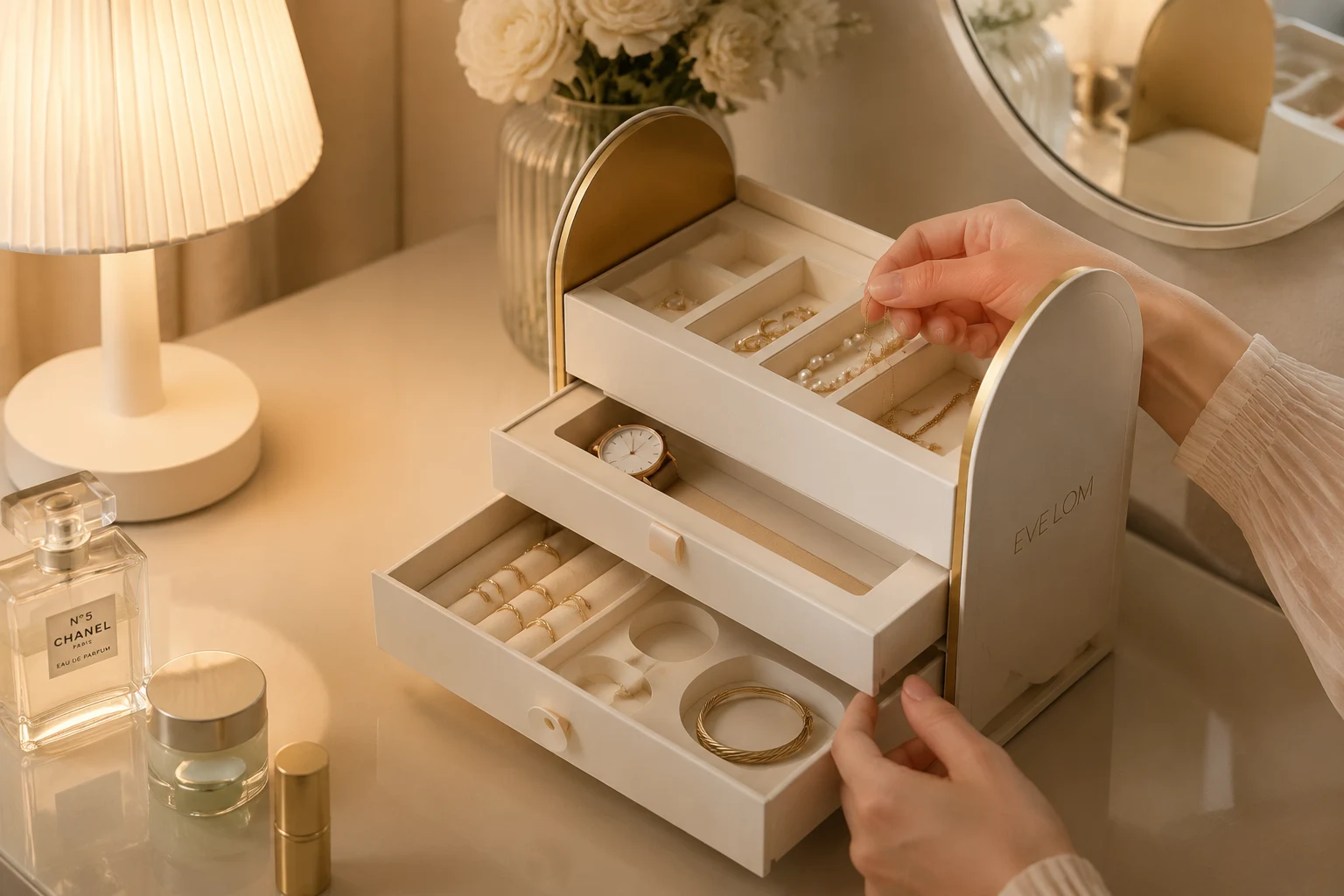
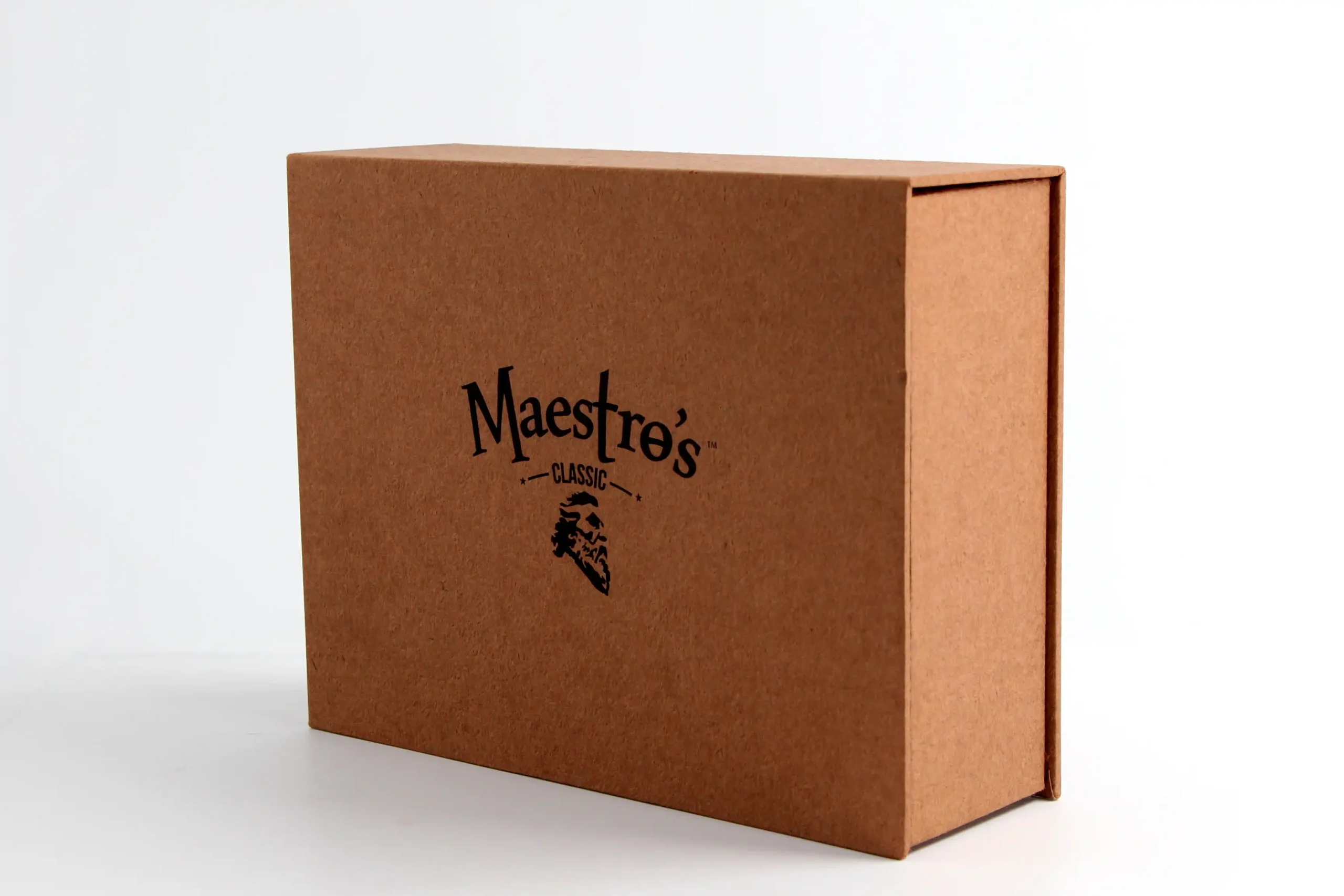
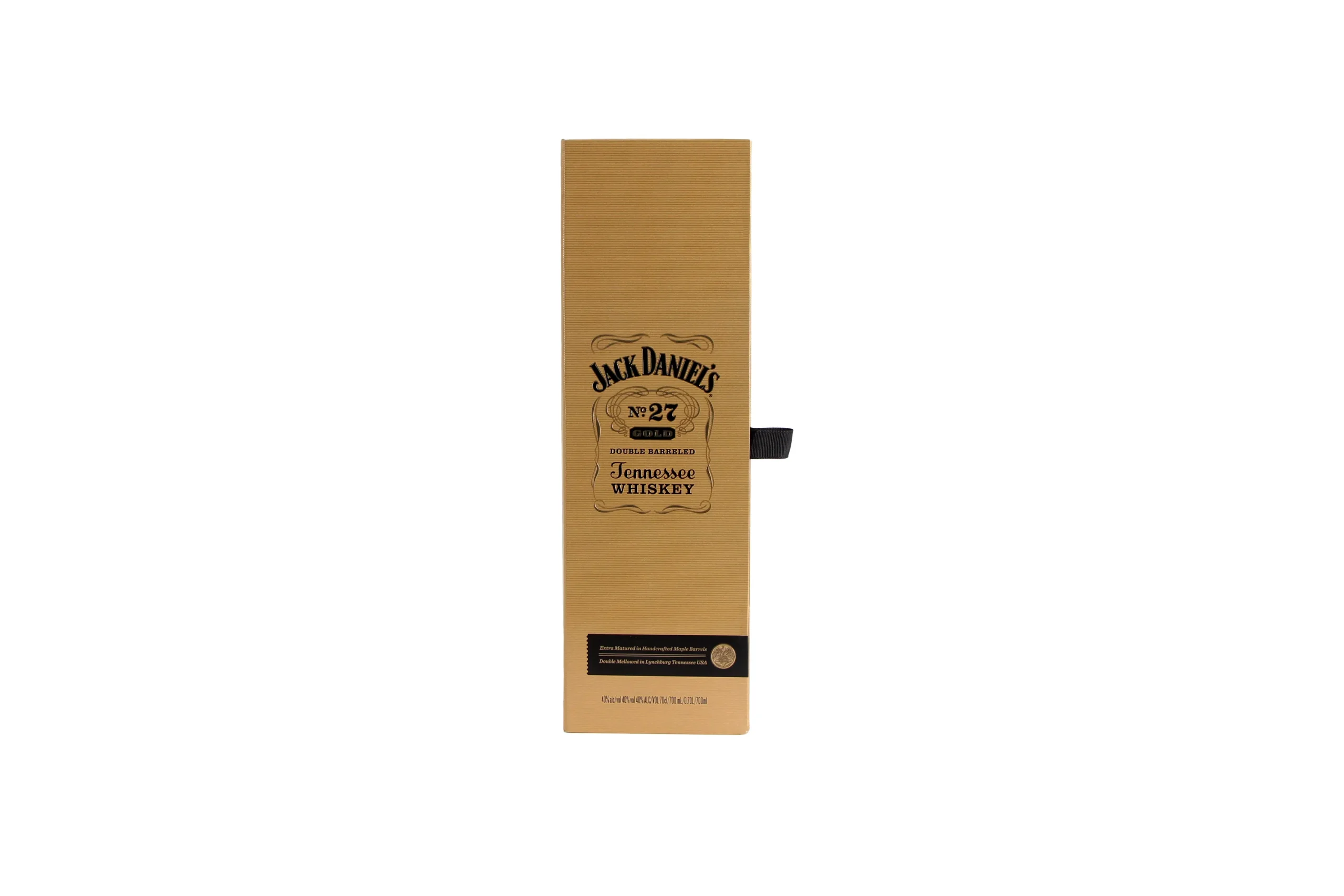
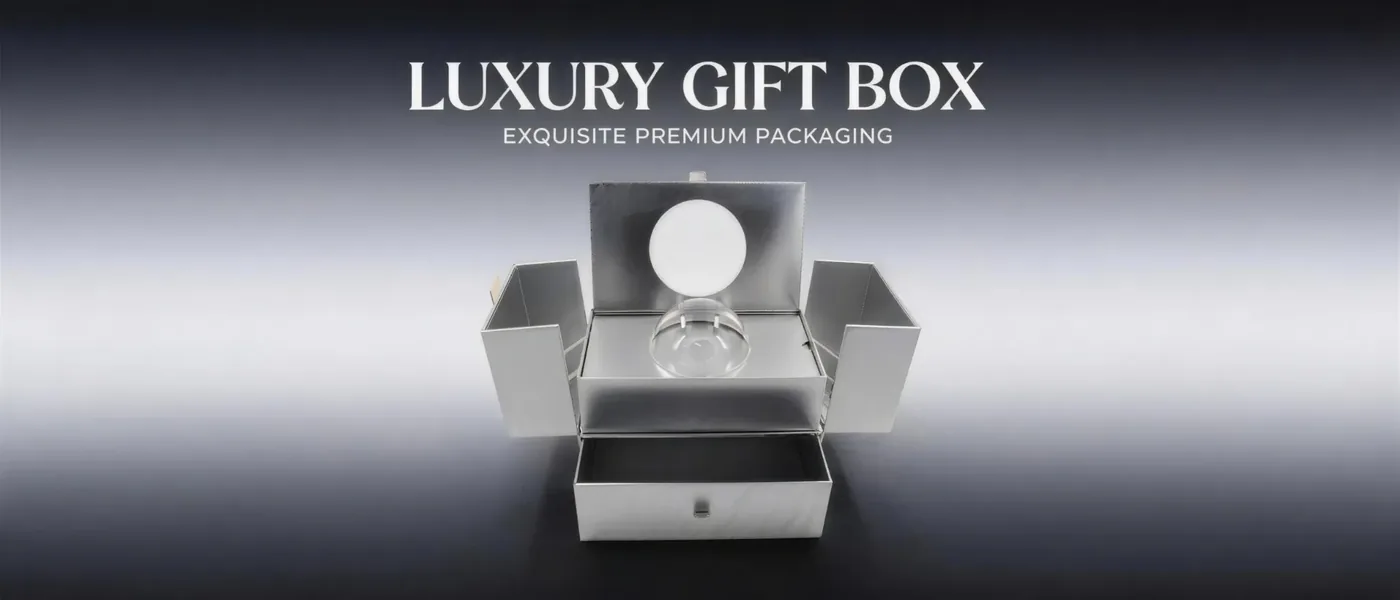
The first real decision in how to make a custom gift box is choosing the base structure. A telescoping lid-and-base lifts straight off and reads as formal and clean. A hinged flip-top stays attached during unboxing, which avoids a lost lid on a retail shelf. A magnetic closure box gives the cleanest opening motion of the three. A drawer or sleeve structure adds a layered reveal for premium or limited releases.
Our custom gift box and magnetic box lines cover the standard range here, and if you’re weighing rigid against a flat-shipped alternative first, our guide on rigid box vs folding carton covers that earlier decision.
Step 2: Choose the Outer Material
Coated art paper wrapped over greyboard is the standard build for most custom gift boxes, typically 157-180 gsm paper over 1,000-1,400 gsm board depending on size and rigidity needed. Specialty textured paper, pearlescent finishes, or PU leather wraps step up the positioning for premium lines. The greyboard weight matters more for larger boxes — a small box holds its shape fine on a lighter board, while a large multi-piece set needs more structural weight to resist flexing under its own contents.
Step 3: Design the Interior
This is where a lot of first-time custom gift box projects lose track of what the box is actually for. If the box holds a single fragile item, a fitted foam or pulp insert matters more than exterior finish. If it holds several products, a divided tray or multiple compartments keeps items from shifting into each other. Raffia, tissue, or a printed inner panel can round out presentation once functional protection is sorted, but presentation shouldn’t come before fit — a beautiful interior that lets the product move around in transit defeats the point of custom packaging design in the first place.
Step 4: Pick the Closure
Magnetic closure, hinged lids, ribbon ties, and simple lift-off lids each carry a different cost and a different feel. Magnetic is the most common choice for mid-to-premium boxes since it closes cleanly without a visible fastener. A lift-off lid is the simplest and cheapest structurally, but offers the least security if the box is handled roughly during shipping or retail display.
Step 5: Add Finishing
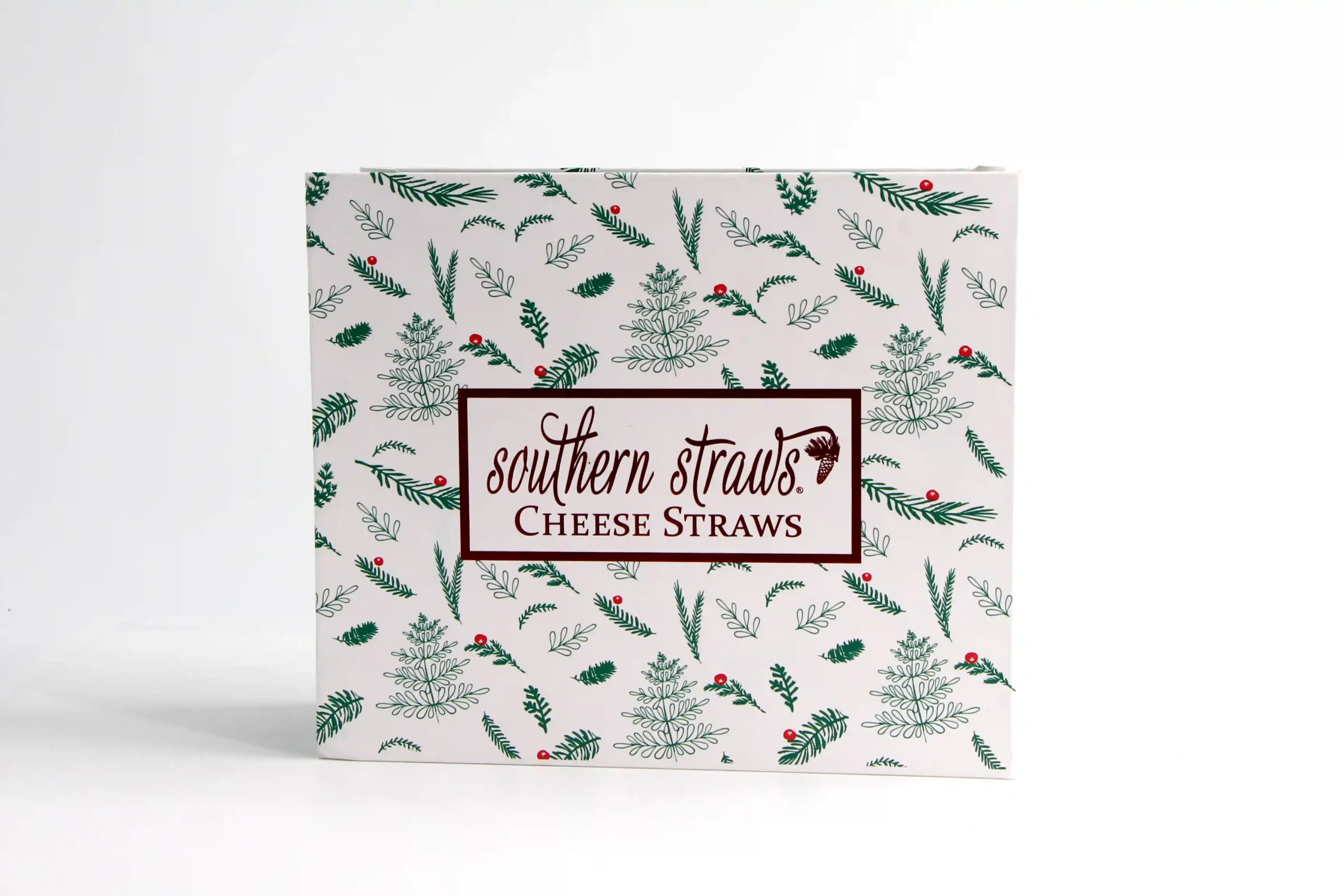
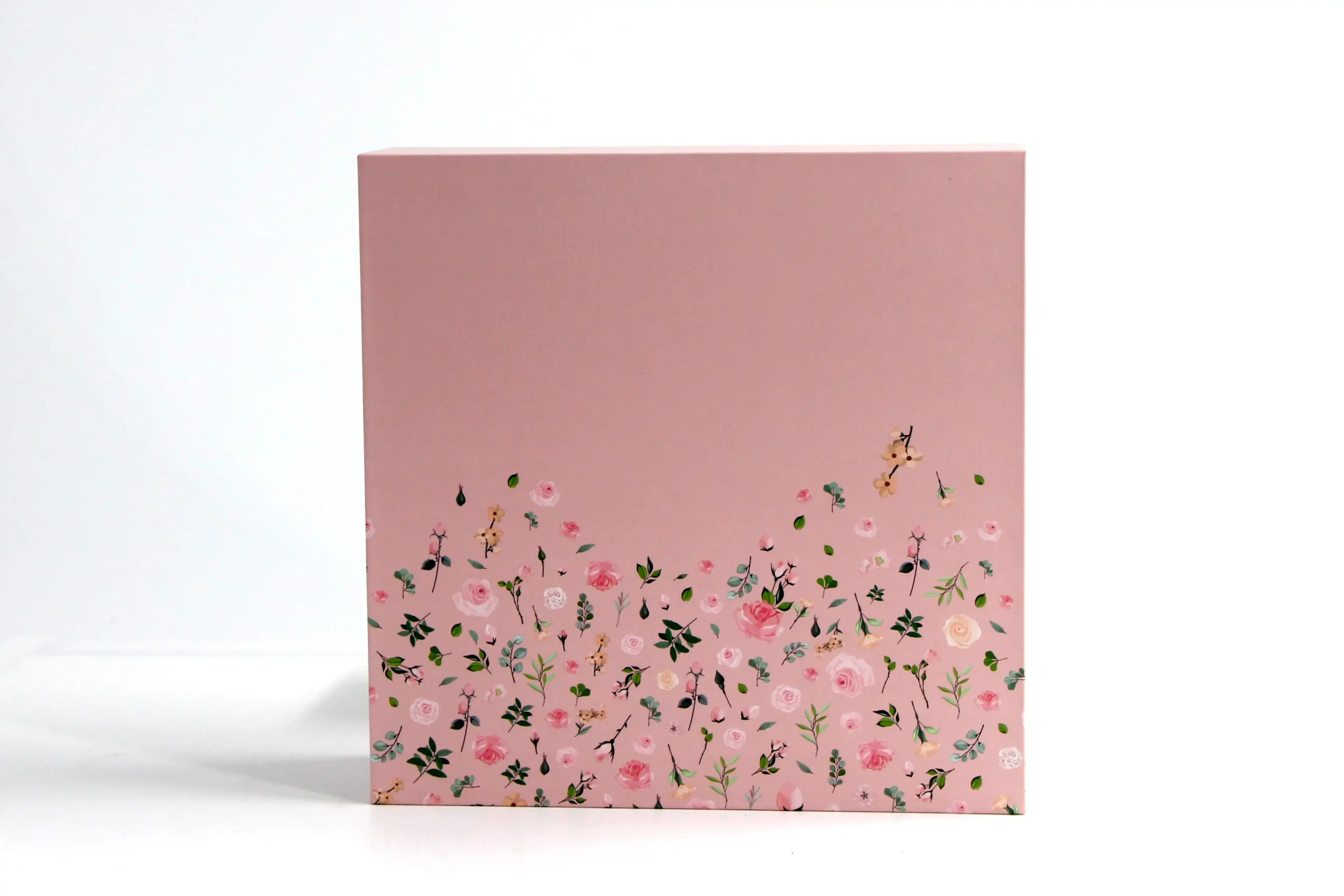
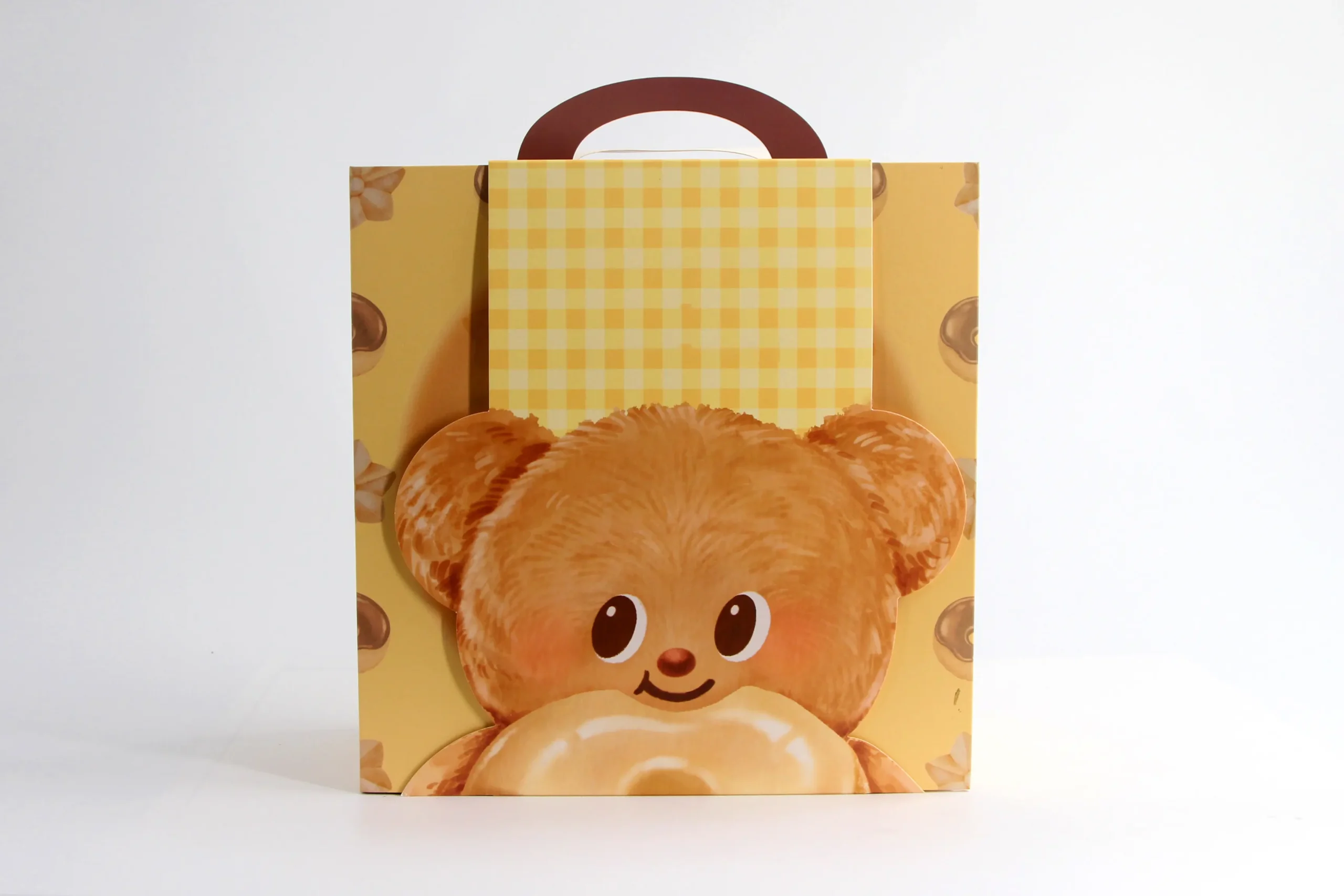
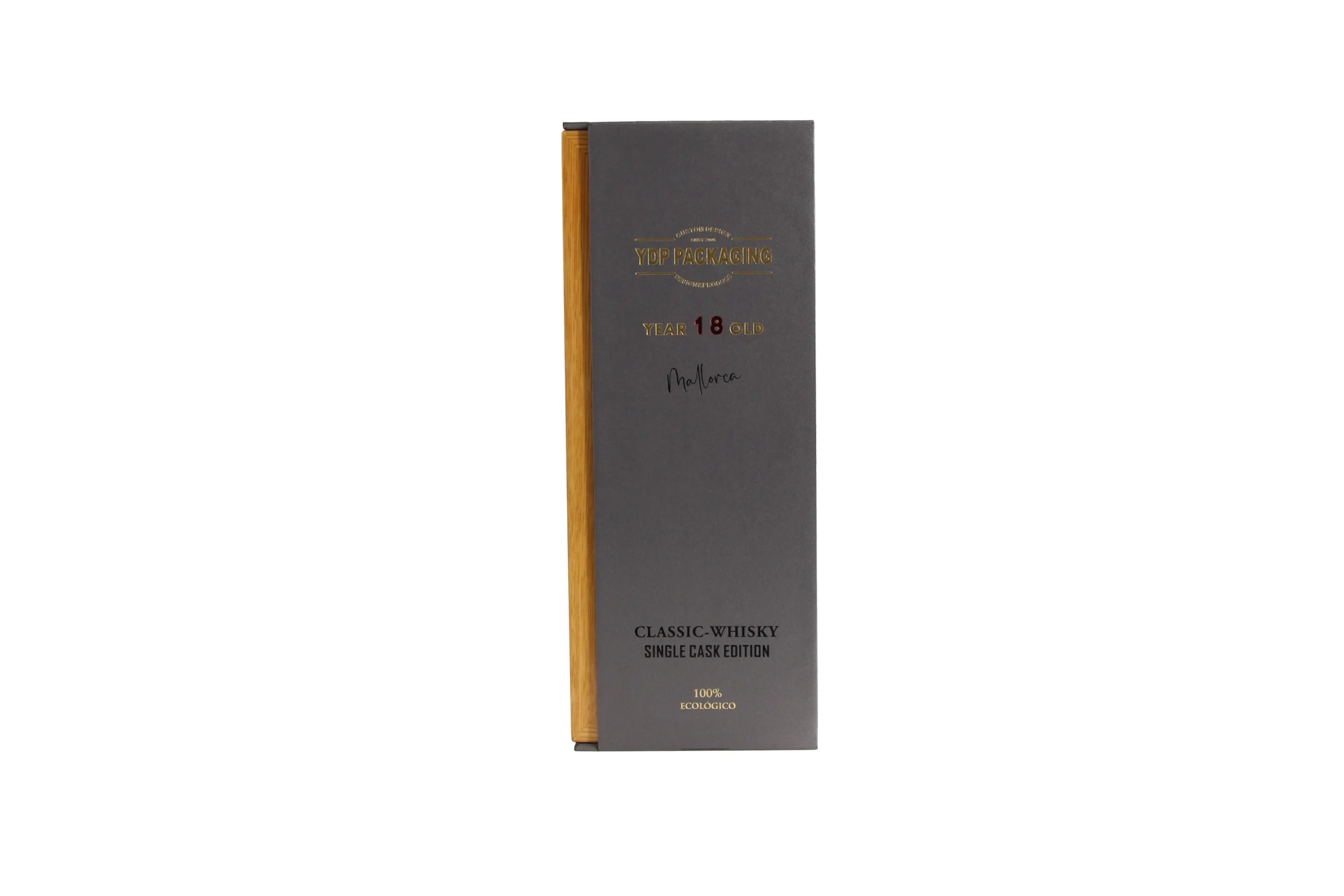
Hot stamping, embossing or debossing, spot UV, and matte or soft-touch lamination are the standard finishing toolkit. It’s worth resisting the urge to use all of them at once — a box with foil, emboss, spot UV, and a printed pattern competing for attention often reads as busy rather than premium.
One or two finishing techniques applied precisely usually outperform four applied indiscriminately. Custom gift box ideas that lean on restraint — one strong finish executed well — tend to photograph better and age better visually than boxes trying to do everything at once.
Step 6: Confirm Certifications Before Ordering
Before placing a bulk order, confirm the manufacturer can document FSC chain-of-custody certification on request — see FSC International for how that documentation works — along with PPWR compliance for EU-bound shipments and ISO 9001, ISO 14001, and SEDEX audit standing if the order needs to satisfy a retail buyer’s own supplier program.
Our guide on what FSC-certified packaging actually covers goes into this in more depth if you’re new to the certification.
Step 7: Sample Before Bulk Production
A reasonable expectation for how to make a custom gift box work at scale is a physical sample within 5-10 business days of design confirmation, and bulk production of 25-45 business days depending on order volume and finishing complexity. A rendering can’t show how a foam cavity actually seats a product or how a foil finish reads on the real material, so requesting a physical sample before committing to a full run is worth the short delay it adds.
Real-World Scenarios: Matching the Box to the Use Case
A beauty brand launching a three-piece skincare gift set typically needs a divided interior more than an elaborate exterior — the products themselves carry the visual weight, and the box’s job is to present them cleanly and keep them from shifting. A jewelry brand packaging a single piece takes the opposite emphasis: a small, precisely fitted structure where the exterior finish does more of the work, since there’s only one item to showcase and very little interior space to fill.
A subscription box service sending a custom gift box every month faces a different constraint entirely — cost efficiency and consistent fit across a rotating product mix matter more than any single premium finish, since the same structure has to work across dozens of iterations rather than one flagship launch. This is where semi-custom tooling with an adjustable insert often outperforms a fully bespoke structure designed around one specific product configuration.
Common Mistakes When Making a Custom Gift Box
The most common mistake is finalizing exterior artwork before the interior fit is confirmed — a beautiful print job on a box where the product doesn’t sit securely inside is a wasted print run. The second common mistake is treating custom gift box ideas from inspiration boards as directly reproducible without checking whether the finish, material, or structure shown is actually available at the order volume and budget in question; some premium finishes have minimum quantities or setup costs that only make sense at higher volumes.
A third mistake shows up in ongoing product lines rather than a single launch: redesigning the box structure every time a brand wants a fresh look, rather than keeping the base structure stable and updating only the print and finish. This adds unnecessary tooling cost and lead time to what could otherwise be a straightforward reorder with new artwork.
DIY Assembly vs Ordering from a Manufacturer
Some smaller brands ask how to make a custom gift box themselves, by hand, using pre-made blank boxes and craft-level finishing. This works reasonably well for very small batches — a handful of gift sets, a market stall’s worth of product — but it doesn’t scale, and the finish quality gap between hand-assembled and factory-produced boxes becomes obvious once customers are comparing units side by side. For anything beyond a small pilot batch, sourcing from a manufacturer with in-house tooling and finishing equipment produces more consistent results at a lower per-unit cost.
A middle path exists for brands scaling up gradually: ordering pre-made structural boxes from a manufacturer and doing only the final branding or light assembly in-house, before moving to a fully custom, factory-finished structure once volume justifies the tooling investment. If your project needs entirely new tooling rather than an adaptation of an existing structure, our guide on what bespoke packaging involves covers that further step up in complexity.
Private Label vs Fully Custom Tooling
Semi-custom tooling — a standard structure that accepts a range of product sizes, with only the outer print and finish customized — is faster and cheaper to set up than fully bespoke tooling, and it’s a reasonable starting point for a first order or a smaller brand testing a new SKU. Fully custom tooling, built around one exact product shape, gives the tightest fit and the most polished presentation, but comes with a tooling cost and a longer first-sample timeline.
MOQ and Cost Expectations
Minimum order quantities for a fully custom gift box structure typically start around 1,000 units. You can browse our full product range or check FSC-certified packaging options for available material grades.
Packaging and Shipping the Finished Boxes
How a manufacturer packs finished, empty custom gift boxes for shipment to your facility also affects unit cost and damage risk before any product goes inside. Flat-packed or partially assembled boxes ship more efficiently by volume, though structures with a fitted foam insert already seated are sometimes shipped pre-assembled despite the extra shipping volume, to avoid a separate fitting step once boxes arrive. Brands ordering across multiple regions should ask whether a manufacturer can coordinate packing lists and compliance documentation across shipment batches, which reduces coordination overhead when a launch date is fixed across more than one market.
Seasonal and Recurring Custom Gift Box Programs
Brands running a custom gift box program tied to a recurring occasion — holiday season, a subscription cycle, a loyalty program — benefit from separating what changes each cycle from what stays fixed. Keeping the base structure, insert tooling, and closure mechanism stable while updating only the exterior print and any seasonal decorative frame is typically faster and cheaper than developing a new structure for every cycle. This approach also simplifies quality control, since the manufacturer’s team is producing a familiar structure repeatedly rather than re-learning a new build each time.
For programs sending custom gift boxes to a large or rotating recipient list, print consistency across a big batch matters more than it might for a smaller one-off run — color drift or finish inconsistency that goes unnoticed in a run of 50 units becomes visible once thousands of units are compared side by side, particularly for corporate or subscription programs where recipients sometimes compare notes.
Sustainability Considerations for Custom Gift Boxes
Custom gift box projects increasingly get evaluated on material sourcing alongside structure and finish. FSC-certified paper and greyboard give a documented sourcing trail, and pulp-molded or recyclable inserts are worth considering alongside foam where cushioning precision isn’t the primary concern. Our guide on what sustainable packaging covers goes into these material trade-offs in more detail, since the right balance between protection and recyclability depends heavily on what the box is actually holding.
How Custom Gift Box Costs Break Down
A useful way to evaluate a custom gift box quote is by component rather than a single bottom-line number: outer material and greyboard typically account for the base structural cost, interior insert or fill adds a separate line depending on complexity, and finishing steps — foil, embossing, lamination — each add incremental cost on top. A manufacturer who can break a quote down this way makes it easier to identify where a budget adjustment would actually save meaningful money, versus where a cut would barely move the total while noticeably affecting the final product.
Buyers new to how to make a custom gift box for the first time often underestimate how much finishing steps add relative to the base structure, which is another reason a component-level breakdown is worth requesting. That single line item, more than any other, is what separates a straightforward reorder from an unexpectedly expensive one.
Working With a Design Team vs Bringing Your Own Artwork
Brands approaching how to make a custom gift box for the first time often assume they need finished artwork before contacting a manufacturer, but many suppliers, including Topvisio Packaging, have in-house design teams who can develop structural mockups and print layouts from a rougher concept or reference images.
This is particularly useful for brands without an internal packaging designer, since translating a general aesthetic direction into a production-ready file involves technical constraints — bleed, die-line accuracy, color mode — that aren’t always obvious without packaging-specific design experience.
Brands that do have finished artwork in hand should still confirm it’s been prepared to the manufacturer’s technical specifications before production, since a design file created without die-line and bleed requirements in mind often needs rework before it can go into production regardless of how polished it looks on screen.
Manufacturing and Certifications
FSC-certified material is available on request across the full custom gift box range, alongside PPWR compliance, ISO 9001, ISO 14001, and SEDEX audit standing. You can read more on our About Us page for a closer look at the production setup behind these structures.
For buyers weighing this decision, it’s reasonable to ask upfront how much design support is included as part of a manufacturer’s standard sampling process versus billed separately, since the answer varies significantly between suppliers and affects the true cost of getting a custom gift box from concept to production-ready file.
Frequently Asked Questions
Frequently Asked Questions
How to make a custom gift box that fits the product securely?
Design the interior insert around the exact product dimensions before finalizing exterior finish — a fitted foam or pulp cavity for a single item, or a divided tray for multiple items, matters more to protection than any surface finish.
What materials are used to make a custom gift box?
Coated art paper or specialty textured paper wrapped over greyboard, typically 157-180 gsm paper over 1,000-1,400 gsm board, with foam, pulp, or fabric-lined trays for the interior.
How long does it take to make a custom gift box from scratch?
A physical sample typically takes 5-10 business days after design confirmation, with bulk production running 25-45 business days depending on order volume and finishing complexity.
What is the minimum order quantity for a custom gift box?
MOQs for fully custom structures typically start around 1,000 units. Semi-custom tooling with a standard structure and customized finish can be faster and cheaper for a first order.
Can a custom gift box be FSC certified?
Yes. FSC-certified paper and greyboard are available on request, alongside PPWR compliance, ISO 9001, ISO 14001, and SEDEX audit standing.
Should I finalize the exterior design or the interior fit first?
The interior fit should come first. Finalizing artwork before confirming how the product sits inside the box risks a wasted print run if the fit needs to change afterward.
Is DIY assembly a good option for a small custom gift box order?
It can work for very small batches, but finish quality and consistency drop compared to factory production, and DIY assembly doesn’t scale efficiently once order volume grows beyond a small pilot batch.