For brands asking what is FSC-certified packaging, this guide explains the certification, labels, sourcing controls, and buying implications in plain language.

In short: FSC-certified packaging is paper or board packaging made from material that can be traced, through a documented chain of custody, back to forests certified by the Forest Stewardship Council as responsibly managed. That traceability — not a general ‘eco-friendly’ claim — is the actual substance of an FSC certified packaging meaning, and it’s verifiable through a certificate number rather than taken on trust.
This is a general explainer covering what FSC certification means and how it works. If you’re looking for retailer-specific requirements or recent rule changes, our pieces on FSC certification rules for major retailers, FSC label requirements, and FSC Mix packaging trademark rules go into more detail on those specific topics.
What FSC Certification Actually Covers
For anyone asking what is FSC-certified packaging, the answer begins with certified sourcing and documented material traceability.
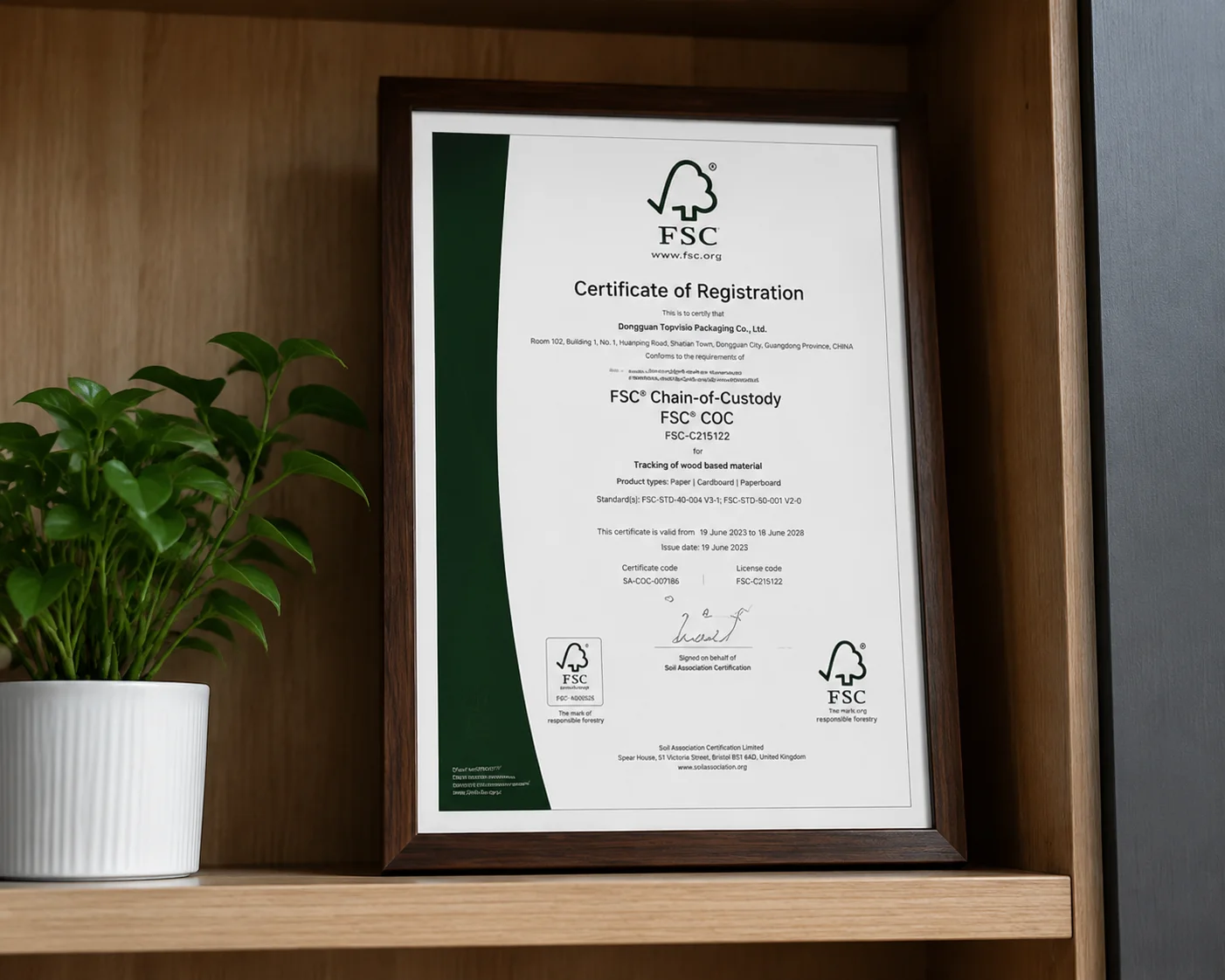
FSC certification applies at two levels. Forest management certification confirms that a specific forest is managed according to FSC’s environmental and social standards. FSC chain of custody certification tracks that certified material through every stage of processing — pulp mill, paper mill, converter, and finally the packaging manufacturer — so a finished box can carry an FSC label with a verifiable paper trail behind it. A packaging supplier can be chain-of-custody certified without owning or managing a forest itself; what matters is that they can prove certified material was used and tracked correctly through their own production.
For the full detail on how this documentation works, see FSC International, the organization that maintains the certification standard globally.
Why It Matters to Brands and Retailers
Understanding what is FSC-certified packaging helps brands separate a verifiable sourcing claim from vague environmental language.
Major retailers increasingly require FSC-certified packaging as a supplier condition rather than a nice-to-have — a pattern covered in more detail in our piece on what Walmart, Sephora, and Costco require. Beyond retail compliance, FSC certification gives brands a documented, third-party-verified claim to put on packaging or in marketing, rather than a general sustainability statement that can’t be independently checked.
It’s worth being precise here: FSC certification is about forest sourcing and traceability specifically, not a broader environmental claim covering the entire packaging lifecycle. A box can be FSC-certified and still use non-recyclable finishes or coatings, which is why buyers focused on full lifecycle sustainability often look at FSC certification alongside separate material and finishing choices, not as a substitute for them. Our guide on how PPWR covers packaging sustainability more broadly goes into this distinction in more depth.
FSC 100%, FSC Mix, and FSC Recycled
The question what is FSC-certified packaging has three common answers depending on whether the material is FSC 100%, FSC Mix, or FSC Recycled.
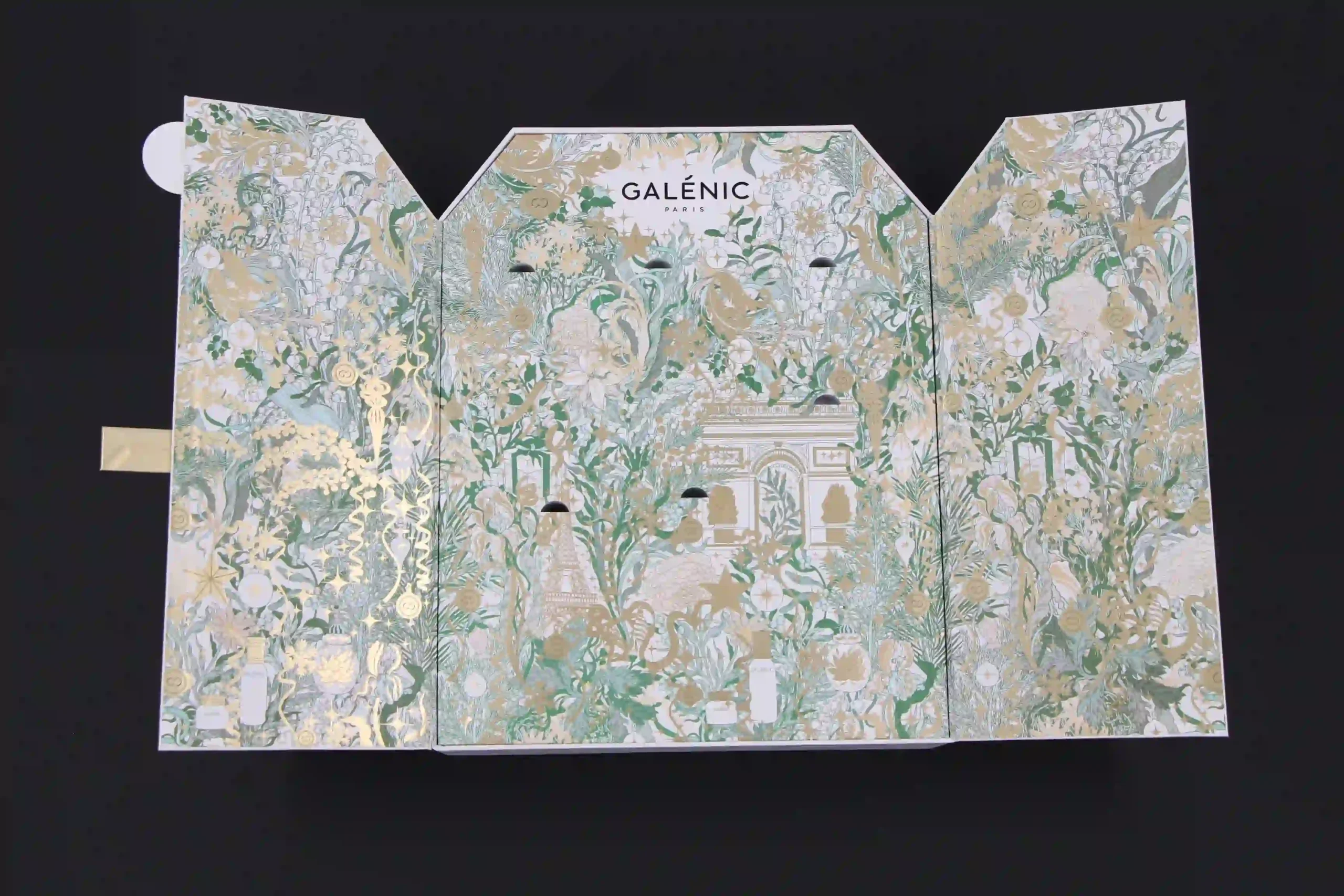
FSC certification isn’t a single label — there are a few variants, and the distinction matters for what a brand can accurately claim. FSC 100% means all the wood fiber in the product comes from FSC-certified forests. FSC Mix means the material is a blend of FSC-certified fiber, recycled material, and controlled wood that meets FSC’s minimum sourcing requirements. FSC Recycled means the material is made entirely from reclaimed fiber, with no virgin forest sourcing involved at all. Which variant applies to a specific box depends on the actual paper and board sourced for that order, not a blanket assumption across a manufacturer’s whole catalog.
How to Confirm a Manufacturer’s FSC Claim Is Real
When verifying what is FSC-certified packaging, buyers should check the supplier’s certificate and the material scope for the order.

Asking for the certificate itself, rather than accepting a verbal claim, is the most direct way to confirm an FSC claim. A legitimate FSC chain of custody certificate includes a certification number that can typically be checked against the certifying body’s own public records. It’s also worth asking specifically whether FSC-certified material is the manufacturer’s default for a given structure, or available only on request — many suppliers, including Topvisio Packaging, offer FSC-certified material on request even when it isn’t automatically used for every order, so specifying it clearly at the time of quoting matters.
What FSC Certification Doesn’t Cover
A complete answer to what is FSC-certified packaging must also explain which environmental impacts FSC does not certify.
It’s worth being clear about the limits of an FSC claim, since it’s easy to assume the label covers more than it does. FSC certification says nothing about carbon footprint, water use, or the chemicals used in printing inks and coatings — those are separate sustainability considerations covered by other standards or by a brand’s own material choices. It also doesn’t certify plastic components, adhesives, or non-wood-based materials that might appear alongside FSC-certified paper in a finished box, such as a plastic window, foam insert, or synthetic ribbon. This is one reason why detailed material breakdowns from a manufacturer are more useful than a single summary claim on what is fsc-certified packaging that treats the whole box as one uniform material.
This matters for brands making public sustainability claims: an FSC label on the box doesn’t automatically extend to every component inside it, and overstating what the certification covers is a common and avoidable messaging mistake.
How FSC Certification Affects Lead Time and Cost
For procurement teams evaluating what is FSC-certified packaging, certified-stock availability matters more than changes to the manufacturing process.
Requesting FSC-certified material generally doesn’t change the manufacturing process itself — the same finishing steps, the same production lines, the same lead times apply whether the paper and greyboard are FSC-certified or standard. What can change is material availability and, in some cases, a modest cost difference depending on how a manufacturer sources certified stock relative to standard stock. Buyers planning an FSC-certified order for the first time should confirm both points directly with a supplier rather than assuming certified material is a drop-in swap with zero impact on quoting.
FSC Certification and PPWR Compliance
Clarifying what is FSC-certified packaging prevents buyers from treating FSC certification as a substitute for PPWR compliance.
FSC certification and PPWR (the EU’s Packaging and Packaging Waste Regulation) compliance are related but distinct requirements. FSC covers sourcing and chain-of-custody for wood-based materials specifically; PPWR covers broader packaging composition, recyclability, and waste-reduction requirements across all material types entering the EU market. Brands selling into the EU typically need both pieces of documentation on file, not one in place of the other.
FSC Certification Across Different Product Categories
In practice, what is FSC-certified packaging stays consistent across cosmetics, wine, chocolate, jewelry, and corporate gift boxes.
FSC-certified material applies the same way regardless of what the finished box holds — cosmetics, wine, chocolate, jewelry, or corporate gifts — since the certification tracks the paper and board itself rather than the product inside it. What changes by category is how often the certification gets requested: cosmetics and fragrance brands selling through department stores and specialty retailers encounter FSC requirements especially often, given how many major beauty retailers now run formal sustainable-sourcing supplier programs. Food-adjacent categories like chocolate and confectionery packaging sometimes layer FSC sourcing requirements on top of separate food-contact material certifications for any tray or insert touching the product directly.
Real-World Examples of FSC-Certified Packaging in Use
Real orders make what is FSC-certified packaging easier to understand than certification terminology alone.
What is FSC-certified packaging in practice, rather than in theory? A cosmetics brand selling through a major beauty retailer might use FSC-certified rigid boxes for a holiday gift set specifically because the retailer’s supplier program requires it, while using standard material for other SKUs not sold through that channel. A wine or spirits brand exporting to the EU might request FSC-certified paper and greyboard for its gift packaging as part of a broader PPWR compliance push, bundling the two certifications into the same sourcing conversation with a manufacturer.
A corporate gifting program built around a company’s own sustainability commitments might specify FSC-certified packaging across an entire annual gift order, treating the certification as a baseline requirement rather than a special request tied to one retail channel. In each case, the underlying manufacturing process and lead time stay the same — what changes is which paper and board grade gets pulled for that specific order.
Questions to Ask Before Specifying FSC-Certified Packaging
Before ordering, buyers asking what is FSC-certified packaging should confirm the claim, material coverage, and label approval process.
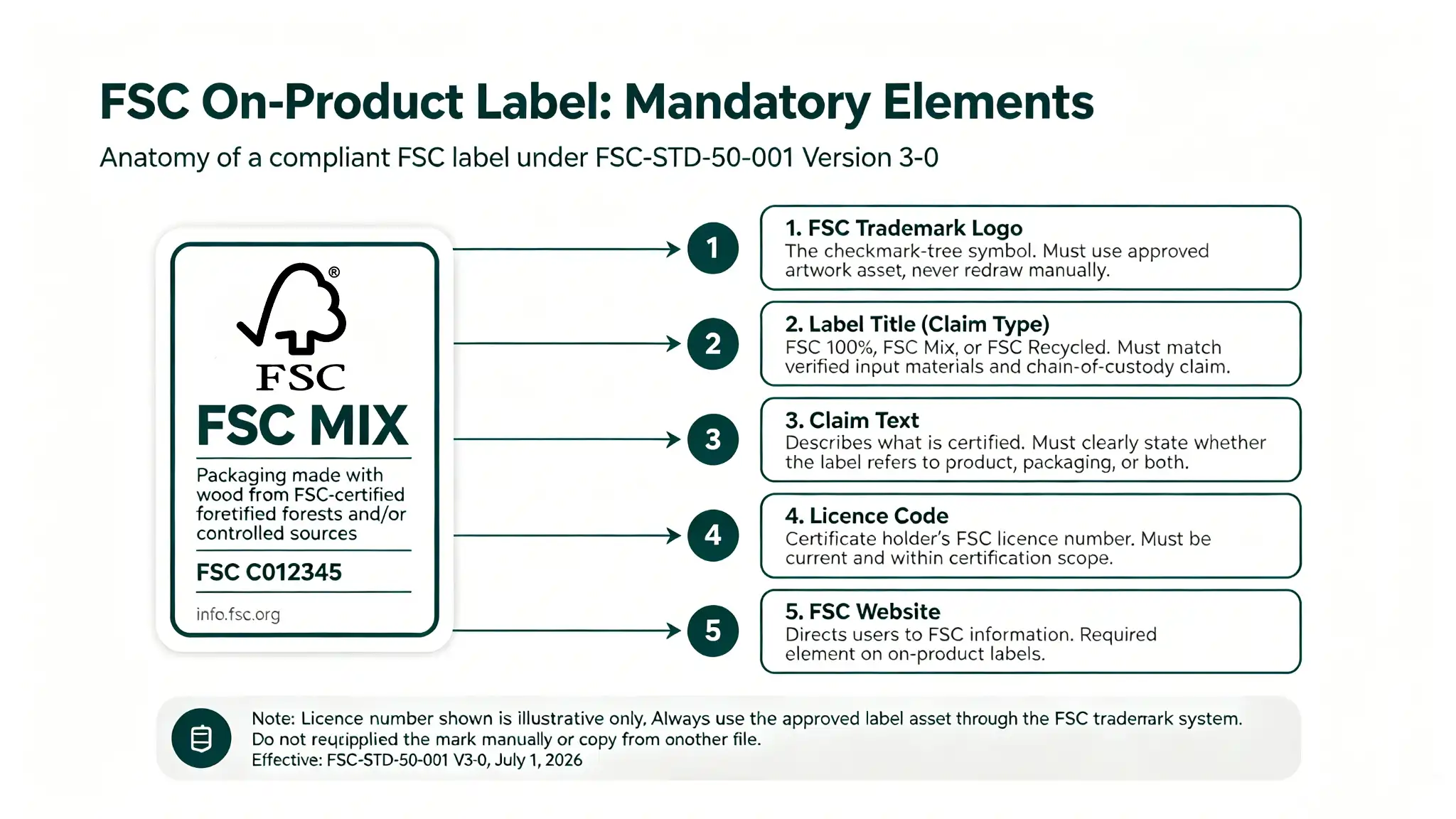
Before finalizing an order, it’s worth asking a manufacturer a few direct questions: which FSC variant — 100%, Mix, or Recycled — applies to the specific material being quoted, whether the certificate number can be provided for verification, and whether FSC sourcing applies to every component in the structure or only the primary paper and board. A tray, ribbon, or window film made from non-wood material won’t carry FSC certification regardless of what the outer box uses, and it’s worth knowing that upfront rather than assuming the whole structure is covered.
FSC Certification vs Other Sustainability Labels
Comparing standards shows what is FSC-certified packaging and why FSC does not replace recycled-content or carbon claims.
Brands comparing sustainability credentials sometimes ask how FSC certification stacks up against other labels they’ve encountered — PEFC (Programme for the Endorsement of Forest Certification) is FSC’s main global counterpart, covering similar forest-sourcing traceability through a separately administered chain-of-custody system. Recycled-content claims, biodegradability labels, and carbon-neutral certifications each address a different piece of a packaging’s environmental profile, and none of them substitute for FSC’s specific forest-sourcing traceability. A manufacturer offering multiple certification options should be able to explain clearly which claim covers which aspect of the material, rather than presenting them as interchangeable proof of general sustainability.
For brands building a packaging sustainability narrative across multiple markets, it’s common to combine FSC certification for paper and board sourcing with separate claims — recycled content, water-based inks, reduced material weight — that cover the parts of the packaging FSC doesn’t touch. This layered approach tends to hold up better under scrutiny than relying on a single certification to imply comprehensive sustainability.
Regional Differences in FSC Requirements
The commercial meaning of what is FSC-certified packaging can vary by retailer and destination market.
FSC certification requirements aren’t uniform across every market. European retailers and EU-bound shipments increasingly treat FSC certification as close to a baseline expectation, often paired with PPWR compliance documentation as part of the same supplier review. US retailers vary more by category and company — some major beauty and home goods retailers have formal FSC requirements written into supplier agreements, while others treat it as a differentiator rather than a strict requirement. Buyers selling into the Middle East or Asia-Pacific markets should confirm directly with retail partners in those regions, since FSC adoption and enforcement varies more there than in the EU or among the larger US retailers that have published formal policies.
The Business Case for FSC-Certified Packaging
Beyond compliance, what is FSC-certified packaging becomes a practical question of trust, traceability, and retail readiness.
Beyond retail compliance, there’s a straightforward business case for FSC-certified packaging worth spelling out. Consumer research consistently shows a meaningful share of shoppers say sourcing credentials influence purchase decisions, particularly in categories like cosmetics, wine, and gifting where the packaging itself is part of the purchase experience. An FSC label gives a brand a specific, verifiable claim to put on that packaging rather than a vague sustainability statement that invites skepticism. For brands entering new retail relationships, having FSC documentation ready before it’s requested — rather than scrambling to source it after a buyer asks — can shorten supplier onboarding timelines noticeably.
There’s also a supply-chain resilience argument that gets less attention than the marketing angle: FSC’s chain-of-custody system requires documented sourcing at every stage, which in practice means a manufacturer offering FSC-certified material has already built traceability into their supply chain. That traceability tends to make it easier to respond quickly if a specific paper mill or pulp source needs to be swapped for any reason, since the documentation trail already exists rather than needing to be reconstructed under time pressure.
For buyers weighing FSC certification against other environmental credentials for the first time, it’s reasonable to ask a manufacturer to lay out exactly which certifications apply to which materials in a proposed structure, rather than receiving a single blanket sustainability claim covering the whole box. This level of specificity tends to hold up better both with retail compliance teams and with end customers who increasingly expect sourcing claims to be verifiable rather than taken on faith.
It’s also worth noting that FSC certification is not a one-time achievement a manufacturer earns and keeps indefinitely — chain-of-custody certification is subject to periodic third-party audits to confirm the tracking system is still functioning correctly, and a supplier’s certification status can lapse if those audits aren’t maintained. Buyers relying on a long-term supplier relationship for FSC-certified material should confirm certification status periodically rather than assuming a claim made at the start of the relationship remains accurate indefinitely.
This audit cycle is part of why FSC certification carries more weight than a one-time self-declared sustainability claim — it’s an ongoing verification process rather than a badge earned once and displayed indefinitely, regardless of whether the underlying sourcing practice continues.
Manufacturing and Certifications
Topvisio answers what is FSC-certified packaging with documented sourcing, controlled production, and third-party audited systems.

Topvisio Packaging is based in Dongguan, Guangdong, running 14+ automated production lines alongside dedicated hand-assembly stations for structures across cosmetics, fragrance, wine, and gift categories. FSC-certified material is available on request across the full product range, and the factory maintains PPWR compliance together with ISO 9001, ISO 14001, and SEDEX audit standing. You can read more on our About Us page, browse our full product range, or check FSC-certified packaging options for available material grades.
Frequently Asked Questions
These answers summarize what is FSC-certified packaging for buyers comparing materials, suppliers, and market requirements.
What is FSC-certified packaging, in simple terms?
This definition is the foundation of what is FSC-certified packaging.
It’s paper or board packaging made from material traceable, through a documented chain of custody, back to forests certified by the Forest Stewardship Council as responsibly managed.
Is FSC-certified packaging automatically eco-friendly overall?
This limitation matters when explaining what is FSC-certified packaging accurately.
Not entirely. FSC certification specifically covers forest sourcing and traceability, not the full packaging lifecycle — a box can be FSC-certified and still use non-recyclable finishes or coatings.
What’s the difference between FSC 100%, FSC Mix, and FSC Recycled?
The material claim is an important part of what is FSC-certified packaging.
FSC 100% means all fiber comes from FSC-certified forests. FSC Mix blends certified fiber with recycled and controlled wood material. FSC Recycled is made entirely from reclaimed fiber with no virgin forest sourcing.
Do all packaging manufacturers offer FSC-certified material by default?
Supplier availability affects how buyers source what is FSC-certified packaging.
No. Many manufacturers, including Topvisio Packaging, offer FSC-certified material on request rather than as the automatic default, so it’s worth specifying clearly when requesting a quote.
Is FSC certification the same as PPWR compliance?
The distinction prevents confusion about what is FSC-certified packaging and EU compliance.
No. FSC covers wood-fiber sourcing and chain-of-custody specifically. PPWR covers broader packaging composition and recyclability requirements for the EU market. Both are typically needed as separate documentation for EU-bound shipments.
What is FSC chain of custody certification, specifically?
Traceability is central to understanding what is FSC-certified packaging.
It’s the tracking system that follows certified material through every processing stage — pulp mill, paper mill, converter, packaging manufacturer — so a finished box can carry a verifiable, auditable paper trail back to a certified forest.
Does requesting FSC-certified packaging change the production lead time?
Lead-time planning is part of sourcing what is FSC-certified packaging responsibly.
Generally not. The manufacturing process is the same regardless of whether the paper and greyboard are FSC-certified or standard; what can change is material availability and, in some cases, a modest cost difference.
How does FSC certification compare to PEFC?
Comparing PEFC helps clarify what is FSC-certified packaging and what it is not.
PEFC is FSC’s main global counterpart, covering similar forest-sourcing traceability through a separately administered chain-of-custody system. Neither substitutes for the other; a manufacturer may offer one, both, or neither depending on their supply chain.
Is FSC certification required for all export markets?
Market requirements influence when brands specify what is FSC-certified packaging.
No. EU-bound shipments increasingly treat it as close to a baseline expectation, often paired with PPWR compliance. US and other market requirements vary more by retailer and category, so confirming directly with a specific buyer is worth doing.
Request a Custom Sample
Moving from what is FSC-certified packaging to a verified production specification starts with your box structure, materials, market, and required FSC claim.
FSC-Certified Sample in 7 Days
Share your dimensions, quantity, target market, and reference images. Topvisio will confirm the applicable FSC material grade and prepare a real-material sample within 7 days after specifications are approved.
Explore More Packaging Resources
How to Choose an FSC Packaging Supplier · FSC Label Requirements · Retailer FSC Certification Rules · FSC Mix Packaging