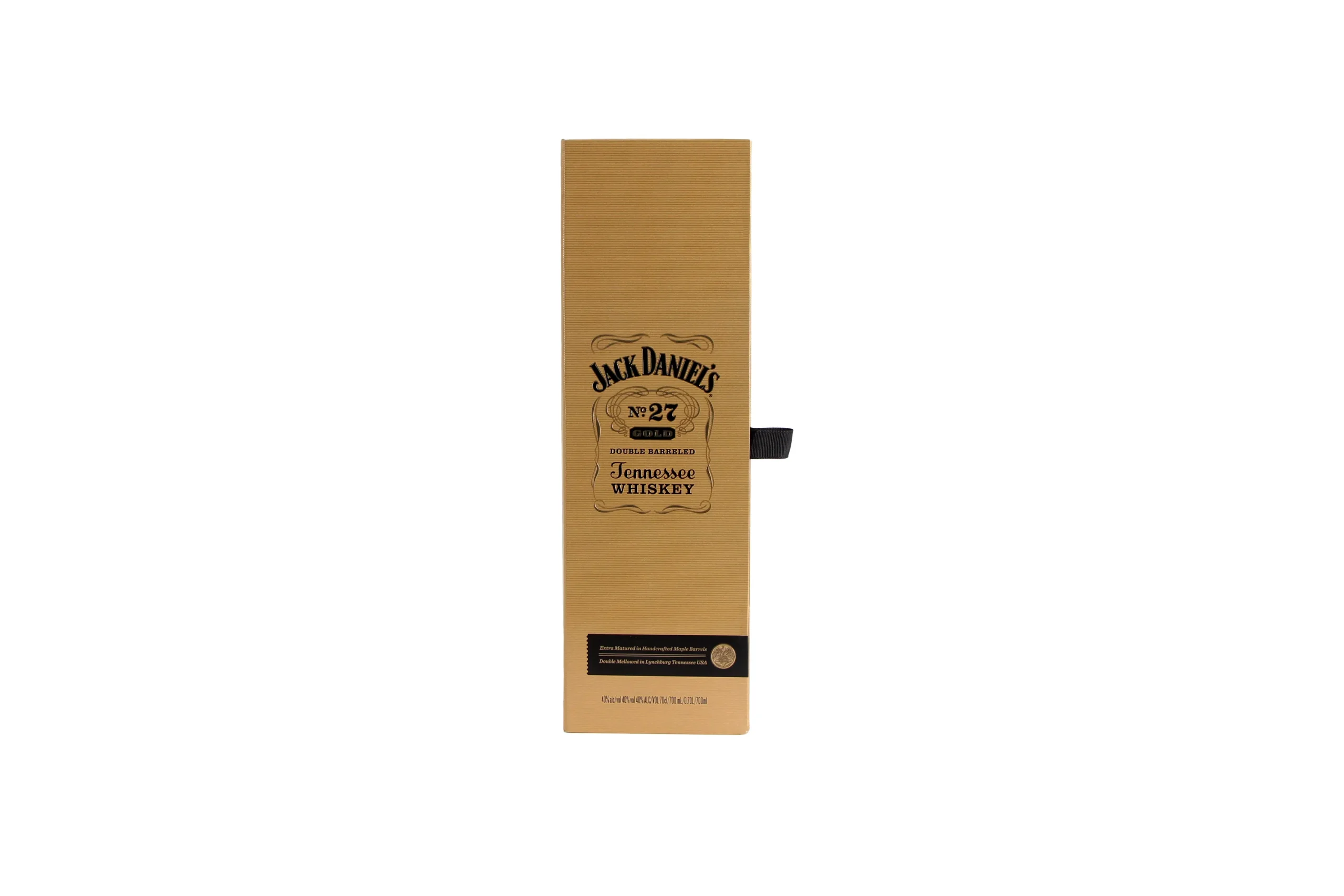
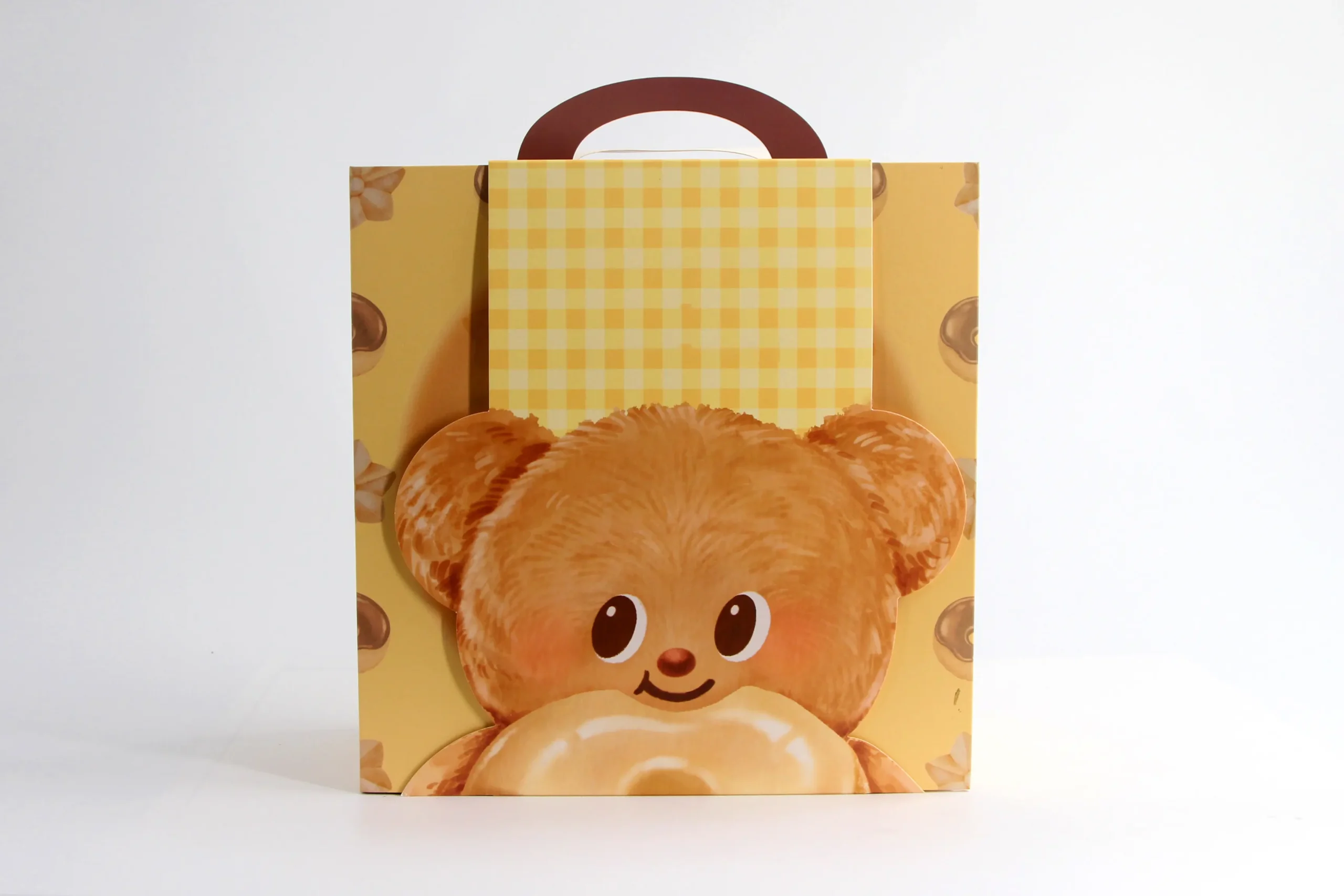
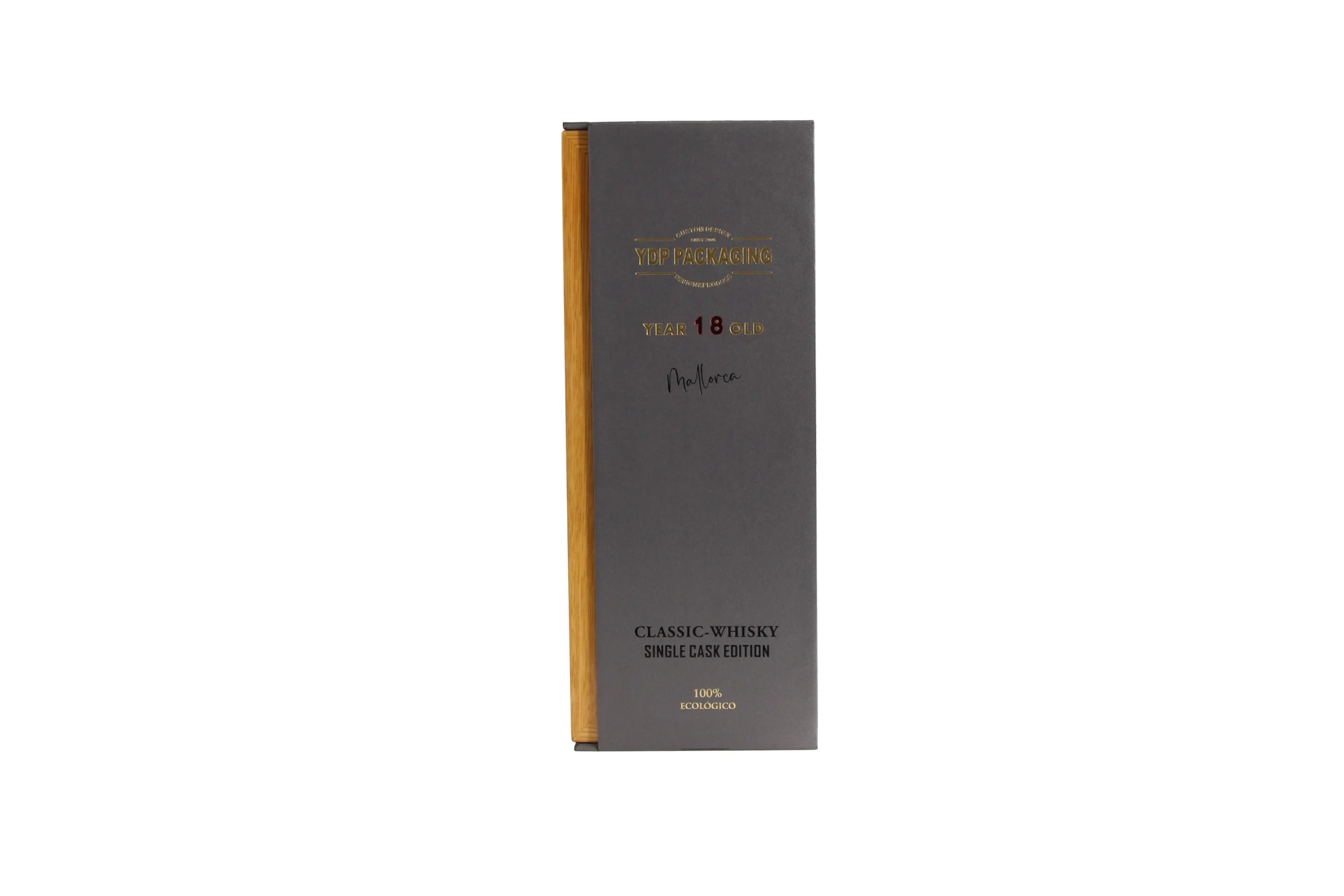
Ask how long it takes to make a gift box and you’ll usually get a lead time in weeks. Ask what actually happens during those weeks and most buyers can’t answer beyond “printing and folding.” That gap is worth closing, because gift box manufacturing isn’t one process — it’s five distinct stages, each with its own failure points, and understanding them changes how you read a quote, a timeline, and a sample.
This guide walks through the five stages a box moves through on a real production floor, drawing on craft technique data across 88 completed production runs. It’s the entry point to a series that goes deeper into each stage: printing and surface finishing, foil stamping and embossing, structural forming, and hardware and linings.
Why Gift Box Manufacturing Involves More Steps Than Buyers Expect
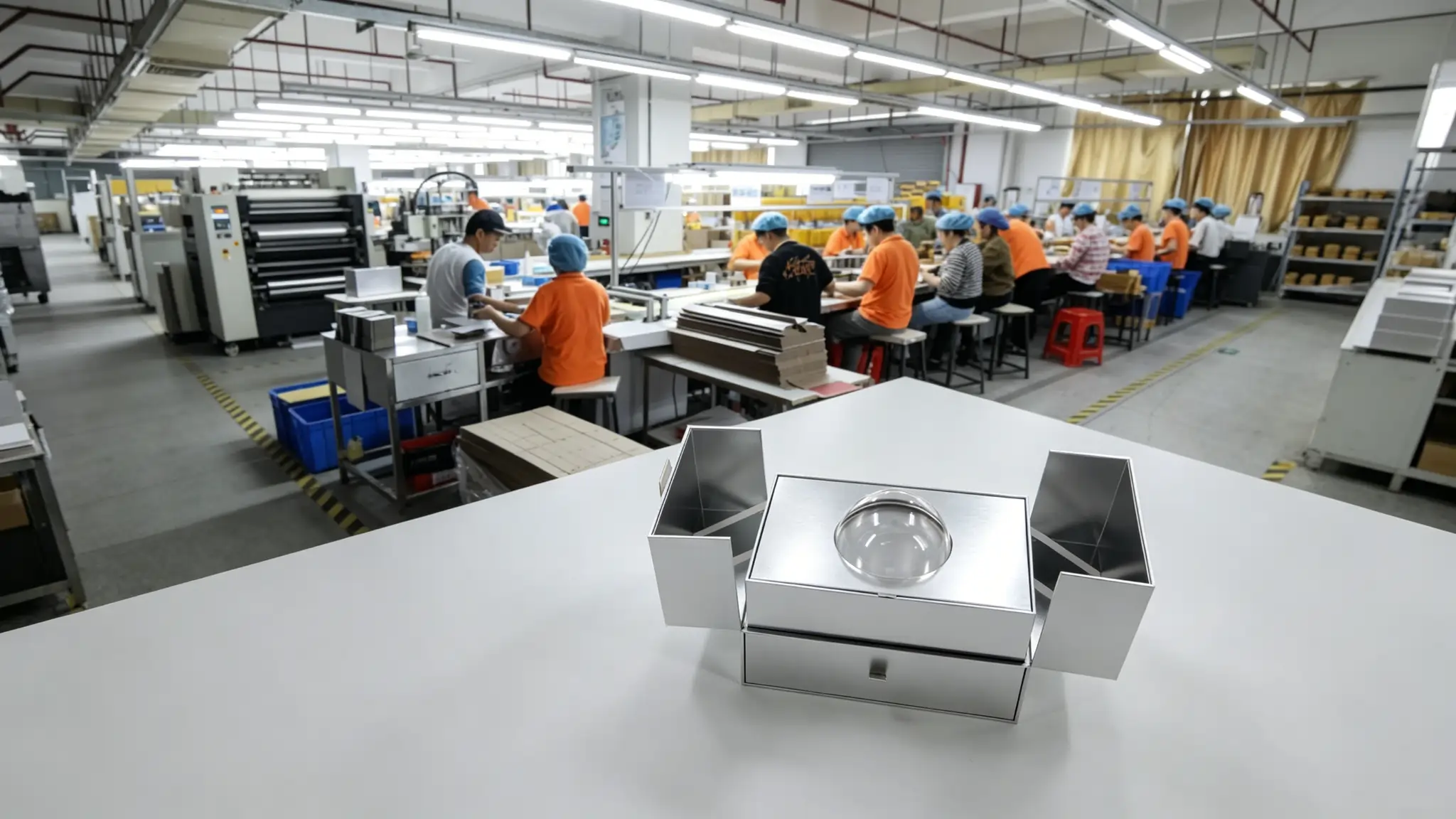
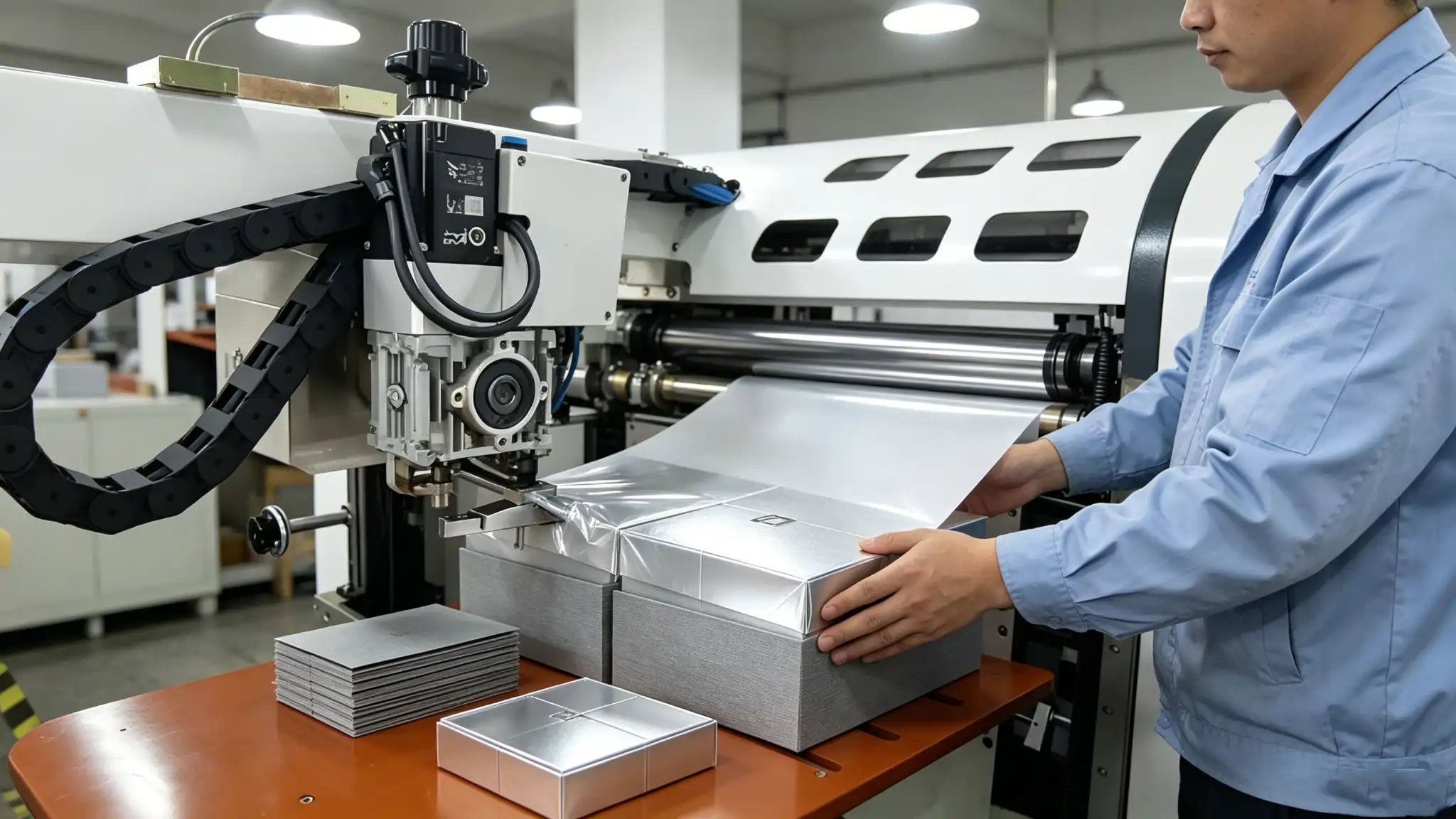
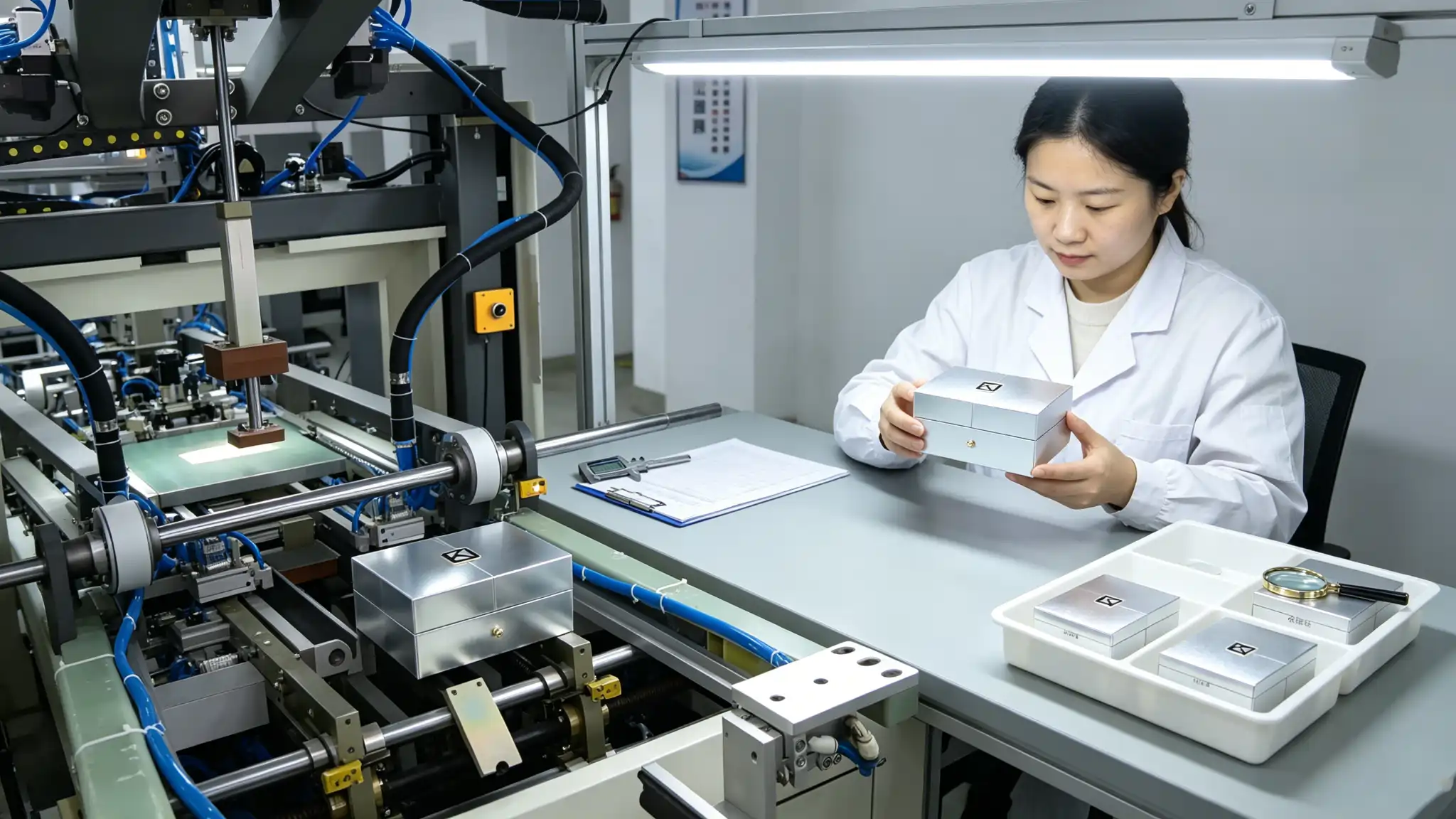
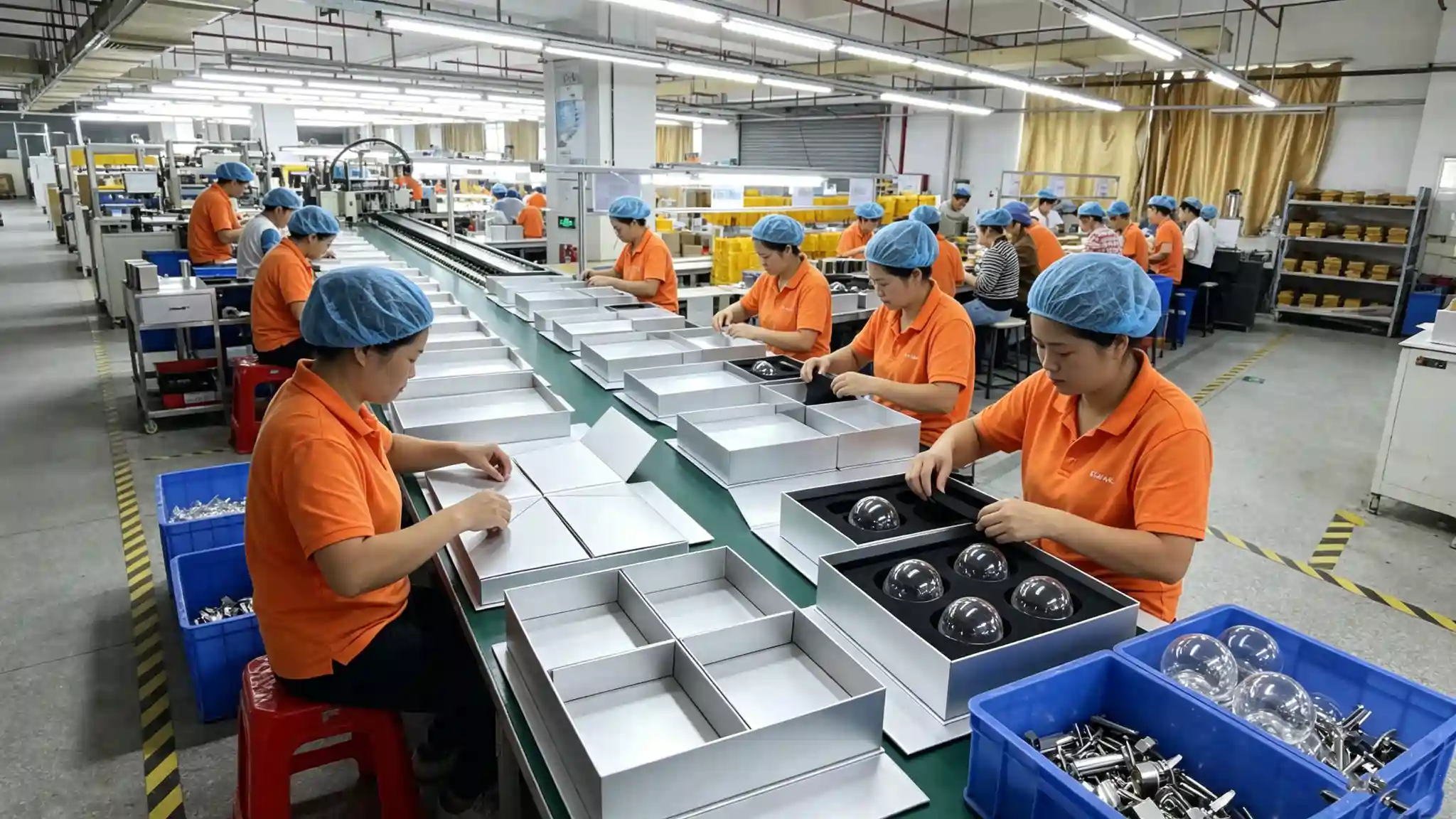
A finished box looks like a single object, but it passes through separate machines, separate operators, and separate quality checks before it’s one. Printing happens on flat sheets. Surface finishing is a distinct pass after the ink is dry. Foil and embossing require their own dies and their own alignment. Structural forming — cutting and scoring — happens before assembly, not during it. Hand assembly, when it’s needed, is a final step that can’t be rushed without visible consequences. Each stage in gift box manufacturing can go right independently of the others, which is exactly why a single weak stage can undermine an otherwise well-made box.
The Five Stages of Gift Box Manufacturing
Printing and Surface Finishing
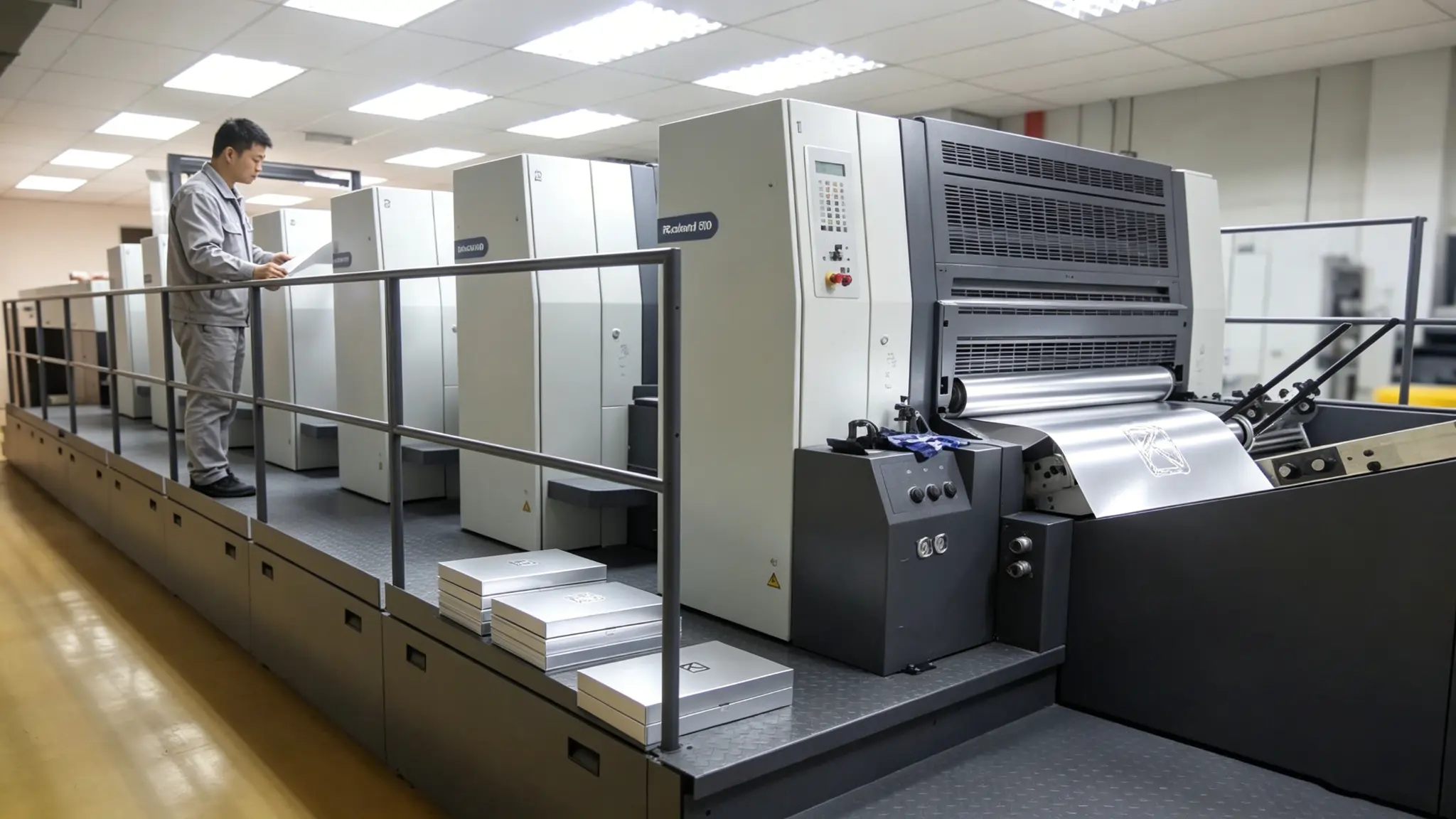
The process starts with printing on flat board or paper stock, followed by a separate surface treatment — matte or gloss lamination, spot UV, or an anti-scratch coating. Across our data, roughly a third of all products use some form of matte film or anti-scratch treatment, making this the most common finishing pass in the entire production chain. Full breakdown: Printing & Surface Finishing.
Foil Stamping and Embossing
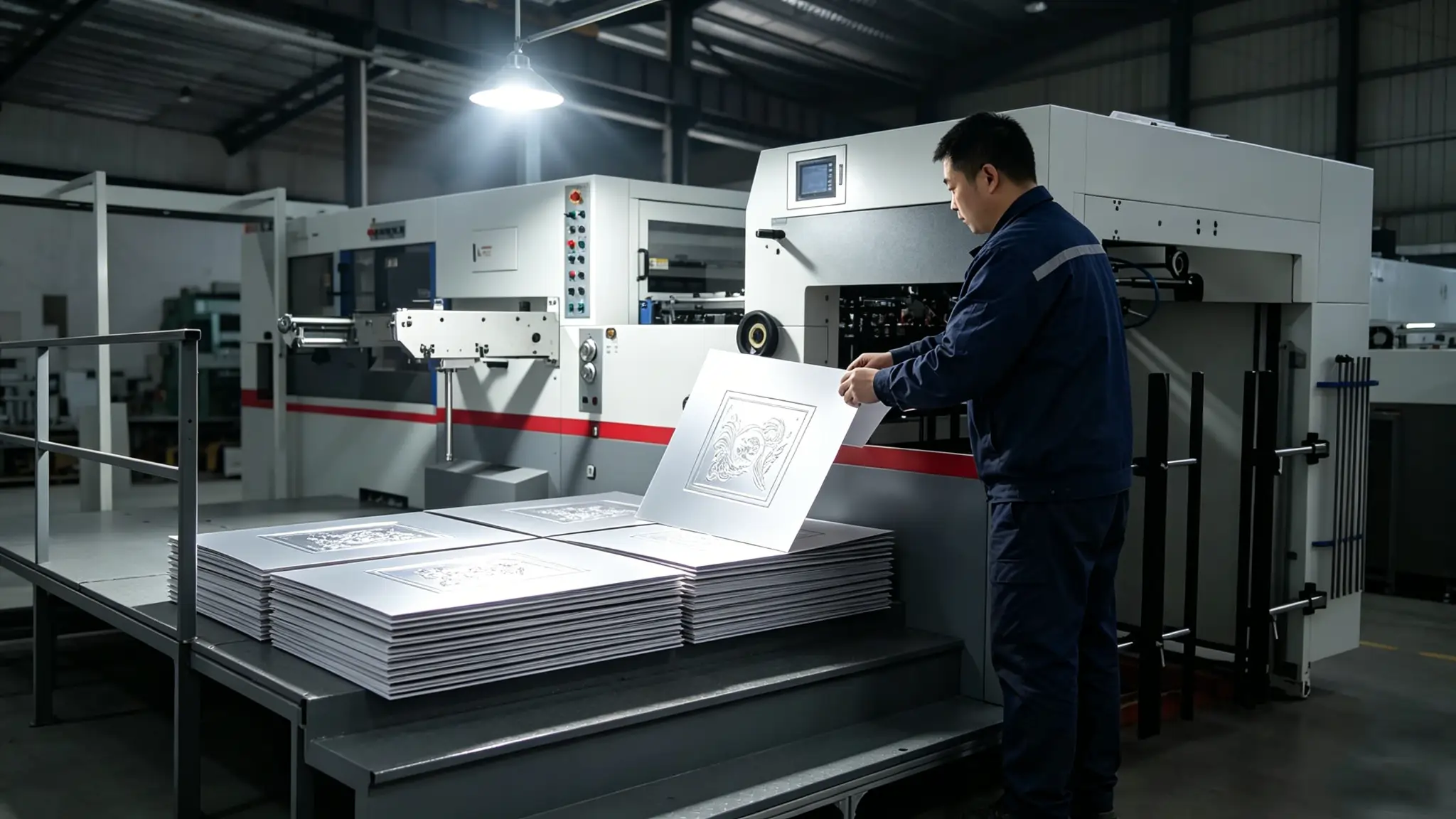
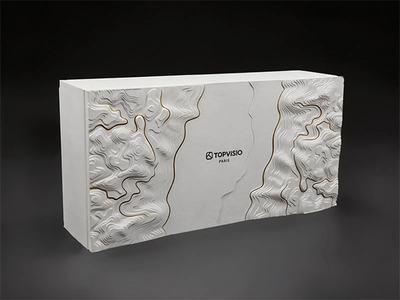
Once the surface finish is set, decorative dies apply foil, and separate dies create embossed or debossed texture. Foil stamping is the single most common decorative technique in our data, appearing on 35 of 88 products — more than any other craft technique tracked. Full breakdown: Foil Stamping & Embossing.
Structural Forming
This is where a flat printed sheet becomes a three-dimensional shape: die-cutting defines the panel outlines, V-groove scoring creates clean fold lines, and in some cases hand assembly finishes what a machine can’t. Die-cutting appears in 53 of 88 products — the single most frequent process step in gift box manufacturing — and V-groove scoring appears in 30. Full breakdown: Structural Forming.
Hardware and Linings
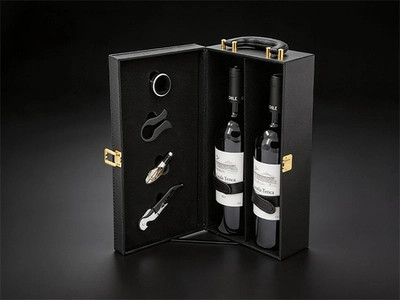
The final stage adds what the customer touches on the inside: magnets, EVA foam, flocked fabric, ribbon pulls, and any metal hardware like clasps or hinges. This stage is where gift box manufacturing shifts from producing a shell to producing an experience. Full breakdown: Hardware, Linings & Finishing Touches.
What Separates a Fast Factory from a Careful One
Every stage above can be rushed, and every stage shows it when it is. A careful factory tests foil registration on a physical sample before running a full batch rather than trusting a digital proof. A careful factory checks die-cutting tolerance against the actual assembled structure, not just the flat cut panel. A careful factory that promotes hand assembly as a selling point actually staffs it with trained operators rather than treating it as an afterthought when a machine can’t do the job. None of this shows up in a spec sheet. It shows up in how consistent a reorder looks next to the original sample, which is usually the real test of whether a gift box manufacturing partner does careful work or just fast work.
Quick Reference: Craft Techniques Across 88 Real Production Runs
Craft Technique
Frequency (of 88 products)
Stage
Die-cutting
53
Structural forming
Hot foil stamping
35
Foil & embossing
V-groove scoring
30
Structural forming
Embossing / debossing
24
Foil & embossing
Matte film / anti-scratch coating
26
Printing & surface finishing
Interior lining (EVA, flocking, etc.)
22
Hardware & linings
Hardware (magnets, clasps, hinges)
18
Hardware & linings
Die-cutting and V-groove scoring together define the structural backbone of nearly every box in our data, while foil stamping and matte or anti-scratch finishing dominate the decorative layer. Hardware and lining techniques appear on a meaningful minority of products, concentrated in higher-end presentation formats rather than standard runs. This distribution reflects what buyers actually order, not a recommendation to default toward the most common techniques for every project.
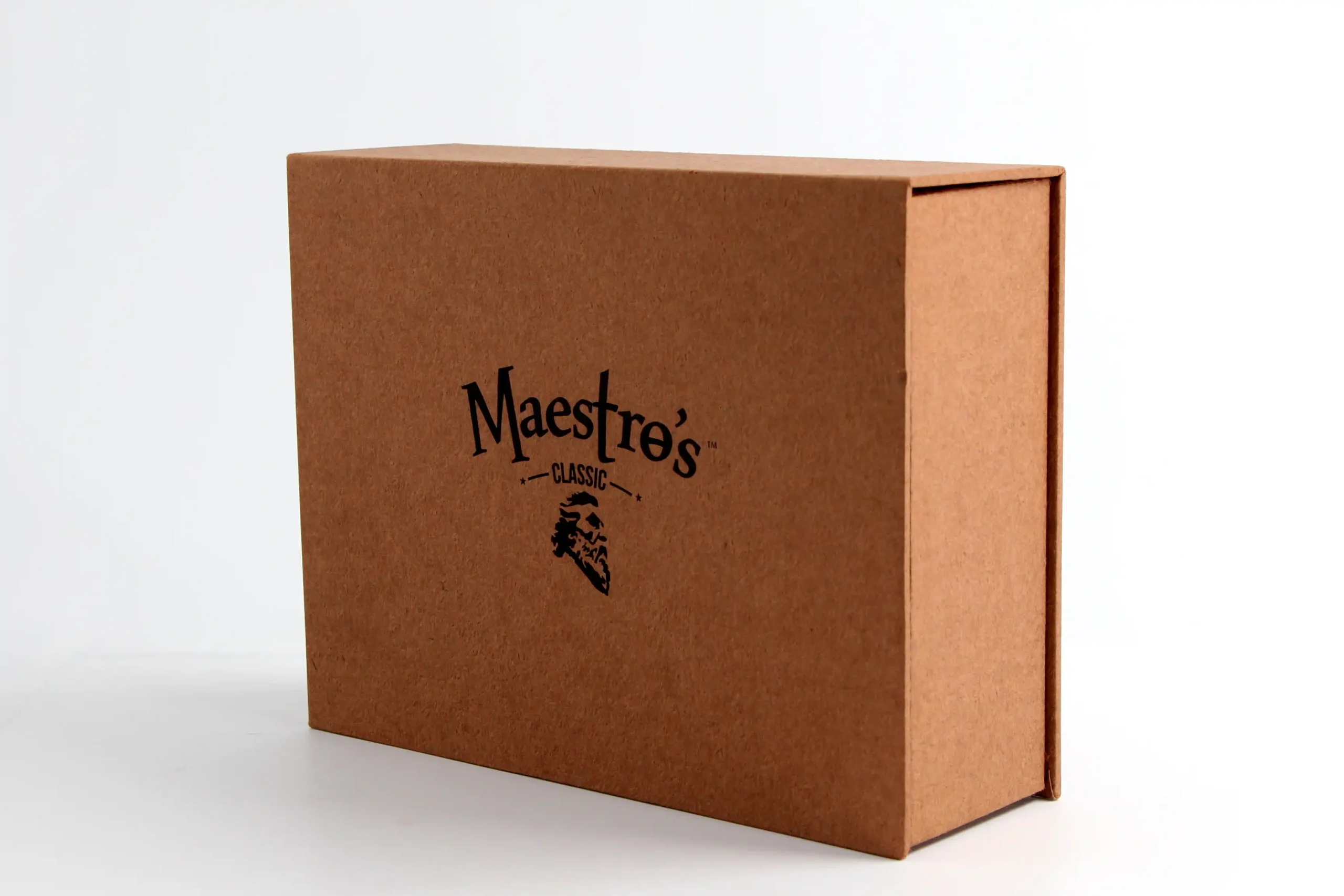
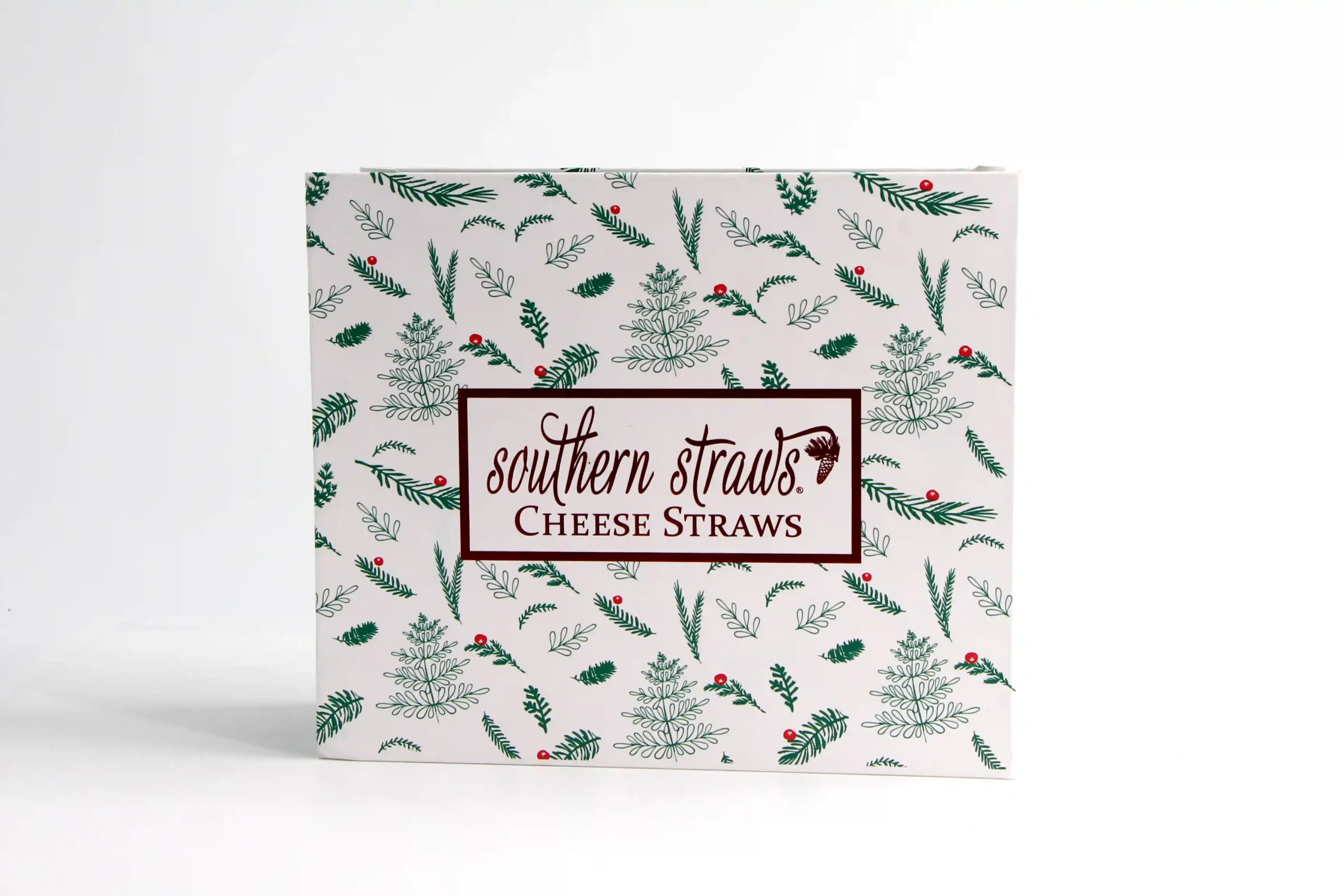
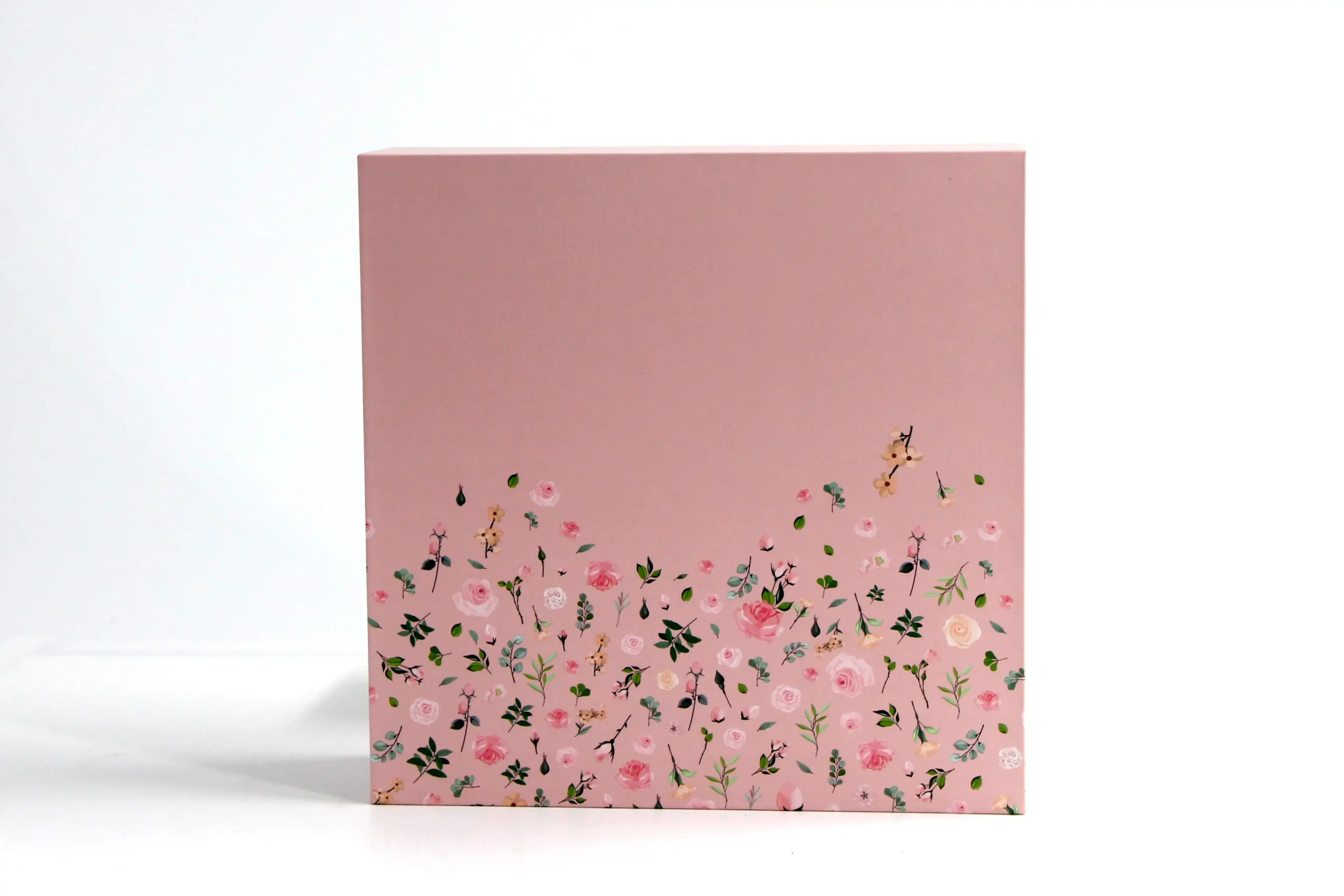
Our custom gift box collection shows how these techniques come together in finished boxes.
What to Know Before You Request a Quote
A few production basics apply across every stage of gift box manufacturing covered in this series.
Minimum Order Quantity
1,000 units per SKU is standard across our product range.
Sample Lead Time
7 days from confirmed spec to sample in hand.
Production Lead Time
30 to 45 days, depending on structural complexity and finish.
Sourcing Note
Print consistency across production runs generally follows process control parameters defined under ISO 12647. Paperboard used in gift box manufacturing can typically be sourced with FSC chain of custody documentation on request. Factories that hold ISO 9001 certification have a documented quality management system in place, worth asking about if consistency across reorders is a priority for your brand.
FAQ
How many stages does gift box manufacturing actually involve?
Five distinct stages in most rigid box production: printing, surface finishing, foil stamping and embossing, structural forming, and hardware and lining assembly. Each has its own equipment, tolerances, and failure points.
What’s the most common technique used in gift box manufacturing?
Die-cutting, appearing in the large majority of products we’ve tracked, since nearly every rigid box structure requires precisely cut panels before folding and assembly. Foil stamping is the most common decorative technique.
Why do two boxes with the same specs sometimes look different between production runs?
Usually a consistency gap in one specific stage — foil registration drift, color variance in printing, or tolerance drift in die-cutting — rather than a change in the overall spec. Asking how a factory controls consistency stage by stage is more useful than asking about the finished product alone.
Does hand assembly always mean higher quality?
Not automatically. Hand assembly is necessary for certain structures a machine can’t finish, but its quality depends entirely on operator training and consistency, not on the fact that it’s manual.
What’s the minimum order quantity for custom gift box manufacturing?
1,000 units per SKU is standard. Sampling takes about 7 days, full production 30 to 45 days after that.
Where can I learn more about materials used across gift box manufacturing?
See our Packaging Materials Guide for the material side of these decisions, alongside the craft technique guides linked throughout this series.
Send us your product specs and target market — we’ll respond with material recommendations, structural options, and a sample within 7 days.
Related Articles
12:06 pm
What Is Bespoke Packaging? Benefits for Your Brand
8:25 am
How to Design Cosmetic Packaging That Sells
Extended producer responsibility for packaging: who's responsible, which countries have EPR, and what buyers need to know. FSC on request, PPWR compliant.