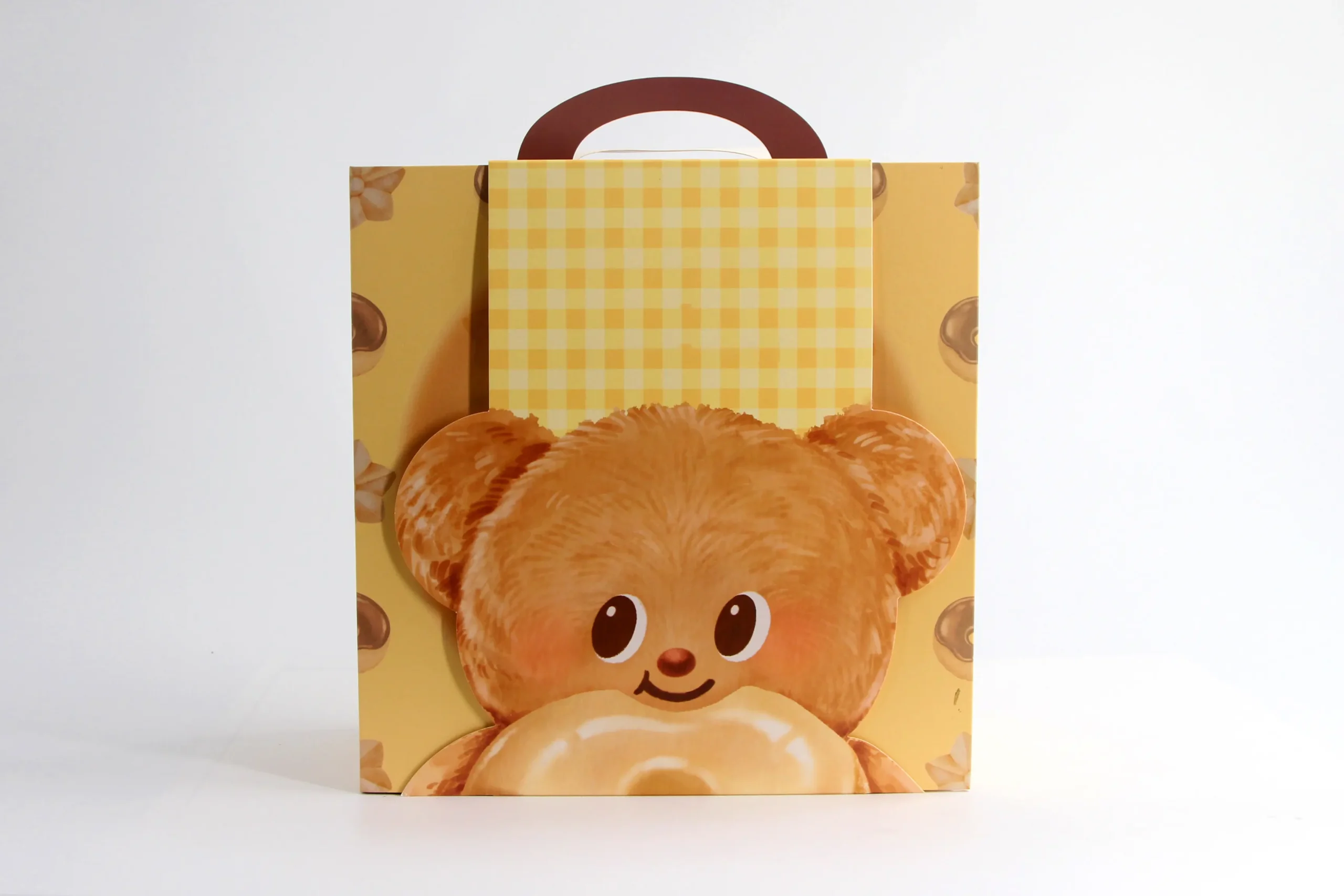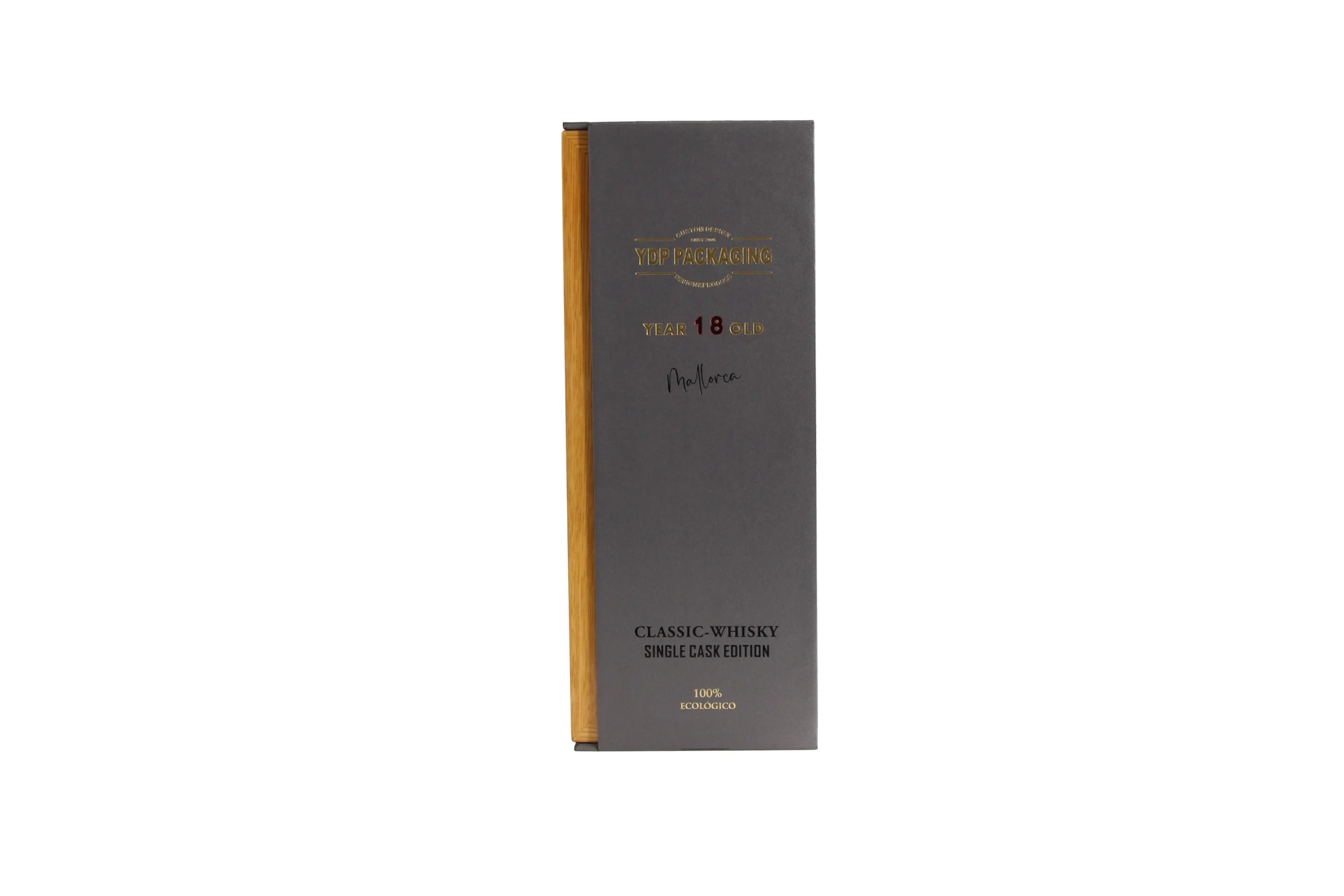
A single product in our data goes through UV printing, an oil-based flood coating, hot foil stamping, embossing, die-cutting, V-groove scoring, an anti-scratch matte film, and hand assembly — eight separate passes before it’s finished. That’s not an unusual outlier. It’s a useful reminder that gift box printing is rarely one step, it’s a sequence, and the order that sequence happens in is what most buyers never see on a spec sheet.
This guide walks through that sequence: the order surface treatments actually happen in, what anti-scratch matte film requires on the floor, and why spot UV is its own separate pass rather than a printing setting.
The Order Surface Treatments Actually Happen In
Gift box printing starts with a base print run, typically four-color process plus one or two spot colors, applied to flat board or paper stock before anything else touches the surface. What comes after depends on the finish being built. A flood oil coating often runs immediately after printing to protect the ink and prepare the surface for lamination. Lamination — matte or gloss film — follows next, sealing the printed surface. Anti-scratch coating, when specified, is typically its own additional layer on top of the base lamination, not a substitute for it. Foil stamping and embossing happen after lamination is fully cured in most gift box printing workflows, since applying heat and pressure to an unset surface risks distorting the print underneath.
Why Some Products Need Three Passes, Not One
A skincare gift box in our data illustrates this well: UV printing as the base layer, a full oil coating pass, hot foil stamping, embossed detailing, and an anti-scratch matte film — five separate surface-related passes before the box even reaches die-cutting. Each pass exists to solve a specific problem the previous one didn’t: the oil coating protects color saturation, the foil adds a decorative layer the lamination alone can’t provide, and the anti-scratch film addresses a durability need that neither the print nor the foil can solve on its own. Gift box printing with this many passes costs more precisely because each one is a separate machine run with its own drying or curing time, not because any single pass is expensive on its own.
What “Anti-Scratch Matte Film” Actually Requires on the Production Floor
Anti-scratch matte film isn’t a different type of lamination in gift box printing — it’s a standard matte film formulated with a harder surface coating, and it needs its own curing time before the sheet can move to the next stage. Rushing this step is one of the more common causes of a laminate that looks fine on delivery but shows visible scuffing within weeks of real handling. A factory that properly cures anti-scratch film before moving to foil stamping or die-cutting adds time to the schedule that a factory skipping that step doesn’t, which is one reason two quotes for the same finish can carry different lead times.
Spot UV as a Separate Pass, Not a Printing Setting
Spot UV coating is applied after the base print and lamination are complete, using a separate UV-curable coating and a dedicated curing unit, not a variation on the standard gift box printing press. It’s a distinct machine pass with its own setup time, which is why spot UV adds cost even on a small design element.
Why Spot UV Runs After the Base Print, Not During It
Running UV coating before the base print or lamination is fully set risks the coating reacting with uncured ink or interfering with lamination adhesion. Factories sequence spot UV as one of the last surface steps specifically to avoid that interaction, applying it once every layer beneath it has fully cured.
Real Examples from Production
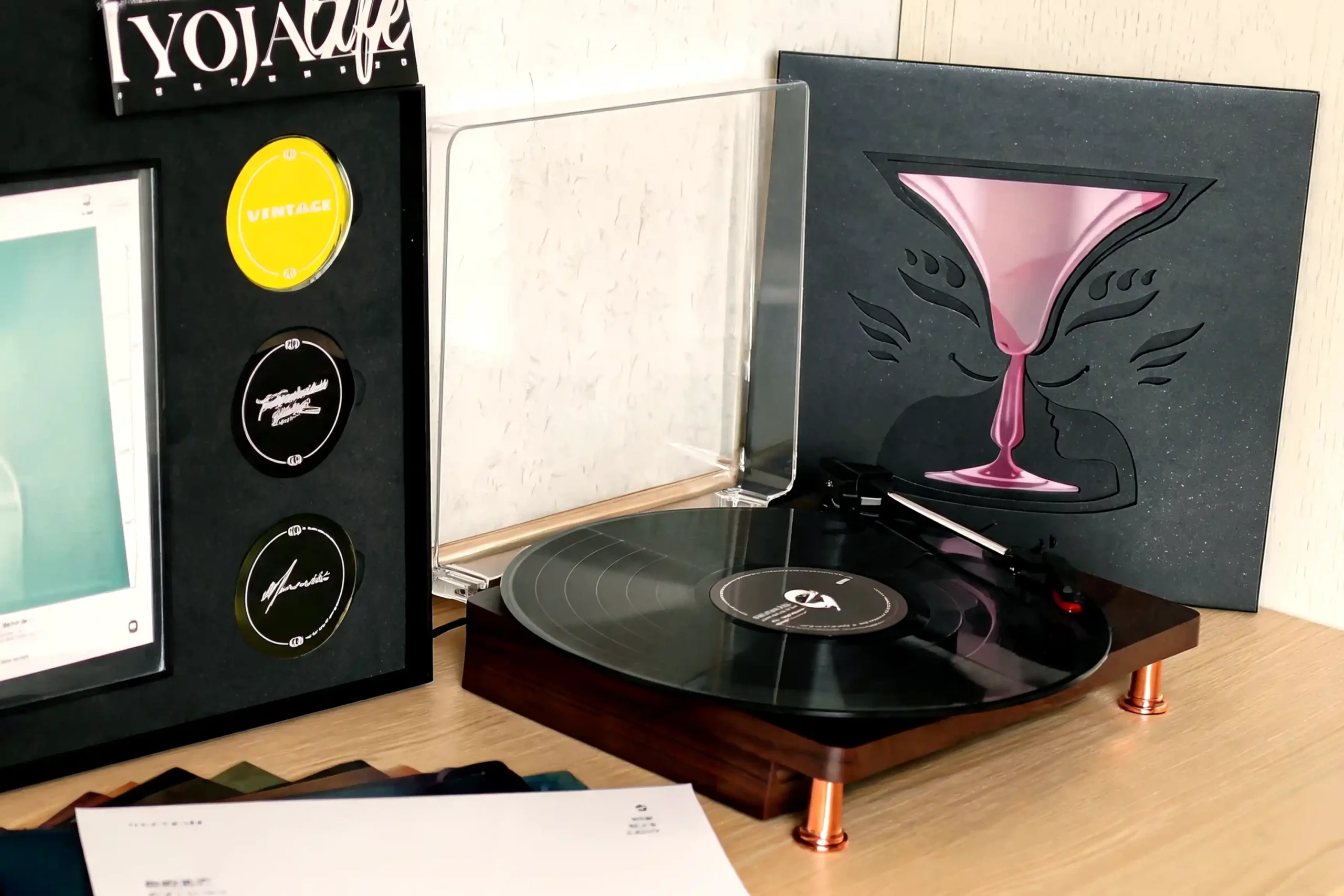
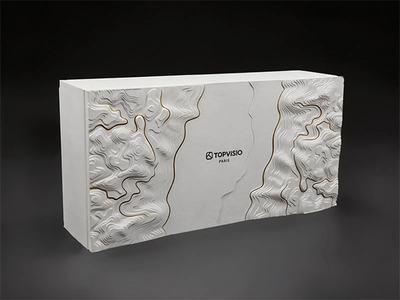
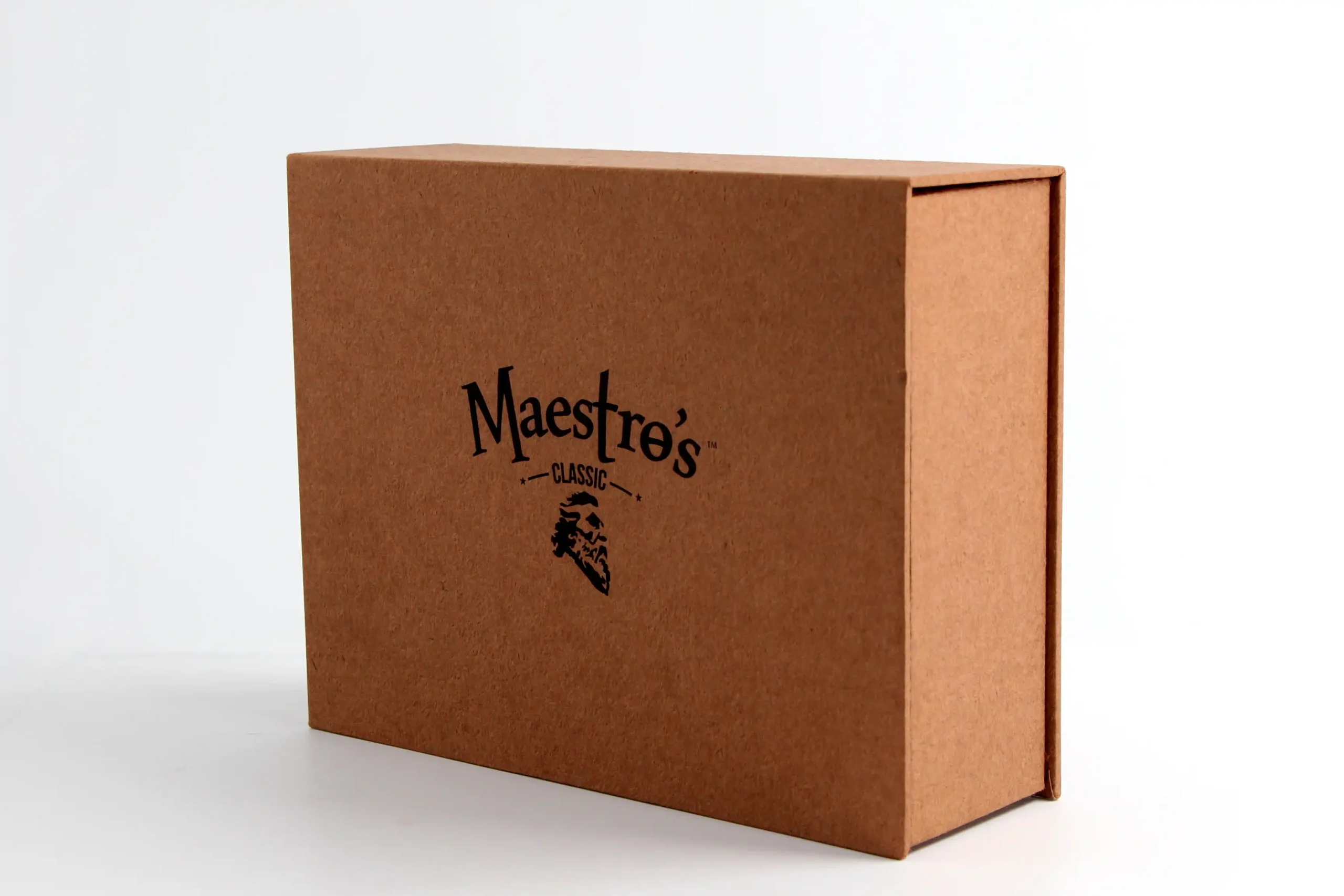
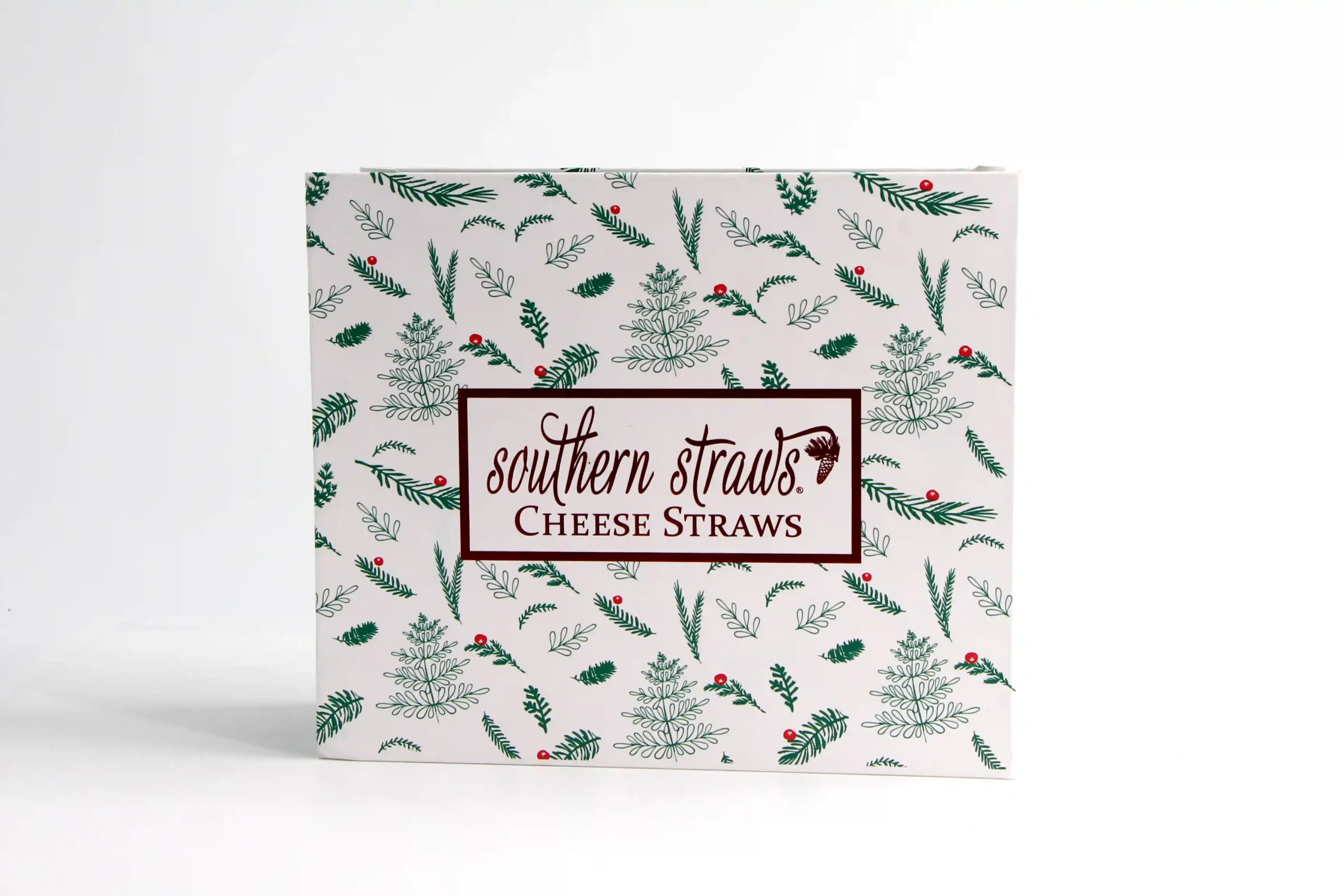
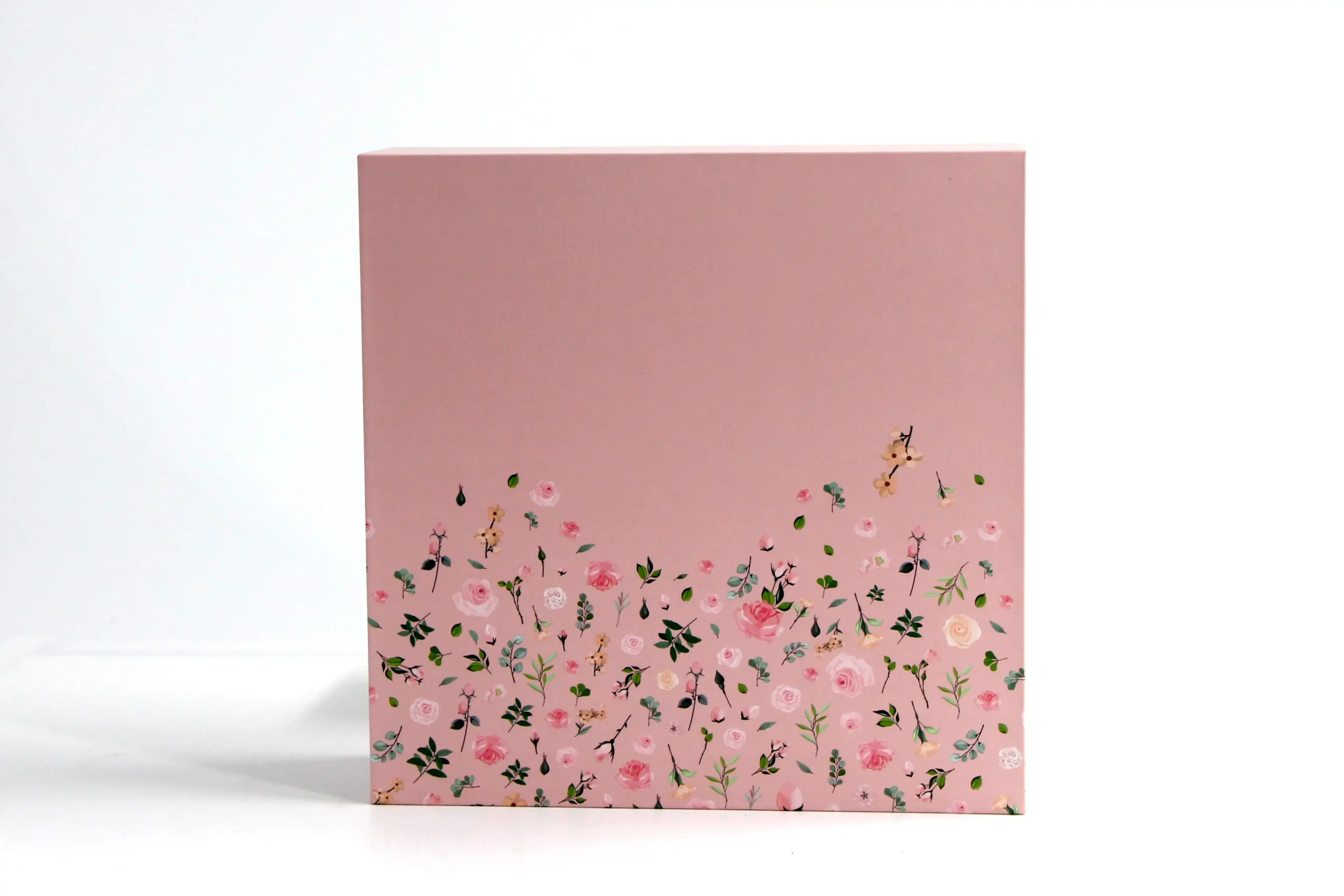
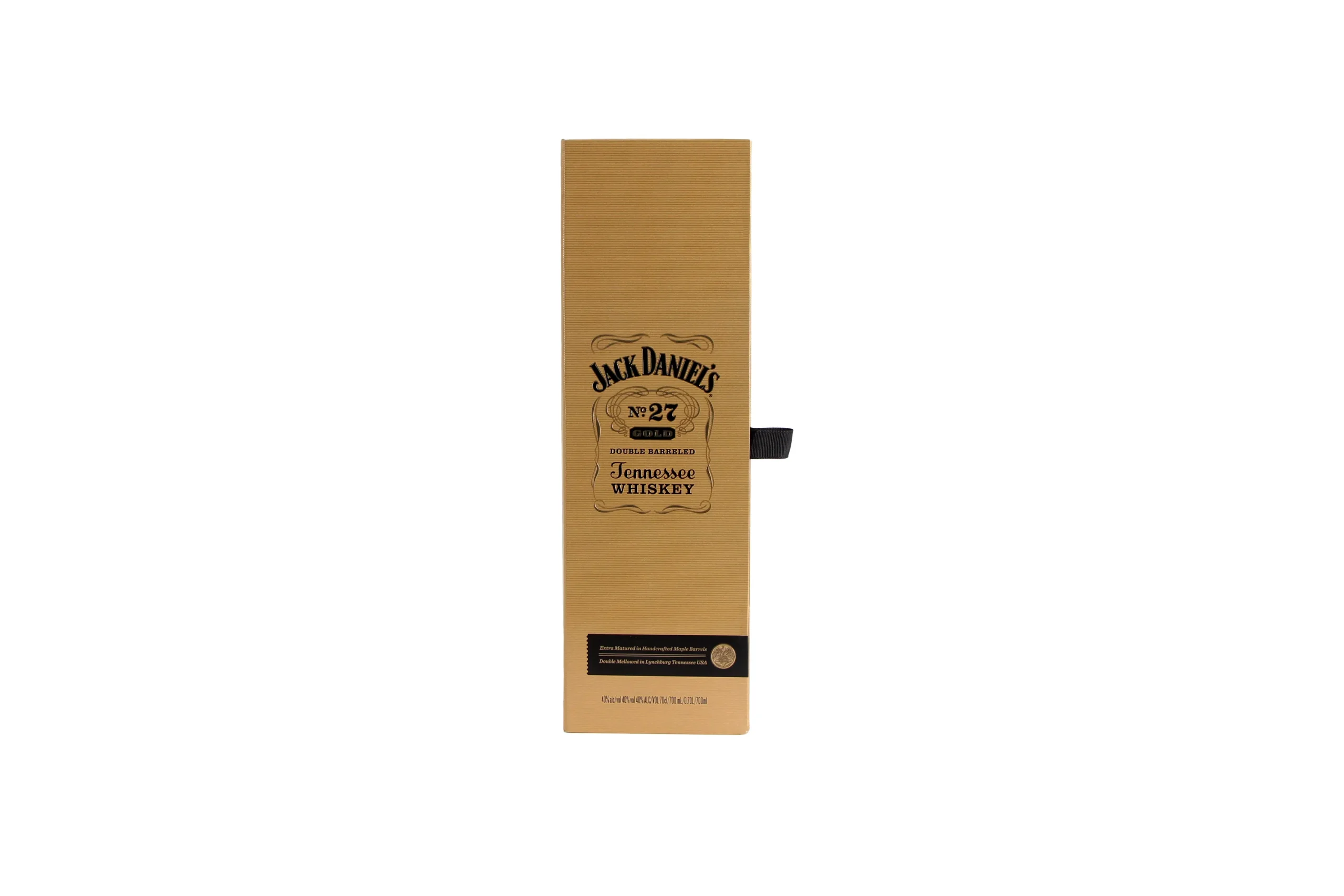
A white gift box in our data uses UV printing as its base layer alongside an anti-scratch matte film, a straightforward two-stage surface build for a clean, durable finish. A luxury perfume packaging example adds hot foil stamping and a colorless emboss on top of a full oil coating and anti-scratch matte finish, a heavier five-pass sequence built for a premium fragrance launch. A magnetic box example uses anti-scratch matte film paired with silver foil stamping rather than gold, showing how the same sequence adapts to a different metallic accent. And a two-piece box from a Chinese New Year collaboration release uses a soft-touch film instead of standard matte, paired with spot UV over embossed detailing — a more complex gift box printing build reserved for a limited-edition run.
Why Consistency Across Reorders Is Harder Than Getting It Right Once
Every pass in gift box printing introduces a variable that can drift between production runs — ink density, lamination thickness, curing time. A factory that nails a sample once hasn’t proven it can repeat that gift box printing result at scale across a reorder placed six months later. Asking how a factory documents and controls each pass, not just what the finished sample looks like, is a better predictor of consistency than the sample alone.
What to Know Before You Request a Quote
A few production basics apply across the surface treatments covered in this guide.
Minimum Order Quantity
1,000 units per SKU is standard across our product range.
Sample Lead Time
7 days from confirmed spec to sample in hand.
Production Lead Time
30 to 45 days, depending on the number of surface passes required.
Sourcing Note
Print consistency across runs generally follows process control parameters defined under ISO 12647. Coating adhesion for anti-scratch and spot UV finishes can be verified using a tape adhesion method before committing to full production.
FAQ
Why does gift box printing sometimes take longer than the quoted lead time?
Each surface pass in gift box printing — printing, coating, lamination, foil — needs its own curing or drying time before the next one can begin. More passes means more sequential steps, which extends the timeline beyond what a single-finish box would need.
Is anti-scratch matte film different from standard matte lamination?
Yes. It’s a matte film formulated with a harder surface coating and requires its own curing time. Treating it as interchangeable with standard matte film during scheduling is a common cause of rushed, under-cured finishes.
Why does spot UV cost more than expected for a small design element?
Spot UV is a separate machine pass with its own setup and curing requirements, regardless of how small the coated area is. The cost reflects the process step, not just the surface area covered.
Can foil stamping happen before lamination?
Not typically. Foil stamping generally happens after lamination is fully cured, since applying heat and pressure to an unset laminate surface risks distorting the print underneath.
What’s the minimum order quantity for custom gift box printing?
1,000 units per SKU is standard. Sampling takes about 7 days, full production 30 to 45 days after that.
Where can I learn more about gift box manufacturing beyond printing and surface finishing?
See our Gift Box Manufacturing Guide for the full five-stage production process, including foil stamping, structural forming, and hardware assembly.
Explore More Packaging Resources
Gift Box Manufacturing: A Complete Process Guide from Print to Finished Box · Luxury Box Finishing: How Foil Stamping & Embossing Are Applied · Advanced Packaging Techniques: Laser Cutting, Holographic Foil & UV Doming · TopVisio Home