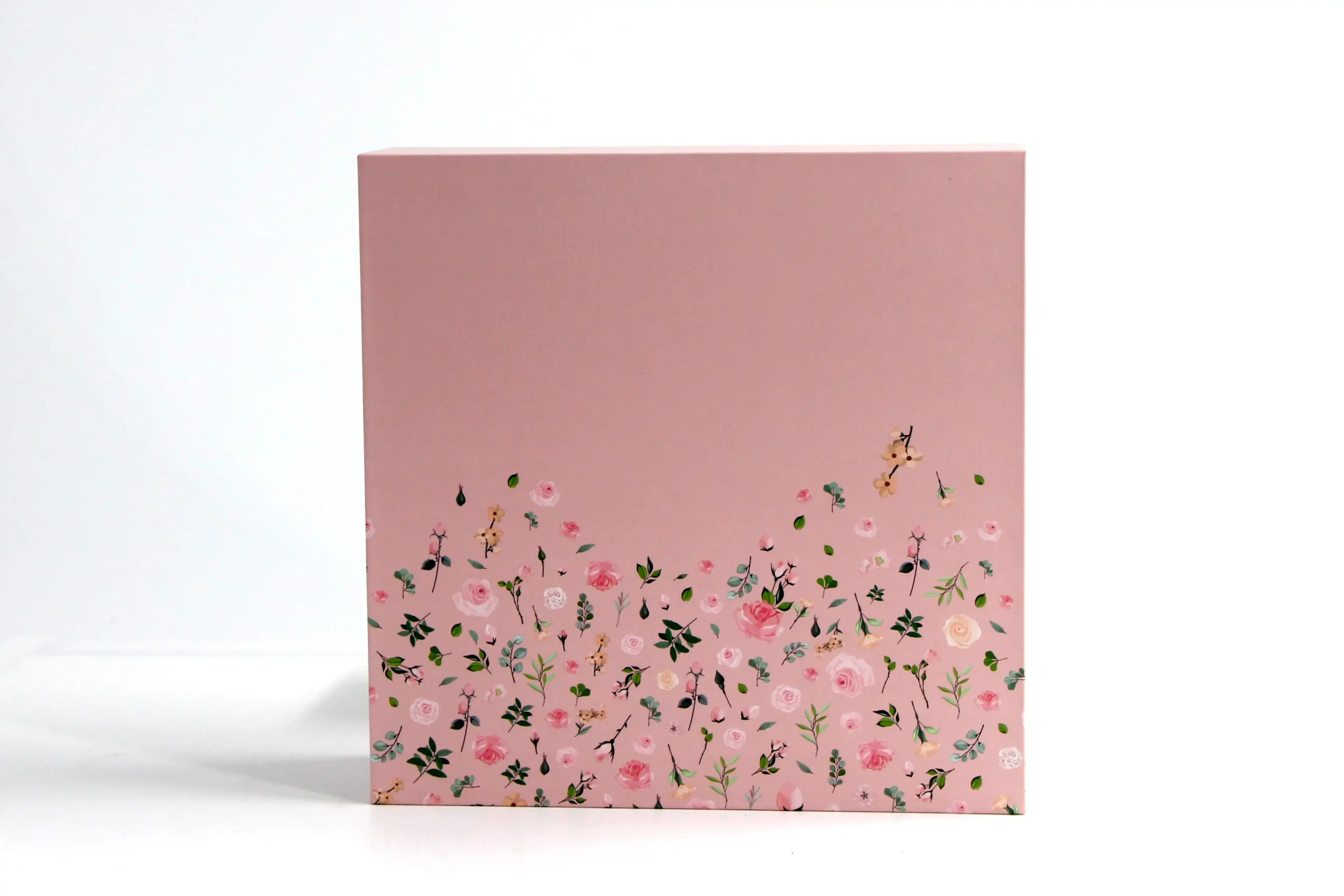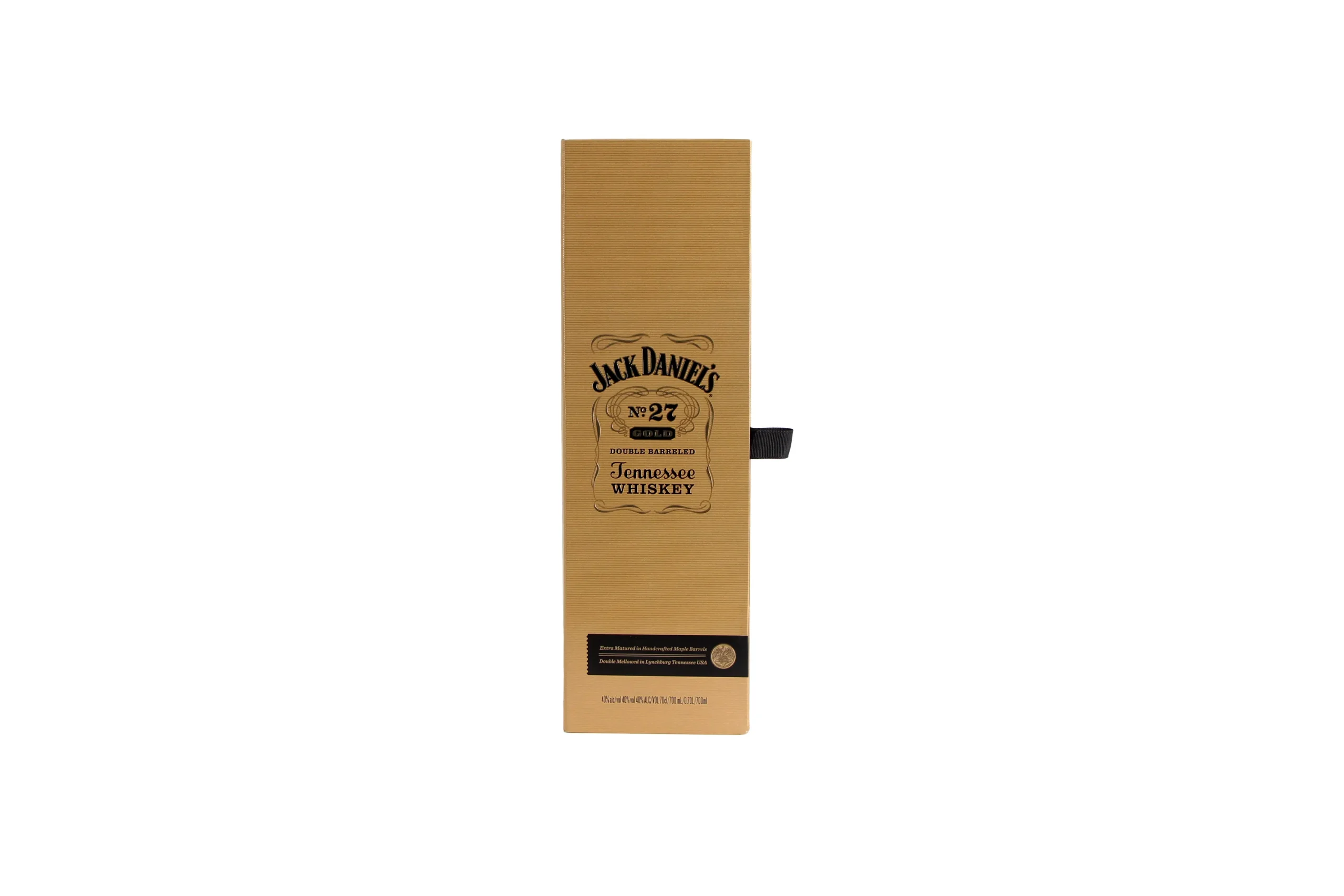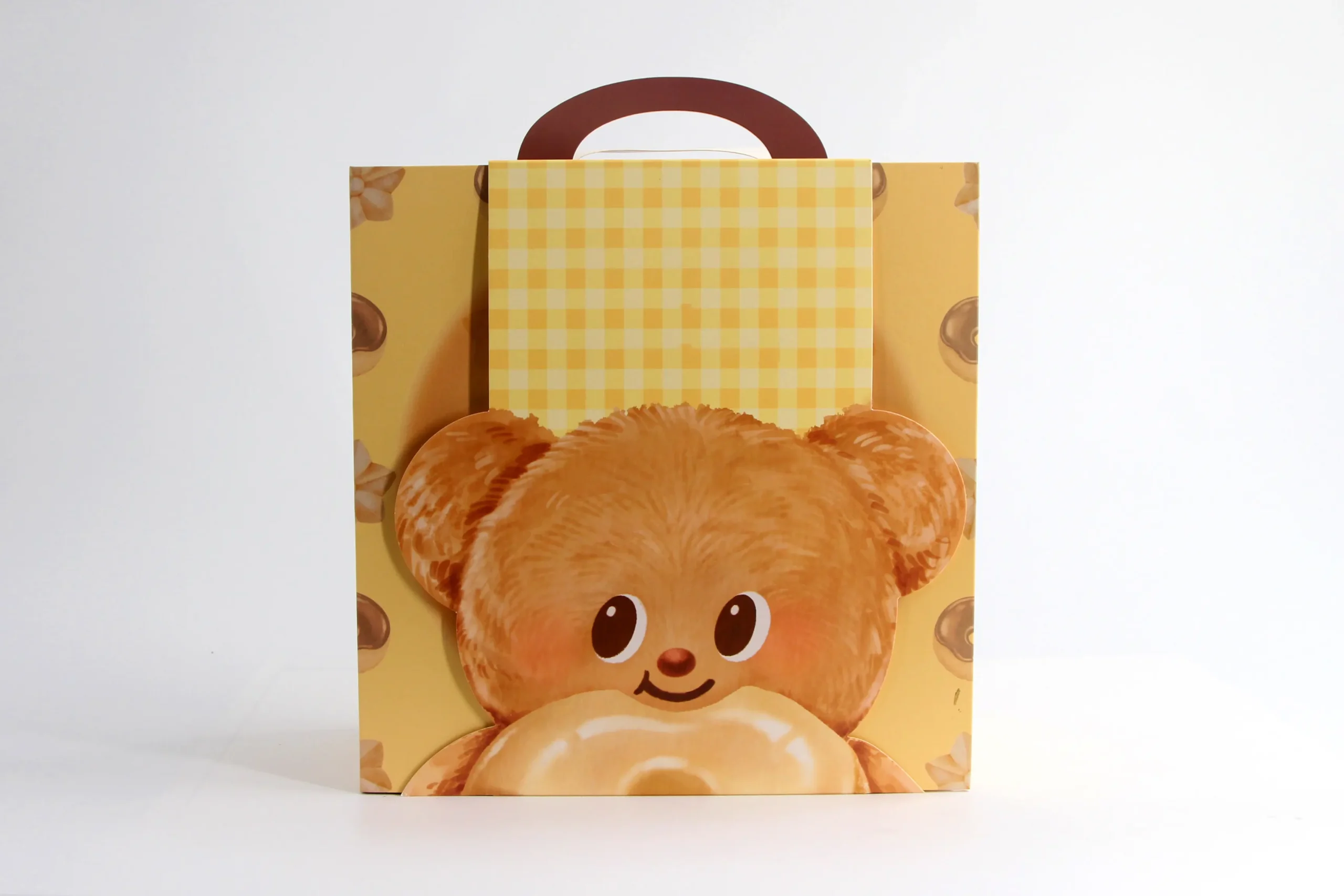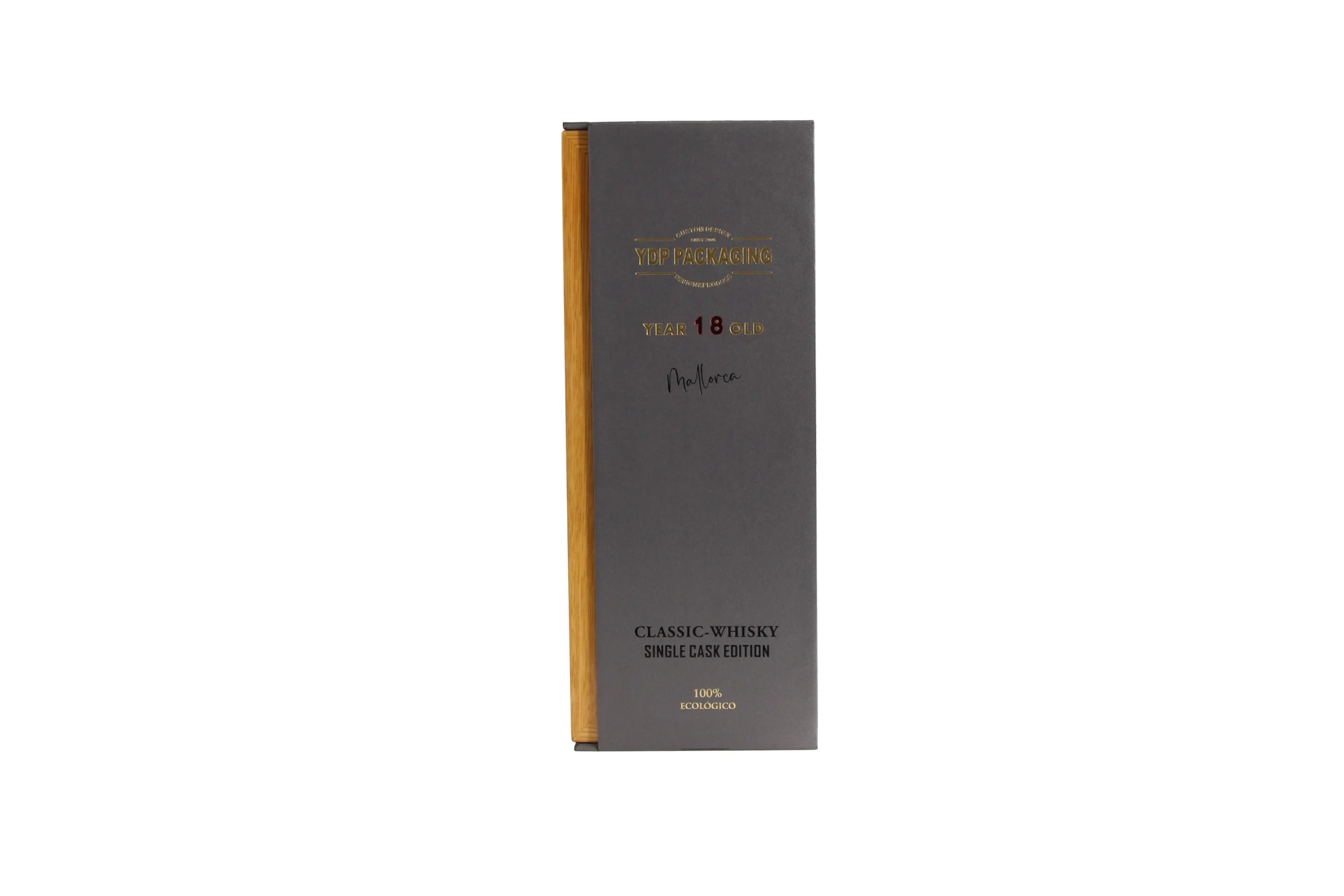
Before a box has a color, a finish, or a single decorative touch, it has to become a shape, and that transformation happens in two steps most buyers never think about: die-cutting and V-groove scoring. Everything decorative in this series — foil, embossing, lamination — gets applied to a flat printed sheet. Die cutting packaging is what turns that flat sheet into panels that actually fold into a box.
This guide covers the structural forming stage of production: how die-cutting and V-groove scoring work together, and why some structures need a person to finish what a machine started.
From Flat Sheet to 3D Box: The Forming Sequence
By the time a printed and laminated sheet reaches structural forming, it’s already been through every decorative process described elsewhere in this series. What happens next determines whether all that surface work actually becomes a box or ends up as an expensive flat sheet with nowhere to fold. Die cutting packaging comes first, cutting the panel outline and any windows or slots. V-groove scoring follows, creating precise fold lines within that cut outline. Only after both steps are complete does a sheet get folded and, when necessary, assembled by hand.
What Die-Cutting Actually Does Before Anything Else Happens
A steel rule die, shaped to match the exact panel layout of a box, cuts through the printed and laminated board in a single press pass. This isn’t a rough trim — the die defines every edge, corner, and internal slot that the finished structure depends on. Die cutting packaging appears in 53 of the 88 products behind this series, more than any other single production step, because virtually no rigid structure can be assembled without it. A die that’s slightly worn or improperly aligned doesn’t just create a rough edge — it can throw off every fold that depends on that outline being correct.
V-Groove Scoring: Creating the Fold Line, Not Just Marking It
V-groove scoring is the second core step in die cutting packaging, removing a thin V-shaped channel of material along the fold line rather than simply pressing a crease into the board. This matters because board doesn’t fold cleanly on thick stock without some material removed at the fold point — a pressed crease alone tends to crack or resist folding at heavier gsm.
Why V-Groove Depth Is Cut, Not Pressed
The depth of the V-groove has to match the board thickness closely: too shallow and the fold resists and risks cracking the surface finish, too deep and the panel loses structural strength exactly where it needs to bear weight. This is why V-groove scoring runs as its own precise pass rather than something bundled loosely into die-cutting, even though both processes happen close together in the sequence.
When Machines Hand Off to People
Most die cutting packaging structures fold and lock together through the die-cutting and scoring alone, no additional labor required beyond folding along the pre-cut lines. But a meaningful number of structures need a person to finish assembly, adding tabs, inserts, or hardware in a sequence a machine isn’t set up to perform.
Real Examples: Where Hand Assembly Enters the Process
Four real cases in our data show a consistent pattern: every one of them combines V-groove scoring, die-cutting, and hand assembly together, rather than any single technique working alone. A paper gift box from an HBN limited-edition skincare release uses embossed texture and foil stamping on a structure that still requires hand assembly to complete after scoring and cutting. A beauty gift box built for a Valentine’s Day heart-shaped release needed hand assembly specifically because a die-cut, machine-folded process can’t reliably form a curved heart silhouette. A cosmetic box from a Christmas-themed makeup release combines silver foil and glitter screen printing with hand assembly on a similarly non-standard shape. And a second HBN skincare release, in a different colorway, follows the identical process, confirming this isn’t a one-off exception but a repeatable pattern for a specific structural category.
Why These Three Steps Usually Travel Together
Die-cutting, V-groove scoring, and hand assembly show up together so consistently in our die cutting packaging data because they solve sequential parts of the same problem: define the shape, create the fold points, then complete whatever a machine fold can’t finish on its own. Die cutting packaging alone gets a standard rectangular box most of the way there. Non-standard silhouettes, curved edges, layered panels, tend to need all three working together rather than relying on any one step to do more than its share.
What to Know Before You Request a Quote
A few production basics apply across the structural forming techniques in this guide.
Minimum Order Quantity
1,000 units per SKU is standard across our product range.
Sample Lead Time
7 days from confirmed spec to sample in hand.
Production Lead Time
30 to 45 days, with hand-assembled structures often needing the longer end of that window.
Sourcing Note
Die and structural tolerance for die cutting packaging follows the same general framework referenced under ISO 2768 elsewhere in this series. Standardized structural classification systems, like the FEFCO code used for corrugated shipping cartons, illustrate how die-defined shapes are documented across the wider packaging industry. For hand-assembled structures shipping internationally, ISTA transit testing can confirm assembly joints hold under real handling conditions.
FAQ
Why does die-cutting come before printing finishes are fully visible?
In die cutting packaging, cutting actually happens after printing and decorative finishes, not before. The confusion usually comes from the fact that die-cutting defines the final panel shape, which can make it seem like the starting point of production when it’s really one of the last structural steps.
What’s the difference between V-groove scoring and a pressed crease?
V-groove scoring removes a thin channel of material along the fold line, allowing cleaner folds on thicker board. A pressed crease alone can crack or resist folding, especially at heavier gsm.
Why do some boxes need hand assembly after die-cutting and scoring?
Non-standard shapes, curved silhouettes, or structures with added hardware or inserts often can’t be completed through folding alone. A person finishes what the machine-cut and scored panels can’t fold into on their own.
Does die cutting packaging work the same way for every box shape?
The core process is consistent, but tooling is shape-specific. A steel rule die built for one panel layout can’t be reused for a different structure, which is part of why custom shapes cost more in tooling than standard rectangular ones.
What’s the minimum order quantity for custom die cutting packaging?
1,000 units per SKU is standard. Sampling takes about 7 days, full production 30 to 45 days after that.
Where can I learn more about gift box manufacturing beyond structural forming?
See our Gift Box Manufacturing Guide for the full five-stage production process, including printing, foil stamping, and hardware assembly.
Explore More Packaging Resources
Gift Box Manufacturing: A Complete Process Guide from Print to Finished Box · Luxury Box Finishing: How Foil Stamping & Embossing Are Applied · Gift Box Hardware: How Magnets, Flocking & Hardware Are Installed · TopVisio Home