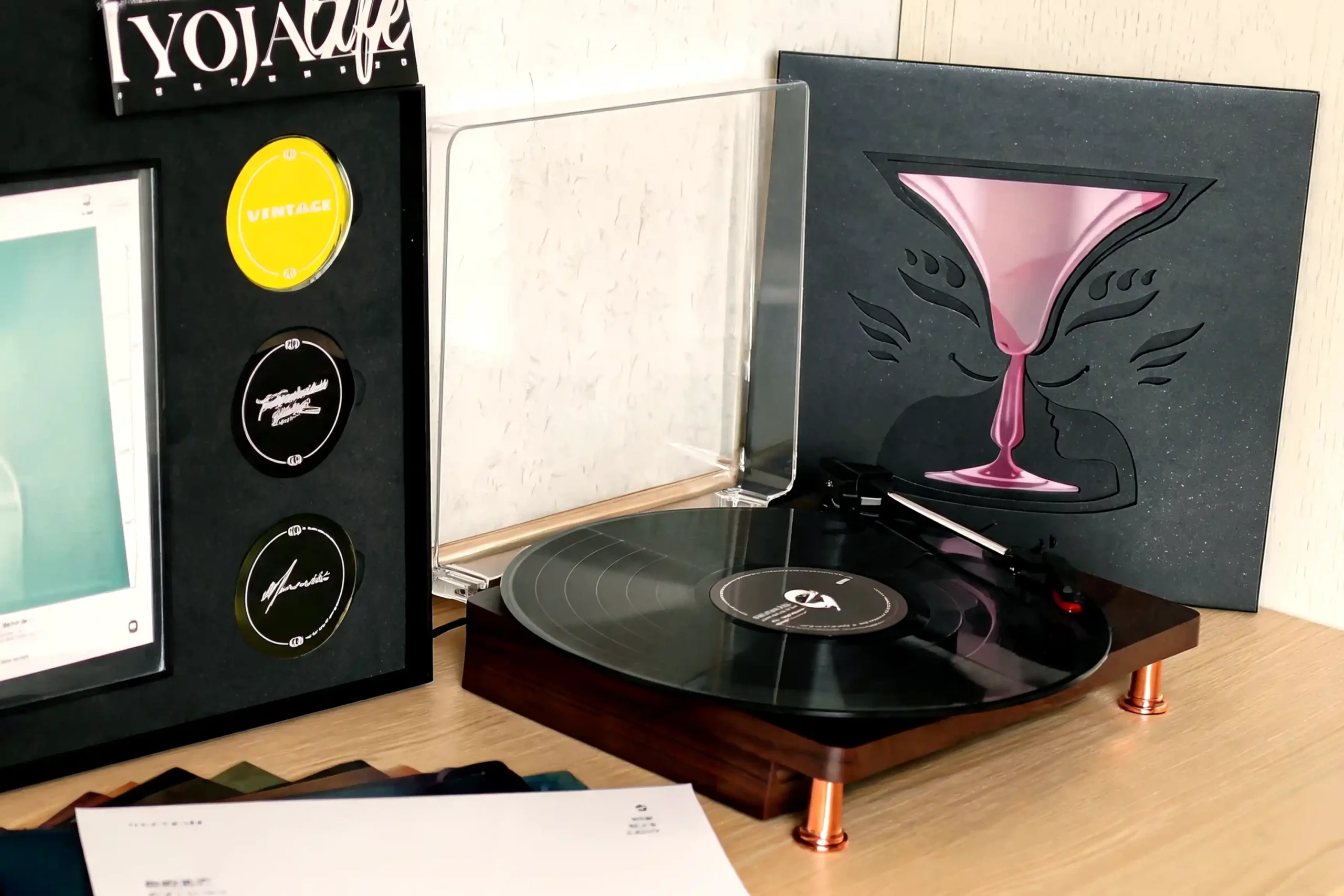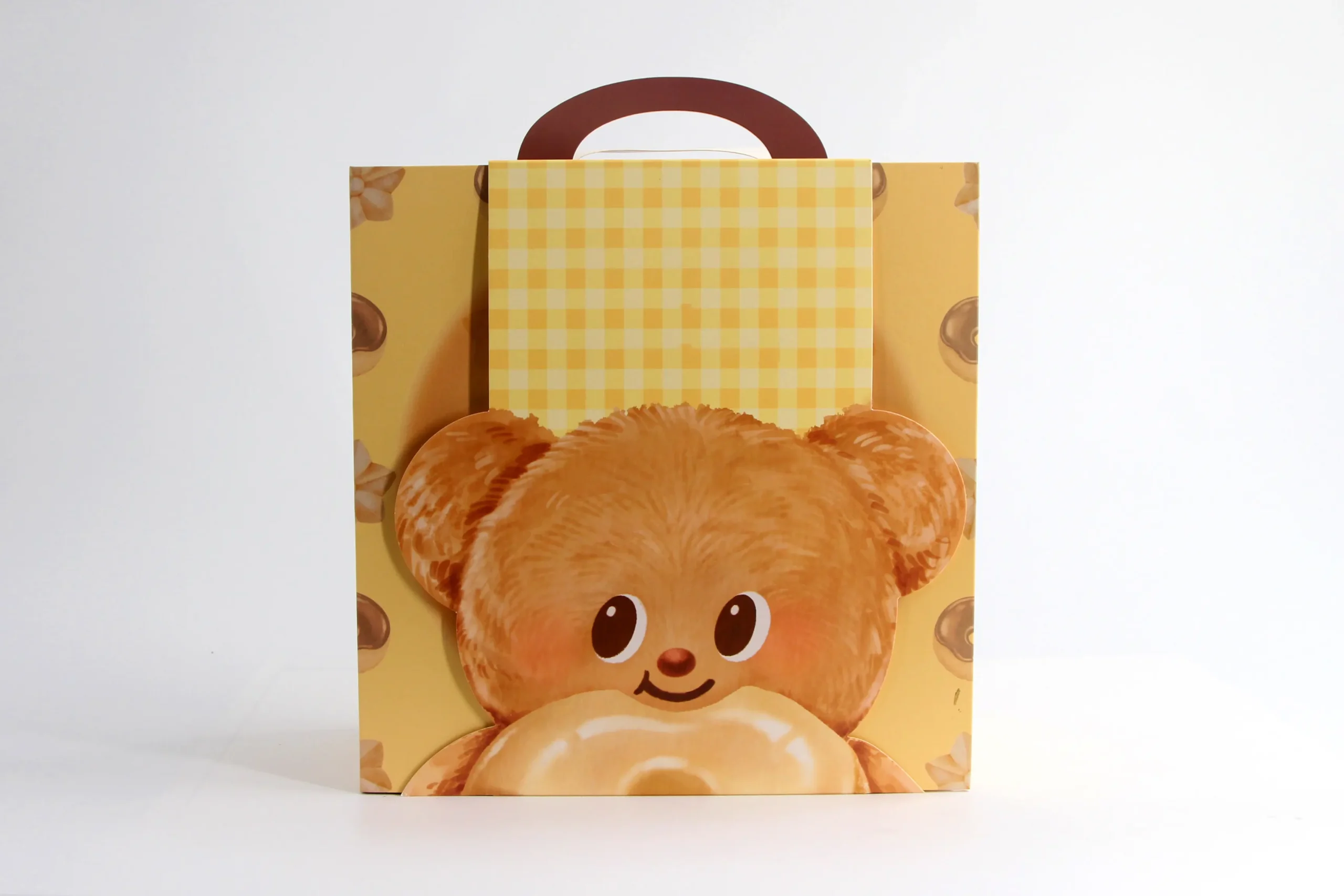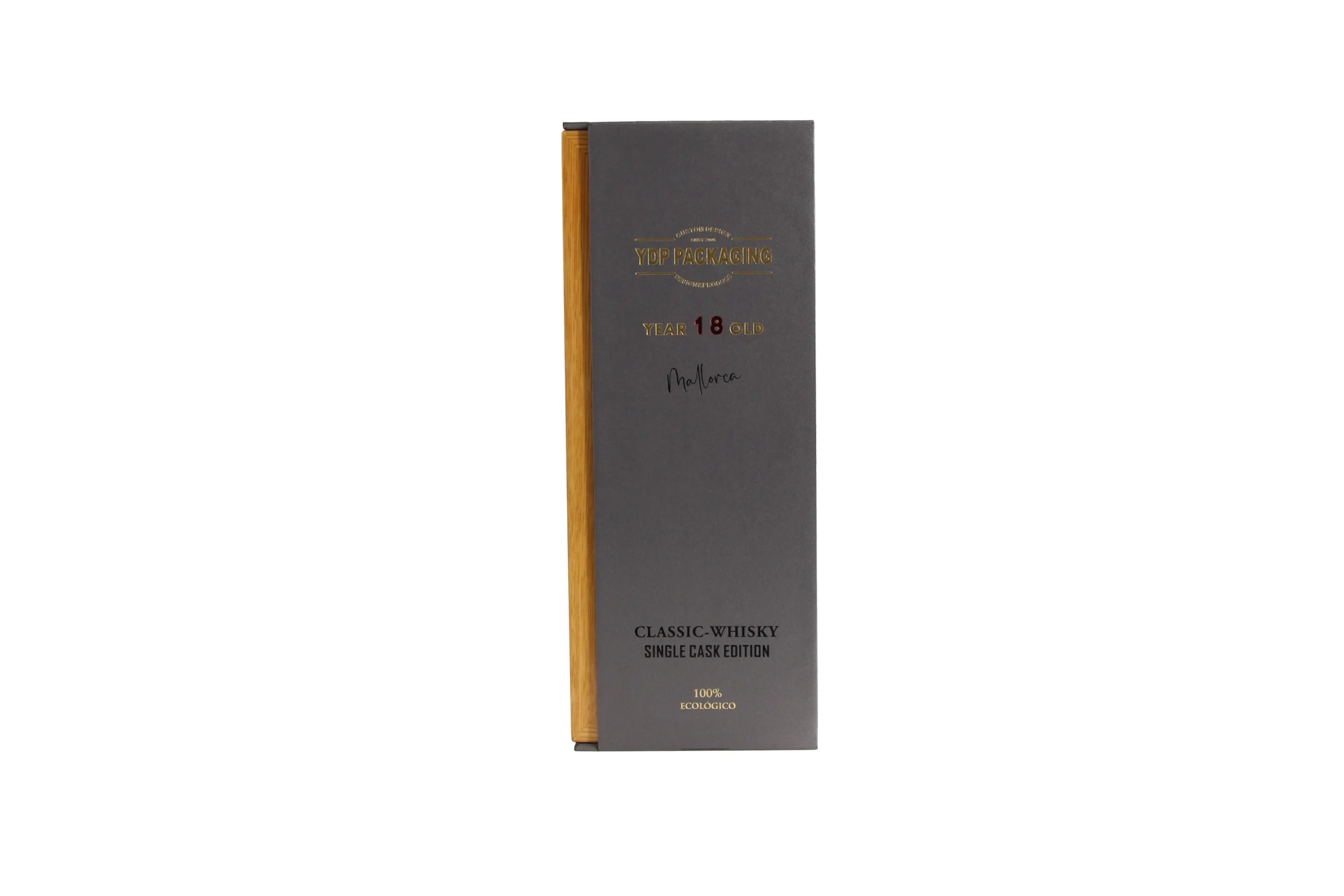
Paper finishes get judged in under a second. Someone picks up a box, and before they’ve read a word of copy, their hand has already decided whether this feels expensive or not. That judgment happens at the surface, and the surface is where most brands either earn the premium they’re charging for or quietly undercut it.
Choosing the right paper finishes isn’t really a design decision made after everything else is locked in. It affects unit cost, how the box survives folding and shipping, and how consistently a brand’s premium positioning actually reads across a full production run. This guide walks through the four paper finishes used on the outside of a gift box — standard coated paper, textured specialty stock, metallic card, and glitter finishes — and where each one adds value versus where it introduces risk.
Coated Paper: The Baseline Finish

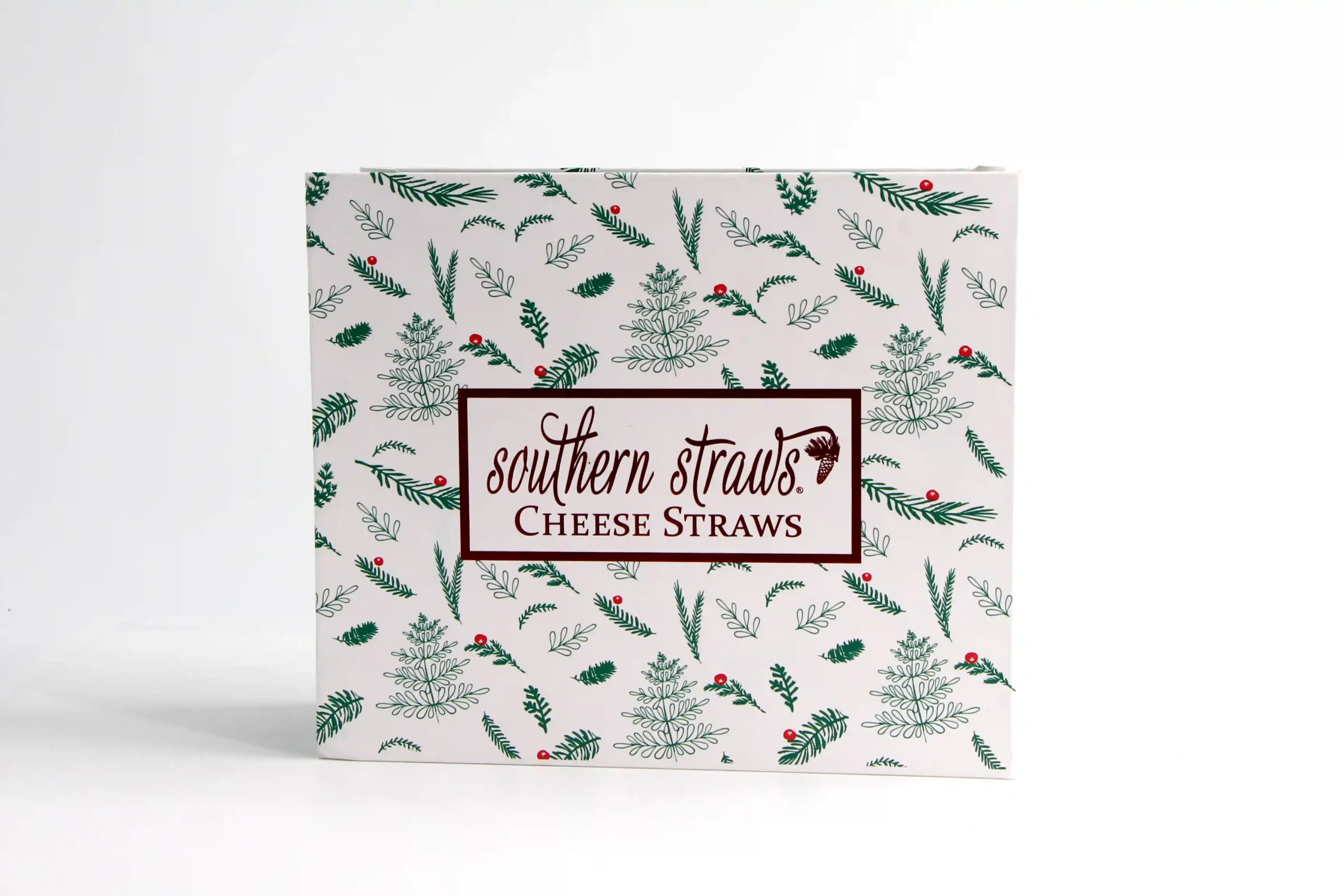
Standard coated paper, usually around 157gsm, is the workhorse of gift box surfaces and the most common of all paper finishes in production. It prints cleanly, holds color accurately, and takes lamination well, whether matte or gloss. Most mid-range boxes use coated paper as the default because it does its job without adding cost or risk. It’s not exciting, but it’s reliable, and reliable matters more than buyers sometimes give it credit for. Almost every other finish on this list is applied over, or in place of, a coated paper base.
Textured Specialty Paper: Where It Adds Value, Where It Cracks
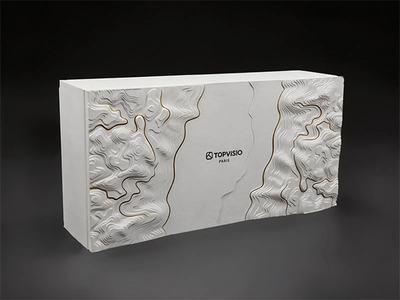
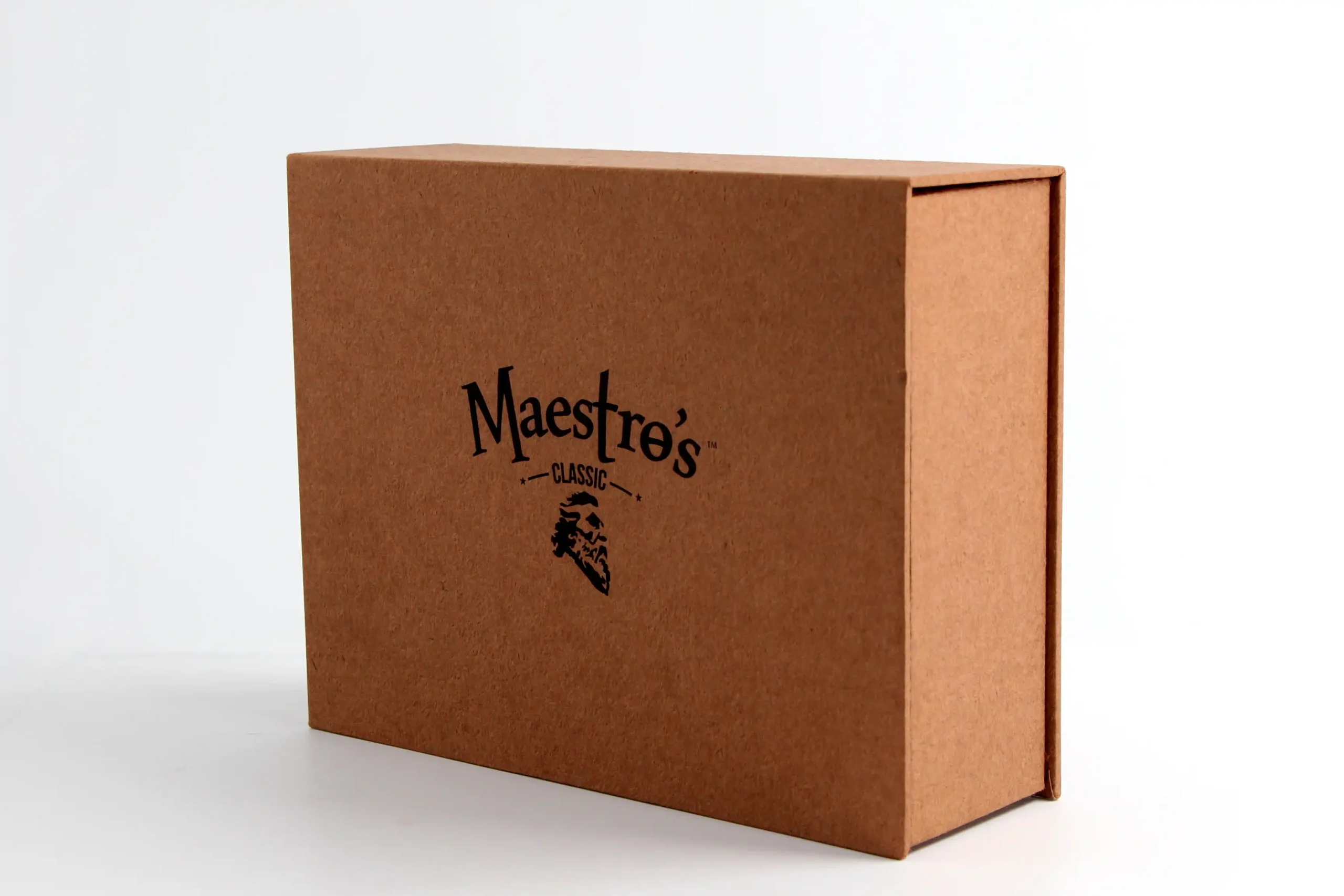
Textured paper — linen weave, cotton stock, ribbed finishes — is where a box starts to feel deliberately premium rather than just printed well. Among all paper finishes, this is the one that carries the strongest tactile signal: people register texture before they register anything else about a surface. But texture comes with a structural cost that coated paper doesn’t have.

Why Fold Corners Are the Failure Point
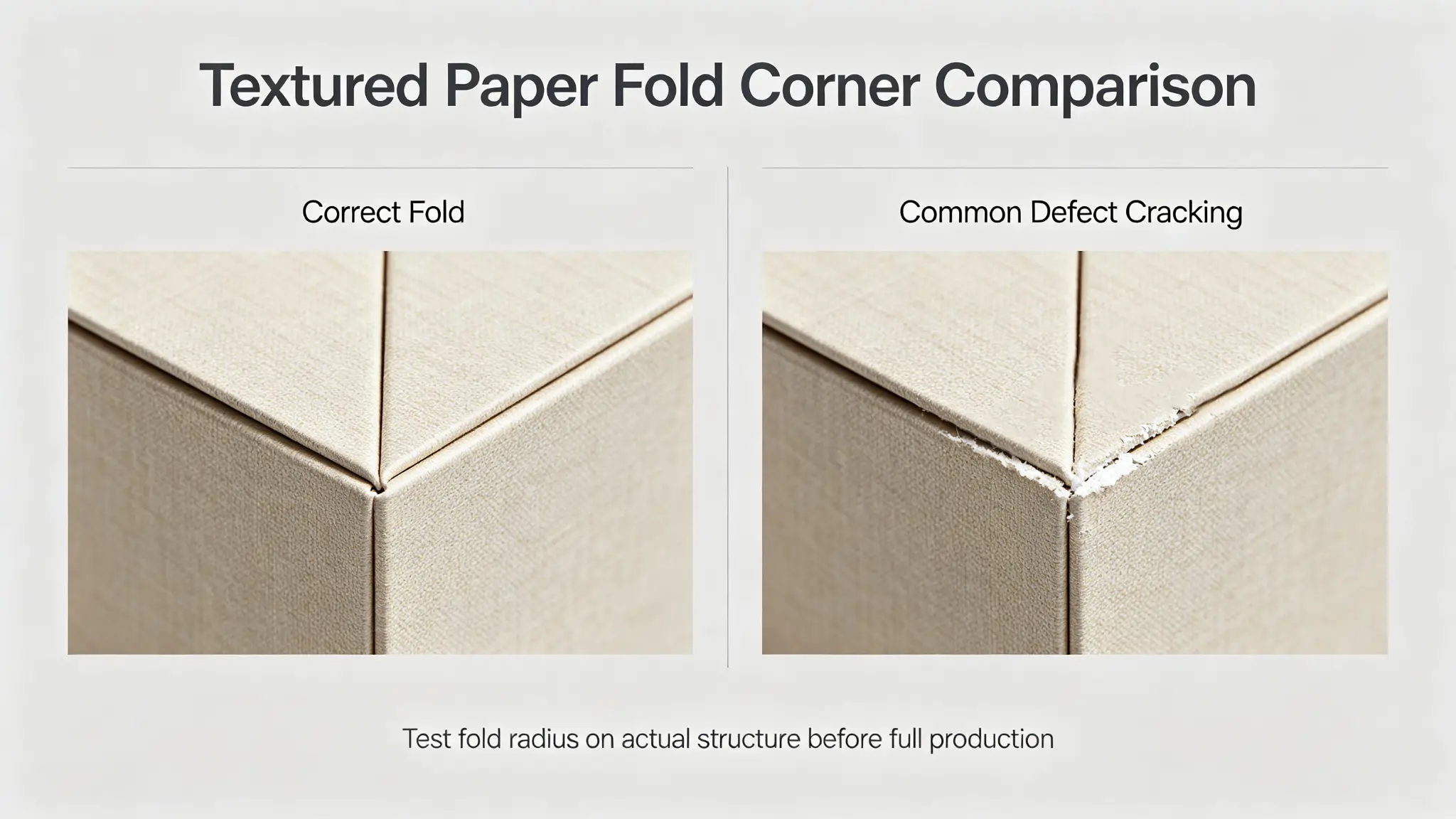
Textured paper fibers run in a fixed direction, and folding against that grain — especially at a tight box corner — can crack the coating or split the fiber visibly. This shows up most on boxes with sharp 90-degree folds and less on rounded or beveled edges. If you’re speccing textured paper for a box with tight corner folds, ask your supplier to test the exact fold radius before committing to a full run, not after. This single check prevents more paper finish failures than any other quality step in this guide.
Metallic Gold and Silver Card
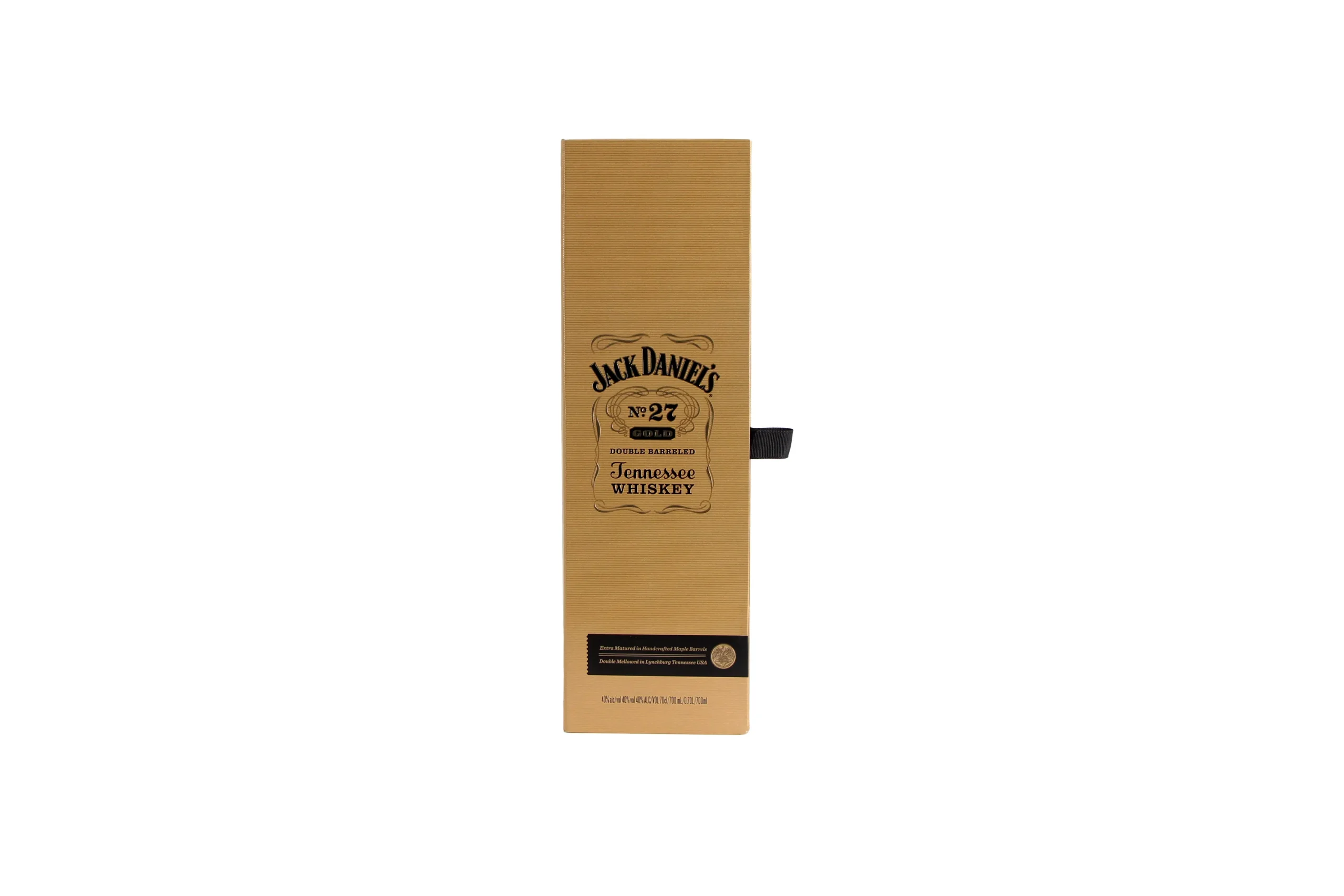
Metallic card stock delivers the most immediate visual impact of any of the paper finishes covered here, and it’s usually the most expensive per sheet. It works best in small doses — a border, a panel, a single accent — rather than wrapping an entire structure, both for cost reasons and because a fully metallic surface can read as costume rather than luxury depending on the product category. Wine and spirits packaging tends to use it more heavily than beauty packaging, where restraint is often the stronger signal. Metallic card also behaves differently under foil stamping than coated or textured paper, so if you’re layering finishes, confirm compatibility with your supplier early.
Glitter and Specialty Finish Paper
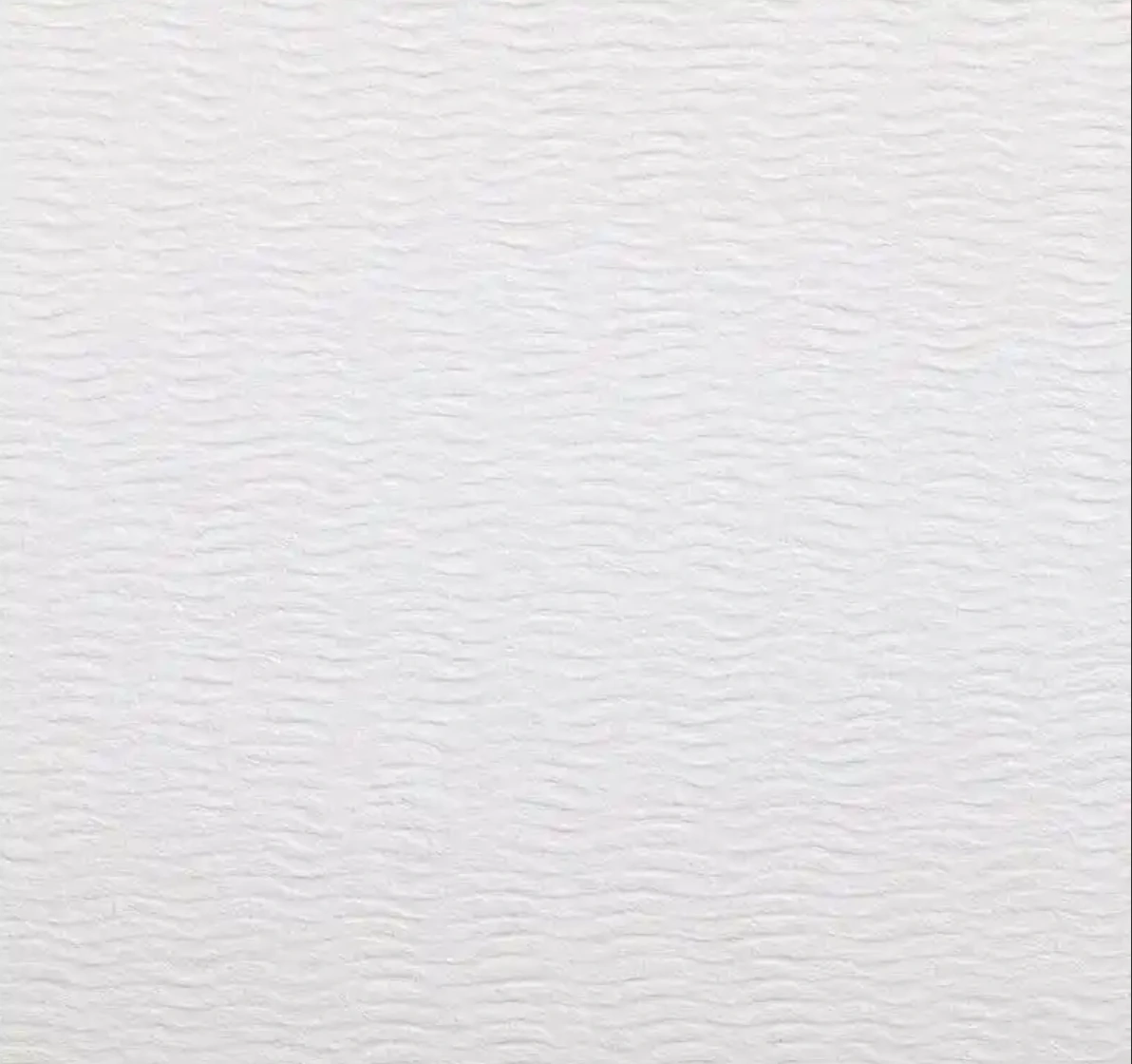
Glitter paper is the highest-risk, highest-reward finish among the paper finishes in this guide. It photographs well and creates a strong shelf presence, but it has one specific failure mode that doesn’t show up with the other three finishes.
Adhesion on Plastic Shells
When glitter paper is applied over a plastic or PET shell rather than a paperboard core, adhesion becomes a real variable rather than a formality. Glitter coatings can lift or flake at the edges over time, particularly with handling and temperature changes during shipping. This is testable before production using a standard tape adhesion method, and it’s worth insisting on that test rather than assuming a supplier’s default glitter stock will bond the same way to every substrate.
Choosing Paper Finishes by Product Category
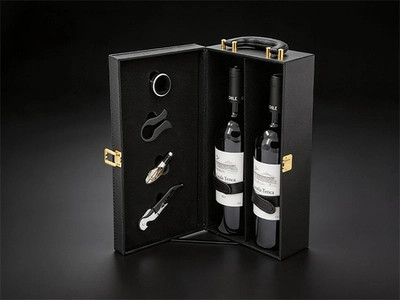
Paper finish choice isn’t only about brand tier — it also depends on what the box is protecting and how it’s handled after purchase. Cosmetics and skincare boxes are opened repeatedly, sometimes daily, so surface durability under regular handling matters more than it does for a one-time gift presentation. Wine and spirits boxes are usually opened once and often kept as display objects, so a heavier textured or metallic finish that would feel impractical on a daily-use box works well here. Jewelry and specialty gifting sits in between — opened rarely but expected to look flawless the one time it matters most.
Matching Paper Finishes to Brand Tier
Paper choice is one of the clearest signals of where a brand is positioning itself, and it’s worth being deliberate about which paper finishes you choose rather than defaulting to whatever looks good in a sample book.
Tier | Typical Paper Finishes | Approach |
Budget | Coated paper + one lamination (matte or gloss) | Single finish, predictable cost, low risk |
Mid | Textured paper on panels + metallic accent | One primary finish + one small accent |
Luxury | Textured primary + selective metallic/glitter | Fewer techniques, applied with precision, not coverage |
The strongest luxury paper finishes tend to use fewer techniques applied with more precision, not more techniques stacked together across the whole structure.

Quality Control: What to Check Before Paper Finishes Leave the Factory
A finish that looks right on a flat sample doesn’t guarantee it survives folding, shipping, and handling at scale.
Fold Testing on the Actual Structure
Ask for a folded sample using your actual box structure, not a flat swatch. Cracking and coating separation on textured paper often only appear once the paper is folded at the real corner angle of your design, which a flat sample simply can’t reveal.
Adhesion Testing for Glitter and Specialty Coatings
For glitter or specialty coatings on plastic substrates, request adhesion testing before bulk production, following a method like ASTM D3359 tape testing. It’s a small step that prevents a much larger problem showing up after a shipment arrives.
What to Know Before You Request a Quote
A few production basics apply across all four paper finishes covered here.
Minimum Order Quantity
1,000 units per SKU is standard across our product range.
Sample Lead Time
7 days from confirmed spec to sample in hand.
Production Lead Time
30 to 45 days, depending on material complexity and finish.
Sourcing Note
Coated and textured paper stock can generally be sourced with FSC chain of custody documentation on request, tracing the paper back to responsibly managed forests, which matters if you’re selling into markets that expect that certification. GSM specs for paper stock follow the same ISO 536 grammage standard used for greyboard.
FAQ
What’s the most durable paper finish for gift boxes?
Standard coated paper is the most consistently reliable across fold angles and shipping conditions among all common paper finishes. Textured paper needs corner-specific testing, and glitter finishes need adhesion testing when applied to plastic substrates.
Does textured paper always crack at fold corners?
No, but it’s a real risk that depends on fold angle, fiber direction, and paper weight. Testing a folded sample on your actual structure before full production is the only reliable way to rule it out.
Is glitter paper safe to use on plastic packaging shells?
It can be, but adhesion should be verified with testing rather than assumed. Ask your supplier for an adhesion test result before committing to bulk production.
How do I choose between metallic card and glitter finishes?
Metallic card generally reads as the more restrained of the two paper finishes and works well in small accents. Glitter creates stronger shelf presence but carries more risk on plastic substrates and is harder to apply with subtlety.
Can multiple paper finishes be combined on one box?
Yes, and most mid-to-luxury tier boxes do combine finishes — one primary surface finish with a smaller accent — rather than relying on a single treatment across the whole structure.
What’s the minimum order quantity for custom paper finishes?
1,000 units per SKU is standard. Sampling takes about 7 days, full production 30 to 45 days after that.
Where can I learn more about packaging materials beyond paper finishes?
See our Packaging Materials Guide for the full picture across structural, surface, functional, and finish materials.